
Full Body MRI Cost: What You'll Pay in 2026 October and Why
Full body MRI cost breakdown for 2026 October: 📚 prices from $499-$2,500, what's included, insurance coverage, and how to choose the right scan provider.
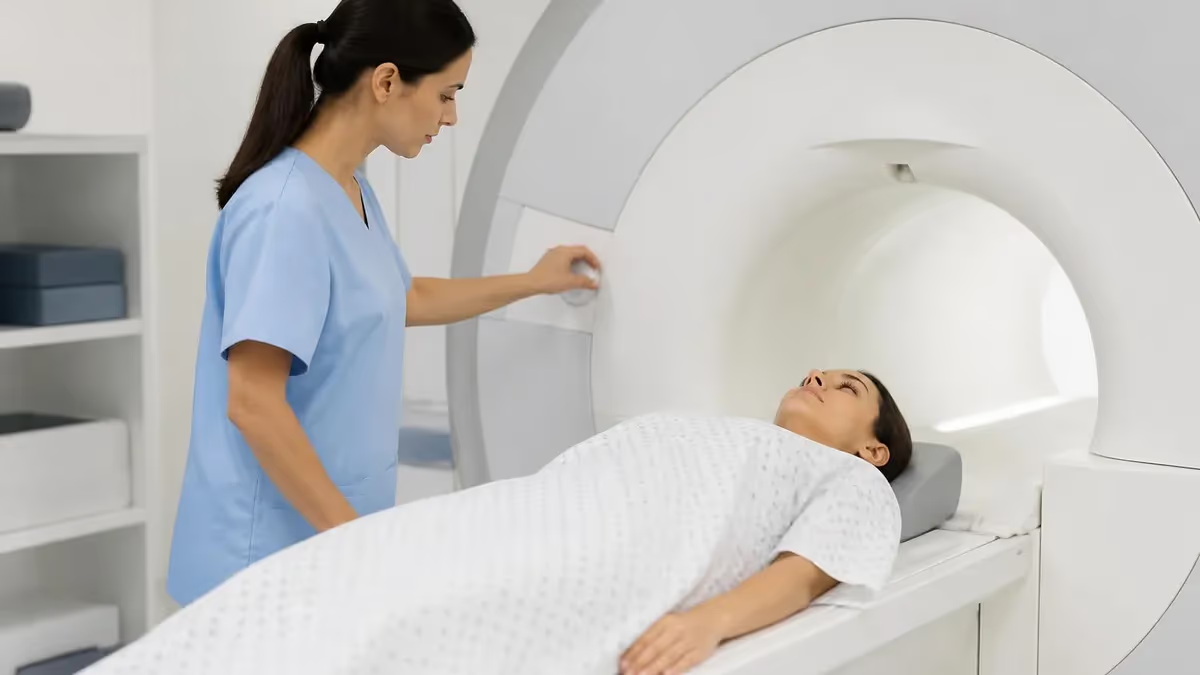
The full body MRI cost in 2026 ranges from roughly $499 at budget screening clinics to $2,500 or more at premium concierge providers, and the price you actually pay depends on a surprising number of variables. Geography, scanner field strength, whether contrast is used, the number of body regions imaged, and whether a board-certified radiologist personally reviews your study all push the bill up or down. Most patients walk into this experience expecting a single number and walk out realizing pricing is a spectrum.
Unlike a traditional diagnostic MRI ordered after an injury, a full body MRI is almost always elective and almost never covered by insurance. That single fact reshapes the entire conversation. You are not negotiating with a payer who has a contracted rate. You are paying cash, and the provider knows it. That gives you use if you understand the market, and it puts you at a disadvantage if you do not. Knowing the price structure before you book is the single most valuable preparation step.
Premium providers like Prenuvo, Ezra, and SimonMed have pushed the screening MRI category into the mainstream, but they sit at very different price points. Prenuvo's whole body scan typically runs $2,499, while Ezra's full body offering starts closer to $1,495 and SimonMed has aggressively undercut both with packages near $499. The cheapest scan is not always the best value because resolution, slice thickness, and radiologist expertise vary dramatically between vendors. You are paying for both the image and the interpretation.
Hospital-based full body screening is rare but exists, usually as part of executive physical programs at academic medical centers. These can run $3,000 to $7,000 and bundle bloodwork, consultation, and imaging into a single visit. For comparison, an MRI with and without contrast for a single body region ordered diagnostically might be billed at $1,200 to $4,000 before insurance adjustments, which shows just how compressed the full body screening market has become relative to traditional radiology pricing.
Add-ons inflate the base price quickly. Brain volumetrics, prostate-specific sequences, breast imaging for women, and cardiac MRI overlays each add $200 to $800. Some providers charge separately for a radiologist consultation video call after the scan, which is genuinely useful but rarely mentioned upfront. HSA and FSA eligibility varies by employer and scan indication, so do not assume you can pay pre-tax without confirming it first with your benefits administrator.
This guide breaks down exactly what drives full body MRI pricing in 2026, what is genuinely included in each tier, when the spend makes sense for your health profile, and the specific questions to ask before swiping your card. By the end you should be able to compare any two quotes side by side and understand why they differ.
Full Body MRI Cost by the Numbers
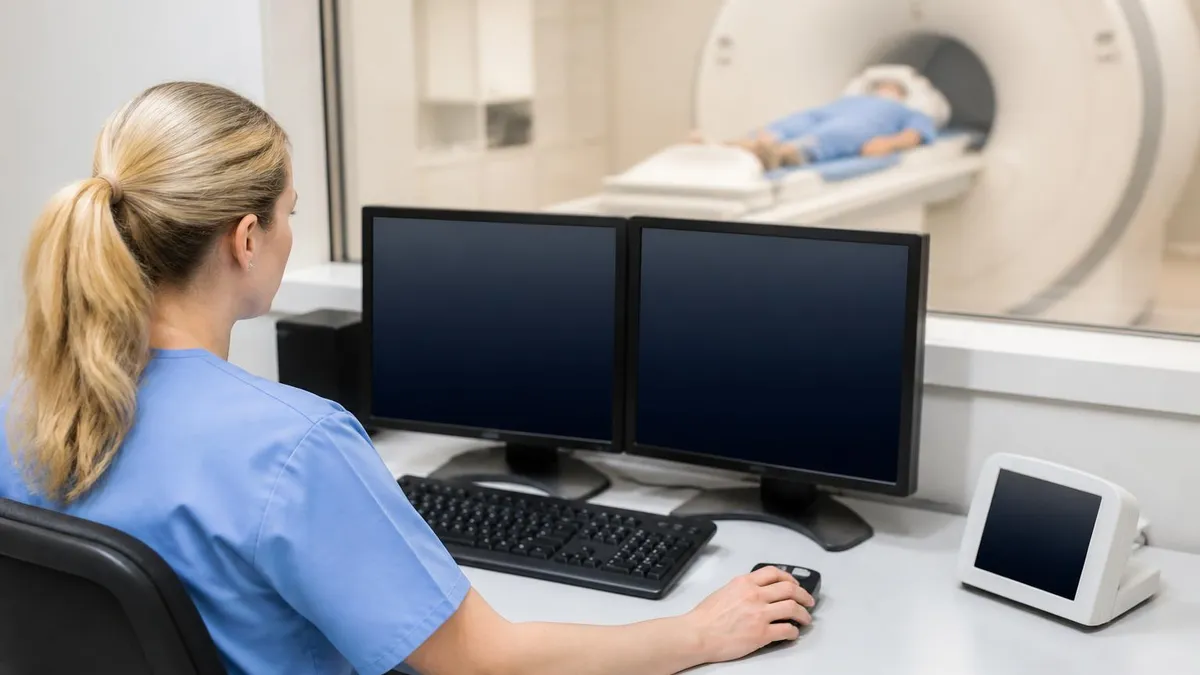
Price Tiers by Provider
Several core variables move the full body MRI cost up or down, and understanding them lets you predict pricing before you ever see a quote. The biggest single driver is scanner field strength. A 1.5 Tesla magnet produces solid screening images, while a 3.0 Tesla magnet delivers higher resolution and finer detail, particularly for brain and prostate sequences. Premium providers almost universally use 3.0T, and that capital expenditure flows directly into pricing. If a clinic advertises rock-bottom rates, ask which magnet you will actually be scanned on.
The number of body regions imaged is the second big factor. A true whole body scan covers head, neck, chest, abdomen, pelvis, and major joints in a single appointment. Some discount providers technically advertise full body coverage but skip extremities or omit dedicated brain sequences. Read the protocol document carefully because two scans called full body can image vastly different anatomy. The most common MRI findings guide explains what is actually being looked for at each level.
Slice thickness matters more than marketing copy suggests. A 3mm slice with 0% gap reveals lesions that a 6mm slice with 20% gap will completely miss. Premium providers acquire thinner slices, which means more images, longer scan time, and higher per-study costs. The trade-off is real diagnostic yield. A cheap scan with thick slices may give you false reassurance because tiny tumors or early-stage findings simply fall between the cuts.
Contrast versus non-contrast protocols also affect price, though the screening market has largely standardized on non-contrast scans to avoid gadolinium-related risk and complexity. Diffusion-weighted imaging, which is essentially free of contrast agent dependency, has become the workhorse sequence for cancer screening. When a provider charges more for a contrast-enhanced scan, ask whether the added cost actually adds clinical value for your specific risk profile or whether non-contrast diffusion sequences would answer the same question.
Geography plays a role you might not expect. Coastal metropolitan markets, particularly New York, San Francisco, Los Angeles, and Boston, command 15 to 30 percent premiums over Midwest and Southern markets for identical scan protocols. Some patients save hundreds of dollars by combining a scan with a short trip to a regional facility. Provider density also matters because competitive markets like Phoenix and Dallas have driven prices down faster than monopoly markets.
Radiologist expertise is the hidden cost lever nobody talks about. A scan read by a fellowship-trained body imager at an academic center will cost more than one read by a generalist or, increasingly, an AI-assisted read with light human oversight. Both approaches have merit, but they are not equivalent. If you have a meaningful family history of cancer or known genetic risk, paying for the subspecialist read is almost always worth the differential.
Finally, package extras like genetic counseling, lab work, longitudinal scan storage, and annual follow-up bundles can either add real value or pad the invoice. Look at what you would actually use. Many patients pay for premium tiers and never schedule the included consultation, while others underbuy and regret not having the follow-up support when an indeterminate finding shows up on their report.
MRI Practice Test Questions
Prepare for the MRI - Magnetic Resonance Imaging exam with our free practice test modules. Each quiz covers key topics to help you pass on your first try.
MRI Knowledge
MRI Exam Questions covering Knowledge. Master MRI Test concepts for certification prep.
MRI Physics
Free MRI Practice Test featuring Physics. Improve your MRI Exam score with mock test prep.
MRI Anatomy and Pathology
MRI Test Prep for MRI Anatomy and Pathology. Practice MRI Quiz questions and boost your score.
MRI Anatomy and Positioning
MRI Questions and Answers on MRI Anatomy and Positioning. Free MRI practice for exam readiness.
MRI Contrast Agents
Free MRI Quiz on MRI Contrast Agents. MRI Exam prep questions with detailed explanations.
MRI Patient Care and Positioning
MRI Practice Questions for MRI Patient Care and Positioning. Build confidence for your MRI certification exam.
Comparing Top Full Body MRI Providers
Prenuvo built the modern full body MRI screening category and charges accordingly at $2,499 for the whole body scan. The protocol uses 3.0T magnets, captures roughly 2,000 images per scan, and includes diffusion-weighted imaging for cancer screening. Reports are produced by board-certified radiologists and delivered through a polished mobile app with annotated findings, comparison tools, and downloadable DICOM files. The user experience is genuinely best in class, which partially explains the premium.
What you get for the higher price is also longitudinal tracking. Prenuvo positions itself as a yearly health subscription rather than a one-time scan, and the platform compares year-over-year studies to flag subtle changes. Critics argue the price reflects branding and venture capital expectations more than diagnostic superiority, but the platform consistently earns high satisfaction marks. If budget is not the binding constraint and you value polished software, Prenuvo remains the category leader.
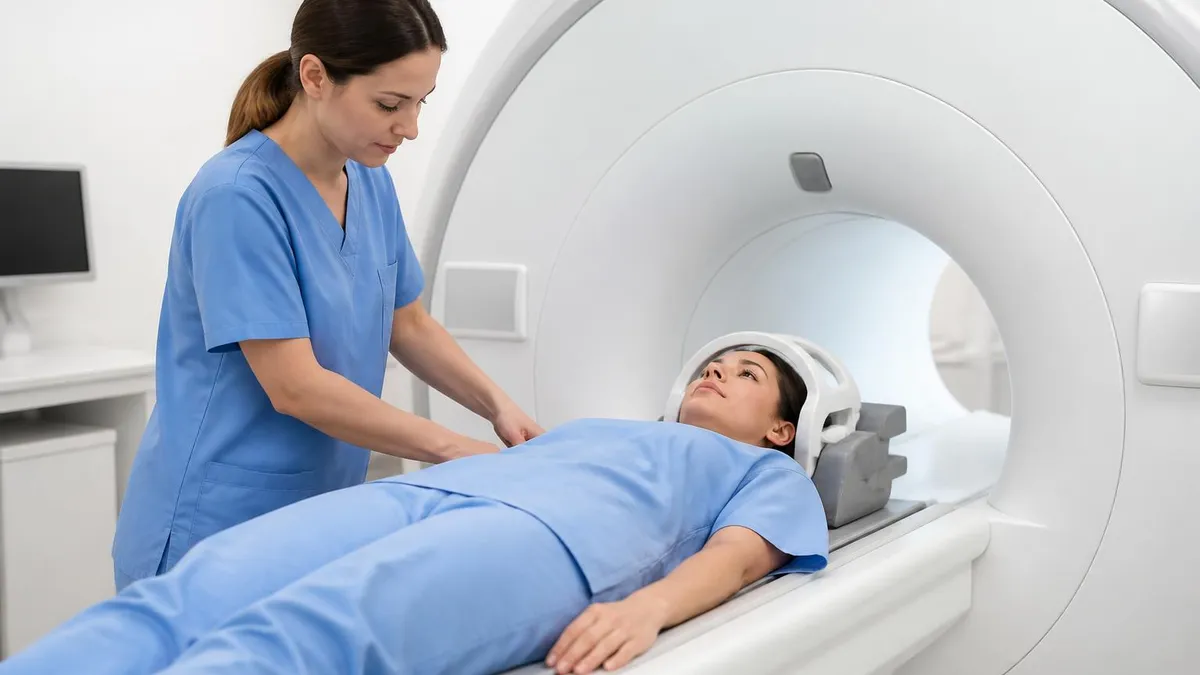
Is a Full Body MRI Worth the Cost?
- +Detects asymptomatic cancers, aneurysms, and structural abnormalities early
- +No radiation exposure, unlike whole body CT screening alternatives
- +Provides a comprehensive baseline for comparison in future years
- +Often reveals incidental but actionable findings beyond the primary indication
- +HSA and FSA dollars may be eligible depending on employer plan rules
- +Peace of mind for patients with family history or genetic risk
- +Newer 3T protocols deliver diagnostic-grade resolution in 60 minutes
- −Cost rarely reimbursed by commercial insurance or Medicare
- −High rate of incidental findings leading to downstream testing anxiety
- −False positives can trigger unnecessary biopsies and follow-up scans
- −Limited evidence that screening reduces mortality in average-risk adults
- −Quality varies significantly between providers at similar price points
- −Claustrophobic patients may struggle with 60-minute enclosed scans
- −Out-of-pocket spend competes with other preventive care priorities
Pros and Cons at a Glance
| Pros | Cons |
|---|---|
| Detects asymptomatic cancers, aneurysms, and structural abnormalities early | Cost rarely reimbursed by commercial insurance or Medicare |
| No radiation exposure, unlike whole body CT screening alternatives | High rate of incidental findings leading to downstream testing anxiety |
| Provides a comprehensive baseline for comparison in future years | False positives can trigger unnecessary biopsies and follow-up scans |
| Often reveals incidental but actionable findings beyond the primary indication | Limited evidence that screening reduces mortality in average-risk adults |
| HSA and FSA dollars may be eligible depending on employer plan rules | Quality varies significantly between providers at similar price points |
| Peace of mind for patients with family history or genetic risk | Out-of-pocket spend competes with other preventive care priorities |
Pre-Booking Checklist for Full Body MRI Cost
- ✓Confirm the scanner field strength is 3.0T for highest resolution screening
- ✓Ask whether the protocol includes brain, chest, abdomen, pelvis, and joints
- ✓Request the slice thickness specification in millimeters
- ✓Verify the radiologist's subspecialty and years of body imaging experience
- ✓Get the total price in writing including any required add-on fees
- ✓Check HSA and FSA eligibility with your employer benefits administrator
- ✓Ask whether contrast is included or charged separately
- ✓Confirm turnaround time for the final written report
- ✓Request a sample report to evaluate detail and clarity before paying
- ✓Ask whether follow-up consultation with the radiologist is included or extra
The cheapest scan is rarely the best deal
A $499 scan with 6mm slices and a generalist read may miss findings that a $1,500 scan with 3mm slices and a subspecialist read would catch. Compare protocols, not just prices. Ask each provider for slice thickness, magnet strength, and radiologist credentials before committing.
Insurance coverage for full body MRI screening is rare in 2026, and patients who walk into this purchase assuming their plan will cover even a portion are usually disappointed. Commercial insurance, Medicare, and Medicaid all classify elective whole body screening as not medically necessary unless a specific diagnostic indication exists. The exception comes when a documented genetic syndrome like Li-Fraumeni or BRCA mutation creates a legitimate clinical reason for surveillance imaging, in which case some plans will cover targeted protocols.
That said, there are real ways to reduce the out-of-pocket cost. Health Savings Accounts and Flexible Spending Accounts often accept full body MRI charges when a physician provides a letter of medical necessity referencing family history, prior cancer, or specific symptoms. The letter does not need to claim diagnostic intent, just medical relevance. Talk to your primary care doctor before booking because their willingness to provide documentation can save you hundreds of dollars in pre-tax savings.
Financing has become increasingly common as providers compete for cash-pay patients. Prenuvo, Ezra, and several competitors partner with Affirm, CareCredit, or in-house payment plans that spread the cost over 6 to 24 months. Interest rates vary from 0% promotional offers for qualified borrowers to 26.99% or higher for longer terms. Read the fine print because a 0% rate often converts to retroactive interest if you miss the payoff window.
Some providers offer corporate wellness packages where employers cover or subsidize the scan as part of executive benefits. If you work for a Fortune 500 company, check whether your benefits portal includes preventive imaging vendors. The same applies to high-end concierge medicine practices, which often bundle annual full body MRI into membership fees of $3,000 to $10,000 per year. The bundle math sometimes works out better than paying for a standalone scan.
The history and evolution of this technology matters too. Understanding the history of MRI helps explain why pricing has compressed so rapidly in the past five years. As scanner technology matures and AI-assisted reads reduce radiologist time, the marginal cost per scan keeps falling. Expect entry-level prices to drop further by 2027 as more competitors enter the screening category and as direct-to-consumer marketing pressures push margins down.
Tax deductibility is another lever worth exploring. Medical expenses exceeding 7.5% of adjusted gross income can be deducted on itemized federal tax returns. For many patients, a single full body MRI alone will not clear that threshold, but combined with other medical spending it might. Keep receipts and documentation, and consult a tax professional if you are close to the threshold. The deduction is not large for most households but it can offset a meaningful portion of the cost.
Finally, watch for promotional pricing windows. Black Friday, January health resolutions, and end-of-year HSA spend-down periods all trigger discount campaigns from screening providers. Discounts of 10 to 25 percent are common during these windows, and stacking a promo code with HSA dollars can meaningfully reduce the effective cost. Sign up for provider mailing lists a few months before you plan to book.

Studies show 13-40% of full body MRI scans reveal incidental findings that require follow-up. Most turn out to be benign cysts, nodules, or anatomical variants. Budget mentally and financially for potential follow-up imaging, biopsies, or specialist visits. The downstream cost of a $1,500 scan can balloon to $5,000+ if findings cascade.
Deciding whether a full body MRI is worth the money depends on your personal risk profile, financial situation, and tolerance for medical uncertainty. For an average-risk 35-year-old with no family history and a healthy lifestyle, the screening yield is low and the chance of incidental findings creating downstream anxiety is real. For a 55-year-old with multiple first-degree relatives diagnosed with cancer, the calculus shifts significantly toward the scan being worth the cost.
The medical community remains divided. Major societies including the American College of Radiology and the US Preventive Services Task Force have not endorsed routine whole body MRI for average-risk adults, citing insufficient evidence that screening reduces mortality. Proponents counter that absence of evidence is not evidence of absence and point to case reports of asymptomatic cancers caught early. Both positions have merit. The honest answer is that the evidence base is still maturing.
If you decide to move forward, set expectations realistically before the scan. A meaningful percentage of reports will contain at least one finding that requires clarification or follow-up. Most of these are benign. Have a primary care physician or specialist ready to interpret the report in context. The worst outcome is paying $1,500 for a scan, receiving a confusing report, and having no one available to help you understand what it means.
The technology itself matters less than the surrounding clinical infrastructure. Understanding the MRI medical abbreviation and basic terminology helps you read reports more confidently. Patients who arrive at the scan understanding the basics of T1 versus T2 sequences, what diffusion-weighted imaging means, and how diffusion restriction relates to cellularity get more value from the experience and ask better questions in follow-up consultations.
Consider also whether other preventive measures would deliver more health value for the same spend. A $1,500 full body MRI competes for budget against a comprehensive cardiac workup, advanced lipid testing, colonoscopy, dermatology screening, dental work, mental health support, gym membership, or simply contributing more to retirement. Health spending has opportunity costs. Some of these alternatives have stronger evidence bases for improving long-term outcomes than whole body screening MRI does.
Special situations strengthen the case meaningfully. Survivors of certain childhood cancers benefit from periodic surveillance imaging. Carriers of high-penetrance cancer mutations have clearer indications. Patients with a history of melanoma may benefit from baseline imaging of lymph node basins. Athletes preparing for extreme events sometimes use the scan as a screening tool before training intensifies. In each case, the decision is more clinical than consumer.
The bottom line is that no one can answer the worth-it question for you in the abstract. Frame the decision around your specific health history, your family pattern, your finances, and your relationship with medical uncertainty. A scan that brings clarity and peace of mind to one person can trigger years of follow-up anxiety in another with the same findings. Know yourself before you book.
Practical tips for getting the most out of your full body MRI investment start before you ever schedule the appointment. Begin by gathering your family medical history in writing, including ages at diagnosis for any cancers, cardiac events, and neurological conditions in first and second degree relatives. This document helps the radiologist contextualize findings and helps you pressure-test which provider truly tailors the read to your risk profile versus running an identical protocol for every patient walking through the door.
Schedule the scan early in the day if possible. Morning slots typically run on time, while afternoon slots accumulate delays from earlier patients. Drink water in the hours before your appointment because hydration improves image quality for certain sequences, particularly abdominal and pelvic imaging. Avoid caffeine if you tend toward anxiety in enclosed spaces because the combination of stimulant and confinement can trigger panic responses inside the bore.
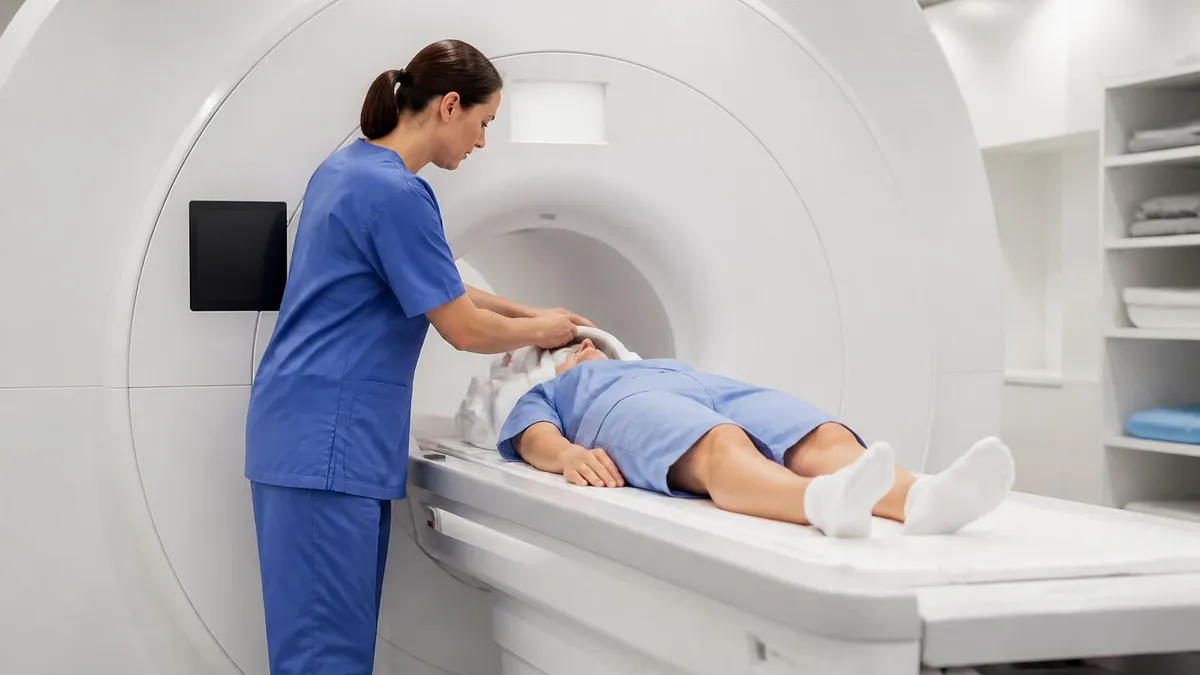
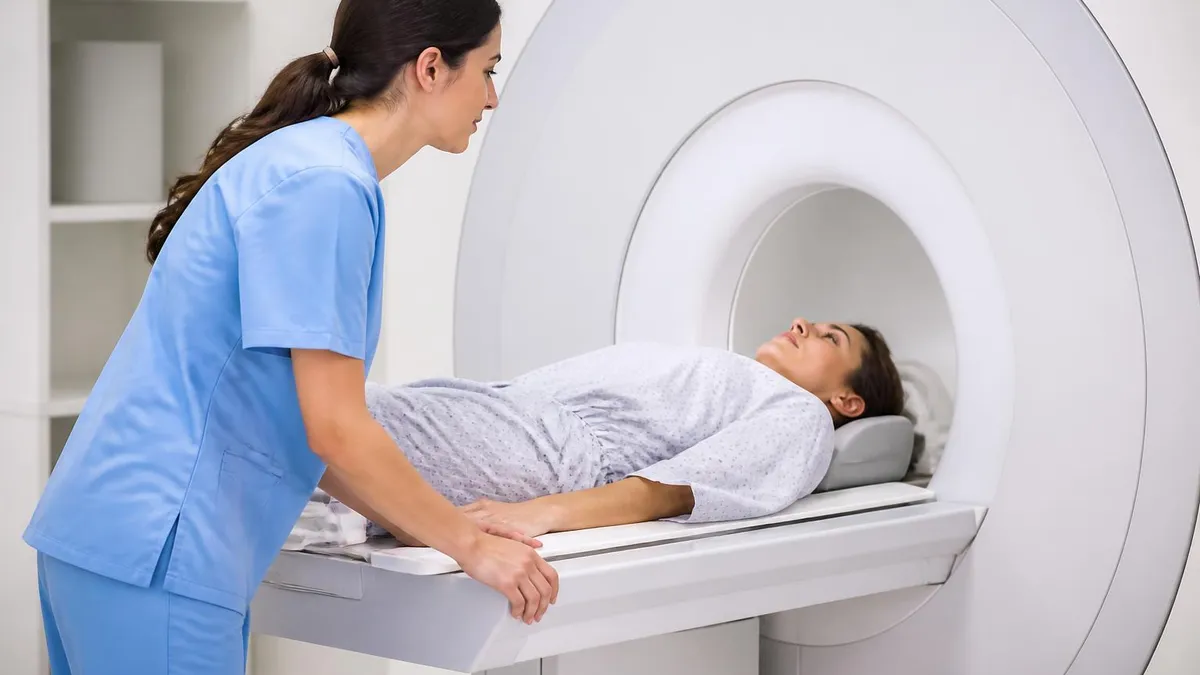
Wear loose, metal-free clothing or plan to change into a gown on site. Remove jewelry, hairpins, and underwire bras before arrival. If you have any implanted devices, including dental work, joint replacements, IUDs, or pacemakers, bring the manufacturer card and model numbers. Even if you have already discussed these on intake paperwork, having documentation in hand prevents last-minute cancellations. Patients with MRI with braces concerns should ask in advance whether scan quality near the face will be compromised.
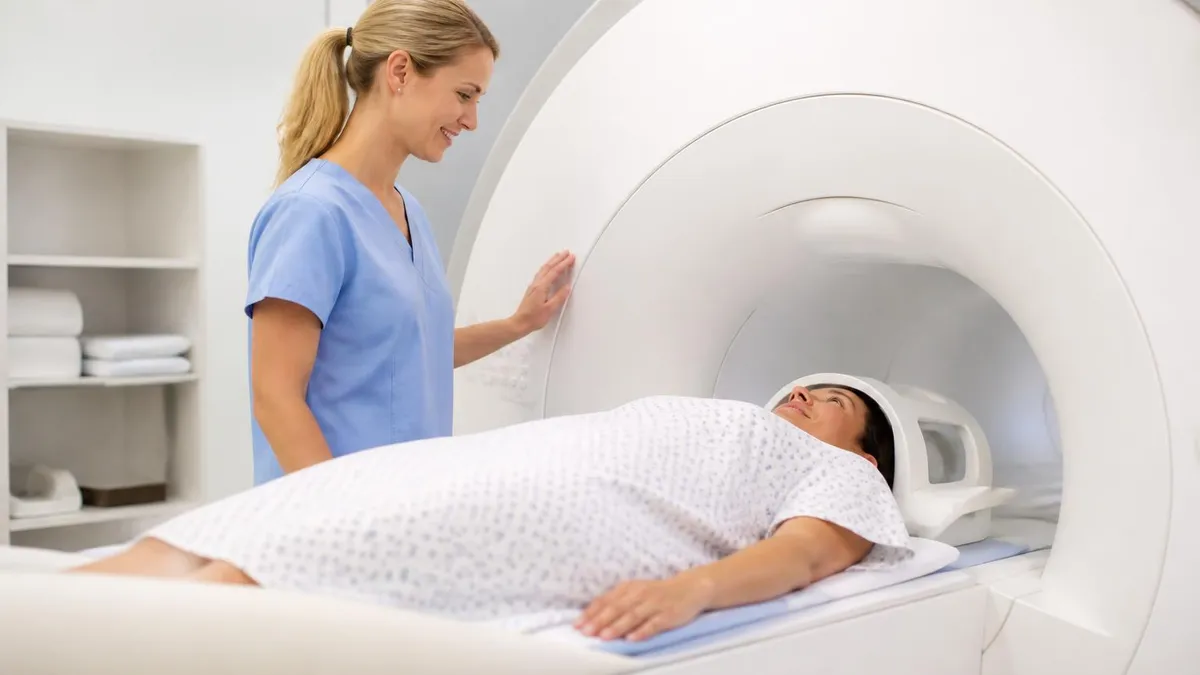
Plan for the scan itself to take longer than the advertised time. A 60-minute protocol typically means 60 minutes of imaging plus 20 to 40 minutes of intake, changing, positioning, and post-scan logistics. Block 90 to 120 minutes total. Bring earplugs even if the facility provides them because patient-supplied foam plugs sometimes fit better and reduce the noise burden meaningfully. Some facilities offer noise-canceling headphones with music, which substantially improves the experience.
Communicate proactively with the technologist if you feel claustrophobic. They can offer a washcloth over your eyes, music, a panic squeeze ball, and verbal check-ins during the scan. Some providers offer mild oral sedation like a low-dose benzodiazepine prescription before the appointment for genuinely anxious patients. Arrange a driver if you take sedation. Even a mild dose can affect coordination and judgment for several hours afterward.
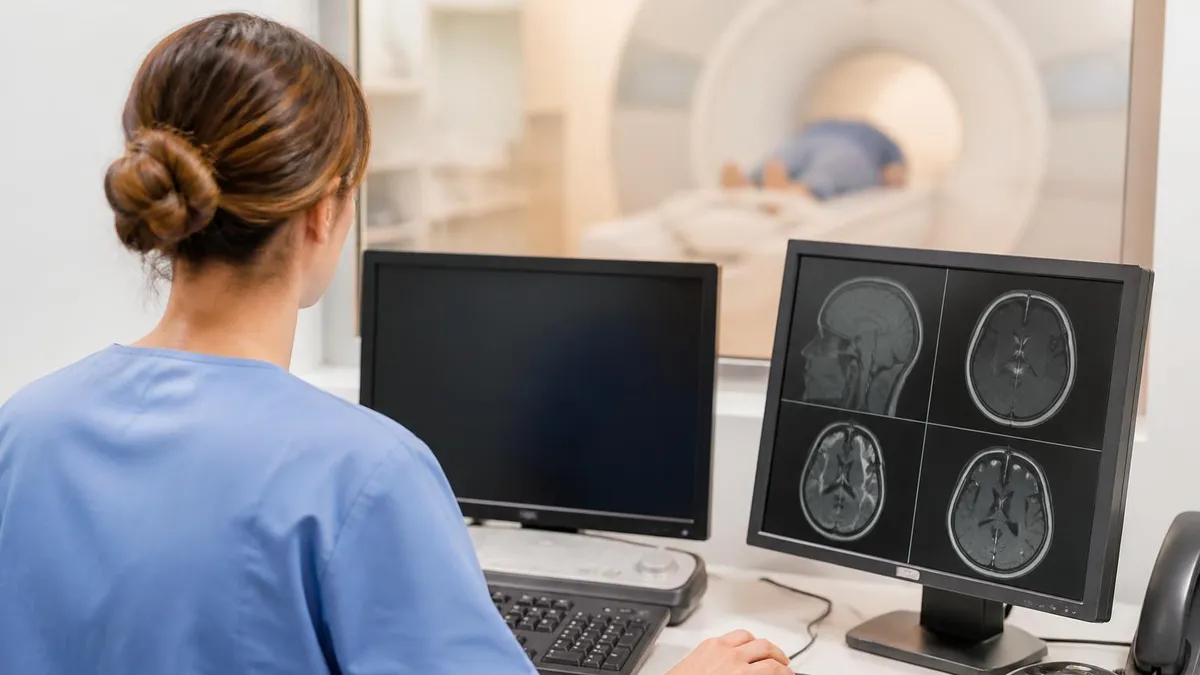
After the scan, review the report carefully and bring it to your primary care physician for context. Do not rely solely on the radiologist's interpretation if you have questions about clinical significance. A finding that reads dramatic on a written report often turns out to be a normal anatomical variant when discussed in the broader context of your overall health. Schedule the follow-up appointment within two weeks of receiving the report while the findings are fresh.
Finally, build a long-term plan rather than treating the scan as a one-time event. If you can afford annual or biennial scans, the real value emerges through comparison over time. Subtle changes that would be invisible on a single study become obvious when compared to a baseline. If annual scans are out of reach, plan for every three to five years and use the interval to address modifiable risk factors. The scan is a snapshot, but your health is a video.
Sample MRI - Magnetic Resonance Imaging Practice Questions
Try these questions from our free MRI - Magnetic Resonance Imaging practice tests. The correct answer and an explanation follow each question.
What is the relationship between voxel size and SNR in MRI?
- A. Larger voxels produce higher SNR
- B. Smaller voxels produce higher SNR
- C. Voxel size has no effect on SNR
- D. SNR decreases as voxel volume doubles
Answer: A. Larger voxels produce higher SNR
Larger voxels contain more protons contributing signal, increasing SNR, though at the cost of spatial resolution.
What is the Ernst angle in MRI?
- A. The flip angle that maximizes signal for a given TR and T1
- B. The angle at which the slice becomes isotropic
- C. The phase angle at which fat and water are in phase
- D. The gradient angle that minimizes eddy currents
Answer: A. The flip angle that maximizes signal for a given TR and T1
The Ernst angle (cos θ = e^(−TR/T1)) is the optimal flip angle for steady-state gradient echo imaging that maximizes SNR efficiency.
What is the purpose of the radiofrequency (RF) pulse in an MRI sequence?
- A. To tip net magnetization away from B0
- B. To increase static magnetic field strength
- C. To suppress gradient coil noise
- D. To align hydrogen nuclei with each other
Answer: A. To tip net magnetization away from B0
The RF pulse at the Larmor frequency tips the net magnetization vector away from the longitudinal axis to induce signal.
What is the main advantage of parallel imaging techniques (e.g., GRAPPA, SENSE) in MRI?
- A. Reduced acquisition time by undersampling k-space using multiple coil elements
- B. Improved SNR by adding signals from multiple coils
- C. Elimination of susceptibility artifacts
- D. Increased spatial resolution without penalty
Answer: A. Reduced acquisition time by undersampling k-space using multiple coil elements
Parallel imaging uses the spatial sensitivity profiles of phased-array coils to reconstruct missing k-space lines, allowing faster acquisitions at the cost of some SNR.
Take the full MRI - Magnetic Resonance Imaging practice test
MRI Questions and Answers
About the Author

Medical Laboratory Scientist & Clinical Certification Expert
Johns Hopkins UniversityDr. Sandra Kim holds a PhD in Clinical Laboratory Science from Johns Hopkins University and is certified as a Medical Technologist (MT) and Medical Laboratory Scientist (MLS) through ASCP. With 16 years of clinical laboratory experience spanning hematology, microbiology, and molecular diagnostics, she prepares candidates for ASCP board exams, MLT, MLS, and specialist certification tests.
Join the Discussion
Connect with other students preparing for this exam. Share tips, ask questions, and get advice from people who have been there.
View discussion (8 replies)