
Gulf Coast MRI: Complete Guide to Imaging Centers, Services, and What to Expect Along the Coast
💡 Gulf Coast MRI guide covering imaging centers, scan types, costs, prep tips, and what to expect at outpatient facilities across the Gulf Coast region.
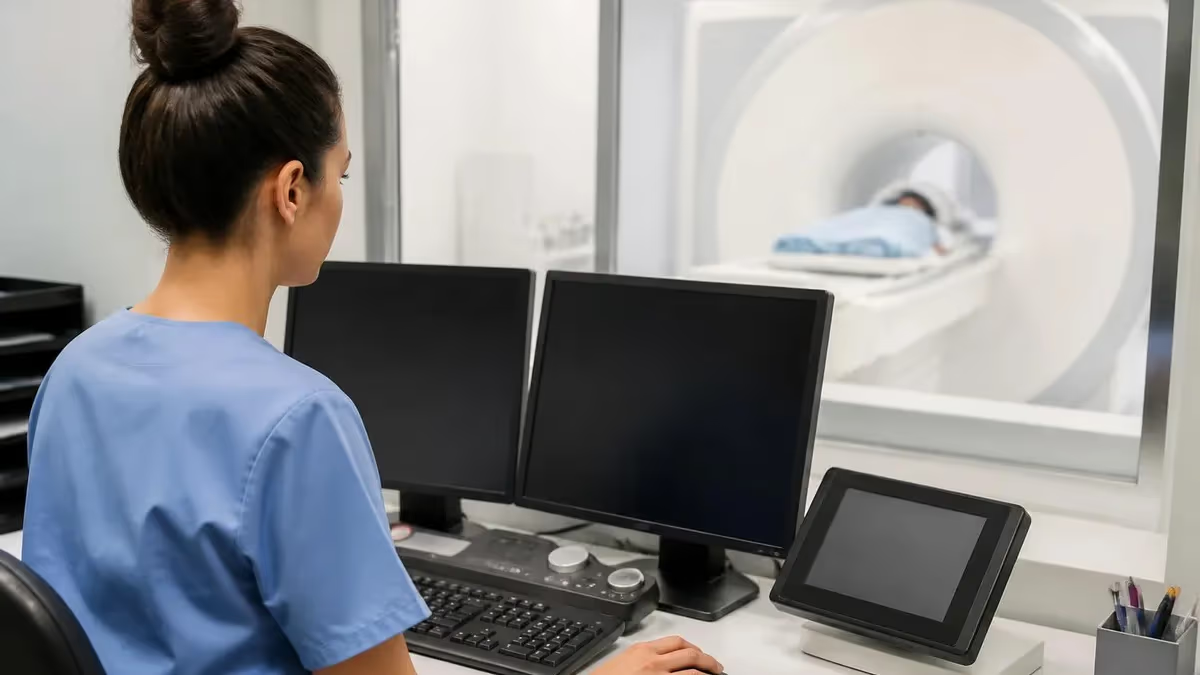
Gulf Coast MRI services have expanded dramatically over the past two decades, with outpatient imaging centers stretching from Brownsville, Texas, through Louisiana, Mississippi, Alabama, and into the Florida panhandle. Patients along this 1,600-mile coastline now have access to high-field 1.5T and 3T scanners, wide-bore systems for claustrophobic patients, and subspecialty radiology reads, often at a fraction of hospital prices. Whether you live in Houston, New Orleans, Mobile, or Pensacola, understanding what Gulf Coast MRI providers offer can help you make smarter decisions about scheduling, cost, and image quality.
The Gulf Coast region has unique imaging demands shaped by its demographics, climate, and industries. Offshore oil workers experience musculoskeletal injuries that require detailed shoulder and lumbar spine MRI. Aging retirees in Florida and Alabama drive demand for neurological imaging, stroke workups, and joint replacements. Active military communities near Pensacola, Biloxi, and Corpus Christi rely on MRI for sports medicine and traumatic injury evaluation. Each subregion has developed imaging networks tailored to these populations, with some centers operating extended hours to accommodate shift workers and emergency referrals.
Outpatient Gulf Coast MRI facilities typically cost 40 to 70 percent less than hospital-based imaging departments for the same study. A lumbar spine MRI without contrast may run $400 to $800 at a freestanding center versus $1,800 to $3,500 at a hospital outpatient department. This pricing gap has fueled the growth of independent imaging networks like SimonMed, RAYUS Radiology, Touchstone Imaging, and regional players such as Gulf Coast Imaging Centers and Coastal Medical Imaging. Self-pay patients and those with high-deductible plans benefit most from this competitive landscape.
Scheduling along the Gulf Coast has also become more flexible. Many centers now offer same-day or next-day appointments, weekend hours, and direct-access scanning that bypasses traditional referral bottlenecks. Online portals let patients book, upload insurance information, and review prep instructions before arrival. For a deeper dive into how outpatient facilities operate, see our guide to MRI Imaging Centers, which covers staffing, accreditation, and quality standards that apply across the country, including throughout the Gulf states.
Quality varies, however, and not every Gulf Coast MRI center delivers the same experience. Accreditation through the American College of Radiology (ACR) or the Intersocietal Accreditation Commission (IAC) is the gold standard. Magnet strength matters too: a 3T scanner produces sharper images of small structures like the inner ear, pituitary, or wrist ligaments, while 1.5T remains the workhorse for most spine and abdominal exams. Open and wide-bore scanners help large or anxious patients but generally produce lower-resolution images than closed-bore high-field magnets.
Subspecialty radiology reads are another differentiator. A musculoskeletal radiologist reading a shoulder MRI catches subtle labral tears that a general radiologist might miss. Neuroradiologists trained in stroke imaging interpret diffusion-weighted sequences faster and more accurately. Many Gulf Coast networks now route studies to fellowship-trained radiologists through teleradiology, meaning a scan performed in Galveston may be read by a specialist in Dallas or even nationally. Ask your imaging center which radiologists interpret your specific study type before booking.
This guide walks through everything you need to know about Gulf Coast MRI: typical costs, common scan types, what to expect during your visit, how to prepare, safety considerations for implants and pregnancy, and how to choose between competing centers. Whether you are scheduling your first MRI or comparing facilities for a chronic condition, the information here will help you navigate the regional imaging landscape with confidence and avoid the surprises that catch many patients off guard on their first visit.
Gulf Coast MRI by the Numbers
Major Gulf Coast Imaging Networks
One of the largest outpatient networks in the country, with multiple locations across Texas and Florida. Offers 3T scanners, wide-bore options, and aggressive self-pay pricing. Same-day scheduling is common in Houston, Tampa, and Orlando metros.
Formerly Center for Diagnostic Imaging, RAYUS operates premium facilities in Houston, New Orleans, and across the Florida Gulf Coast. Known for subspecialty radiologists, advanced neuroimaging, and high-end musculoskeletal protocols favored by orthopedic surgeons.
Texas-focused network with strong presence in Houston, Beaumont, and Corpus Christi. Competitive pricing for self-pay patients, accepts most insurance plans, and offers extended evening and Saturday hours at many locations.
Memorial Hermann, Ochsner, USA Health, and Baptist Health each operate outpatient MRI centers along their respective coasts. Higher cost than independents but often required when your physician is in their network or you need integrated EMR access.
Smaller groups like Coastal Medical Imaging, Bay Area MRI, and Gulf Coast Diagnostic Imaging serve specific metros. Often the lowest cash prices, but verify accreditation status and ask about radiologist credentials before scheduling complex studies.
Costs for Gulf Coast MRI vary widely based on three factors: the body part scanned, whether contrast is used, and the facility type. A basic brain MRI without contrast at a freestanding outpatient center in Houston might cost $450 to $700 self-pay, while the same scan at a hospital outpatient department could exceed $3,000 before insurance. Adding gadolinium contrast typically increases the price by $150 to $400. Multi-region studies, like a complete spine MRI covering cervical, thoracic, and lumbar segments, can run $1,200 to $2,500 at independents.
Insurance coverage along the Gulf Coast follows national patterns but with regional quirks. Most commercial insurers, including Blue Cross Blue Shield of Texas, Florida Blue, and Humana, require prior authorization for MRI. The authorization process takes one to five business days and may be denied if your physician has not documented conservative treatment first. Medicare covers medically necessary MRI at 80 percent after the Part B deductible, and Medicare Advantage plans often add prior authorization requirements that traditional Medicare does not.
Self-pay patients have remarkable leverage on the Gulf Coast because of the dense competition. Many centers post cash prices publicly and will match or beat competitor quotes. Some patients with high-deductible health plans actually pay less by going self-pay and skipping the insurance billing process entirely. Ask for the cash price and the insurance-negotiated rate before booking, and compare both against your deductible balance. Health savings account funds can be used for either option, making this a tax-advantaged decision.
Workers compensation cases dominate the imaging volume in industrial Gulf Coast metros like Houston, Beaumont, and Baton Rouge. If you were injured at work, your employer's workers comp carrier authorizes and pays for the MRI directly, and you should not receive a bill. Make sure the imaging center has the claim number, adjuster contact, and authorization on file before your appointment. Disputes are common, so keep copies of all paperwork and follow up if you receive unexpected charges.
Auto accident MRIs are also common, particularly along the I-10 corridor where personal injury cases drive significant imaging volume. Letters of protection from a personal injury attorney can secure scanning without upfront payment, with the bill paid from settlement proceeds. These arrangements typically carry higher prices than standard self-pay rates, sometimes 2 to 3 times more, which becomes important if your case settles for less than expected. Read the lien language carefully before signing.
For patients without insurance and limited cash, charity care programs exist at hospital-affiliated centers like Ochsner, Memorial Hermann, and USA Health. Income-qualified patients can receive discounts of 50 to 100 percent off published charges. Independent centers rarely offer charity care but may negotiate payment plans of 6 to 24 months. The article on mri with and without contrast cpt details when contrast is medically necessary, which affects both cost and authorization complexity for Gulf Coast patients.
Pricing transparency rules implemented in 2021 and 2022 require hospitals to publish negotiated rates and cash prices for common services, including MRI. While compliance has been spotty, many Gulf Coast hospital systems now post price files online. Tools like Turquoise Health, FAIR Health, and Healthcare Bluebook aggregate this data to show average prices by zip code. Use these resources before scheduling, and never assume your in-network hospital will be cheaper than a cash-pay independent center down the street.
MRI Practice Test Questions
Prepare for the MRI - Magnetic Resonance Imaging exam with our free practice test modules. Each quiz covers key topics to help you pass on your first try.
MRI Knowledge
MRI Exam Questions covering Knowledge. Master MRI Test concepts for certification prep.
MRI Physics
Free MRI Practice Test featuring Physics. Improve your MRI Exam score with mock test prep.
MRI Anatomy and Pathology
MRI Test Prep for MRI Anatomy and Pathology. Practice MRI Quiz questions and boost your score.
MRI Anatomy and Positioning
MRI Questions and Answers on MRI Anatomy and Positioning. Free MRI practice for exam readiness.
MRI Contrast Agents
Free MRI Quiz on MRI Contrast Agents. MRI Exam prep questions with detailed explanations.
MRI Patient Care and Positioning
MRI Practice Questions for MRI Patient Care and Positioning. Build confidence for your MRI certification exam.
Common Gulf Coast MRI Scan Types
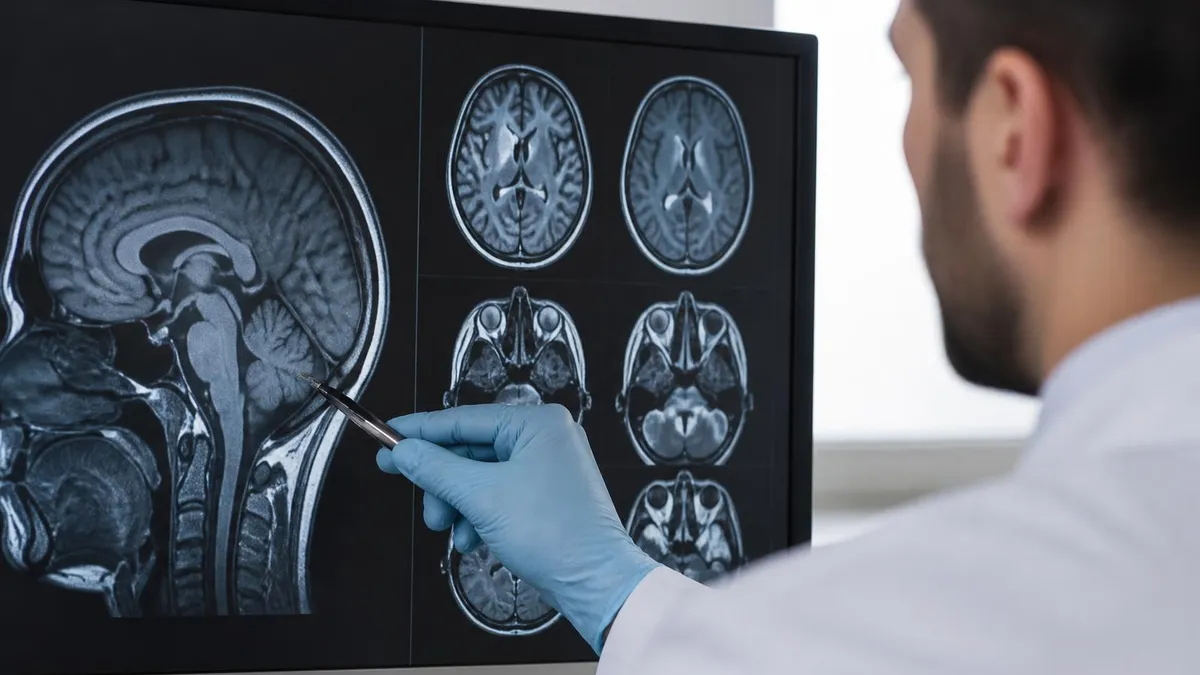
Brain MRI is among the most frequently ordered studies along the Gulf Coast, used to evaluate headaches, dizziness, stroke symptoms, multiple sclerosis, and tumors. A standard brain MRI without contrast takes 30 to 40 minutes and includes T1, T2, FLAIR, and diffusion-weighted sequences. Adding contrast extends the exam by 10 to 15 minutes and is necessary for suspected infection, tumor, or demyelinating disease.
Spine MRI dominates orthopedic and pain management referrals. Lumbar MRI evaluates disc herniations, spinal stenosis, and nerve impingement, while cervical MRI assesses neck pain, radiculopathy, and cord compression. Each spine region takes 20 to 30 minutes to scan. Many Gulf Coast centers offer combined cervical-lumbar protocols at a discount for patients with widespread axial pain or post-trauma evaluation needs after motor vehicle accidents.
Independent Outpatient vs Hospital-Based Gulf Coast MRI
- +Significantly lower self-pay and insurance-negotiated prices, often 40 to 70 percent below hospital rates
- +Faster scheduling, with same-day and weekend appointments commonly available
- +Free parking and easier access compared with congested hospital campuses
- +Direct booking without primary care referral at many centers
- +Online portals for prep instructions, paperwork, and image access
- +Competitive market drives customer service and amenities like coffee, blankets, and quiet waiting areas
- +Many centers specialize in MRI and have higher daily scan volumes, improving technologist skill
- −Limited integration with hospital electronic medical records, requiring you to forward reports manually
- −No on-site emergency support if you have a severe contrast reaction, though rare
- −Subspecialty radiologist availability varies; ask which radiologist reads your study type
- −Some centers lack 3T magnets, limiting image quality for small-structure studies
- −Hospital may require repeat scanning for surgical planning if their system cannot import outside images
- −Workers comp and motor vehicle accident cases sometimes face billing complications at independents
- −Off-hours emergency MRI is generally only available at hospital-based centers
How to Prepare for Your Gulf Coast MRI Appointment
- ✓Confirm your appointment 24 hours in advance and verify any prep instructions specific to your scan type
- ✓Complete the MRI safety screening form online or arrive 30 minutes early to fill it out in person
- ✓Bring photo ID, insurance card, prior imaging on CD or in MyChart, and your physician's order
- ✓Remove all metal jewelry, hair clips, watches, and piercings before arrival to save time
- ✓Wear comfortable clothing without metal zippers, hooks, snaps, or embedded underwire
- ✓Inform staff of any implants including pacemakers, cochlear devices, aneurysm clips, or metal fragments
- ✓Fast for 4 hours before abdominal MRI or MRCP studies; other scans usually require no fasting
- ✓Continue all medications unless your ordering physician specifically instructs otherwise
- ✓Arrange transportation if you receive sedation; otherwise driving yourself home is fine
- ✓Ask for a CD or USB copy of your images before leaving, even if results go to your physician directly
Always Request Both the Cash Price and Insurance Estimate
On the Gulf Coast specifically, the spread between cash-pay rates and insurance-negotiated rates can exceed $2,000 for a single MRI study. Patients with high deductibles sometimes save money by paying cash and skipping the insurance claim entirely, especially early in the calendar year. Ask both questions before scheduling, get the quote in writing, and compare against your remaining deductible balance to make an informed decision.
MRI safety along the Gulf Coast follows the same national standards established by the American College of Radiology, but regional patient populations bring unique safety considerations. Industrial workers in petrochemical plants near Houston and Baton Rouge frequently have metal fragments embedded in their bodies from welding, grinding, and machining injuries. Any worker with a history of metal in the eye must have an orbital X-ray before MRI to rule out ferromagnetic foreign bodies that could shift in the magnet and cause blindness. This screening is routine at Gulf Coast centers serving industrial workforces.
Cardiac implant compatibility is another critical safety area. Pacemakers and implantable cardioverter-defibrillators were once absolute contraindications to MRI, but modern MR-conditional devices can be scanned safely with proper protocols. Manufacturers like Medtronic, Boston Scientific, and Abbott publish detailed scanning conditions including maximum field strength, specific absorption rate limits, and required device interrogation before and after scanning. Our guide to the mri safety and compatibility covers these requirements in detail.
Gadolinium-based contrast agents are safe for most patients but carry specific risks in patients with severely impaired kidney function. Nephrogenic systemic fibrosis, a rare but devastating condition, occurs when gadolinium accumulates in patients with eGFR below 30. Gulf Coast centers screen renal function with a recent creatinine or eGFR before contrast administration, particularly in diabetic patients and those over 60. Newer macrocyclic agents like gadobutrol and gadoteridol have substantially lower risk profiles than the older linear agents.
Pregnancy is not an absolute contraindication to MRI, but most Gulf Coast centers avoid scanning during the first trimester unless medically necessary. Gadolinium contrast is generally avoided throughout pregnancy because it crosses the placenta and has caused fetal abnormalities in animal studies. Breastfeeding mothers can resume nursing immediately after gadolinium contrast based on current ACR guidelines, though some patients prefer to pump and discard for 24 hours as a precaution despite the absence of demonstrated risk.
Claustrophobia affects approximately 10 percent of MRI patients and is a frequent reason for canceled or incomplete studies. Gulf Coast centers offer multiple solutions: wide-bore scanners with 70 cm openings, true open MRI systems, oral anxiolytic medications like lorazepam or alprazolam taken before the appointment, and IV sedation administered on-site at select centers. Discuss claustrophobia openly when scheduling so the center can match you to the appropriate equipment and medication protocol, ideally with someone driving you home if sedation is used.
Heat-related safety becomes relevant in the Gulf Coast summer climate. Patients arriving overheated may struggle with the body warming that occurs during long MRI sequences, particularly high-SAR studies of the abdomen or pelvis. Some centers run their waiting rooms cool and provide cold water before scanning. Tattoos with metallic ink can occasionally cause skin warming during MRI, though serious burns are extremely rare with modern equipment and proper screening protocols.
Foreign body screening at Gulf Coast emergency departments has evolved with the regional population. Hurricane Harvey, Ida, and other major storms produced waves of penetrating injuries from flying debris that left metal fragments in some patients. If you sustained injuries during a storm or industrial accident, mention it during MRI screening even if you do not remember specific objects entering your body. A two-view X-ray is inexpensive insurance against a serious magnet-related injury and is performed routinely at most centers.
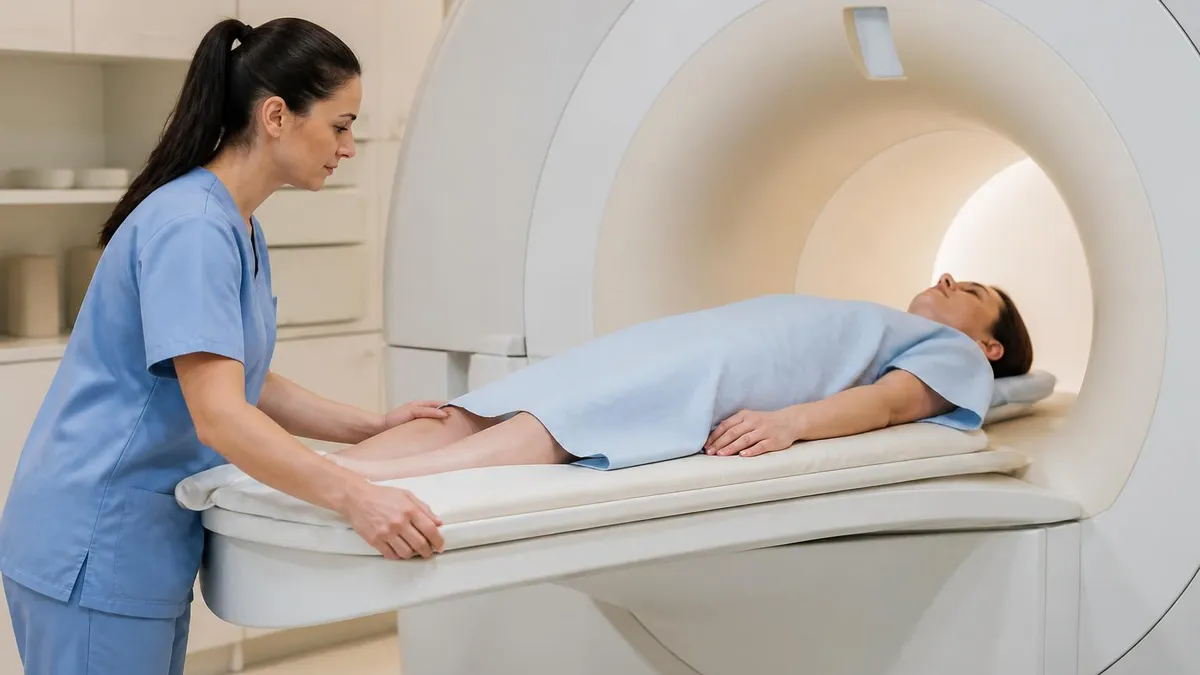
Never enter the MRI scanner room with any metal objects, including credit cards, keys, hairpins, or jewelry. The 1.5T or 3T magnet is always on, even when no scan is in progress, and ferromagnetic objects can become projectiles. Disclose all surgical history, implants, and possible metal exposure during screening. When in doubt, ask for X-ray clearance.
Choosing the right Gulf Coast MRI center comes down to matching your specific clinical need with the right combination of equipment, expertise, and convenience. For routine spine MRI in a healthy adult, almost any accredited 1.5T outpatient center will produce diagnostic-quality images at a reasonable price. For complex shoulder, wrist, or hip pathology in an athlete or surgical candidate, a 3T magnet with a musculoskeletal radiologist on read is worth driving extra miles or paying a modest premium for. Match the tool to the problem rather than defaulting to the closest facility.
Verify accreditation before booking. The American College of Radiology accredits MRI facilities based on equipment, personnel qualifications, quality control, and image quality. ACR-accredited centers display their certification prominently and you can verify status on the ACR website. The Intersocietal Accreditation Commission offers similar certification. Unaccredited centers may produce excellent images, but accreditation provides an independent quality benchmark, particularly when insurance disputes or legal cases arise about scan adequacy down the road.
Ask about radiologist credentials specifically for your study type. A board-certified general radiologist reads most outpatient MRI competently, but subspecialty fellowship training matters for complex cases. Neuroradiologists read brain and spine, musculoskeletal radiologists read joints and soft tissue tumors, body radiologists read abdomen and pelvis, and breast radiologists read breast MRI. Major Gulf Coast networks like RAYUS and SimonMed advertise their subspecialty depth, while smaller independents may rely on teleradiology partners. Both models can deliver quality, but the question deserves an answer.
Turnaround time on the radiology report is a quality indicator. Premium centers deliver same-day or next-business-day reports to ordering physicians and patient portals. Slower turnaround often signals a center backed by a smaller radiology group with backlogs, or one that batches reads overnight from teleradiology providers in other time zones. For urgent clinical questions like suspected stroke or tumor, ask about STAT read availability and how quickly your physician will be contacted with critical findings, before the scan rather than after.
Patient experience matters more than many physicians acknowledge. A claustrophobic patient who cannot complete a scan due to a poor first experience may avoid imaging for years, delaying important diagnoses. Read online reviews for specific Gulf Coast MRI centers, paying attention to comments about technologist communication, scan room amenities, music options, and how the staff handle anxious patients. The best centers actively coach patients through difficult moments and have completion rates approaching 99 percent, even for complex cases. Our overview of MRI Medical Abbreviation explains terminology that helps you discuss your scan intelligently with staff and physicians.
Geographic convenience should be weighed against the other factors above, not used as the primary criterion. Driving an extra 30 minutes to a 3T center with subspecialty radiologists saves nothing if a closer 1.5T center delivers an adequate scan that answers your clinical question. Conversely, driving 90 minutes each way for a routine knee MRI on a healthy adult rarely makes sense when an accredited center exists 10 minutes from home. Gulf Coast traffic patterns, particularly in Houston, New Orleans, and Tampa Bay, can turn a 15-mile drive into a 90-minute ordeal during rush hour.
Finally, consider continuity of care. If you anticipate needing follow-up imaging in 6 or 12 months to track a finding, scanning at the same facility with the same protocol produces more reliable comparisons than switching centers. Tumor measurements, disc herniation evolution, and joint cartilage tracking all benefit from technical consistency. Ask whether the center retains prior images and how they handle comparison studies. Most Gulf Coast networks do this well, but verify before assuming your next scan will be optimally compared to your baseline imaging.
Practical tips for getting the most out of your Gulf Coast MRI appointment start with paperwork. Bring your physician's written order, a list of current medications, your insurance card, and a photo ID. Many centers now accept digital insurance cards through smartphone apps, but a physical backup avoids check-in delays. If you have had prior MRIs, bring the CDs or arrange for digital transfer through systems like LifeImage or Ambra Health. Comparison imaging dramatically improves diagnostic accuracy for nearly every body part and condition radiologists encounter.
Arrive 20 to 30 minutes early for your first visit to a new center. Even if you completed paperwork online, expect to verify your medical history with a technologist and complete a final safety screening. Centers that rush this step are cutting corners that occasionally lead to serious incidents. A thorough screening is a sign of a well-run facility, not an inconvenience. Use the mri results wait time to ask any final questions about the scan, the contrast if applicable, or when and how you will receive results from the radiologist's interpretation.
Eat a light meal abdominal mri prep unless instructed to fast. An empty stomach can worsen claustrophobia and contrast-related nausea, while a heavy meal can cause discomfort lying flat for 30 to 60 minutes. Avoid excessive caffeine, which can make holding still difficult and increase anxiety. Hydrate normally; if you are receiving gadolinium contrast, drinking extra water afterward helps your kidneys clear the agent more rapidly, though normal renal function clears it within 24 hours regardless of fluid intake.
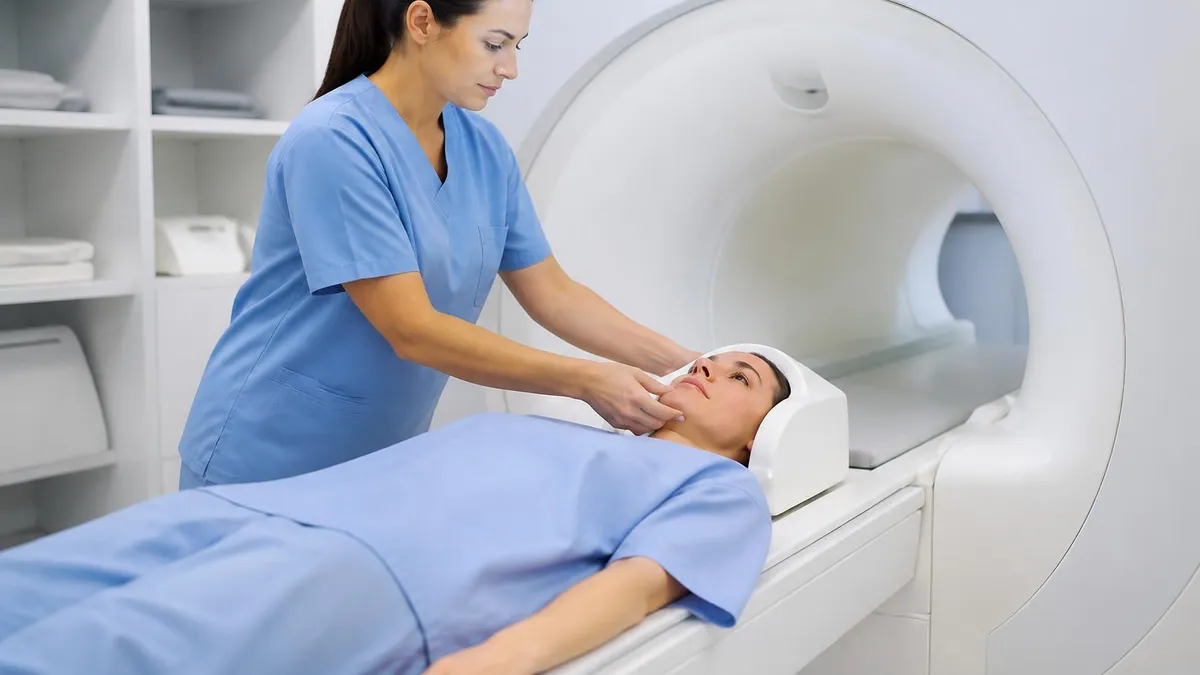
During the scan, focus on your breathing. The machine is loud, with knocking and humming sounds that can reach 110 decibels. Earplugs and headphones with music are standard at quality Gulf Coast centers. Many offer your choice of music streaming or specific playlists; ask in advance if you have preferences. Slow nasal breathing, counting backward from 100, or visualizing a favorite location can help passing time. The technologist communicates through a microphone and watches you on video, so you are never truly alone in the scanner.
Movement ruins MRI images more than any other factor, requiring repeat sequences that lengthen your appointment. Practice lying perfectly still at home in the days before your scan. Some patients find a specific body position uncomfortable during long sequences; tell the technologist before scanning begins so they can adjust padding, knee bolsters, or arm positioning. Small adjustments at the start prevent the misery of trying to remain motionless for 40 minutes in a position that hurts after the first 5 minutes of imaging.
After the scan, expect to wait 24 to 72 hours for the radiologist's report in most cases. Many Gulf Coast centers now offer patient portal access where you can read your report directly, sometimes before your physician calls. Resist the urge to self-diagnose from technical terminology; impressions written for physicians often sound more alarming than the actual clinical significance. Schedule a follow-up appointment with the ordering physician to discuss findings, treatment options, and any need for additional imaging or referrals.
If you receive an unexpected bill weeks later, do not pay immediately. Compare the charges against your initial estimate, verify that insurance was billed correctly, and request an itemized statement. Billing errors at Gulf Coast imaging centers are common, particularly when scans cross calendar years or involve contrast that was authorized but not properly coded. The federal No Surprises Act protects against many out-of-network billing situations, and most centers have patient financial advocates who can adjust legitimate billing errors and set up payment plans that fit your budget.
MRI Questions and Answers
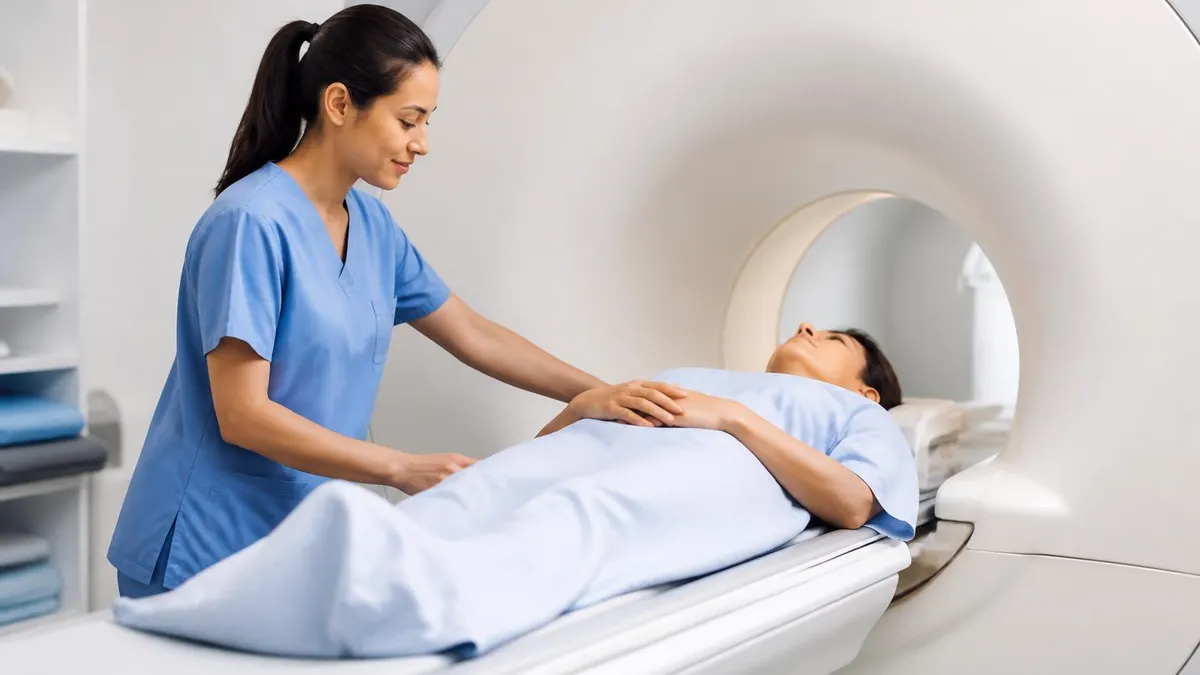
The History of MRI: From Discovery to Modern Medicine
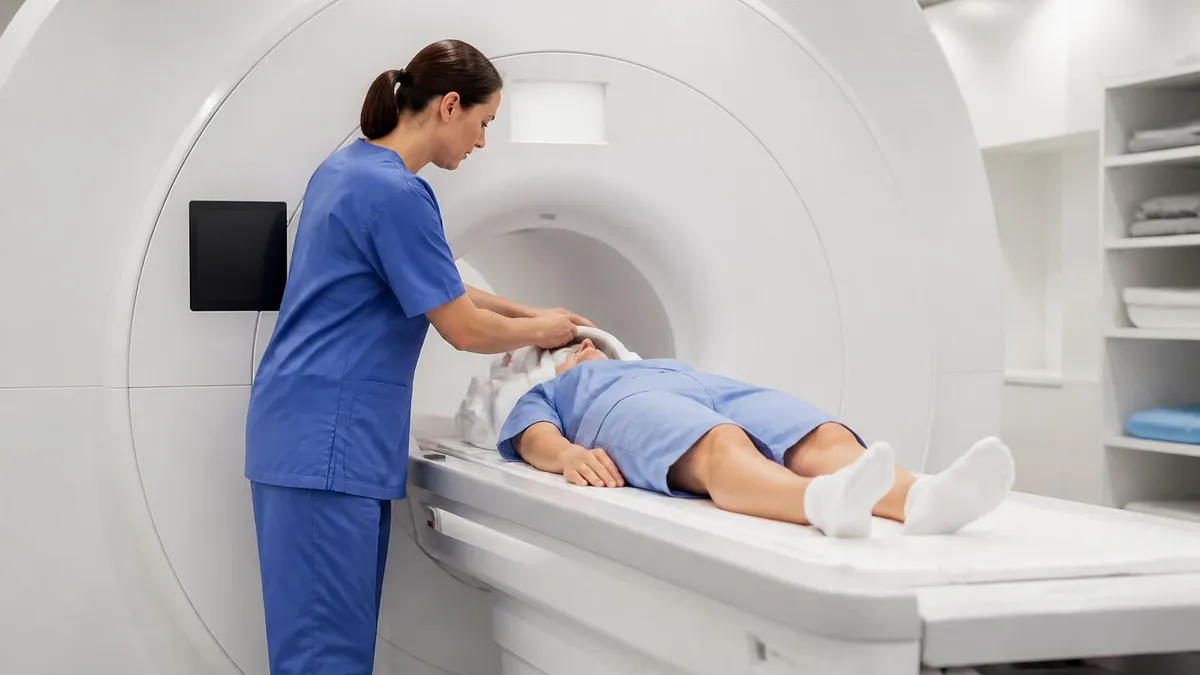
MRI With and Without Contrast: How It Works, What to Expect
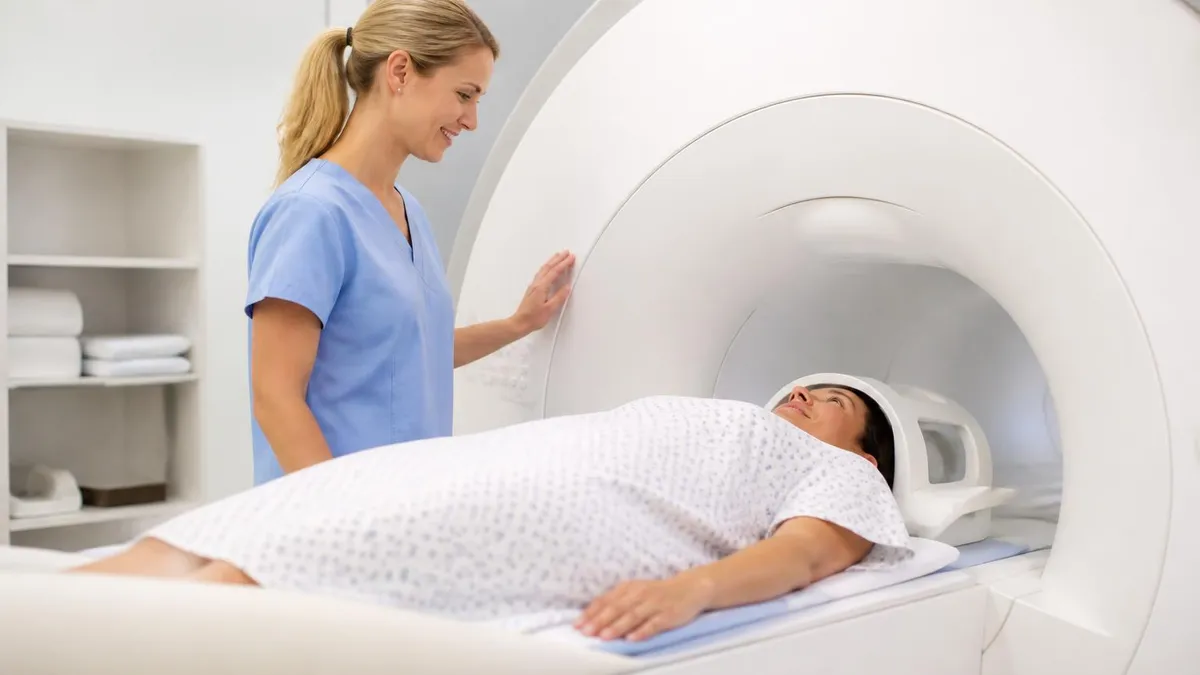
MRI Medical Abbreviation: What MRI Stands For and Why It Matters
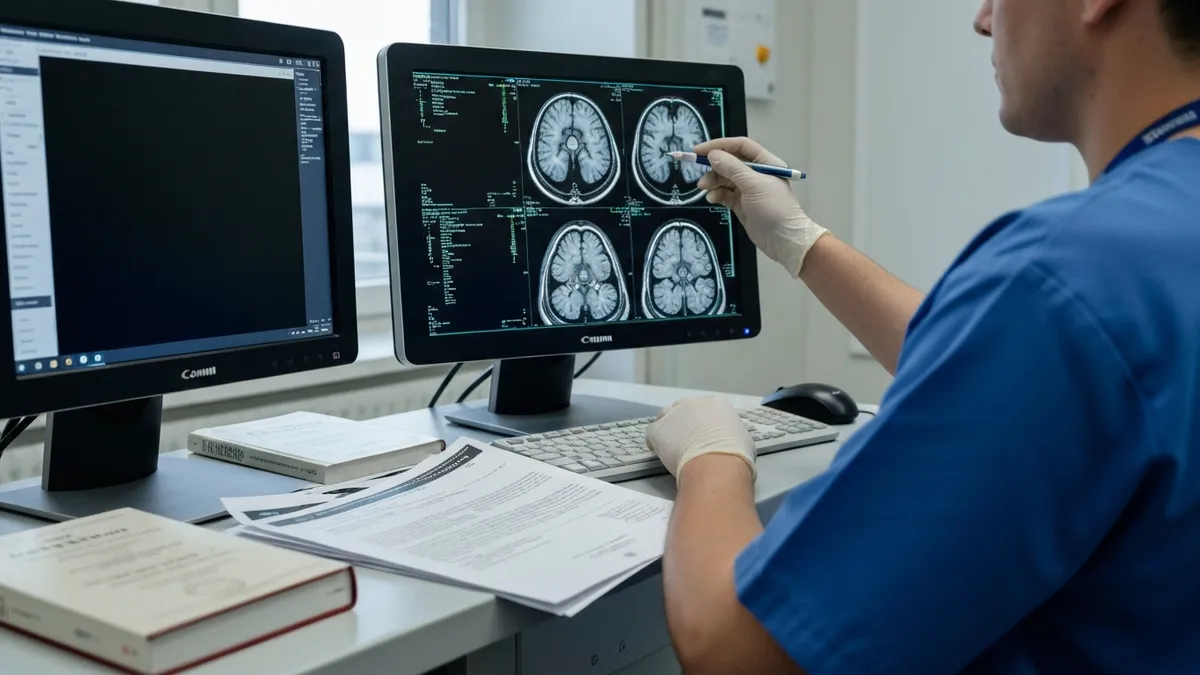
MRI Imaging Centers: Complete Guide to Independent Outpatient MRI Facilities
St Jude Pacemaker MRI Compatibility List: A Complete Safety and Scanning Guide
About the Author

Medical Laboratory Scientist & Clinical Certification Expert
Johns Hopkins UniversityDr. Sandra Kim holds a PhD in Clinical Laboratory Science from Johns Hopkins University and is certified as a Medical Technologist (MT) and Medical Laboratory Scientist (MLS) through ASCP. With 16 years of clinical laboratory experience spanning hematology, microbiology, and molecular diagnostics, she prepares candidates for ASCP board exams, MLT, MLS, and specialist certification tests.
Join the Discussion
Connect with other students preparing for this exam. Share tips, ask questions, and get advice from people who have been there.
View discussion (8 replies)