
What to Wear for an MRI: Complete Guide to Clothes for MRI Scans 2026 September
What clothes are safe for MRI? ✅ Learn exactly what to wear, what to remove, and how to prepare your outfit for a safe, delay-free scan.
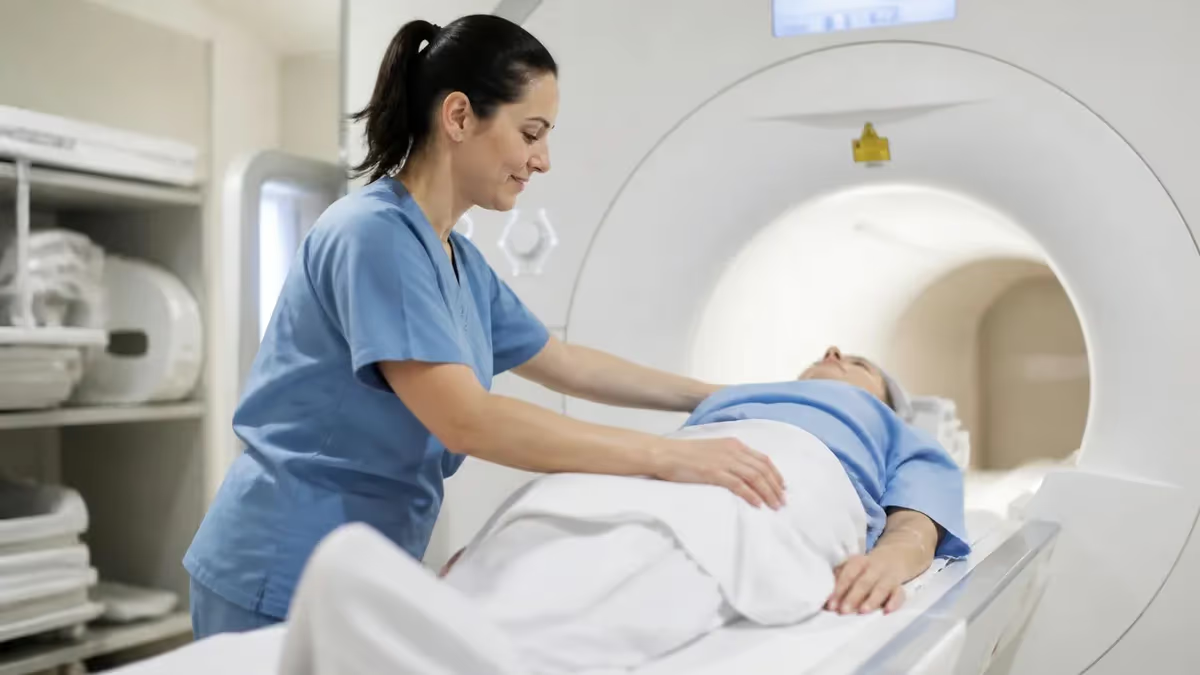
Choosing the right clothes for MRI appointments is more important than most patients realize. The magnetic resonance imaging environment generates an extraordinarily powerful magnetic field — typically between 1.5 and 3.0 Tesla — that interacts with any ferromagnetic metal in or on your body. Even small metal components embedded in everyday clothing, such as underwire bras, belt buckles, rivets in jeans, or metal snap buttons, can be forcefully attracted to the magnet, cause significant image artifacts, or in extreme cases pose a safety hazard inside the scanner bore.
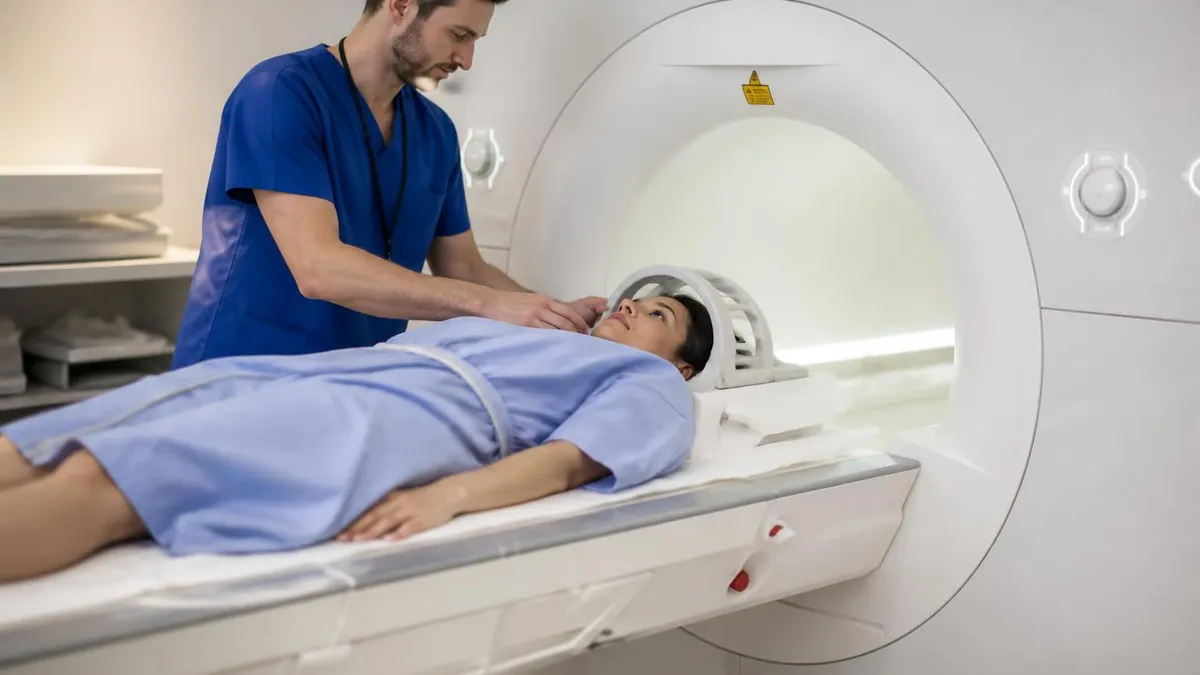
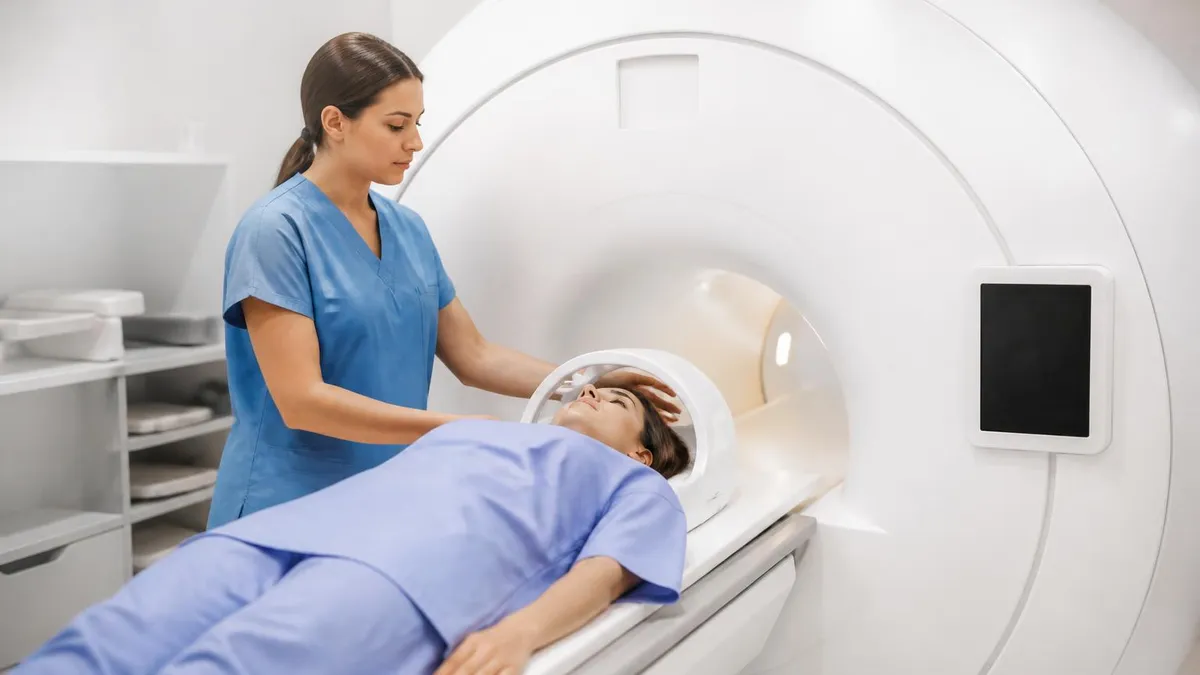
Before your scan, the radiology technologist will walk you through a detailed safety screening questionnaire covering implanted devices, surgical history, and external metal. However, what you wear to the appointment plays a central role in how smoothly that process unfolds. Patients who arrive in loose, metal-free clothing can often keep their own garments on during the scan, saving time and increasing comfort. Those wearing jeans with metal rivets, sports bras with clasps, or compression garments with embedded wiring almost always need to change into a hospital gown.
Beyond safety, clothing choices directly affect image quality. Metal objects near the area being scanned produce signal voids and susceptibility artifacts — dark distortion zones that can obscure anatomical structures and force the radiologist to repeat sequences or flag a non-diagnostic study. A missed finding due to artifact is a patient safety issue, not just an inconvenience. Understanding exactly what fabrics and garment styles work in the MRI environment helps you arrive prepared and helps ensure your radiologist receives clean, interpretable images.
The good news is that preparing the right outfit takes only a few minutes of planning. The general rule is simple: no metal, no electronics, nothing tight, and nothing that might need to be removed mid-scan. Soft athletic wear made from plain cotton or polyester blends, loose-fitting T-shirts without graphic prints containing metallic ink, and drawstring pants without metal hardware are all excellent choices. If you need guidance on what specific sequences like clothes for mri studies involve in terms of patient preparation, your ordering physician or the imaging center can provide protocol-specific instructions.
It is worth noting that preparation recommendations can differ slightly depending on the body part being imaged. A brain MRI has different considerations than a lumbar spine MRI or a cardiac MRI. For example, patients undergoing cardiac MRI may face stricter restrictions on anything worn near the chest, while knee or ankle MRI patients might only need to remove shoes and socks. Regardless of the specific scan ordered, arriving with minimal metal on your body is always the safest approach and the one that technologists uniformly recommend.
This guide covers everything you need to know about what to wear — and what to avoid — when preparing for an MRI appointment. We break down fabric choices, specific garment categories, items that must be removed versus those that are generally safe, and tips for special patient populations including pediatric patients, pregnant patients, and those with claustrophobia who may need sedation and should dress accordingly. By the end, you will know exactly how to prepare your wardrobe for a safe, efficient, and high-quality MRI scan.
MRI Safety & Patient Preparation by the Numbers
Best Clothing Choices for an MRI Appointment
Soft, breathable, and completely metal-free, plain cotton T-shirts are the gold standard for MRI attire. Avoid shirts with large metallic graphic prints, embellishments, sequins, or embedded wiring, as these can produce image artifacts near the scan field.
Athletic pants, yoga pants, or sweatpants with no metal hardware are ideal. Avoid jeans, dress slacks with metal zippers, or pants with decorative metal rivets or button closures. Loose-fitting fabric also improves patient comfort during extended scan sessions.
Wire-free sports bras made from fabric only are generally acceptable in the MRI environment. Traditional underwire bras must always be removed because the wire is ferromagnetic and will distort images, particularly for thoracic, abdominal, and cardiac studies.
Soft shoes or sandals without metal buckles simplify removal at the scanner entrance. Socks without metal threading are fine to keep on. Steel-toed boots and athletic shoes with embedded metal supports must be removed before entering the MRI suite.
Plain fabric or rubber hair ties are safe. Avoid metal barrettes, bobby pins, and hairpins — these are among the most commonly forgotten metal items and can become dangerous projectiles or cause scalp burns near the bore of a high-field magnet.
Understanding what not to wear is just as critical as knowing what is acceptable. The most common clothing-related problem technologists encounter is patients arriving in denim jeans. Standard blue jeans contain multiple metal components: a metal zipper, copper or brass rivets at stress points, and often a metal button at the waistband. Each of these items interacts with the magnetic field and produces susceptibility artifacts that degrade image quality, particularly in abdominal, pelvic, and lumbar spine MRI studies where the metal sits closest to the scan region.
Underwire bras represent another frequently overlooked hazard. The wire sewn into the cup of a traditional bra is typically made from steel or another ferromagnetic alloy. Inside a 1.5 or 3 Tesla magnet, this wire will experience a strong attractive force toward the bore and may also concentrate radiofrequency (RF) energy, leading to localized heating during the scan. For breast MRI specifically, underwire creates significant artifact directly in the area of interest, making the study non-diagnostic. Every imaging center that performs breast MRI protocols explicitly instructs patients to arrive without underwire garments.
Compression garments with integrated technology — including smart athletic wear with embedded heart rate sensors, GPS chips, or conductive silver-threading for antimicrobial purposes — must not be worn into the MRI suite. Even if the conductive threads appear minor, they can act as antennae for the RF pulses generated during the scan, potentially inducing current and causing heating injuries. This is a less recognized but growing concern as wearable technology becomes embedded in everyday athletic clothing. Always disclose any specialized garment features during your pre-scan safety screening.
Metallic fabric dyes and certain glitter or holographic finishes on clothing can also produce localized signal disturbances. While these are unlikely to cause injury, they may appear on images and lead to questions during radiologist interpretation. To be safe, wear plain, solid-color garments with no decorative metallic elements for any MRI appointment, especially when imaging the skin surface or superficial structures where these effects are most visible.
Patients who wear hearing aids or cochlear implants should discuss these devices with their physician and the imaging center well before the appointment. Many cochlear implants are MRI-conditional at specific field strengths only, and the device may need to be deactivated or removed under medical supervision before scanning. This is not strictly a clothing issue, but it is part of the broader external metal and electronic device preparation that patients must address. Similarly, insulin pumps, continuous glucose monitors, and wearable medication dispensers must be removed before entering Zone III or IV of the MRI suite.
It is also worth flagging clothing that contains thorium, barium sulfate, or other contrast-agent-like compounds used in specialty garments for radiation shielding or industrial purposes. These are rare in everyday patient populations but can appear in occupational settings. While not ferromagnetic, they may interact with specific MRI sequences in unexpected ways. The pre-scan screening form gives patients and technologists an opportunity to identify any unusual garment materials before the scan begins. Transparency during screening protects both the patient and the integrity of the diagnostic study.
MRI Clothing Guidelines by Body Part
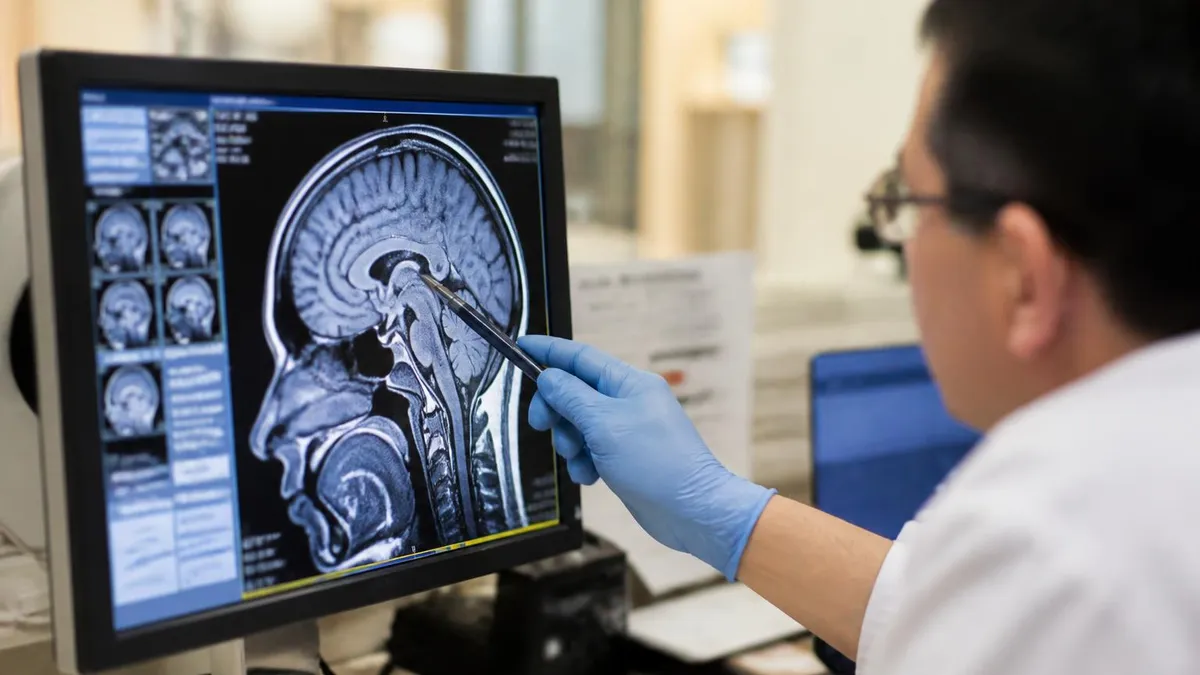
For brain and head MRI, the focus is on removing all metal from the head and neck region. This means no earrings of any kind, no metal hairpins or barrettes, no facial piercings, and no necklaces or metallic necklines on garments. Patients should also remove dentures with metal clasps, retainers with metal wires, and hearing aids. Clothing from the shoulders down has minimal impact on brain image quality, but patients are still encouraged to wear comfortable, loose-fitting tops to minimize movement during the 20–45 minute scan.
Tattoos on the scalp or neck deserve special mention during head MRI. Some tattoo inks contain iron oxide pigments that can heat during RF excitation, causing mild skin irritation or burning sensation. This is rare with modern inks but worth disclosing during screening. Permanent cosmetics such as tattooed eyeliner or eyebrow makeup can also cause artifact near the orbits. If you have facial tattoos or permanent makeup, inform the technologist before the scan so they can document it and monitor for any discomfort during the procedure.
Wearing Your Own Clothes vs. Changing into a Hospital Gown
- +Greater patient comfort and dignity during a potentially stressful scan
- +Faster check-in process when appropriate clothing is worn from home
- +Reduced exposure to shared hospital linens, lowering infection risk
- +Patients with mobility limitations avoid the difficulty of changing garments
- +Pediatric patients feel less anxious when wearing familiar clothing
- +Thermal comfort is easier to manage in personal layers than a thin gown
- −Metal in clothing can cause image artifact that degrades diagnostic quality
- −Ferromagnetic items in garments pose a real safety risk near high-field magnets
- −Technologists must spend extra time screening and re-screening patient clothing
- −Conductive fabrics and wearable tech create unpredictable RF interaction risks
- −Tight or restrictive clothing increases patient movement during long scans
- −Patients may forget to disclose clothing features like embedded wires or sensors
MRI Clothing Checklist — What to Do Before Your Appointment
- ✓Wear loose-fitting cotton or polyester clothing with zero metal hardware.
- ✓Replace underwire bras with a wire-free sports bra or go without.
- ✓Choose drawstring or elastic-waist pants instead of jeans or dress slacks.
- ✓Remove all jewelry — earrings, necklaces, bracelets, and rings — before leaving home.
- ✓Take out all piercings, including tongue, nose, and belly button rings.
- ✓Remove hairpins, bobby pins, metal barrettes, and decorative metal hair accessories.
- ✓Leave smart watches, fitness trackers, and wearable technology at home.
- ✓Wear slip-on shoes or sandals without metal buckles for easy removal at the scanner.
- ✓Disclose any specialty athletic wear with embedded sensors or conductive threading.
- ✓Remove hearing aids and notify staff about cochlear implants before entering the suite.
- ✓Apply no metallic makeup, glitter, or hair spray with reflective particles on scan day.
- ✓Ask the imaging center if a gown will be provided so you can plan your undergarments accordingly.
The MRI Magnet Is Always On — Even Between Patients
Unlike an X-ray machine that only activates during exposure, a superconducting MRI magnet remains energized 24 hours a day, 7 days a week. This means the magnetic field is present the moment you step into the MRI suite, regardless of whether a scan is actively running. Any metal in your clothing is subject to attractive forces the instant you enter Zone III or IV — there is no safe window to carry metal objects briefly into the room.
The relationship between clothing and MRI image quality is more direct than many patients appreciate. MRI signal is generated by hydrogen protons in the body's water and fat molecules, which are manipulated by radiofrequency pulses and detected by receiver coils placed around or near the body part being scanned. Any material near the coil that distorts the local magnetic field — whether from ferromagnetic metal in a zipper or conductive threads in athletic wear — disrupts the precise magnetic homogeneity required for accurate image reconstruction.
Susceptibility artifact is the most common clothing-related image quality problem. When a ferromagnetic or paramagnetic material sits within or near the imaging field of view, it creates local field inhomogeneities that appear on gradient-echo and echo-planar sequences as signal voids, geometric distortion, or signal pile-up at the borders of the metal object.
On a T2-weighted lumbar spine MRI, for example, a metal jean rivet near the L4-L5 level can produce a bloom artifact that obscures the intervertebral disc and nerve roots in the exact region the study was ordered to evaluate. This can necessitate a repeat scan with the patient appropriately changed, wasting both time and healthcare resources.
Radiofrequency heating is a separate but related concern. When conductive materials — including certain metallic-thread fabrics, wearable electronics, or even long metallic zippers — form loops or linear structures within the RF field, they can act as antennas that absorb and re-radiate energy, leading to localized temperature increases. The FDA and ACR have documented cases of RF heating injuries from conductive implants and external metallic objects. While clothing-related heating injuries are rare compared to implant-related incidents, the risk is not zero, particularly with the growing prevalence of smart textiles and e-textiles in athletic and medical garments.
Motion artifact, although not directly caused by clothing, is exacerbated by uncomfortable attire. Patients who are cold, physically restricted by tight clothing, or distracted by an uncomfortable garment move more during sequences that may take several minutes to acquire. Even subtle sub-millimeter motion during a high-resolution brain or internal auditory canal MRI can degrade image sharpness enough to render fine structures non-evaluable. Wearing comfortable, non-restrictive clothing that keeps the patient warm and relaxed directly supports motion-free imaging and contributes to diagnostic success.
Technologists and radiologists who specialize in MRI often advise patients to think of the imaging suite as a room where the rules of metal physics apply literally. A key stuck in your pocket will be pulled toward the magnet if you enter the high-field zone — the force increases with proximity following an inverse-square relationship, and by the time you feel the pull it may already be too fast to resist safely.
While this is more dramatically relevant for tools and medical equipment, the same physics applies to any ferromagnetic material woven, fastened, or clipped to your clothing. The scale of force is smaller for a jean rivet than for a wrench, but the principle is identical.
From a technologist education standpoint, clothing-related MRI safety is covered extensively in ARRT MRI registry preparation materials. Candidates studying for the MRI registry examination are expected to understand not only which materials are ferromagnetic but also how external objects produce artifact and how to counsel patients on appropriate attire. The practical application of this knowledge begins well before the patient arrives in the suite — it starts with accurate appointment instructions that explain exactly what to wear and what to leave at home, setting the stage for a safe and productive imaging encounter.
Certain cosmetic products — including some mascaras, eye shadows, foundations, and body glitters — contain iron oxide or mica pigments that can heat during MRI RF pulses, potentially causing skin irritation or superficial burns near the affected area. Transdermal drug patches with metallic backing foil (including some nicotine, fentanyl, and hormone patches) must be removed before scanning. Always inform your technologist about any patch or metallic cosmetic product worn on scan day.
Special patient populations require additional clothing considerations that go beyond the general guidelines. Pediatric patients, particularly young children, present unique challenges because they may be frightened by the scanner environment and resist changing into unfamiliar hospital gowns. Many pediatric MRI programs allow children to wear their own pajamas or soft clothing into the scanner provided that a thorough metal check has been performed. Parents are coached to dress children in simple cotton sleepwear on the morning of the scan to minimize delays. Some centers have child-specific gown designs with familiar characters to reduce anxiety while maintaining safety.
Pregnant patients undergoing MRI face considerations related to both their own comfort and fetal safety. The general consensus from the ACR and major radiology societies is that MRI is safe during pregnancy when clinically indicated, particularly in the second and third trimesters. Clothing recommendations are similar — metal-free, loose-fitting, and comfortable — but with additional emphasis on access for fetal monitoring equipment if used during the study. Pregnant patients also benefit from positioning aids and wedge pillows, and loose maternity wear facilitates the placement of these supports without restriction.
Patients who require conscious sedation or general anesthesia for MRI — including young children, severely claustrophobic adults, and patients with cognitive impairment — should be dressed in the most minimal, metal-free clothing possible prior to sedation administration. This reduces the risk of an undetected metal item remaining on the patient when they are unable to cooperate with a standard safety screening. Anesthesia teams working in MRI environments follow strict protocols for MRI-conditional equipment, and patient clothing is part of that preparation checklist.
Claustrophobic patients who are attempting to complete the scan without sedation benefit greatly from comfortable, familiar clothing when they are permitted to keep it on. The sense of retaining personal items, including their own clothing, can reduce anxiety and improve scan completion rates. Open MRI scanners, which have lower field strengths typically ranging from 0.2 to 1.0 Tesla, allow slightly more flexibility in proximity to the magnet, though the same basic metal-free clothing guidelines apply. The lower gradient performance of open scanners also means scan times are often longer, making comfort even more important.
Athletes and patients involved in sports medicine studies — such as shoulder, knee, or hip MRI — often arrive directly from training or athletic activity wearing performance athletic wear. Modern performance fabrics may include silver threading for antimicrobial purposes, copper-infused textiles for recovery claims, or embedded sensors for biometric monitoring.
Each of these features presents potential interactions in the MRI environment that standard cotton or polyester fabrics do not. Radiology departments serving large sports medicine practices benefit from having explicit written patient instructions about performance athletic wear specifically, rather than relying on general clothing guidance that was written before smart textiles became mainstream.
Older patients and those with limited mobility may wear compression stockings, orthotic garments, or therapeutic braces that contain metal components. These situations require case-by-case assessment by the technologist and sometimes consultation with the radiologist before the scan begins. Metal-free compression garments exist and can sometimes be substituted, but this requires advance planning and coordination with the patient's ordering physician. Patients who depend on therapeutic garments should call the imaging center several days before their appointment to discuss options and avoid day-of delays that could affect scheduling for other patients in the department.
Practical preparation for an MRI appointment begins the evening before, not the morning of the scan. Lay out your intended outfit and perform a thorough self-check: run your hands over every seam, waistband, and closure to feel for any metal component. Check the care label — garments that contain metallic fibers are often disclosed there. If in doubt about a particular piece of clothing, substitute it with something simpler. The five minutes you invest in clothing review the night before your scan can prevent a delay, a repeat scan, or a safety incident on the day of your appointment.
When you arrive at the imaging center, you will likely pass through a ferromagnetic detection system before entering the MRI suite. These screening devices function similarly to metal detectors at airports and will alert the technologist to any metal items remaining on your body or clothing. Do not be alarmed if the detector triggers — this is the system working correctly. The technologist will identify the source and determine whether the item can remain, must be removed, or requires radiologist consultation before the scan can proceed safely.
If the center provides lockers, use them for all personal belongings including your phone, wallet, keys, and watch. Do not leave these items on a chair or shelf inside the scanner room — even at a distance, loose metallic objects near the bore can be attracted to the magnet if someone inadvertently opens the shielded door. MRI-related projectile accidents involving objects left inside the scan room are documented in the radiology literature and are almost always the result of a procedural breakdown where an item was placed inside the room rather than stored securely outside.
During the scan itself, remaining still is your most important job. If you feel uncomfortable due to temperature — MRI rooms are often kept cool to protect scanner electronics — let the technologist know before the scan starts. They can provide a blanket, which will have been pre-screened for metal content.
Never request a blanket, pillow, or positioning aid that has not been specifically cleared by the MRI department as MRI-safe or MRI-conditional. Items brought from outside the MRI environment — even a fleece blanket from the waiting room — may contain metallic zippers or clasps that make them unsafe inside the bore.
After the scan, your technologist will let you know when it is safe to retrieve your personal items and change back into your regular clothing. If contrast was administered, you may receive instructions about hydration and watching for signs of allergic reaction. Gadolinium-based contrast agents are generally well tolerated, but patients with reduced kidney function require pre-scan screening and may need additional post-scan monitoring. This is entirely separate from the clothing preparation discussion but is part of the complete picture of how to prepare for a successful MRI appointment.
For MRI technologists and students studying for the ARRT registry examination, clothing safety represents a practical intersection of physics knowledge and patient communication skills. The ability to explain the why behind metal restrictions — not just hand a patient a gown and expect compliance — builds trust and improves patient cooperation.
Technologists who can clearly articulate how underwire bra artifact affects a cardiac MRI study, or how a metal rivet creates susceptibility blooming on a lumbar spine sequence, provide better patient education and produce higher-quality imaging studies. Practice questions covering these topics appear regularly in MRI registry preparation materials and test both theoretical understanding and practical application.
Ultimately, the goal of MRI clothing guidelines is to protect both the patient and the diagnostic value of the study. A clean, artifact-free scan completed on the first attempt is better for everyone: the patient avoids a repeat scan, the radiologist receives interpretable images, and the imaging center maintains efficient scheduling.
By arriving prepared — wearing appropriate clothing, leaving metal at home, and being transparent during the safety screening — you become an active participant in your own diagnostic care rather than a passive subject of it. That preparation begins with something as simple as choosing the right outfit the night before your appointment.
You can continue preparing with the mri abdomen and pelvis cpt code, which includes answer explanations for every question.
You can continue preparing with the open mri near me, which includes answer explanations for every question.
MRI Questions and Answers
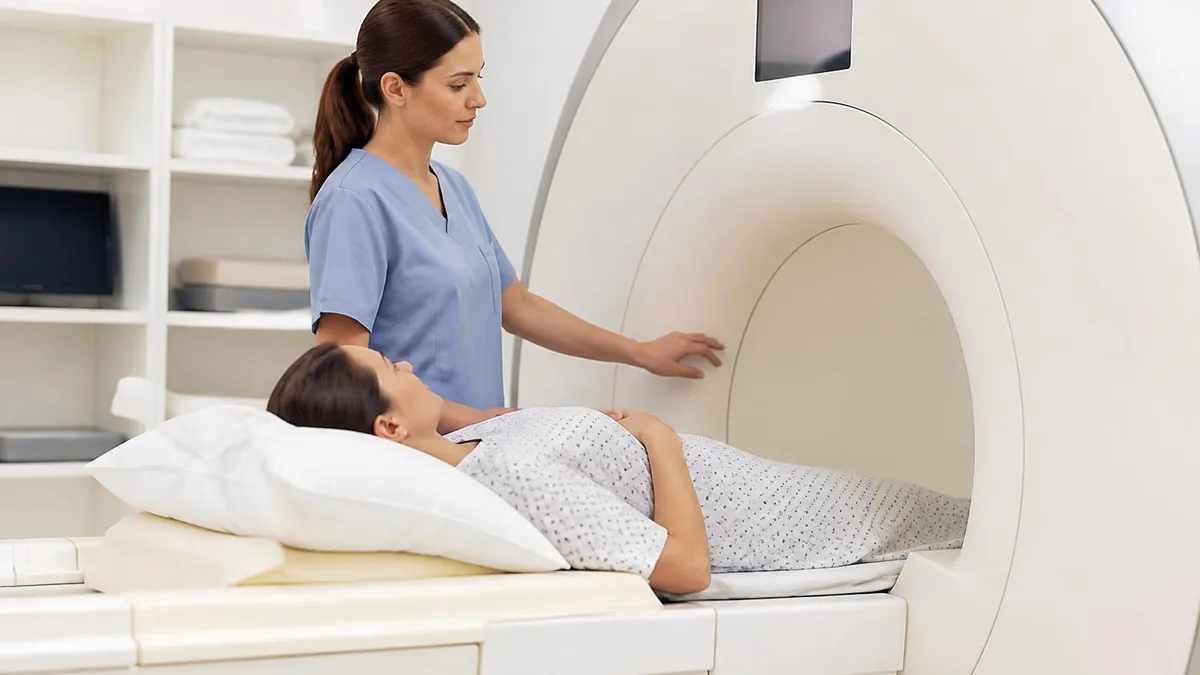
DWI MRI: Diffusion-Weighted Imaging Explained (2026 Guide)
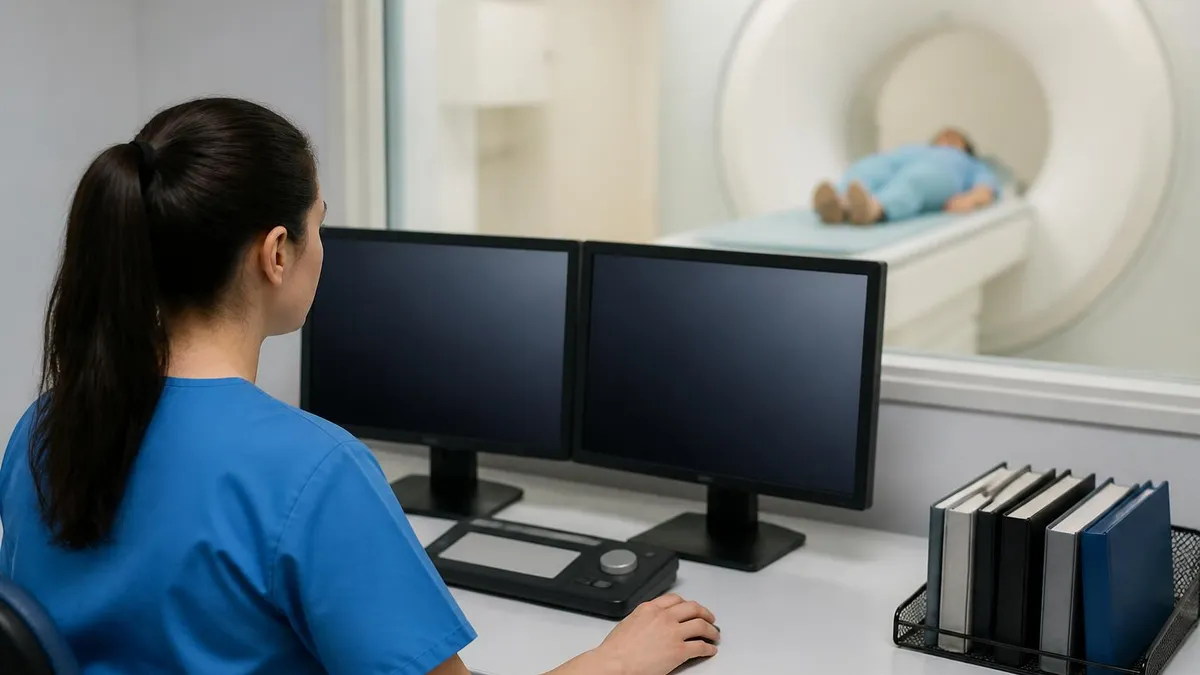
MRI Lumbar Spine Without Contrast: Complete Guide to the Scan, What It Shows, and How to Prepare
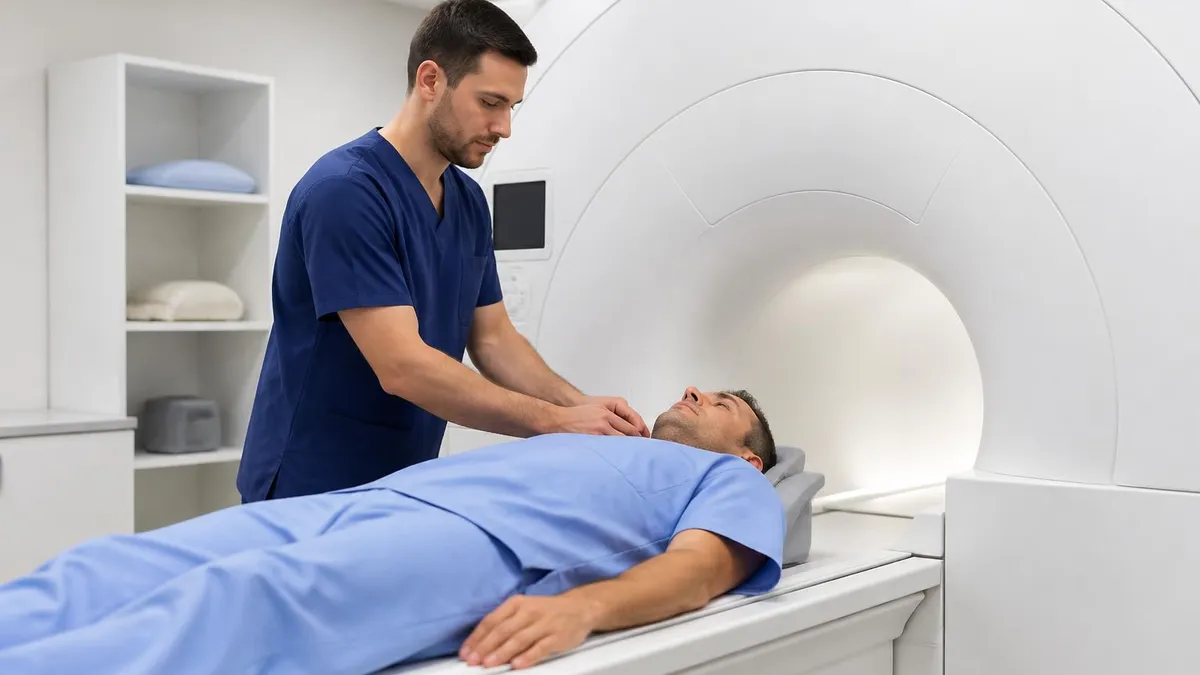
MRI History: From Nuclear Resonance to Modern Scanners
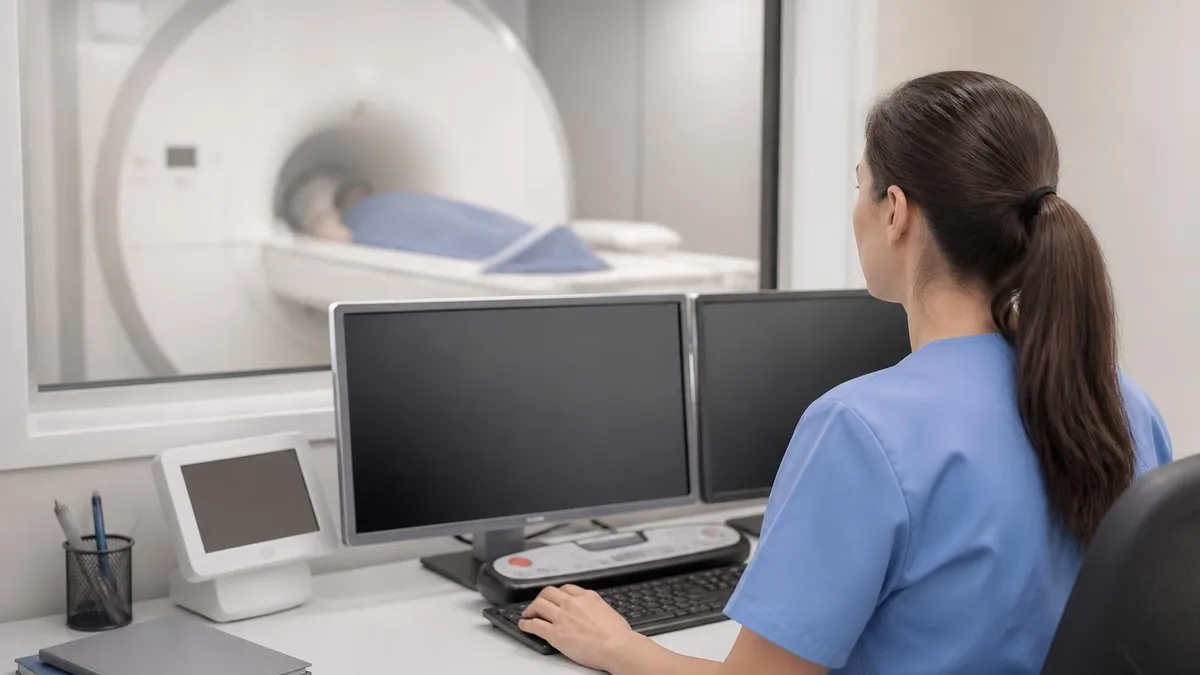
MRI of Cervical Spine: Complete Guide to Imaging, Anatomy, Pathology, and Patient Preparation
Where to Get an MRI: Facilities, Costs, and How to Choose
About the Author

Medical Laboratory Scientist & Clinical Certification Expert
Johns Hopkins UniversityDr. Sandra Kim holds a PhD in Clinical Laboratory Science from Johns Hopkins University and is certified as a Medical Technologist (MT) and Medical Laboratory Scientist (MLS) through ASCP. With 16 years of clinical laboratory experience spanning hematology, microbiology, and molecular diagnostics, she prepares candidates for ASCP board exams, MLT, MLS, and specialist certification tests.
Join the Discussion
Connect with other students preparing for this exam. Share tips, ask questions, and get advice from people who have been there.
View discussion (8 replies)