
LPN Job Duties: Complete Guide to What Licensed Practical Nurses Do Every Day
💡 Discover LPN job duties in detail — patient care, medication administration, charting, and more. Full guide for aspiring and current LPNs.
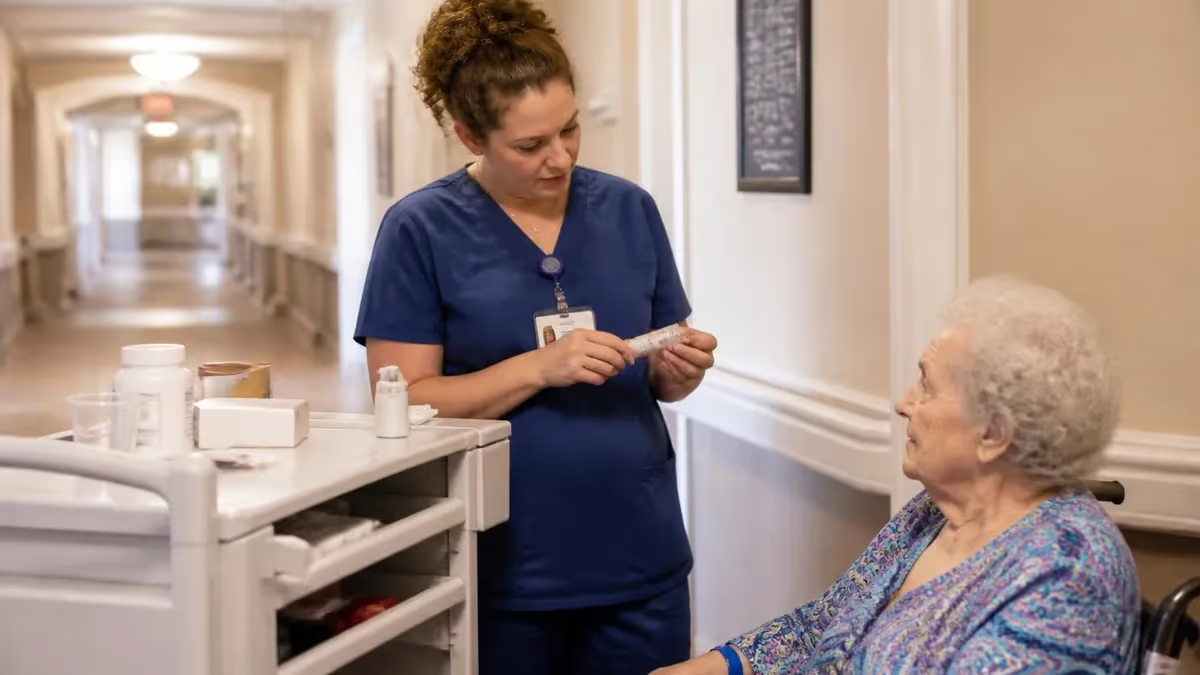
Understanding lpn job duties is essential for anyone considering a career as a Licensed Practical Nurse or looking to grow within the role. LPNs are frontline healthcare workers who provide direct patient care under the supervision of registered nurses and physicians. Their responsibilities span a wide range of clinical tasks — from checking vital signs and administering medications to communicating findings to the care team and educating patients about their health conditions. In short, LPNs are indispensable to the daily functioning of hospitals, long-term care facilities, physician offices, and home health settings across the United States.
The scope of an LPN's daily work depends heavily on the setting in which they practice. In a skilled nursing facility, an LPN might spend much of a shift assessing residents, administering oral and injectable medications, wound care, and coordinating with physical therapists. In a physician's office, the same credential might translate into taking patient histories, performing EKGs, drawing blood, and triaging calls from patients. Understanding how duties shift by setting helps prospective LPNs choose the environment that aligns best with their strengths and career goals.
LPNs operate within a defined scope of practice that varies by state. Most states allow LPNs to administer medications — including controlled substances with additional certification — start peripheral IVs, perform catheter care, and conduct basic physical assessments. Some states permit LPNs to supervise certified nursing assistants (CNAs) and participate in care planning meetings. Knowing your state's specific scope is critical because practicing outside it can jeopardize your license and patient safety.
Communication is one of the most underrated yet vital LPN job duties. LPNs act as a communication bridge between patients and the broader healthcare team. When a patient's condition changes — a sudden drop in blood pressure, an unexpected allergic reaction, or new onset of confusion — the LPN is often the first to notice and must relay that information clearly, quickly, and accurately to the supervising RN or physician. Strong verbal and written communication directly affects patient outcomes.
Documentation is another core responsibility that many new LPNs underestimate. Whether using an electronic health record (EHR) system or paper charts, LPNs must document every assessment finding, medication given, treatment performed, and patient interaction. Accurate, timely charting is not optional — it is a legal and professional requirement. Incomplete or inaccurate documentation can create liability issues for the nurse and gaps in care for the patient.
Patient and family education is woven throughout an LPN's shift. LPNs regularly explain medication instructions, wound care techniques, dietary restrictions, and follow-up appointment expectations to patients and their caregivers. Effective teaching requires the ability to assess a patient's health literacy level and adapt explanations accordingly — using plain language, visual aids, and teach-back methods to confirm understanding.
For those preparing for the NCLEX-PN or looking to advance their clinical knowledge, a solid grasp of LPN duties provides critical context for exam content. The NCLEX-PN tests whether candidates can apply nursing knowledge to real-world patient care situations, making a deep understanding of daily clinical responsibilities directly relevant to passing the exam and excelling in practice.
LPN Role by the Numbers
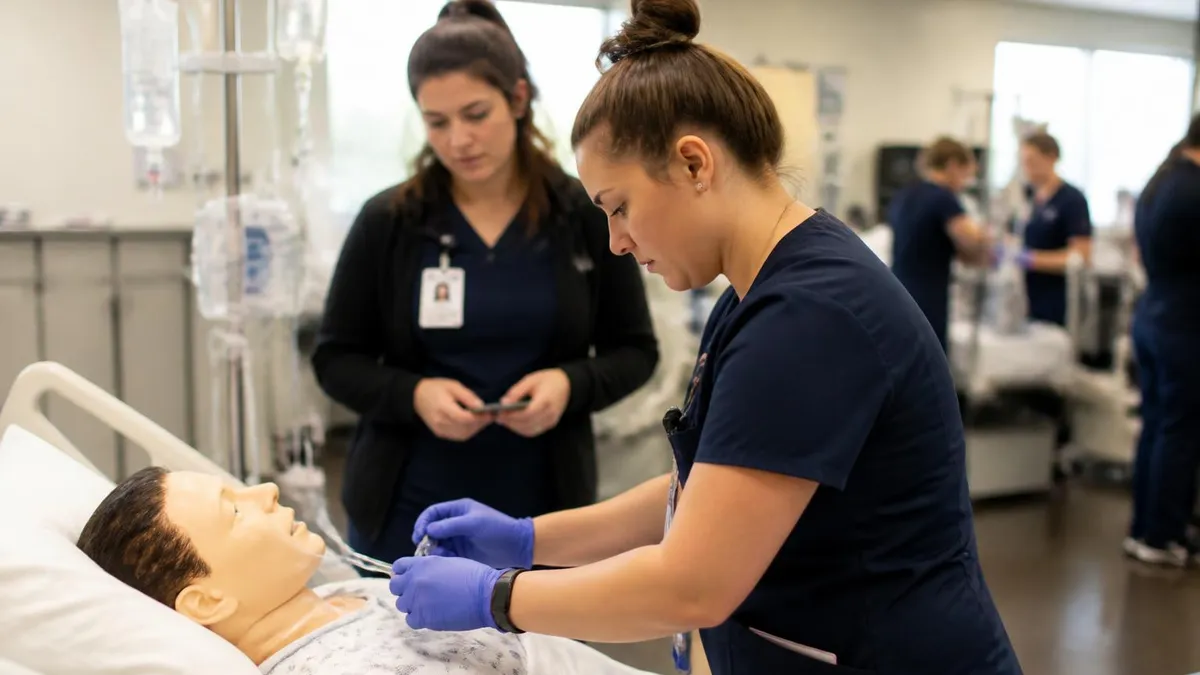
Core LPN Job Duties Across Clinical Settings
LPNs collect vital signs, review pain levels, assess skin integrity, and identify changes in patient condition. They report abnormal findings promptly to supervising RNs or physicians, forming the first line of clinical observation in nearly every healthcare setting.
LPNs administer oral, topical, subcutaneous, intramuscular, and — where state law permits — intravenous medications. They verify the five rights of medication administration, monitor for side effects, and document each dose in the patient's medication record.
LPNs perform dressing changes, wound irrigation, and ostomy care. They also insert and maintain urinary catheters, monitor output, and assess for signs of infection — critical tasks in post-surgical and long-term care environments.
Accurate EHR or paper charting is a non-negotiable LPN duty. LPNs document assessments, interventions, patient responses, and communications with the care team every shift, creating the legal record of care provided.
LPNs teach patients about medications, wound care, diet modifications, and discharge instructions. They assess health literacy, use teach-back techniques, and document education provided — ensuring patients leave with the knowledge they need to stay well.
Medication administration is one of the most technically demanding and legally consequential LPN job duties. Before any medication is given, an LPN must verify the five rights: right patient, right drug, right dose, right route, and right time. This verification process is not a formality — medication errors are among the most common adverse events in healthcare, and the consequences can range from mild discomfort to life-threatening reactions. LPNs use two patient identifiers (typically name and date of birth or medical record number) before every administration to prevent wrong-patient errors.
LPNs administer a wide spectrum of medications in their daily practice. Oral medications — tablets, capsules, liquids — make up the majority of administrations in long-term care and outpatient settings. Subcutaneous injections, such as insulin and heparin, are common in diabetic and post-surgical populations. Intramuscular injections like certain antibiotics, vaccines, and hormone therapies are standard across many settings. In states that permit IV therapy, LPNs may administer IV push medications, manage IV infusions, and perform peripheral IV insertions after completing additional training.
Controlled substance administration requires additional diligence. LPNs who administer Schedule II through V medications must follow strict protocols: verifying orders, performing witness counts for wasted amounts, documenting accurately in the narcotic log, and reporting discrepancies immediately. Facilities conduct regular audits, and any irregularity — even an honest documentation mistake — can trigger an investigation. Developing precise habits around controlled substance handling early in your career protects both your patients and your license.
Medication reconciliation is a related duty that often falls to LPNs during admissions and transitions of care. When a patient is admitted or transferred, the LPN gathers a complete list of home medications — including over-the-counter drugs and supplements — and compares it against newly ordered medications. Discrepancies are flagged for the provider. This process prevents duplicate therapy, dangerous interactions, and accidental omissions of critical medications like blood thinners or seizure medications.
Monitoring for adverse drug reactions is an ongoing responsibility throughout a shift. After administering a new medication, LPNs observe for expected and unexpected responses. If a patient develops hives, throat tightness, or respiratory distress after receiving an antibiotic, the LPN must recognize anaphylaxis, call for help, and initiate emergency protocols immediately. For medications with narrow therapeutic windows — digoxin, warfarin, lithium — LPNs watch for toxicity signs and escalate concerns before critical harm occurs.
Patient education about medications is as important as the administration itself. Before giving a new medication, LPNs explain its purpose, expected effects, common side effects, and warning signs to watch for after discharge. For chronic disease medications like metformin, lisinopril, or levothyroxine, LPNs reinforce adherence strategies — pill organizers, reminder apps, and pharmacist consultations — since non-adherence to chronic disease management is a leading driver of preventable hospitalizations in the United States.
The pharmacology knowledge underpinning medication administration is extensively tested on the NCLEX-PN. Candidates are expected to understand drug classes, mechanisms of action, common interactions, and nursing implications. Strengthening your pharmacology foundation not only prepares you for the exam but directly translates into safer, more confident practice at the bedside from your very first shift.
LPN Duties in Different Work Environments
In skilled nursing and long-term care facilities, LPNs often carry the heaviest clinical load of any setting. A typical LPN in a 30-bed unit might be responsible for all medication passes, wound care, and vital sign monitoring for every resident on the unit during a 12-hour shift. They assess residents for acute changes — new falls, skin breakdown, altered mental status — and notify the charge RN or on-call physician. LPNs in LTC settings also coordinate closely with CNAs, directing personal care and documenting the aide's observations in resident charts.
Long-term care LPNs frequently supervise certified nursing assistants and serve as a key point of contact for resident families. They communicate care plan updates, address concerns, and provide emotional support during difficult transitions such as hospice enrollment. The volume and pace of LTC work demand strong organizational skills, clinical efficiency, and the ability to prioritize rapidly changing needs across a large resident census without compromising the quality of individualized care each resident deserves.
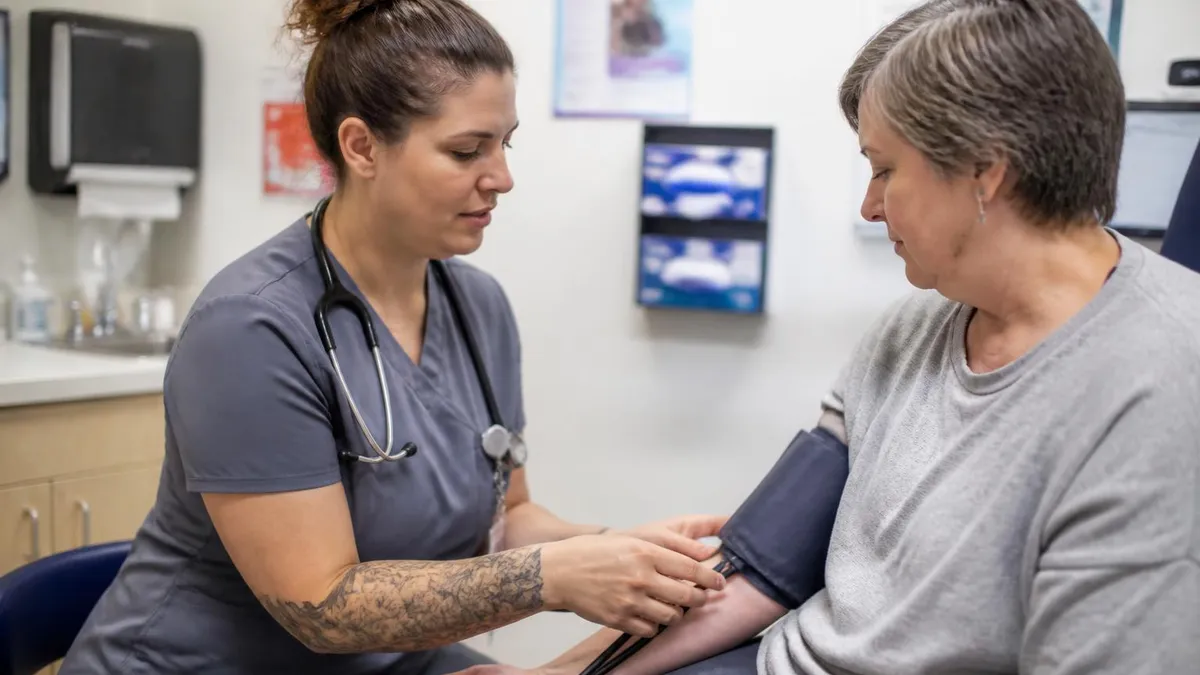
Pros and Cons of Working as an LPN
- +Faster entry into healthcare: LPN programs typically take 12–18 months, compared to 2–4 years for an RN degree
- +Direct patient impact: LPNs provide hands-on bedside care that meaningfully improves patient comfort and outcomes daily
- +Strong job security: Demand for LPNs is projected to grow 6% through 2032, driven by an aging U.S. population
- +Diverse work settings: LPNs can work in hospitals, clinics, schools, correctional facilities, home health, and long-term care
- +Career ladder access: LPN experience provides a strong clinical foundation for bridge programs leading to RN or BSN credentials
- +Competitive starting salary: New LPNs in high-demand states can earn $45,000–$55,000 annually with opportunities for overtime pay
- −Scope of practice limitations: LPNs cannot independently perform initial comprehensive assessments or develop nursing care plans in most states
- −Supervision requirement: LPNs must always practice under RN or physician oversight, which limits autonomy in clinical decision-making
- −Physical demands: Long shifts involving patient transfers, prolonged standing, and repetitive tasks increase risk of musculoskeletal injury
- −Emotional toll: Regular exposure to patient suffering, death, and family distress contributes to compassion fatigue and burnout
- −Salary ceiling: LPN earning potential is significantly lower than RNs and advanced practice nurses without additional education
- −State-by-state variability: Scope of practice differs across states, making it essential to re-verify allowable duties when relocating
Pros and Cons at a Glance
| Pros | Cons |
|---|---|
| Direct patient impact: LPNs provide hands-on bedside care that meaningfully improves patient comfort and outcomes daily | Scope of practice limitations: LPNs cannot independently perform initial comprehensive assessments or develop nursing care plans in most states |
| Diverse work settings: LPNs can work in hospitals, clinics, schools, correctional facilities, home health, and long-term care | Supervision requirement: LPNs must always practice under RN or physician oversight, which limits autonomy in clinical decision-making |
| Career ladder access: LPN experience provides a strong clinical foundation for bridge programs leading to RN or BSN credentials | Physical demands: Long shifts involving patient transfers, prolonged standing, and repetitive tasks increase risk of musculoskeletal injury |
LPN Daily Shift Checklist: Essential Duties
- ✓Receive shift report from outgoing nurse and review any acute changes or new orders
- ✓Verify current medication administration records and flag discrepancies before the first med pass
- ✓Perform head-to-toe or focused assessments and record all findings in the EHR
- ✓Complete morning, noon, and evening medication passes using the five rights of administration
- ✓Perform all scheduled wound care, dressing changes, and catheter care per physician orders
- ✓Monitor and document vital signs, intake and output, and pain scale scores
- ✓Report abnormal assessment findings or critical lab values to the supervising RN or physician
- ✓Provide or reinforce patient and family education on medications, treatments, or discharge instructions
- ✓Supervise and delegate appropriate tasks to assigned CNAs, verifying documentation is completed
- ✓Complete accurate, timely nursing notes and close out all open orders before the end of shift
Communication Is a Clinical Skill — Not a Soft Skill
Studies consistently show that communication breakdowns are a root cause in more than 70% of sentinel events in healthcare. For LPNs, mastering structured handoff communication tools like SBAR (Situation, Background, Assessment, Recommendation) is as clinically critical as any procedure. Practicing concise, confident SBAR communication during simulation and preceptorship builds a habit that protects patients and establishes you as a trustworthy member of the care team from day one.
The scope of practice is arguably the most legally significant dimension of LPN job duties. Each state's Nurse Practice Act defines exactly what an LPN is authorized to do, what requires direct RN supervision, and what falls entirely outside the LPN's scope. While many duties — such as administering oral medications and performing wound care — are nearly universal, others vary considerably.
For example, IV medication administration is permitted for LPNs in most states but requires additional certification in several. A few states allow LPNs to perform IV pushes only in specific settings, such as dialysis or long-term care, but not in acute hospital care.
Supervision structures also vary by setting and state. In a hospital, an LPN typically practices under the direct or indirect supervision of a registered nurse who is responsible for the overall plan of care.
In a long-term care facility, an LPN may function as a charge nurse on a unit, supervising CNAs and LVNs (the California and Texas equivalent of LPNs) under the broader oversight of a Director of Nursing. In home health, supervision may be more remote — periodic supervisory visits from an RN rather than real-time presence — but the LPN is still accountable to that RN for the care they provide.
Delegation is a two-way responsibility in the LPN role. LPNs receive delegated tasks from RNs and, in many settings, delegate appropriate tasks to CNAs. The five rights of delegation — right task, right circumstance, right person, right direction, and right supervision — govern this process. LPNs cannot delegate clinical judgment or tasks requiring nursing assessment; they can delegate stable, routine tasks like bathing, feeding, and ambulation assistance to qualified CNAs who have been trained for those tasks.
Understanding the distinction between a licensed practical nurse and a registered nurse is important for LPNs navigating supervision expectations. RNs are responsible for initial comprehensive nursing assessments, independent nursing diagnoses, and development of individualized care plans. LPNs implement those care plans — administering medications, performing treatments, collecting data — and report findings back to the RN. This collaborative model works best when both roles understand and respect the boundary, communicating openly rather than operating in silos.
Continuing education and competency validation are ongoing professional duties for LPNs. Most states require 20–30 hours of continuing education as a condition of license renewal every one to two years. Beyond state minimums, employers often require annual competency validations — skills checklists, medication administration tests, BLS recertification — to ensure that clinical skills remain current. Proactively pursuing additional certifications such as IV therapy, wound care, or gerontological nursing demonstrates professional commitment and can open doors to higher-paying specializations.
Ethical practice runs through every LPN duty. LPNs encounter ethical dilemmas regularly: a patient refusing a recommended treatment, a family member requesting that difficult information be withheld from a patient, or a colleague engaging in questionable documentation practices. The LPN's ethical obligations — respect for patient autonomy, beneficence, non-maleficence, and justice — are codified in the NAPNES Standards of Practice for LPNs. When ethical conflicts arise, LPNs should first attempt resolution through the chain of command and, if unresolved, use the facility's ethics consultation resources.
Infection control is a foundational duty that permeates every aspect of LPN practice. Hand hygiene before and after every patient contact remains the single most effective infection prevention measure. LPNs must also demonstrate proper use of personal protective equipment, adhere to standard and transmission-based precautions, perform sterile technique during wound care and catheter insertion, and recognize early signs of healthcare-associated infections (HAIs) such as catheter-associated urinary tract infections (CAUTIs) and central line-associated bloodstream infections (CLABSIs).
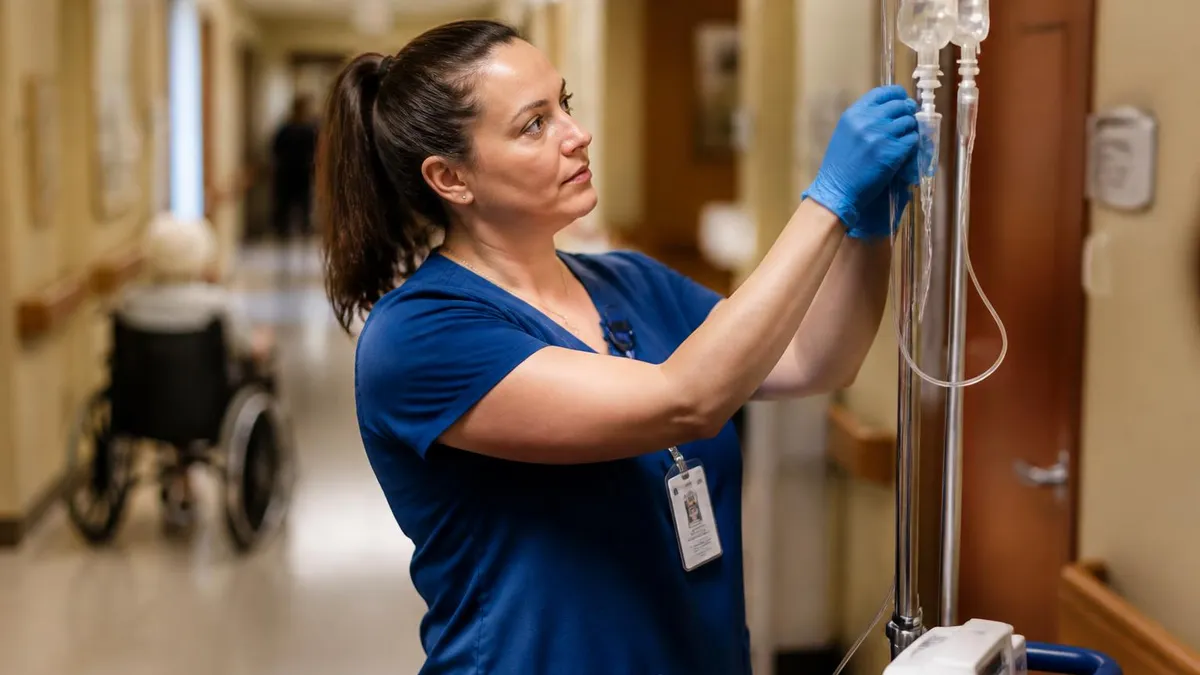
Practicing outside your state-defined scope of practice — even with good intentions — can result in disciplinary action by your State Board of Nursing, suspension or revocation of your license, and personal liability in civil or criminal proceedings. Always verify your state's current Nurse Practice Act before accepting assignments that involve unfamiliar procedures, and ask your supervising RN or facility educator for clarification when scope questions arise. "I wasn't sure but did it anyway" is not a defensible position before a licensing board.
The clinical skills that distinguish exceptional LPNs from adequate ones extend well beyond technical competencies. Critical thinking — the ability to collect assessment data, recognize patterns, anticipate complications, and prioritize interventions — separates nurses who prevent crises from those who only respond to them. For example, an LPN caring for a post-operative hip replacement patient who notices increasing confusion, low-grade fever, and slight hypoxia on day two should connect these findings to the possibility of pulmonary embolism and escalate immediately — not wait for the next scheduled vital sign check or the supervising RN to ask.
Time management is a survival skill in LPN practice. A typical LTC assignment of 25–30 residents means the LPN has roughly five to seven minutes per resident for a medication pass, less time for complex wound care, and even less for unexpected acuity spikes. Effective LPNs develop systematic routines that allow them to complete high-priority tasks first — morning insulin and cardiac medications before routine supplements — while remaining flexible enough to respond when a resident deteriorates mid-shift. Learning to say no to non-urgent tasks when urgent ones are pending is a professional skill, not a character flaw.
Interpersonal communication with patients directly affects clinical outcomes. Research published in the Journal of Nursing Administration found that patients who feel heard and respected by their nurses are significantly more likely to report pain accurately, adhere to discharge instructions, and return for follow-up appointments. LPNs who take sixty seconds to sit at eye level with a patient, make genuine eye contact, and ask an open-ended question before beginning a procedure consistently gather better clinical information and build trust that makes the rest of the shift smoother.
Cultural competence is increasingly important as the U.S. patient population becomes more diverse. LPNs encounter patients from many cultural backgrounds, each with different beliefs about illness, treatment, pain expression, and the role of family in decision-making. A culturally competent LPN does not assume that silence means acceptance, that nodding indicates understanding, or that Western biomedical explanations resonate equally with every patient. Asking about cultural or spiritual preferences during admission and genuinely incorporating those preferences into the care plan is both an ethical obligation and a practical strategy for improving patient engagement.
Resilience and self-care are professional competencies, not personal luxuries. Nursing has one of the highest burnout rates of any profession — a 2023 AMN Healthcare survey found that 56% of nurses reported feeling burned out, with LPNs in long-term care reporting among the highest rates. Strategies that protect longevity in the profession include setting clear boundaries between work and personal time, building peer support networks, using employee assistance programs, and engaging in deliberate physical and mental recovery between shifts. LPNs who model sustainable self-care practices also create better work environments for colleagues and safer care environments for patients.
Technology proficiency is a growing component of daily LPN duties. Most facilities have transitioned to electronic health records, barcode medication administration (BCMA) systems, and digital communication platforms. LPNs who are comfortable navigating these tools — searching for historical labs, reconciling medication records, documenting efficiently — spend less time on administrative tasks and more time at the bedside. For LPNs who trained before widespread EHR adoption, many facilities offer in-house training; pursuing vendor-specific certifications in platforms like Epic or Cerner is an excellent career differentiator.
For those exploring where to apply their skills, understanding the variety of clinical environments available is the natural next step after mastering core duties. Whether in a bustling urban hospital or a rural home health agency, LPNs bring essential clinical expertise that communities depend on every day.
Preparing for a career as an LPN — or advancing within one — requires a strategic approach to both clinical learning and exam preparation. The NCLEX-PN is the national licensing exam that validates entry-level LPN competency, and its content categories map directly onto real-world LPN job duties. The exam tests safe and effective care, health promotion and maintenance, psychosocial integrity, and physiological integrity across a spectrum of patient populations and clinical scenarios. Studying with this framework in mind makes exam preparation feel relevant rather than abstract.
Active learning strategies dramatically outperform passive reading for nursing exam preparation. Rather than re-reading textbook chapters, invest study time in practicing application-level questions that require you to analyze patient scenarios, prioritize interventions, and select the safest response. Aim for at least 100 practice questions per day in the weeks leading up to your exam, reviewing rationales for both correct and incorrect answers. Understanding why an answer is wrong teaches critical thinking more effectively than simply memorizing why an answer is right.
Clinical simulation — whether through your nursing program's simulation lab, employer-based skills days, or virtual simulation platforms — accelerates competency development in a safe environment. Practicing medication calculations on a simulator, inserting a urinary catheter on a mannequin, or responding to a deteriorating patient in a high-fidelity simulation builds the muscle memory and decision-making speed that real patients require. Seek out every simulation opportunity available during your education and early career.
Mentorship from experienced LPNs and RNs accelerates professional development in ways that no textbook can replicate. A good mentor shares not just technical tips but clinical wisdom — how to read a room when a patient is deteriorating before the monitors alarm, how to navigate a difficult conversation with a family member, how to protect yourself legally when a physician's order seems wrong. Actively seek mentors in your clinical rotations and first positions; most experienced nurses are willing to teach when asked directly and respectfully.
Specialty certification is a concrete way to demonstrate expertise and increase earning potential. The National Association for Practical Nurse Education and Service (NAPNES) and the National Federation of Licensed Practical Nurses (NFLPN) both offer specialty certifications in areas such as pharmacology and long-term care. Some LPNs pursue additional certifications in IV therapy, wound care (CWCN), or EKG interpretation. These credentials validate advanced competency to employers and can translate into charge nurse roles, higher base pay, or preferential scheduling.
Building a professional portfolio of completed competencies, continuing education certificates, and specialty training documentation positions LPNs favorably for advancement opportunities. When a charge nurse or unit manager position opens up, the LPN who can present a documented record of clinical achievement — rather than simply asserting experience verbally — stands out. Treat your professional development as an ongoing project, not a one-time credentialing event.
Finally, connecting with the broader LPN professional community through organizations like NFLPN provides access to legislative advocacy, educational resources, and networking opportunities that support long-term career success. LPN scope of practice and recognition has expanded over the decades precisely because organized groups of nurses have advocated for it. Staying connected to that community ensures you are part of shaping the future of the profession, not just reacting to changes that others have defined.
Sample Certified Practical Nurse Practice Questions
Try these questions from our free Certified Practical Nurse practice tests. The correct answer and an explanation follow each question.
A client is receiving IV morphine 2 mg every 4 hours via a PCA pump. The nurse notes the client's respiratory rate is 8 breaths/minute and the client is difficult to arouse. The LPN's priority action is:
- A. Decrease the PCA dose setting and monitor for improvement
- B. Stop all IV medications and call a code
- C. Stop the morphine PCA infusion, apply supplemental oxygen, notify the charge nurse, and prepare to administer naloxone
- D. Stimulate the client and recheck the respiratory rate in 30 minutes
Answer: C. Stop the morphine PCA infusion, apply supplemental oxygen, notify the charge nurse, and prepare to administer naloxone
A respiratory rate of 8/min with decreased arousal in a client on opioids indicates respiratory depression — a medical emergency requiring opioid cessation, oxygenation, and naloxone administration.
An older adult patient with dementia becomes agitated every evening around dusk. The nurse recognizes this as:
- A. Sundowning syndrome
- B. Confabulation
- C. Perseveration
- D. Tangentiality
Answer: A. Sundowning syndrome
Sundowning is increased confusion and agitation in dementia patients occurring in the late afternoon or evening hours.
How do nurses assess the effectiveness of a prescribed medication?
- A. By observing symptoms and vital signs
- B. By asking the patient if they feel better
- C. By administering a higher dose
- D. By discontinuing the medication immediately
Answer: B. By asking the patient if they feel better
Assessing the effectiveness of a prescribed medication involves evaluating whether it is achieving its intended therapeutic effect. Directly asking the patient if they feel better provides crucial subjective feedback on their symptom relief and overall well-being. This patient-reported outcome is a primary indicator of the medication's success from their perspective, guiding further care decisions.
The nurse is assessing a newborn and notes jaundice visible on the face and chest at 18 hours of life. Which action is most appropriate?
- A. Document as physiological jaundice and continue routine care
- B. Encourage frequent breastfeeding and obtain a serum bilirubin level
- C. Place the infant under phototherapy without further assessment
- D. Prepare the infant for an exchange transfusion
Answer: B. Encourage frequent breastfeeding and obtain a serum bilirubin level
Jaundice appearing before 24 hours of life is pathological and requires a serum bilirubin level along with frequent feeding to promote bilirubin excretion.
LPN Questions and Answers
LPN Jobs Near Me 2026: How to Find Licensed Practical Nurse Jobs
MA to LPN Bridge Program: Complete 2026 Guide to Transition from Medical Assistant to Licensed Practical Nurse
LPN Requirements 2026: Complete Guide to Becoming a Licensed Practical Nurse
What Does LPN Stand For? Meaning, Role & Career Guide
NCLEX LPN Exam Guide 2026: Pass Rates, Format, Study Plan & Practice Questions
About the Author

Registered Nurse & Healthcare Educator
Johns Hopkins University School of NursingDr. Sarah Mitchell is a board-certified registered nurse with over 15 years of clinical and academic experience. She completed her PhD in Nursing Science at Johns Hopkins University and has taught NCLEX preparation and clinical skills courses for nursing students across the United States. Her research focuses on evidence-based exam preparation strategies for healthcare certification candidates.
Join the Discussion
Connect with other students preparing for this exam. Share tips, ask questions, and get advice from people who have been there.
View discussion (7 replies)