
LPN Courses: Complete 2026 September Guide to Requirements, Types & What to Expect
📗 Everything about LPN courses: admission requirements, course types, clinical hours, costs, and how to choose the right program in 2026 September.
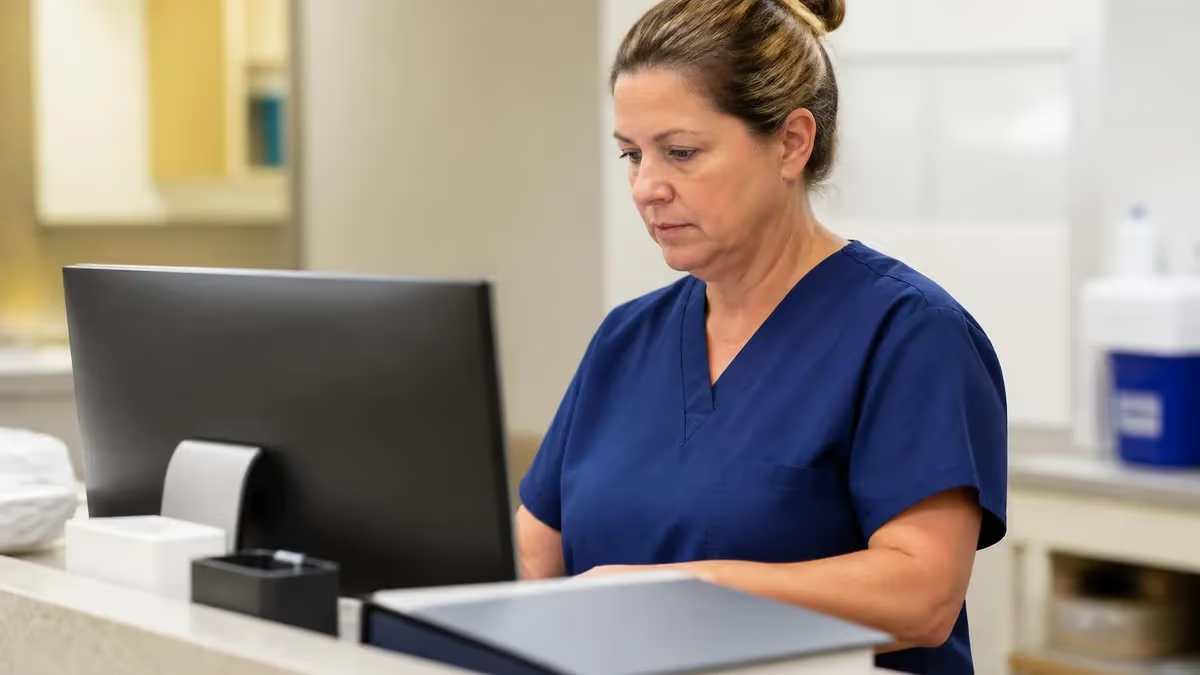
LPN courses are the structured educational pathway that transforms aspiring healthcare workers into licensed practical nurses, one of the most in-demand clinical roles in the United States today. These programs combine classroom instruction, laboratory practice, and hands-on clinical rotations to prepare students for the NCLEX-PN licensing examination. Most accredited LPN courses run 12 to 18 months full-time, making them one of the fastest routes into professional nursing. If you want to begin your nursing career without committing to a four-year degree, exploring lpn courses is the smartest first step you can take.
The demand for licensed practical nurses continues to grow at a faster-than-average rate compared to other occupations. The Bureau of Labor Statistics projects approximately 5 percent job growth for LPNs through 2032, driven by an aging population, expanding long-term care facilities, and a persistent shortage of healthcare workers across rural and urban communities alike. Graduating from an accredited LPN program positions you to enter this stable, rewarding field with real clinical competency and a recognized credential that employers trust nationwide.
Choosing the right LPN course requires understanding what the curriculum covers, how programs are structured, and what accreditation standards mean for your future career and licensing eligibility. Not all programs are created equal, and the differences between a community college program, a vocational school program, and a hospital-based program can significantly affect your preparation, cost, and job prospects. Understanding these distinctions before you enroll can save you thousands of dollars and months of frustration.
LPN coursework is divided into two major categories: didactic instruction and clinical practice. In the classroom and lab, students learn anatomy and physiology, microbiology, pharmacology, nutrition, and nursing fundamentals. In clinical settings, students apply that knowledge directly with real patients under the supervision of licensed nurses and clinical instructors. Programs typically require a minimum of 500 to 1,000 clinical hours before graduation, depending on state board of nursing requirements and institutional standards.
Admissions requirements for LPN programs vary by institution but generally include a high school diploma or GED, a minimum GPA of 2.5 to 3.0, passing scores on a pre-admission test such as the TEAS or HESI, current CPR certification, and documentation of required immunizations. Some programs also require a criminal background check and drug screening before clinical placements begin. Meeting these requirements early ensures your application is competitive and avoids delays in program start dates.
Financial aid is available for most accredited LPN programs through federal Pell Grants, subsidized student loans, and institutional scholarships. Workforce development grants through state agencies also fund LPN training for qualifying students, particularly in healthcare shortage areas. Some employers, including hospitals and long-term care facilities, offer tuition reimbursement or sponsorship programs in exchange for a commitment to work at their facility after graduation. Researching these funding opportunities before enrolling can dramatically reduce your out-of-pocket costs.
Once you complete your LPN course and pass the NCLEX-PN, you will be eligible to work in hospitals, nursing homes, rehabilitation centers, physician offices, home health agencies, and schools. The median annual salary for LPNs in the United States was approximately $59,730 as of 2024, with top earners in specialized settings exceeding $75,000. Your LPN credential also serves as the foundation for future advancement into registered nursing through bridge programs, making it a strategically valuable entry point into a long and rewarding healthcare career.
LPN Courses by the Numbers
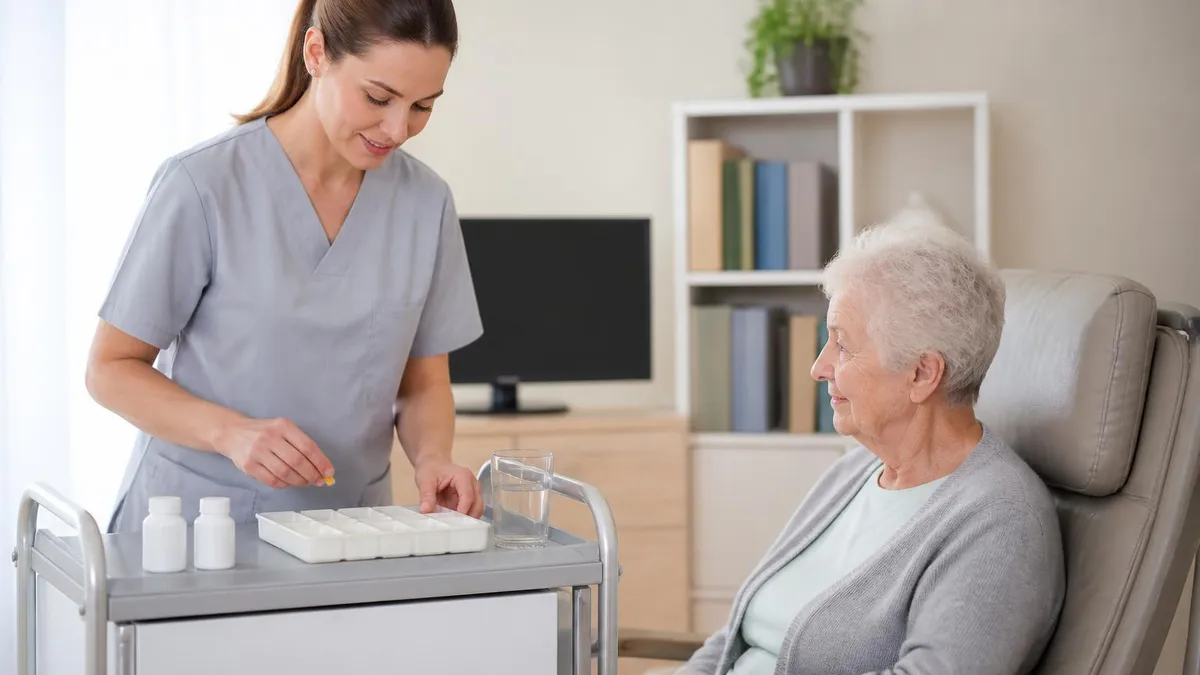
Types of LPN Courses Available
Typically 12 to 18 months, these programs offer affordable tuition, federal financial aid eligibility, and accreditation through regional bodies. They often include built-in clinical partnerships with local hospitals and long-term care facilities, giving students reliable placement opportunities.
Career-focused schools offer accelerated LPN tracks, sometimes completing the full program in as little as 11 months. These programs are highly structured and enrollment is often available year-round, allowing students to start sooner than traditional semester-based schedules permit.
Some healthcare systems operate their own LPN training programs, integrating students directly into their facilities for clinical hours. These programs frequently include job placement guarantees or priority hiring consideration upon graduation, making them highly competitive for applicants.
Hybrid LPN programs complete didactic coursework online while requiring in-person clinical hours at approved sites. This format suits working adults or those in rural areas who need scheduling flexibility. Accreditation verification is essential before enrolling in any hybrid program.
CNA-to-LPN and LPN-to-RN bridge programs recognize prior healthcare experience and allow students to enter at an advanced level. These programs reduce total training time and cost significantly while still meeting all state licensing board curriculum requirements.
The core curriculum of any accredited LPN course is built around a standardized set of nursing competencies that align with the NCLEX-PN test plan. Understanding what subjects you will study helps you prepare academically before enrollment and gives you a realistic picture of the academic workload. LPN programs are rigorous by design because the stakes of clinical practice demand thorough preparation. Students who enter with a clear understanding of the curriculum structure consistently outperform peers who arrive without any academic preview of what lies ahead.
Anatomy and physiology form the biological foundation of the entire program. Students spend considerable time learning the structure and function of every major body system, including the cardiovascular, respiratory, neurological, musculoskeletal, and endocrine systems. This knowledge is not abstract — understanding how a healthy kidney filters blood makes it possible to recognize the signs of renal failure in a patient. Programs typically dedicate one full semester or its equivalent to anatomy and physiology before students advance to clinical nursing courses.
Pharmacology is among the most challenging and most important subjects in LPN training. Students learn drug classifications, mechanisms of action, therapeutic uses, contraindications, and safe dosage calculation. A medication error in clinical practice can cause serious patient harm, so pharmacology instruction is thorough and examination requirements are strict. Many programs require students to achieve a minimum score of 90 percent on dosage calculation tests before they are permitted to administer medications during clinical rotations. Mastery of this subject is non-negotiable for a safe and effective LPN.
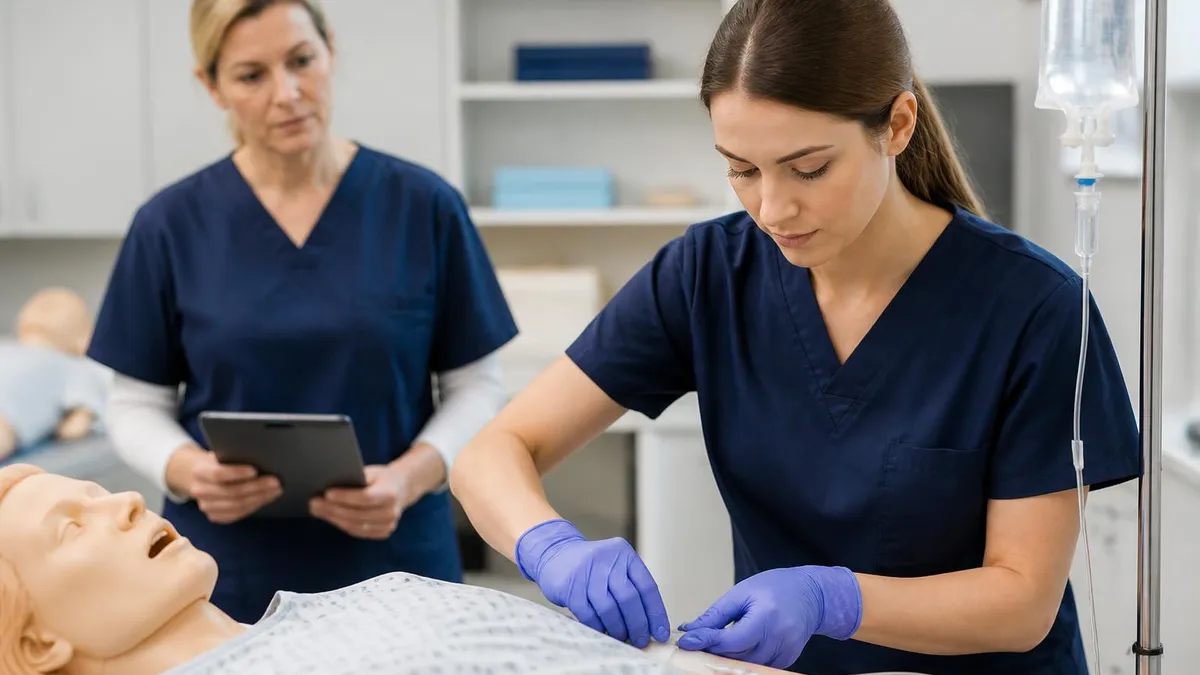
Nursing fundamentals introduce students to the practical skills that define daily LPN practice. These include patient assessment, vital sign measurement, wound care, catheter insertion and maintenance, IV monitoring, ostomy care, and patient repositioning to prevent pressure injuries. Skills labs allow students to practice these procedures on simulation mannequins before performing them with real patients. Most programs require documented competency demonstrations for each skill before students advance to the next clinical rotation level.
Medical-surgical nursing covers patient care across the most common conditions encountered in hospital and long-term care settings. Students learn to recognize and respond to deteriorating patient conditions, manage postoperative care, administer prescribed treatments, and communicate effectively with the interdisciplinary healthcare team. This course typically runs throughout the second half of the program and integrates content from pharmacology, anatomy, and fundamentals into complex, realistic patient scenarios that mirror what graduates will encounter on the job.
Mental health nursing, maternal and newborn care, and pediatric nursing round out the clinical specialty content required in most LPN programs. These rotations expose students to populations with unique care needs and introduce the psychosocial dimensions of nursing practice. Students learn therapeutic communication techniques, crisis intervention principles, and family-centered care approaches that are just as important as technical skills in delivering patient-centered nursing care. Many students find these rotations among the most personally meaningful parts of their LPN training experience.
Nutrition and diet therapy, growth and development across the lifespan, and professional nursing ethics complete the didactic component of most programs. These courses are often shorter in duration but carry significant weight in the overall curriculum because they address the holistic approach to patient care that distinguishes skilled nurses from merely technically proficient ones. Understanding nutritional needs across age groups, recognizing developmental milestones, and navigating ethical dilemmas in clinical practice are skills that every LPN uses in daily professional life.
LPN Practice Test Questions
Prepare for the LPN - Certified Practical Nurse exam with our free practice test modules. Each quiz covers key topics to help you pass on your first try.
LPN - Certified Practical Nurse Basic Care...
LPN Exam Questions covering - Certified Practical Nurse Basic Care and Comfort. Master LPN Test concepts for certification prep.
LPN - Certified Practical Nurse Coordinate...
Free LPN Practice Test featuring - Certified Practical Nurse Coordinated Care. Improve your LPN Exam score with mock test prep.
LPN - Certified Practical Nurse Health Pro...
LPN Mock Exam on - Certified Practical Nurse Health Promotion and Maintenance. LPN Study Guide questions to pass on your first try.
LPN - Certified Practical Nurse Pharmacolo...
LPN Test Prep for - Certified Practical Nurse Pharmacological Therapies. Practice LPN Quiz questions and boost your score.
LPN - Certified Practical Nurse Physiologi...
LPN Questions and Answers on - Certified Practical Nurse Physiological Adaptation. Free LPN practice for exam readiness.
LPN - Certified Practical Nurse Psychosoci...
LPN Mock Test covering - Certified Practical Nurse Psychosocial Integrity. Online LPN Test practice with instant feedback.
LPN - Certified Practical Nurse Reduction ...
Free LPN Quiz on - Certified Practical Nurse Reduction of Risk Potential. LPN Exam prep questions with detailed explanations.
LPN - Certified Practical Nurse Safety and...
LPN Practice Questions for - Certified Practical Nurse Safety and Infection Control. Build confidence for your LPN certification exam.
LPN Ethical, Legal & Professional Standards
LPN Test Online for Ethical, Legal & Professional Standards. Free practice with instant results and feedback.
LPN Health Evaluation & Monitoring
LPN Study Material on Health Evaluation & Monitoring. Prepare effectively with real exam-style questions.
Online vs. In-Person vs. Hybrid LPN Programs
Online hybrid LPN programs complete all lecture and theory content through a learning management system, allowing students to watch recorded lessons, participate in virtual discussions, and complete assignments on a flexible schedule. This format works especially well for students who work part-time, have family responsibilities, or live in areas where accredited programs are not geographically accessible. Courses in anatomy, pharmacology, and nursing theory translate well to online delivery because they are knowledge-based rather than skill-based.
The clinical component of online hybrid programs must still be completed in person at approved healthcare facilities. Students arrange their clinical placements through the program's clinical coordinator, who works with hospitals, nursing homes, and outpatient centers in the student's geographic region. Accreditation agencies require that clinical instruction be directly supervised by qualified preceptors, so there is no fully remote path to completing an LPN program. Students should verify that clinical sites are available in their area before enrolling in any hybrid program.
Pros and Cons of Enrolling in an LPN Course
- +Shorter time to licensure compared to RN programs — most complete in 12 to 18 months
- +Lower total tuition cost, averaging $5,000 to $20,000 depending on school type
- +High job demand with consistent employment opportunities across all 50 states
- +Builds a strong clinical foundation that supports future RN bridge program advancement
- +Diverse work settings including hospitals, nursing homes, schools, and home health agencies
- +Federal financial aid and workforce grants available for most accredited programs
- −Scope of practice is more limited than an RN, restricting certain clinical procedures
- −Lower median salary than registered nurses — typically $15,000 to $30,000 less annually
- −Some hospital systems are reducing LPN positions in favor of all-RN staffing models
- −Intensive academic and clinical schedule leaves limited time for work or family commitments
- −Not all LPN programs are ACEN or NLN accredited, requiring careful vetting before enrollment
- −NCLEX-PN exam requires dedicated preparation, with approximately 15 percent first-time failure rate
LPN Course Admissions Checklist
- ✓Verify the program holds ACEN, NLN CNEA, or state board of nursing approval before applying.
- ✓Obtain a high school diploma or GED with official transcripts from your issuing institution.
- ✓Complete prerequisite courses in biology or anatomy if required by your target program.
- ✓Achieve a passing score on the TEAS, HESI A2, or program-specific entrance examination.
- ✓Obtain current CPR certification through the American Heart Association (BLS level).
- ✓Complete required immunizations including hepatitis B series, MMR, varicella, and annual flu shot.
- ✓Submit to a criminal background check and drug screening as required for clinical placements.
- ✓Gather at least two professional or academic letters of recommendation for your application packet.
- ✓Complete the FAFSA to determine federal financial aid eligibility for the upcoming award year.
- ✓Research scholarship opportunities through state nursing associations, hospital foundations, and workforce grants.
Accreditation Determines NCLEX Eligibility
Graduating from a non-accredited LPN program may prevent you from sitting for the NCLEX-PN in your state. Before you enroll, confirm the program is approved by your state's board of nursing and holds institutional accreditation from a recognized body such as ACEN or NLN CNEA. Spending 30 minutes verifying accreditation status now can save you 12 months of training that cannot be applied toward licensure.
The cost of LPN courses varies widely depending on the type of institution, geographic location, and program length. Community college programs are typically the most affordable option, with total tuition ranging from $5,000 to $12,000 for the complete program. Vocational and technical school programs tend to cost more, averaging $15,000 to $25,000, though they often include textbooks, uniforms, and exam fees in their all-inclusive pricing. Hospital-based programs may offer subsidized tuition or fully sponsored training in exchange for a post-graduation employment commitment, which can be an excellent financial arrangement for the right candidate.
Beyond tuition, students should budget for additional expenses that accumulate throughout the program. Required textbooks and digital learning resources typically cost $500 to $1,500 for the full program. Nursing uniforms and clinical shoes add another $100 to $300. Required equipment such as stethoscopes, blood pressure cuffs, and nursing kits ranges from $150 to $400. Examination fees for the NCLEX-PN are $200, and most states charge an additional $75 to $150 for the initial licensing application. Transportation costs to clinical sites can also be substantial, particularly for students placed at multiple facilities throughout their training.
Federal financial aid through the Free Application for Federal Student Aid (FAFSA) is available to students enrolled in accredited LPN programs at eligible institutions. Pell Grants provide up to $7,395 per academic year to qualifying low-income students and do not need to be repaid. Subsidized and unsubsidized federal student loans are also available, with interest rates set annually by Congress. Students who borrow should carefully calculate their expected post-graduation income relative to total loan balance to ensure repayment is manageable within their budget.
State workforce development agencies fund LPN training through grants specifically designed to address healthcare worker shortages. These grants are often administered through community colleges and vocational schools, and eligibility typically depends on income level, unemployment status, or residence in a designated healthcare shortage area. Amounts vary by state but can cover anywhere from 50 to 100 percent of tuition costs. Students in rural states, in particular, should check with their local workforce development board before assuming they must take on student loan debt to finance their training.
Employer tuition reimbursement and sponsorship programs represent another underutilized funding source for LPN students. Many large healthcare systems, nursing home chains, and home health agencies actively sponsor LPN candidates in exchange for a signed commitment to work at the sponsoring facility for one to two years after graduation. Some sponsors cover full tuition, while others reimburse costs progressively as the student completes each semester. These arrangements are particularly common in states experiencing severe nursing shortages, where employers compete aggressively to secure future nursing staff.
Scholarships specifically for nursing students are available from a wide range of sources including state nursing associations, national organizations like the National League for Nursing, hospital foundations, and community foundations in your region. Many of these scholarships are under-publicized and receive fewer applications than general academic scholarships, improving your odds of receiving an award. Applications typically require an essay describing your motivation for nursing and a demonstration of financial need or academic merit. Applying to five to ten scholarships during your first semester of enrollment can meaningfully offset your total program costs.
Return on investment for LPN training is strong relative to the program's short length and moderate cost. A student who completes a $12,000 LPN program and secures employment at the national median salary of $59,730 can expect to recoup their educational investment within three to four months of working full-time.
LPNs who advance to specialized settings such as IV therapy, wound care, or long-term care supervisory roles often earn $65,000 to $75,000 or more, improving the financial return further. When compared to associate or bachelor's degree programs that cost $30,000 to $80,000 and take two to four years, the LPN credential offers one of the best cost-to-income ratios in healthcare education.
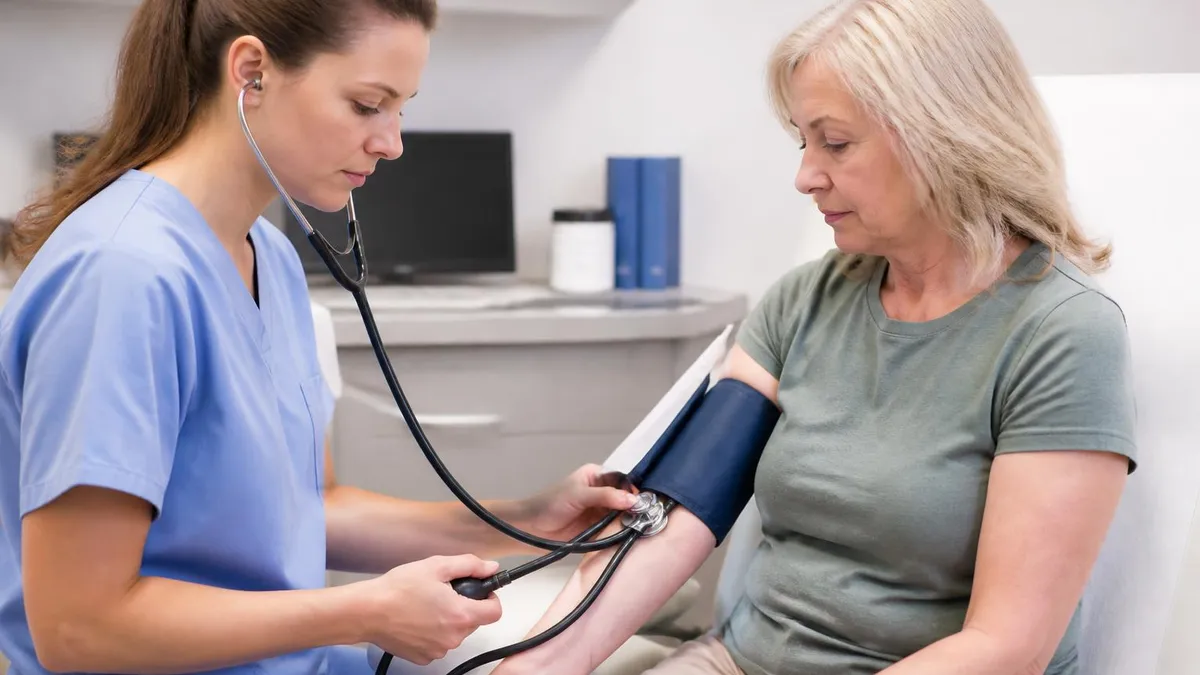
Each state's board of nursing sets its own requirements for NCLEX-PN eligibility, and some states have additional educational standards beyond federal accreditation requirements. If you plan to practice nursing in a specific state, confirm that your program meets that state's board approval before you enroll — not after graduation. Transferring your nursing license to a different state after initial licensure through the Nurse Licensure Compact (NLC) is possible, but eligibility depends on your original program meeting all NLC member state standards.
After completing your LPN course and passing the NCLEX-PN, your first professional decision is choosing the right work setting for your skills, interests, and career goals. Long-term care facilities employ the largest share of LPNs nationally, offering stable schedules, consistent patient assignments, and strong opportunities to develop deep therapeutic relationships with residents over time.
Hospitals employ LPNs primarily in medical-surgical units, rehabilitation floors, and specialty care areas, though the ratio of RNs to LPNs varies significantly by facility and state regulation. Understanding the scope of practice limitations specific to your state helps you target employers where your skills will be fully utilized.
Home health nursing is one of the fastest-growing employment sectors for LPNs, driven by the preference of aging patients to receive care in their own homes rather than institutional settings. Home health LPNs provide wound care, medication management, patient education, and health monitoring visits for clients who are homebound following surgery, illness, or chronic disease exacerbation. This setting requires strong independent judgment, excellent communication skills with patients and their families, and the ability to function with minimal direct supervision. Many LPNs find the one-on-one nature of home health deeply satisfying compared to the fast-paced environment of inpatient units.
Physician offices, outpatient clinics, and specialty practices hire LPNs for patient intake, vital sign assessment, medication administration, patient education, and procedure assistance. These settings offer regular daytime hours without weekend or holiday obligations, making them particularly attractive to nurses with family commitments or those seeking a predictable work-life balance. The trade-off is that office-based LPNs may earn slightly less than their hospital-based peers and encounter less clinical variety, but many nurses find the lower-acuity environment and stable schedule to be worth that difference.
Career advancement from an LPN position follows two primary paths. The first is specialization within the LPN scope, such as obtaining certifications in IV therapy, wound care, or long-term care administration. These certifications increase earning potential and differentiate you within the job market without requiring additional academic degrees. The second path is bridge education through an LPN-to-RN program, which allows you to build on your existing LPN training to earn an associate or bachelor's degree in nursing. Bridge programs are widely available, and your LPN clinical experience gives you a significant advantage in advanced nursing coursework.
Continuing education is a requirement for maintaining your LPN license in every state. Most states require 20 to 30 continuing education units (CEUs) per renewal cycle, which typically runs two years. CEUs can be earned through online courses, nursing conferences, employer-sponsored training, and professional association memberships. Keeping your continuing education current not only fulfills the legal requirement for license renewal but also keeps your clinical knowledge current as treatment protocols, medications, and best practices evolve rapidly in modern healthcare environments.
Professional networking through nursing associations provides LPNs with access to job boards, mentorship programs, advocacy resources, and educational opportunities that are not available to non-members. The National Association of Licensed Practical Nurses (NALPN) and state-level LPN associations offer membership benefits specifically designed for practical nurses. Attending a state nursing conference or joining an association committee within your first year of practice builds professional relationships that often translate into career advancement opportunities and access to institutional knowledge about navigating the healthcare employment landscape in your region.
Mentorship is an underappreciated component of early LPN career development. New graduates who identify an experienced nurse mentor within their first employment setting gain access to practical clinical wisdom, advice on navigating workplace dynamics, and guidance on professional development decisions that no textbook can provide.
Formal mentorship programs exist within some hospital systems and nursing associations, while informal mentorship relationships often develop organically on units where experienced nurses take an interest in developing their younger colleagues. Actively seeking a mentor rather than waiting to be selected dramatically accelerates the development of clinical confidence and professional identity in your first years of practice.
Preparing for the NCLEX-PN while still completing your LPN course is one of the most effective strategies for exam success. Students who integrate NCLEX-style practice questions into their weekly study routine throughout the program consistently outperform peers who wait until after graduation to begin focused exam preparation. The NCLEX-PN uses Next Generation NCLEX (NGN) item formats introduced in 2023, including case studies, extended multiple response questions, and clinical judgment measurement scenarios that require higher-order thinking rather than simple recall of memorized facts.
Time management during the NCLEX-PN examination is critical. The exam uses a computerized adaptive testing format, meaning the difficulty of subsequent questions adjusts based on the accuracy of your previous answers. The minimum number of questions is 85 and the maximum is 150, with a time limit of five hours. Most test-takers complete the exam in two to three hours. Practicing under timed conditions during your preparation period helps you build the mental stamina and pacing habits needed to perform well across the full examination duration without fatigue-related errors in later question sets.
Content area weighting in the NCLEX-PN test plan provides a roadmap for prioritizing your study time. Safe and effective care environment questions, which include coordinated care and safety principles, account for approximately 26 percent of the exam. Health promotion and maintenance represents 9 percent. Psychosocial integrity covers 9 percent. Physiological integrity, which includes basic care and comfort, pharmacological therapies, reduction of risk potential, and physiological adaptation, accounts for the remaining 56 percent of the examination. Allocating your study time proportionally to these weightings maximizes the efficiency of your preparation effort.
Practice exams and question banks are essential tools for NCLEX-PN preparation. High-quality question banks simulate the adaptive format of the actual examination and provide detailed rationales explaining why each answer is correct or incorrect. Reading rationales for both correct and incorrect answers is more valuable than simply tracking your score percentage, because understanding why a distractor is wrong teaches you the clinical reasoning framework that the NCLEX is designed to assess. Aim to complete at least 1,500 to 2,000 practice questions across all content areas before your examination date.
Test anxiety affects a significant proportion of NCLEX-PN candidates and can undermine performance even among students who are academically well-prepared. Research-backed strategies for managing test anxiety include consistent sleep schedules in the week before the exam, moderate aerobic exercise, mindfulness or relaxation techniques practiced daily during the preparation period, and avoiding cramming in the 48 hours immediately before the examination. Arriving at the testing center early, familiarizing yourself with the check-in process, and bringing permitted comfort items such as ear plugs can also reduce situational anxiety on examination day.
Study groups organized among classmates provide both academic and motivational benefits during LPN course preparation. Explaining concepts to peers reinforces your own understanding more powerfully than passive re-reading of notes. Group study sessions work best when structured around specific topics with defined objectives rather than general open review. Assigning each group member a content area to present and teach creates accountability and ensures comprehensive coverage of the curriculum. Rotating topic assignments each session prevents any single student from relying entirely on others' preparation while neglecting their own knowledge gaps.
Faculty office hours and academic tutoring services available through your LPN program are resources that underutilized students often overlook. Instructors who teach LPN courses understand exactly which content areas are most heavily tested on the NCLEX-PN and which conceptual gaps most commonly lead to student struggles.
Attending office hours with specific questions rather than vague requests for help demonstrates academic engagement and typically results in targeted, high-value guidance. Many programs also offer free tutoring through the learning resource center, peer tutoring coordinators, or contracted academic support services that can provide additional coaching in pharmacology, dosage calculation, or clinical reasoning at no additional cost.
LPN Questions and Answers
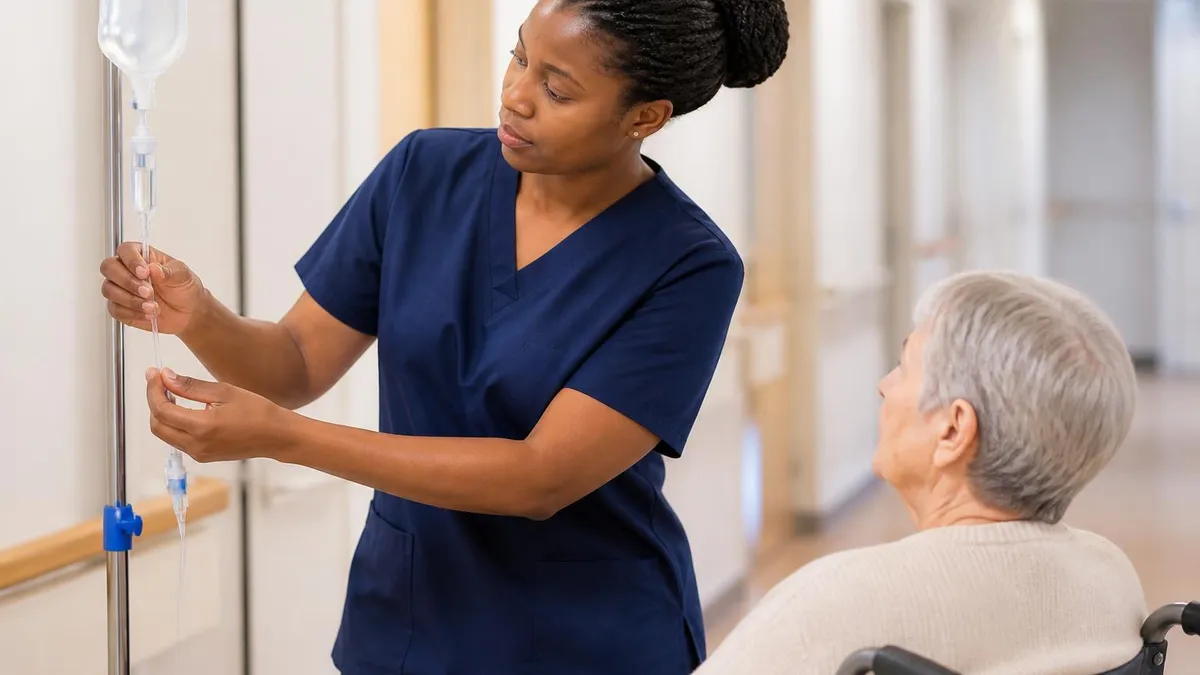
LPN Program Online: Complete 2026 Guide to Accredited Online LPN Programs

LPN Practice Test PDF (Free Printable 2026)
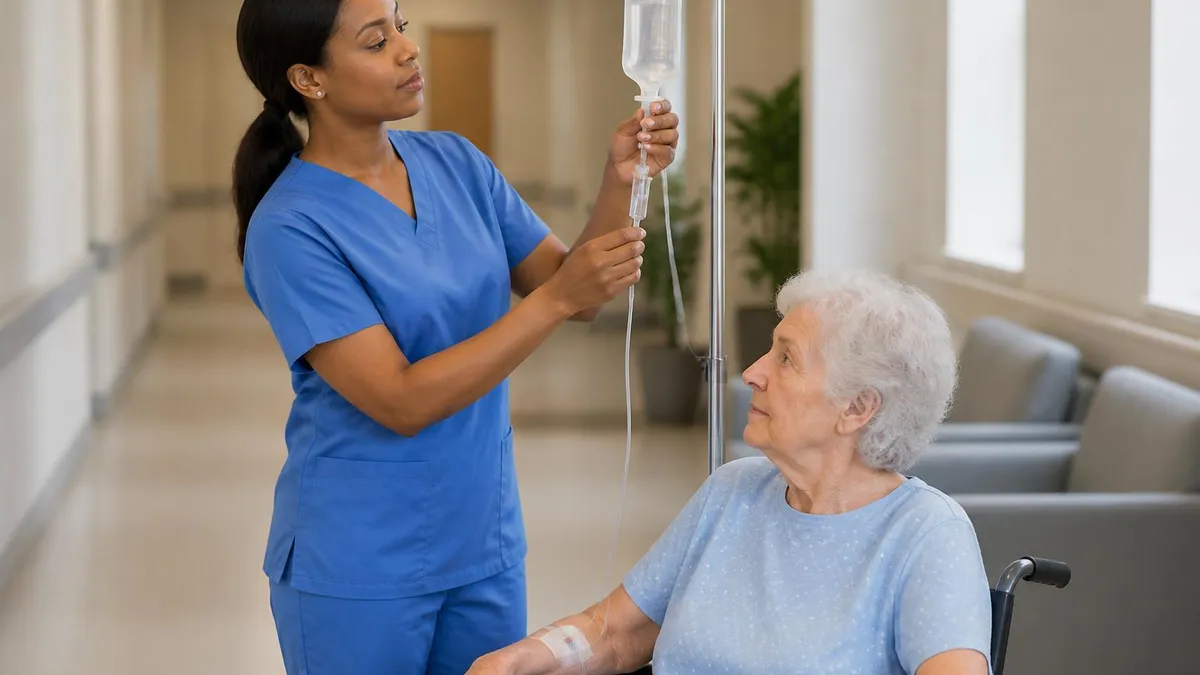
LPN to RN Bridge Programs Online: Complete 2026 Guide
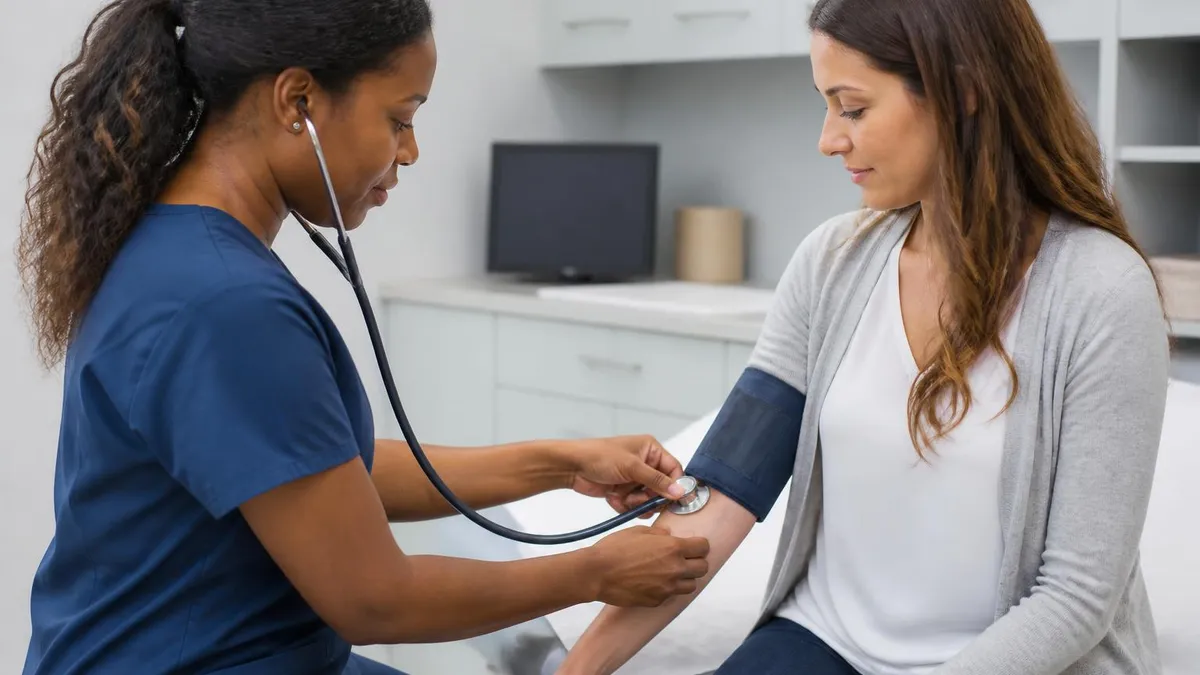
Travel LPN: Complete 2026 Guide to Becoming a Travel Licensed Practical Nurse
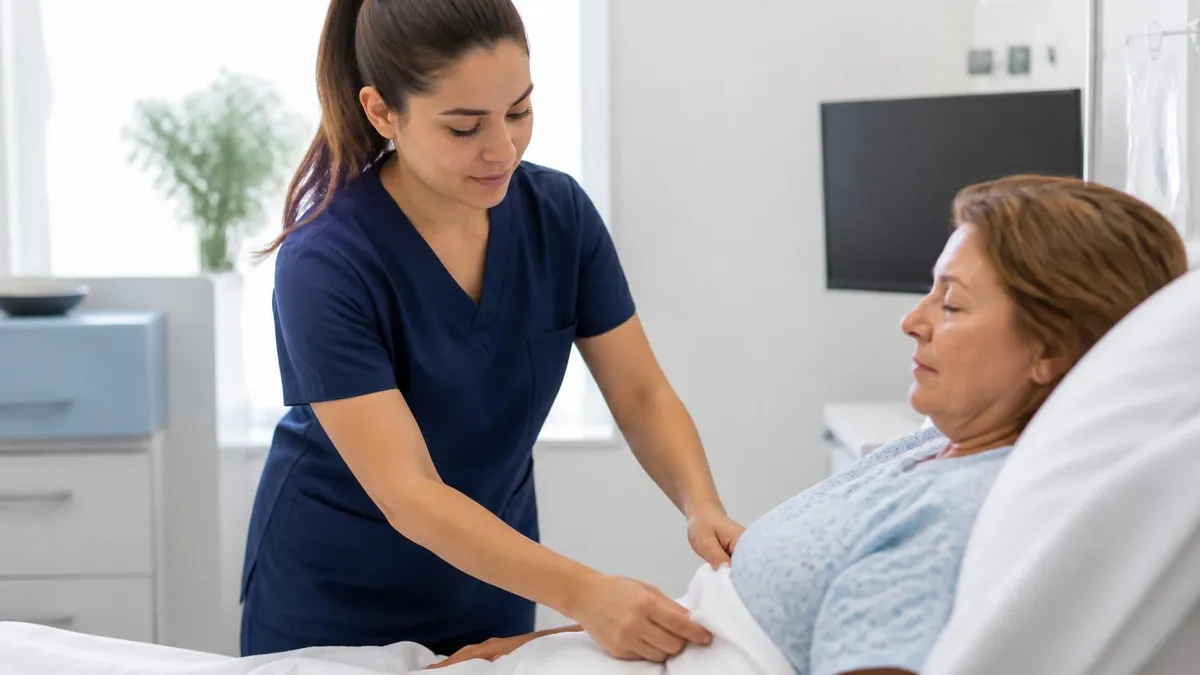
Macomb LPN Program: Complete 2026 Guide to Specific LPN Programs, Admission Requirements, Cost & Career Outcomes
About the Author

Registered Nurse & Healthcare Educator
Johns Hopkins University School of NursingDr. Sarah Mitchell is a board-certified registered nurse with over 15 years of clinical and academic experience. She completed her PhD in Nursing Science at Johns Hopkins University and has taught NCLEX preparation and clinical skills courses for nursing students across the United States. Her research focuses on evidence-based exam preparation strategies for healthcare certification candidates.
Join the Discussion
Connect with other students preparing for this exam. Share tips, ask questions, and get advice from people who have been there.
View discussion (7 replies)