
Number of HVAC Services in Baton Rouge: The Complete 2026 October Guide to Heating and Cooling Contractors in Louisiana's Capital
✏️ Discover the number of HVAC services in Baton Rouge, what they offer, licensing rules, average costs, and how to choose the right contractor in 2026 October.

The number of HVAC services in osha office locations has grown dramatically over the past decade, with the East Baton Rouge Parish business registry showing well over 300 active heating, ventilation, and air conditioning contractors operating across the metro area as of 2026. Louisiana's brutal Gulf Coast humidity, summer heat indexes that routinely climb above 105 degrees, and unpredictable winter cold snaps have made HVAC one of the busiest skilled trades in the capital region, supporting both residential homeowners and a sprawling commercial base tied to refineries, hospitals, and LSU.
For homeowners typing 'HVAC near me' into Google, the sheer volume of options can be overwhelming. Baton Rouge spans roughly 88 square miles within the city limits and feeds into a larger nine-parish metropolitan statistical area, meaning a single search can return hundreds of contractors ranging from solo owner-operators with a single van to regional powerhouses with fifty technicians and 24-hour dispatch. Understanding how this market is structured will save you time, money, and the misery of a 95-degree weekend without air conditioning.
This guide breaks down exactly how many licensed HVAC services Baton Rouge currently supports, what credentials Louisiana requires under the State Licensing Board for Contractors, what residents typically pay for installations and repairs, and how to verify a company before signing a service agreement. We also cover the technical specialties — refrigeration, ductwork, energy audits, indoor air quality, heat pump retrofits — that distinguish a basic AC repair shop from a full-service mechanical contractor capable of handling new construction or commercial rooftop units.
Whether you are a first-time homeowner in Mid City staring down a failing builder-grade condenser, a landlord managing rental units in Mid-Tigerland near LSU, or a small business owner trying to keep a restaurant cool through August, knowing the lay of the land matters. Pricing varies by neighborhood, by license class, and by season. The same five-ton system that costs $7,800 installed in February can climb to $9,500 during the July rush when contractors are booked three weeks out.
We also examine why Baton Rouge consistently ranks among the top twenty U.S. metros for HVAC demand per capita. The combination of older 1950s and 1960s housing stock in neighborhoods like Garden District and Beauregard Town, aggressive post-Katrina population growth in Ascension Parish, and the relentless climate means the average household replaces a complete HVAC system roughly every 12 to 15 years — a faster turnover than the national average of 18 years.
Finally, this article gives you a working checklist for evaluating contractors, understanding warranties, navigating Entergy and DEMCO rebate programs, and recognizing the red flags that separate fly-by-night operators from established licensed mechanical contractors. By the end, you should be able to confidently shortlist three quality companies for any HVAC project in the Baton Rouge area.
If you work in the trade yourself or are studying for your Louisiana mechanical license, this guide also doubles as a market overview. The data here is drawn from public license rolls, BBB profiles, parish permitting records, and conversations with active Baton Rouge contractors during early 2026.
Baton Rouge HVAC Market by the Numbers
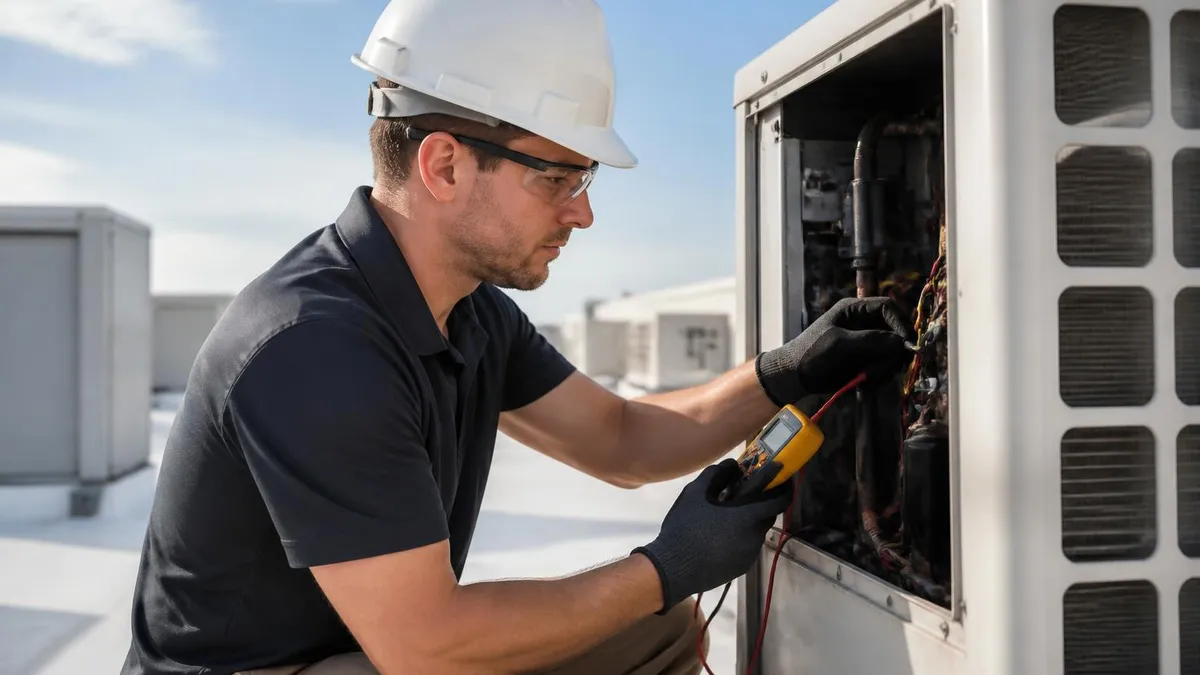
How Many HVAC Companies Operate in Baton Rouge
Roughly 180 to 220 companies hold a full Louisiana mechanical contractor license allowing jobs above $10,000. These handle new construction, commercial rooftops, and full system replacements across the metro.
Another 90 to 110 firms focus on residential repair, maintenance, and tune-ups under the smaller residential license tier. These dominate the same-day service and seasonal tune-up market for homeowners.
Approximately 35 to 50 contractors specialize in commercial mechanical systems, including chillers, VRF systems, and rooftop units for offices, schools, healthcare, and the refinery corridor along the Mississippi River.
Dozens of solo technicians and two-person crews work under sub-contractor arrangements or limited residential permits. These often deliver competitive pricing but vary widely in insurance coverage and warranty backing.
Names like One Hour Heating, Aire Serv, and Service Experts maintain Baton Rouge branches, offering standardized pricing and financing but typically at a premium versus locally owned independents.
When people ask about the number of HVAC services in Baton Rouge, they really want to know which services those companies actually deliver. The Louisiana market has matured well beyond simple swap-and-go AC installs. Today's full-service contractor typically handles seven or eight distinct service categories, and understanding the menu is the first step to getting accurate quotes. A repair-focused company may quote you a Band-Aid fix when a different specialist would have recommended a load calculation and a properly sized replacement.
Residential air conditioning installation and replacement remains the bread and butter of the market. With Baton Rouge averaging 90-plus days above 90°F each year, the typical 3.5-ton split system gets pushed hard. Reputable contractors will perform a Manual J load calculation, evaluate duct integrity, and recommend SEER2 equipment in the 14.3 to 18 range. Beware of any quote that does not include duct inspection — a leaky return in a hot attic can erase 30% of system efficiency overnight.
Heating service is the surprise category for newcomers. Yes, Baton Rouge gets cold. The 2021 winter storm pushed lows into the low teens, freezing pipes citywide and overwhelming heat pumps. Most homes use heat pumps with electric backup strips, but gas furnaces are common in older properties. A qualified contractor should inspect heat exchangers annually, test combustion gases on furnaces, and verify reversing valve operation on heat pumps before the first cold snap.
Ductwork repair and replacement is critically underrated in Louisiana. Humidity, attic temperatures that exceed 140°F, and decades-old flex duct combine to create energy losses of 25 to 40% in many homes. Companies offering blower door tests, duct blaster testing, and Aeroseal injection are becoming more common, and Entergy rebates can cover part of these upgrades. If you want to dive deeper, our guide to HVAC Solutions walks through the full system view that informs these decisions.
Indoor air quality has become a major service category since 2020. Whole-home dehumidifiers, MERV-13 filtration upgrades, UV lights for coil sanitization, and ERV (energy recovery ventilator) installs are now offered by roughly half the licensed contractors in the metro. With Baton Rouge's high outdoor humidity averaging 75%, a properly sized dehumidifier paired with the AC system can dramatically improve comfort while letting the AC cycle less aggressively.
Commercial refrigeration and light commercial HVAC is a specialty corner of the market. Restaurants along Government Street, walk-in coolers in the Mid City corridor, and rooftop package units on strip retail along Airline Highway all need technicians with refrigeration certifications and 410A handling credentials. Roughly 50 Baton Rouge contractors advertise commercial-grade service, but only a fraction handle equipment above 25 tons.
Finally, energy audits, smart thermostat installations, geothermal retrofits, and mini-split installations round out the modern service catalog. Mini-splits in particular have exploded in popularity for converted garages, ADU additions, and primary suites where adding ductwork is impractical. Expect to pay $4,200 to $7,800 for a single-zone install depending on capacity and brand tier.
HVAC Practice Test Questions
Prepare for the HVAC - Heating Ventilation and Air Conditioning exam with our free practice test modules. Each quiz covers key topics to help you pass on your first try.
HVAC Air Conditioning
HVAC Exam Questions covering Air Conditioning. Master HVAC Test concepts for certification prep.
HVAC Code Compliance
Free HVAC Practice Test featuring Code Compliance. Improve your HVAC Exam score with mock test prep.
HVAC Electrical Controls
HVAC Test Prep for Electrical Controls. Practice HVAC Quiz questions and boost your score.
HVAC Energy Efficiency
HVAC Questions and Answers on Energy Efficiency. Free HVAC practice for exam readiness.
HVAC Heating Systems
HVAC Mock Test covering Heating Systems. Online HVAC Test practice with instant feedback.
HVAC Load Calculations
Free HVAC Quiz on HVAC Load Calculations. HVAC Exam prep questions with detailed explanations.
HVAC Tools and Equipment
HVAC Practice Questions for HVAC Tools and Equipment. Build confidence for your HVAC certification exam.
HVAC Refrigeration
HVAC Test Online for Refrigeration. Free practice with instant results and feedback.
HVAC Safety Practices
HVAC Study Material on Safety Practices. Prepare effectively with real exam-style questions.
HVAC System Design
Free HVAC Test covering System Design. Practice and track your HVAC exam readiness.
HVAC Thermodynamics
HVAC Exam Questions covering Thermodynamics. Master HVAC Test concepts for certification prep.
Licensing and Certification for Baton Rouge HVAC Services
Louisiana requires anyone performing mechanical work above $10,000 to hold a Mechanical Contractor license issued by the Louisiana State Licensing Board for Contractors (LSLBC). The applicant must pass both a trade exam and a business and law exam, demonstrate at least $50,000 in working capital or net worth, and carry general liability and workers' compensation insurance. Renewal happens annually with continuing education tied to code cycle updates.
For smaller residential work under $10,000, contractors can operate under a Residential Mechanical Subclassification or Home Improvement Registration. These tiers have lower exam thresholds but still require insurance and registration. Always verify a Baton Rouge contractor's license status on the LSLBC online portal before signing any contract — fly-by-night operators are increasingly common after major storms.
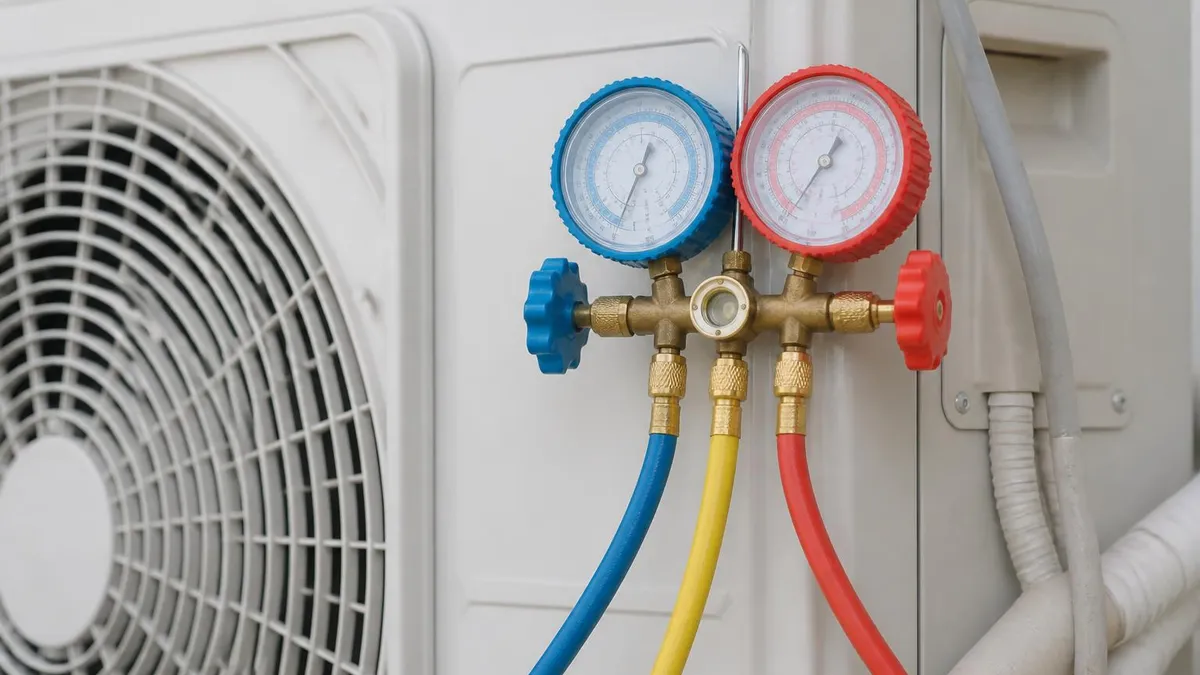
Local Independent vs National Franchise: Which Baton Rouge HVAC Service Is Right for You?
- +Local independents typically charge 15 to 25 percent less for the same equipment
- +Owners often perform diagnostics personally on complex jobs
- +Faster response times for established customers in the immediate Baton Rouge area
- +More flexibility on payment terms and warranty handling
- +Better familiarity with older Mid City and Garden District home quirks
- +Stronger community accountability — bad reviews spread quickly in a smaller market
- +Higher likelihood of carrying multiple equipment brands rather than a single proprietary line
- −Limited after-hours dispatch — many local shops close at 5 PM
- −Inconsistent financing options compared to national chains
- −Smaller crews mean longer wait times during July and August peak season
- −Variable warranty paperwork and follow-through if the owner retires
- −Less standardized pricing — significant quote variation between technicians
- −Fewer maintenance plan benefits like priority scheduling or discount tiers
- −May lack capacity for large commercial projects or multi-zone retrofits
Pros and Cons at a Glance
| Pros | Cons |
|---|---|
| Owners often perform diagnostics personally on complex jobs | Inconsistent financing options compared to national chains |
| Faster response times for established customers in the immediate Baton Rouge area | Smaller crews mean longer wait times during July and August peak season |
| More flexibility on payment terms and warranty handling | Variable warranty paperwork and follow-through if the owner retires |
| Better familiarity with older Mid City and Garden District home quirks | Less standardized pricing — significant quote variation between technicians |
| Stronger community accountability — bad reviews spread quickly in a smaller market | Fewer maintenance plan benefits like priority scheduling or discount tiers |
| Higher likelihood of carrying multiple equipment brands rather than a single proprietary line | May lack capacity for large commercial projects or multi-zone retrofits |
Checklist: Vetting an HVAC Service in Baton Rouge
- ✓Verify active Louisiana Mechanical Contractor license on the LSLBC portal
- ✓Confirm general liability insurance of at least $1 million and current workers' compensation coverage
- ✓Ask for the technician's EPA 608 certification card before any refrigerant work begins
- ✓Request at least three local references from jobs completed in the past 12 months
- ✓Read recent Google and BBB reviews, focusing on warranty follow-through complaints
- ✓Get the quote in writing with model numbers, SEER2 ratings, and full scope of work listed
- ✓Confirm permits will be pulled with East Baton Rouge Parish for any installation
- ✓Verify manufacturer parts and labor warranty terms in writing before signing
- ✓Ask whether a Manual J load calculation will be performed before sizing replacement equipment
- ✓Check that the contractor offers post-install commissioning with static pressure and airflow measurements
Always Get Three Written Quotes
Baton Rouge homeowners who collect three written quotes for major HVAC work save an average of $1,200 to $2,400 on system replacements compared to single-quote buyers. Insist on itemized scope including equipment, ductwork, permits, and commissioning — apples-to-apples comparison is impossible without it.
Pricing for HVAC services in Baton Rouge sits slightly above the national average, driven by extreme demand during the long cooling season and rising equipment costs since the 2023 transition to R-454B refrigerants. Understanding typical 2026 pricing ranges helps you spot quotes that are either suspiciously low — a sign of corner-cutting — or unreasonably high. The figures below are based on quotes collected from a dozen licensed Baton Rouge contractors in the first quarter of 2026.
A standard residential service call to diagnose a non-cooling AC system runs $89 to $149 in Baton Rouge, with most established companies charging in the $109 to $129 range. This fee typically covers the first 30 to 45 minutes of diagnostic time but does not include parts or repair labor. Some companies waive the diagnostic fee if you authorize the recommended repair, but be cautious — that incentive can pressure technicians toward unnecessary repairs.
Common repairs fall into predictable price brackets. A capacitor replacement runs $180 to $340 depending on size and brand, a contactor swap costs $190 to $310, and a blower motor replacement averages $480 to $920. Refrigerant recharges on R-410A systems are now $90 to $140 per pound, while the newer R-454B equipment runs $60 to $95 per pound. If a tech recommends adding more than 2 pounds of refrigerant, you almost certainly have a leak that needs locating, not just a recharge.
Full system replacements are where the numbers get serious. A basic 3-ton single-stage 14.3 SEER2 split system installed in a single-story home with existing acceptable ductwork runs $6,800 to $8,400. Stepping up to a 16 SEER2 two-stage system pushes that to $8,900 to $10,800, and high-efficiency 18+ SEER2 variable-speed equipment with a matched ECM-driven air handler can reach $12,500 to $15,800 installed. subcooling hvac typically add $400 to $900 over an equivalent AC-plus-furnace setup.
Ductwork-related work is often underestimated. Full duct replacement in a 1,800 square foot home runs $4,200 to $7,500 in Baton Rouge, while a more targeted Aeroseal duct sealing treatment costs $1,500 to $2,800 but typically recovers 18 to 28% of conditioned air losses. Adding return air drops, sealing supply boots, and insulating attic trunk lines yields measurable comfort improvements that compound over the life of the system.
Maintenance plans deserve special attention. Most Baton Rouge contractors offer annual or biannual tune-up agreements ranging from $179 to $329 per system per year. These typically include two visits (spring AC, fall heat), 15 to 20% discounts on repairs, priority dispatch, and waived diagnostic fees. For homes with two systems, expect to pay $310 to $510 annually. The math usually works out — a single capacitor replacement at member pricing often covers half the plan cost.
Commercial pricing operates on a different scale entirely. Rooftop package units start around $9,500 installed for a 5-ton commercial system and climb past $25,000 for 15-ton equipment with economizers and smart controls. Service contracts for commercial accounts typically run $1,800 to $4,800 per location annually depending on equipment count and complexity. Restaurants and medical facilities pay premiums for 24/7 emergency response guarantees.
After hurricanes and severe weather, unlicensed out-of-state operators frequently appear in Baton Rouge offering 'emergency' HVAC services. Always verify Louisiana licensing on the LSLBC portal before paying any deposit. Never pay more than 10 percent upfront for system replacement work, and never pay cash without a written contract.
Choosing among the hundreds of HVAC services in Baton Rouge ultimately comes down to matching the contractor to the job. A simple capacitor replacement does not require a NATE-certified master technician, but a complete system redesign with new ductwork absolutely does. Start by clearly defining what you actually need — is this a repair, a replacement, a new construction install, or a comfort consultation? — and then shortlist contractors whose specialties align with that scope.
For routine repairs, lean toward established local independents with strong reviews and reasonable diagnostic fees. These shops typically charge less, respond faster within the parish, and have direct accountability. Look for companies that have been in business at least seven years under the same ownership, which signals stability and a track record you can verify. Our guide to hvac contractors walks through the deeper vetting questions you should ask before hiring.
For complete system replacements, expand your shortlist to include at least one mid-sized regional company in addition to local independents. The mid-sized firms often offer better financing through Synchrony, Wells Fargo, or Service Finance Company — useful when you are facing a $10,000 unplanned expense. They also tend to maintain more consistent install crews trained on specific manufacturer lines like Carrier, Trane, Lennox, or Daikin.
For commercial work, restaurants, multi-unit residential, or industrial cooling, the contractor pool narrows considerably. Look specifically for companies that publish refrigeration credentials, commercial controls expertise, and case studies of similar buildings. Ask whether they self-perform sheet metal fabrication or sub it out. Self-performing shops typically deliver tighter project schedules and better warranty accountability than firms that piece together subcontractors on every job.
Timing matters more than people realize. The cheapest time to replace a Baton Rouge HVAC system is February through early April, when demand is low and contractors are willing to negotiate. Equipment manufacturers also run spring rebates of $200 to $1,500 during this window. The worst time is mid-July through August, when companies are booked solid and emergency premiums apply. If your system is more than 12 years old, plan a proactive replacement during the off-season rather than waiting for catastrophic failure during a heat wave.
Take advantage of Entergy Louisiana and DEMCO rebate programs, plus federal tax credits available through 2032 under the Inflation Reduction Act. Qualifying heat pumps can earn up to $2,000 in federal tax credits, with additional rebates from utility programs for high-SEER2 equipment, smart thermostats, and duct sealing. A reputable contractor will know these programs cold and handle most of the paperwork on your behalf — if they shrug when you ask about rebates, that is itself a red flag.
Finally, beware the high-pressure sales pitch. Legitimate Baton Rouge HVAC services let you take a quote home and think about it. Companies that demand same-day signatures, claim 'this price is only good today,' or refuse to itemize their proposals are using urgency to mask weak value. A real professional will give you the time and information you need to make a confident decision.
Before signing any HVAC service contract in Baton Rouge, do a final five-minute readiness check. Pull out the quote, the contractor's license number, and the equipment model sheet. Confirm that the model numbers on the quote match what the manufacturer currently sells — substitution scams where bidders quote one model and install a cheaper variant are unfortunately common in high-demand markets. The AHRI certificate number for the matched system should appear on the quote, and you can verify it on ahridirectory.org in under a minute.
Ask about commissioning. Quality installations end with a measured static pressure test, refrigerant subcooling and superheat verification, temperature split readings across the evaporator, and a written commissioning report. If the contractor cannot describe their commissioning protocol when you ask, the install will likely fall short of manufacturer specifications and your warranty may be voided. Roughly 60% of new HVAC systems nationwide are improperly commissioned, and Baton Rouge is no exception.
Verify the permit process. East Baton Rouge Parish requires permits for system replacements, gas line modifications, and new ductwork installations. The contractor — not you — should pull these permits. Final inspection by parish inspectors catches improperly secured flue vents, missing condensate traps, undersized electrical disconnects, and dozens of other issues that would otherwise stay hidden until they cause damage. If a contractor offers to skip permits to save you money, walk away immediately.
Schedule a post-install walkthrough. Within 72 hours of installation completion, have the lead installer walk you through the new system in person. Cover thermostat operation, filter location and replacement schedule, condensate drain access, outdoor unit clearance requirements, and warranty registration confirmation. Take photos of the equipment nameplates and store them digitally — this saves enormous time during any future service call. Our complete guide to hvac maintenance service covers what to expect from ongoing maintenance after the install.
Set up your maintenance calendar before the first cooling season ends. Schedule two visits per year — typically March for AC tune-up and October for heating system inspection. Replace filters every 60 to 90 days depending on filter MERV rating and household conditions like pets, smokers, or nearby construction. Treat the condensate drain monthly with a vinegar or commercial algaecide tablet to prevent the slow-drip leaks that ruin ceilings and walls in attic-mounted air handler installations.
Document everything. Keep a folder — physical or digital — with the original contract, equipment serial numbers, warranty registration confirmations, AHRI certificates, permit documents, commissioning report, and every invoice from subsequent service calls. When your system needs warranty work in year seven, this folder is the difference between a smooth claim and a frustrating denial. If you ever sell the home, a complete HVAC civil service history is a meaningful selling point that buyers and inspectors notice.
Finally, build a relationship with your contractor. The number of HVAC services in Baton Rouge gives you options, but loyalty rewards you. Established customers get faster appointment slots, deeper discounts, occasional courtesy diagnostics, and meaningful continuity when equipment ages. The best HVAC outcomes come from a multi-year relationship with a single competent company that knows your home, your habits, and your equipment intimately — not from chasing the lowest quote every cycle.
Sample HVAC Practice Questions
Try these questions from our free HVAC practice tests. The correct answer and an explanation follow each question.
Which type of heating system uses a series of zones with individual thermostats and zone valves controlled by a central boiler?
- A. Variable air volume (VAV) system
- B. Hydronic zoned heating system
- C. Multi-stage forced-air system
- D. Ductless mini-split heating system
Answer: B. Hydronic zoned heating system
Hydronic zoned systems pipe hot water from a boiler through multiple loops, each controlled by a zone valve that opens when the zone thermostat calls for heat.
What is the primary function of an expansion tank in a closed-loop hydronic heating system?
- A. To increase system water pressure
- B. To accommodate the volume increase of water as it heats and expands
- C. To filter debris from the water
- D. To balance flow between multiple zones
Answer: B. To accommodate the volume increase of water as it heats and expands
As water heats it expands in volume. The expansion tank absorbs this expanded volume, preventing excessive pressure buildup.
A heat pump's outdoor fan motor fails during heating mode. What is the MOST likely result?
- A. System will continue to operate normally since fan is only needed in cooling
- B. Suction pressure will drop and the system may trip on low-pressure cutout
- C. Discharge pressure will rise rapidly and trip the high-pressure cutout
- D. The reversing valve will automatically switch to cooling mode
Answer: B. Suction pressure will drop and the system may trip on low-pressure cutout
Without outdoor fan airflow across the evaporating coil in heating mode, heat absorption drops, causing suction pressure to fall and potentially triggering a low-pressure safety cutout.
In a hospital, which area requires the highest number of air changes per hour (ACH) according to ASHRAE 170?
- A. Patient room
- B. Corridor
- C. Operating room
- D. Waiting room
Answer: C. Operating room
Operating rooms require a minimum of 20 ACH total air (with at least 4 ACH outdoor air) per ASHRAE 170 to control surgical site infection risk.
HVAC Questions and Answers
HVAC Repair Portland: The Complete 2026 Homeowner's Guide to Furnace, AC, and Heat Pump Service in the Rose City

HVAC Tune Up Service: The Complete Guide to Professional HVAC Maintenance and Why It Pays for Itself
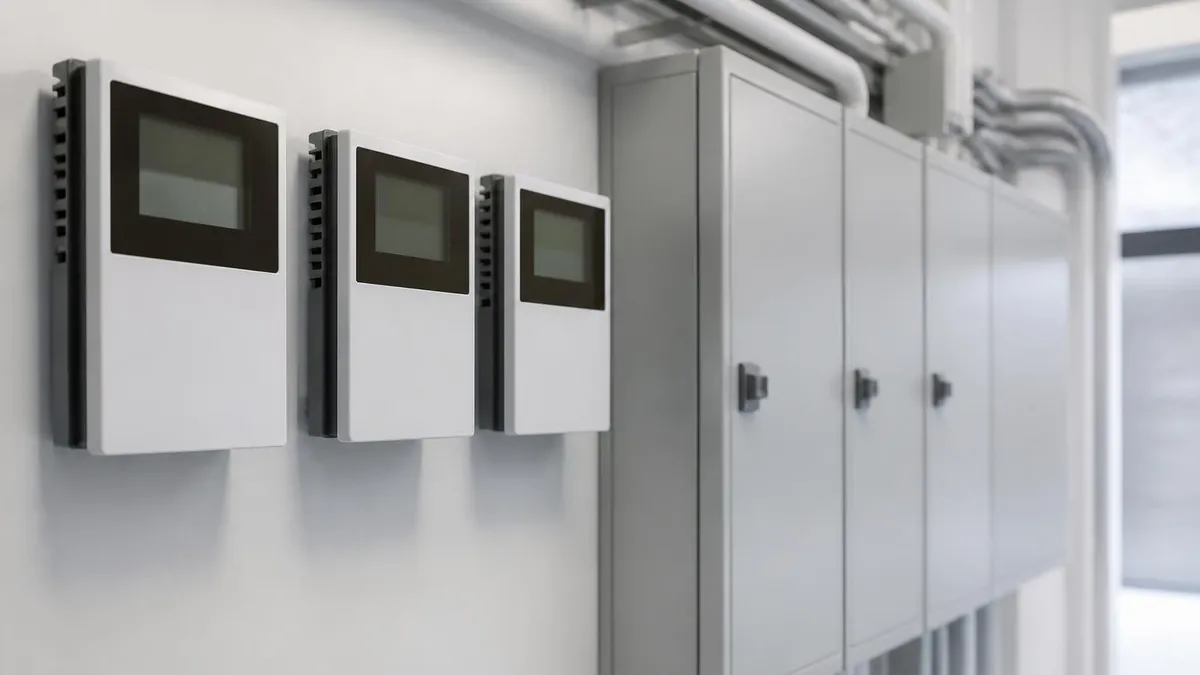
HVAC Solutions: The Complete Guide to Heating, Cooling, and Indoor Air Quality Systems for Homes and Buildings
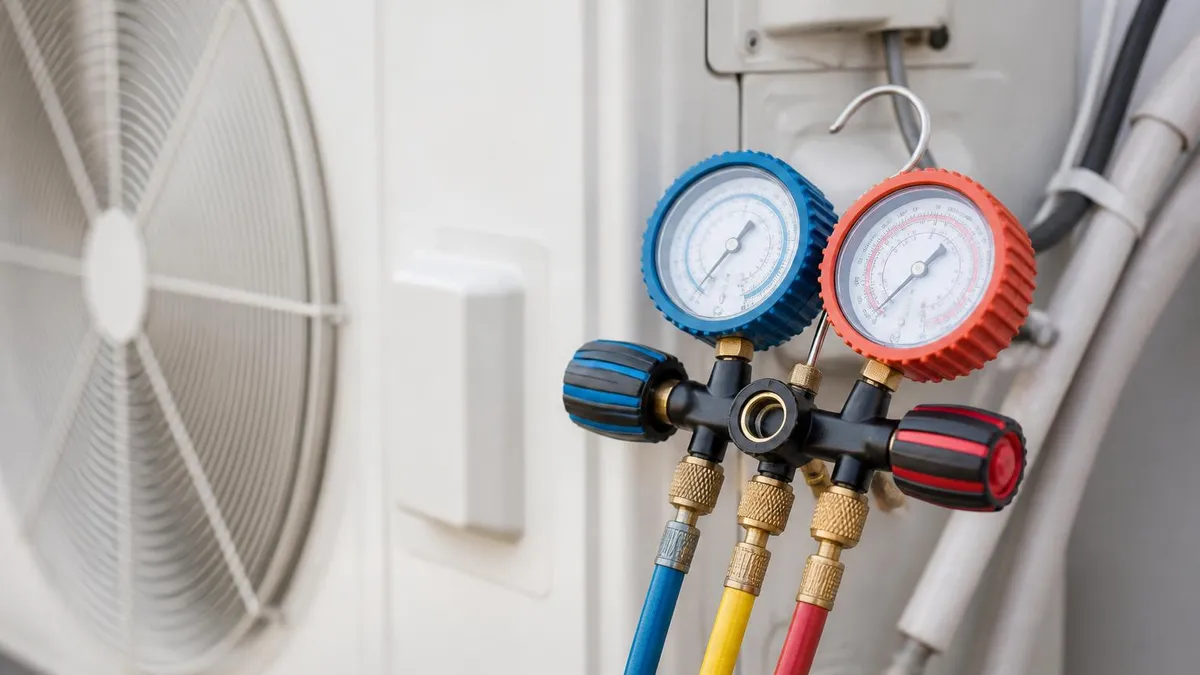
Certified HVAC Contractors: How to Find, Vet, and Hire the Right Professional for Your Home or Business
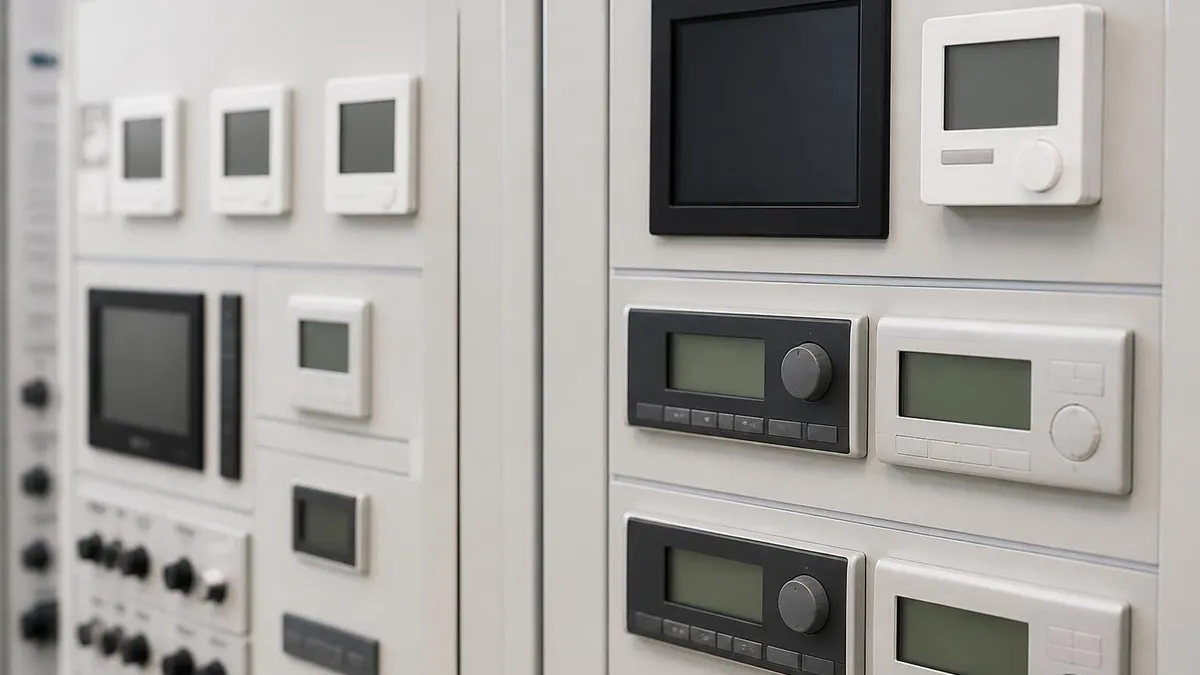
HVAC Parts and Supply: The Complete Guide to Sourcing, Identifying, and Buying Heating and Cooling Components in 2026
About the Author

NATE Certified HVAC Technician & Licensing Exam Trainer
Universal Technical InstituteMike Johnson is a NATE-certified HVAC technician and EPA 608 universal-certified refrigerant handler with a Bachelor of Science in HVAC/R Technology. He has 19 years of commercial and residential HVAC installation and service experience and specializes in preparing technicians for NATE certification, EPA 608, A2L refrigerant safety, and state HVAC contractor licensing examinations.