
HVAC Duct Cleaning Cost: The Complete 2026 Homeowner's Guide to Pricing, Process, and ROI
📚 HVAC duct cleaning cost averages $300-$700 in 2026. Compare pricing by home size, contamination level, and contractor type with our full breakdown.
The average HVAC duct cleaning cost in the United States falls between $300 and $700 for a standard single-family home in 2026, with most homeowners paying around $450 for a complete local hvac service search includes supply lines, hvac duct sizing calculator, registers, and the air handler. Pricing varies based on home square footage, the number of vents and returns, the level of contamination present in the system, accessibility, and whether additional services like sanitization or mold remediation are required. Understanding what drives these prices helps you avoid both overpaying and falling for suspiciously cheap offers. Practice with the free HVAC practice test on PracticeTestGeeks (35 questions with answer explanations).
Homeowners often underestimate how much variation exists in this market. A 1,200 square foot ranch with one HVAC system may cost as little as $250 to clean properly, while a 4,000 square foot two-story home with multiple zones can run $900 or more. The National Air Duct Cleaners Association (NADCA) recommends that pricing reflect time, labor, and equipment rather than a flat per-vent fee, which is often a sign of low-quality work or upselling tactics that inflate the final invoice.
Beyond the base price, several factors push the cost up or down. Older homes with original ductwork, properties with pets, recent renovation dust, smoking households, and systems that have never been cleaned all tend to require more time and specialized equipment. Conversely, newer homes with sealed ductwork, recently installed systems, or homes maintained by qualified hvac contractors often need only basic cleaning and may fall on the lower end of the price range.
Geographic location also plays a meaningful role. Labor rates in metropolitan areas like New York, Los Angeles, San Francisco, and Boston typically run 30 to 50 percent higher than in rural markets in the Midwest or Southeast. A duct cleaning in Manhattan might cost $750 for the same service that costs $375 in rural Tennessee. Service availability, local competition, and regulatory licensing requirements all factor into these regional differences, so always collect at least three local quotes.
The cleaning method matters too. Most reputable companies use negative-pressure source-removal systems, which connect a large vacuum truck or portable HEPA-filtered unit to the ductwork and then dislodge debris with rotating brushes, air whips, or compressed air tools. This NADCA-recommended approach typically costs more than basic vacuum-only services but produces dramatically better results and protects your indoor air quality for years afterward.
Finally, beware of the $99 whole-house special. These aggressive promotional offers almost always lead to high-pressure upselling once the technician is inside your home, with the final bill often reaching $800 to $1,500. Legitimate duct cleaning takes three to five hours and requires specialized equipment, trained labor, and proper containment. Pricing that sounds too good to be true almost always is, and consumer protection agencies receive thousands of complaints about bait-and-switch duct cleaning every year.
Free HVAC Study Tools
Interactive HVAC resources on PracticeTestGeeks, free to start:
- HVAC EPA 608 Refrigerant Certification — 35 questions with instant scoring and answer explanations
- HVAC flashcards — review key terms and concepts card by card
- HVAC study guide — topic-by-topic overview of what the exam covers
- HVAC cheat sheet — one-page printable summary for last-minute review
HVAC Duct Cleaning Cost by the Numbers
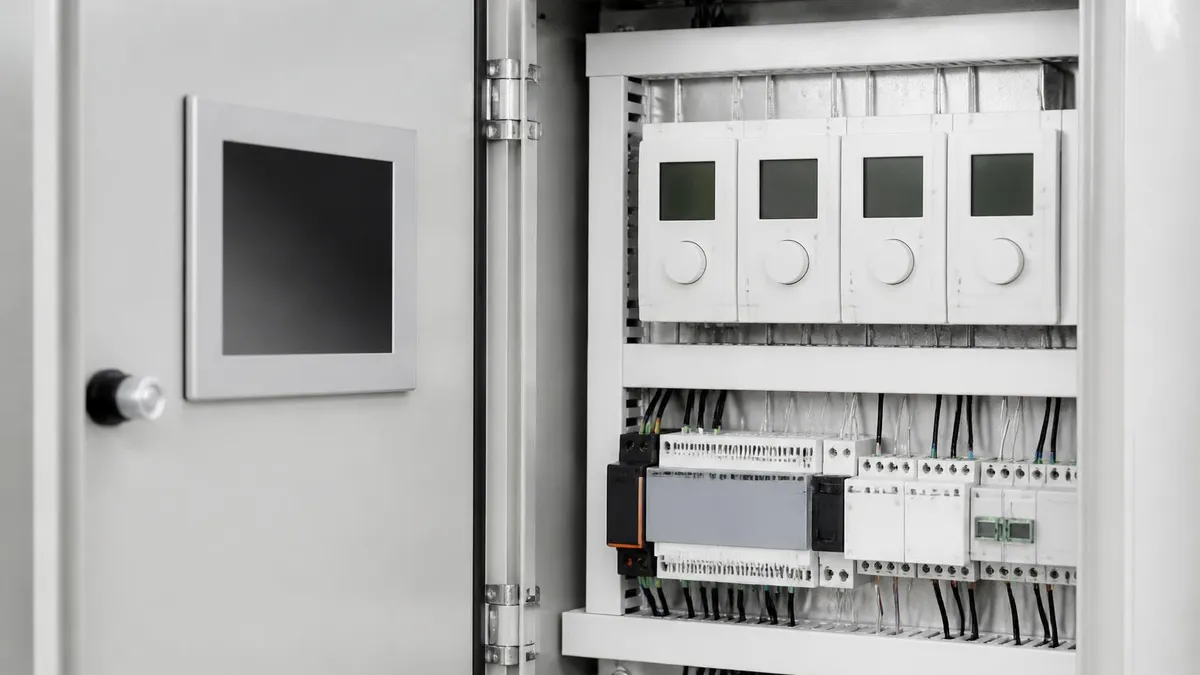
Duct Cleaning Cost by Home Size and Complexity
Understanding what affects HVAC hvac duct cleaning cost helps you read quotes intelligently rather than guessing whether the number on the invoice is fair. The first major variable is the total linear footage of ductwork in your home. A simple slab-on-grade ranch may have only 80 linear feet of duct, while a three-story colonial with finished basement can exceed 400 feet. Reputable contractors measure or estimate this footage during inspection and use it as a primary basis for the quote, alongside vent count and equipment access.
Accessibility is the second major price driver. Ducts hidden behind drywall, buried in crawlspaces, or run through tight attics take longer to access and clean. If the hvac terms to cut new access panels into the trunk lines or air handler to perform proper source removal, expect $50 to $150 per panel installed and resealed. Homes with finished ceilings and few existing service dsp job openings near mely always cost more than homes with exposed basement or unfinished attic ductwork.
Contamination level is the third critical factor. A system that has not been cleaned in 15 years, or one that ran during a major remodel without filter protection, may contain pounds of construction dust, pet hair, dander, dead insects, and even rodent debris. NADCA-certified technicians often perform a visual inspection with a camera before quoting, and they will charge more when initial inspection reveals heavy buildup or biological growth that requires additional containment and PPE.
The type of HVAC system you own influences pricing too. Standard forced-air systems with sheet-metal trunk lines and flexible runouts are the easiest to clean. Older homes with original galvanized ductwork may have rust or sharp seams that slow the work. Fiberglass-lined ducts and ductboard plenums require gentler tools to avoid damaging the lining, which can shed harmful fibers when scrubbed aggressively. Mini-split systems do not have ducts at all and require entirely different evaporator-coil cleaning protocols.
Geographic and seasonal demand also shifts the price. Spring and fall are peak duct cleaning seasons, so booking in winter or mid-summer can sometimes earn discounts of 10 to 20 percent. In high-pollen regions like the Southeast, demand spikes in April and May, while wildfire-impacted Western states see surges after smoke events. Combining duct cleaning with annual maintenance or new hvac installation leeds often yields meaningful package discounts from full-service contractors.
Finally, certifications and insurance levels affect what contractors charge. NADCA-certified Air System Cleaning Specialists carry higher overhead because they invest in ongoing training, specialized vacuum equipment costing $40,000 or more, and comprehensive liability insurance. Their rates run 20 to 40 percent higher than uncertified competitors, but the work quality and accountability typically justify the premium for homeowners who care about indoor air quality, hvac fan operation, and avoiding insurance disputes if damage occurs during the service.
HVAC Practice Test Questions
Prepare for the HVAC - Heating Ventilation and Air Conditioning exam with our free practice test modules. Each quiz covers key topics to help you pass on your first try.
HVAC Air Conditioning
HVAC Exam Questions covering Air Conditioning. Master HVAC Test concepts for certification prep.
HVAC Code Compliance
Free HVAC Practice Test featuring Code Compliance. Improve your HVAC Exam score with mock test prep.
HVAC Electrical Controls
HVAC Test Prep for Electrical Controls. Practice HVAC Quiz questions and boost your score.
HVAC Energy Efficiency
HVAC Questions and Answers on Energy Efficiency. Free HVAC practice for exam readiness.
HVAC Heating Systems
HVAC Mock Test covering Heating Systems. Online HVAC Test practice with instant feedback.
HVAC Load Calculations
Free HVAC Quiz on HVAC Load Calculations. HVAC Exam prep questions with detailed explanations.
HVAC Tools and Equipment
HVAC Practice Questions for HVAC Tools and Equipment. Build confidence for your HVAC certification exam.
HVAC Refrigeration
HVAC Test Online for Refrigeration. Free practice with instant results and feedback.
HVAC Safety Practices
HVAC Study Material on Safety Practices. Prepare effectively with real exam-style questions.
HVAC System Design
Free HVAC Test covering System Design. Practice and track your HVAC exam readiness.
HVAC Thermodynamics
HVAC Exam Questions covering Thermodynamics. Master HVAC Test concepts for certification prep.
HVAC Duct Cleaning Methods and What Each Costs
Source removal is the NADCA-approved gold standard for HVAC duct cleaning and typically costs between $400 and $900 for a full home. Technicians attach a large negative-pressure vacuum, often truck-mounted with HEPA filtration, directly to the trunk line near the air handler. They then move through every register with mechanical agitation tools, sending dislodged dust and debris into the vacuum rather than blowing it into the living space.
This method requires significant equipment investment and trained labor, which justifies the higher price point. Expect three to five hours of work for an average home, and a written before-and-after report with photos or video footage of the interior duct surfaces. Source removal is the only method NADCA endorses for thorough cleaning, and it is the only approach worth paying for if your goal is genuine improvement in air quality and system efficiency.

Is HVAC Duct Cleaning Worth the Cost?
- +Removes accumulated dust, pet dander, and allergens from supply and return lines
- +Can improve airflow and reduce strain on the blower motor, extending equipment life
- +Often required by warranty after major construction, fire, or flood events
- +Visibly improves register cleanliness and reduces dust resettling on furniture
- +Identifies hidden issues like disconnected ducts, leaks, mold, or rodent intrusion
- +Provides peace of mind for households with asthma, allergies, or immunocompromised members
- +Pairs well with filter upgrades and humidity control for compounded air quality gains
- −EPA states routine cleaning provides no proven health benefit for most homes
- −Poor-quality cleaning can damage ductboard, fiberglass lining, or flex duct connections
- −$99 specials almost always lead to aggressive upselling and inflated final invoices
- −Benefits fade quickly if the underlying filter and humidity issues are not addressed
- −Some contractors recommend unnecessary annual cleanings to drive recurring revenue
- −Sanitization sprays and biocides are unregulated and not proven to improve health outcomes
- −Cannot fix oversized, undersized, or improperly designed duct systems
Pros and Cons at a Glance
| Pros | Cons |
|---|---|
| Removes accumulated dust, pet dander, and allergens from supply and return lines | EPA states routine cleaning provides no proven health benefit for most homes |
| Can improve airflow and reduce strain on the blower motor, extending equipment life | Poor-quality cleaning can damage ductboard, fiberglass lining, or flex duct connections |
| Often required by warranty after major construction, fire, or flood events | Benefits fade quickly if the underlying filter and humidity issues are not addressed |
| Visibly improves register cleanliness and reduces dust resettling on furniture | Some contractors recommend unnecessary annual cleanings to drive recurring revenue |
| Identifies hidden issues like disconnected ducts, leaks, mold, or rodent intrusion | Sanitization sprays and biocides are unregulated and not proven to improve health outcomes |
| Provides peace of mind for households with asthma, allergies, or immunocompromised members | Cannot fix oversized, undersized, or improperly designed duct systems |
Smart Hiring Checklist Before Paying for Duct Cleaning
- ✓Verify the contractor holds current NADCA Air System Cleaning Specialist certification
- ✓Confirm general liability insurance of at least $1 million and request a certificate
- ✓Get three written quotes that itemize labor, equipment, and any add-on services
- ✓Ask whether the quote includes the air handler, blower, and evaporator coil cleaning
- ✓Request before-and-after photos or video documentation of interior duct surfaces
- ✓Reject any $99 or $199 whole-house special as a near-certain bait-and-switch tactic
- ✓Confirm the cleaning method is source removal, not just vent-to-vent contact vacuuming
- ✓Ask if access panels will be cut and how they will be sealed afterward
- ✓Skip antimicrobial sprays unless visible mold has been documented by lab testing
- ✓Read at least 15 recent reviews focused on transparency, not just star ratings
Pay by time and scope, not per vent
NADCA recommends paying for HVAC duct cleaning based on labor, equipment, and scope rather than a per-vent flat rate. Quotes priced only at $25 to $35 per vent often hide the fact that returns, air handlers, and trunk lines will be billed as expensive extras during the visit. Always ask for an all-inclusive written estimate before any work begins.
Duct cleaning scams are widespread enough that the Federal Trade Commission, Better Business Bureau, and state attorneys general have repeatedly issued public warnings. The most common scheme begins with a robocall or online ad offering whole-house duct cleaning for $59, $89, or $99. A technician arrives, runs a small camera into one register, and shows the homeowner a horrifying video of dust, debris, and what is often falsely identified as mold. The original $99 quote then balloons to $800, $1,200, or even $2,500 once the upsells begin.
Watch for technicians who claim to find mold in nearly every home they visit. Genuine mold contamination requires laboratory analysis of a swab sample, not a quick judgment based on visual appearance alone. Black streaks inside duct registers are usually carbon residue, dust, or normal oxidation, not Stachybotrys. Reputable contractors recommend independent lab testing before quoting mold remediation, which typically adds $600 to $2,000 to the project and should never be sold on the spot during a routine cleaning visit.
Another red flag is high-pressure language about urgent health risks. Legitimate NADCA technicians describe duct cleaning as a maintenance service that may improve air quality and system efficiency. They do not claim it will cure asthma, eliminate allergies, or reverse respiratory illness. The EPA itself states that there is no conclusive evidence that routine duct cleaning prevents health problems in homes without specific contamination, so any contractor making sweeping medical claims is overselling the service to justify inflated pricing.
Beware of contractors who use unmarked vans, accept only cash, refuse to provide written estimates, or pressure you to sign contracts immediately. Legitimate companies operate transparently with branded vehicles, accept multiple payment methods, and welcome the opportunity to provide detailed written scopes of work. They also encourage you to compare quotes rather than rushing you into same-day decisions that benefit only the salesperson's commission and never the homeowner's actual indoor air quality.
Antimicrobial fog treatments are another area ripe for abuse. Some contractors apply EPA-registered biocides into ducts after cleaning and charge $200 to $500 for the upsell. However, the EPA has not approved any chemical specifically for use inside HVAC hvac duct design, and the agency warns that some products may release harmful residues into living spaces. Decline these sprays unless you have a documented microbial problem and your contractor uses a product specifically labeled for HVAC use.
Finally, beware of contractors who damage your system and then offer to fix it for an additional fee. Aggressive brushing can puncture flex duct, dislodge insulation, or crack ductboard. Improper vacuum hookup can collapse return lines. If a contractor causes damage and then quotes thousands for repairs, document everything with photos, file a complaint with your state contractor licensing board, and consider small claims court. Choosing insured, certified professionals from the start prevents nearly all of these expensive nightmare scenarios.
The FTC, BBB, and dozens of state attorneys general have warned consumers about deeply discounted duct cleaning ads. These offers almost always lead to high-pressure upselling once a technician is inside your home, with final invoices commonly reaching ten to fifteen times the advertised price. If a quote sounds too good to be true, it almost certainly is.
To maximize the return on your HVAC duct cleaning investment, treat the service as one part of a broader indoor air quality strategy rather than a standalone fix. Cleaning ducts without addressing the underlying sources of contamination produces only short-term results. Within six to twelve months, dust, dander, and debris will accumulate again unless filtration, sealing, and humidity control are improved alongside the cleaning. Combining these efforts often delivers air quality improvements that single-service approaches cannot match at any price point.
Start by upgrading your air filter to a MERV 11 or MERV 13 pleated filter compatible with your blower's static pressure tolerance. Higher-MERV filters capture significantly smaller particles, including pollen, mold spores, and fine combustion soot, before they ever enter the duct system. Replace filters every 60 to 90 days in average conditions, or every 30 days in homes with pets, smokers, or active construction nearby. This single change can extend the practical benefit of duct cleaning by years.
Next, seal accessible duct joints with mastic or UL-181 foil tape. Studies from the Department of Energy estimate that the average American home loses 20 to 30 percent of conditioned air through duct leaks. Sealed ducts not only deliver cleaner air but also reduce energy bills by roughly 10 to 20 percent annually, which means a one-time investment of $300 to $700 in professional sealing typically pays for itself within two to four years through lower utility costs alone.
Maintain indoor relative humidity between 30 and 50 percent year-round. Excess humidity feeds mold and dust mites inside duct interiors, while overly dry air increases static charges that cause dust to cling to surfaces. A whole-house humidifier or dehumidifier paired with your HVAC system is far more effective than portable units and integrates seamlessly with annual hvac repair services near me service visits and tune-ups.
Consider whether a UV-C light installed near the evaporator coil makes sense for your situation. These lamps cost $200 to $600 installed and continuously suppress biological growth on the coil and drain pan, where moisture and warmth otherwise create ideal conditions for mold. They are not a substitute for duct cleaning, but they extend the time before the next cleaning becomes necessary and complement existing filtration strategies very effectively in most residential applications.
Finally, schedule annual HVAC tune-ups that include coil inspection, blower wheel cleaning, drain pan service, and static pressure measurement. A clean blower wheel and coil contribute more to airflow and air quality than duct cleaning alone, and they are far less expensive to maintain year over year. Bundling these tasks with periodic duct cleaning every three to five years creates a sustainable maintenance rhythm that protects your investment, your air quality, and your family's comfort for decades.
Before scheduling any HVAC duct cleaning service, walk through your home and take inventory of the conditions that will affect both pricing and outcomes. Count the supply registers and return grilles in every room, note any visible dust around vents, check for staining on ceilings near registers, and listen for whistling or rumbling sounds that may indicate duct leaks. This twenty-minute walkthrough gives you concrete information to share with contractors and helps you compare quotes on equal footing across multiple providers.
Document the current condition of your system with photos before any technician arrives. Photograph each register, the air handler exterior, the visible portions of trunk lines in basements or crawlspaces, and any access panels. These before photos protect you against disputes if damage occurs during the service, and they also let you objectively evaluate the after photos that a NADCA-certified contractor will provide as part of a thorough job report at the end of the service visit.
Ask your contractor about timing windows and avoid scheduling cleaning immediately before major events like holiday gatherings. The cleaning process temporarily increases dust circulation in the home, even with HEPA filtration, and surfaces may need light dusting one or two days afterward. Plan to be home during the service so you can observe the work, ask questions, and grant access to closed rooms or utility closets that contain HVAC components requiring attention from the cleaning crew.
Prepare your home by moving furniture and breakables at least three feet away from registers and the air handler. Cover sensitive electronics nearby and confine pets to a separate room or arrange off-site care for the day. Reputable cleaning crews lay drop cloths, use floor protectors, and contain debris with HEPA-filtered equipment, but small precautions on your end further reduce the risk of accidental damage or stress on animals sensitive to noise and unfamiliar visitors in the home.
After the service, request the written report, before-and-after photos, the cleaning log indicating which areas were addressed, and any inspection findings related to leaks, disconnected ducts, or recommended repairs. File these documents with your home maintenance records. If you sell the property within five years, this documentation increases buyer confidence and can simplify home-inspection negotiations by demonstrating proactive maintenance of one of the home's most expensive mechanical systems.
Plan your next cleaning interval based on what the technician found rather than a generic schedule. Homes with pets, smokers, recent construction, or older systems may benefit from cleaning every three years. Newer homes with sealed ducts, MERV 13 filtration, and no major lifestyle contamination sources can typically extend the interval to five to seven years. Between cleanings, replace filters on schedule, maintain humidity control, and keep an eye on register dust as your early-warning indicator of when the next cleaning is approaching.
If your duct cleaning quote includes recommendations for major repairs, sealing, or replacement, get a second opinion before authorizing the work. Some contractors legitimately identify worn-out flex duct, disconnected runs, or undersized returns that warrant attention. Others use the visit as an opportunity to sell unnecessary upgrades. A separate inspection from an independent HVAC professional gives you confidence that any follow-up investment of $500 to $5,000 or more is genuinely justified by the condition of your system.
Related reading: hvac duct cleaning cost covers the next step in more detail.
Sample HVAC Practice Questions
Try these questions from our free HVAC practice tests. The correct answer and an explanation follow each question.
Which type of air distribution system delivers conditioned air through a single large duct and uses a mixing box at each zone to control temperature?
- A. Variable air volume (VAV) system
- B. Multi-zone system
- C. Dual-duct system
- D. Fan-coil unit system
Answer: C. Dual-duct system
A dual-duct system supplies both cold and hot air through separate ducts to mixing boxes at each zone, where they blend to achieve the desired temperature.
In HVAC ductwork, what does the 'equivalent length' method account for when sizing ducts?
- A. Total duct weight
- B. Added friction loss from fittings converted to equivalent straight duct length
- C. Number of supply registers
- D. Thermal loss through duct walls
Answer: B. Added friction loss from fittings converted to equivalent straight duct length
Equivalent length converts the friction resistance of fittings (elbows, tees, transitions) into feet of straight duct for easier pressure drop calculations.
What is the minimum clearance required between uninsulated supply ducts and combustible materials in most US building codes?
- A. 1 inch
- B. 3 inches
- C. 6 inches
- D. 12 inches
Answer: A. 1 inch
Most US codes require at least 1 inch of clearance between uninsulated supply ducts and combustible materials to reduce fire risk.
Which material is NOT typically acceptable for use as HVAC duct in a commercial building per IMC/SMACNA?
- A. PVC plastic
- B. Galvanized steel
- C. Aluminum
- D. Stainless steel
Answer: A. PVC plastic
PVC plastic duct is generally not acceptable for supply and return HVAC systems in commercial buildings due to flammability concerns, though it may be allowed for specific exhaust applications.
Take the full HVAC practice test
HVAC Questions and Answers
Certified HVAC Contractors: How to Find, Vet, and Hire the Right Professional for Your Home or Business
HVAC Installations: The Complete Guide to Planning, Pricing, and Getting It Right the First Time
EPA Certification for HVAC: The Complete Guide to Section 608 Requirements, Exam Prep, and Career Impact
How this page was made: written with AI tools and published by Nathan Beja, founder of Practice Test Geeks, who is responsible for its content. We have not yet matched this exam's facts to an official source, so confirm fees, dates and rules with the exam body. Not reviewed by a subject-matter expert. Editorial policy