
HVAC Compressor Replacement Cost: A Complete 2026 October Homeowner's Guide to Pricing, Parts, and Saving Money
HVAC compressor replacement cost ranges $1,300-$2,900 for most homes. ✍🏼 See real pricing by tonnage, brand, labor, and warranty options.
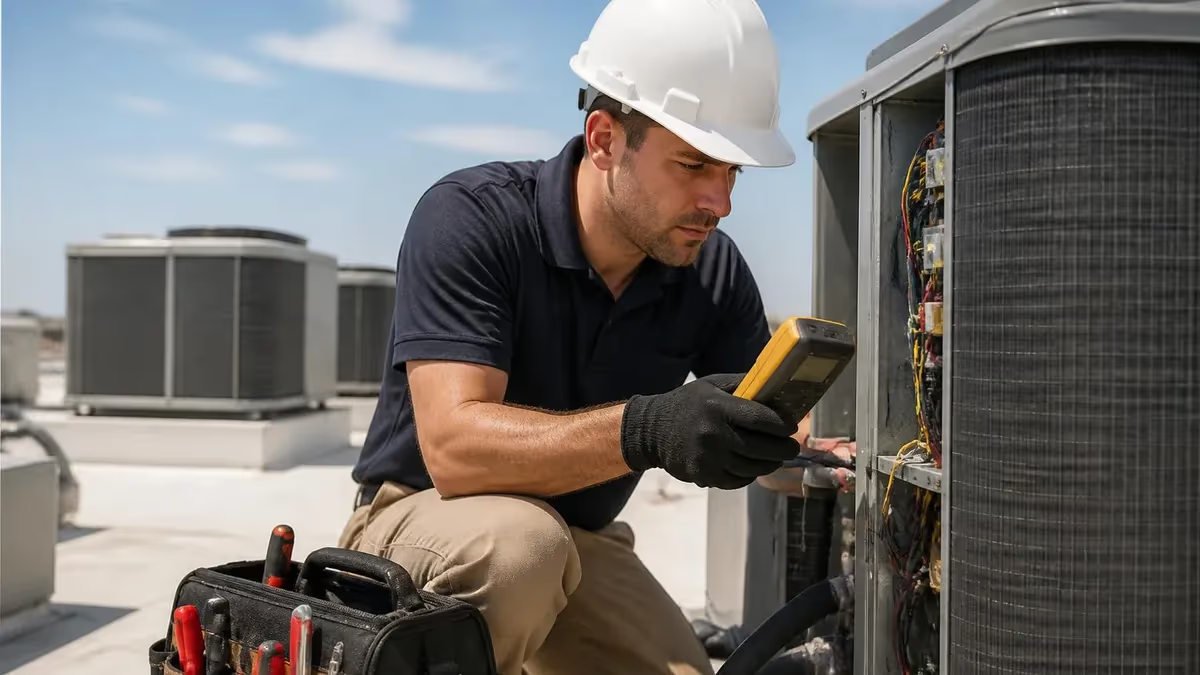
The average hvac compressor replacement cost in 2026 falls between $1,300 and $2,900 for a typical residential central air system, though premium units, refrigerant changes, and labor surcharges can push the total past $4,500. The compressor is the single most expensive mechanical component inside an outdoor condensing unit, and when it fails, homeowners are often shocked by the quote handed to them on a 95-degree afternoon. Understanding what drives the price helps you negotiate, compare bids, and decide whether replacement or a full system swap makes more financial sense.
Compressors fail for predictable reasons: low refrigerant charge that causes overheating, electrical surges that fry windings, contactor failures that cause short cycling, and simple age-related wear after 12 to 15 years of operation. Before you authorize any replacement, a qualified technician should pressure-test the lineset, check the capacitor, verify amperage draw, and confirm the compressor is actually the failed component and not a downstream symptom of a different problem like a stuck reversing valve or a refrigerant leak elsewhere.
Pricing is driven primarily by four variables: system tonnage (measured in 1.5, 2, 3, 4, and 5-ton sizes), refrigerant type (R-410A is being phased out in favor of R-454B and R-32), compressor technology (single-stage, two-stage, or variable-speed inverter), and whether the unit is still under manufacturer warranty. A warranty-covered compressor under a 10-year parts policy still costs $600 to $1,400 in labor and refrigerant, because warranties almost never cover technician time, brazing materials, or recharge fees.
Labor alone typically runs $75 to $175 per hour, and a compressor swap takes between 4 and 8 hours depending on the unit's accessibility, the need for a vacuum pump procedure, and any electrical reconfiguration. Reputable contractors also include a triple-evacuation, nitrogen pressure test, and a fresh filter-drier as part of the standard procedure. If a quote skips these steps, the new compressor's lifespan can drop from a decade to under three years. To find vetted local pros, start with our guide on certified HVAC contractors.
Many homeowners face a tough decision when the unit is more than 10 years old: replace just the compressor, or invest in a full new system. As a rule of thumb, if the compressor repair quote exceeds 50% of a complete system replacement, the smarter financial move is usually full replacement, especially given the dramatic efficiency gains in modern SEER2-rated equipment. We will walk through the math later in this guide so you can run the numbers on your own quote.
Geographic location matters too. Compressor replacements in California, New York, and Massachusetts run 20 to 35 percent higher than in Texas, Georgia, or the Midwest because of licensing requirements, refrigerant disposal rules, and prevailing wage differences. Permit fees in some municipalities add $75 to $250 to the total. Knowing your local labor market lets you spot inflated bids quickly.
This guide breaks down every cost driver — parts, labor, refrigerant, warranty rules, brand differences, and DIY misconceptions — so you can walk into the conversation with your HVAC contractor knowing exactly what a fair price looks like for your specific situation.
HVAC Compressor Costs by the Numbers
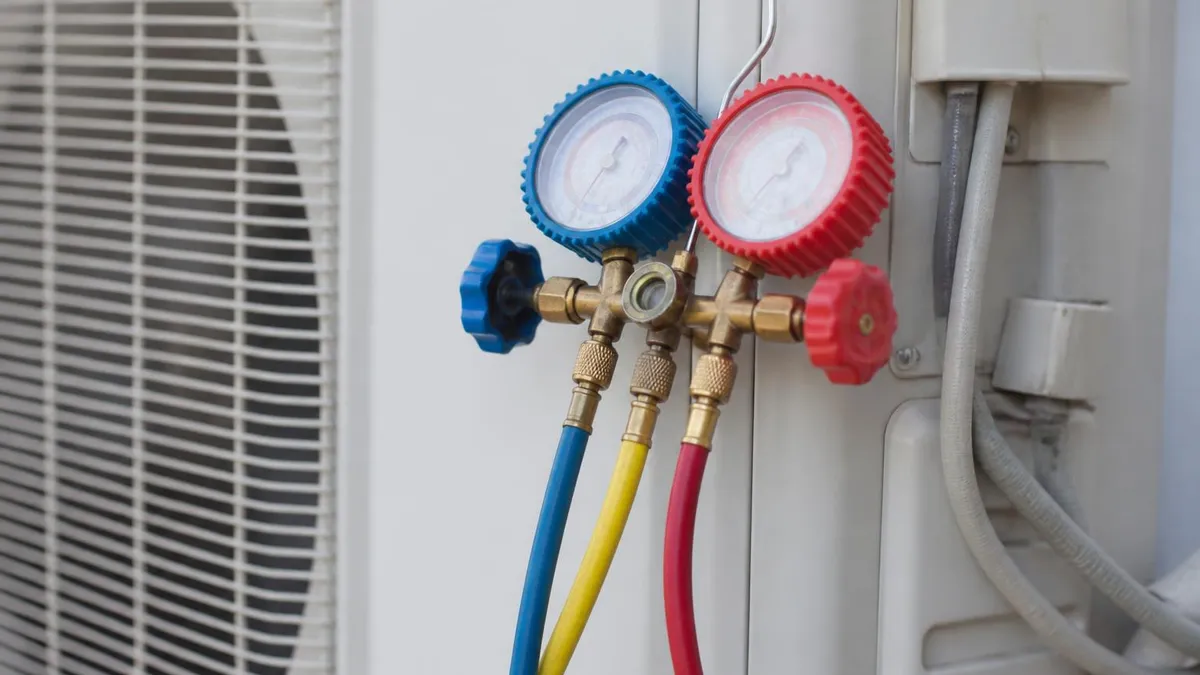
Compressor Replacement Cost by System Size
Understanding what truly drives your hvac compressor replacement cost helps you read a quote line by line instead of accepting a single lump-sum number. The compressor itself — the sealed steel can mounted inside your outdoor unit — is the most expensive single part in residential cooling, but its sticker price is only one of seven cost factors that determine your final invoice. Smart homeowners ask for an itemized breakdown so they can compare apples to apples between contractors.
Compressor type is the largest single variable. A standard single-stage scroll compressor for a 3-ton unit runs $450 to $850 wholesale. A two-stage scroll jumps to $750 to $1,400, and a variable-speed inverter compressor can hit $1,200 to $2,200 at parts cost alone. Inverter compressors deliver dramatically better efficiency and quieter operation, but they also require matched control boards, which is why many contractors recommend full system replacement when an inverter compressor fails outside warranty.
Brand matters more than most homeowners realize. Copeland (Emerson), Bristol, and Danfoss build the actual compressors found inside most major HVAC brands. A Copeland scroll for a Trane unit and a Copeland scroll for a Goodman unit may differ only in labeling and price markup. Premium-tier brands like Carrier Infinity, Lennox Signature, and Trane XV systems charge a 25 to 40 percent premium for proprietary control integration, even when the underlying compressor is identical.
Refrigerant cost has become a major line item since the 2025 phase-down. R-410A, while still serviceable, is rising in price as production decreases, with current recharge costs averaging $90 to $140 per pound. The newer A2L refrigerants like R-454B and R-32 require updated equipment, but their per-pound cost is currently lower, around $70 to $110. A typical 3-ton system holds 6 to 8 pounds of refrigerant, so a full recharge alone can add $500 to $1,000 to your bill. Browse CFM HVAC basics to understand how refrigerant charge ties into overall system performance.
Labor pricing varies wildly by region and license tier. EPA Section 608 certification is the legal minimum for refrigerant handling, but master HVAC technicians with 10+ years of experience justifiably charge $125 to $200 per hour. Cheaper labor rates — under $75 per hour — often indicate uncertified subcontractors, which is a red flag because improper brazing or evacuation kills new compressors within 24 months.
Ancillary parts often get bundled into the quote: a new filter-drier ($35 to $90), a fresh contactor ($25 to $80), a start capacitor ($30 to $120), and sometimes a hard-start kit ($45 to $150). These small parts should always be replaced when the compressor goes in, because reusing old components risks immediate failure of the new compressor and voids most parts warranties.
Finally, permits and disposal fees vary by jurisdiction. Many cities now require permits for refrigerant work, costing $75 to $250, and proper disposal of the old compressor (which contains residual refrigerant and oil) adds another $40 to $100. Contractors who skip these steps may quote lower prices but expose you to liability if a future inspection reveals unpermitted work.
HVAC Practice Test Questions
Prepare for the HVAC - Heating Ventilation and Air Conditioning exam with our free practice test modules. Each quiz covers key topics to help you pass on your first try.
HVAC Air Conditioning
HVAC Exam Questions covering Air Conditioning. Master HVAC Test concepts for certification prep.
HVAC Code Compliance
Free HVAC Practice Test featuring Code Compliance. Improve your HVAC Exam score with mock test prep.
HVAC Electrical Controls
HVAC Test Prep for Electrical Controls. Practice HVAC Quiz questions and boost your score.
HVAC Energy Efficiency
HVAC Questions and Answers on Energy Efficiency. Free HVAC practice for exam readiness.
HVAC Heating Systems
HVAC Mock Test covering Heating Systems. Online HVAC Test practice with instant feedback.
HVAC Load Calculations
Free HVAC Quiz on HVAC Load Calculations. HVAC Exam prep questions with detailed explanations.
HVAC Tools and Equipment
HVAC Practice Questions for HVAC Tools and Equipment. Build confidence for your HVAC certification exam.
HVAC Refrigeration
HVAC Test Online for Refrigeration. Free practice with instant results and feedback.
HVAC Safety Practices
HVAC Study Material on Safety Practices. Prepare effectively with real exam-style questions.
HVAC System Design
Free HVAC Test covering System Design. Practice and track your HVAC exam readiness.
HVAC Thermodynamics
HVAC Exam Questions covering Thermodynamics. Master HVAC Test concepts for certification prep.
Repair vs Replace: Making the Right Call
Replacing just the compressor makes sense when your system is under 8 years old, the rest of the unit (coil, fan motor, controls) is in good shape, and the compressor is covered under the manufacturer's 10-year parts warranty. In this scenario you pay only for labor and refrigerant, typically $700 to $1,500, and the rest of the system can continue serving you for another 5 to 7 years without major intervention.
This route also makes sense when your existing ductwork is well-matched to the current tonnage and refrigerant type. Switching refrigerant types often requires line set flushing or replacement, which can add $400 to $1,200. If your unit uses R-410A and a compatible replacement compressor is still available, repair is usually the more economical short-term choice for newer equipment.
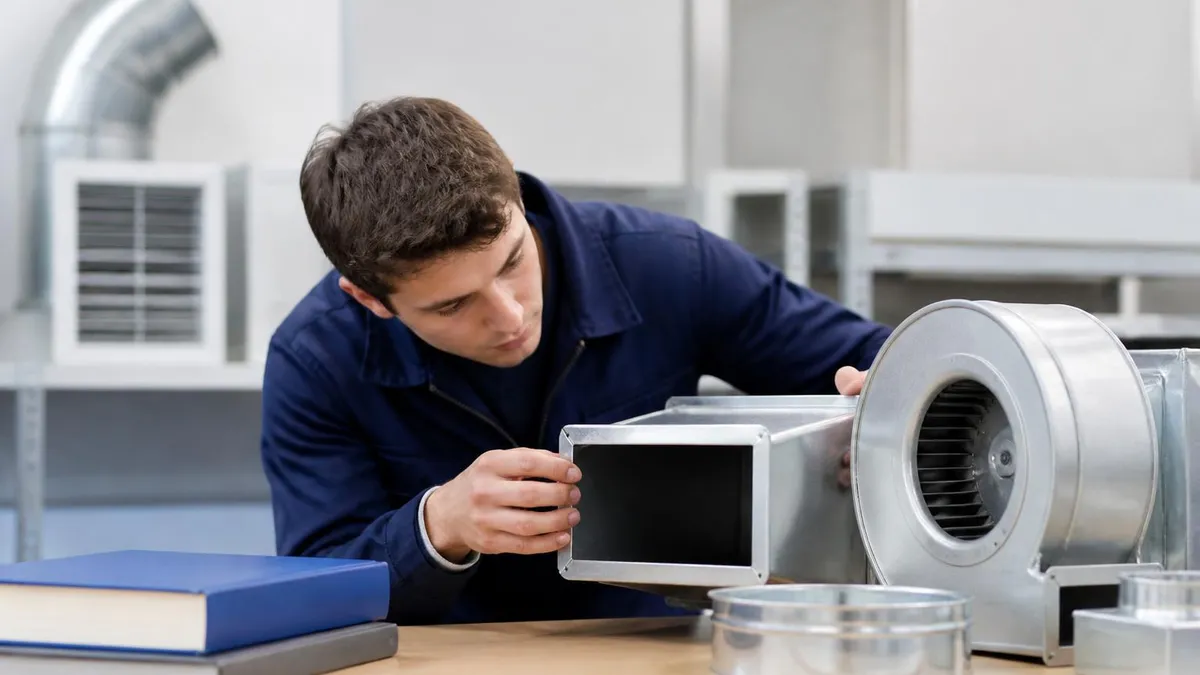
Replacing Just the Compressor: Pros and Cons
- +Lower upfront cost than full system replacement
- +Faster job — usually completed in one day
- +Preserves existing ductwork and indoor equipment
- +May be fully covered under parts warranty
- +Avoids ductwork modifications or electrical upgrades
- +Less disruption to your home during installation
- +Useful when only the compressor has failed in an otherwise healthy system
- −Other aging components may fail within 1–3 years
- −No efficiency gains over your existing SEER rating
- −Refrigerant top-off or full recharge adds significant cost
- −Warranty may not apply if previous service was non-OEM
- −No rebate or tax credit eligibility
- −Resale value of home not improved
- −Risk of mismatched components reducing performance
Pre-Quote Inspection Checklist for HVAC Compressor Replacement
- ✓Verify EPA Section 608 certification of the lead technician on-site
- ✓Request a written diagnostic report identifying the exact failure mode
- ✓Confirm refrigerant type and quantity needed for full recharge
- ✓Ask whether filter-drier, contactor, and capacitor are included
- ✓Request itemized labor hours and hourly rate in writing
- ✓Verify warranty registration status on the existing unit
- ✓Get at least three written quotes for comparison
- ✓Confirm permit will be pulled and inspection scheduled
- ✓Ask about post-installation triple-evacuation and nitrogen pressure test
- ✓Request AHRI certificate if any component is being replaced
- ✓Confirm old compressor will be disposed of per EPA rules
- ✓Get written start-up performance report with superheat and subcooling readings
The 50% Rule for Compressor Decisions
If a compressor replacement quote exceeds 50% of the cost of a brand-new condensing unit, replace the whole outdoor unit instead. You get a fresh 10-year warranty, modern SEER2 efficiency, and avoid throwing money at an aging system that may need additional repairs within 24 months. This rule saves homeowners thousands over the next decade.
Warranty coverage is one of the most misunderstood aspects of hvac compressor replacement cost, and the gap between what homeowners believe is covered and what actually gets reimbursed regularly leads to disputes with contractors. Almost every residential HVAC system sold after 2010 ships with a 10-year limited parts warranty, but that warranty only kicks in if the homeowner registered the product with the manufacturer within 60 to 90 days of installation. Unregistered units default to a 5-year warranty in most cases.
The critical thing to understand is that a parts warranty covers the part itself — meaning the manufacturer will ship a replacement compressor at no charge to your contractor. The warranty does not cover labor, refrigerant, brazing rods, nitrogen, filter-driers, or permits. This is why a fully warranty-covered compressor still results in an out-of-pocket bill of $700 to $1,600. Some manufacturers (like Trane, Lennox, and Carrier) sell extended labor warranty plans for $300 to $800 at install time that cover labor for 10 years.
Extended warranty plans purchased through the contractor or the manufacturer typically pay between $75 and $125 per hour for labor reimbursement, which may be below the contractor's actual hourly rate. In that case, you are responsible for the gap. Always read the fine print to see whether the warranty pays the contractor directly or reimburses you after you pay the full bill — the difference matters when the repair is $2,000+.
Home warranty companies (American Home Shield, Choice, First American, and similar) are a separate animal. They typically cover compressor failures but cap reimbursement at $1,500 to $3,000, charge a service call fee of $75 to $150, and use their own network of contractors who are paid heavily discounted rates. Many homeowners report that home warranty claims result in inferior aftermarket compressors, slow service, and pushback on coverage. Read the exclusion list carefully — pre-existing conditions, lack of maintenance records, and improper installation are common denial reasons.
Some manufacturers offer lifetime compressor warranties on their premium lines (Lennox Signature, American Standard Platinum, Trane XV). These warranties usually transfer to a new homeowner once with no cost, which is a meaningful resale benefit. However, the lifetime warranty almost always excludes labor, and many require annual maintenance from a licensed contractor with documented records — skip a year and the warranty voids.
If you bought your home with the HVAC already installed, you can usually transfer the original warranty to your name by contacting the manufacturer with the installation date and unit serial number. Many homeowners do not realize this and miss out on years of remaining coverage. Trane, Carrier, and Goodman all offer transfer processes that take 10 to 30 days.
Finally, understand the difference between manufacturer warranty, contractor warranty, and parts warranty. The contractor's installation warranty (typically 1 to 2 years) covers workmanship — bad brazing, refrigerant leaks, or wiring errors. If your new compressor fails within 12 months due to installation error, that is on the contractor, not the manufacturer. Get this written into your invoice before signing.
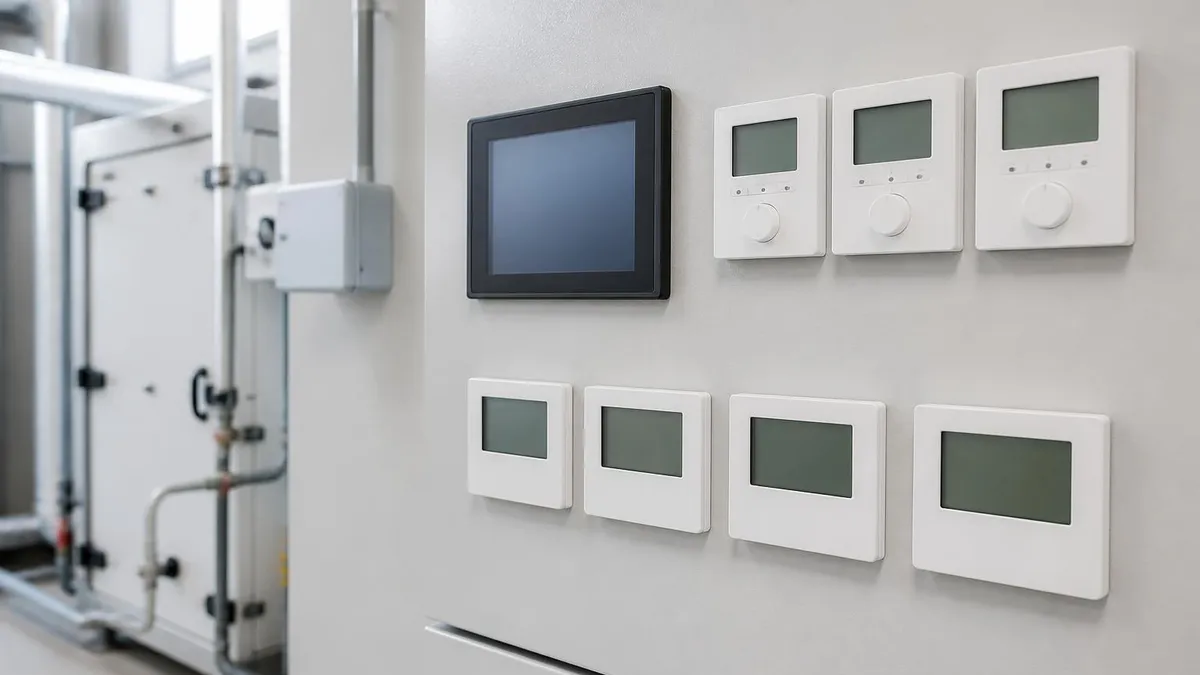
Beware of contractors who skip vacuum pump procedures, refuse to show you their EPA 608 card, do not pull permits, or pressure you to decide the same day. Any of these is grounds to get a second opinion. A reputable HVAC company will gladly provide credentials, AHRI matching paperwork, and a written start-up report after installation.
Saving money on hvac compressor replacement cost requires a mix of timing, negotiation, and knowing which trade-offs are smart versus risky. The single biggest lever is timing — compressors almost always fail during peak cooling season when contractors are slammed and quotes spike 15 to 25 percent. If you can stretch a marginal unit through one more summer with strategic capacitor replacements or hard-start kits, you can schedule replacement in October or March when prices drop and contractors compete for work.
Get at least three written quotes from licensed contractors and ask each to itemize parts, labor, refrigerant, permits, and ancillary materials separately. Quotes that show only a lump sum are designed to obscure markups. When you have line-item quotes, you can often negotiate the lowest bidder's labor down by 10 to 15 percent simply by sharing the lowest competing quote. Most reputable contractors will match within reason to win your business. For more on vetting installers, see our guide on hvac installation leeds.
Check your unit's warranty status before the technician arrives. Call the manufacturer with your serial number and ask whether the compressor is still covered. If it is, the part itself is free, which immediately knocks $400 to $1,400 off any quote. Some contractors conveniently forget to check warranty status because they make more money charging for parts they get free.
Consider aftermarket OEM-equivalent compressors. A genuine Copeland scroll from an authorized distributor is identical to the unit branded by Trane or Carrier and costs 30 to 50 percent less. Make sure your contractor is willing to install it, and verify that doing so will not void your existing warranty. Some manufacturer warranties require OEM-branded parts only — read the fine print.
Look into rebates and tax credits even for partial replacements. The federal 25C tax credit covers up to 30 percent of qualifying high-efficiency HVAC equipment costs, capped at $2,000 for heat pumps and $600 for central AC. Many utility companies layer their own rebates of $300 to $1,500 on top. State energy office programs in California, New York, Massachusetts, and Colorado offer additional incentives that can significantly reduce out-of-pocket costs for full replacements.
Skip the maintenance plan upsell unless it specifically includes labor warranty extension. Most contractor maintenance plans at $150 to $300 per year cover only basic seasonal tune-ups — coil cleaning, capacitor testing, refrigerant pressure checks — which you can often arrange for $89 to $129 per visit on demand. The exception is plans that include free labor on warranty-covered parts; those can pay for themselves with one compressor replacement.
Finally, invest in surge protection. A whole-house surge protector costs $300 to $700 installed and prevents the lightning-strike scenarios that destroy compressor windings in seconds. Combined with annual maintenance and a thermostat programmed to avoid extreme cycling, you can realistically extend compressor life from 12 years to 16+, which is the cheapest possible way to reduce lifetime replacement cost.
Once you have selected a contractor and signed the work order, a few practical preparation steps make the installation day faster, safer, and less likely to result in callbacks. Start by clearing a four-foot perimeter around the outdoor condensing unit. Trim shrubs, move trash bins, relocate planters, and ensure the technician has unobstructed access on all sides. This single step can shave 30 to 60 minutes off the labor invoice on a tight job site.
Disconnect any smart thermostat or zoning controller from your home network and write down your current temperature schedules. Some compressor replacements require power-cycling the entire system, which can wipe programmed schedules on older thermostats. Modern Wi-Fi thermostats typically restore from the cloud, but having a backup screenshot of your settings saves frustration if something goes wrong.
Plan for the home to be without cooling for 4 to 8 hours. If the outside temperature exceeds 90°F, close blinds on the south and west sides of the home an hour before the technician arrives, run ceiling fans, and consider scheduling the job for early morning. Pets and seniors should have a cool space arranged — a finished basement or a single room with a window unit works well as a backup during the installation window.
Photograph the existing unit's nameplate, model number, serial number, and current refrigerant charge label before work begins. This documentation is valuable if there is later a warranty dispute or insurance claim. Save copies of all paperwork the contractor leaves behind: AHRI certificate, start-up report, EPA refrigerant tracking sheet, and permit documentation. Store these in a folder with your home maintenance records — future buyers will appreciate the paper trail.
After installation, monitor the system for the first 72 hours. Listen for unusual sounds at startup and shutdown, verify the outdoor unit is delivering cold air consistently, and check that the indoor temperature reaches the thermostat setpoint within a reasonable cycle. Any short cycling, rapid temperature swings, or ice buildup on the lineset should be reported to the contractor immediately — installation issues are easiest to fix in the first week. For ongoing local support, our guide to HVAC repair services can help you find vetted technicians in your area.
Schedule a 30-day follow-up visit if your contractor offers one. A second technician check ensures refrigerant levels stabilized properly, airflow at every register is within spec, and the new compressor is drawing the correct amperage. Many failures that show up in months two through six trace back to incorrect superheat or subcooling settings on day one. A free follow-up catches these before they become warranty disputes.
Finally, register your equipment with the manufacturer within 60 days. Even if the compressor itself was a warranty replacement, the labor warranty (if you purchased one) and any other extended coverage requires registration. Use the serial number on the new compressor's data plate, not the original equipment, and keep confirmation emails permanently. This single five-minute step protects thousands of dollars in future coverage.
HVAC Questions and Answers
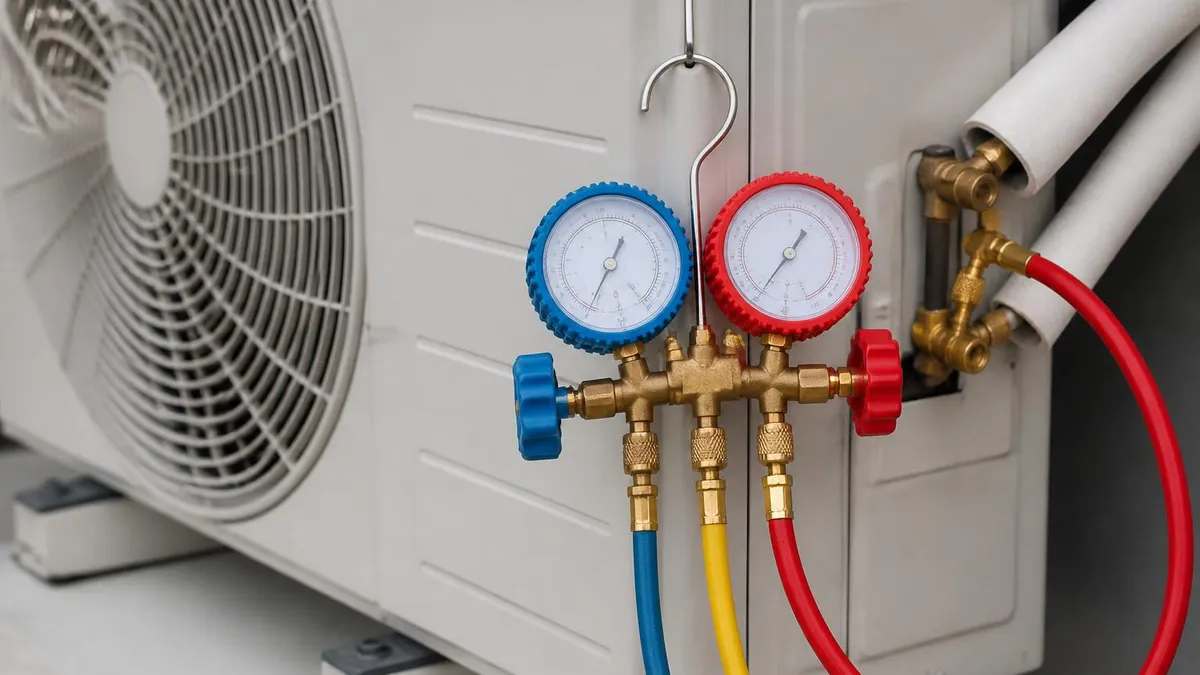
HVAC Technician Jobs Near Me: How to Find, Land, and Grow in Local HVAC Careers
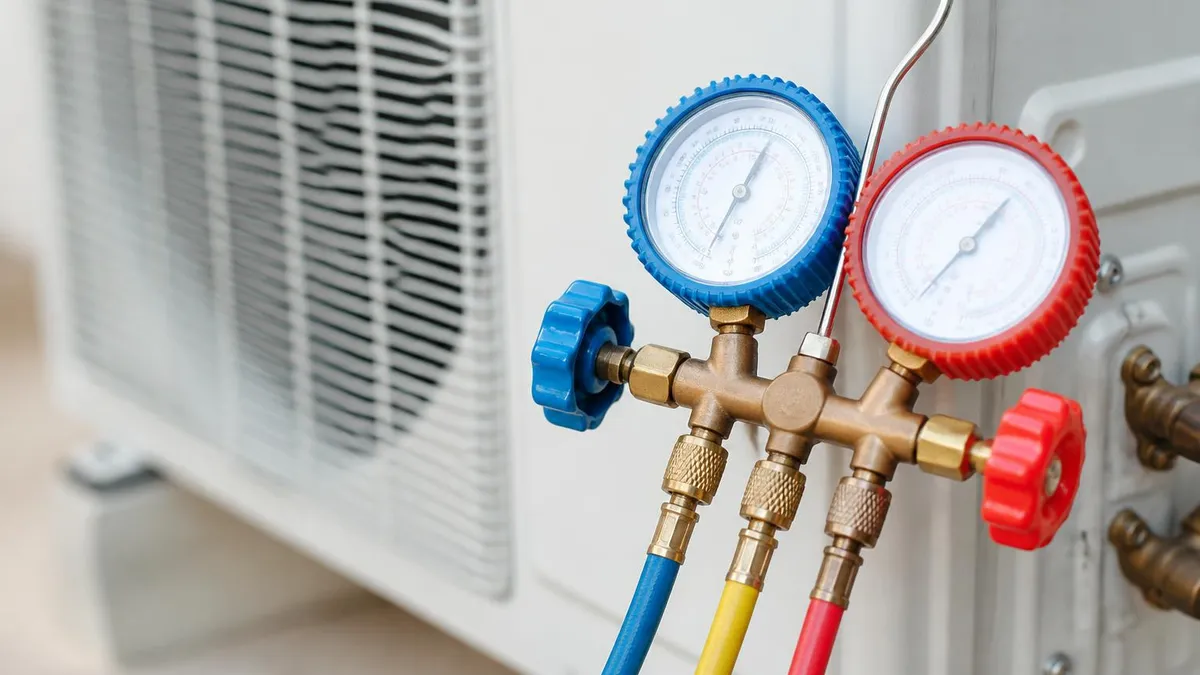
CFM HVAC Basics: How Airflow, Sizing, and System Performance Work Together
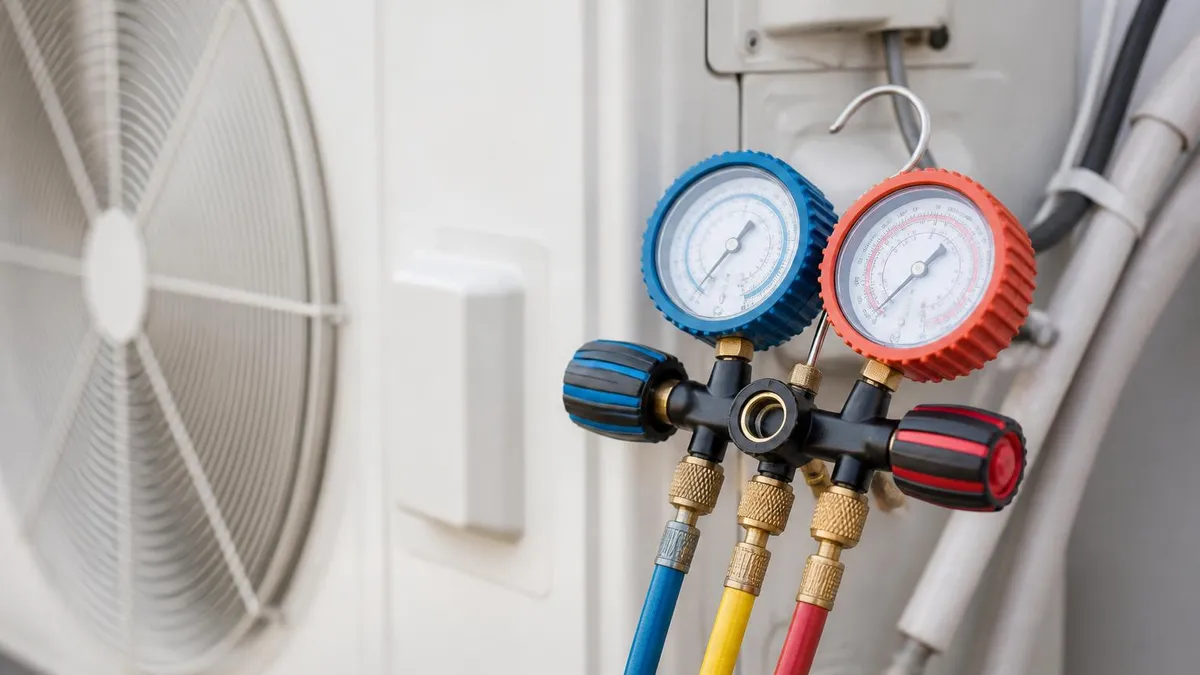
Certified HVAC Contractors: How to Find, Vet, and Hire the Right Professional for Your Home or Business

Best HVAC Repair in Bandon, OR: Local Services Near Me Guide
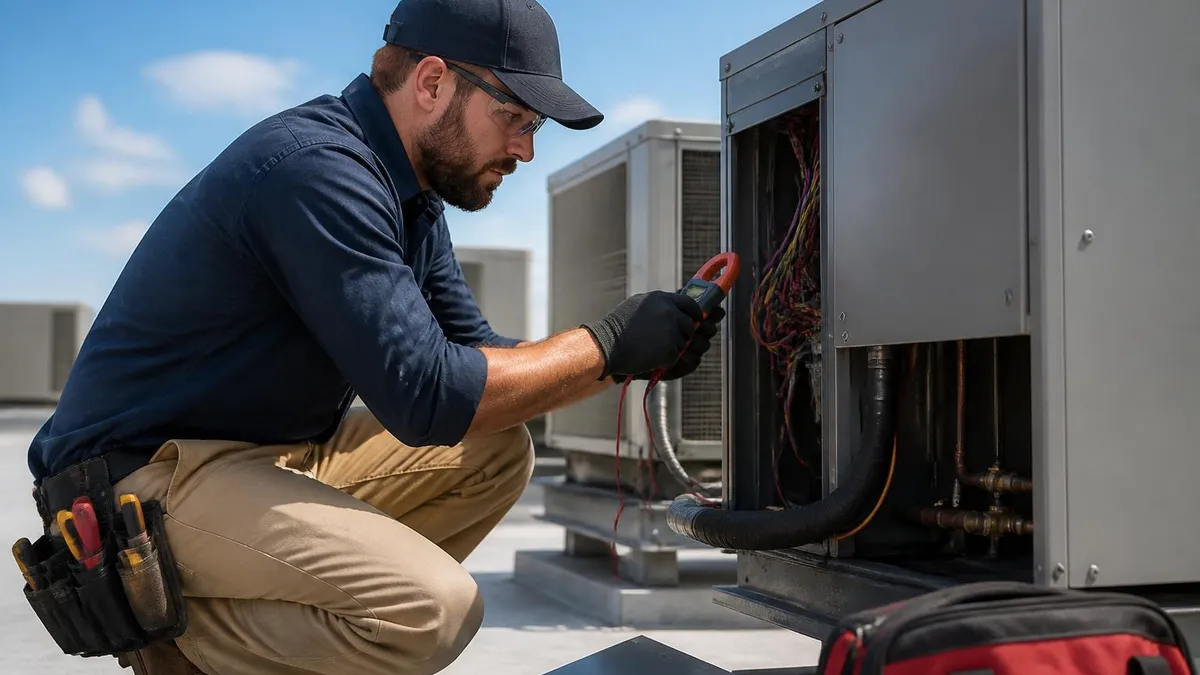
HVAC Installations: The Complete Guide to Planning, Pricing, and Getting It Right the First Time
About the Author

NATE Certified HVAC Technician & Licensing Exam Trainer
Universal Technical InstituteMike Johnson is a NATE-certified HVAC technician and EPA 608 universal-certified refrigerant handler with a Bachelor of Science in HVAC/R Technology. He has 19 years of commercial and residential HVAC installation and service experience and specializes in preparing technicians for NATE certification, EPA 608, A2L refrigerant safety, and state HVAC contractor licensing examinations.