
HVAC Apprenticeship Jobs: Your Complete Guide to Starting a Hands-On Career in Heating, Ventilation, and Air Conditioning
Explore hvac apprenticeship jobs — how to find them, what to expect, pay rates, and how to turn an apprenticeship into a licensed HVAC career. ✍🏼

HVAC apprenticeship jobs represent one of the most direct and financially rewarding paths into a skilled trade available in the United States today. Rather than spending four years and tens of thousands of dollars on a college degree, apprentices earn a paycheck from day one while learning the technical and practical skills required to install, service, and repair heating, ventilation, air conditioning, and refrigeration systems. If you have ever wondered whether a career in the trades is right for you, understanding exactly how hvac apprenticeship jobs work is the logical first step.
The demand for trained HVAC technicians has never been stronger. The U.S. Bureau of Labor Statistics projects employment of heating, air conditioning, and refrigeration mechanics and installers to grow by about 9 percent through 2033, faster than the average for all occupations. Aging infrastructure, the push for energy-efficient systems, and the retirement of experienced tradespeople are all driving that growth, creating a persistent shortage of qualified workers that apprenticeship programs are designed to address.
An HVAC apprenticeship typically blends on-the-job training with classroom instruction over a four- or five-year period. During that time, apprentices work under the supervision of a journeyman or master technician, gradually taking on more complex tasks as their skills develop. The structured nature of the program means that by the time you complete it, you have not merely watched experienced workers — you have performed thousands of hours of real work on real systems.
Pay during an apprenticeship scales upward as you progress through each year. First-year apprentices in most markets start around 40 to 50 percent of journeyman wages, and each year of completed training typically unlocks a raise. By the fourth or fifth year, many apprentices earn 80 to 90 percent of full journeyman pay, making the financial trajectory significantly better than many entry-level white-collar positions that require expensive degrees.
Sponsoring organizations for HVAC apprenticeships include union locals affiliated with the United Association (UA), the Sheet Metal Workers International Association (SMWIA), and the Air Conditioning Contractors of America (ACCA), as well as non-union contractor associations and individual HVAC companies. Each pathway has its own application process, wage scale, and benefits structure, so it is worth researching which local programs are accepting applicants before you apply.
This guide walks you through every key aspect of finding and succeeding in an HVAC apprenticeship job: the types of programs available, the application process, wage expectations, what daily work actually looks like, the licensing requirements you will need to meet, and how to use your apprenticeship as a launching pad for a long and profitable career in one of America's most in-demand skilled trades.
HVAC Apprenticeship Jobs by the Numbers
Types of HVAC Apprenticeship Programs
Administered by joint labor-management apprenticeship committees. Offer the most structured wage scales, strong benefits packages, and access to pension plans. Highly competitive to enter but considered the gold standard for comprehensive HVAC training.
Sponsored by independent HVAC companies or associations like ACCA and PHCC. Often easier to enter and more flexible in scheduling. Training quality varies by employer, so research individual companies carefully before committing to a multi-year commitment.
Programs registered with the U.S. Department of Labor's RAPIDS system meet federal standards for curriculum, safety, and wage progression. Completion certificates from registered programs are widely recognized by state licensing boards across the country.
Some community colleges partner with local HVAC contractors to deliver the classroom portion of an apprenticeship while students simultaneously work for a sponsoring employer. This model works well for learners who prefer an academic environment for technical coursework.
Veterans with military occupational specialties in utilities or mechanical systems can often receive credit for prior experience, shortening the apprenticeship timeline. The GI Bill may also cover approved HVAC apprenticeship program costs and living stipends.
Understanding HVAC apprenticeship pay is essential before you commit to a multi-year program, because the financial structure is unlike both a traditional job and a school enrollment. You are simultaneously a student and an employee, which means your earnings grow in direct proportion to your demonstrated competency and the amount of time you have invested in the program. Most programs divide the apprenticeship into annual or semi-annual periods, and each step up brings a meaningful wage increase.
First-year apprentices in union programs typically start at 40 to 50 percent of the local journeyman scale. In high-cost-of-living metro areas like New York, San Francisco, or Chicago, the journeyman rate can exceed $45 per hour, so even a first-year apprentice may earn $18 to $22 per hour — a competitive starting wage for someone with no prior trade experience. In lower-cost markets like the Southeast or Midwest, journeyman rates of $25 to $35 per hour put first-year apprentice pay in the $10 to $18 range.
Beyond base hourly wages, union apprentices generally receive benefits that rival or exceed those offered by many white-collar employers. Health insurance, dental, vision, and pension contributions are standard in many UA locals. The employer contributes to these benefits on your behalf from the first day of work, meaning you build retirement savings even while you are still in training — a significant financial advantage that is easy to overlook when comparing apprenticeship wages to entry-level salaries.
Non-union apprenticeships vary more widely in compensation structure. Some small contractors pay apprentices a flat starting wage and increase it informally based on performance and tenure. Others follow a formal percentage-of-journeyman scale similar to union programs. When evaluating a non-union opportunity, ask specifically about the wage schedule, overtime policy, and whether the employer provides any benefits. A higher hourly rate with no health insurance may actually be worth less than a lower union wage with full benefits.
Overtime earnings are an important part of the total compensation picture for any HVAC technician, and apprentices are not excluded. HVAC systems do not break down on a convenient schedule, and summer cooling season and winter heating season create intense demand surges. Apprentices who demonstrate reliability and good technical progress are often included in overtime work, which can substantially boost annual income beyond the base wage rate.
The full financial payoff of an HVAC apprenticeship becomes clear when you compare the total earnings over the apprenticeship period against the cost of a two- or four-year technical degree. An apprentice who earns an average of $22 per hour over four years at 2,000 hours per year takes home roughly $176,000 in wages before overtime — while a community college student studying HVAC technology may pay $15,000 to $30,000 in tuition and earn little or nothing during the same period. The economic case for the apprenticeship pathway is compelling.
After completing the apprenticeship and achieving journeyman status, many HVAC technicians continue to see wage growth as they accumulate experience, earn specialty certifications, and take on supervisory responsibilities. Master technician and foreman roles regularly command $80,000 to $100,000 or more annually in competitive markets, and HVAC business owners who began as apprentices frequently report six-figure annual incomes within a decade of finishing their initial training.
HVAC Practice Test Questions
Prepare for the HVAC - Heating Ventilation and Air Conditioning exam with our free practice test modules. Each quiz covers key topics to help you pass on your first try.
HVAC Air Conditioning
HVAC Exam Questions covering Air Conditioning. Master HVAC Test concepts for certification prep.
HVAC Code Compliance
Free HVAC Practice Test featuring Code Compliance. Improve your HVAC Exam score with mock test prep.
HVAC Electrical Controls
HVAC Test Prep for Electrical Controls. Practice HVAC Quiz questions and boost your score.
HVAC Energy Efficiency
HVAC Questions and Answers on Energy Efficiency. Free HVAC practice for exam readiness.
HVAC Heating Systems
HVAC Mock Test covering Heating Systems. Online HVAC Test practice with instant feedback.
HVAC Load Calculations
Free HVAC Quiz on HVAC Load Calculations. HVAC Exam prep questions with detailed explanations.
HVAC Tools and Equipment
HVAC Practice Questions for HVAC Tools and Equipment. Build confidence for your HVAC certification exam.
HVAC Refrigeration
HVAC Test Online for Refrigeration. Free practice with instant results and feedback.
HVAC Safety Practices
HVAC Study Material on Safety Practices. Prepare effectively with real exam-style questions.
HVAC System Design
Free HVAC Test covering System Design. Practice and track your HVAC exam readiness.
HVAC Thermodynamics
HVAC Exam Questions covering Thermodynamics. Master HVAC Test concepts for certification prep.
Finding and Applying for HVAC Apprenticeship Jobs
The most reliable source of union HVAC apprenticeship openings is the Joint Apprenticeship Training Committee (JATC) serving your local area. UA locals and SMWIA locals each maintain their own JATC offices, and many post application windows on their websites or on the DOL's Apprenticeship.gov portal. Visiting in person during an open enrollment period demonstrates initiative and lets you speak directly with training coordinators who can answer questions about the current cohort timeline.
For non-union opportunities, job boards like Indeed, ZipRecruiter, and LinkedIn regularly list apprenticeship and helper positions posted by HVAC contractors. Search for terms like "HVAC apprentice," "HVAC helper," "HVAC trainee," or "entry-level HVAC technician" to surface relevant postings. Local trade schools and community colleges with HVAC programs often maintain employer boards where contractors actively recruiting apprentices post openings, making your school's career center an underutilized but valuable resource.
Pros and Cons of HVAC Apprenticeship Jobs
- +Earn a paycheck from day one — no tuition debt required to gain credentials
- +Structured wage increases every 6 to 12 months reward demonstrated progress
- +Union programs include health insurance, dental, vision, and pension from the start
- +Hands-on learning accelerates skill development faster than classroom-only programs
- +High and growing job demand means strong employment security after completion
- +Apprenticeship completion typically satisfies journeyman license exam eligibility requirements
- −First-year wages can be modest, especially in lower-cost labor markets
- −Committing to a four- to five-year program is a long-term decision at a young age
- −Physical demands — lifting heavy equipment, working in extreme heat and cold — are significant
- −Union program application windows are limited and competition can be intense
- −Non-union program quality is inconsistent; some offer little structured training
- −Seasonal workload surges mean long hours in summer and winter with slower periods in between
HVAC Apprenticeship Application Checklist
- ✓Obtain your high school diploma or GED before applying to any registered program.
- ✓Get a valid, clean driver's license — most employers require it on day one.
- ✓Study basic algebra and geometry to prepare for the apprenticeship aptitude test.
- ✓Research all union JATC offices and non-union programs within commuting distance.
- ✓Download and complete the application form before the enrollment window opens.
- ✓Gather two to three letters of reference from employers, teachers, or community leaders.
- ✓Schedule a drug test at a certified lab and obtain the negative result certificate.
- ✓Compile documentation of any prior HVAC, mechanical, or electrical work experience.
- ✓Pass the EPA 608 certification exam to demonstrate environmental responsibility and boost your application score.
- ✓Prepare a one-minute personal statement explaining why you want an HVAC career.
EPA 608 Certification Gives You a Competitive Edge
Many HVAC apprenticeship programs award bonus points or interview preference to applicants who already hold the EPA Section 608 Universal certification before they apply. The exam is available at many community colleges and trade schools for under $50, and the universal certification — covering all refrigerant types — takes most motivated candidates two to four weeks of self-study to pass. Earning it before you apply signals seriousness and technical interest that sets you apart from candidates who arrive with no credentials at all.
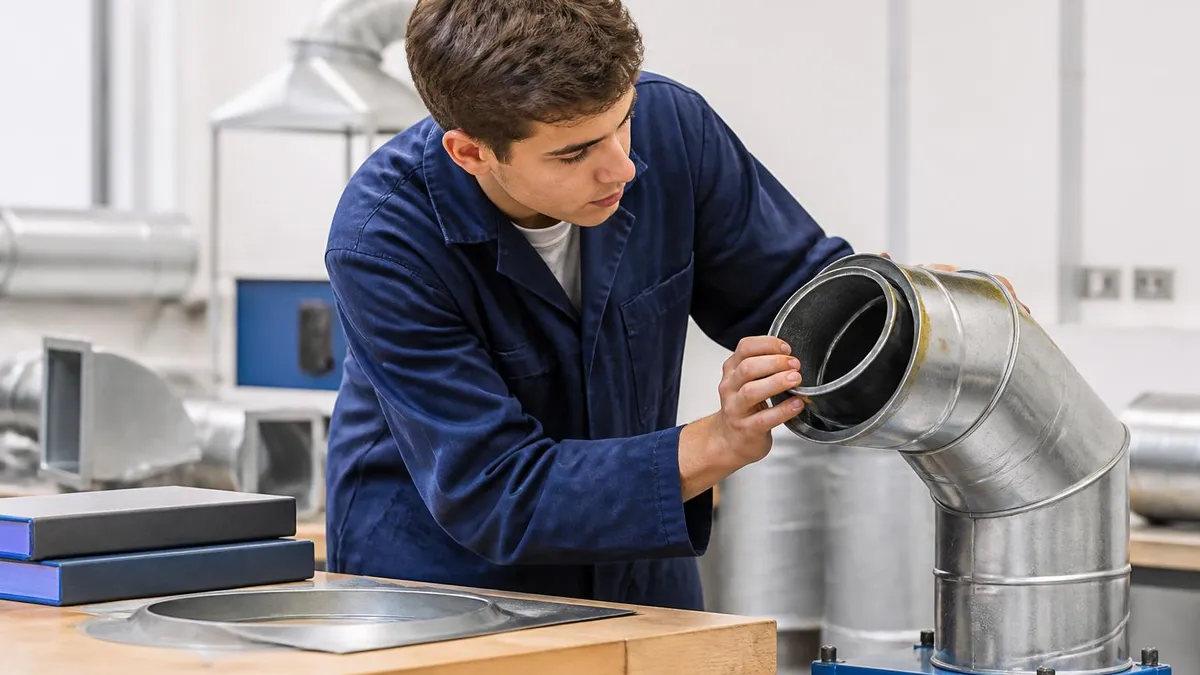
A typical day as an HVAC apprentice depends heavily on which year of the program you are in and the type of contractor you work for. In the first year, expect to spend a significant portion of your time in a supporting role: carrying tools and materials, pulling wire through conduit, cutting and fitting ductwork sections, and observing journeyman technicians as they diagnose and repair equipment. This foundational period can feel repetitive, but the experienced tradesperson you are working alongside is your most valuable educational resource.
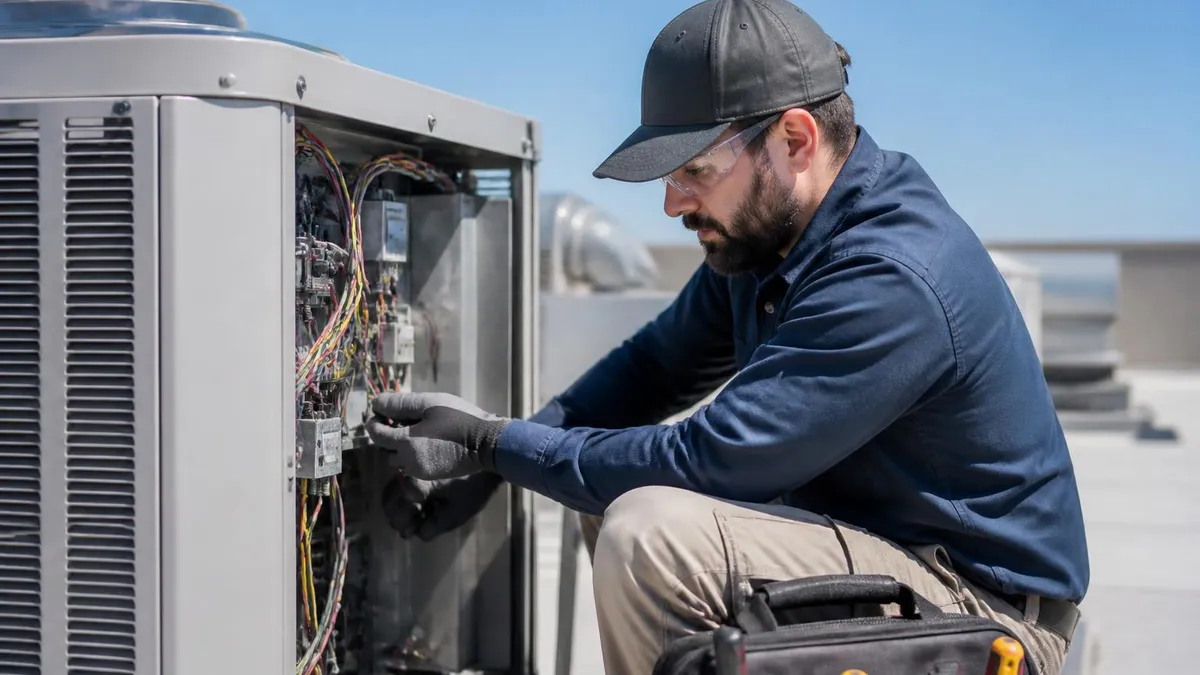
By the second and third years, apprentices typically begin performing more independent tasks under journeyman supervision. You might conduct a routine preventive maintenance visit on a commercial rooftop unit, replace a capacitor or contactor on a residential system, or run refrigerant lines for a new installation. Each completed task builds the muscle memory and diagnostic intuition that formal classroom instruction alone cannot provide. The key to advancing quickly is asking questions relentlessly and treating every service call as a learning opportunity.
The physical environment of HVAC work is genuinely demanding, and it is important to be mentally prepared for it. You will work on rooftops in July heat, in unconditioned crawlspaces in January cold, in cramped attic spaces, and occasionally in commercial kitchens or industrial environments with loud machinery. Proper protective equipment — safety glasses, gloves, knee pads, and slip-resistant boots — is not optional, and programs that take safety seriously will enforce PPE compliance from the first day.
Classroom instruction runs parallel to on-the-job work throughout the apprenticeship. Courses typically cover refrigeration theory, electrical fundamentals, mechanical codes and standards, blueprint reading, load calculations, and the increasingly important area of building automation and smart controls. Attendance is mandatory and grades matter, because academic failure can result in termination from the program. Treating the classroom component with the same seriousness as the field work is essential to completing the program on schedule.
Team dynamics on a job site vary considerably by company culture. Large commercial contractors often run crews of four to eight people, with apprentices assigned to different journeymen throughout the week to maximize their exposure to different specialties. Small residential contractors may have only one or two journeymen, which means closer mentoring relationships but less variety in system types. Both environments have merit — variety builds broader skills, while depth with one mentor can accelerate mastery of specific equipment lines.
Work scheduling in the HVAC industry is notably seasonal. Residential HVAC companies experience peak demand in June through August for cooling service and December through February for heating emergencies. These periods often mean mandatory overtime and six-day work weeks. The shoulder seasons — spring and fall — tend to be slower, which some companies use for installation projects, preventive maintenance contracts, and commercial retro-fit work. Apprentices who embrace the seasonal rhythm and use slow periods for additional study tend to advance faster through their program milestones.
Safety culture is a non-negotiable aspect of any legitimate HVAC apprenticeship. Working with high-voltage electrical systems, pressurized refrigerant lines, gas combustion equipment, and elevated work platforms creates genuine hazards if proper procedures are not followed. OSHA 10-hour and OSHA 30-hour certifications are required or strongly encouraged by most programs, and the habits formed in your apprenticeship years — lockout/tagout procedures, proper ladder use, refrigerant handling protocols — will protect you and your colleagues throughout your entire career.
Most JATC union programs accept applications only once or twice per year, and many open and close within a matter of weeks. If you miss the enrollment window for your local program, you could be waiting six to twelve months before the next opportunity. Mark program websites in your browser, sign up for email notifications, and visit the JATC office in person well before the announced opening date to confirm you have the most current requirements and timeline.
Completing an HVAC apprenticeship is not the end of the educational journey — it is the beginning of a licensing and certification process that formally establishes your standing as a qualified professional. Licensing requirements for HVAC technicians vary by state, but most states require journeyman or contractor licenses for anyone performing HVAC work commercially, and many require licensed supervision for apprentice-level technicians. Understanding the licensing landscape in your state before you complete your apprenticeship allows you to plan your exam preparation timeline strategically.
The EPA Section 608 certification is federal and universally required for any technician who purchases, handles, or vents refrigerants covered under the Clean Air Act. There are four certification types under Section 608: Type I (small appliances), Type II (high-pressure systems), Type II (low-pressure systems), and Universal (all three). Most HVAC technicians pursue the Universal certification, which is accepted by all employers and licensing boards. Many apprenticeship programs require you to pass this certification during your first or second year.
State journeyman licenses are typically exam-based and require a minimum number of documented work hours — usually 4,000 to 8,000 hours of field experience — before you are eligible to sit. The exams test knowledge of mechanical codes, refrigeration theory, electrical controls, and combustion systems. Some states use the NATE (North American Technician Excellence) certification framework as part of their licensing process, while others administer their own state-specific exams through testing centers like Prometric or PSI.
NATE certification, while not universally required, is highly valued by both employers and consumers. NATE offers specialty certifications in areas including air conditioning, heat pumps, gas heating, oil heating, and commercial refrigeration. Earning NATE credentials during or shortly after your apprenticeship demonstrates a commitment to technical excellence and can command a wage premium of $2 to $5 per hour in competitive markets. Many contractors actively advertise their NATE-certified staff as a marketing differentiator.
For apprentices interested in growing beyond field technician roles, the contractor license is the next major credential. Most states require a contractor license for anyone who owns an HVAC business, submits permits, or signs off on completed installations. The contractor exam covers business law, project management, and advanced code knowledge in addition to technical HVAC content. Many journeyman technicians begin studying for their contractor license within two to three years of achieving journeyman status, especially if they have entrepreneurial ambitions.
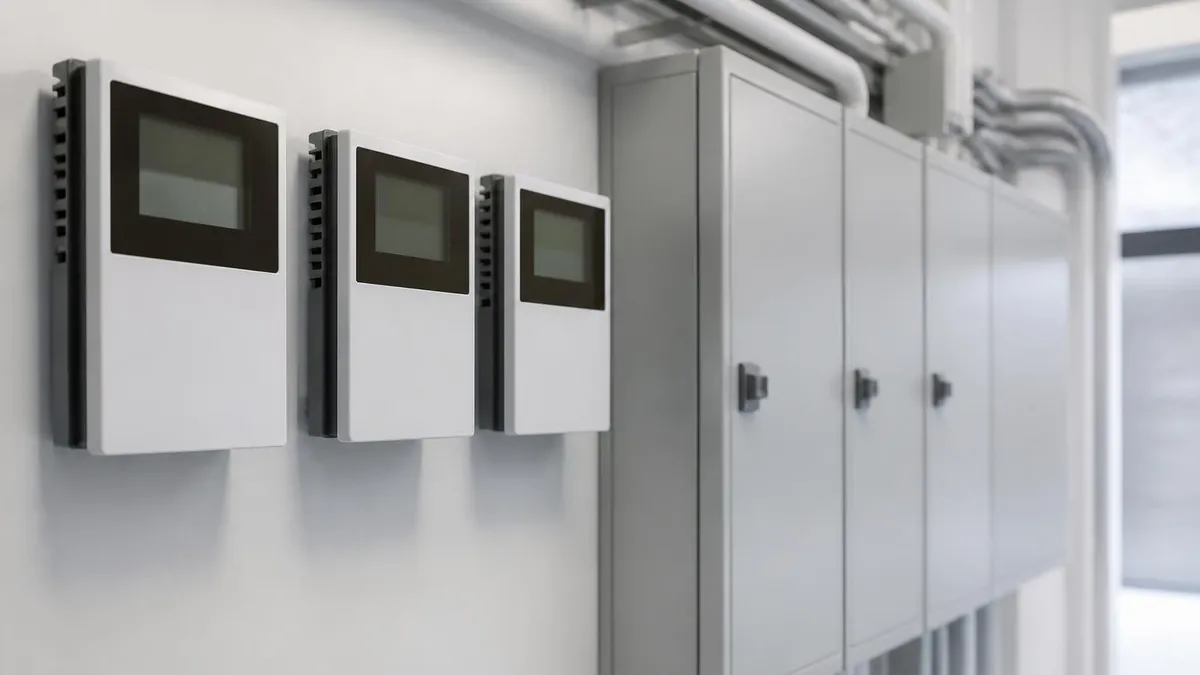
Specialty areas within HVAC offer additional paths for career differentiation. Building automation systems (BAS) and building management systems (BMS) are growing fields that require HVAC technicians with strong IT and controls skills. Technicians who can program and troubleshoot systems from manufacturers like Honeywell, Siemens, Johnson Controls, and Trane are in especially high demand in the commercial sector. Pursuing manufacturer-specific training and certifications in building controls during your later apprenticeship years can position you for some of the highest-paying roles in the trade.
The combination of a completed apprenticeship, an active journeyman license, EPA 608 Universal certification, and one or more NATE specialty certifications creates a credential portfolio that makes an HVAC technician highly competitive in virtually any U.S. labor market. Employers recognize the difference between a technician who holds all of these credentials and one who holds only a basic license, and that difference is reflected in wages, advancement speed, and the quality of the opportunities available. The investment in additional certifications during and after your apprenticeship pays dividends throughout your entire career.
Turning your HVAC apprenticeship into a long and successful career requires more than simply showing up and completing the required hours. The technicians who advance fastest — earning journeyman status quickly, landing the best positions, and eventually building their own businesses — share a set of habits and strategies that are worth adopting from your very first day on the job. Understanding these patterns early gives you a significant competitive advantage over apprentices who treat the program as something to passively survive rather than actively leverage.
One of the highest-value habits you can develop as an apprentice is keeping a personal learning journal. After each service call or installation, write down the system type, the fault or task, the steps your journeyman used to diagnose or complete the work, and any codes or technical references that were cited. Over four or five years, this journal becomes an extraordinarily valuable reference document and demonstrates to future employers a level of professional discipline that is rare among entry-level technicians.
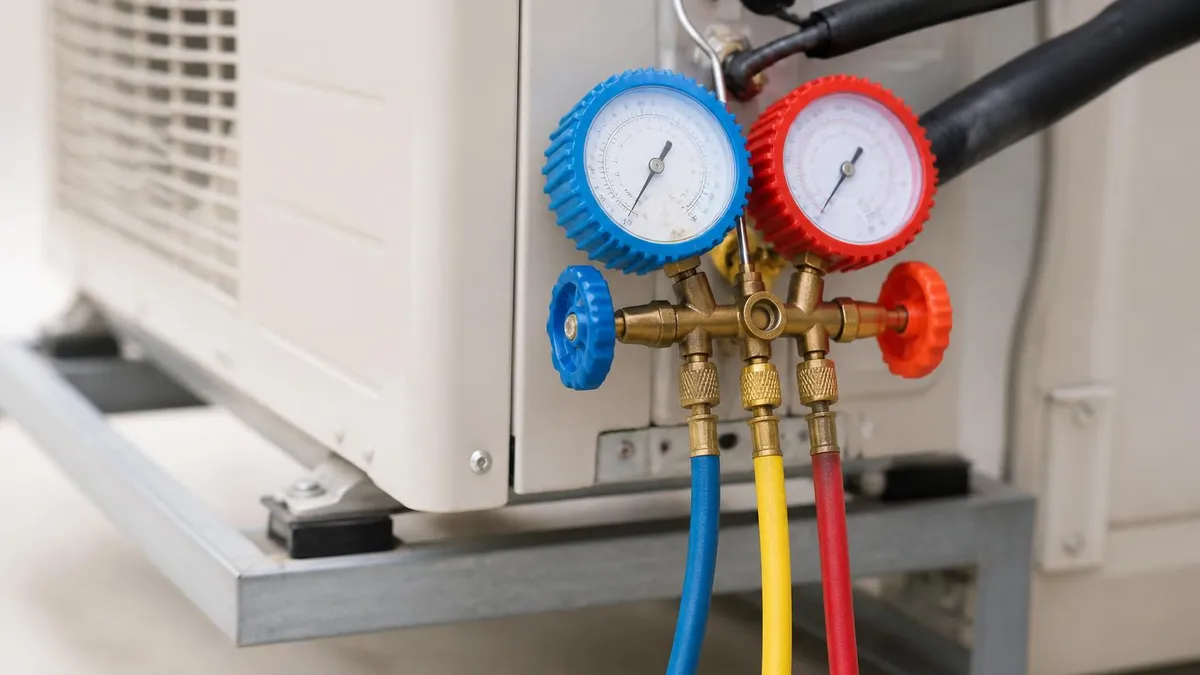
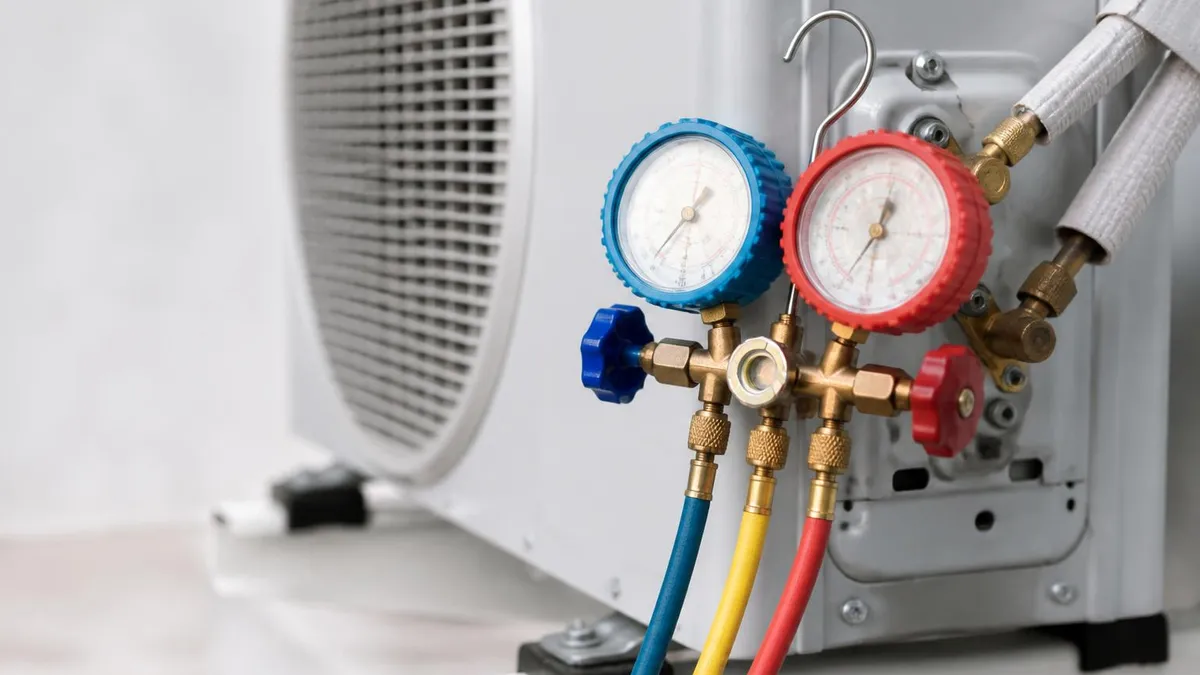
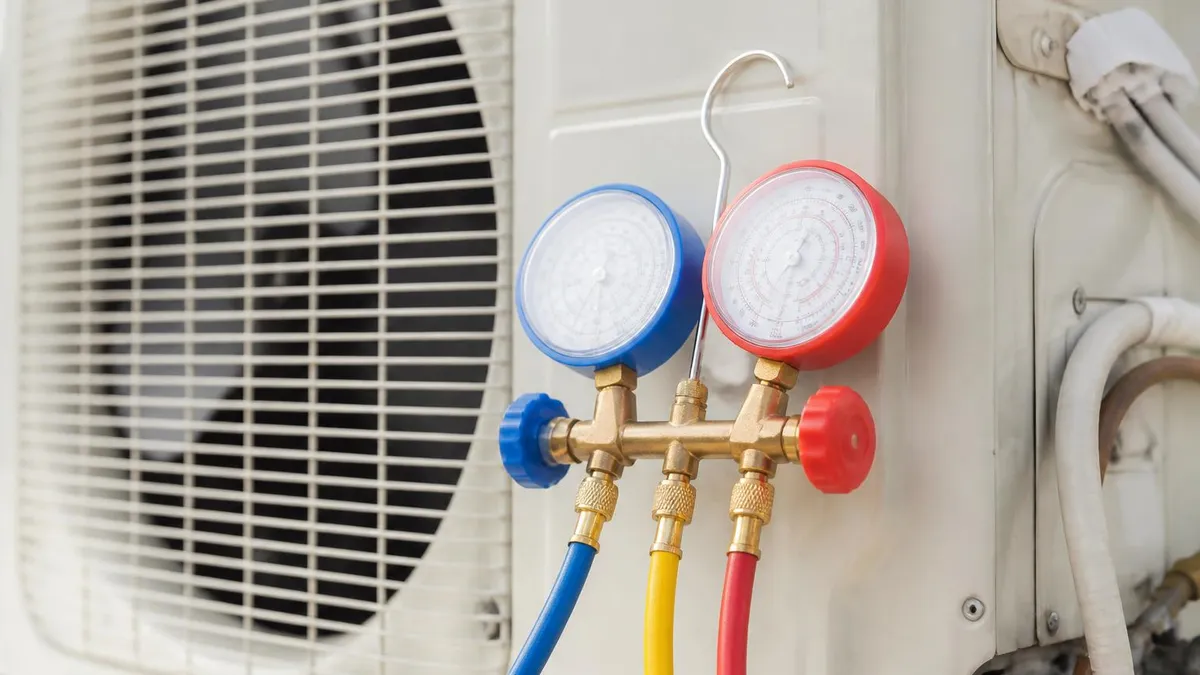
Investing in your own tool kit early sends a strong message to supervisors and journeymen. While employers typically provide the specialized tools required for service work, apprentices who arrive with their own quality hand tools — a good multimeter, manifold gauge set, pipe wrenches, and a reliable cordless drill — are taken more seriously from the start. More importantly, owning and maintaining your tools builds the professional identity of a craftsperson rather than someone who is simply filling a time slot in the program roster.
Building relationships across the HVAC industry during your apprenticeship has compounding career benefits that extend far beyond your training years. The journeymen you work with today are tomorrow's foremen and shop owners. The inspectors you meet on permit jobs know every contractor in the local market. The equipment supplier representatives you encounter on installation projects can be sources of free product training, technical support, and inside knowledge about which contractors are hiring or expanding. Treat every professional interaction as a networking opportunity, not just a transactional moment.
Taking advantage of manufacturer training programs is another strategy that separates good apprentices from great ones. Equipment manufacturers like Carrier, Trane, Lennox, Daikin, and Mitsubishi Electric regularly offer free or low-cost technical training at regional training centers or online through their dealer portals. Completing manufacturer certification for specific product lines during your apprenticeship adds tangible value to your resume and gives you hands-on experience with the equipment brands most likely to appear on service calls in your area.
Practice tests and knowledge review are as important during your apprenticeship as they are before a licensing exam. HVAC systems integrate mechanical, electrical, refrigeration, and combustion principles that take years to fully internalize, and regular self-testing helps identify gaps in your understanding before they become problems on a service call. Using practice resources covering air conditioning systems, electrical controls, ductwork, and code compliance — the same subject areas tested on journeyman licensing exams — is one of the most efficient ways to accelerate both your field competency and your exam readiness simultaneously.
Finally, take the long view when evaluating opportunities during your apprenticeship. The contractor who pays $1 more per hour but offers no training, no variety in work type, and no path to journeyman advancement is a worse opportunity than one who pays slightly less but exposes you to commercial, residential, and industrial systems. The skills, credentials, and professional reputation you build during your apprenticeship years are the foundation of everything that follows. Protect that foundation by choosing learning over short-term pay wherever the trade-off arises.
HVAC Questions and Answers
HVAC Sales: The Complete Guide to Selling Heating and Cooling Systems, Building Customer Trust, and Closing More Deals

HVAC Air Duct Sealing: The Complete Homeowner and Contractor Guide to Sealing Ductwork for Efficiency, Comfort, and Indoor Air Quality
HVAC Solutions: The Complete Guide to Heating, Cooling, and Indoor Air Quality Systems for Homes and Buildings

Commercial HVAC Repair: Systems, Costs, and Service Strategies
HVAC Apprenticeship Programs: Your Complete Guide to Starting a Hands-On Career in Heating, Ventilation, and Air Conditioning
About the Author

NATE Certified HVAC Technician & Licensing Exam Trainer
Universal Technical InstituteMike Johnson is a NATE-certified HVAC technician and EPA 608 universal-certified refrigerant handler with a Bachelor of Science in HVAC/R Technology. He has 19 years of commercial and residential HVAC installation and service experience and specializes in preparing technicians for NATE certification, EPA 608, A2L refrigerant safety, and state HVAC contractor licensing examinations.