
What Does HVAC Do? A Complete Guide to Heating, Ventilation, and Air Conditioning Systems and Careers
✍🏼 What does HVAC do? Learn how heating, ventilation, and air conditioning systems work, what technicians do daily, and how to launch an HVAC career.
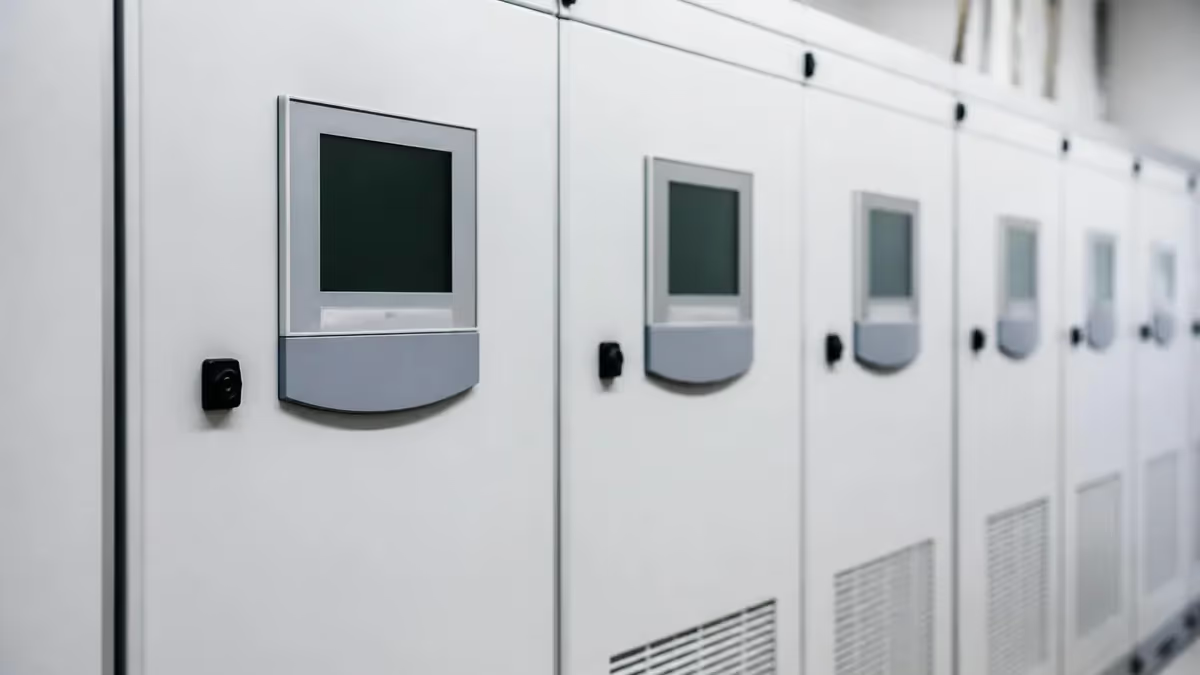
So what does HVAC do, exactly? HVAC stands for heating, ventilation, and air conditioning, and the term covers the entire family of systems that control the temperature, humidity, airflow, and air quality inside a building. Every time a furnace warms a living room on a January morning, an air conditioner cools an office in July, or a bathroom exhaust fan clears out moisture, an HVAC system is quietly doing its job. These systems make modern indoor spaces livable, comfortable, healthy, and safe to occupy throughout the year.
At its core, HVAC manages the movement and conditioning of air. The heating side raises indoor temperature using furnaces, heat pumps, boilers, or electric resistance equipment. The cooling side removes heat using refrigeration cycles and compressors. The ventilation side brings in fresh outdoor air, exhausts stale air, and circulates conditioned air through ducts. Together these three functions maintain a stable, comfortable indoor climate regardless of what the weather is doing outside the walls.
HVAC also does far more than keep you comfortable. It filters airborne particles, controls humidity to prevent mold and structural damage, and dilutes indoor pollutants like carbon dioxide, cooking fumes, and volatile organic compounds. In hospitals, data centers, and laboratories, precise HVAC control can be a matter of life, safety, or millions of dollars in protected equipment. Understanding what HVAC does means recognizing it as an essential building system, not a luxury add-on bolted onto a structure.
For the people who install, service, and design these systems, HVAC is a skilled trade and a stable career. Technicians diagnose faults, replace components, charge refrigerant, balance airflow, and keep equipment running efficiently. Others move into design, project management, or even sales roles where understanding what does hvac do becomes the foundation for helping customers choose the right equipment. The field rewards problem-solvers who enjoy hands-on work and continuous learning.
The demand for HVAC knowledge keeps growing. Buildings are getting more complex, energy codes are tightening, and homeowners expect smart thermostats, zoning, and high-efficiency equipment as standard. That means the people who understand how these systems work, and the systems themselves, are more valuable than ever. Whether you are a curious homeowner, a student considering the trades, or a new apprentice, knowing what HVAC does is the starting point.
This guide breaks it all down. We will explain how heating, ventilation, and air conditioning each work, what HVAC technicians actually do on a typical day, the equipment and components involved, the career path and earnings, and the certifications that open doors. By the end, you will have a clear, practical picture of one of the most important and rewarding skilled trades in the country, plus free practice questions to test your knowledge.
What HVAC Does by the Numbers

The Core Functions of an HVAC System
Adds warmth using furnaces, heat pumps, boilers, or electric heat. The system burns fuel or moves heat to raise indoor temperature on cold days, keeping occupants comfortable and protecting pipes from freezing.
Removes heat and humidity using a refrigeration cycle. A compressor, condenser, and evaporator coil work together so warm indoor air is cooled and dehumidified, then circulated back through the living space.
Brings in fresh outdoor air, exhausts stale air, and circulates conditioned air. Ventilation dilutes pollutants, controls humidity, and supplies the oxygen needed for healthy, comfortable indoor environments year round.
Captures dust, pollen, and particulates through filters and air cleaners. Good HVAC filtration reduces allergens and protects both occupants and the equipment from debris that shortens component life.
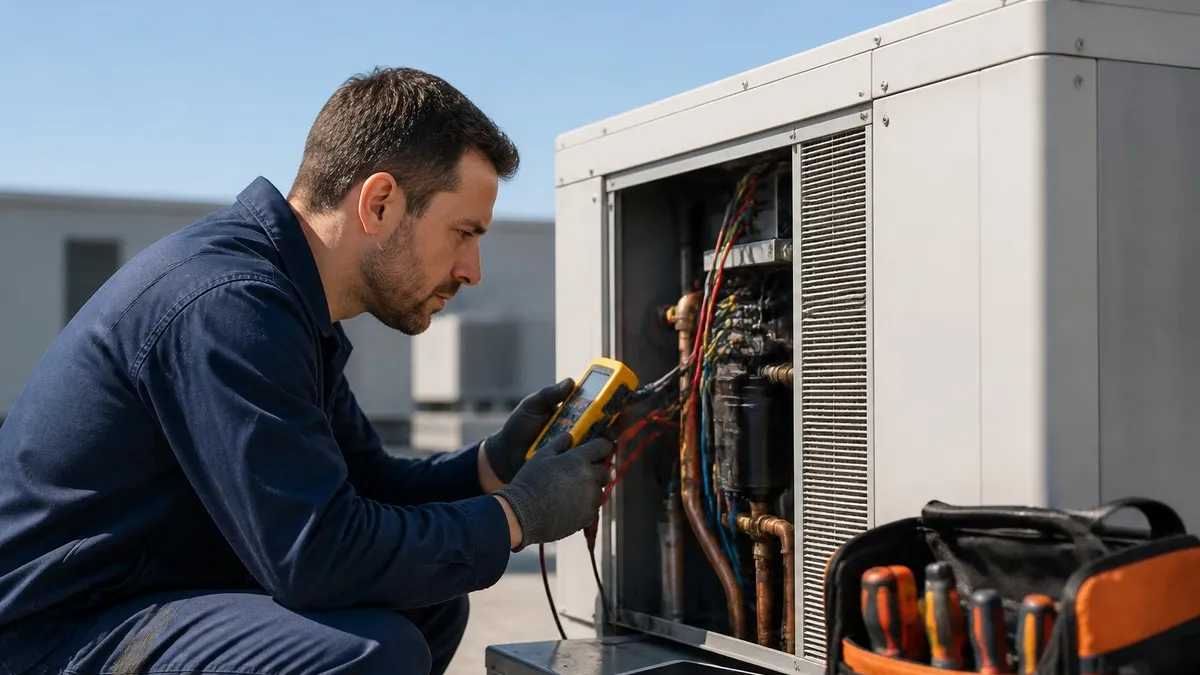
If you want to understand what HVAC does in practice, look at what an HVAC technician handles in a single workday. Mornings often begin with a service call: a homeowner whose air conditioner is blowing warm air, or a business with a furnace that won't ignite. The technician arrives, listens to the symptoms, and starts a systematic diagnosis. That means checking thermostats, electrical connections, refrigerant levels, airflow, and safety controls before pinpointing the actual root cause of the failure.
Diagnosis is detective work. A weak cooling complaint could stem from a dirty filter, a failing capacitor, a refrigerant leak, a frozen coil, or a stuck contactor. The technician uses gauges, multimeters, thermometers, and manufacturer specifications to narrow it down. Guessing wastes money and time, so experienced techs follow a logical sequence. Strong diagnostic skill is exactly what separates a competent professional from someone who simply swaps parts and hopes the problem disappears.
Once the fault is found, the repair work begins. This might involve replacing a blower motor, brazing a refrigerant line, installing a new ignitor, clearing a condensate drain, or recharging the system to the correct pressure. Technicians must follow EPA rules when handling refrigerant, document their work, and verify that the repair actually restored proper operation. They re-check temperatures, pressures, and airflow before declaring the job complete and packing up their tools.
Installation work is a different rhythm. New construction and replacement jobs involve setting equipment, running ductwork, wiring controls, connecting gas or electrical supply, and commissioning the system. These projects require reading blueprints, sizing equipment correctly, and coordinating with other trades. A poorly installed system wastes energy and frustrates customers for years, so careful workmanship during installation pays off long after the crew has driven away from the property.
Preventive maintenance fills much of the calendar too. Seasonal tune-ups keep systems running efficiently and catch small problems before they become expensive breakdowns. A maintenance visit includes cleaning coils, checking refrigerant charge, testing electrical components, lubricating motors, inspecting belts, and replacing filters. Many companies sell maintenance agreements, and those recurring visits build long-term customer relationships and a steady, predictable stream of revenue for the business.
Customer interaction runs through everything. Technicians explain findings in plain language, present repair-versus-replace options, and earn trust through honesty. Some professionals lean into this side of the work and transition toward consultative roles. Anyone exploring HVAC sales learns that technical credibility is the strongest selling tool, because customers buy from people who clearly understand the equipment and respect their budget and comfort needs.
Behind the scenes, technicians also handle paperwork, order parts, manage inventory in their truck, stay current on code changes, and keep learning new equipment. Manufacturers release new models constantly, and refrigerants, controls, and efficiency standards keep evolving. The job blends physical labor, technical reasoning, customer service, and ongoing education, which is why so many people find HVAC engaging rather than repetitive over the course of a long career.
How Heating, Ventilation, and Air Conditioning Each Work
Heating systems raise indoor temperature by either generating heat or moving it. A gas furnace burns fuel to warm air, which a blower pushes through ducts. Boilers heat water for radiators or radiant floor loops. Heat pumps reverse the refrigeration cycle to pull warmth from outdoor air, even in cold weather, making them highly efficient for moderate climates and increasingly popular in new construction.
Each heating method has trade-offs in cost, fuel type, and efficiency. Furnaces deliver fast, powerful heat but rely on combustion and venting. Heat pumps use electricity and shine in mild winters but may need backup heat in deep cold. Choosing the right system means matching climate, fuel availability, home size, and budget, which is why proper load calculation and sizing matter so much for performance.
Is an HVAC Career Right for You?
- +Strong, steady demand with faster-than-average job growth
- +Solid pay that rises quickly with experience and certifications
- +Short, affordable training path compared to a four-year degree
- +Hands-on, problem-solving work that rarely feels repetitive
- +Clear path to self-employment and owning your own business
- +Recession-resistant: buildings always need heating and cooling
- +Variety of specialties from residential to commercial and refrigeration
- −Physically demanding work in attics, crawlspaces, and rooftops
- −Exposure to extreme heat, cold, and uncomfortable conditions
- −On-call and overtime hours during peak seasons
- −Risk from electricity, refrigerant, and heavy equipment
- −Apprenticeship years come with lower starting pay
- −Ongoing study required to keep up with codes and new equipment
HVAC Maintenance Checklist: Keep Systems Doing Their Job
- ✓Replace or clean air filters every one to three months
- ✓Clear debris and vegetation away from the outdoor condenser unit
- ✓Check and clean the condensate drain line to prevent clogs
- ✓Inspect refrigerant lines for leaks, frost, or damaged insulation
- ✓Test thermostat accuracy and replace batteries if needed
- ✓Clean evaporator and condenser coils to maintain heat transfer
- ✓Verify refrigerant charge is within manufacturer specification
- ✓Tighten electrical connections and inspect capacitors and contactors
- ✓Lubricate motors and inspect belts for wear or cracking
- ✓Schedule professional seasonal tune-ups before summer and winter
A clean filter is the cheapest HVAC upgrade you'll ever make
A dirty filter restricts airflow, forcing the system to work harder, waste energy, and wear out faster. Replacing a clogged filter can lower energy use noticeably and prevent frozen coils and blower strain. It is the single easiest task that keeps an HVAC system doing its job efficiently.
HVAC is not just a set of machines; it is a career path with strong economics. According to U.S. labor data, HVAC technicians earn a median wage of roughly $57,000 per year, with experienced specialists, commercial techs, and business owners earning considerably more. Entry-level apprentices start lower, but pay climbs quickly as skills and certifications accumulate. Unlike many fields, HVAC offers a clear, visible ladder from helper to journeyman to lead installer, supervisor, or owner.
The job outlook is genuinely bright. Employment of HVAC technicians is projected to grow about nine percent over the coming decade, faster than the average for all occupations. Tens of thousands of openings appear each year as buildings age, equipment needs replacement, energy codes tighten, and experienced workers retire. This combination of growth and retirement creates a persistent shortage of skilled technicians, which keeps wages healthy and gives qualified workers genuine leverage in the job market.
Geography and specialization affect earnings significantly. Technicians in high-cost metro areas and regions with extreme climates tend to command higher pay because demand spikes during brutal summers and harsh winters. Commercial and industrial refrigeration specialists, controls experts, and those who master complex variable-refrigerant-flow systems often earn premium rates. The more specialized and in-demand your skill set, the more bargaining power you carry when negotiating salary or setting service prices.
Self-employment is a major draw. Many technicians eventually launch their own service companies, trading hourly wages for business ownership. A solo operator with a truck, tools, and a loyal customer base can build a profitable enterprise, then scale by hiring and training additional technicians. The trade rewards entrepreneurs who combine technical skill with business sense, because every building owner is a potential long-term customer needing repairs, maintenance, and eventual equipment replacement.
Beyond hands-on field work, HVAC knowledge opens adjacent careers. Some professionals move into system design and engineering, energy auditing, building automation, equipment manufacturing, technical sales, or training and education. The foundational understanding of how heating, ventilation, and air conditioning behave transfers across many roles. A technician who learns to read load calculations and blueprints can grow into a design or project-management position without abandoning the core expertise they built in the field.
Job security is one of the most underrated benefits. Heating and cooling systems are essential, not optional, and they cannot be outsourced overseas or fully replaced by software. When an air conditioner fails in a July heat wave or a furnace dies in January, someone has to physically show up and fix it. That irreplaceable, location-bound nature of the work makes HVAC remarkably resilient against economic downturns and automation that threaten other occupations.
For anyone weighing the trades against a traditional college path, the math is compelling. HVAC training typically takes far less time and money than a four-year degree, yet leads to a well-paying, in-demand career with little or no student debt. Apprentices often earn while they learn, getting paid on the job instead of paying tuition. That financial head start, combined with strong long-term earnings, makes HVAC an attractive choice for practical, motivated people.
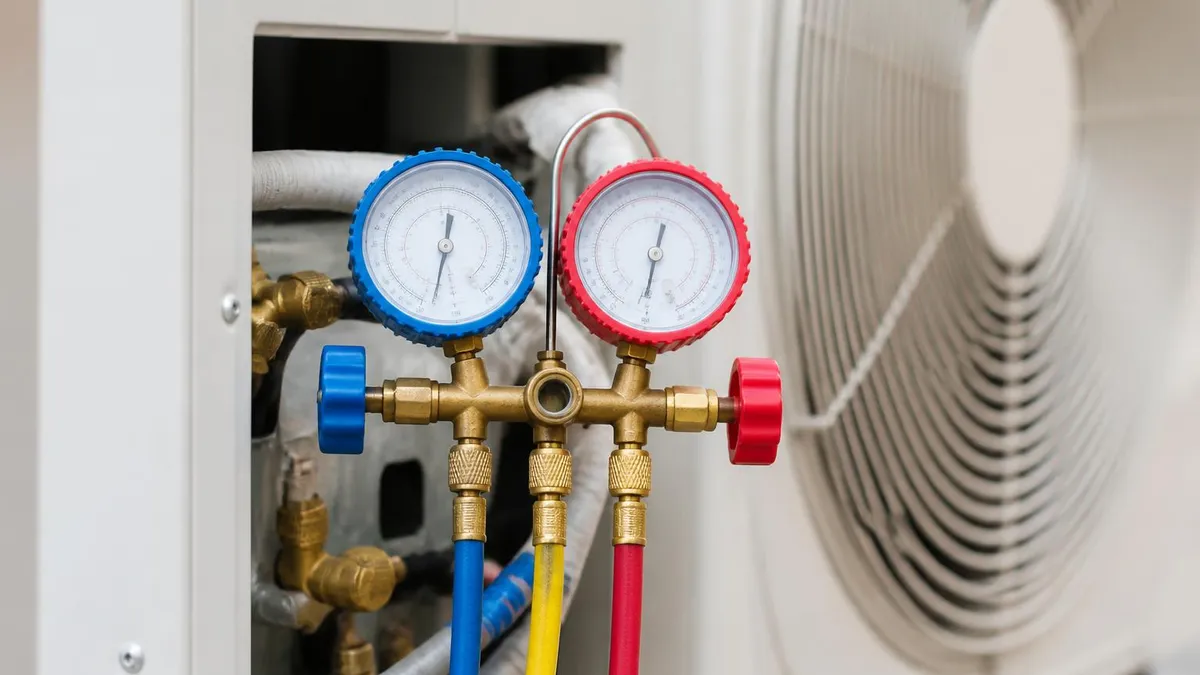
In the United States, anyone who purchases or handles refrigerant must hold EPA Section 608 certification by law. Working with refrigerant without it carries steep fines and legal liability. If you plan to service air conditioners or heat pumps, earning this certification is not optional, it is a mandatory legal requirement.
Getting into HVAC starts with training, and there are several proven paths. Many people enroll in a trade school or community college program that lasts from six months to two years, covering electrical theory, refrigeration, heating, controls, and code requirements. Others enter through a formal apprenticeship, which combines paid on-the-job experience with classroom instruction over three to five years. Both routes build the foundation, and many employers value the practical depth of a structured apprenticeship highly.
Certifications matter enormously in this field. The most important is EPA Section 608 certification, which is legally required for anyone handling refrigerant. Beyond that, credentials like NATE (North American Technician Excellence) signal verified competence to employers and customers. Manufacturer-specific certifications show mastery of particular equipment lines. Stacking these credentials makes a technician more hireable, more trusted, and able to command higher pay throughout an entire career in the trade.
Licensing requirements vary by state and locality, so it pays to research your area early. Many states require a contractor's license to perform HVAC work independently, especially once you start your own business. These licenses often demand a combination of documented experience, passing an exam, and sometimes proof of insurance and bonding. Knowing your local what does hvac do obligations before you invest in training prevents unpleasant surprises down the road.
Exam preparation is a real and necessary step. Licensing and certification exams test mechanical code, refrigeration theory, electrical fundamentals, airflow, and safety. Candidates who study systematically and take plenty of practice questions pass at far higher rates than those who wing it. Practice tests reveal weak spots, build familiarity with question formats, and reduce test-day anxiety, which is why so many successful technicians swear by them during their preparation.
Hands-on experience cannot be skipped. Classroom knowledge gives you the theory, but real competence comes from working on actual equipment under the guidance of a seasoned technician. Diagnosing a stubborn intermittent fault, brazing a clean joint, or balancing a duct system are skills you only sharpen through repetition in the field. The best programs and employers pair new techs with mentors who pass along hard-won troubleshooting wisdom.
Continuing education keeps a career alive. Refrigerants are being phased out and replaced, efficiency standards keep rising, and smart controls and building automation grow more sophisticated every year. Technicians who commit to lifelong learning stay valuable and adaptable, while those who stop learning fall behind. Manufacturers, distributors, and trade associations offer ongoing training, and the most successful professionals treat education as a permanent part of the job, not a one-time event.
Finally, soft skills round out a strong HVAC professional. Punctuality, clear communication, honesty, and a tidy work area earn repeat customers and referrals, which are the lifeblood of any service business. Technical brilliance means little if a technician cannot explain the problem, respect the customer's home, and stand behind the work. The combination of technical mastery and professional conduct is what builds a durable, profitable reputation in this trade.
If you are preparing for an HVAC exam or starting a new career, a few practical strategies will accelerate your progress. First, build a study routine instead of cramming. Spreading study sessions over weeks helps the material stick, especially dense topics like the refrigeration cycle, electrical theory, and mechanical code. Short, focused daily sessions beat occasional marathon nights, and pairing reading with hands-on observation cements concepts far better than memorization alone ever could.
Use practice questions aggressively. Working through realistic exam-style questions does more than test recall; it teaches you how questions are framed and where you tend to slip up. Treat every wrong answer as a gift that points to a knowledge gap. Review the explanation, understand the underlying principle, and revisit that topic until it feels automatic. This feedback loop is the fastest way to convert weak areas into reliable strengths.
Master the fundamentals before chasing advanced topics. A rock-solid grasp of basic electricity, airflow, pressure-temperature relationships, and the refrigeration cycle underpins almost everything else in HVAC. Technicians who truly understand why a system behaves a certain way diagnose faster and make fewer mistakes than those who merely memorize procedures. Invest your early study time heavily in these core principles, and the complex material will come far more easily later on.
Get comfortable reading specifications and documentation. Manufacturer manuals, wiring diagrams, pressure-temperature charts, and code tables are constant companions on the job. Practicing how to find and interpret this information quickly is a skill in itself. On both exams and real service calls, knowing where to look beats trying to memorize every number. Build the habit early of consulting reliable references rather than guessing from memory under pressure.
Shadow experienced technicians whenever you can. Ride-alongs, internships, and apprenticeship hours expose you to the messy reality of field work that no textbook captures. Watch how veterans approach diagnosis, manage customers, and handle the unexpected. Ask questions, take notes, and absorb the small efficiency tricks that make a job go smoothly. This mentorship is often the single most valuable part of early HVAC training and pays dividends for years.
Finally, take care of the practical logistics. Keep your certifications current, maintain your tools, and stay organized with paperwork and scheduling. Reliability and professionalism build the reputation that sustains a career. Combine that discipline with genuine curiosity about how systems work, and you will not only pass your exams but thrive long-term in a trade that consistently rewards skill, integrity, and dedication. Use the free practice tests on this page to measure your readiness.
HVAC Questions and Answers
HVAC Sales: The Complete Guide to Selling Heating and Cooling Systems, Building Customer Trust, and Closing More Deals
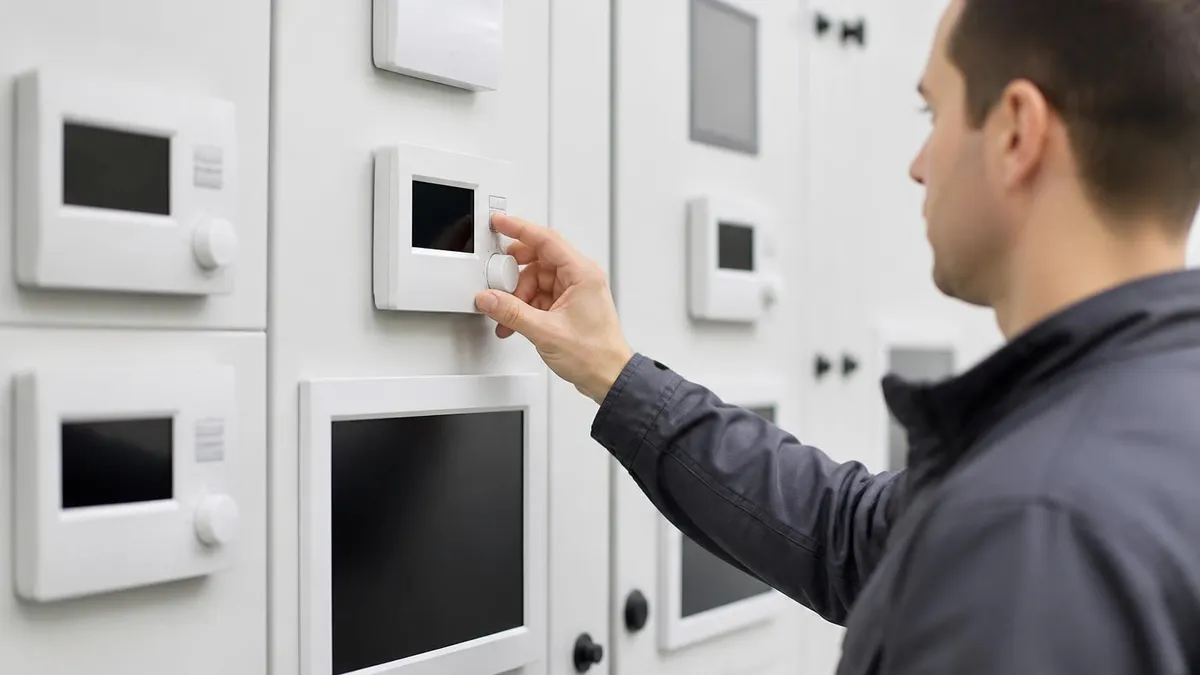
HVAC Air Duct Sealing: The Complete Homeowner and Contractor Guide to Sealing Ductwork for Efficiency, Comfort, and Indoor Air Quality
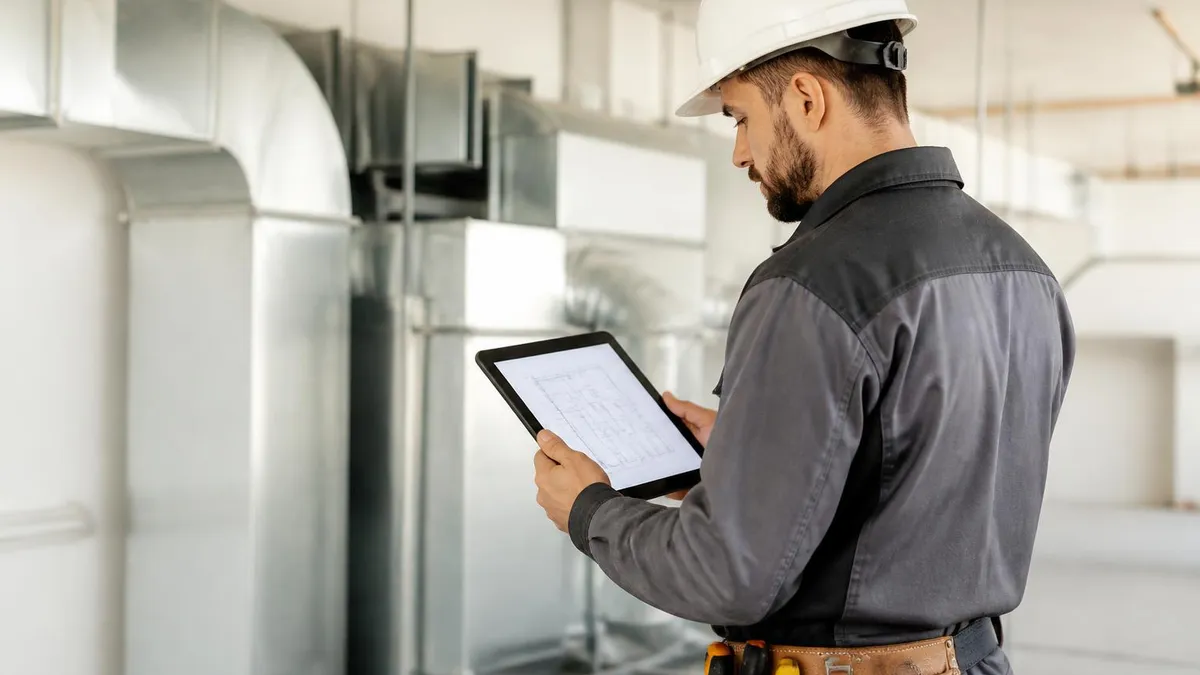
HVAC Drain Pan: Complete Guide to Function, Maintenance, and Troubleshooting
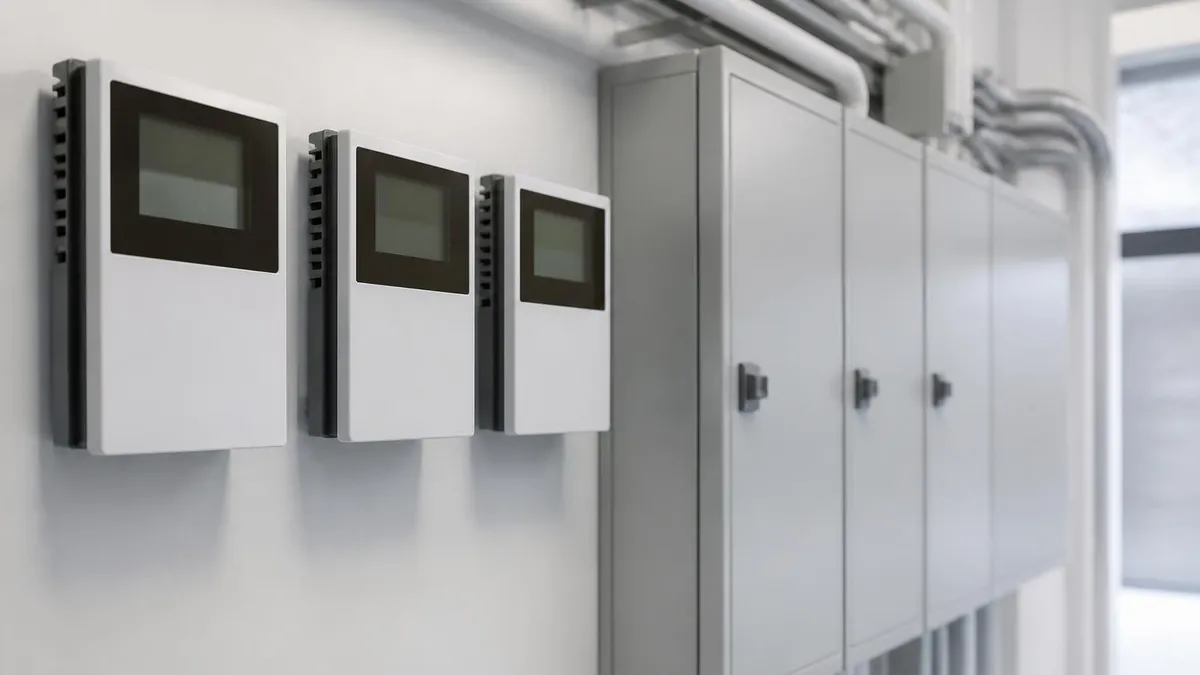
HVAC Solutions: The Complete Guide to Heating, Cooling, and Indoor Air Quality Systems for Homes and Buildings

Commercial HVAC Repair: Systems, Costs, and Service Strategies
About the Author

NATE Certified HVAC Technician & Licensing Exam Trainer
Universal Technical InstituteMike Johnson is a NATE-certified HVAC technician and EPA 608 universal-certified refrigerant handler with a Bachelor of Science in HVAC/R Technology. He has 19 years of commercial and residential HVAC installation and service experience and specializes in preparing technicians for NATE certification, EPA 608, A2L refrigerant safety, and state HVAC contractor licensing examinations.