
HVAC AC Repair: The Complete Homeowner's Guide to Diagnosing, Fixing, and Preventing Air Conditioning Failures
HVAC AC repair guide covering common failures, repair costs, DIY fixes, when to call a pro, and prevention tips to extend system life. 📚
When your air conditioner stops cooling on a 95-degree afternoon, understanding HVAC AC repair becomes more than academic curiosity — it becomes essential household knowledge. The average American home spends roughly $400 to $1,500 annually on cooling, and unexpected breakdowns can add hundreds more in emergency service fees. Whether you're a homeowner trying to diagnose a strange noise or a technician studying for certification, knowing how air conditioners fail and how they're fixed empowers smarter decisions about repair versus replacement.
Modern central air conditioning systems contain dozens of mechanical, electrical, and refrigerant components working in precise coordination. A single failed capacitor, a clogged condensate drain, or a refrigerant leak the size of a pinhole can shut down the entire system. The good news is that most repair issues fall into a small set of recurring problems, and recognizing the symptoms early often prevents catastrophic compressor damage that can cost $2,000 or more to fix.
This guide walks through the full landscape of residential AC repair: how to identify warning signs, what repairs typically cost in 2026, which problems homeowners can safely tackle themselves, and which require an EPA-certified technician. We'll cover refrigerant issues, electrical failures, airflow problems, drainage backups, and the diagnostic logic professionals use to isolate root causes rather than just treating symptoms.
The economics of repair have shifted dramatically as systems become more efficient and refrigerant regulations tighten. The phaseout of R-410A in favor of A2L refrigerants like R-32 and R-454B means repairs on older systems may become more expensive over time, and replacement calculations are changing for systems beyond ten years old. Understanding these dynamics helps you make financially sound decisions when a technician hands you a repair estimate.
For deeper context on system design, installation standards, and how repair fits into the broader trade, our overview of HVAC Solutions: The Complete Guide to Heating, Cooling, and Indoor Air Quality Systems for Homes and Buildings provides the foundation. This article focuses specifically on the repair side — what breaks, why it breaks, and what to do about it.
We'll also touch on preventive maintenance, because the cheapest repair is the one you never need. Studies from ASHRAE and the Department of Energy consistently show that systems receiving annual professional maintenance experience 30 to 40 percent fewer failures and last 5 to 7 years longer than neglected units. Small habits — replacing filters monthly, keeping the condenser clear, scheduling spring tune-ups — translate into thousands of dollars in avoided emergency calls over a system's lifetime.
By the end of this guide, you'll be able to perform basic troubleshooting before calling for service, recognize when a repair estimate is reasonable, ask the right questions of your contractor, and decide confidently whether to invest in repair or move toward replacement. Let's start with the numbers that frame the AC repair market.
AC Repair by the Numbers

The Five Main Categories of AC Repair
Capacitors, contactors, relays, and control boards account for nearly half of all AC service calls. These parts wear from heat cycling and voltage spikes, and most can be replaced in under an hour by a qualified technician.
Low refrigerant from leaks, contamination, or improper charging causes poor cooling, frozen coils, and compressor strain. Federal law requires EPA Section 608 certification to handle refrigerants, making this a pro-only repair category.
Dirty filters, blocked return vents, collapsed ducts, and failing blower motors restrict air movement. Reduced airflow forces the system to work harder, freezes evaporator coils, and dramatically increases energy bills.
Clogged condensate drain lines trigger safety float switches that shut the system down, or worse, cause water damage to ceilings and floors. Algae growth in drain pans is the most common cause.
Fan motor bearings, blower wheels, compressor mounts, and contactor springs all wear out over time. These failures typically appear as unusual noises before complete breakdown, giving homeowners warning signs to act on.
Understanding how air conditioners fail starts with understanding what they do. An AC system moves heat from inside your home to outside using the refrigeration cycle — a closed loop where refrigerant changes between liquid and gas states, absorbing heat at the indoor evaporator coil and releasing it at the outdoor condenser coil. Every failure mode is essentially a disruption to that heat transfer process or to the electrical components that power it.
The most common failure point is the run capacitor, a cylindrical component that provides the starting torque for the compressor and fan motors. Capacitors are rated for a specific microfarad value (typically 35/5 or 45/5 dual capacitors), and they degrade gradually due to heat exposure. When capacitance drops below about 90 percent of the rated value, motors struggle to start, draw excessive current, and eventually fail. A $25 capacitor replacement can prevent a $2,000 compressor burnout if caught early.
Contactor failures rank second in frequency. The contactor is essentially a heavy-duty relay that closes when the thermostat calls for cooling, allowing 240-volt power to flow to the compressor and condenser fan. The contacts arc each time they close, and after thousands of cycles, they pit, burn, or weld shut. Symptoms include the outdoor unit not starting, humming without running, or running continuously after the thermostat is satisfied. Replacement is straightforward and typically costs $150 to $300 installed.
Refrigerant leaks present a more complex problem. Refrigerant is not consumed during normal operation — a system properly charged at installation should hold that charge indefinitely. When you're low on refrigerant, there's a leak somewhere in the copper line set, the evaporator coil, the condenser coil, or a service valve. Simply adding refrigerant without finding and repairing the leak is a temporary fix that's now restricted under updated EPA regulations for systems with more than 50 pounds of charge.
Frozen evaporator coils are a symptom rather than a root cause. When refrigerant pressure drops too low — either from a leak or from restricted airflow — the coil temperature falls below freezing and ambient humidity condenses and freezes on the fins. The ice blocks airflow completely, the system stops cooling, and if you let it continue running, liquid refrigerant can return to the compressor and cause catastrophic mechanical damage. The fix requires identifying which condition caused the freeze.
Blower motor failures fall into two categories: ECM (electronically commutated) motors and traditional PSC (permanent split capacitor) motors. ECMs are more efficient but their integrated modules cost $400 to $700 when they fail, versus $150 to $300 for a PSC replacement. Bearings, capacitors, and control modules all wear at different rates, and proper diagnosis requires measuring voltage, current draw, and motor resistance.
For homeowners weighing repair versus replacement, comparing professional options matters. Our guide to Certified HVAC Contractors: How to Find, Vet, and Hire the Right Professional for Your Home or Business walks through how to evaluate technicians, get accurate estimates, and avoid the high-pressure sales tactics that some companies use to push replacement when repair would suffice. The right contractor will diagnose first, recommend second, and never pressure you into same-day decisions on major work.
HVAC Practice Test Questions
Prepare for the HVAC - Heating Ventilation and Air Conditioning exam with our free practice test modules. Each quiz covers key topics to help you pass on your first try.
HVAC Air Conditioning
HVAC Exam Questions covering Air Conditioning. Master HVAC Test concepts for certification prep.
HVAC Code Compliance
Free HVAC Practice Test featuring Code Compliance. Improve your HVAC Exam score with mock test prep.
HVAC Electrical Controls
HVAC Test Prep for Electrical Controls. Practice HVAC Quiz questions and boost your score.
HVAC Energy Efficiency
HVAC Questions and Answers on Energy Efficiency. Free HVAC practice for exam readiness.
HVAC Heating Systems
HVAC Mock Test covering Heating Systems. Online HVAC Test practice with instant feedback.
HVAC Load Calculations
Free HVAC Quiz on HVAC Load Calculations. HVAC Exam prep questions with detailed explanations.
HVAC Tools and Equipment
HVAC Practice Questions for HVAC Tools and Equipment. Build confidence for your HVAC certification exam.
HVAC Refrigeration
HVAC Test Online for Refrigeration. Free practice with instant results and feedback.
HVAC Safety Practices
HVAC Study Material on Safety Practices. Prepare effectively with real exam-style questions.
HVAC System Design
Free HVAC Test covering System Design. Practice and track your HVAC exam readiness.
HVAC Thermodynamics
HVAC Exam Questions covering Thermodynamics. Master HVAC Test concepts for certification prep.
Major AC Repair Categories Explained
Electrical problems cause roughly 45 percent of AC service calls. The most common culprits are run capacitors, contactors, control boards, and thermostat wiring. Capacitors typically last 5 to 10 years and fail more quickly in hot climates where attic-mounted condensing units experience temperature extremes. Symptoms include humming compressors that won't start, clicking thermostats with no system response, and fan motors that spin briefly then stop. A multimeter and capacitance tester diagnose most of these issues in minutes.
Control board failures are increasingly common as systems become more sophisticated. Modern variable-speed equipment relies on circuit boards that monitor pressures, temperatures, and motor speeds in real time. Power surges from lightning or grid fluctuations can fry these boards, with replacement parts ranging from $250 to $900. A whole-house surge protector at the electrical panel costs $300 to $500 installed and protects against the most damaging electrical events that destroy expensive HVAC electronics.
DIY AC Repair vs. Calling a Professional
- +Filter changes, vent cleaning, and condenser coil rinsing are safe homeowner tasks
- +Saves $150-$200 trip charges on minor maintenance items
- +Builds familiarity with your system for better long-term care
- +Catches small problems before they become emergency repairs
- +Reduces energy bills through proper airflow maintenance
- +Available immediately without scheduling service calls
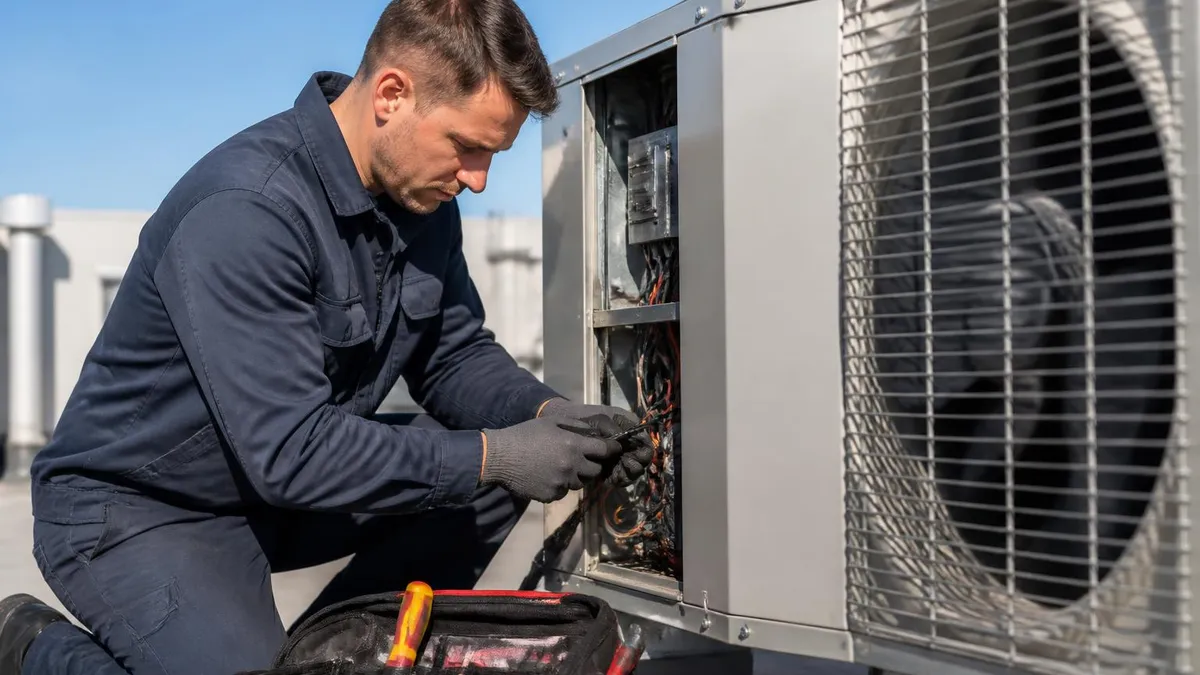
- −Refrigerant work legally requires EPA Section 608 certification
- −Electrical components carry 240-volt risk that can cause severe injury
- −Misdiagnosis can lead to throwing money at the wrong parts
- −Manufacturer warranties often void with unauthorized repairs
- −Capacitors hold dangerous voltage even after power is disconnected
- −Wrong refrigerant charge causes hidden long-term compressor damage
Pre-Service Troubleshooting Checklist
- ✓Verify the thermostat is set to COOL and the setpoint is below room temperature
- ✓Check that the thermostat batteries are fresh if it's a battery-powered model
- ✓Inspect the air filter and replace it if dirty or older than 30 days
- ✓Confirm both indoor and outdoor disconnect switches are in the ON position
- ✓Reset the circuit breakers for the air handler and outdoor condenser
- ✓Look for ice on the refrigerant lines or evaporator coil — if frozen, turn off and let thaw
- ✓Clear leaves, grass clippings, and debris from around the outdoor condenser unit
- ✓Check that all supply registers and return grilles are open and unobstructed
- ✓Listen for the outdoor unit to start when the thermostat calls for cooling
- ✓Look for water near the indoor unit, which indicates a clogged condensate drain
The 50% Rule for Repair vs. Replace
Industry consensus holds that if a single repair costs more than 50 percent of replacement, and the system is more than 10 years old, replacement is usually the better long-term financial choice. Newer systems offer 20 to 40 percent better efficiency, longer warranties, and compatibility with current refrigerants. Always get a written estimate showing both repair and replacement options before deciding.
AC repair costs in 2026 reflect a mix of parts inflation, hvac regulationss, and labor market pressures that have pushed service rates higher than they were just three years ago. A basic diagnostic service call now averages $90 to $175 in most markets, and that fee typically applies whether or not you authorize repairs. Some companies waive the diagnostic fee if you proceed with the repair, but transparency about pricing structure should be confirmed before the technician arrives.
Capacitor replacement, the most common repair, ranges from $150 to $400 depending on whether it's a single run capacitor, a dual capacitor, or a hard-start capacitor. The part itself costs $15 to $50 wholesale, so most of the bill is labor and overhead. Contactor replacement runs $150 to $325, fan motor replacement ranges $400 to $700, and blower motor replacements average $450 to $900 depending on whether it's a PSC or ECM motor.
Refrigerant-related repairs span a wide cost range. A simple recharge on a system with a slow leak might cost $200 to $600 for one to three pounds of R-410A, though prices vary substantially with refrigerant market conditions. Finding and repairing a leak adds $200 to $500 for diagnostic work plus the repair cost itself, which depends entirely on leak location. An accessible service valve leak might be $300; an evaporator coil replacement runs $1,800 to $3,200.
Compressor replacement is the repair every homeowner fears. The compressor is the heart of the system, and replacement costs typically range from $1,500 to $2,800 for residential units, with high-efficiency or larger systems pushing past $3,500. Because the compressor represents such a large share of the system's value, it's the repair where the 50 percent rule most often points toward full replacement, especially on systems over eight years old.
Coil replacements — both evaporator and condenser — fall in the $1,500 to $3,000 range. Evaporator coils often fail from formic acid corrosion caused by household VOCs, particularly in homes built or remodeled within five years of the AC installation. Some manufacturers offer 10-year parts warranties that cover coil failures, dramatically reducing your out-of-pocket cost if you registered the equipment when it was installed.
Labor rates vary by region but generally fall between $85 and $175 per hour for HVAC technicians. Emergency, after-hours, and weekend service typically costs 1.5 to 2 times the standard rate. Many companies now offer flat-hvac flat rate pricing rather than time-and-materials, which provides predictability but can sometimes cost more for simple repairs that take less than an hour.
When evaluating estimates, look for itemized breakdowns showing the diagnostic findings, the specific parts being replaced with model numbers, the warranty on parts and labor, and the total expected cost. Reputable contractors provide written estimates before starting work and don't require same-day decisions on major repairs. For complete cost context including new installation pricing, our HVAC Installations: The Complete Guide to Planning, Pricing, and Getting It Right the First Time guide compares repair costs against full replacement scenarios.
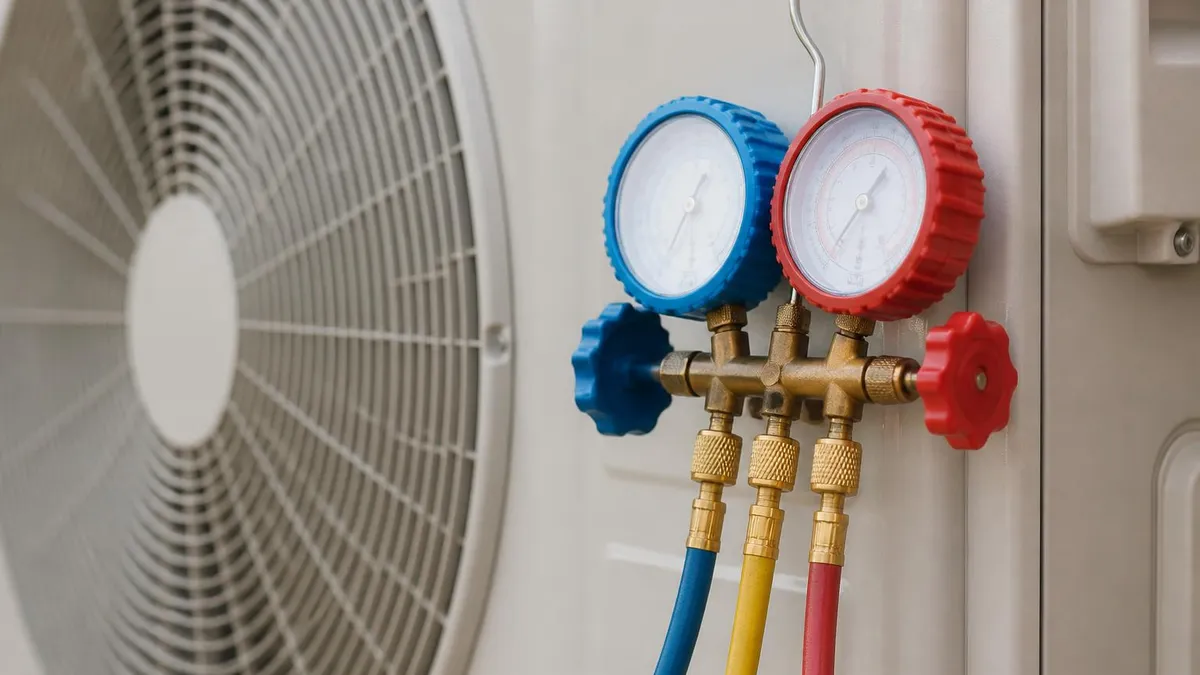
As of 2025, new residential AC systems use A2L refrigerants (R-32 or R-454B) instead of R-410A. R-410A is still legal to service but production is being phased down, and prices have risen significantly. If your system is over 10 years old and needs major refrigerant work, factor rising refrigerant costs into your repair-versus-replace decision.
Preventive maintenance is the single highest-return investment a homeowner can make in their HVAC system. A typical annual tune-up costs $100 to $250 and includes refrigerant pressure checks, electrical component testing, condensate drain treatment, coil cleaning, and filter replacement. Industry data consistently shows that maintained systems last 5 to 7 years longer than neglected ones and consume 15 to 25 percent less energy throughout their lifespan, easily paying back the maintenance cost within the first year.
The single most impactful homeowner task is regular filter replacement. A pleated 1-inch MERV 8 filter typically needs replacement every 30 to 60 days, while 4-inch and 5-inch media filters last 6 to 12 months. Dirty filters cause more hvac emergencies than any other single factor — they restrict airflow, freeze coils, overheat blower motors, and accelerate evaporator coil fouling. Setting a calendar reminder for filter changes is the cheapest preventive measure available.
Outdoor condenser maintenance matters almost as much. The condenser coil rejects heat to the outdoor air, and when its fins are blocked by dirt, grass clippings, cottonwood seeds, or pet hair, head pressure rises, energy consumption spikes, and the compressor works harder. Once or twice each summer, turn off power at the disconnect, rinse the coil gently with a garden hose from the inside out, and trim back any vegetation within two feet of the unit on all sides.
Condensate drain treatment prevents the algae and biofilm growth that causes overflow failures. A quarter cup of distilled white vinegar poured into the drain line cleanout monthly during cooling season keeps the line clear. Commercial drain pan tablets and pour-in cleaners work similarly. This $3 monthly habit prevents the $200 emergency drain clearing service call that nearly every HVAC company makes constantly during humid weather.
Programmable and smart thermostats reduce wear on the system by avoiding extreme temperature swings and unnecessary runtime. Setting back the temperature 7 to 10 degrees while you're at work or sleeping cuts energy use 10 percent annually and reduces compressor run hours significantly. Modern smart thermostats also alert you to system problems — extended runtimes, sensor malfunctions, or filter change reminders — before they cascade into expensive failures.
For homeowners in specific regions, finding qualified local service is half the maintenance equation. Our location-specific guide for residents in coastal Oregon, Best HVAC Repair in Bandon, OR: Local Services Near Me Guide, demonstrates how to evaluate local contractors, but the principles apply nationwide: verify licensing, check insurance, read independent reviews on multiple platforms, and confirm EPA certification before scheduling work.
Annual professional inspection catches the problems homeowner maintenance can't. Technicians measure refrigerant pressures, test capacitor microfarad values, check amperage draw against nameplate ratings, inspect the contactor for arcing, verify proper temperature split across the evaporator coil, and tighten electrical connections. These checks often reveal failing components before they cause breakdowns, allowing planned repairs at standard rates rather than emergency service at premium pricing.
Putting all this knowledge into practice starts with a personal AC repair playbook tailored to your specific system, climate, and household. Begin by locating your AC system documentation — the model and serial numbers on the outdoor condenser nameplate, the indoor air handler or furnace model number, the installation date, and any warranty registration confirmations. This information speeds every future repair conversation and helps technicians source the correct parts on the first visit.
Build a simple maintenance calendar around three anchor events each year. In early spring, before the first cooling demand, perform or schedule a tune-up that includes filter replacement, condenser coil cleaning, drain treatment, and a professional check of refrigerant pressures and electrical components. In midsummer, replace the filter again and rinse the condenser coil if it shows visible buildup. In fall, before heating season starts, switch focus to the heating side of the system and inspect any humidifier or fresh-air components.
When something does go wrong, work through the troubleshooting checklist before calling for service. Thermostat batteries, tripped breakers, dirty filters, and clogged drains account for a substantial share of service calls that homeowners could have resolved themselves. Even when you do need professional help, identifying the symptoms precisely — when it started, what changed, what noises you hear, whether the indoor or outdoor unit is affected — helps the technician diagnose faster and reduces your bill.
Keep records of every repair, including the date, the diagnosis, parts replaced with their part numbers, and the total cost. After two or three repairs on the same system, patterns emerge. If you've replaced the capacitor twice in three years and the contactor is now failing, you're seeing the leading edge of broader electrical aging that often precedes more expensive failures. This data supports better repair-versus-replace decisions when the next major repair appears.
Choose a primary HVAC contractor before you need them in an emergency. Establishing a relationship with a reputable local company through a routine maintenance visit means you'll get priority scheduling during peak season, you'll know their pricing structure in advance, and they'll have your system on file. Many companies offer maintenance plans that include two seasonal tune-ups, priority service, and discounts on repairs for $150 to $300 annually — often a worthwhile investment for homeowners who want predictable HVAC costs.
For technicians and tradespeople studying for certification, AC repair represents one of the highest-paying skills in the HVAC trade. Service technicians who can diagnose accurately and complete repairs efficiently typically earn $65,000 to $95,000 annually, with senior diagnostic specialists in major metros earning over $110,000. Building this expertise requires both formal training and substantial field experience, but the path is well-defined and the demand is consistently strong.
Finally, stay informed about regulatory and technology changes. The refrigerant transition is the biggest near-term shift, but smart thermostats, variable-capacity equipment, hvac energy efficiency news and integrated indoor air quality systems are all reshaping what AC repair looks like. Subscribing to industry publications, following ASHRAE updates, or simply asking your contractor about new developments during your annual visit keeps you ahead of changes that affect your home and your wallet.
HVAC Questions and Answers
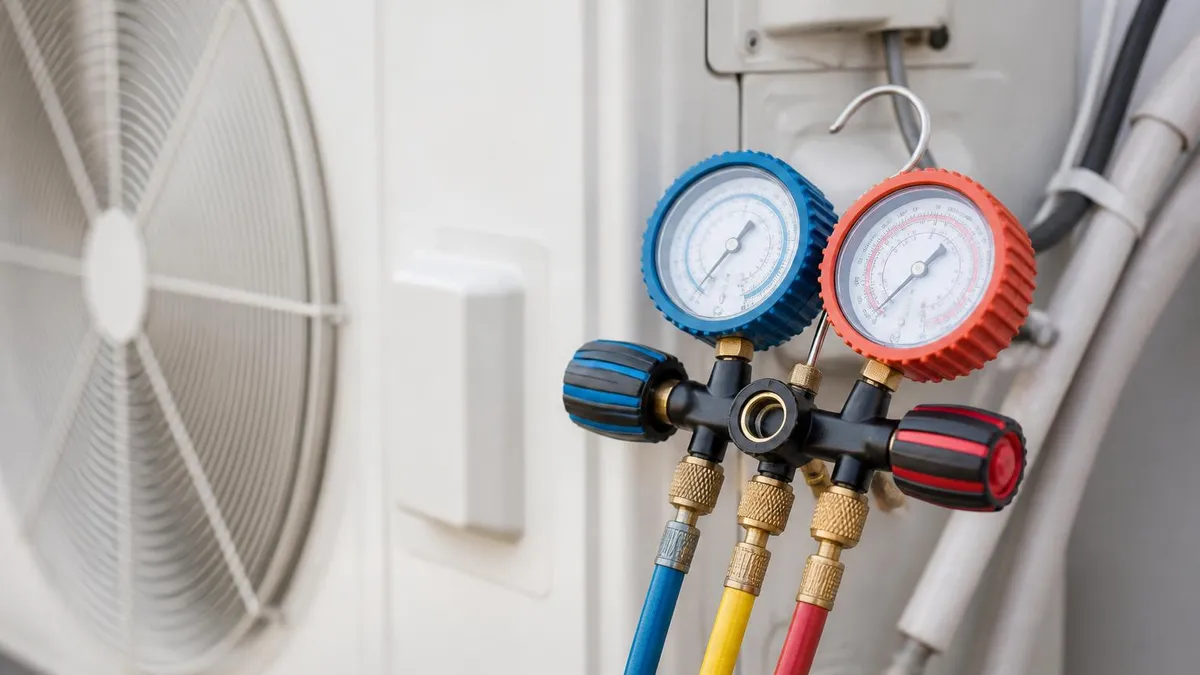
HVAC Solutions: The Complete Guide to Heating, Cooling, and Indoor Air Quality Systems for Homes and Buildings
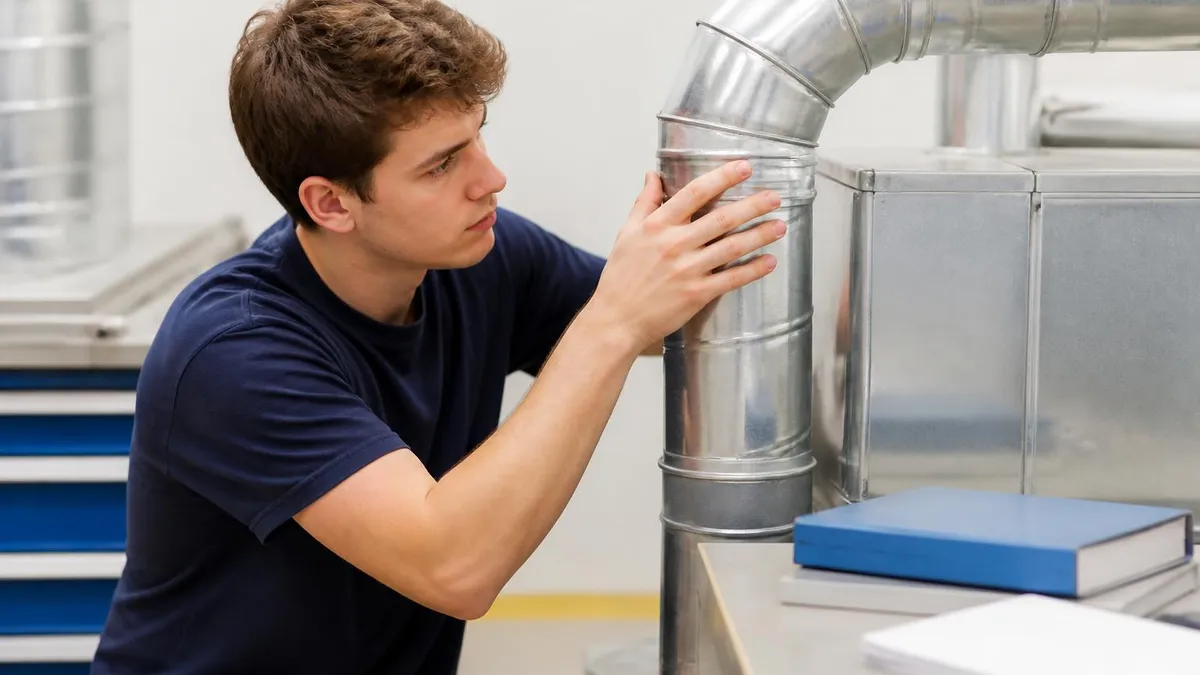
Certified HVAC Contractors: How to Find, Vet, and Hire the Right Professional for Your Home or Business
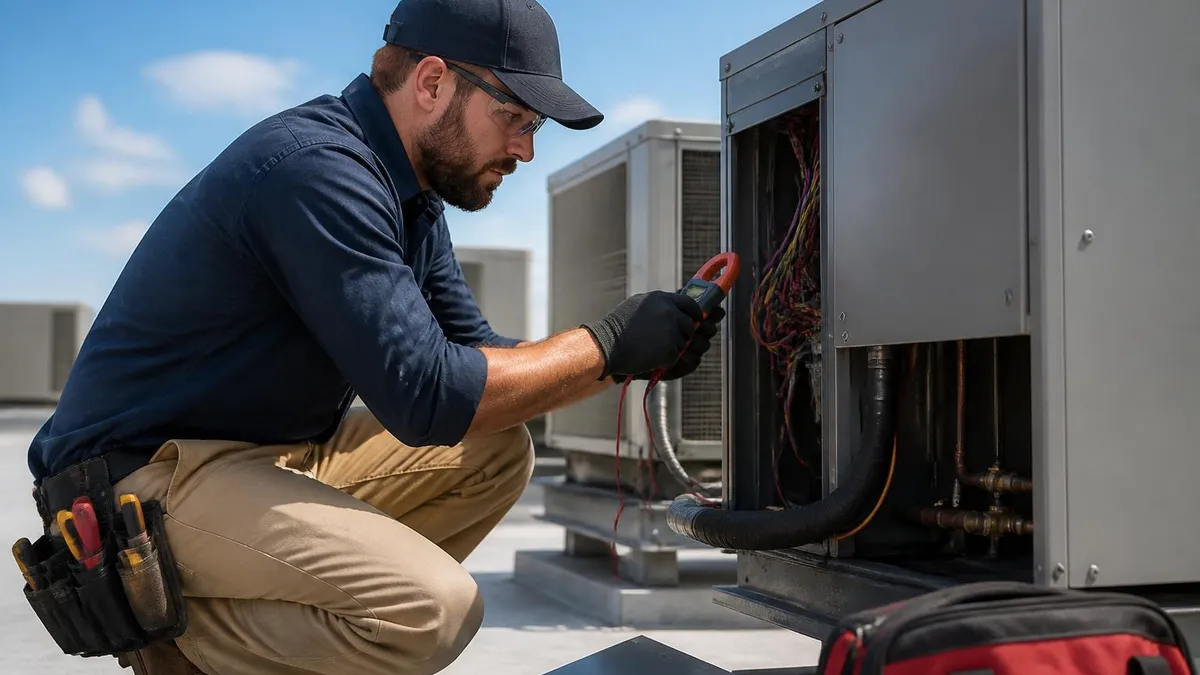
Best HVAC Repair in Bandon, OR: Local Services Near Me Guide
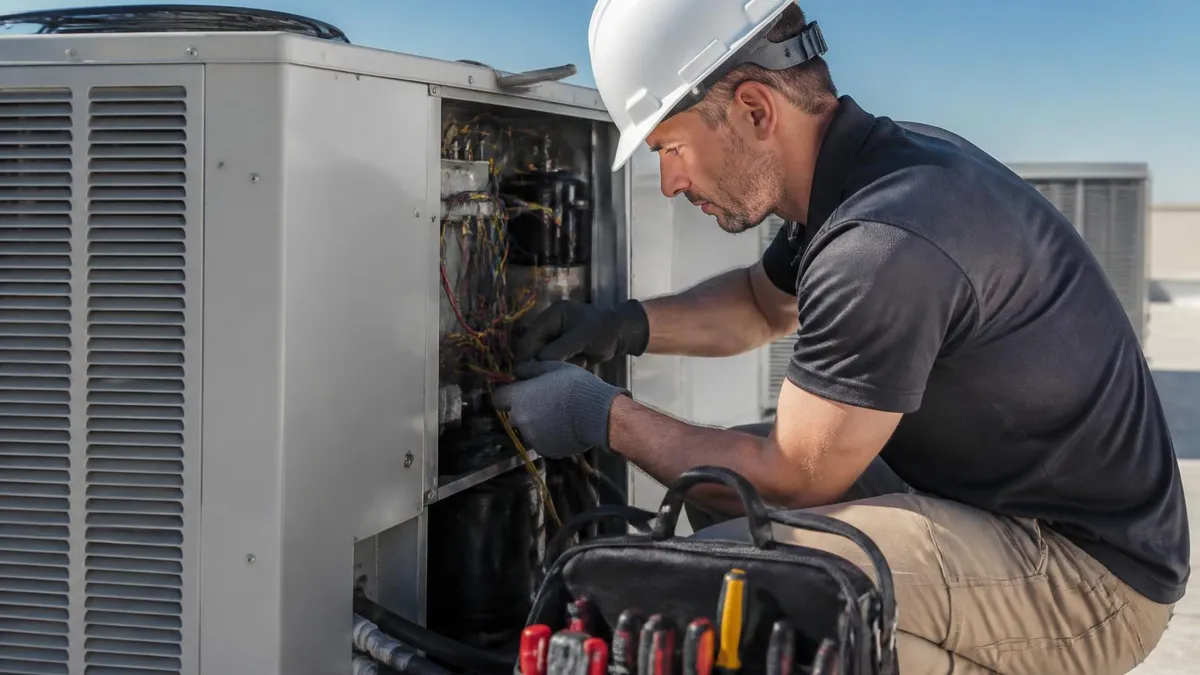
HVAC Installations: The Complete Guide to Planning, Pricing, and Getting It Right the First Time
EPA Certification for HVAC: The Complete Guide to Section 608 Requirements, Exam Prep, and Career Impact
About the Author

NATE Certified HVAC Technician & Licensing Exam Trainer
Universal Technical InstituteMike Johnson is a NATE-certified HVAC technician and EPA 608 universal-certified refrigerant handler with a Bachelor of Science in HVAC/R Technology. He has 19 years of commercial and residential HVAC installation and service experience and specializes in preparing technicians for NATE certification, EPA 608, A2L refrigerant safety, and state HVAC contractor licensing examinations.