
HVAC Emergencies: The Complete Homeowner's Guide to Recognizing, Responding to, and Preventing Heating and Cooling System Failures
💯 HVAC emergencies guide: recognize warning signs, take immediate action, and prevent costly furnace, AC, and heat pump failures before disaster strikes.
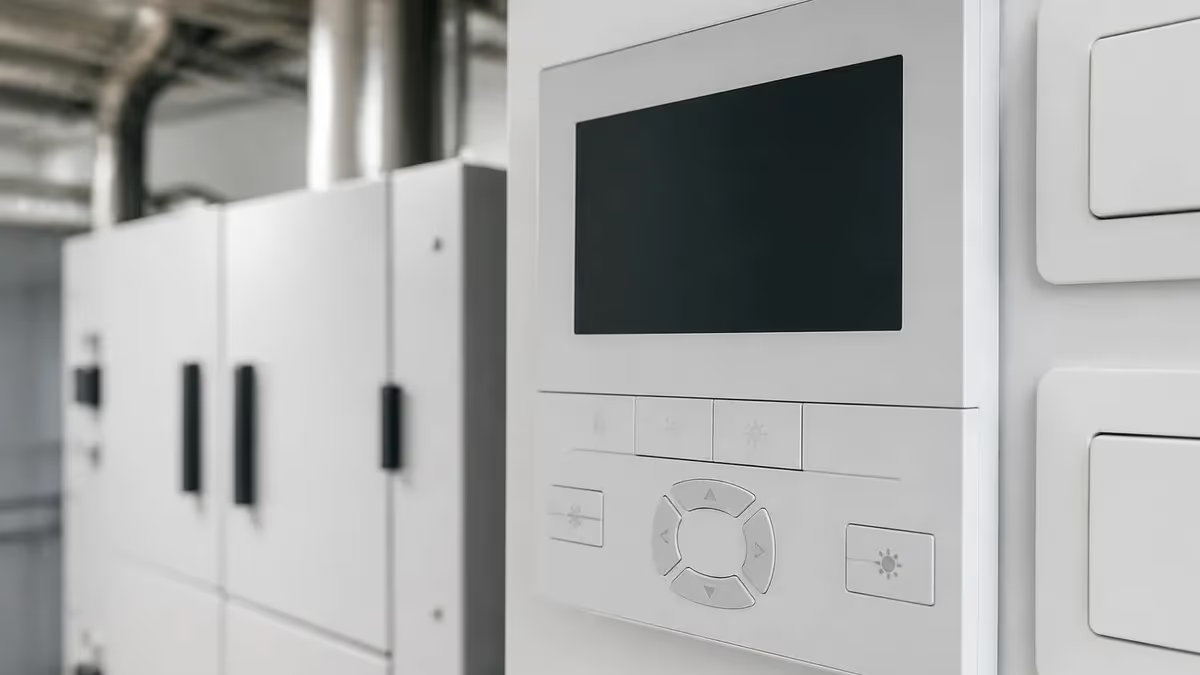
HVAC emergencies rarely give polite warnings before they arrive, and they have a habit of surfacing on the coldest January night or the hottest July afternoon when contractor phones ring nonstop. Understanding what qualifies as a true emergency, what you can safely handle on your own, and when to evacuate the home for a professional response can save thousands of dollars in damage and, in cases involving gas leaks or carbon monoxide, can save lives. This guide walks through every realistic failure scenario homeowners face today.
Most heating and cooling crises fall into one of five broad buckets: refrigerant or coolant leaks, electrical faults, combustion problems in gas furnaces, frozen or burst components, and total system shutdowns during extreme weather. Each category demands a slightly different response. A frozen evaporator coil during a heat wave is uncomfortable but rarely dangerous, while a cracked heat exchanger leaking carbon monoxide demands immediate evacuation and a 911 call before any repair conversation can begin. Knowing the difference matters.
The financial stakes are larger than most homeowners realize. The average emergency HVAC service call in the United States now runs between $250 and $650 for diagnosis and minor repairs, while major after-hours work on compressors, heat exchangers, or refrigerant lines routinely crosses $2,500. Insurance rarely covers mechanical failure itself, though it may cover secondary water damage from a flooded condensate line or a burst hydronic loop. Reading your policy before a crisis arrives is one of the smartest preventive steps you can take.
Time pressure is what makes HVAC emergencies uniquely stressful. A refrigerator can wait a day. A roof leak can wait until morning. But a furnace failure when outdoor temperatures sit in the single digits creates burst-pipe risk within hours, and a complete AC outage during a heat advisory can trigger heat-related illness in elderly residents, infants, or pets in even less time. The right move is to triage immediately, stabilize the home with temporary measures, and then schedule professional service with full information in hand.
Geography and climate shape what emergencies look like in practice. Homeowners in the Pacific Northwest face very different scenarios than those in Phoenix or Minneapolis, and the seasonal mix of calls reflects this clearly. For a deeper regional perspective, our guide on HVAC repair Portland shows how mild-winter, wet-climate problems differ from desert or deep-cold scenarios. The fundamentals in this article apply everywhere, but local conditions amplify certain failure modes.
Finally, it is worth emphasizing that not every loud noise, odd smell, or odd cycle is an emergency. Many homeowners panic and call after-hours technicians for problems that could safely wait until morning at half the cost. Learning to distinguish a true emergency from an urgent-but-not-critical issue is one of the most valuable skills covered in this guide. We will cover both categories, give you decision frameworks for each, and outline the prevention strategies that keep emergencies from happening in the first place.
By the end of this guide, you should be able to walk through your home, identify the early warning signs that precede major failures, know which utility shutoffs to operate, understand the language a technician will use when they arrive, and budget realistically for both prevention and response. These are skills every property owner needs, and they pay dividends every year you own a home with mechanical heating and cooling equipment.
HVAC Emergencies by the Numbers
The Five Categories of HVAC Emergencies
Gas leaks, carbon monoxide alarms, electrical fires, or smoke from the equipment. Evacuate first, call 911, then contact the utility. No DIY troubleshooting under any circumstance.
Total heat loss below 20°F outdoor or AC failure during heat advisories. Pipe-burst risk and heat-illness risk make these same-day priorities even at premium after-hours rates.
Burst hydronic lines, overflowing condensate pans, or refrigerant lines leaking onto drywall. Shut off water and power to the unit immediately to prevent secondary structural damage.
Hissing refrigerant lines, repeated lockouts on flame sensors, or pilot lights that refuse to stay lit. Urgent but rarely dangerous if you cut power and ventilate the space.
System runs but underperforms, thermostat misreads, or one zone is off. Schedule next-business-day service to avoid double or triple after-hours pricing for non-critical work.
Furnace emergencies dominate hvac certification service boards from October through March across most of the country. The most dangerous scenario is a cracked heat exchanger, which allows combustion gases including carbon monoxide to mix with the air being circulated through your home. Symptoms include soot deposits around registers, a yellow rather than blue burner flame, persistent headaches or nausea among occupants, and a carbon monoxide detector alarm. If your detector sounds, treat it as a true 911-level event, leave the home, and do not return until the gas utility clears the structure.
Short-cycling is the second most common furnace complaint, and it can stem from a dozen different causes. A dirty flame sensor, a failing high-limit switch, a clogged filter restricting airflow, a blocked flue vent, or an oversized furnace that overshoots setpoint can all create the same rapid on-off pattern. Short-cycling is rarely dangerous in the immediate moment but accelerates wear on the inducer motor, ignitor, and control board. Most furnaces that short-cycle for more than 48 hours will throw a hard lockout code and stop heating entirely.
Ignition failures became more common after the industry shifted to hot-surface ignitors in the mid-1990s. These silicon nitride or silicon carbide elements have a finite life of around 5 to 7 years and tend to fail at the worst possible moment. When you cycle the thermostat and hear the inducer motor spin but no combustion follows, the ignitor is the leading suspect. Most ignitors cost $40 to $90 in parts but require careful handling, and replacement during a holiday weekend at after-hours rates can balloon to $400 or more.
Heat pump emergencies have their own profile because these systems do double duty. In heating mode, a heat pump can ice over the outdoor coil and lock itself out, leaving the home dependent on auxiliary electric resistance strips that triple or quadruple the electric bill while running. A heat pump that constantly shows AUX HEAT on the thermostat for more than a few hours during mild weather is signaling a refrigerant, defrost, or reversing valve problem. Routine hvac maintenance service catches most of these before winter.
Oil-fired furnaces and boilers, common in the Northeast, present a different emergency profile. The two most common calls involve nozzle clogs that cause sooty incomplete combustion and primary control lockouts after a flame failure. Both require resetting the system and, in many cases, a professional cleaning. Homeowners can press the red reset button on the primary control once, but pressing it repeatedly floods the combustion chamber with unburned oil and creates a genuine fire hazard when ignition finally occurs.
Boilers add hydronic complexity. A boiler with a stuck pressure relief valve can dump scalding water onto the basement floor. A frozen expansion tank can rupture the pressure vessel. A dead circulator pump leaves radiators cold even while the burner fires normally. Each of these is recoverable, but the diagnosis requires both heating and plumbing skills, which is why boiler emergency calls tend to cost more than forced-air furnace calls in the same region.
Finally, modern condensing furnaces, with efficiency ratings of 90 percent or higher, route acidic condensate through a small drain line. When that line freezes in an unconditioned attic or clogs with biofilm, the furnace senses the backup through a pressure switch and shuts down. Pouring warm water and a cup of distilled vinegar through the condensate trap solves this problem in most cases, and learning this single trick saves the average homeowner one service call per year.
HVAC Practice Test Questions
Prepare for the HVAC - Heating Ventilation and Air Conditioning exam with our free practice test modules. Each quiz covers key topics to help you pass on your first try.
HVAC Air Conditioning
HVAC Exam Questions covering Air Conditioning. Master HVAC Test concepts for certification prep.
HVAC Code Compliance
Free HVAC Practice Test featuring Code Compliance. Improve your HVAC Exam score with mock test prep.
HVAC Electrical Controls
HVAC Test Prep for Electrical Controls. Practice HVAC Quiz questions and boost your score.
HVAC Energy Efficiency
HVAC Questions and Answers on Energy Efficiency. Free HVAC practice for exam readiness.
HVAC Heating Systems
HVAC Mock Test covering Heating Systems. Online HVAC Test practice with instant feedback.
HVAC Load Calculations
Free HVAC Quiz on HVAC Load Calculations. HVAC Exam prep questions with detailed explanations.
HVAC Tools and Equipment
HVAC Practice Questions for HVAC Tools and Equipment. Build confidence for your HVAC certification exam.
HVAC Refrigeration
HVAC Test Online for Refrigeration. Free practice with instant results and feedback.
HVAC Safety Practices
HVAC Study Material on Safety Practices. Prepare effectively with real exam-style questions.
HVAC System Design
Free HVAC Test covering System Design. Practice and track your HVAC exam readiness.
HVAC Thermodynamics
HVAC Exam Questions covering Thermodynamics. Master HVAC Test concepts for certification prep.
AC and Cooling Emergency Scenarios
A frozen evaporator coil is the most common summer call. You will notice ice on the copper refrigerant lines near the indoor air handler, weak or warm airflow from registers, and water pooling near the furnace cabinet once the ice melts. The cause is almost always either a clogged air filter restricting airflow across the coil or a low refrigerant charge from a slow leak in the line set.
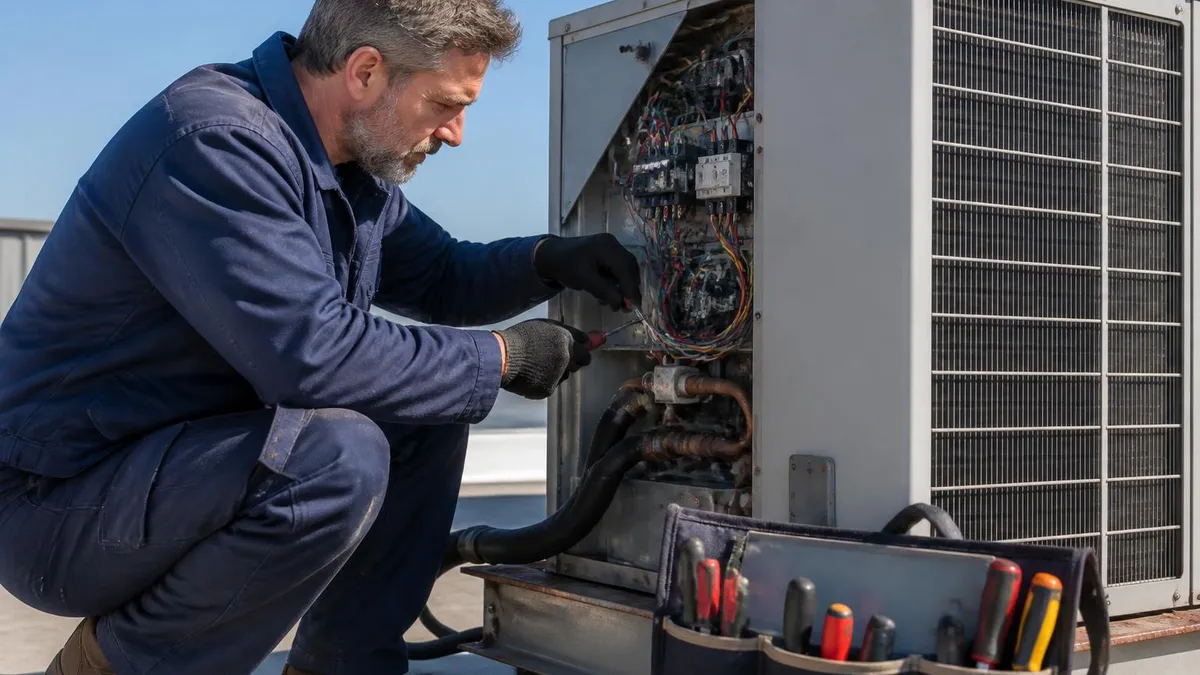
Immediate action is straightforward. Turn the system off at the thermostat but leave the indoor fan running in ON mode for two to four hours to thaw the coil safely. Replace the filter, clear any blocked supply registers, and restart cooling. If the coil refreezes within a day, the underlying problem is refrigerant, not airflow, and a technician with EPA Section 608 certification must locate and seal the leak before recharging.
Calling After-Hours Service vs Waiting Until Morning
- +Immediate response prevents pipe-burst damage in freezing weather
- +Heat-illness risk for elderly, infants, and pets is eliminated quickly
- +Carbon monoxide and gas leak scenarios cannot safely wait
- +Active water damage from burst hydronic lines stops growing
- +Some warranties require prompt action to remain valid
- +Many homeowners feel reassured by professional eyes on the problem
- −After-hours rates typically run 1.5x to 2.5x standard pricing
- −Parts inventory is limited on nights, weekends, and holidays
- −Many issues are temporarily stabilized rather than truly fixed
- −Diagnostic fees alone can exceed $200 before any repair begins
- −Contractors prioritize life-safety calls, meaning long wait times
- −Comfort-only outages rarely justify the premium pricing
Pros and Cons at a Glance
| Pros | Cons |
|---|---|
| Immediate response prevents pipe-burst damage in freezing weather | Parts inventory is limited on nights, weekends, and holidays |
| Heat-illness risk for elderly, infants, and pets is eliminated quickly | Many issues are temporarily stabilized rather than truly fixed |
| Carbon monoxide and gas leak scenarios cannot safely wait | Contractors prioritize life-safety calls, meaning long wait times |
| Active water damage from burst hydronic lines stops growing | Comfort-only outages rarely justify the premium pricing |
Immediate First-Response Checklist for HVAC Emergencies
- ✓Evacuate the home immediately if you smell rotten eggs, hear hissing near a gas line, or a CO detector sounds
- ✓Cut power to the HVAC equipment at the dedicated breaker before any inspection
- ✓Shut the gas valve at the appliance if you smell natural gas, then call the utility from outside
- ✓Close the main water supply valve if hydronic lines or condensate pans are actively leaking
- ✓Open windows for ventilation only after confirming there is no active fire or smoke
- ✓Photograph any visible damage, error codes, and the equipment nameplate for the technician
- ✓Move pets, elderly residents, and infants to a climate-stable location during extended outages
- ✓Set faucets to a slow drip in freezing weather to prevent pipe bursts while heat is offline
- ✓Call your insurance carrier within 24 hours if water or smoke damage is visible
- ✓Avoid restarting equipment that has tripped a safety lockout more than twice in a row
Carbon monoxide detectors save lives — replace them every 7 years
The CDC attributes more than 430 unintentional CO deaths each year to residential heating equipment. Detectors lose sensitivity over time and most expire 7 to 10 years from manufacture, regardless of battery status. Check the date on the back of every unit in your home today, and ensure at least one detector sits within 15 feet of every sleeping area.
The financial reality of HVAC emergencies surprises most first-time homeowners. A weekday daytime diagnostic visit averages $90 to $150 across most US markets, but the same visit on a Saturday evening or holiday can range from $200 to $400 before a single part is replaced. Many contractors apply a flat after-hours surcharge of $125 to $250 in addition to elevated hourly labor rates. Understanding this pricing structure helps you make rational decisions about whether to wait until morning or pay the premium.
Homeowners insurance is widely misunderstood in this context. A standard HO-3 policy does not cover mechanical breakdown of HVAC equipment itself, meaning a dead compressor or cracked heat exchanger is your problem alone. However, the policy typically does cover secondary damage when an HVAC failure causes a covered peril. A burst hydronic line that floods finished basement drywall is usually covered. A burst pipe elsewhere in the home because the furnace died and the house froze is generally covered. Read your declarations page carefully.
Home warranty plans occupy a middle ground that consumers love to hate. They charge $40 to $80 per month and cover mechanical failure of major systems with a service call fee of $75 to $150 per visit. The catch is restrictive language around pre-existing conditions, lack of maintenance, and coverage caps that often top out at $1,500 to $3,000 per claim. For homeowners with aging equipment and limited emergency savings, the math sometimes works. For homes with newer systems and healthy reserves, self-insurance is usually cheaper.
Repair-versus-replace decisions become unavoidable during emergencies. The widely cited rule of thumb is to multiply the proposed repair cost by the system's age in years. If that number exceeds 5,000, replacement is the better financial decision. A $1,200 repair on a 14-year-old furnace produces 16,800, which strongly favors replacement. The same repair on a 4-year-old furnace produces 4,800, which favors fixing it. This rule is imperfect but a useful starting point during a stressful conversation.
Financing options have expanded dramatically. Most reputable contractors now partner with lenders offering 0 percent promotional periods of 12 to 24 months, fixed-rate installment loans of 5 to 12 years, and utility-affiliated rebate programs that combine well with the federal 25C tax credit for high-efficiency replacements. Comparing financing terms during an emergency is difficult, which is why having a relationship with a contractor before a crisis is genuinely valuable.
Federal incentives have transformed the calculation for replacement-grade emergencies. The Inflation Reduction Act extended the Energy Efficient Home Improvement Credit through 2032, offering up to 2,000 for qualifying heat pumps and 600 for high-efficiency gas furnaces. State and utility rebates often stack on top, sometimes pushing total incentives past 4,000 for a single project. A failed 18-year-old furnace is often cheaper to replace with a heat pump than to repair, once incentives are factored in.
For families on tight budgets, prevention is the cheapest insurance available. The average annual maintenance agreement costs 180 to 350 and includes two visits, priority emergency dispatch, and discounted repair rates. Industry data suggests homeowners with maintenance agreements experience roughly half the emergency call frequency of those without, and the systems themselves last several years longer. Even if you never have an emergency, the energy savings from a clean and tuned system typically cover the agreement cost.
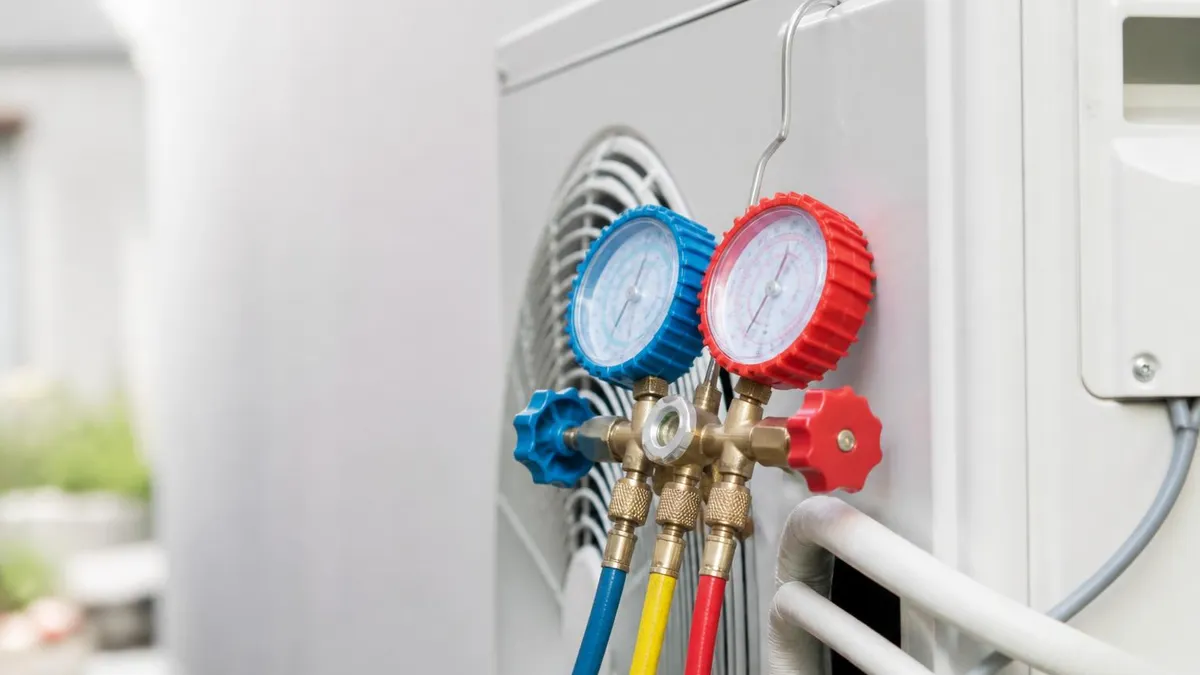
A carbon monoxide alarm, the smell of natural gas or rotten eggs near any appliance, and visible flames or smoke from HVAC equipment are absolute emergencies. Leave the home immediately, call 911 from outside, and contact your gas utility before considering repairs. Do not operate light switches, phones, or thermostats inside a home with a suspected gas leak — a single spark can ignite an explosive mixture.
Prevention is the single highest-return investment any homeowner can make in their HVAC system, and the underlying principles are not complicated. Annual professional tune-ups, monthly filter checks, seasonal coil cleaning, and basic awareness of how the equipment normally sounds and smells will prevent roughly two-thirds of emergencies that contractors respond to. The contractors interviewed for this guide repeatedly emphasized that the same homeowners call them in crisis year after year while their neighbors with identical equipment never call at all.
Filter replacement is the single most neglected maintenance task in American homes. A clogged filter restricts airflow, causing the evaporator coil to freeze in summer and the heat exchanger to overheat in winter. Standard one-inch pleated filters need replacement every 60 to 90 days, while four- or five-inch media filters can last six to twelve months. Setting a calendar reminder on the first of every other month eliminates the most common cause of emergency calls in a single thirty-second task.
Outdoor units demand quarterly attention. Clear leaves, grass clippings, cottonwood seed fluff, and dryer lint from the condenser coil. Maintain at least two feet of clearance on all sides and five feet above the unit. Trim shrubs that have grown into the airflow path. Hose the coil down gently from the inside out once per year. These five-minute tasks meaningfully extend compressor life and prevent the high-pressure lockouts that strand homeowners during heat waves.
Thermostat hygiene matters more than most people realize. A thermostat mounted in direct sunlight, near a supply register, or on an exterior wall will misread room temperature and cause short-cycling that mimics an equipment failure. If your thermostat is in a poor location, relocating it is a one-hour project for an electrician and eliminates a category of phantom emergencies. Smart thermostats add fault detection that alerts you to problems before they become outages, often days or weeks ahead.
Drain line maintenance prevents one of the messiest emergencies. Pour one cup of distilled white vinegar down the condensate drain access port every spring before the cooling season begins. This kills the algae and biofilm that clog the line and trigger the safety float switch shutdown that leaves your AC dead on the hottest day of the year. The entire task takes ninety seconds and costs less than two dollars per year in vinegar.
Smart home integration has matured to the point where it provides genuine emergency prevention rather than mere convenience. Water leak sensors placed near condensate pans and hydronic loops can trigger automatic water shutoffs and phone alerts. Smart thermostats detect anomalies in run time and report them to your contractor. Modern integrated HVAC solutions bundle sensors, controllers, and remote diagnostics into systems that catch failures while you are still at work rather than hours after the home has flooded.
Finally, build a relationship with one contractor before you need them. Sign a maintenance agreement, learn the technician's name, and keep their after-hours number in your phone. Homeowners who call a stranger during an emergency wait longer, pay more, and often get sold replacements they didn't truly need. Homeowners with an established relationship get phone triage, honest assessments, and sometimes free phone troubleshooting that resolves the issue without a truck roll at all.
Practical preparation makes the difference between a stressful emergency and a manageable inconvenience. Start by creating a single physical folder, kept somewhere obvious like a kitchen drawer, containing equipment nameplates photographed and printed, model and serial numbers, installation date, warranty paperwork, the last three maintenance reports, and contact information for your contractor and gas utility. When a crisis hits at 2 a.m., you do not want to be reading model numbers off a furnace with a flashlight while a technician waits on the line.
Know where every utility shutoff is located before you need them. Walk the home this weekend and physically operate the main water valve, the main electrical disconnect, the gas valve at each appliance, and the main gas valve at the meter. Many of these valves seize in place after years without use, and discovering a frozen valve during an active leak is the worst possible time. A quarter-turn ball valve that won't turn needs replacement now, not during a 3 a.m. flood.
Build a small emergency kit specifically for HVAC events. Include a non-contact voltage tester, a flashlight with fresh batteries, a roll of HVAC foil tape, a spare furnace filter in the correct size, a quart of plumbing antifreeze for hydronic systems if applicable, a few wood shims, and a basic multimeter. None of these tools turn you into a technician, but each one helps you take meaningful first action and gives you better information to relay when you do call for help.
Practice the conversation you will have with a dispatcher. Be ready to describe the equipment make and model, the specific symptom, what you have already tried, the indoor and outdoor temperatures, and whether anyone in the home has a medical condition that elevates urgency. Vague descriptions like "the heat is broken" result in slower response and worse triage than specific descriptions like "two-stage condensing gas furnace, model number ready, hot surface ignitor glows but no flame, error code 33."
Cultivate redundancy where you can afford it. A pair of small electric space heaters, an extra-large room fan, a battery-powered phone charger, and a few extra blankets cost less than a single after-hours service call but make the difference between calling tonight and waiting until 8 a.m. on Monday. Homeowners with even modest backup capacity routinely avoid the most expensive service slots and save hundreds of dollars per year on average. Consider also a battery or generator backup for furnace control boards during outages.
Sourcing replacement parts ahead of time can shorten outages dramatically. Common consumable parts including ignitors, flame sensors, capacitors, contactors, and condensate pumps cost between $15 and $90 and have a finite shelf life of several years. Stocking the exact part number for your specific equipment, kept on a labeled shelf in the basement or garage, means a same-day repair instead of a parts delay. Reliable HVAC parts and supply sources make this strategy realistic for prepared homeowners.
Finally, develop the discipline to schedule preventive maintenance before peak season. Furnace tune-ups in September are easy to book, while the same call in December takes two weeks. AC tune-ups in April are routine, while May and June bookings stretch into July. The contractor will catch failing components during these calm visits and replace them at standard pricing, eliminating the exact emergencies this guide describes. Treat the calendar as the most important emergency prevention tool you own.
Sample HVAC Practice Questions
Try these questions from our free HVAC practice tests. The correct answer and an explanation follow each question.
A technician measures 350 CFM at a supply register designed for 400 CFM. After checking the duct system, they find a collapsed section of flex duct. What is the most likely effect on system static pressure?
- A. Static pressure decreases upstream of the restriction
- B. Static pressure increases upstream of the restriction
- C. Static pressure remains unchanged throughout the system
- D. Static pressure drops to zero at the register
Answer: B. Static pressure increases upstream of the restriction
A restriction (collapsed flex duct) increases resistance, causing static pressure to build up upstream of the blockage while reducing airflow downstream.
After startup in the spring, a split system produces adequate cooling but has a musty odor. What is the most appropriate corrective action?
- A. Add refrigerant to improve coil temperature
- B. Clean evaporator coil and condensate drain with appropriate cleaner and biocide
- C. Replace the air filter
- D. Check for refrigerant leaks
Answer: B. Clean evaporator coil and condensate drain with appropriate cleaner and biocide
Musty odors from HVAC systems are caused by mold and bacterial growth on the wet evaporator coil and in the condensate drain, requiring cleaning and biocide treatment.
What does outdoor reset control do in a hydronic heating system?
- A. Shuts the boiler off when outdoor temps exceed the setpoint
- B. Lowers supply water temperature as outdoor temperature rises
- C. Increases pump speed during cold weather
- D. Resets zone valve positions based on outdoor conditions
Answer: B. Lowers supply water temperature as outdoor temperature rises
Outdoor reset reduces boiler supply water temperature proportionally as outdoor temperatures warm, improving efficiency and comfort by matching heat output to actual load.
In a two-pipe direct-return hydronic system, why is balancing more difficult compared to a reverse-return system?
- A. Direct-return uses larger pipe sizes that are harder to throttle
- B. Terminal units closest to the pump have shorter circuits and naturally receive more flow
- C. Direct-return systems have higher operating pressures
- D. The circulator must work against return-line backpressure
Answer: B. Terminal units closest to the pump have shorter circuits and naturally receive more flow
In a direct-return system, units closest to the pump have the least resistance, so they receive disproportionately high flow and must be throttled back to balance the system.
HVAC Questions and Answers
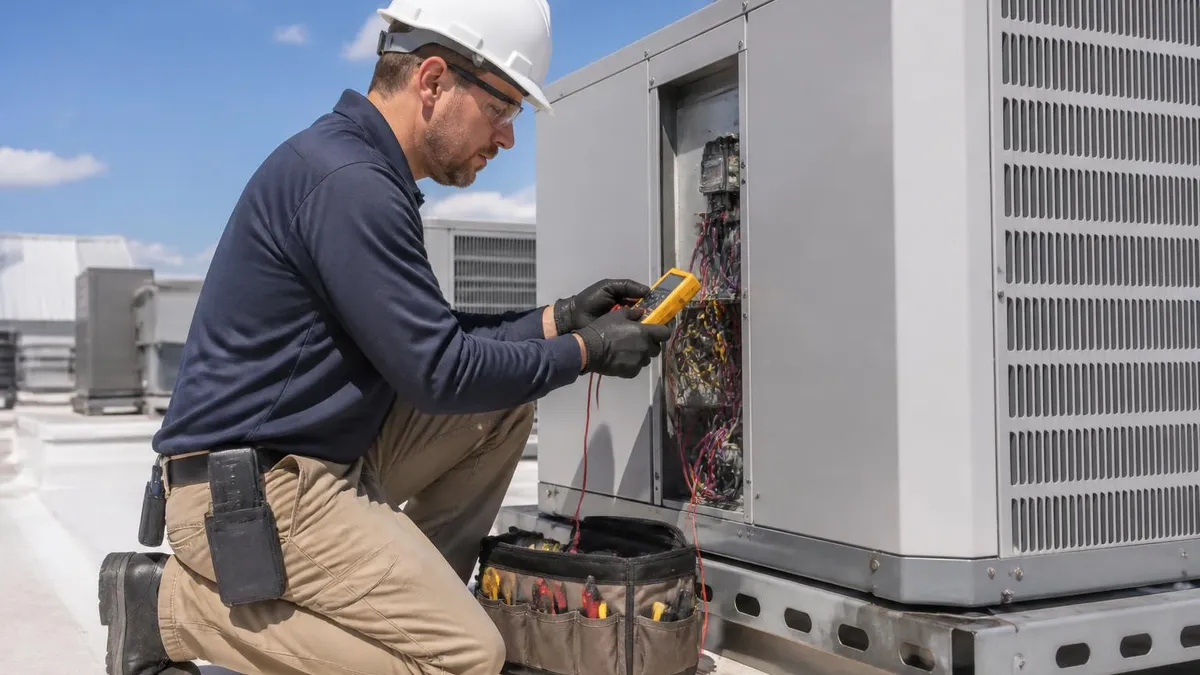
HVAC Repair Portland: The Complete 2026 Homeowner's Guide to Furnace, AC, and Heat Pump Service in the Rose City
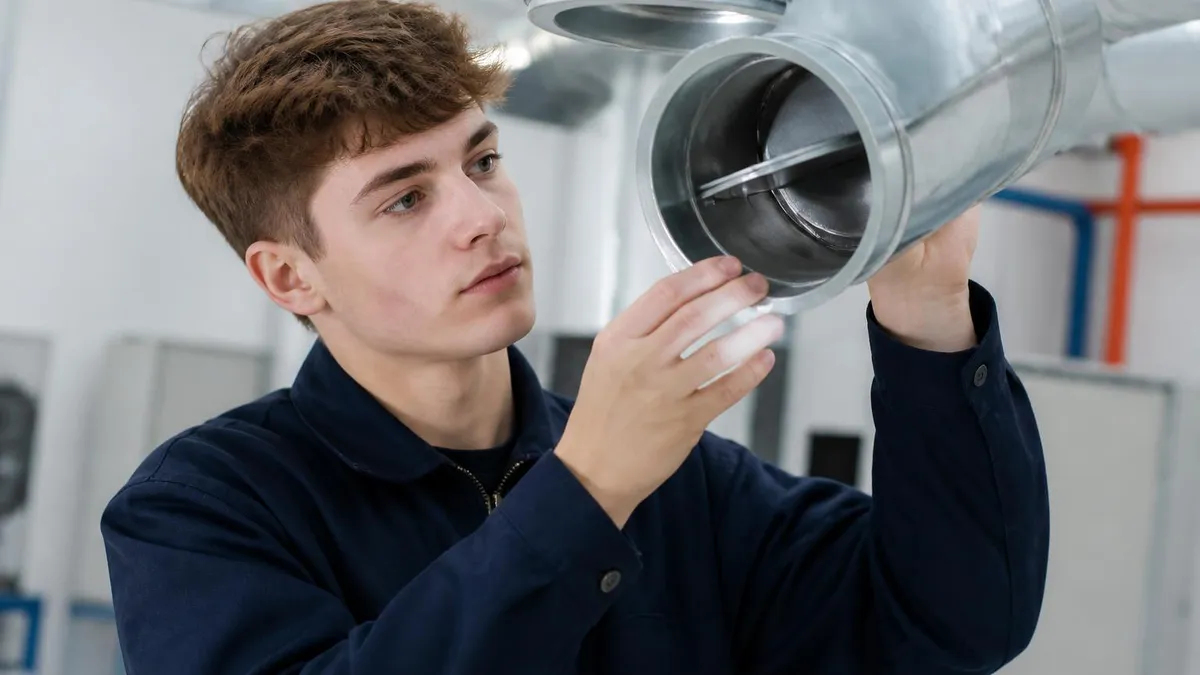
HVAC Tune Up Service: The Complete Guide to Professional HVAC Maintenance and Why It Pays for Itself
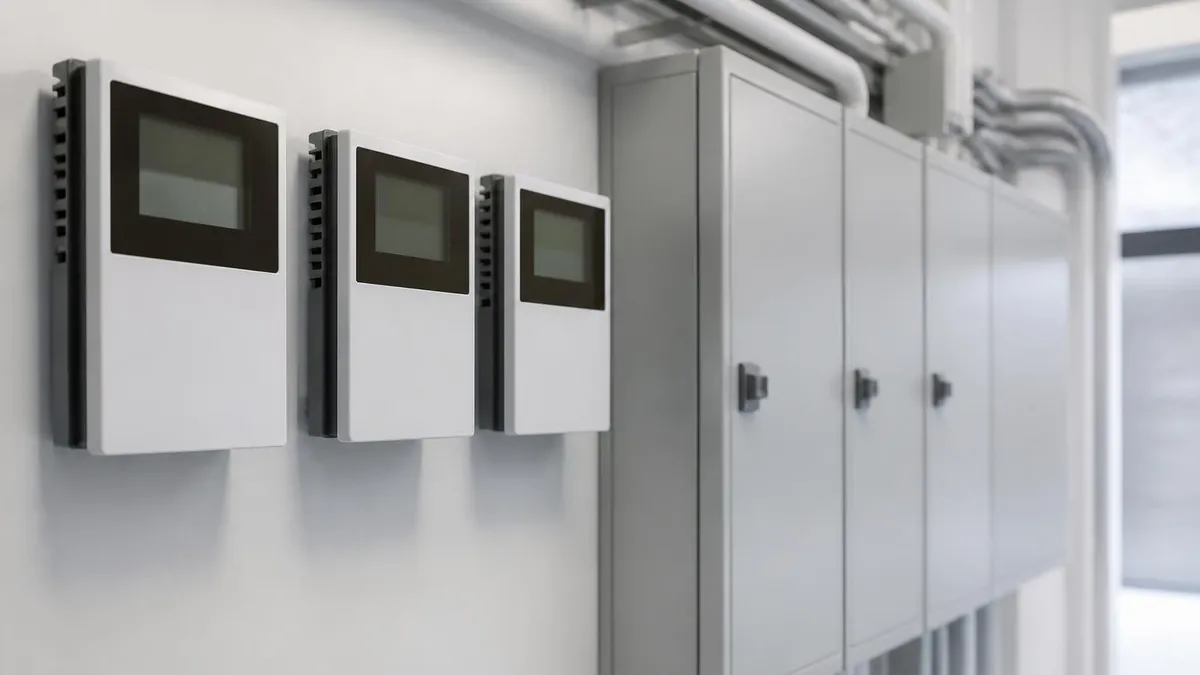
HVAC Solutions: The Complete Guide to Heating, Cooling, and Indoor Air Quality Systems for Homes and Buildings
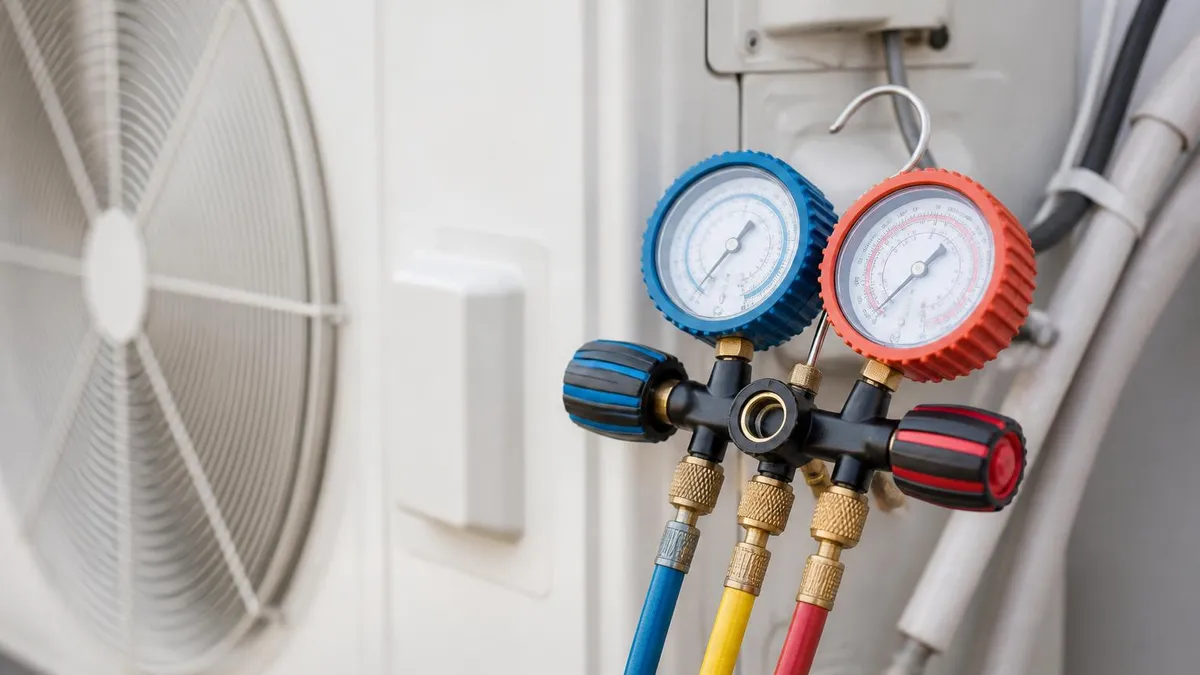
Certified HVAC Contractors: How to Find, Vet, and Hire the Right Professional for Your Home or Business
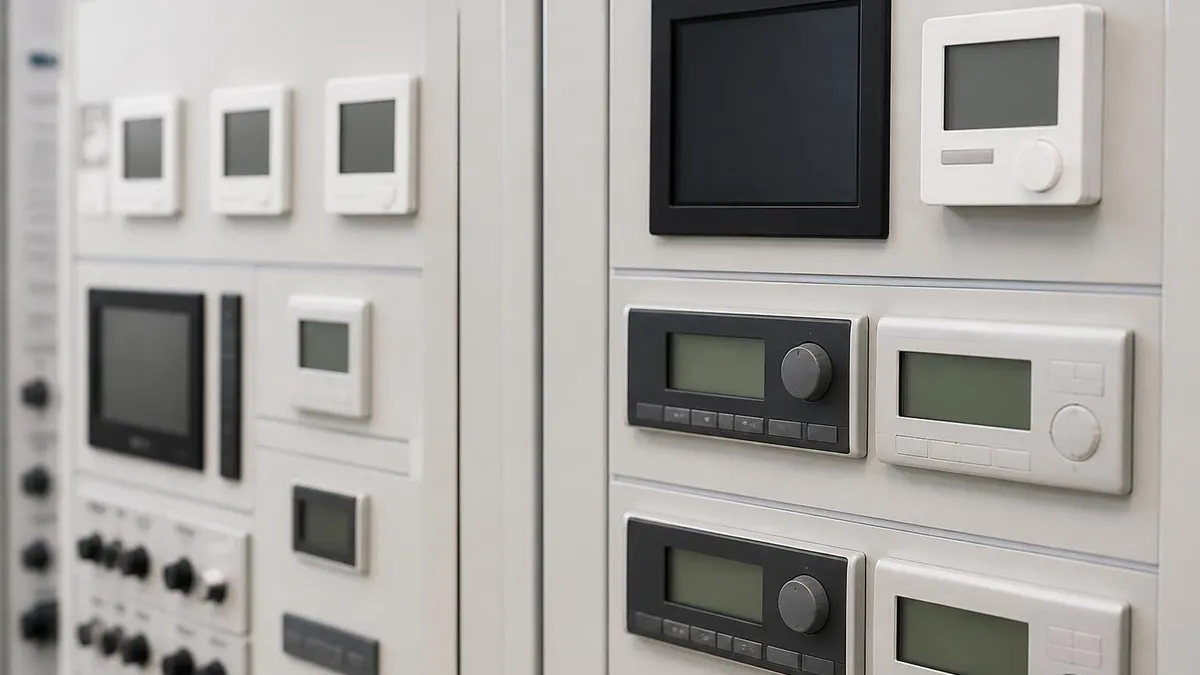
HVAC Parts and Supply: The Complete Guide to Sourcing, Identifying, and Buying Heating and Cooling Components in 2026
About the Author

NATE Certified HVAC Technician & Licensing Exam Trainer
Universal Technical InstituteMike Johnson is a NATE-certified HVAC technician and EPA 608 universal-certified refrigerant handler with a Bachelor of Science in HVAC/R Technology. He has 19 years of commercial and residential HVAC installation and service experience and specializes in preparing technicians for NATE certification, EPA 608, A2L refrigerant safety, and state HVAC contractor licensing examinations.