
How to Become an HVAC Technician: Complete 2026 October Career Guide
💯 How to become an HVAC technician: training paths, licensing, EPA 608, salary expectations, apprenticeships, and step-by-step career roadmap.
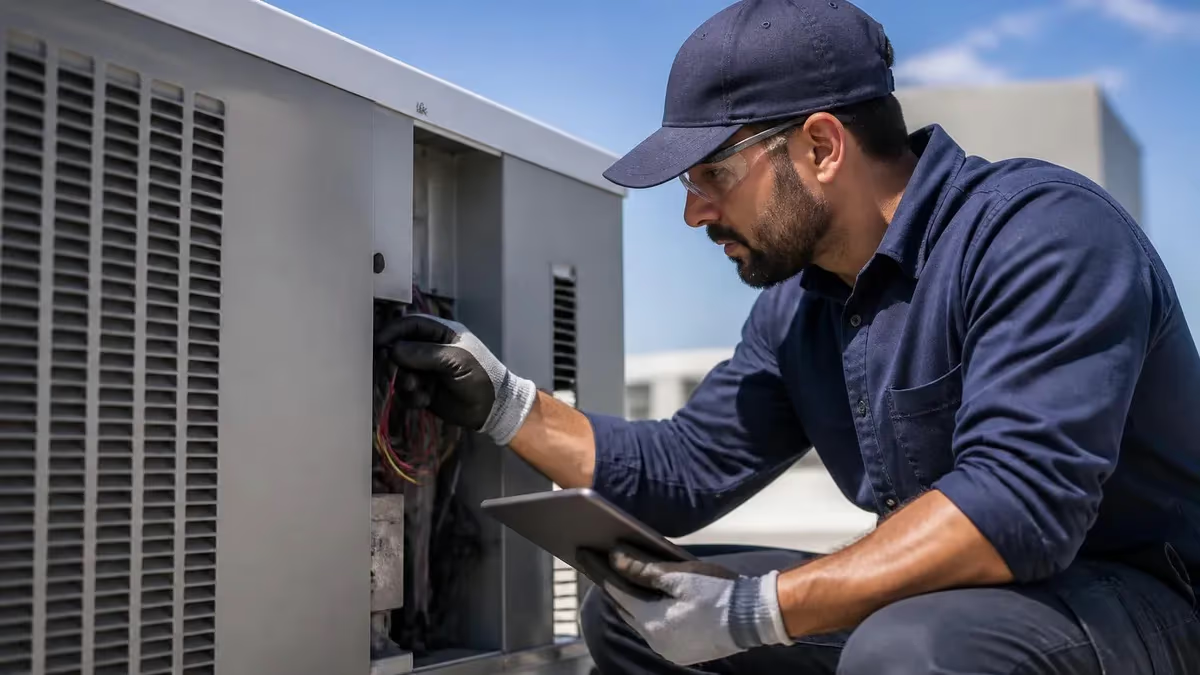
Learning how to become an HVAC technician is one of the smartest career moves you can make in 2026, with the Bureau of Labor Statistics projecting 6% job growth through 2032 and a national median wage that now sits above $57,000. Heating, ventilation, air conditioning, and refrigeration work blends mechanical aptitude with electrical troubleshooting, refrigerant handling, and customer service — a combination that keeps the work varied and the paychecks steady. Best of all, you can enter the trade without a four-year degree.
The pathway typically involves a high school diploma or GED, a formal training program lasting six months to two years, federal EPA Section 608 certification, and either an apprenticeship or entry-level helper position. Many states layer additional contractor licensing on top once you reach journeyman status. Understanding each milestone in advance prevents costly detours and helps you reach licensed-technician income brackets faster than peers who stumble through trial and error.
The industry is also shifting fast. Heat pumps, variable refrigerant flow systems, smart thermostats, and low-GWP refrigerants like R-454B are rewriting the technical playbook. Technicians who master modern controls and energy-efficient equipment command premium wages, and contractors hiring for residential service routes now expect familiarity with inverter-driven systems on day one. That means your training program selection matters more than ever — outdated curricula leave graduates behind before they even punch a clock.
This guide walks you through every realistic option, from accelerated trade school certificates to four-year union apprenticeships, and explains how to choose based on your timeline, budget, and learning style. We'll cover what each credential actually costs, how long it takes to recoup your investment, and which certifications open doors to commercial, industrial, and high-paying specialty work like cleanroom mechanical service or data center cooling.
You'll also see real numbers — apprenticeship pay scales, journeyman hourly rates by region, EPA exam difficulty, and the percentage of techs who own their own businesses by year ten. We've pulled data from the Department of Labor, NATE (North American Technician Excellence), ACCA, and state licensing boards so you can make decisions based on current 2026 realities, not stale advice. Looking for steady work in your area? Start by exploring HVAC technician jobs near me to gauge local demand before committing to a program.
Whether you're a high school senior weighing options, a career-changer leaving retail or warehousing, or a veteran using GI Bill benefits, the HVAC trade offers a clear ladder: helper, apprentice, journeyman, master, contractor. Each rung adds responsibility and income. By the end of this article you'll have a written plan covering your school choice, certification timeline, apprenticeship application strategy, and a realistic projection of your first three years of earnings.
Let's break down exactly what it takes — the prerequisites, the schools, the exams, the on-the-job hours, and the soft skills that separate a $22-per-hour installer from a $48-per-hour service lead. Bookmark this page, share it with anyone considering the trade, and use the checklists below as your action plan from week one through your first solo service call.
HVAC Career by the Numbers
Your Path to Becoming an HVAC Technician
Earn High School Diploma or GED
Complete HVAC Training Program
Pass EPA Section 608 Certification
Land an Apprenticeship or Helper Role
Pass Journeyman Licensing Exam
Specialize or Pursue Master/Contractor License
The first major decision is choosing between a trade school certificate, a community college associate degree, or jumping straight into an apprenticeship. Each path produces working technicians, but the timelines, costs, and depth of training vary significantly. Trade school certificates typically run six to nine months and cost $1,200 to $15,000 depending on whether you attend a public technical institute or a private for-profit chain. They focus tightly on hands-on skills: brazing, recovery, charging, electrical troubleshooting, and load calculations.
Community college associate degrees take 18 to 24 months and cost $3,000 to $12,000 in-state. The advantage is broader coverage — you'll get general education credits that transfer toward engineering technology degrees, plus deeper electrical and building science modules. Employers in commercial and industrial sectors often prefer associate degree holders because the curriculum includes blueprint reading, psychrometrics, and basic building automation. If you want to climb into facilities management or sales engineering eventually, the extra year pays dividends.
Apprenticeships through unions like SMART or the United Association, or through non-union sponsors like ABC and Independent Electrical Contractors, let you earn while you learn. You'll attend classroom sessions one or two nights weekly and work full-time during the day. Starting wages range from $17 to $24 per hour with raises every six months. By year four you're often making $30+ per hour with full benefits, pension contributions, and no student debt. The trade-off is competitive entry — popular union locals receive ten applications for every slot.
Military veterans should investigate the MyCAA program, GI Bill-approved HVAC schools, and the Helmets to Hardhats initiative, which fast-tracks vets into union apprenticeships. Vocational rehabilitation funding through the VA covers tuition, tools, and a monthly housing allowance. Several states also offer Workforce Innovation and Opportunity Act (WIOA) grants covering 100% of HVAC tuition for unemployed or underemployed adults. Always ask your state's American Job Center about available funding before signing tuition agreements.
Online HVAC programs have multiplied since 2020, but proceed cautiously. The trade is fundamentally hands-on — you cannot learn to braze, recover refrigerant, or diagnose a contactor through video alone. Hybrid programs combining online theory with weekend in-person labs work reasonably well, but pure-online programs typically leave graduates unprepared for entry-level service work. Always verify lab hours, equipment access, and EPA 608 exam preparation before enrolling. To deepen your foundation, study the fundamentals covered in CFM HVAC basics before your first day of class.
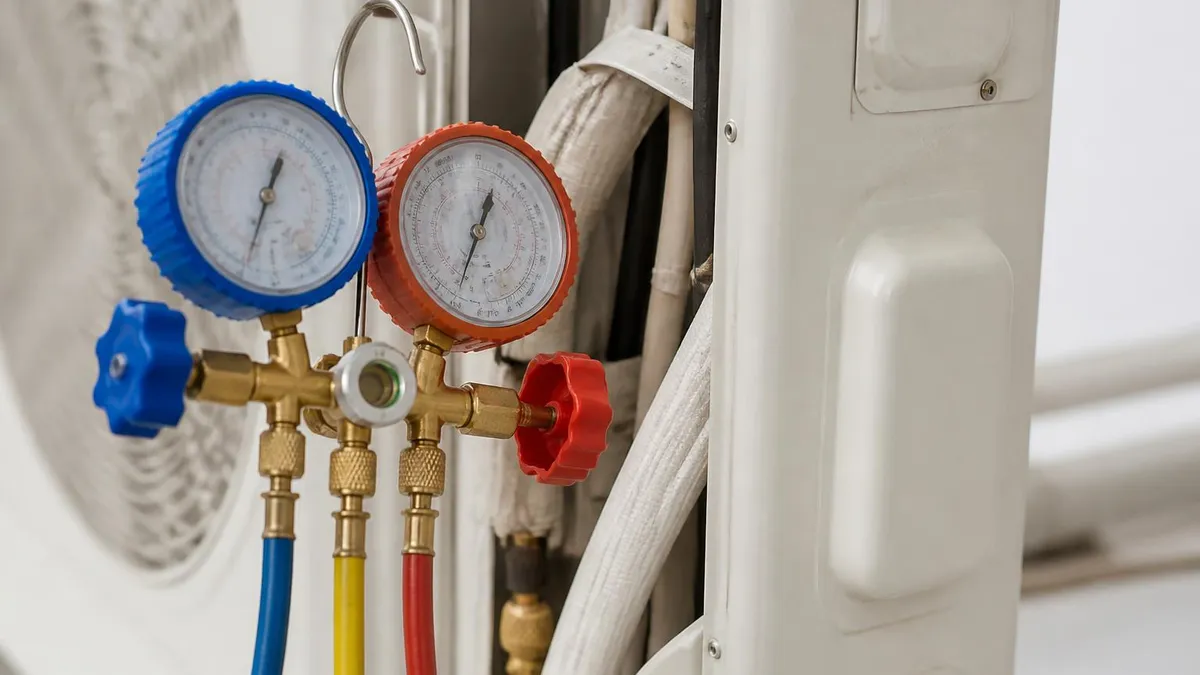
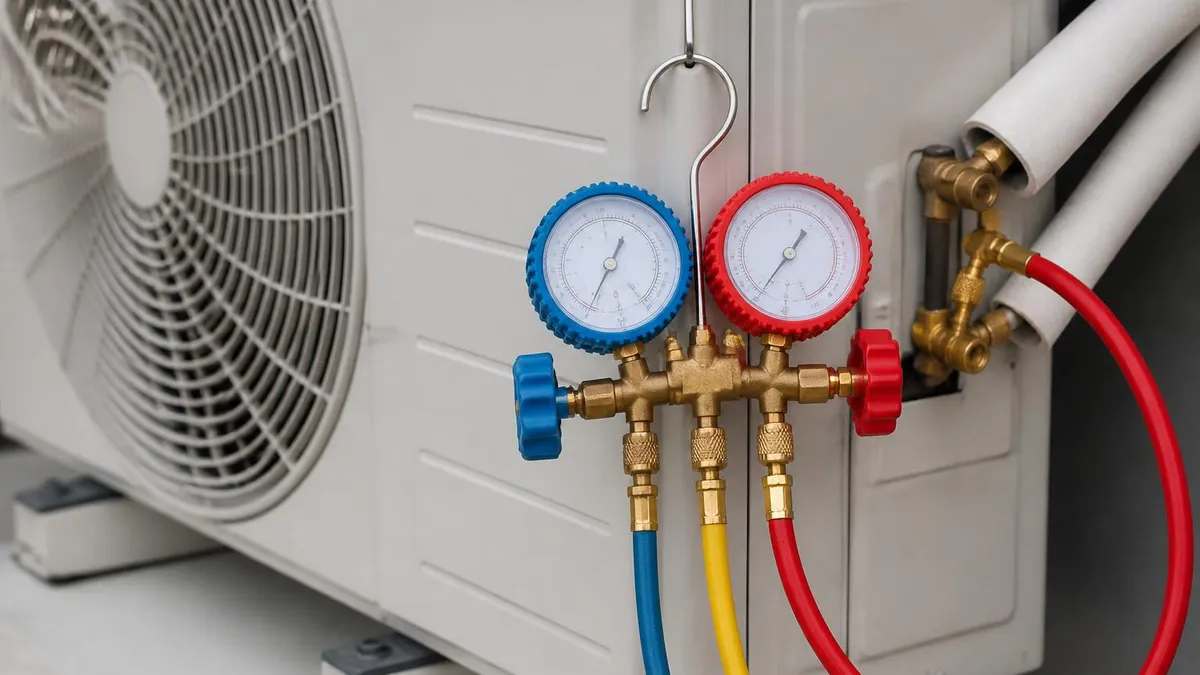
Tool investment is another factor most beginners underestimate. Expect to spend $800 to $2,500 on a starter kit including a digital manifold gauge set, vacuum pump, recovery machine access, multimeter, refrigerant scale, leak detector, hand tools, and PPE. Some employers provide everything; many provide nothing. Ask during interviews. Union apprenticeships often supply tools or provide tool allowances built into the contract, which is one more reason organized labor remains attractive in this trade.
Finally, consider regional demand. Sunbelt states — Texas, Florida, Arizona, Nevada — pay slightly lower hourly rates but offer year-round work and faster advancement. Northern states pay higher hourly wages but have seasonal slowdowns where service techs pivot to heating maintenance and installation. Coastal California, the Pacific Northwest, and the Northeast lead the country in heat pump conversions and pay premiums for techs trained on inverter-driven equipment, modulating boilers, and refrigerants like R-32 and R-454B.
HVAC Practice Test Questions
Prepare for the HVAC - Heating Ventilation and Air Conditioning exam with our free practice test modules. Each quiz covers key topics to help you pass on your first try.
HVAC Air Conditioning
HVAC Exam Questions covering Air Conditioning. Master HVAC Test concepts for certification prep.
HVAC Code Compliance
Free HVAC Practice Test featuring Code Compliance. Improve your HVAC Exam score with mock test prep.
HVAC Electrical Controls
HVAC Test Prep for Electrical Controls. Practice HVAC Quiz questions and boost your score.
HVAC Energy Efficiency
HVAC Questions and Answers on Energy Efficiency. Free HVAC practice for exam readiness.
HVAC Heating Systems
HVAC Mock Test covering Heating Systems. Online HVAC Test practice with instant feedback.
HVAC Load Calculations
Free HVAC Quiz on HVAC Load Calculations. HVAC Exam prep questions with detailed explanations.
HVAC Tools and Equipment
HVAC Practice Questions for HVAC Tools and Equipment. Build confidence for your HVAC certification exam.
HVAC Refrigeration
HVAC Test Online for Refrigeration. Free practice with instant results and feedback.
HVAC Safety Practices
HVAC Study Material on Safety Practices. Prepare effectively with real exam-style questions.
HVAC System Design
Free HVAC Test covering System Design. Practice and track your HVAC exam readiness.
HVAC Thermodynamics
HVAC Exam Questions covering Thermodynamics. Master HVAC Test concepts for certification prep.
Certifications That Boost Your HVAC Career
EPA Section 608 is the federal certification mandated by the Clean Air Act for anyone who maintains, services, repairs, or disposes of equipment that could release refrigerants into the atmosphere. The exam has a core section plus three appliance-specific sections: Type I (small appliances), Type II (high-pressure), and Type III (low-pressure). Passing all three earns Universal certification, which is what every serious technician should target.
The exam costs $20 to $150 depending on the proctor and is offered both online and at testing centers. It's open-book in most formats, but you should still study EPA's official manual because the questions are written to trip up guessers. Most training programs build the exam into their final week. Once earned, the certification never expires, though refrigerant rules evolve frequently and refresher courses keep you sharp.
Is an HVAC Career Right for You? Honest Pros and Cons
- +Strong job security with consistent 6%+ growth and recession-resistant demand
- +No four-year degree required, minimal or zero student debt for most paths
- +Median wages above $57,000 with top 10% earning over $84,000 annually
- +Clear ladder from helper to journeyman to master to business owner
- +Variety of work environments — residential, commercial, industrial, marine, refrigeration
- +Opportunity to start your own contracting business with relatively low overhead
- +Transferable skills usable in any state and increasingly portable internationally
- −Physical demands include attic crawling, rooftop work, lifting 50-75 lb equipment regularly
- −Seasonal swings mean 60-hour summer weeks and slower winters in many markets
- −Exposure to refrigerants, electrical hazards, asbestos in older buildings, and heat stress
- −On-call rotations and emergency service disrupt evenings, weekends, and holidays
- −Initial tool investment of $800-2,500 plus ongoing replacement and calibration costs
- −Customer service challenges with frustrated homeowners during equipment failures
- −Constant technology change requires ongoing training in controls, refrigerants, and codes
Pre-Enrollment Checklist for Aspiring HVAC Technicians
- ✓Confirm you have a high school diploma or GED in hand or in progress
- ✓Take a free aptitude test (e.g., O*NET Interest Profiler) to verify mechanical inclination
- ✓Tour at least three HVAC programs in person and ask to observe a lab session
- ✓Verify accreditation through HVAC Excellence or Partnership for Air-Conditioning, Heating, Refrigeration Accreditation
- ✓Compare total cost including tools, books, lab fees, and EPA 608 exam voucher
- ✓Apply for FAFSA, WIOA grants, GI Bill benefits, or state workforce funding before enrolling
- ✓Identify two local employers willing to hire program graduates as helpers or apprentices
- ✓Order a starter tool kit aligned with your school's required tools list
- ✓Schedule your EPA Section 608 exam for the final month of your program
- ✓Update your resume to highlight any mechanical, electrical, or customer service experience
- ✓Join your local HVAC trade association or Facebook group for networking and tips
- ✓Get a current physical exam — many employers require pre-hire drug screens and physicals
Your first year sets your earning trajectory for the next decade.
Technicians who land at a quality contractor with structured mentorship in year one earn 30-40% more by year five than peers who jump between low-quality shops. Prioritize learning environment, tool access, and the experience level of your senior technicians over a $1-2 hourly bump. Reputation in the trade follows you — your first three supervisors will be your professional references for the rest of your career.
Salary expectations should anchor every career decision, and HVAC pay scales reward patience and credentials. New helpers and first-year apprentices earn $15 to $22 per hour in most markets, which translates to $31,000 to $46,000 annually with overtime. The work is grueling at first — you're pulling line sets, carrying condensers, cleaning coils, and learning to read schematics while seasoned techs handle the diagnostics. Your investment of sweat in years one and two is what unlocks the bigger numbers later.
Second-year apprentices typically reach $20 to $28 per hour, third-year apprentices $24 to $33, and fourth or fifth-year apprentices $28 to $40 depending on union status and region. Once you pass your journeyman exam, hourly rates jump to $32 to $48 in most metro areas, with commercial and industrial techs at the high end. Service techs running their own truck and earning commissions on equipment sales often clear $90,000 to $120,000 annually within seven to ten years of starting.
Geography matters enormously. Bureau of Labor Statistics data shows the highest-paying states are Alaska, Hawaii, Massachusetts, Connecticut, and Washington, with median wages above $70,000. Lower-cost-of-living states like Mississippi, Arkansas, and West Virginia pay closer to $45,000-$50,000 but offer cheaper housing and lower tax burdens. Metro areas with major commercial construction — Dallas, Houston, Atlanta, Phoenix, Denver — also pay above-average wages because skilled tech supply lags demand.
Specialty work commands the steepest premiums. VRF (variable refrigerant flow) certified technicians from Mitsubishi, Daikin, or LG factory programs earn $5-10 per hour more than generalists. Industrial refrigeration techs working ammonia systems in food processing or cold storage routinely earn $90,000-$140,000 with overtime. Data center cooling specialists, controls integrators, and cleanroom mechanical techs occupy the very top of the pay scale, often exceeding $150,000 with bonuses for techs holding the right credentials and security clearances.
Business ownership is the ultimate income lever. Roughly 12% of HVAC technicians eventually run their own contracting business. Successful single-truck operators net $80,000 to $200,000 after expenses, while multi-truck shops with five to ten employees often generate $300,000 to $700,000 in owner take-home. The transition requires master licensing, business insurance, bonding, marketing skills, and capital for trucks and parts inventory — but the income ceiling is essentially unlimited compared to wage work.
Benefits add roughly 25-35% on top of base wages at quality employers. Health insurance, dental, vision, retirement matching, paid time off, uniforms, take-home service vehicles, and continuing education stipends all carry real dollar value. Union shops typically offer the richest benefits packages with defined-benefit pensions and supplemental annuities. Compare total compensation, not just hourly rate, when evaluating offers. A $34/hour union job with full benefits often beats a $40/hour non-union job with bare-bones coverage.
Finally, don't overlook the side-hustle economy. Many techs supplement income with weekend installations, residential service calls under their employer's umbrella (where permitted), or rental property HVAC maintenance for small landlords. Just be careful about non-compete clauses and your state's moonlighting rules — getting caught violating a written agreement can cost your primary job and your reputation. Build the main career first; specialty income opportunities multiply once your reputation is established.

Working with refrigerants without active Section 608 certification carries fines of up to $44,539 per day per violation under the Clean Air Act. Employers face penalties for letting uncertified workers handle refrigerants, and you can be personally fined as well. Secure your certification before your first refrigerant recovery, regardless of how senior the tech supervising you might be.
State licensing layers on top of EPA certification and creates the biggest variation in how HVAC careers unfold across the country. Texas requires a Texas Department of Licensing and Regulation (TDLR) license with classifications for ACR Contractor, Technician, and Certified Technician, plus separate endorsements for environmental air and refrigeration. Florida requires Class A or Class B contractor licensing through the Department of Business and Professional Regulation, with experience requirements of 4-6 years before you can sit for the contractor exam.
California operates through the Contractors State License Board with the C-20 (Warm-Air Heating, Ventilating, and Air-Conditioning) classification. North Carolina runs an H-1, H-2, H-3 system tied to BTU capacity and complexity. New York licenses at the municipal level, with New York City running its own master plumber and master refrigeration license tracks. Always download your state's current licensing handbook directly from the official board website rather than trusting third-party summaries — rules change yearly.
Specialization decisions usually crystallize after two or three years of generalist work. By then you've sampled enough residential service, light commercial installation, and rooftop unit maintenance to know what energizes you. Residential service work pays well per call and offers high customer interaction. Commercial installation pays steady wages with predictable schedules. Controls work — building automation systems from Honeywell, Siemens, Johnson Controls, Trane, and Carrier — pays the highest hourly rates and requires programming skills similar to entry-level IT work.
Industrial refrigeration is its own ecosystem. Ammonia systems serving food processors, cold storage warehouses, ice rinks, and breweries demand RETA (Refrigerating Engineers and Technicians Association) certifications and exhaustive safety training. Pay reflects the higher hazard — $40-65 per hour journeyman rates are common, with significant overtime. The work pulls you away from typical homeowner customer service and into PSM (Process Safety Management) compliance, risk management, and operator training environments.
Marine HVAC, semiconductor cleanroom mechanical service, healthcare and pharmaceutical environmental controls, and supermarket refrigeration round out the high-paying specialty niches. Each requires additional credentials beyond standard licensure, but each also pays $80,000 to $150,000 for mid-career professionals. When researching specialties, network with current practitioners on LinkedIn, attend AHR Expo, and ask senior technicians at your shop which sectors are hiring aggressively in your region.
Don't overlook the business side of licensing. Once you carry a master technician or contractor license, you can pull permits, sign off on installations, and bid jobs in your own name. Many techs use the contractor license primarily as use — they remain W-2 employees but use the license to land senior service manager or operations roles that pay $90,000-$130,000 salaried. Others build out a full contracting business. Either way, the credential expands your options dramatically. For perspective on what licensed pros offer customers, see how certified HVAC contractors differentiate themselves in the market.
Insurance, bonding, and continuing education are ongoing obligations that surprise many newly licensed professionals. Expect $1,500-$4,000 annually for general liability and commercial auto insurance on a single-truck operation. Surety bonds typically cost 1-3% of the bond face value annually. Most states require 4-16 hours of continuing education every license renewal cycle. These costs are tax-deductible and modest compared to your earning potential, but they should appear in your business plan from day one rather than as unwelcome surprises.
Practical preparation in your final weeks of training and your first months on the job determines how quickly you transition from trainee to trusted technician. Start by building a personal study system. Buy your own copy of the International Mechanical Code, the International Fuel Gas Code, and a refrigeration fundamentals textbook like Whitman, Johnson, and Tomczyk's Refrigeration and Air Conditioning Technology. Read 20 pages every week and annotate the margins. Your code book will earn you faster promotions than almost any other purchase.
Master the basics deeply before chasing specialty work. Brazing clean joints, pulling deep vacuums to below 500 microns, accurately charging by superheat and subcooling, and reading wiring diagrams blindfolded are the skills that define competent technicians. Senior techs and customers can spot weaknesses in these fundamentals instantly. If your school's lab time felt rushed, invest in a home practice bench — a basic refrigeration training kit costs $400-$900 and lets you rehearse brazing and vacuum procedures until they're second nature.
Develop soft skills with equal intentionality. Homeowners hire technicians they trust, and trust is built through clear communication, clean appearance, on-time arrivals, and honest pricing explanations. Practice walking through a diagnosis out loud the way you'd explain it to a customer. Learn to handle objections about repair-versus-replace decisions with empathy rather than salesmanship. Technicians with strong communication skills consistently earn higher commissions and gather more five-star reviews, which leads directly to more service requests routed their way.
Embrace the technology curve early. Smart thermostats, connected HVAC platforms, manufacturer-specific diagnostic apps, and cloud-based service management software dominate modern field work. Get comfortable with ServiceTitan, Housecall Pro, or whichever platform your employer uses. Download manufacturer training apps from Carrier, Trane, Lennox, Daikin, and Mitsubishi. Many offer free certification badges that strengthen your resume. The techs who refuse to engage with software increasingly find themselves stuck on lower-tier installation crews rather than the more lucrative service routes.
Build a safety-first identity from day one. HVAC work involves electrical hazards, refrigerant burns, falls from ladders and roofs, repetitive strain injuries, and exposure to combustion gases. Always wear safety glasses and gloves. Use a meter, never your fingers, to verify de-energized circuits. Tie off when working above six feet. Never bypass a safety on a commercial boiler or rooftop unit to make a comfort call. The technicians who skip safety procedures eventually get injured, fired, or sued — sometimes all three.
Cultivate mentor relationships actively. Senior technicians know thousands of shortcuts, diagnostic tricks, and customer-handling techniques that aren't in textbooks. Bring them coffee, ask intelligent questions, watch their hands carefully, and never argue when corrected. A six-month relationship with a strong mentor compresses two years of trial-and-error learning. When you find one, treat the relationship like gold and pay it forward later in your career when newer techs need the same guidance you once received.
Finally, plan your finances early. The journey from helper to high-paid journeyman takes three to five years, and the first year especially can feel tight. Build a three-month emergency fund, contribute to your employer's 401(k) at least up to the match, and avoid lifestyle inflation when raises arrive. Many successful contractors started saving for their first business truck within 18 months of starting their first apprentice job. Disciplined money habits compound just as powerfully as your accumulating technical skills, and they're what eventually let you choose entrepreneurship if that calls to you.
HVAC Questions and Answers
HVAC Technician Jobs Near Me: How to Find, Land, and Grow in Local HVAC Careers
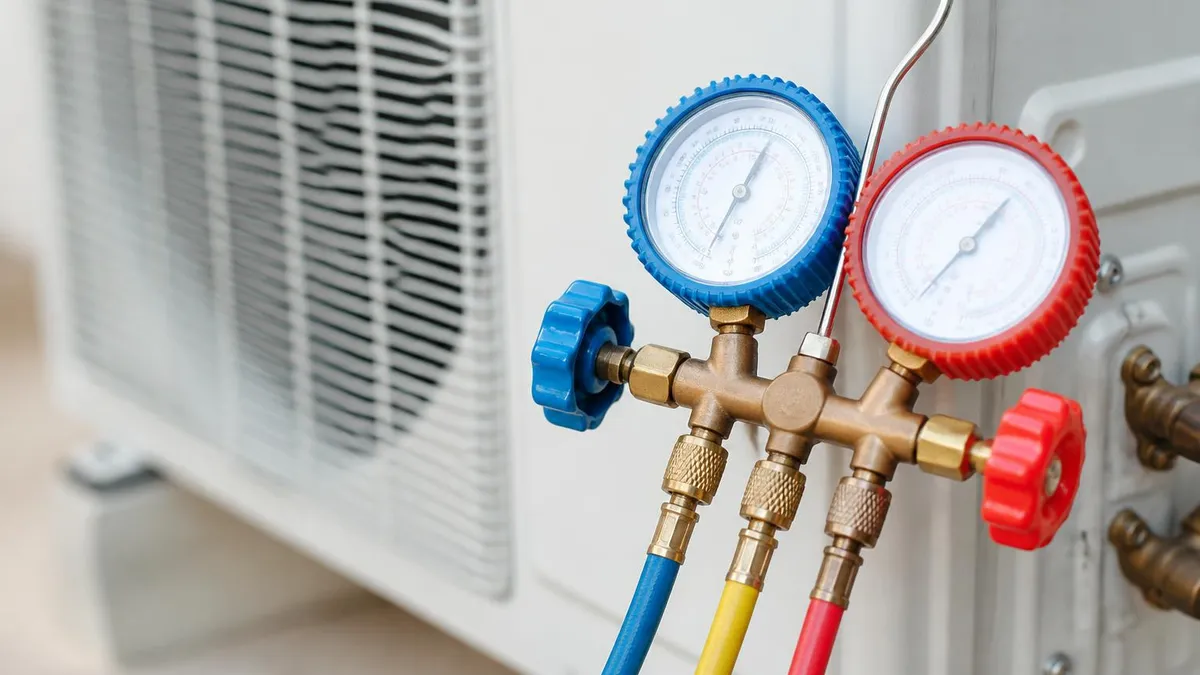
CFM HVAC Basics: How Airflow, Sizing, and System Performance Work Together
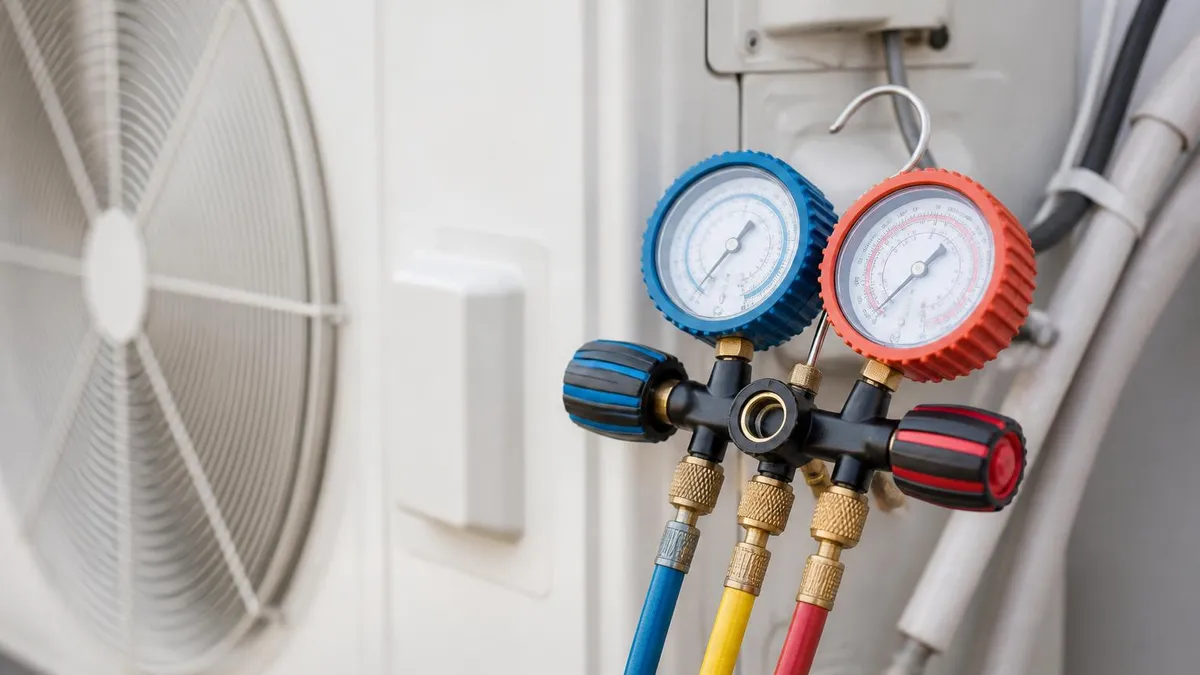
Certified HVAC Contractors: How to Find, Vet, and Hire the Right Professional for Your Home or Business
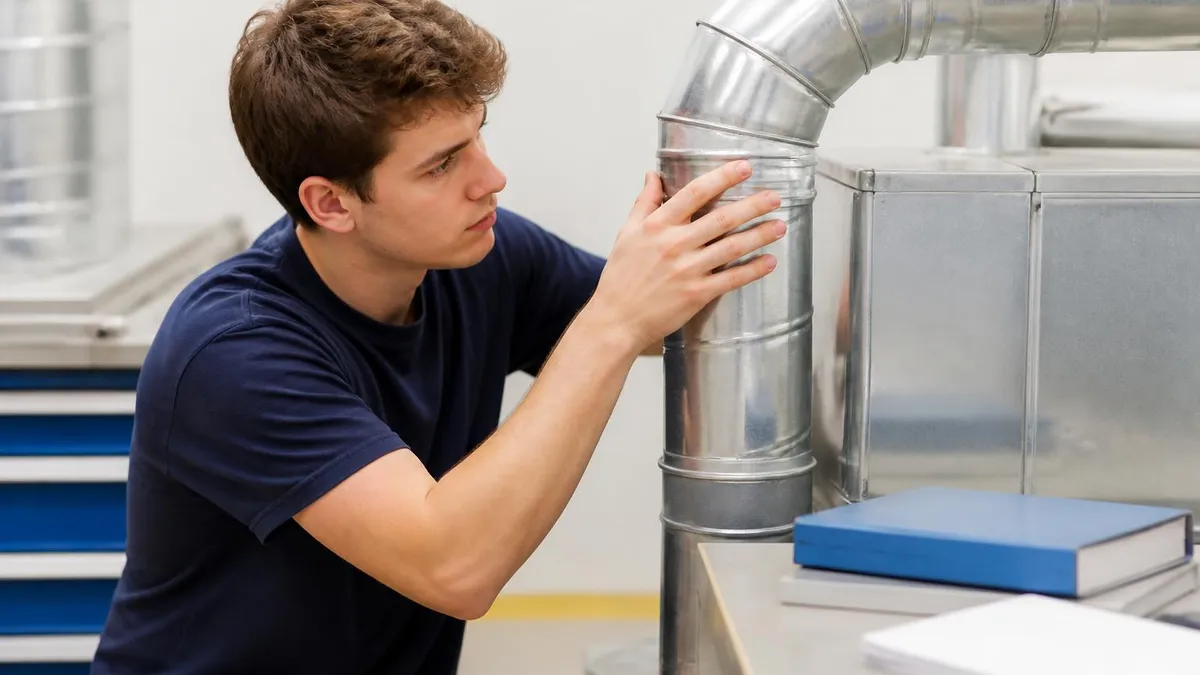
Best HVAC Repair in Bandon, OR: Local Services Near Me Guide
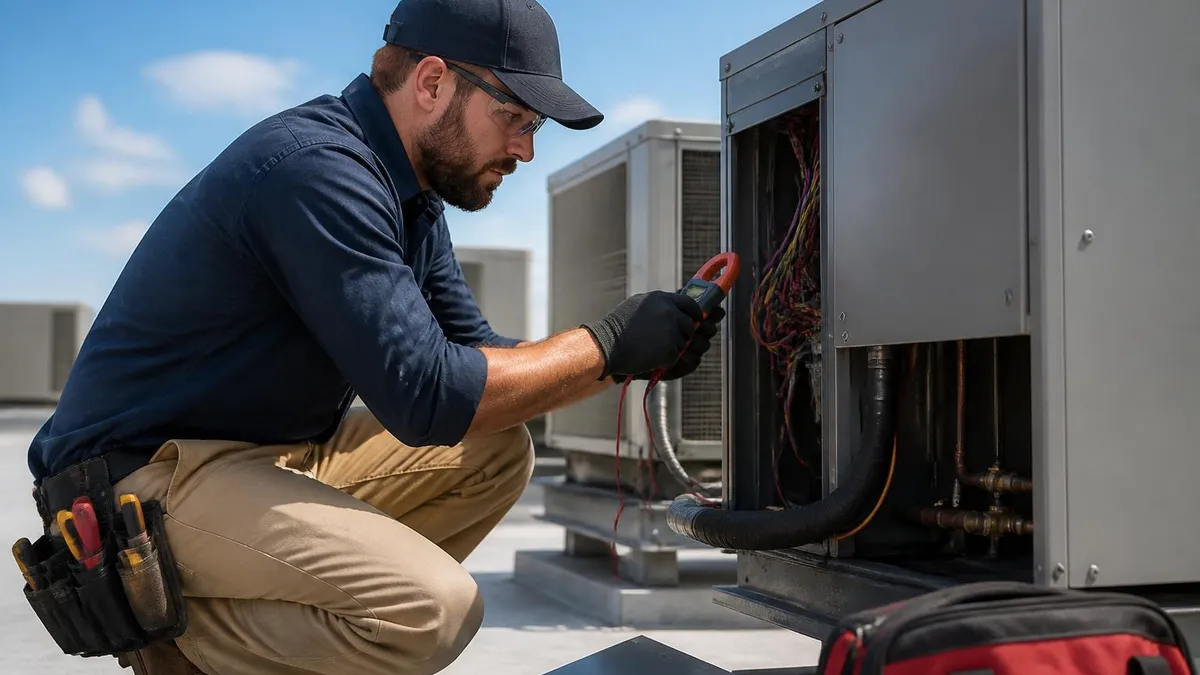
HVAC Installations: The Complete Guide to Planning, Pricing, and Getting It Right the First Time
About the Author

NATE Certified HVAC Technician & Licensing Exam Trainer
Universal Technical InstituteMike Johnson is a NATE-certified HVAC technician and EPA 608 universal-certified refrigerant handler with a Bachelor of Science in HVAC/R Technology. He has 19 years of commercial and residential HVAC installation and service experience and specializes in preparing technicians for NATE certification, EPA 608, A2L refrigerant safety, and state HVAC contractor licensing examinations.