
HVAC Work: The Complete Guide to Careers, Skills, Daily Tasks, and How to Get Started in Heating and Cooling
Explore HVAC work — 💯 what technicians do daily, required skills, training paths, salary expectations, certifications, and how to launch a successful career.
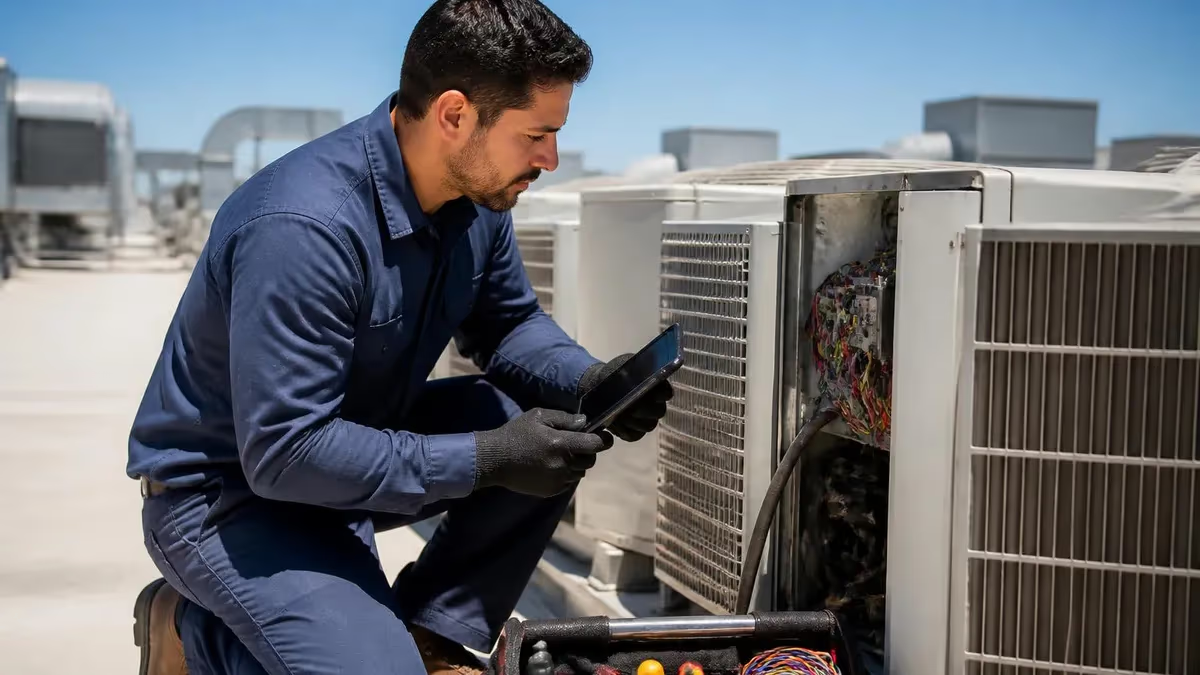
HVAC work is one of the most stable, hands-on, and financially rewarding skilled trades in the United States, and demand for qualified technicians has climbed every year since the early 2010s. Whether you are installing a high-efficiency heat pump in a new construction subdivision, troubleshooting a no-cool call on a 102-degree afternoon, or commissioning a rooftop unit on a commercial building, HVAC work blends mechanical aptitude, electrical knowledge, problem solving, and customer service into a single rewarding career path that simply cannot be outsourced or automated away.
At its core, HVAC stands for heating, ventilation, and air conditioning. Technicians in this field work on equipment ranging from residential split systems and gas furnaces to commercial chillers, boilers, rooftop package units, refrigeration racks, and complex building automation systems. The job involves diagnosing failures, performing scheduled maintenance, installing new equipment, recovering refrigerant, brazing copper lines, wiring low-voltage controls, and increasingly, programming smart thermostats and connected IoT sensors that homeowners and facility managers depend on daily.
What makes HVAC work appealing to so many people is the combination of stability and variety. No two service calls are identical. One morning you might be replacing a blower motor in a cramped attic, and by afternoon you could be diagnosing a refrigerant leak using nitrogen pressure testing on a 20-ton commercial unit. The work is physical but not mindless. Technicians constantly use the gas laws, electrical theory, psychrometrics, and pressure-temperature relationships to make accurate diagnoses without simply throwing parts at problems and hoping something sticks.
The pay reflects the responsibility. According to the Bureau of Labor Statistics, the median annual wage for HVAC mechanics and installers in 2024 was approximately $57,300, with experienced commercial technicians, controls specialists, and service managers routinely earning $80,000 to $120,000 or more. Overtime during peak heating and cooling seasons is common, and self-employed contractors with established customer bases frequently exceed six figures while building equity in a business that can be sold or passed down to family members.
Entry into the field is also remarkably accessible compared to traditional four-year degree paths. Most technicians enter through a community college program, a trade school certificate, a union apprenticeship, or a manufacturer-sponsored training pipeline. Within two to four years, a motivated apprentice can move from sweeping shop floors to running their own service truck and earning a journeyman wage. The financial gap between an HVAC tech with five years of experience and a recent college graduate with significant student debt is often dramatic in favor of the technician.
This guide walks you through everything you need to know about HVAC work in 2026 and beyond, including what a typical day looks like, the skills employers demand, the licensing and certification landscape, salary expectations by region and specialty, the pros and cons of the trade, and the practical steps to break in if you are starting from zero. By the end, you will know whether HVAC work fits your goals and exactly what to do next to start earning, learning, and building a long career in heating and cooling.
If you are already preparing for the EPA 608, NATE, or a state mechanical exam, this article will also point you to focused practice resources and study strategies that mirror how the questions actually appear on test day. HVAC work rewards people who study deliberately, ask questions on the job, and treat every service call as a chance to sharpen their diagnostic instincts a little bit more than the day before.
HVAC Work by the Numbers
Types of HVAC Work You Can Pursue
Diagnosing and repairing furnaces, heat pumps, and split systems in homes. High customer interaction, lots of driving between calls, and a strong focus on diagnostic speed and selling repairs versus replacements.
Working on rooftop package units, mini-split arrays, and small chillers for restaurants, retail, and offices. Bigger equipment, often roof access, and a balance of scheduled maintenance with reactive service.
Servicing supermarket racks, cold storage, process cooling, and ammonia systems. Highest pay tier, strict safety protocols, and demand for technicians who understand subcooling, superheat, and complex control logic.
Running ductwork, setting equipment, brazing line sets, and wiring controls in unfinished buildings. Production-focused, fewer customer interactions, and ideal for technicians who enjoy building from scratch.
Programming building automation systems, integrating BACnet devices, and optimizing energy use. Combines HVAC knowledge with IT and networking skills, and pays a premium for hybrid expertise that is hard to find.
A typical day of HVAC work depends heavily on your specialty, but most service technicians follow a recognizable rhythm. The morning begins with a dispatch review, vehicle inventory check, and a quick scan of the day's call list. Smart technicians spend ten minutes reviewing the equipment models they will see, refreshing their memory on common failure modes, and confirming they have the right parts, refrigerants, and tools loaded on the truck before pulling out of the shop.
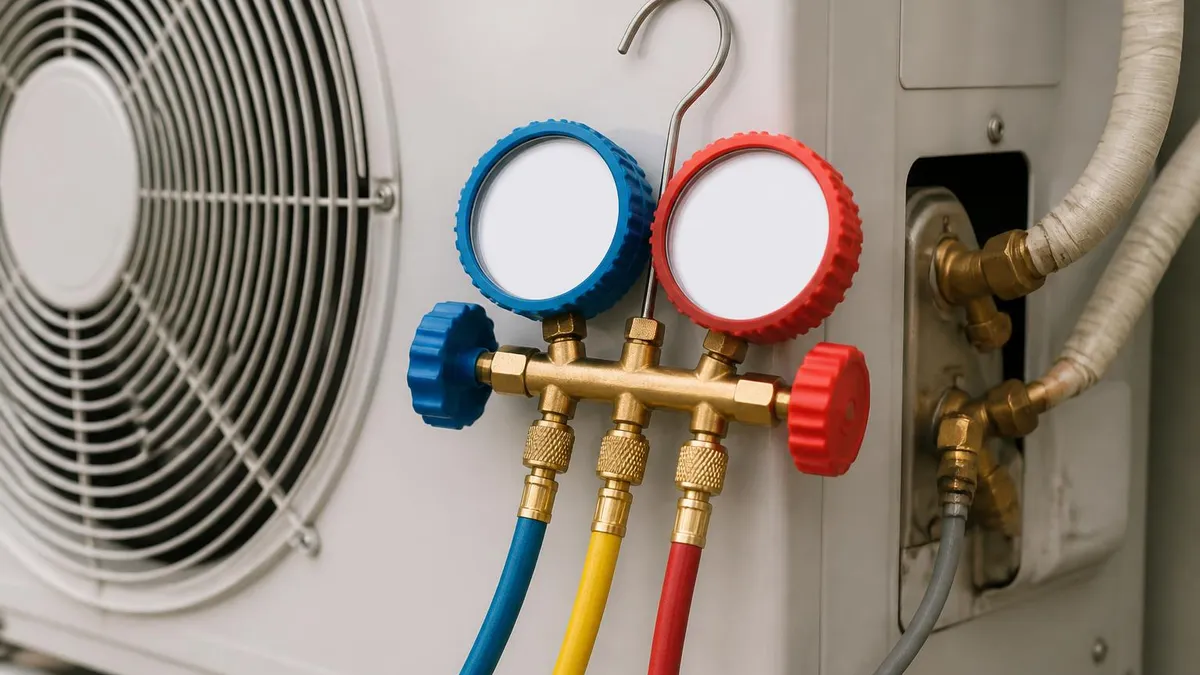
The first call of the day often sets the tone. A residential no-cool call in July might involve checking thermostat operation, measuring static pressure across the air handler, verifying line voltage and 24-volt control circuits, and finally connecting gauges to confirm refrigerant charge using superheat or subcooling methods. A good technician communicates findings clearly to the homeowner, explains the cost of each option, and earns trust by showing rather than telling — pointing to a melted contactor or a clogged condenser coil as physical evidence.
By midday, the work shifts. You might tackle a scheduled maintenance visit that involves washing the condenser, replacing a one-inch filter, checking capacitor microfarads against the nameplate, and lubricating any serviceable motors. Maintenance visits are deceptively important because they uncover problems early and build the recurring revenue that keeps service companies profitable. Technicians who take maintenance seriously consistently outearn those who treat it as a chore beneath their skill level.
Afternoons frequently bring the harder diagnostic calls. Intermittent faults, multi-geothermal hvac system installations with phantom complaints, or commercial rooftop units where you need to climb a ladder with a recovery machine, vacuum pump, and torch kit. This is where HVAC work rewards patience. A technician who takes thirty extra minutes to verify airflow, measure delta T, and confirm proper refrigerant subcooling will solve the problem on the first visit instead of returning three times with parts that were not actually defective.
Documentation closes the day. Modern HVAC service companies expect detailed digital invoices with photos, equipment model and serial numbers, refrigerant amounts added or recovered, and clear notes for the next technician. Strong documentation protects you legally, helps your service manager schedule callbacks accurately, and turns one-time customers into repeat clients who request you by name. Reviewing the day's work with a notebook habit accelerates your growth more than any single training class.
Beyond the tools and the trucks, the human side of HVAC work matters enormously. Technicians enter homes during stressful moments — broken heat in January, no cool in August, a flooded basement after a condensate line clog. Calm communication, honest pricing, and visible respect for the customer's home (booties on, drop cloths down) often matter more to repeat business than raw technical skill. The best techs combine both, and they get paid accordingly through bonuses, spiffs, and customer-driven referrals.
For those interested in cost transparency and tools to estimate jobs, our HVAC Duct Calculator guide walks through how proper sizing affects performance and pricing, which is exactly the kind of knowledge that separates technicians who guess from those who know.
HVAC Practice Test Questions
Prepare for the HVAC - Heating Ventilation and Air Conditioning exam with our free practice test modules. Each quiz covers key topics to help you pass on your first try.
HVAC Air Conditioning
HVAC Exam Questions covering Air Conditioning. Master HVAC Test concepts for certification prep.
HVAC Code Compliance
Free HVAC Practice Test featuring Code Compliance. Improve your HVAC Exam score with mock test prep.
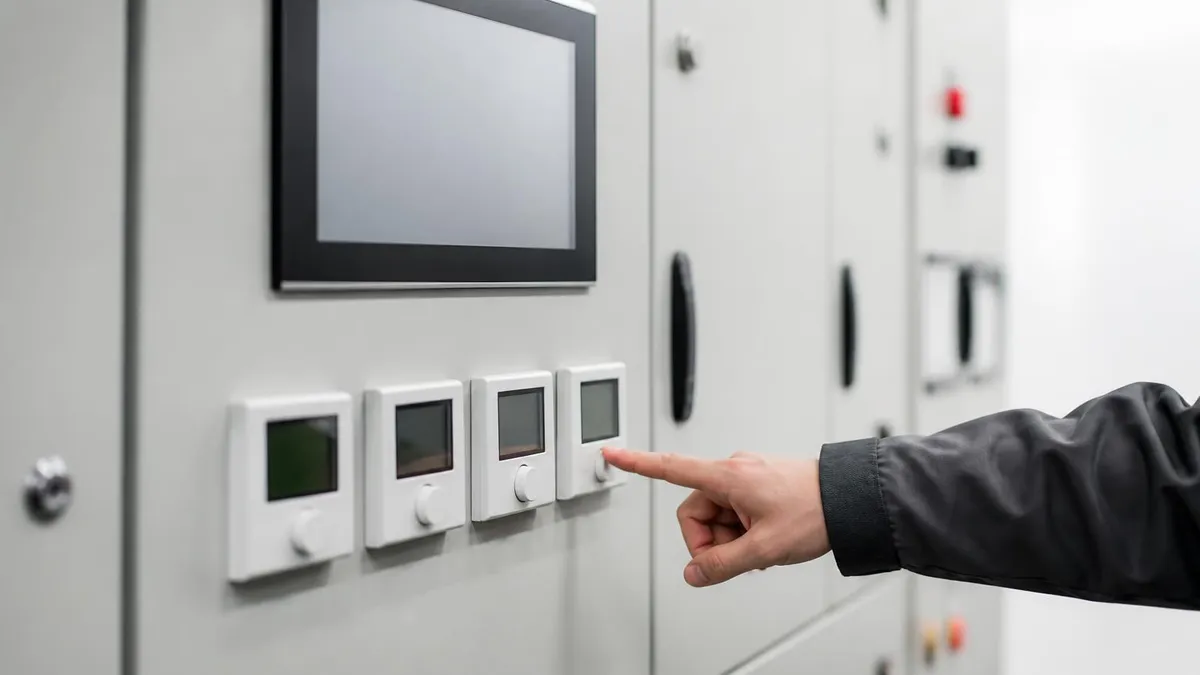
HVAC Electrical Controls
HVAC Test Prep for Electrical Controls. Practice HVAC Quiz questions and boost your score.
HVAC Energy Efficiency
HVAC Questions and Answers on Energy Efficiency. Free HVAC practice for exam readiness.
HVAC Heating Systems
HVAC Mock Test covering Heating Systems. Online HVAC Test practice with instant feedback.
HVAC Load Calculations
Free HVAC Quiz on HVAC Load Calculations. HVAC Exam prep questions with detailed explanations.
HVAC Tools and Equipment
HVAC Practice Questions for HVAC Tools and Equipment. Build confidence for your HVAC certification exam.
HVAC Refrigeration
HVAC Test Online for Refrigeration. Free practice with instant results and feedback.
HVAC Safety Practices
HVAC Study Material on Safety Practices. Prepare effectively with real exam-style questions.
HVAC System Design
Free HVAC Test covering System Design. Practice and track your HVAC exam readiness.
HVAC Thermodynamics
HVAC Exam Questions covering Thermodynamics. Master HVAC Test concepts for certification prep.
Training Paths for HVAC Work
Trade school programs typically last six to twenty-four months and award a certificate or associate degree in HVAC technology. Students learn refrigeration theory, electrical fundamentals, gas heating, ductwork basics, and EPA 608 preparation in a structured classroom-plus-lab environment. Many community colleges partner with local contractors to place graduates directly into paid apprentice roles, which speeds the transition from student to wage earner significantly.
The biggest advantage of trade school is foundational depth. You see equipment cutaways, run lab exercises on properly charged systems, and have instructors available to answer questions in real time. Tuition ranges from $1,500 for short certificates to $20,000 for full associate degrees, but federal aid, employer reimbursement, and Workforce Innovation and Opportunity Act funding often cover a substantial portion for qualifying students.

Is HVAC Work Right for You?
- +Strong job security with consistent demand across all economic conditions
- +Median pay above $57,000 with clear path to six figures in specialized roles
- +Short training timeline compared to four-year degrees with little or no debt
- +Daily variety with new problems, locations, and equipment to diagnose
- +Self-employment potential after gaining five to seven years of experience
- +Tangible results — you fix something broken and the customer is grateful
- +Skills transfer across the country and cannot be outsourced overseas
- −Physical demands including attic work, ladder climbs, and heavy lifting
- −Extreme temperature exposure during peak summer and winter seasons
- −On-call rotations and overtime during emergency service periods
- −Initial wages during apprenticeship can be modest for the first year
- −Tool investment of $3,000 to $8,000 builds gradually but is necessary
- −Continuing education required to keep up with refrigerant and code changes
- −Customer-facing pressure during high-stress no-heat or no-cool calls
Pros and Cons at a Glance
| Pros | Cons |
|---|---|
| Strong job security with consistent demand across all economic conditions | Physical demands including attic work, ladder climbs, and heavy lifting |
| Short training timeline compared to four-year degrees with little or no debt | Extreme temperature exposure during peak summer and winter seasons |
| Daily variety with new problems, locations, and equipment to diagnose | On-call rotations and overtime during emergency service periods |
| Self-employment potential after gaining five to seven years of experience | Initial wages during apprenticeship can be modest for the first year |
| Tangible results — you fix something broken and the customer is grateful | Continuing education required to keep up with refrigerant and code changes |
| Skills transfer across the country and cannot be outsourced overseas | Customer-facing pressure during high-stress no-heat or no-cool calls |
Core Skills Every HVAC Worker Needs
- ✓Read and interpret wiring schematics and ladder diagrams accurately
- ✓Use a digital multimeter to measure voltage, amperage, capacitance, and resistance
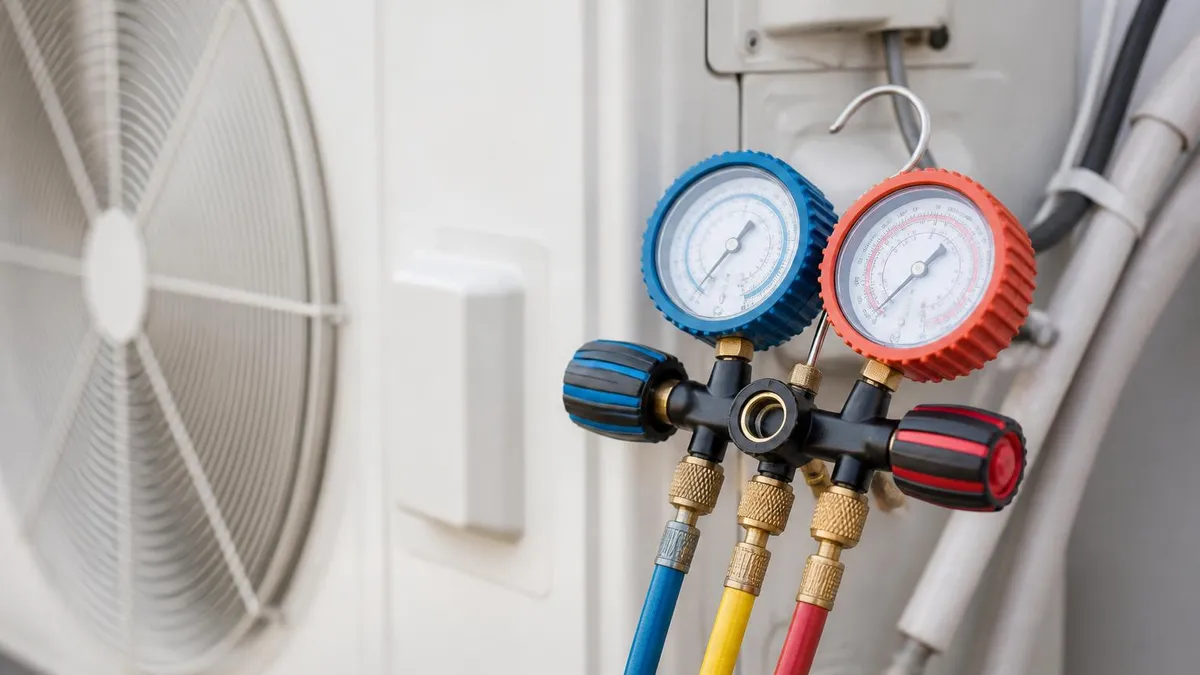
- ✓Connect refrigerant gauges and calculate superheat and subcooling correctly
- ✓Braze and silver-solder copper line sets without contamination
- ✓Pull a deep vacuum below 500 microns and confirm system tightness
- ✓Recover refrigerant safely using EPA 608 approved procedures
- ✓Diagnose airflow problems using static pressure and temperature splits
- ✓Size equipment using Manual J load calculations or commercial equivalents
- ✓Communicate clearly with homeowners and write detailed service invoices
- ✓Climb ladders, work in confined spaces, and lift 50 pounds repeatedly
- ✓Operate combustion analyzers on gas furnaces and boilers safely
- ✓Stay current on changing refrigerant regulations and local mechanical codes
Master refrigeration cycle diagnostics — it separates $25/hour techs from $50/hour techs
Technicians who can read superheat, subcooling, suction line temperature, and discharge pressure as a complete diagnostic picture command premium wages everywhere. Most service failures trace back to charge, airflow, or restriction issues — and the technician who pinpoints the root cause in fifteen minutes saves the company hundreds of dollars per call. Invest deliberately in refrigeration theory. It compounds for your entire career.
Salary expectations in HVAC work vary dramatically by geography, specialty, and experience level, but the trajectory is consistently upward for technicians who continue learning. A first-year apprentice in a low cost-of-living state might earn $32,000 to $38,000, while a seasoned commercial controls technician in the Northeast or Pacific Northwest routinely clears $95,000 to $130,000 with overtime. Self-employed contractors who build a stable book of residential service customers commonly net $150,000 or more once they have two or three trucks running.
The fastest path to higher pay is specialization. General residential service is the entry-level baseline and tends to plateau around $70,000 to $80,000 in most markets. Technicians who pivot into commercial refrigeration, building automation, industrial process cooling, or VRF/VRV systems immediately enter a different pay band because the talent pool is much smaller. Manufacturers like Daikin, Mitsubishi, Trane, and Carrier offer factory schools that certify technicians on specific platforms, and those credentials translate into immediate raises.
Geography matters more than most new technicians realize. The same level of skill earns very different wages in Houston versus Seattle versus rural Mississippi. High cost-of-living metros pay top dollar but also have higher housing and tax burdens. Some of the best real-money positions are in mid-sized cities with strong industrial bases — places like Charlotte, Indianapolis, Columbus, Phoenix, and Salt Lake City — where wages have risen sharply while housing remains relatively affordable.
Beyond base wages, total compensation in HVAC work often includes overtime, spiffs for selling maintenance agreements or equipment replacements, company vehicles, fuel cards, tool reimbursements, health insurance, and retirement matching. Union shops typically offer the strongest benefit packages including defined-benefit pensions, while non-union shops sometimes offer higher base wages but require technicians to fund their own retirement and continuing education. Both paths can be financially rewarding when chosen deliberately.
Career growth follows a predictable ladder. Helper or apprentice becomes installer, installer becomes service technician, service technician becomes lead or senior tech, lead becomes service manager or estimator, and many eventually become business owners. Each rung typically takes two to four years to climb and adds $10,000 to $25,000 in annual compensation when paired with the right certifications and demonstrated reliability on the job.
For technicians interested in eventual business ownership, working at a well-run contractor for five to seven years before launching solo is the strongest preparation. You learn pricing, customer acquisition, employee management, and equipment sourcing while still earning a paycheck. Many of the most successful HVAC business owners credit their first employer's mistakes as much as their successes for shaping how they eventually ran their own shops. Watching from the inside teaches lessons no textbook covers.
If you eventually plan to hire other technicians or subcontract install work, hvac distributors now with reliable HVAC contractors in your region creates a referral network that pays dividends for decades. Trades are relationship businesses at scale.
Federal law under Section 608 of the Clean Air Act requires anyone who purchases, handles, or services equipment containing refrigerant to hold an EPA 608 certification. Working without it carries fines up to $10,000 per violation and can permanently disqualify you from the trade. Take the test before your first solo service call — most apprentices pass it within their first ninety days on the job.
Breaking into HVAC work from zero experience is more straightforward than most people assume. The first practical step is honest self-assessment. Are you comfortable with physical labor, hot attics, cold rooftops, and customer interaction under pressure? If yes, the trade will reward you quickly. If you prefer climate-controlled office work, HVAC will frustrate you within months no matter how good the pay sounds on paper. Be honest with yourself before investing time or money.
Assuming the trade is a fit, the next step is choosing your entry path. Visit two or three local trade schools or community colleges and tour their HVAC labs. A real lab has full split systems, gas furnaces, brazing stations, recovery machines, and ductwork mockups — not just classroom posters. Talk to current students and recent graduates about job placement rates. Simultaneously, apply to two or three local apprenticeship programs both union and non-union to keep your options open while you decide.
While you research training programs, start working a helper position at any reputable HVAC contractor that will hire you. Many shops will take on motivated helpers at $16 to $20 per hour with no experience required if you show up clean, on time, and willing to learn. Even six months as a helper before formal training accelerates your understanding dramatically because you have already seen the equipment and absorbed industry vocabulary in context.
Invest early in basic tools. You do not need to buy everything at once. Start with a quality digital multimeter, a refrigeration gauge set, a torque wrench, a basic hand tool roll, safety glasses, gloves, and steel-toed boots. Add specialty tools — recovery machine, vacuum pump, hvac leak detector, manifold — as you take on more independent work. A reasonable starter kit runs $1,500 to $2,500 and pays itself back within weeks once you are billing service hours.
Schedule and pass your EPA 608 certification within the first ninety days on the job. The test is not difficult with thirty days of focused study, and most employers will reimburse the exam fee. Once you hold 608, you can legally purchase and handle refrigerant, which dramatically increases the variety of work your supervisor can assign you. From there, plan for NATE Core and a specialty NATE within your first two years of full-time work.
Stay engaged with continuing education throughout your career. Refrigerants change. Codes change. Smart thermostats, variable-speed equipment, and inverter technology have already transformed residential HVAC work in the last decade, and the pace is accelerating. Technicians who treat learning as a lifetime habit — reading manufacturer service bulletins, attending factory schools, taking online courses — are the ones who command top wages and never worry about layoffs when slower techs get replaced.
Finally, build relationships within your local trade community. Join your state's HVAC contractor association, attend supplier counter days, and connect with veteran technicians who can mentor you informally. Many career-defining opportunities — promotions, business partnerships, or specialty job offers — come through people who know your reputation, not through online applications. For ideas on local market dynamics, our HVAC repair Philadelphia guide shows how regional networks operate at street level.
Practical tips from technicians who have built successful careers in HVAC work tend to share common themes. The first is to slow down before you speed up. New techs often try to look fast and confident on early service calls, skipping diagnostic steps and guessing at parts. This habit creates expensive callbacks and erodes customer trust. Instead, build a deliberate diagnostic routine and stick to it on every call. Speed comes naturally once the routine is second nature.
The second tip is to keep a personal field notebook. Every unusual equipment model, every weird failure mode, every clever shortcut a senior tech showed you on a ride-along — write it down within twenty-four hours. After three years you will have a personal encyclopedia that no training program could match, and your diagnostic recall on rare problems will outperform technicians with twice your years of experience because they relied on memory alone.
Tip three is to charge your truck inventory like you charge a battery. Empty trucks make for slow days and frustrated customers. At the end of every shift, restock common parts — capacitors, contactors, hard-start kits, condensate pumps, universal blower motors, common thermostat models — so your morning starts with full readiness instead of a parts run. Service managers notice technicians who minimize wasted trips to the supply house, and those techs are first in line for raises.
Tip four is to take care of your body. HVAC work is physical, and the technicians who last thirty years all share an emphasis on lifting form, hydration, sleep, and joint health. Buy a back support belt. Use a flashlight use instead of holding one in your teeth. Stretch in the morning. Replace your boots every twelve months. Knees, shoulders, and lower backs are the most common injury sites, and small daily habits prevent the chronic pain that ends careers prematurely.
Tip five concerns customer communication. Memorize three or four short explanations for common problems — a failed capacitor, a clogged condensate line, a refrigerant leak — written at a sixth-grade reading level. Practice them out loud until they feel natural. When a stressed homeowner hears a clear, calm, jargon-free explanation of what failed and what their options are, they tip more, leave better reviews, and request you by name for future service. Communication is a billable skill.
Tip six is to keep studying for tests even after you pass them. EPA 608, NATE Core, NATE specialty, state mechanical license, and master HVAC exams all reinforce theory you will use on every service call. Reading HVAC duct supplies reference materials and reviewing practice questions during slow weeks keeps your knowledge sharp and prepares you for upgrade exams that translate directly into higher wages and broader job opportunities.
Finally, treat your career as a long compounding investment. Year one feels slow because you are still learning vocabulary. Year three feels rewarding because you can diagnose most residential problems independently. Year five opens doors to commercial work, lead tech roles, and specialty certifications. Year ten brings real choice — stay technical, move into management, or launch your own contracting business. Every honest day of work on the truck moves you measurably closer to that choice, and very few careers offer such a clear and reliable upward path.
Sample HVAC Practice Questions
Try these questions from our free HVAC practice tests. The correct answer and an explanation follow each question.
Which regulation requires HVAC electrical work to follow specific wiring methods, box fill calculations, and grounding rules?
- A. ASHRAE 90.1
- B. NFPA 70 (National Electrical Code)
- C. EPA Section 608
- D. UL 1995
Answer: B. NFPA 70 (National Electrical Code)
NFPA 70 (NEC) governs all electrical installations including HVAC equipment wiring, disconnect sizing, conductor ampacity, and grounding requirements.
What is the recommended first step when a HVAC professional identifies a compliance violation?
- A. Ignore it if minor
- B. Document and report through proper channels
- C. Discuss on social media
- D. Wait for someone else to report it
Answer: B. Document and report through proper channels
All compliance violations should be documented and reported through established channels to ensure proper investigation and resolution.
Subcooling in a refrigeration system refers to cooling the refrigerant below its:
- A. Evaporating temperature
- B. Condensing temperature
- C. Critical temperature
- D. Dew point temperature
Answer: B. Condensing temperature
Subcooling occurs when liquid refrigerant is cooled below the saturation (condensing) temperature, increasing system efficiency.
Which factor primarily determines the Energy Efficiency Ratio (EER) of a cooling system?
- A. Cooling capacity in BTU/h divided by power input in watts at a specific test condition
- B. Total operating hours per season
- C. Refrigerant charge level
- D. Number of compressor stages
Answer: A. Cooling capacity in BTU/h divided by power input in watts at a specific test condition
EER is calculated at a fixed ARI test condition (95°F outdoor, 80°F/67°F indoor) as BTU/h of cooling divided by watts of electrical input.
HVAC Questions and Answers

HVAC Duct Supplies: The Complete Buyer's Guide to Ductwork Components, Sizing, and Installation Materials
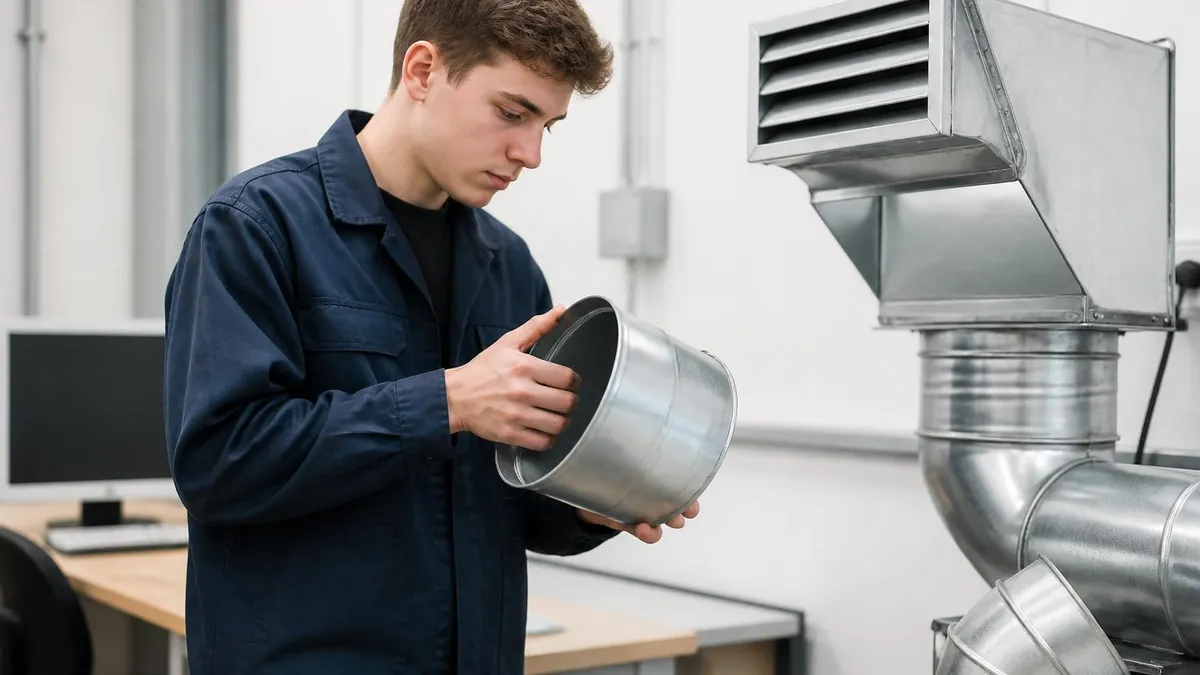
HVAC Duct Calculator: The Complete Guide to Sizing Ductwork for Airflow, Static Pressure, and System Efficiency
Certified HVAC Contractors: How to Find, Vet, and Hire the Right Professional for Your Home or Business
HVAC Repair Philadelphia: The Complete Homeowner's Guide to Finding, Hiring, and Working With Local Heating and Cooling Pros
Best HVAC Repair in Bandon, OR: Local Services Near Me Guide
About the Author

NATE Certified HVAC Technician & Licensing Exam Trainer
Universal Technical InstituteMike Johnson is a NATE-certified HVAC technician and EPA 608 universal-certified refrigerant handler with a Bachelor of Science in HVAC/R Technology. He has 19 years of commercial and residential HVAC installation and service experience and specializes in preparing technicians for NATE certification, EPA 608, A2L refrigerant safety, and state HVAC contractor licensing examinations.