
Cost of HVAC System: Complete 2026 September Pricing Guide for Homeowners
Understand the real cost of HVAC system installation, replacement, and maintenance. 🎯 Get accurate price ranges, cost factors, and money-saving tips for 2026 September.
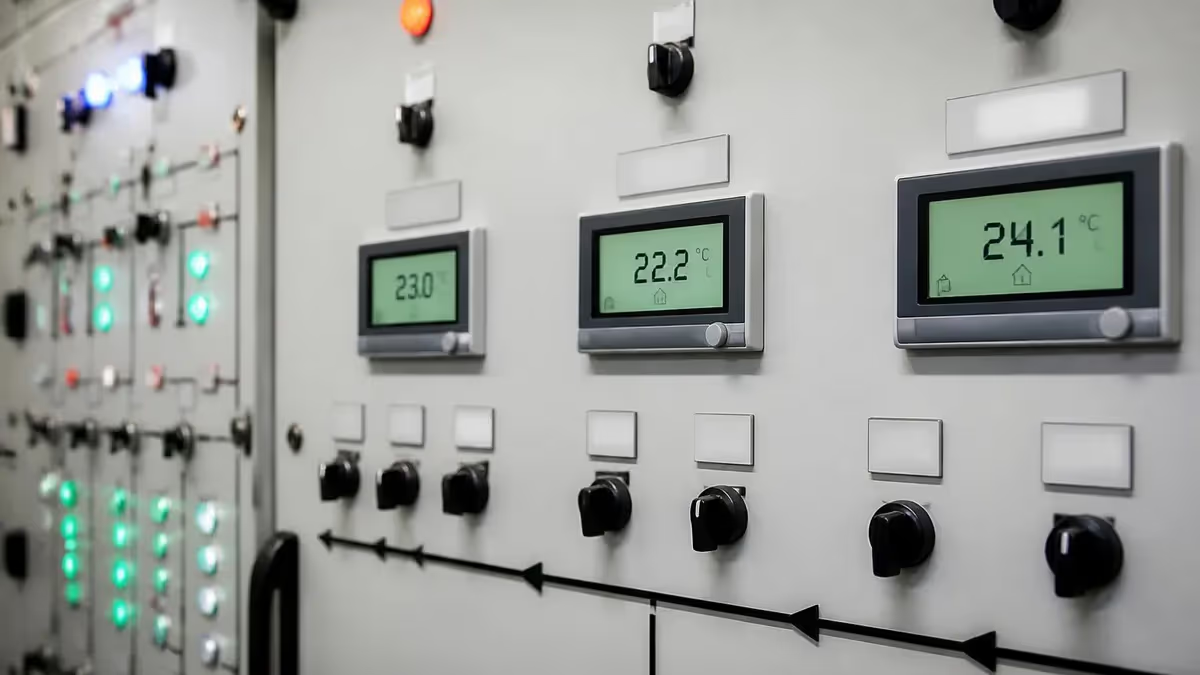
Understanding the cost of HVAC system installation or replacement is one of the most important financial decisions a homeowner will face. In 2026, a complete HVAC system replacement — including both heating and cooling equipment with professional installation — typically runs between $5,000 and $12,500, though high-efficiency or whole-home systems in larger residences can push that figure above $20,000. Knowing what drives these numbers helps you budget accurately and avoid being blindsided by contractor quotes that seem wildly different from one another.
The final price tag on any HVAC project depends on a cluster of variables: the size of your home, the type of system you choose, the brand and efficiency rating of the equipment, local labor rates, and whether your existing ductwork needs repair or replacement. A straightforward swap of an aging central air conditioner in a 1,500-square-foot home will cost far less than installing a dual-fuel heat pump system with new ductwork throughout a 3,000-square-foot house. Getting clear on which scenario applies to you is the first step toward an accurate budget.
Homeowners are often surprised to learn how much labor costs contribute to the total. Equipment is frequently only 40–60 percent of the final invoice. The rest covers refrigerant, electrical work, permit fees, disposal of old equipment, and the technician's time — which can run four to ten hours depending on the complexity of the job. In metropolitan areas with high wages, labor alone can add $2,000 to $4,000 to the baseline equipment cost, making geographic location a meaningful variable in your planning.
Efficiency ratings also play a major role in upfront pricing. A standard central air conditioner rated at 14 SEER2 (the new federal minimum as of 2023) will be noticeably cheaper to purchase than a 20 SEER2 model, but the higher-efficiency unit can reduce your monthly cooling bill by 20–30 percent. Over a system's 15-to-20-year lifespan, those monthly savings frequently offset — and sometimes exceed — the higher purchase price, especially in regions with hot summers and high electricity rates.
Furnace costs follow a similar pattern. A standard 80 percent AFUE gas furnace is the budget-friendly option, while a 96–98 percent AFUE modulating furnace costs more upfront but delivers meaningful fuel savings each winter. Many homeowners opt for a matched system — a furnace and air conditioner from the same manufacturer — because matched systems are engineered to work together efficiently, often qualifying for manufacturer rebates and utility incentive programs that reduce net cost.
Heat pumps have grown dramatically in popularity and now represent a significant share of new HVAC installations across the United States. A standard air-source heat pump system typically costs $4,500 to $8,000 installed, while a premium cold-climate heat pump capable of performing efficiently at temperatures below 0°F can reach $10,000 to $15,000 installed. Federal tax credits under the Inflation Reduction Act — currently offering up to $2,000 for qualifying heat pump installations — can meaningfully reduce the out-of-pocket cost for eligible homeowners.
Before accepting any contractor's quote, it helps to understand each line item and how the cost of hvac system varies by brand tier, equipment class, and regional market conditions. The sections below break down every major cost category so you can compare bids intelligently and make confident decisions about one of your home's most important mechanical systems.
HVAC System Costs by the Numbers

HVAC System Types and Price Ranges
The most common US setup. A gas furnace handles heating while a separate outdoor condenser and indoor air handler manage cooling. Total installed cost typically ranges from $5,500 to $12,000 depending on size, efficiency, and ductwork condition.
A single system handles both heating and cooling by moving heat rather than generating it. Air-source models run $4,500 to $10,000 installed. Cold-climate variants designed for northern states can reach $12,000 to $18,000 with all components included.
Ideal for homes without existing ductwork or for room additions. A single-zone mini-split averages $2,500 to $5,000 installed. Multi-zone systems covering three or four rooms typically cost $8,000 to $14,000 for full installation by a certified technician.
The highest-efficiency option available, using ground or water temperatures for heating and cooling. Upfront costs are substantial — $15,000 to $30,000 — but 30% federal tax credits and dramatically lower operating costs often justify the investment over a 10–15 year horizon.
All components — compressor, evaporator, and furnace or heat strips — are housed in a single outdoor cabinet. Common in warmer climates and manufactured homes. Installed costs typically range from $4,000 to $9,000 including electrical connections and ductwork tie-ins.
Understanding what drives HVAC installation costs helps you evaluate contractor quotes and make smarter decisions about where to spend and where to save. The single biggest variable for most homeowners is home size, measured in square footage. HVAC equipment is sized in tons of cooling capacity — one ton equals 12,000 BTUs of cooling per hour — and larger homes need larger, more expensive equipment. A 1,200-square-foot home typically needs a 2-ton system, while a 2,800-square-foot home may require 4 or even 5 tons, which can nearly double the equipment cost.
Ductwork condition is the second major cost driver that homeowners frequently overlook. If your existing ducts are leaky, undersized, or poorly configured, even a brand-new HVAC system will underperform. Duct sealing costs $300 to $700 for an average home. Partial duct replacement runs $1,000 to $3,000. Full duct system replacement in a two-story home can add $3,000 to $7,000 on top of equipment costs, pushing the total project well above initial estimates. Always ask a contractor to assess duct condition before signing any contract.
Regional labor rates vary enormously across the United States. HVAC installation in rural Mississippi will cost significantly less than the same job in San Francisco or New York City. In high-cost metro areas, licensed HVAC technicians may bill $100 to $150 per hour, while rates in lower-cost regions can be $60 to $90 per hour. A job requiring six hours of labor thus carries a $240 to $540 labor cost swing depending purely on geography, before any equipment price differences are factored in.
The efficiency rating you choose dramatically affects purchase price. For air conditioners, SEER2 ratings now replace the old SEER scale following 2023 federal regulation changes. The federally mandated minimum SEER2 is 13.4 in northern states and 14.3 in southern states as of 2026. Moving from a minimum-efficiency 14 SEER2 unit to a high-efficiency 20 SEER2 model can add $1,500 to $3,000 to equipment cost but delivers substantial long-term savings — particularly in states like Texas, Florida, and Arizona where air conditioning runs six or more months per year.
Brand selection influences price more than many homeowners realize. Premium brands like Trane, Carrier, and Lennox command a price premium of 15 to 30 percent over value-tier brands like Goodman, Ameristar, or Daikin. However, the price gap does not always translate into a reliability gap of equal magnitude. Consumer research suggests that installation quality and maintenance frequency have a larger impact on long-term system reliability than brand name alone. A properly installed value-tier system with annual maintenance will outlast a premium-brand system that is installed carelessly or neglected.
Permits and inspections add cost that contractors sometimes quote separately. Most municipalities require a mechanical permit for HVAC work, costing $50 to $300 depending on the jurisdiction. Some cities require a separate electrical permit if the panel is upgraded or new circuits are run. Always confirm that your contractor will pull the required permits — unpermitted HVAC work can create problems during a home sale and may void manufacturer warranties, leaving you unprotected if the equipment fails early.
Finally, timing matters more than most homeowners expect. Installing or replacing HVAC equipment during shoulder seasons — spring (March through May) or fall (September through November) — often yields lower prices because contractor demand drops between the summer cooling rush and winter heating emergency season. Some contractors offer discounts of 5 to 15 percent for off-peak scheduling, and you are more likely to get the installation date you prefer rather than waiting weeks during peak demand periods.
New Installation vs. Replacement vs. Repair: Which Makes Financial Sense?
Installing HVAC from scratch — in a new construction home or an older house that previously relied on window units or baseboard heaters — is the most expensive scenario but also the one with the most planning flexibility. You can choose the optimal system type, size the equipment precisely to your home's heat load using Manual J calculations, and route ductwork efficiently from the start. Budget $8,000 to $15,000 for a complete new installation in a 2,000-square-foot home, including all materials and labor.
The advantage of starting fresh is avoiding the compromises that come with retrofitting equipment into an older duct system or mechanical room. A properly designed new system should deliver maximum efficiency from day one and require minimal corrective work for its first decade of operation. Work with a contractor who performs a full load calculation rather than simply matching the size of a previous system — oversized equipment short-cycles, creating humidity problems and reducing comfort even while consuming more energy than a correctly sized unit would.
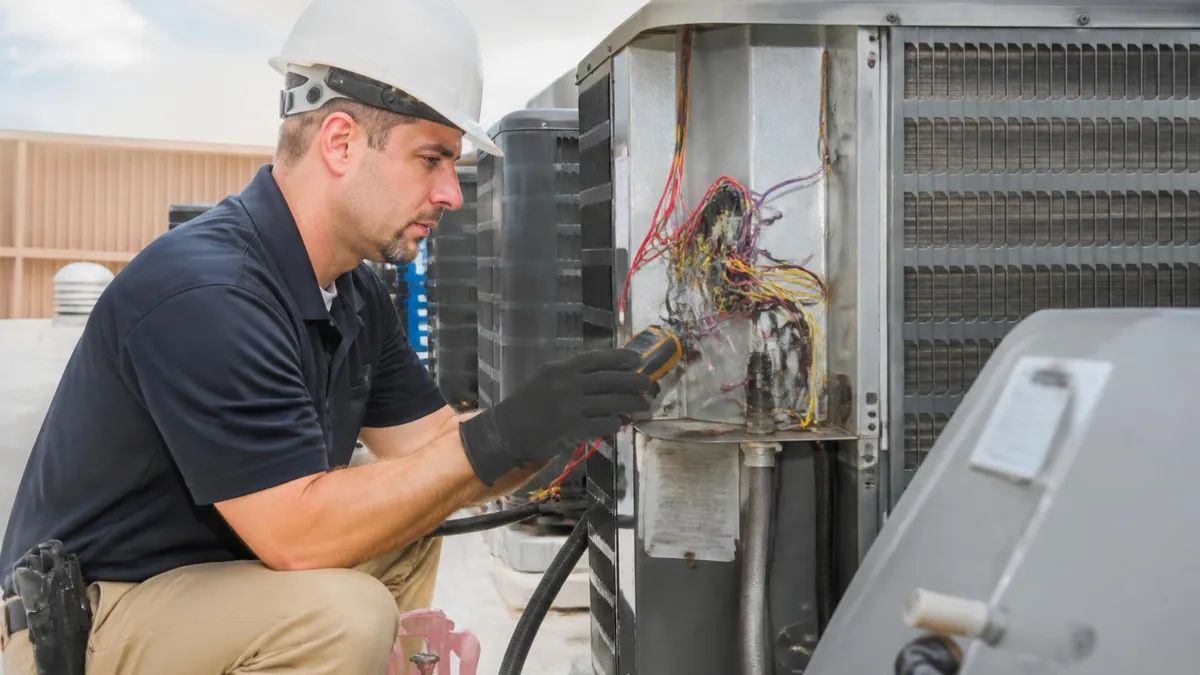
High-Efficiency vs. Standard HVAC Equipment: Weighing the Trade-offs
- +Monthly energy bills drop 20–30% with high-SEER2 equipment in warm climates
- +Qualify for federal tax credits up to $2,000 for heat pumps and $600 for high-efficiency furnaces
- +Many utilities offer rebates of $200 to $1,500 for qualifying high-efficiency systems
- +Better dehumidification performance thanks to variable-speed blower motors
- +Quieter operation — variable-capacity compressors run at lower speeds most of the time
- +Higher resale value and appeal to energy-conscious homebuyers in today's market
- −Upfront purchase price is $1,500 to $4,000 higher than minimum-efficiency alternatives
- −More complex electronics mean more potential failure points over the system's lifespan
- −Fewer technicians are trained and experienced with variable-speed and inverter-driven systems
- −Payback period extends 7 to 12 years in mild climates where systems run fewer hours
- −Variable-speed parts can be expensive to replace after the manufacturer warranty expires
- −Higher-efficiency gas furnaces produce acidic condensate requiring proper drain line management
HVAC Cost-Saving Checklist: Steps Before You Sign a Contract
- ✓Get at least three written quotes from licensed, insured HVAC contractors in your area
- ✓Ask each contractor to perform a Manual J load calculation before recommending system size
- ✓Request an inspection of your existing ductwork for leaks, damage, and proper sizing
- ✓Check for available utility rebates through your electric or gas provider's website
- ✓Apply for the federal energy-efficiency tax credit if purchasing a qualifying heat pump or furnace
- ✓Compare quotes during spring or fall shoulder season when contractor demand is lower
- ✓Verify that the contractor will pull all required mechanical and electrical permits
- ✓Confirm the quoted equipment model numbers and efficiency ratings match what gets installed
- ✓Ask whether the installation includes a programmable or smart thermostat at no extra charge
- ✓Review the manufacturer warranty (typically 5–10 years on parts) and ask about extended labor warranties
The 15-Year Rule for HVAC Replacement Decisions
If your HVAC system is 15 years or older, replacement almost always delivers better financial value than continued repair — even for minor issues. Modern systems deliver 20–40% better efficiency than 2005–2010-era equipment, and the cumulative energy savings over a new system's lifespan routinely exceed $3,000 to $7,000 in regions with extreme summer or winter temperatures. Factor in the federal tax credits available through 2032 under the Inflation Reduction Act and the financial case for proactive replacement becomes even stronger.
HVAC efficiency ratings can feel like alphabet soup — SEER2, AFUE, HSPF2, EER2 — but understanding what each measure tells you is essential for comparing equipment and calculating real payback periods. For air conditioners and heat pumps operating in cooling mode, SEER2 (Seasonal Energy Efficiency Ratio, second generation) is the primary metric.
It measures how many BTUs of cooling a system produces per watt-hour of electricity consumed across a typical cooling season. Higher numbers mean less electricity consumed per unit of cooling delivered. The current federal minimums for 2026 are 13.4 SEER2 in northern states and 14.3 SEER2 in the South and Southwest.
For gas furnaces, the relevant metric is AFUE — Annual Fuel Utilization Efficiency. An 80 percent AFUE furnace converts 80 cents of every dollar of natural gas into usable heat, venting the remaining 20 percent as exhaust gases. A 96 percent AFUE modulating furnace wastes only 4 cents per dollar of gas, a meaningful difference when natural gas costs $1.20 per therm and your furnace runs for six cold months each year. The federal minimum AFUE for gas furnaces in northern states is 90 percent, while southern states allow 80 percent AFUE installations due to lower annual heating demand.
Heat pumps operating in heating mode are rated by HSPF2 (Heating Seasonal Performance Factor, second generation). This number represents total heating output in BTUs divided by total electricity consumed in watt-hours across the heating season. A heat pump with an HSPF2 of 8.2 is significantly more efficient than one rated at 6.8, and the gap becomes financially meaningful in cold climates where the heat pump operates as the primary heat source for four to six months. Cold-climate heat pumps — those designed to maintain efficiency at outdoor temperatures as low as -13°F — often carry HSPF2 ratings above 9.0.
EER2 (Energy Efficiency Ratio, second generation) measures air conditioner efficiency at a single standard outdoor temperature (95°F) rather than across a seasonal range. It is particularly relevant for homeowners in hot, consistently warm climates like Arizona or Florida where high outdoor temperatures are the norm rather than the exception. A unit with high SEER2 but lower EER2 may underperform its seasonal rating in peak summer conditions, while a unit with strong EER2 maintains efficiency precisely when you need cooling most intensely.
Translating efficiency ratings into dollars requires knowing your local electricity rate and how many hours per year your system runs. The formula is straightforward: annual cooling cost equals system BTU capacity divided by SEER2, times annual operating hours, times your electricity rate in dollars per kilowatt-hour.
For a 3-ton (36,000 BTU) system running 1,200 hours per year at $0.14 per kWh, a 14 SEER2 unit costs approximately $432 per year to run, while a 20 SEER2 unit costs about $302 — saving $130 annually. Over 15 years, that difference compounds to nearly $2,000 in cumulative energy savings, helping justify the higher upfront cost of premium-efficiency equipment.
Variable-speed technology has become increasingly important in the efficiency conversation. Traditional single-stage air conditioners operate at 100 percent capacity whenever they run, cycling on and off to maintain temperature. Two-stage systems run at either high or low capacity. True variable-speed (also called inverter-driven) compressors modulate their output continuously from as low as 30 percent to 100 percent of rated capacity, running longer at lower speeds. This approach dramatically reduces temperature swings, improves humidity removal, and lowers energy consumption compared to single-stage equipment — though the variable-speed equipment costs $1,500 to $3,000 more to purchase.
Understanding efficiency ratings also helps when comparing contractor quotes that appear to price similar-sounding equipment very differently. A contractor quoting a 16 SEER2 two-stage system is not directly comparable to one quoting a 14 SEER2 single-stage unit, even if the installed prices are similar. When you understand what each specification means for long-term operating cost, you can make an apples-to-apples comparison and identify which quote truly represents the better value for your specific home, climate, and budget situation.
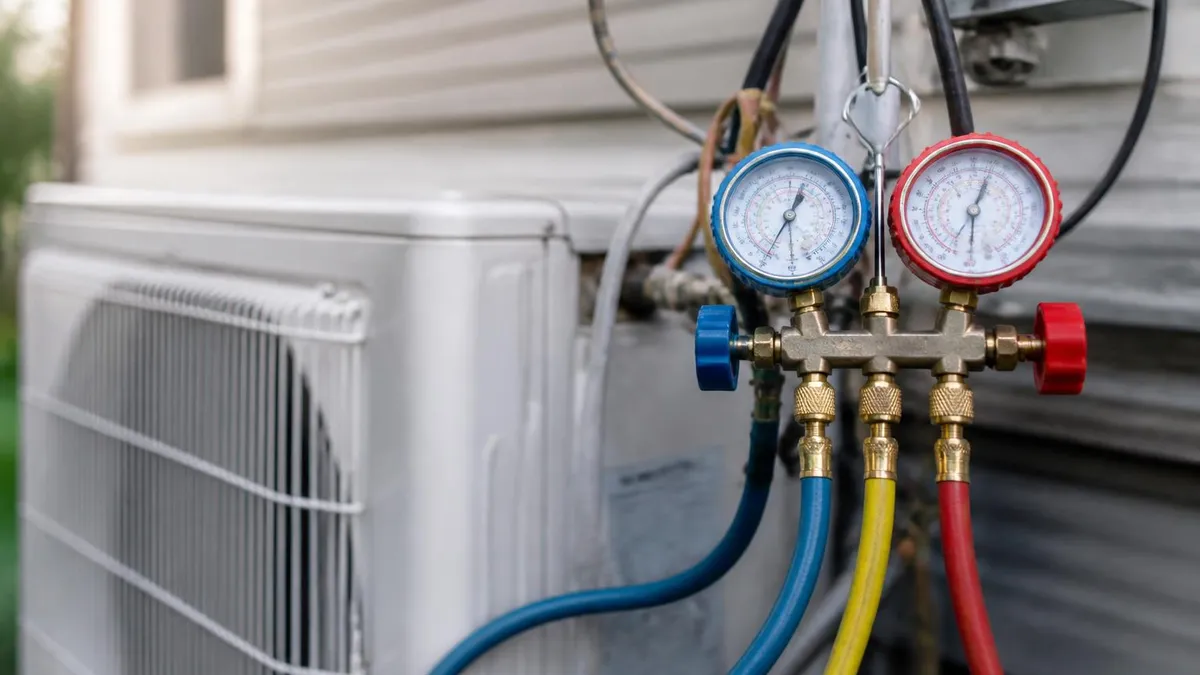
If your HVAC system was manufactured before 2010, it almost certainly uses R-22 refrigerant, which is now banned from production under EPA phaseout regulations. Recharging an R-22 system with reclaimed refrigerant now costs $50 to $150 per pound — far more than the $8 to $12 per pound cost of modern R-410A or the newer R-454B. A refrigerant leak in an aging R-22 system that requires a 3-pound recharge can easily cost $300 to $450 in refrigerant alone, making repair far less economical than replacing the system with modern equipment.
Getting the best possible price on HVAC equipment and installation requires a strategic approach to the purchasing process. The single most impactful step is obtaining multiple competitive bids — at least three, and ideally four or five. Many homeowners accept the first quote they receive or the recommendation of their regular plumber or electrician, leaving hundreds or thousands of dollars on the table.
HVAC pricing varies dramatically between contractors even in the same city, and the variance is not always correlated with quality. Some contractors operating lean operations with lower overhead genuinely offer better pricing than large companies with heavy advertising and sales commissions built into their rates.
When gathering quotes, insist that every contractor bid on identical or directly comparable equipment specifications. If one contractor quotes a Trane XR15 and another quotes a Goodman GSX14, you cannot meaningfully compare prices without understanding the efficiency and warranty differences between those units. Ask each contractor to provide the full model number of every piece of equipment they are quoting, then look up each model's SEER2 rating, warranty terms, and independent reliability reviews before making a final decision. This research takes an hour but can save thousands of dollars.
Manufacturer rebates and utility incentives are frequently the most overlooked source of HVAC savings. Most major manufacturers run seasonal rebate programs offering $200 to $800 cash back on qualifying equipment purchases. Your local electric or gas utility may offer additional rebates of $200 to $1,500 for installing qualifying high-efficiency equipment.
The federal Inflation Reduction Act provides tax credits of up to $2,000 for qualifying heat pump systems and up to $600 for high-efficiency furnaces. These incentives can stack — a homeowner installing a qualifying heat pump might capture a $1,500 manufacturer rebate, an $800 utility rebate, and a $2,000 federal tax credit, reducing net cost by $4,300.
Financing options are worth exploring carefully. Many HVAC manufacturers offer promotional financing — zero-interest installment plans for 12, 18, or 24 months — through contractor programs. Homeowners who can pay off the balance within the promotional window essentially receive an interest-free loan on a major purchase. Home equity lines of credit (HELOCs) often carry interest rates lower than personal loans or credit cards and may be tax-deductible if used for home improvements. Some states also offer low-interest green energy loans specifically for high-efficiency HVAC upgrades.
Maintenance agreements deserve consideration as a cost-management tool. Many HVAC contractors sell annual maintenance plans for $150 to $300 per year that include spring and fall tune-ups, priority scheduling during peak seasons, and discounts on parts and labor for any needed repairs. Research consistently shows that systems receiving annual professional maintenance last 20 to 30 percent longer than neglected systems and maintain efficiency ratings closer to their original specifications throughout their lifespan. The maintenance plan cost is typically recovered through avoided repair costs and lower energy bills within two to three years.
Timing your purchase strategically can also produce meaningful savings. The spring shoulder season — March through May — is ideal for new installations because contractor demand is moderate, equipment is readily available, and you have time to compare quotes without the pressure of a broken system during a heat wave. Fall — September through November — is the second-best window for the same reasons on the heating side. Emergency replacements during peak summer or winter demand typically cost 10 to 25 percent more because contractors can charge premium rates when every installation slot is booked weeks out.
Finally, consider the total cost of ownership rather than just the sticker price. A system that costs $1,500 more upfront but saves $200 per year in energy costs pays back the premium in 7.5 years — and continues delivering savings for another 10 or more years of expected service life.
Factor in available rebates and tax credits, and that payback period shortens considerably. The homeowner who fixates only on the lowest installation quote often ends up spending more over a 15-year ownership period than the one who invested slightly more upfront in efficient, reliable equipment from a reputable contractor who guaranteed the work.
Preparing to make a smart HVAC investment means going into contractor conversations equipped with real knowledge about system types, pricing benchmarks, and the questions that separate knowledgeable buyers from those who rely entirely on a salesperson's pitch. This final section covers practical tips that experienced homeowners and HVAC industry professionals consistently recommend for navigating the purchase and installation process successfully.
Start by measuring your home accurately — total heated and cooled square footage, ceiling heights, and the number of windows and their orientation. Bring this information to every contractor consultation. A contractor who recommends a system size without performing or referencing a Manual J load calculation is guessing.
Proper load calculations account for insulation levels, window efficiency, local climate data, and occupancy patterns. An oversized system will short-cycle — running brief, frequent bursts that fail to properly dehumidify your home and wear components faster. An undersized system runs continuously on the hottest and coldest days, never quite reaching the setpoint temperature.
Ask prospective contractors for the license numbers and verify them through your state contractor licensing board's online lookup tool. Most states require HVAC technicians to hold state-issued mechanical contractor licenses, and verifying license status takes less than five minutes. While you are at it, ask for proof of liability insurance and workers' compensation coverage. If an unlicensed or uninsured worker is injured on your property during installation, you could face significant financial exposure that your homeowner's insurance may not fully cover.
Request references from recent customers — specifically homeowners who had systems installed within the past 12 to 24 months, not just long-term service customers. Ask those references about installation timeline, cleanliness, whether the final price matched the quote, and whether any warranty service was needed. A contractor confident in their work will readily provide references; one who hedges or offers to email them later may be concealing a pattern of problems. Online reviews on Google, Yelp, and the Better Business Bureau provide additional data, but personal references from people in your community carry more weight.
Understand what is included in the post-installation startup and commissioning process. A proper installation does not end when the equipment is physically connected. The technician should verify refrigerant charge using gauges and weigh-in methods, test static pressure in the duct system, measure supply and return air temperatures, verify that all electrical connections are tight and correctly wired, and walk you through thermostat programming.
Systems that skip commissioning steps often operate at 85 to 90 percent of rated efficiency from day one, leaving energy savings — and comfort — on the table before you have used the system for a single season.
Register your equipment warranty with the manufacturer immediately after installation. Most manufacturers require online registration within 60 to 90 days of installation to activate the full warranty — commonly 10 years on parts for registered equipment versus 5 years for unregistered equipment. This step takes five minutes but doubles your warranty coverage period at no cost. Keep all paperwork — the installation invoice, equipment model and serial numbers, permit numbers, and the contractor's contact information — in a dedicated file so you can access it quickly if warranty service is ever needed.
Plan for regular filter changes as the single most impactful maintenance step you can take as a homeowner. A clogged air filter restricts airflow, reduces system efficiency, and accelerates wear on the blower motor and compressor. In homes with pets or high dust levels, filters may need monthly replacement.
Standard 1-inch fiberglass filters need replacement every 30 to 60 days; thicker 4-inch media filters can go 6 to 12 months between changes. Sign up for a filter delivery subscription service — several are available for $20 to $50 per year — so you always have the right filter on hand when replacement time arrives.
HVAC Questions and Answers

Ameristar HVAC: Complete Guide to Units, Reliability, Costs, and Buyer Considerations
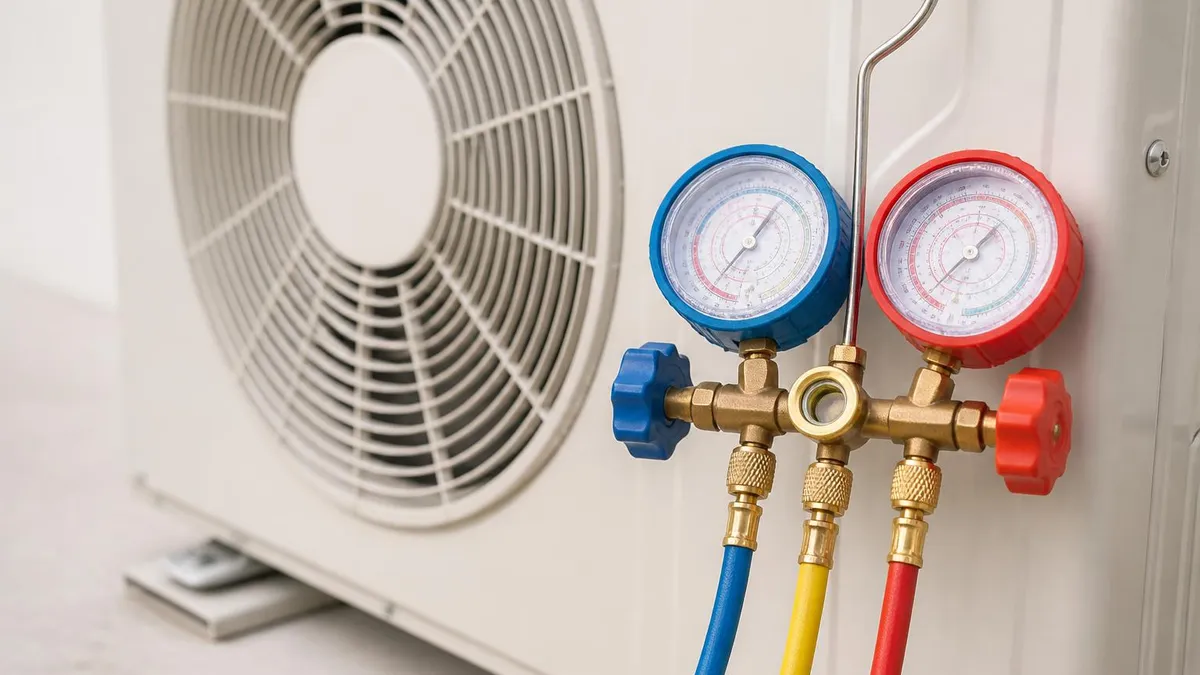
Residential HVAC: Systems, Selection, and Maintenance Basics
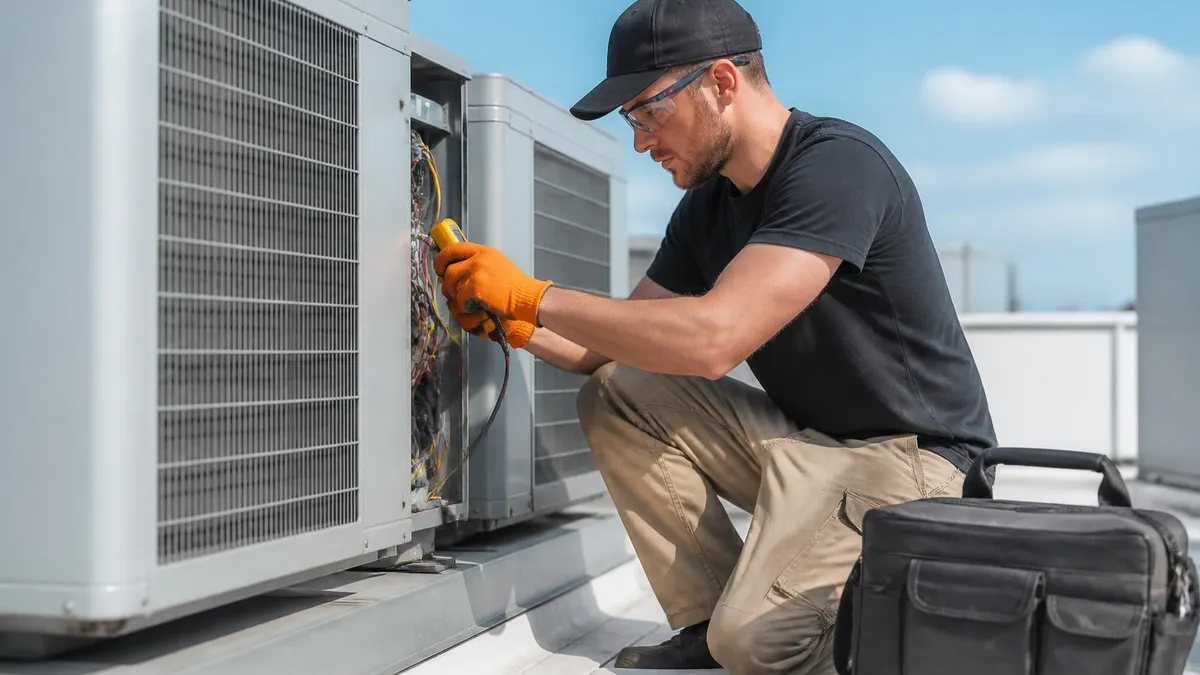
HVAC Industry Trends 2026: The Complete Guide to Heat Pumps, Refrigerant Changes, Smart Controls, and Workforce Shifts Reshaping Heating and Cooling
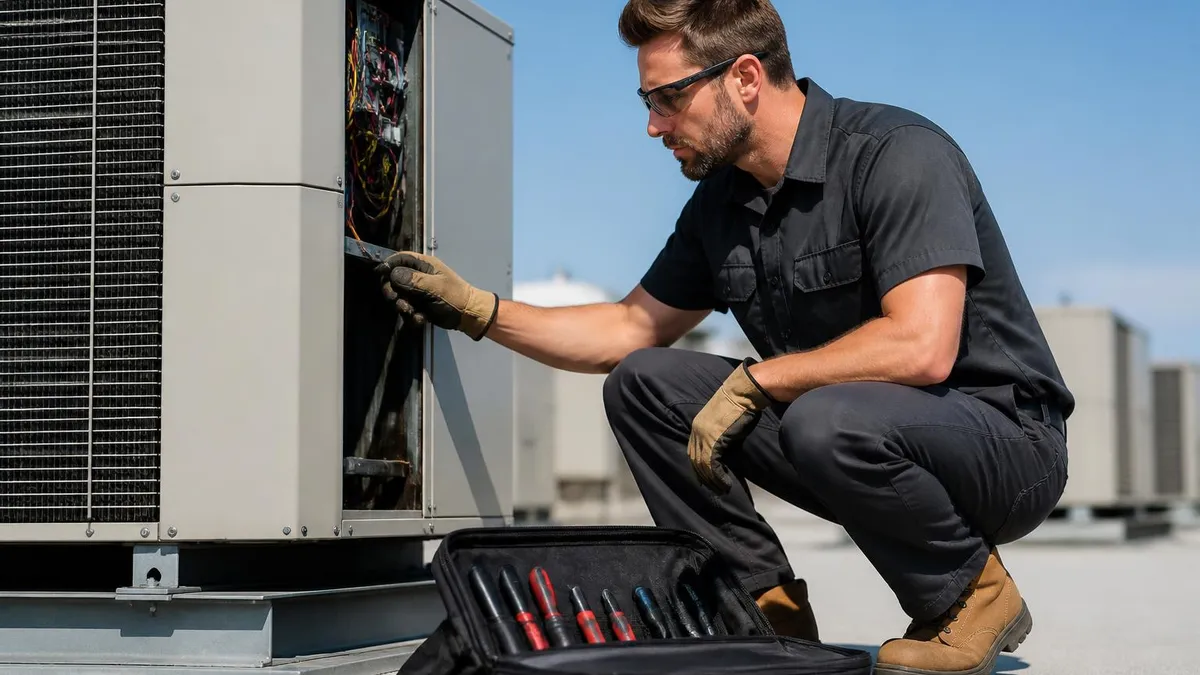
HVAC Advertising: The Complete Playbook for Generating Leads, Booking Calls, and Growing Your Heating and Cooling Business
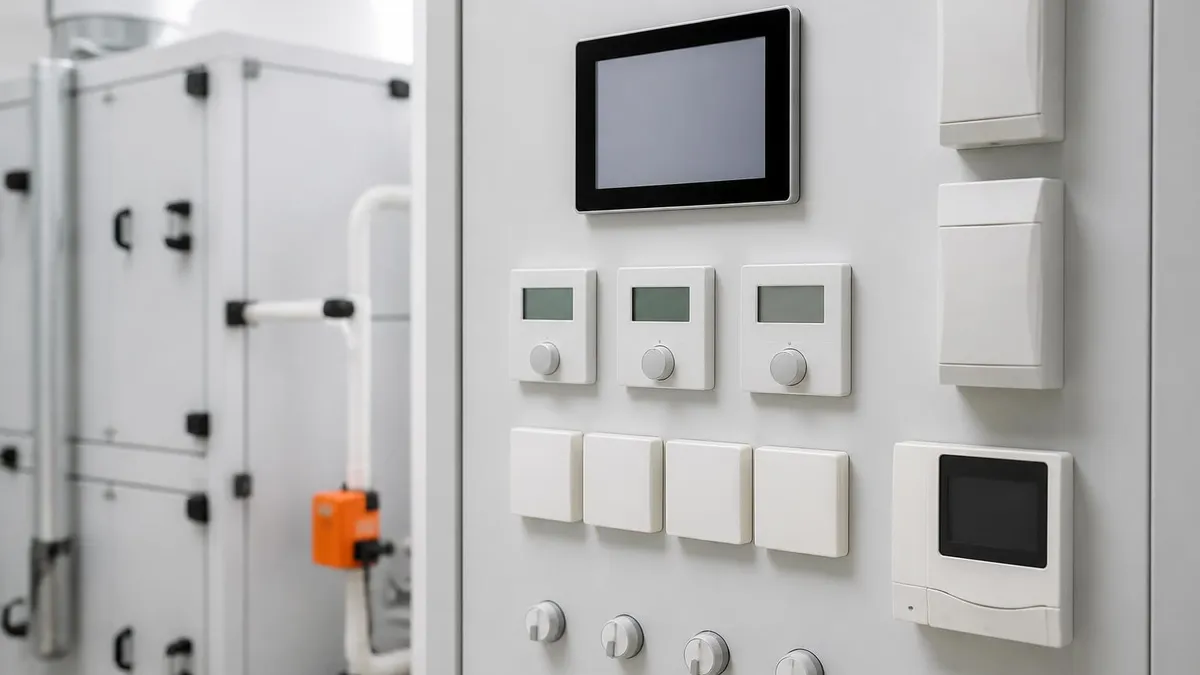
HVAC License: State Requirements, EPA 608 and Career Path Guide
About the Author

NATE Certified HVAC Technician & Licensing Exam Trainer
Universal Technical InstituteMike Johnson is a NATE-certified HVAC technician and EPA 608 universal-certified refrigerant handler with a Bachelor of Science in HVAC/R Technology. He has 19 years of commercial and residential HVAC installation and service experience and specializes in preparing technicians for NATE certification, EPA 608, A2L refrigerant safety, and state HVAC contractor licensing examinations.