
How Much to Install HVAC System: Complete 2026 September Cost Guide
How much to install HVAC system? 💡 Full cost breakdown — equipment, labor, size, and tips to save thousands on your new system.
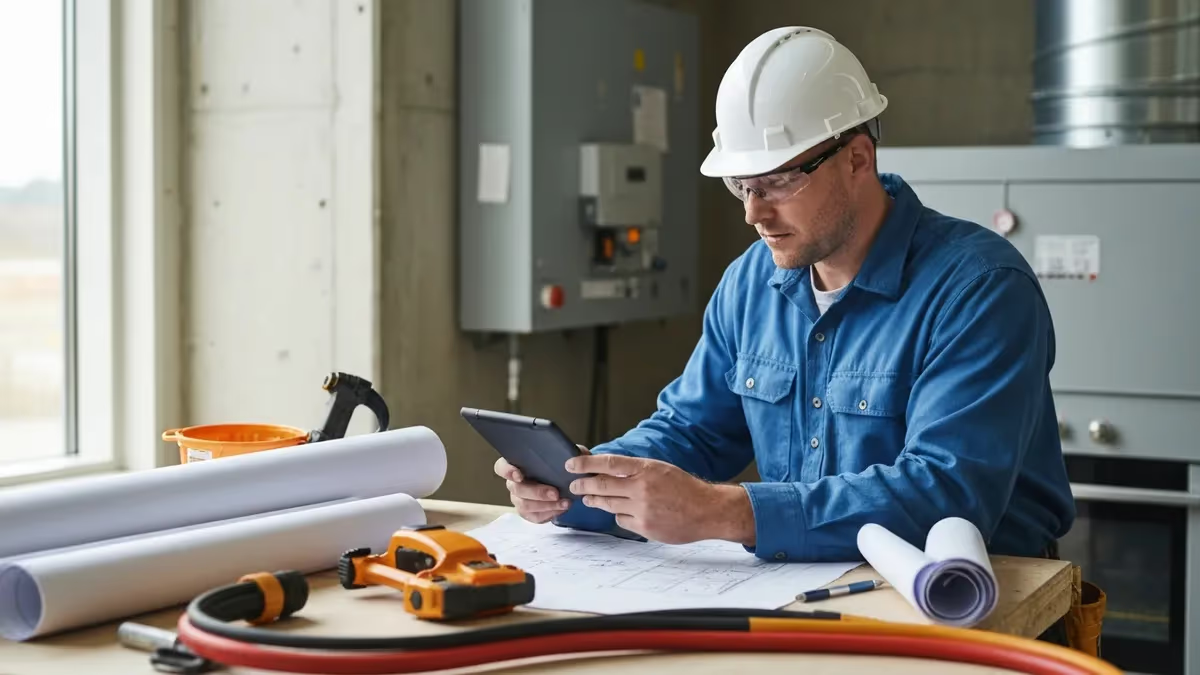
Understanding how much to install hvac system is the first step every homeowner should take before calling a contractor. The national average for a full HVAC installation — including both heating and cooling equipment — ranges from $5,000 to $12,500, but individual projects can swing well below or above that range depending on your home's size, existing ductwork condition, the equipment brand you select, and local labor rates. Getting a clear picture of the cost landscape helps you budget realistically, compare quotes intelligently, and avoid being overcharged.
The single largest variable in any HVAC installation is the equipment itself. A basic single-stage central air conditioner paired with a gas furnace might run $3,500 to $6,000 installed in a smaller home, while a high-efficiency two-stage heat pump with a variable-speed air handler can push the total past $15,000 in larger or more complex homes.
Equipment efficiency ratings — measured as SEER2 for cooling and AFUE for gas furnaces — directly influence the sticker price. Choosing a 20 SEER2 unit over a 14 SEER2 model can add $1,500 to $3,000 upfront, though the energy savings often pay back that premium within five to eight years.
Labor is the second major cost driver, typically accounting for 40 to 50 percent of the total installation bill. HVAC technicians in high cost-of-living metro areas like San Francisco, New York, or Boston charge $80 to $150 per hour, while contractors in smaller Midwestern or Southern markets often bill $50 to $90 per hour. A straightforward replacement — swapping old equipment with new units on existing ductwork — might take four to eight hours. A new construction install with full duct fabrication and system commissioning can require two to three days of labor from a crew of two.
Ductwork is frequently the hidden budget buster in HVAC projects. If your existing ducts are undersized, leaky, or need extensive modification to support the new equipment, expect to add $1,000 to $5,000 or more to your project. Homes without any existing duct system face the steepest challenge: installing a full duct network from scratch typically costs $3,000 to $10,000 on its own. Homeowners in this situation should seriously evaluate ductless mini-split systems, which eliminate duct costs entirely and can be installed for $3,000 to $8,000 depending on the number of zones needed.
Permits and inspection fees add a modest but non-negotiable line item to every HVAC installation. Most municipalities require a mechanical permit for new equipment installation or significant system changes. Permit fees generally range from $75 to $350, though complex commercial-adjacent residential projects can run higher. Reputable contractors always pull permits and schedule inspections — if a contractor suggests skipping this step to save money, treat it as a serious red flag. Unpermitted work can void equipment warranties, complicate home sales, and create liability if a system malfunction causes property damage.
Seasonal timing affects what you will pay for installation more than most homeowners realize. HVAC contractors are busiest during the hottest weeks of summer and the first cold snap of fall, and prices reflect that demand. Scheduling your installation in early spring, late fall, or winter — when technician calendars are lighter — can yield discounts of 10 to 20 percent on labor. Some manufacturers also run rebate promotions in the off-season, stacking savings on top of already-reduced installation labor. For non-emergency replacements, planning your install six to eight weeks ahead of your primary season can save several hundred dollars.
Finally, manufacturer and utility rebates can dramatically reduce your out-of-pocket cost for a new system. Federal tax credits under the Inflation Reduction Act allow homeowners to claim up to 30 percent of the cost of qualifying high-efficiency heat pumps and heat pump water heaters, up to $2,000 per year. Many state programs and local utilities add their own rebates on top of federal incentives, sometimes totaling $500 to $2,500 per qualifying unit.
When you factor in all available incentives, the effective cost of a premium high-efficiency system can drop to within $500 to $1,000 of a basic entry-level installation — making the upgrade the obvious financial choice. Be sure to explore your install hvac system cost options carefully before committing to a specific equipment tier.
HVAC Installation Costs by the Numbers
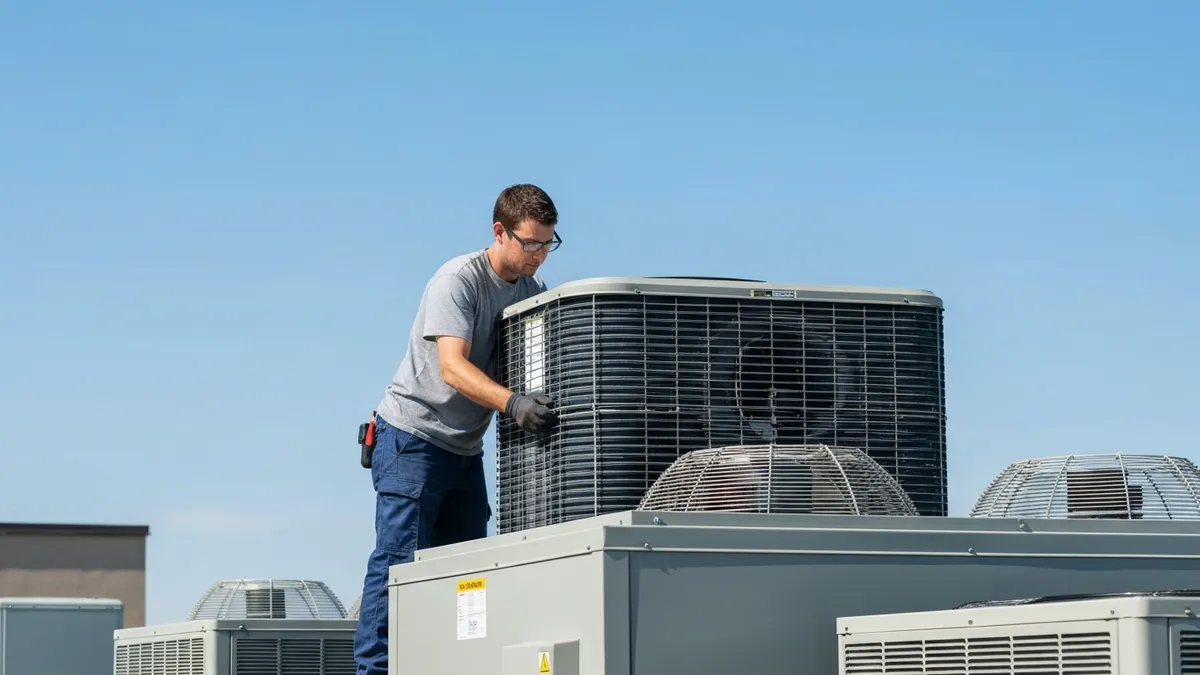
HVAC Installation Cost by System Type
Several interconnected factors determine exactly where your project lands within the broad national cost ranges. Home square footage is the most fundamental driver — HVAC equipment is sized in tons of cooling capacity, with one ton serving roughly 400 to 600 square feet depending on climate zone and insulation quality. A 1,200 square foot home typically needs a 2-ton system, while a 3,000 square foot home might require 4 to 5 tons. Every additional ton of capacity adds $600 to $1,200 to equipment cost alone, before labor is factored in.
Equipment efficiency ratings have a dramatic effect on installed price. The federal minimum SEER2 rating for central air conditioners is now 14.3 SEER2 in northern states and 15.2 SEER2 in the South and Southwest, following 2023 regulatory changes. Units at these minimums are the cheapest to buy but cost more to operate.
Mid-tier units rated 17 to 19 SEER2 hit the sweet spot for most homeowners — meaningfully better efficiency than the minimum, without the steep premium of top-tier 20+ SEER2 equipment. Variable-speed compressors and air handlers command a 20 to 40 percent price premium over single-stage equipment but deliver superior humidity control and quieter operation that many homeowners consider worth the extra spend.
The brand you choose influences cost and long-term reliability in meaningful ways. Premium brands like Carrier, Trane, and Lennox typically price 15 to 25 percent above mid-tier brands like Rheem, Ruud, Goodman, and Daikin for comparable efficiency ratings. However, premium brands often back their equipment with longer parts and compressor warranties — 10-year limited warranties are standard, and some manufacturers offer lifetime compressor coverage. Goodman, owned by Daikin, offers a compelling value proposition with solid reliability data and strong warranties at a price point that undercuts the name-brand leaders by hundreds of dollars per unit.
Ductwork condition is frequently underestimated by homeowners budgeting for a new system. Studies by the Department of Energy suggest that the typical American home loses 20 to 30 percent of conditioned air through duct leaks and poor insulation. Installing a high-efficiency new system on a leaky duct network dramatically undermines efficiency gains and can void manufacturer warranties on some high-end equipment.
A thorough duct inspection and blower door test before installation can reveal whether sealing or insulating existing ducts — a relatively inexpensive $500 to $1,500 project — or more substantial duct modifications are necessary to get full value from your new system.
Geographic location drives labor cost variation that can exceed $2,000 on the same project. Markets with strong union labor representation, high prevailing wages, or tight technician supply see the highest labor rates. Rural areas generally offer lower labor rates but may have fewer competitive contractors to choose from, reducing your negotiating leverage. Always get three written quotes for any installation project. Quotes that fall dramatically below the other two bids deserve scrutiny — contractors sometimes win low bids by planning to install undersized equipment, use lower-tier components, or cut corners on refrigerant charging and system commissioning that affect long-term performance.
The complexity of your specific installation situation adds cost in ways that are difficult to predict without an in-home assessment. Installing a system in a tight crawl space, a multi-story home requiring long refrigerant line sets, or a home with an attic air handler all add labor hours versus a simple basement or utility closet installation.
Older homes built before the 1970s may require electrical panel upgrades to handle a modern heat pump's power requirements — a $1,500 to $4,000 additional cost that can surprise homeowners who didn't budget for it. Asbestos abatement around old ductwork insulation, required in some pre-1980 homes, can add $1,000 to $3,000 more.
Refrigerant type is a newly significant cost consideration following the 2025 phasedown of R-410A refrigerant under EPA rules. Systems installed in 2026 and beyond use newer refrigerants like R-32 or R-454B, which are more environmentally friendly but require technicians to obtain additional certifications. Equipment using the new refrigerants may carry a modest price premium during the early transition period as supply chains stabilize.
If you're replacing an older R-22 or R-410A system, your contractor should clearly communicate the refrigerant transition implications and ensure the new equipment complies with current EPA and local code requirements, which directly affects install hvac system cost estimates you receive.
Central AC vs Heat Pump vs Mini-Split: Cost Comparison
A traditional split system pairing a central air conditioner with a gas furnace remains the most common HVAC configuration in American homes. Installation costs typically run $6,000 to $12,500 for a full system replacement on existing ductwork. The equipment side — condensing unit, indoor coil, and furnace — accounts for roughly 55 percent of total project cost. This configuration makes the most financial sense in climates with cold winters where gas is cheaper than electricity, and in homes that already have a functional gas line and duct system in good condition.
The main advantages are lower upfront cost compared to premium heat pump options, familiarity among local contractors ensuring competitive labor quotes, and strong heating output in extremely cold weather. The main drawback is ongoing fuel cost exposure — natural gas prices have been volatile, and homes in areas where electricity is cheap relative to gas increasingly find that all-electric heat pump systems deliver lower lifetime operating costs despite higher initial installation price. Homeowners should get a professional Manual J load calculation to confirm proper system sizing before committing to any equipment selection.
New HVAC System: Is the Full Replacement Worth It?
- +Modern systems operate at 40–60% lower energy cost than equipment made before 2005
- +New equipment comes with 10-year parts warranties, eliminating most repair bills for a decade
- +Federal tax credits up to $2,000 per year significantly reduce net installation cost
- +Improved humidity control and variable-speed operation creates noticeably better indoor comfort
- +New refrigerants and sealed systems reduce environmental impact compared to older R-22 equipment
- +Properly sized new equipment runs more quietly and maintains more consistent temperatures room to room
- −Upfront cost of $6,000 to $12,500+ is a significant capital expense for most homeowners
- −Payback period for premium efficiency upgrades can stretch 7–10 years depending on energy prices
- −Installation requires professional contractors — DIY installation voids warranties and violates code
- −Ductwork deficiencies discovered during installation can add thousands to the project budget unexpectedly
- −Supply chain delays on specific equipment models can push installation timelines out 2–6 weeks
- −Homes without gas service face higher upfront cost converting to heat pump systems with electrical upgrades
Pre-Installation Checklist: What to Do Before Your Contractor Arrives
- ✓Get at least three written quotes from licensed, insured HVAC contractors in your area
- ✓Verify each contractor carries general liability insurance and workers' compensation coverage
- ✓Request a Manual J load calculation from each bidder to confirm proper equipment sizing
- ✓Ask each contractor to specify the exact model numbers of equipment included in the bid
- ✓Check your electrical panel capacity and confirm it can support the new system's amperage draw
- ✓Inspect existing ductwork for visible leaks, disconnected sections, or insulation damage before bidding
- ✓Research federal, state, and utility rebates available for the efficiency level you are considering
- ✓Confirm the contractor will pull all required permits and schedule post-installation inspections
- ✓Ask about refrigerant type and confirm the new system complies with current EPA regulations
- ✓Clear a three-foot work area around the indoor air handler and outdoor condenser installation locations
Oversized Equipment Is a Costly Mistake
Many contractors default to installing larger equipment than necessary, believing bigger means better. In reality, an oversized HVAC system short-cycles — it reaches setpoint quickly, shuts off, and restarts repeatedly — driving up energy bills, accelerating compressor wear, and leaving humidity uncontrolled. Always insist on a Manual J load calculation that accounts for your home's insulation, window area, and orientation before accepting any equipment recommendation. Proper sizing can save 15 to 25 percent on operating costs annually compared to an oversized alternative.
Getting the best possible price on an HVAC installation requires more than just collecting multiple quotes — it requires knowing how to evaluate those quotes against each other and when to negotiate. The single most effective strategy is to schedule your installation during the off-season.
HVAC contractors derive the majority of their revenue from May through September for cooling season and October through December for heating season emergencies. The winter months of January through March and the late spring shoulder season represent the slowest periods for most residential contractors, and many will offer meaningful labor discounts to keep their crews productive during these slow stretches.
Understanding the contractor's cost structure gives you negotiating leverage you would not otherwise have. Equipment cost is relatively transparent — many homeowners do research on sites like HomeAdvisor or check manufacturer dealer pricing before meeting with contractors. When a contractor quotes you $2,800 for a condensing unit you can verify retails for $1,400, you know there is room to negotiate on the equipment markup.
Some contractors use cost-plus pricing and are willing to show you the equipment invoice; others use project pricing and will not. Either approach is legitimate, but understanding the breakdown helps you identify where savings are possible without pressuring contractors to cut corners on labor quality.
Financing promotions from manufacturers can significantly affect your total cost calculation. Carrier, Trane, Lennox, and other major brands regularly run 18-month or 24-month zero-interest financing promotions through their authorized dealer networks. If you have good credit and can pay off the balance before the promotional period expires, manufacturer financing is effectively a free loan that lets you capture energy savings and rebates while spreading payments over two years.
Compare this to home equity loans or HELOC financing — which typically carry 7 to 9 percent interest rates in the current environment — and the zero-interest promotion is clearly superior for homeowners who qualify and have the payment discipline to retire the balance before interest kicks in.
Bundling is another effective cost-reduction strategy. If you need both a new air conditioner and a new furnace, replacing both at the same time almost always costs less than two separate installations spaced a few years apart. You pay labor once, pull one permit, and the contractor can optimize equipment matching for peak system efficiency. Some homeowners attempt to phase replacements — keeping the old furnace when the AC dies, for example — but mismatched equipment ages at different rates and creates system efficiency and warranty complications that typically cost more than the phased approach saves in upfront capital.
Timing your quote process strategically also matters. Contractors are busy during heat waves and cold snaps — not only are their schedules packed, but they have less incentive to compete aggressively on price when demand exceeds their capacity.
Requesting quotes during mild weather in October, November, or March gives contractors room in their schedules to want your business, and experienced contractors who aren't slammed with emergency calls tend to invest more time in accurate, detailed proposals that give you a better basis for comparison. A rushed quote produced during a heat emergency is more likely to be padded or to miss important site-specific factors that will surface as change orders after work begins.
Do not overlook the value of service agreements as part of your total cost evaluation. Many contractors offer discounted installation pricing in exchange for a multi-year maintenance agreement, typically $150 to $350 per year for twice-annual tune-ups. These agreements protect your equipment warranty, keep efficiency high, and give you a service relationship with a contractor who knows your system when problems arise.
When comparing two installation quotes that are close in price, the contractor offering a strong maintenance program at a competitive rate is often the better long-term value, even if the installation price itself is slightly higher than the bare-bones competitor.
Finally, leverage manufacturer rebates systematically rather than hoping the contractor mentions them. Visit the ENERGY STAR website, your state energy office, and your utility's website before signing any installation contract. Enter your zip code in the DSIRE database — maintained by NC State University — which aggregates every available federal, state, utility, and municipal incentive for energy-efficient equipment.
Many homeowners leave $500 to $2,500 in rebates unclaimed simply because they did not apply within the deadline or did not know the program existed. Some utilities require the application to be submitted before installation begins, so researching incentives before you sign the contract is not merely helpful — it is financially necessary to capture every dollar available to you.
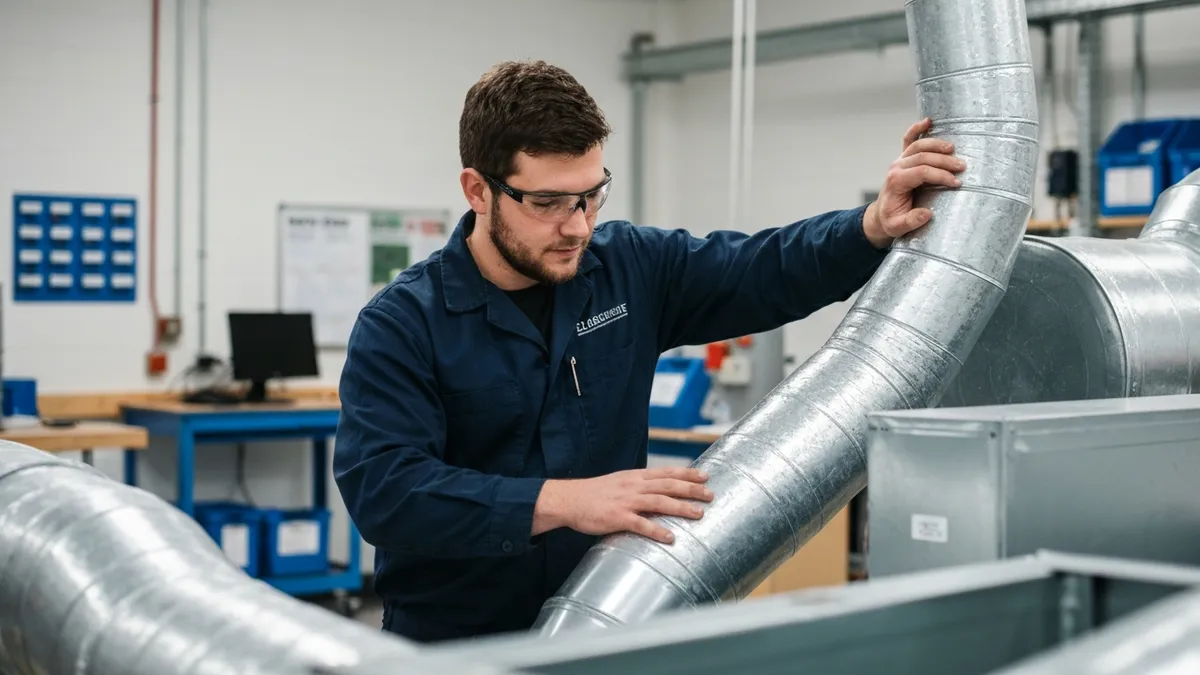
In the HVAC industry, bids that come in 30 to 40 percent below other quotes almost always signal a problem: unlicensed technicians, used or refurbished equipment misrepresented as new, or plans to skip required permits and inspections. Always verify your contractor's state license number through your state licensing board's online portal before signing any contract. Unlicensed installations can void manufacturer warranties, create insurance coverage gaps, and expose you to significant liability if equipment malfunction causes fire or property damage.
Financing a new HVAC system is a reality for the majority of American homeowners — few have $7,000 to $12,000 in liquid savings earmarked for home mechanical systems. The good news is that 2026 offers a remarkably wide array of financing tools, from zero-interest manufacturer promotions to green energy loans backed by state agencies, making it possible for nearly any homeowner to access affordable credit for a qualifying high-efficiency installation. The key is matching the right financing product to your credit profile, available equity, and how quickly you expect to pay off the balance.
The most favorable financing terms come from PACE (Property Assessed Clean Energy) programs available in many states. PACE financing attaches to the property rather than the borrower, meaning approval is based on home equity rather than personal credit score. Interest rates in the 5 to 8 percent range are common, and repayment is made through your property tax bill over 5 to 25 years.
PACE financing is available for heat pumps, high-efficiency HVAC systems, and related improvements like insulation and smart thermostats. The primary caveat: PACE loans become a lien on your home and can complicate refinancing or sale if the balance is not paid off before those transactions close.
Home equity lines of credit (HELOCs) remain a popular choice for homeowners with meaningful equity built up. Current HELOC interest rates have moderated from their 2023-2024 peaks and typically offer 7 to 9 percent variable-rate credit that you can draw on and repay flexibly.
If you have an upcoming mortgage refinance planned, rolling HVAC replacement costs into a cash-out refinance can secure a fixed, predictable payment at mortgage rates lower than standalone home improvement loan products. The downside is that this approach puts your home at risk as collateral, so it is most appropriate for homeowners with stable income and a disciplined repayment plan.
Personal loans from online lenders have emerged as a competitive option for HVAC financing, particularly for homeowners without significant equity or those who do not want to tap home equity. Lenders like LightStream (a division of Truist Bank) specialize in home improvement personal loans with no origination fees, no prepayment penalties, and same-day funding for qualified applicants.
Rates for excellent credit borrowers start around 6 to 8 percent fixed; borrowers with fair credit may see rates of 12 to 18 percent. Personal loan terms of 24 to 84 months give homeowners flexibility to find a monthly payment that fits their budget without overextending on a short repayment schedule.
Utility on-bill financing programs are available in a growing number of service territories and represent one of the most accessible options for lower-income homeowners. These programs allow you to repay the cost of a qualifying high-efficiency HVAC installation through monthly additions to your utility bill, often at zero or low interest. Because repayment comes from demonstrated energy savings, approval criteria are less stringent than bank financing. The most significant limitation is that these programs are typically only available for the highest-efficiency equipment tiers — often 18+ SEER2 heat pumps — and may require utility-approved contractors for the installation.
The federal Inflation Reduction Act's High-Efficiency Electric Home Rebate Act (HEEHRA) provisions created a new category of point-of-sale rebates specifically for lower- and moderate-income households. Households earning up to 80 percent of area median income can receive up to $8,000 back on a qualifying heat pump, delivered as a discount at the time of purchase rather than a tax credit claimed the following spring.
Households earning 80 to 150 percent of AMI receive 50 percent rebates up to $4,000. These rebates stacked with the 30 percent tax credit can make a premium heat pump installation effectively free or close to it for qualifying households — a genuinely transformative financial proposition for the right buyer profile.
Regardless of which financing path you choose, calculate the total cost of ownership — not just the monthly payment — before committing. A $10,000 HVAC system financed over 7 years at 12 percent interest costs $16,700 total, versus $11,350 at 5 percent. The difference of $5,350 in interest payments is enough to cover several years of maintenance and dramatically erodes the lifetime value proposition of even an excellent high-efficiency system.
Always model the total interest cost, compare it against your expected energy savings from a more efficient system, and choose the financing product that minimizes your total cost of comfort over the life of the equipment. For more detailed financial planning options, explore our guide to finance a new HVAC system before signing any installation contract.
Once you have signed an installation contract and your equipment is on order, there are practical steps you can take to ensure the installation goes smoothly and you get the maximum value from your new system. Start by documenting the condition of your existing equipment, ductwork, and thermostat with photographs before the installation crew arrives. This creates a baseline record that protects you if any disputes arise about pre-existing versus installation-related damage, and gives you a reference point for future service technicians who may not know your system's history.
Plan your schedule around the installation timeline realistically. A straightforward replacement on a good-weather day takes four to eight hours for an experienced two-person crew. Complex installations involving new duct sections, electrical work, or attic air handlers can run two full days. Arrange to be home for the entire installation — not to supervise the technicians, but to answer questions about preferences, access issues, or unexpected findings the crew may encounter. Contractors who cannot reach the homeowner when decision points arise sometimes default to the easiest solution rather than the best solution, which can affect how the system performs long-term.
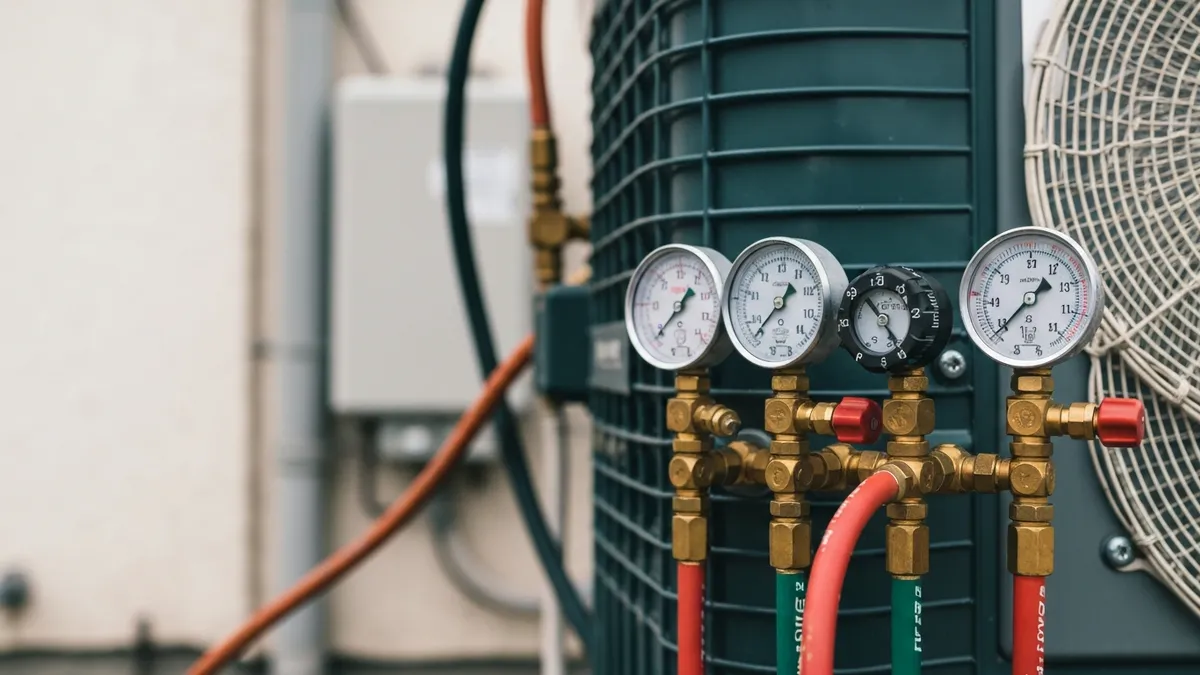
System commissioning — the final testing and adjustment phase after installation — is where many contractors differentiate themselves on quality. A thorough commissioning process includes measuring supply and return air temperatures, verifying refrigerant charge with manifold gauges, testing all safety controls and limit switches, confirming proper airflow at every register with an air flow meter, and checking static pressure throughout the duct system.
Ask your contractor specifically what commissioning steps they perform and request a written commissioning report. Budget-tier contractors often skip this step or perform it superficially, leaving systems that technically run but operate at 15 to 25 percent below their rated efficiency from day one.
Thermostat selection and programming significantly affects how much energy your new system consumes. A basic programmable thermostat can save 10 to 15 percent on heating and cooling costs compared to a manual thermostat set to a constant temperature. Smart thermostats like the Ecobee or Nest Learning Thermostat take this further with occupancy detection, remote sensing, utility demand-response integration, and detailed energy reporting.
Many utilities offer $50 to $150 instant rebates on qualifying smart thermostats, making the upgrade nearly free. Ensure your new thermostat is compatible with your new equipment — heat pumps require specific thermostat configurations for auxiliary and emergency heat staging that basic models do not support.
Register your new equipment's warranty immediately after installation — do not wait. Most manufacturers require online warranty registration within 60 days of installation to activate the full term of the parts warranty. Some manufacturers extend the standard warranty by one to two years as an incentive for timely registration. File the installation permit, inspection certificate, model and serial numbers, contractor information, and warranty registration confirmation in a dedicated home appliance folder. This documentation is essential if you need warranty service, when you sell the home, or if you file an insurance claim related to the HVAC system.
Establish a maintenance routine from the very first month your new system is in service. Change or inspect your air filter monthly during high-use seasons — a clogged filter is the single most common cause of reduced efficiency and premature equipment failure. Schedule professional tune-ups twice annually: once in spring before cooling season and once in fall before heating season.
During these tune-ups, a qualified technician checks refrigerant levels, cleans coils, lubricates moving parts, tests electrical connections, and identifies any developing issues before they become emergency breakdowns. Annual maintenance costs of $150 to $350 extend system life by three to five years and maintain peak efficiency that protects your energy cost savings.
Smart home integration is increasingly worth planning for at installation time rather than adding ad hoc later. Many modern HVAC systems support integration with home automation platforms like Google Home, Amazon Alexa, Apple HomeKit, and dedicated HVAC apps through Wi-Fi-enabled communicating thermostats and air handlers.
Communicating systems allow your thermostat and equipment to exchange real-time data — not just temperature commands — enabling sophisticated features like fault diagnostics, runtime reporting, and predictive maintenance alerts sent directly to your phone. If your new system supports communicating technology, invest in the compatible communicating thermostat at installation rather than a generic smart thermostat, as the integrated solution delivers more complete diagnostic visibility and better long-term performance monitoring than third-party alternatives.
HVAC Questions and Answers
FCU HVAC: The Complete Guide to Fan Coil Units, How They Work, Where They Excel, and How to Choose the Right System
Finance a New HVAC System: 2026 Loans, 0% APR, and Rebates

HVAC Duct Repair: Common Issues, Costs, and DIY vs Professional

HVAC School -- Programs, Costs, and Career Paths in 2026
HVAC Advertising: The Complete Playbook for Generating Leads, Booking Calls, and Growing Your Heating and Cooling Business
About the Author

NATE Certified HVAC Technician & Licensing Exam Trainer
Universal Technical InstituteMike Johnson is a NATE-certified HVAC technician and EPA 608 universal-certified refrigerant handler with a Bachelor of Science in HVAC/R Technology. He has 19 years of commercial and residential HVAC installation and service experience and specializes in preparing technicians for NATE certification, EPA 608, A2L refrigerant safety, and state HVAC contractor licensing examinations.