
Home Inspector vs Appraiser: Roles, Salary, and How to Choose Your Career Path
Home inspector vs appraiser: understand roles, salary, certification, and how to become a home inspector. Complete US career guide for 2026 September. 🆕

When searching for home inspectors near me, many homebuyers and real estate professionals discover a surprisingly common source of confusion: the difference between a home inspector and a home appraiser. Both professionals visit properties, evaluate conditions, and produce detailed written reports — but their roles, legal authority, licensing requirements, and career trajectories are fundamentally different. Understanding the distinction is critical whether you are buying a home, selling one, or considering entering either profession as a career path in 2026.
A home inspector is a trained professional who physically examines the structural and mechanical systems of a residential or commercial property. The inspector looks at the roof, foundation, plumbing, electrical wiring, HVAC systems, insulation, windows, doors, and dozens of other components. The goal is to identify defects, safety hazards, and deferred maintenance items that a buyer or seller should know about before a transaction closes. Inspectors do not assign a dollar value to the property — they assess condition, not worth.
A home appraiser, by contrast, is a licensed professional whose primary mission is to determine the fair market value of a property. Appraisers analyze comparable sales data, neighborhood trends, lot characteristics, and property condition to produce a formal appraisal report. Mortgage lenders almost always require a certified appraisal before approving a loan, because they need independent confirmation that the property is worth at least as much as the borrower is asking to finance. Appraisers focus on value; inspectors focus on condition.
The career paths differ significantly as well. Home inspectors in most US states need to complete a state-approved pre-licensing education program, pass a recognized exam such as the National Home Inspector Examination (NHIE), carry errors and omissions insurance, and meet continuing education requirements. Appraisers face a more structured federal licensing framework with four credential tiers — Trainee, Licensed, Certified Residential, and Certified General — and must log thousands of hours of supervised field experience before they can work independently.
Salary and income potential vary between the two fields. The average home inspector salary in the United States hovers around $62,000 to $68,000 per year, though experienced inspectors running their own businesses can earn well over $100,000 annually in high-demand markets. Appraisers earn similar median wages but face a steeper apprenticeship period before reaching full earning potential. Both professions reward volume, specialization, and geography — working in a high-transaction metro like Chicago or Minneapolis can significantly boost annual income compared to rural markets.
If you are exploring chicago area home inspectors and wondering whether inspection or appraisal is the right fit, the most important question to ask yourself is whether you prefer hands-on physical evaluation or data-driven market analysis. Inspectors spend the majority of their workday on-site, crawling through attics and basements, using moisture meters and thermal cameras. Appraisers split time between fieldwork and office analysis, spending significant hours compiling reports, researching MLS data, and documenting adjustments to comparable sales.
This comprehensive guide breaks down every major dimension of both professions — duties, certifications, pay scales, local market factors, insurance requirements, and the practical steps you need to take to launch a successful career in either field. Whether you are a prospective homebuyer trying to understand who to hire, or a career changer weighing your options, you will find everything you need to make an informed decision in the sections that follow.
Home Inspector vs Appraiser by the Numbers

Core Roles and Responsibilities: Inspector vs Appraiser
Evaluates physical condition of a property's structure and systems — roof, foundation, electrical, plumbing, HVAC. Produces a written report of defects and safety hazards. Does not assign market value. Works primarily for buyers, sellers, or agents.
Determines fair market value using comparable sales analysis, property features, and neighborhood trends. Produces a formal appraisal report required by mortgage lenders. Must hold a state-issued appraiser license and follow USPAP standards set by federal guidelines.
Most real estate transactions involve both professionals. The appraiser satisfies the lender's requirement; the inspector protects the buyer's interests. In some investment scenarios, sellers also order pre-listing inspections to price accurately and avoid renegotiation surprises at closing.
Inspectors carry E&O and general liability insurance to cover missed defects. Appraisers are regulated under FIRREA and USPAP; errors can lead to loss of license or federal sanctions. Both can be sued if their reports contain material misrepresentations that cause financial harm.
One of the most searched questions in this field is how much do home inspectors make — and the answer depends heavily on location, business model, and years of experience. According to data from the Bureau of Labor Statistics and industry surveys, the median annual wage for home inspectors in the United States sits between $60,000 and $68,000. However, this figure masks a wide distribution: entry-level inspectors working for established firms might earn $38,000 to $45,000 in their first year, while seasoned sole proprietors in competitive urban markets frequently report gross revenues above $120,000.
Geographic location is one of the single largest drivers of inspector income. Markets like the Chicago metro, the Twin Cities, and coastal California generate significantly higher transaction volumes than rural regions, translating directly into more inspection opportunities per week. An inspector completing five inspections per week at $450 each generates roughly $117,000 in gross revenue before expenses — a realistic scenario in a high-activity market. Compare that to a rural market where an inspector might complete two or three inspections per week at $300 to $350 each, yielding $31,000 to $55,000 annually.
For appraisers, the income trajectory is different because the first several years are spent as a trainee or supervisory appraiser earning lower wages while accumulating required field hours. A Trainee Appraiser might earn $35,000 to $50,000 while completing the mandatory 1,000 hours needed to upgrade to Licensed Residential status. Once fully credentialed at the Certified Residential or Certified General level, appraisers can earn $70,000 to $100,000+ annually, particularly in markets with strong commercial or complex residential appraisal demand.
Business structure significantly affects take-home pay for both professions. Inspectors who work as W-2 employees of a national franchise or inspection company receive a predictable salary but typically earn less than those running independent businesses. Self-employed inspectors bear the cost of tools, vehicles, software, marketing, and insurance — which can total $15,000 to $25,000 annually — but keep the full fee revenue. Understanding the true net income after expenses is essential when comparing career earnings between inspection and appraisal.
Specialization is another lever for income growth in the inspection field. Inspectors who add certifications in radon testing, mold assessment, thermal imaging, sewer scope inspection, or commercial property inspection can charge premium fees for specialized services. A standard residential inspection might fetch $350 to $550, while a radon test adds $100 to $150 and a full commercial inspection of a small office building might command $800 to $1,500. Building a diversified service menu protects against seasonal market slowdowns and increases average revenue per client.
If you are curious about minnesota home inspectors pricing reddit discussions, you will find that community conversations consistently confirm that Midwest pricing typically runs $300 to $450 for a standard single-family inspection, while add-on services like sewer scoping, well testing, and radon mitigation verification push the average ticket higher. Minnesota requires inspectors to hold a state license, which filters out unqualified competitors and supports more stable pricing than in unregulated states.
Retirement and benefits planning differs sharply between the two professions. Employed inspectors working for large franchise operations may receive health insurance, 401(k) matching, and paid time off. Independent inspectors and appraisers must self-fund their benefits, typically through an HSA-paired high-deductible health plan and solo 401(k) or SEP-IRA contributions. Both professions offer genuine long-term earning potential, but the path to maximizing income requires deliberate business planning, continuous education, and geographic awareness.
Home Inspector Certification and Licensing Explained
The National Home Inspector Examination (NHIE) is the most widely accepted licensing exam in the United States, administered by the Examination Board of Professional Home Inspectors (EBPHI). It consists of 200 questions covering property and building inspection, analysis of systems and components, and inspection reporting. Most states that regulate home inspection accept or require NHIE passage as part of licensure. Candidates must pay an exam fee of around $225 and can schedule testing at Prometric centers nationwide.
Preparing for the NHIE typically requires 40 to 120 hours of dedicated study beyond pre-license coursework. The exam tests both technical knowledge of building systems and practical application of inspection standards. Common topic areas include roofing materials and defects, electrical panel evaluation, plumbing systems, foundation types, HVAC components, and report writing standards. Many candidates supplement their state-approved coursework with practice exams, flashcards, and hands-on field training to build the applied knowledge the exam demands.

Home Inspector Career: Pros and Cons vs Appraiser
- +Faster entry into the field — most states require only 40–120 hours of pre-license education
- +High income ceiling for self-employed inspectors in active real estate markets
- +Varied daily work with hands-on property evaluation rather than desk-bound analysis
- +Strong demand driven by consistent residential real estate transaction volume
- +Ability to add specialty services (radon, mold, thermal imaging) to boost per-inspection revenue
- +Flexible scheduling — most inspections occur weekdays and can be arranged around client availability
- −Income is directly tied to real estate market cycles — slow markets mean fewer inspections
- −Physically demanding work involving attic crawls, basement assessments, and outdoor exposure in all weather
- −Liability exposure for missed defects can lead to costly E&O insurance claims and legal disputes
- −No formal apprenticeship structure — new inspectors must build a client base and referral network from scratch
- −Inspection fees are relatively commoditized in competitive markets, limiting pricing power for new entrants
- −Continuing education and license renewal costs are ongoing expenses that reduce net income
How to Become a Home Inspector: Step-by-Step Checklist
- ✓Research your state's specific licensing requirements on the official real estate or contractor licensing board website
- ✓Enroll in a state-approved pre-license education program (typically 40–120 hours of coursework)
- ✓Complete all required coursework and pass internal assessments before scheduling the licensing exam
- ✓Register for and pass the National Home Inspector Examination (NHIE) at a Prometric testing center
- ✓Purchase a general liability insurance policy and an errors and omissions (E&O) policy before your first paid inspection
- ✓Submit your state license application with all required documentation, exam scores, and insurance certificates
- ✓Complete any required supervised field inspections under a licensed mentor inspector in your state
- ✓Join a professional association (InterNACHI or ASHI) to access education resources, referral networks, and group insurance
- ✓Invest in essential tools: flashlight, moisture meter, electrical tester, ladder, and inspection reporting software
- ✓Build your referral network by introducing yourself to local real estate agents, lenders, and property managers
Home Inspectors Can Launch in 3–6 Months; Appraisers Take 2–3 Years
The single biggest practical difference between starting a home inspection career versus an appraisal career is the time to independent practice. Most home inspectors complete pre-license education, pass the NHIE, and begin paid inspections within three to six months. Appraisers, by contrast, must accumulate 1,000 supervised hours (for Licensed Residential) or 2,500 hours (for Certified Residential) before working independently — a process that typically takes two to three years even with a cooperative supervisor. If speed-to-income is a priority, inspection has a clear structural advantage.
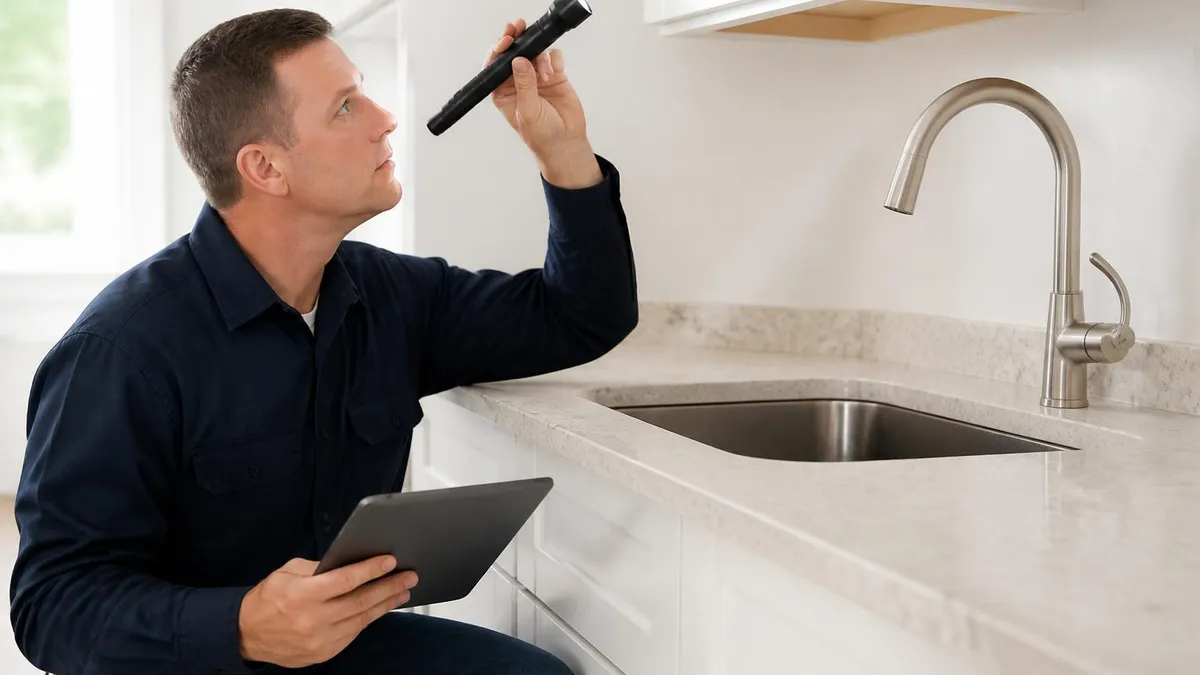
Understanding what do home inspectors look for during a residential inspection is essential knowledge whether you are preparing for the licensing exam, planning to hire an inspector, or comparing the scope of inspection work to appraisal work. A standard home inspection covers the property's visible and accessible systems and components from foundation to roof, and the inspector's job is to document any defect, deficiency, or safety concern observed during the visit. The final written report becomes a negotiating tool, a repair guide, and a legal record of the property's condition at the time of inspection.
Structural components are among the most critical elements an inspector evaluates. The foundation is examined for cracks, settling, moisture intrusion, and signs of structural movement. The framing — floor joists, wall studs, roof rafters — is checked wherever accessible in the attic, basement, or crawl space. Inspectors look for evidence of past repairs, sistered joists indicating previous damage, and any wood in contact with soil that could promote rot or termite activity. A compromised foundation or structural frame can cost tens of thousands of dollars to remediate and is a red flag for any buyer.
Roofing systems receive detailed attention during every inspection. The inspector examines the roofing material (asphalt shingles, metal, tile, flat membrane), flashing at penetrations and valleys, gutters and downspouts, ventilation, and any visible signs of leaking or premature wear. The age of the roof matters because most asphalt shingles have a lifespan of 20 to 30 years, and a roof nearing end of life represents a significant known future expense. Inspectors note missing shingles, granule loss, improper flashing installation, and ponding water on flat roofs — all indicators of deferred maintenance or imminent failure.
Electrical systems are a major source of safety concerns flagged during home inspections. The inspector evaluates the main service panel for proper sizing, breaker labeling, signs of overloading, and the presence of hazardous wiring types like aluminum branch circuit wiring or Federal Pacific or Zinsco panels known for reliability issues. Outlets are tested for proper grounding, GFCI protection in wet areas, and reversed polarity. Inspectors also check for visible wiring running through finished spaces, open junction boxes, and any DIY electrical work that does not meet code standards.
Plumbing assessment covers water supply lines, drain-waste-vent systems, water heater age and condition, and fixture operation. The inspector runs every faucet, checks under sinks for evidence of leaks or mold, flushes every toilet, and evaluates the water heater for its age, installation compliance, and signs of rust or corrosion. Older homes with galvanized steel supply pipes may exhibit reduced water pressure and discoloration. Homes with polybutylene piping — installed widely in the 1970s through 1990s — carry elevated risk of pipe failure and are flagged for disclosure.
HVAC systems — heating, ventilation, and air conditioning — are operated during the inspection to confirm basic functionality. The inspector checks the furnace or boiler for age, maintenance history, heat exchanger condition (critical for carbon monoxide risk), and proper flue venting. Air conditioning equipment is tested for operation when outdoor temperatures permit, and the inspector notes the age and service history of the compressor and air handler. Ductwork condition, filter access, and thermostat function are also documented. A failed heat exchanger in a forced-air furnace is a serious safety finding that can affect a transaction significantly.
For those preparing for the licensing exam, understanding the full scope of what do home inspectors look for in each major system is foundational knowledge. The NHIE tests candidates on their ability to identify defects, understand building science principles, and apply inspection standards across all systems and components. Real-world field experience accelerates this learning enormously — nothing replaces walking through hundreds of homes and observing the full range of conditions that properties present.

A home inspection report and a home appraisal report are legally distinct documents with different purposes, different authors, and different audiences. Presenting an inspection report to a lender as a substitute for an appraisal — or vice versa — will delay your closing and may constitute misrepresentation. Always confirm with your lender and real estate agent which documents are required and by whom they must be ordered before scheduling either service.
For buyers and real estate professionals looking for home inspectors chicago or evaluating inspection professionals in any major metro, understanding how local market dynamics affect inspection quality and pricing is essential. Chicago and its surrounding suburbs represent one of the most active residential real estate markets in the Midwest, with tens of thousands of transactions annually creating consistent demand for qualified inspectors. The Illinois Department of Financial and Professional Regulation (IDFPR) licenses home inspectors in the state, and buyers should always verify license status before hiring.
Chicago-area inspection fees typically range from $375 to $600 for a standard single-family home, with condo inspections running $250 to $400 depending on square footage and building age. Older Chicago-area housing stock — much of it built between 1900 and 1960 — presents a unique set of inspection challenges including knob-and-tube wiring, galvanized plumbing, aging boiler systems, and masonry foundations that require specific expertise to evaluate properly. Inspectors working this market develop specialized knowledge about common defects in pre-war construction that is less relevant in newer suburban markets.
Beyond Chicago, metropolitan markets like Minneapolis-St. Paul, Dallas-Fort Worth, Phoenix, and the greater New York area each have their own licensing frameworks, pricing norms, and common defect patterns driven by local climate, construction history, and building code evolution. Minnesota's climate, for example, means inspectors must be particularly attentive to ice damming, frost heave, and basement moisture intrusion — issues that are rare in warmer states. Texas inspectors must be licensed through the Texas Real Estate Commission (TREC) and adhere to one of the nation's most detailed standards of practice documents.
For those interested in home inspectors chicago and the specific competencies required in urban markets, professional development resources are widely available through state associations and national organizations. Many experienced inspectors offer mentorship or shadow programs for new entrants, which provides an invaluable opportunity to see hundreds of different property types and defect scenarios before working independently. This apprenticeship model, even where not legally required, dramatically reduces the risk of missing significant defects in early career inspections.
Real estate agents play a major role in shaping the inspection ecosystem in local markets. In competitive sellers' markets, buyers sometimes face pressure to waive inspection contingencies — a practice that increases risk significantly and that no buyer's agent should endorse without explicit client understanding of the risk. Inspectors who maintain strong relationships with buyer's agents and who communicate inspection findings clearly and accurately tend to receive the most consistent referral streams regardless of market conditions. Reputation for thoroughness and clear reporting is the primary competitive advantage for inspectors in agent-referred markets.
Home inspection businesses in active metropolitan areas increasingly differentiate through technology adoption. Modern reporting software like HomeGauge, Spectora, and Horizon produces mobile-friendly, photo-rich reports that clients can access within hours of the inspection. Thermal imaging cameras allow inspectors to identify moisture intrusion, missing insulation, and electrical hotspots that would be invisible to the naked eye. Drone photography can provide roof assessments on steep or high-pitched roofs where walking is impractical or dangerous. These technology investments improve report quality and justify premium pricing in competitive markets.
Insurance is a non-negotiable business requirement for any practicing home inspector, and shopping for cheap general liability for home inspectors is a common early business task. Most state licensing boards require proof of both general liability (typically $1 million per occurrence) and errors and omissions insurance before issuing a license.
E&O premiums vary based on inspection volume, years in business, and claims history, but new inspectors typically pay $800 to $1,500 annually for a combined GL and E&O policy through carriers specializing in inspection professionals. Purchasing through association group programs (InterNACHI or ASHI) often yields lower rates than individual market shopping.
For anyone actively pursuing how to become a home inspector, the practical steps beyond licensing are just as important as passing the exam. Building a sustainable inspection business requires marketing strategy, client communication skills, report writing proficiency, and business management competence — none of which are formally tested on the NHIE but all of which determine long-term success. New inspectors who treat their first year as a business launch rather than merely a licensing exercise tend to build referral pipelines much faster than those who focus exclusively on technical skills.
Marketing your inspection business in the early stages should prioritize direct outreach to real estate agents because agent referrals drive the largest share of inspection leads in most markets. Attending office meetings, sponsoring continuing education lunch-and-learns, and offering to present inspection findings at buyer seminars are all proven relationship-building approaches. New inspectors should also claim and optimize their Google Business Profile, encourage satisfied clients to leave reviews, and list their services on inspection referral directories to build organic online visibility alongside agent relationships.
Report quality is a significant differentiator in competitive markets. Real estate agents and buyers judge inspectors heavily on how clearly and usefully their reports communicate findings. A report that buries critical safety issues in dense technical language, or that lists every minor cosmetic item with equal urgency as structural defects, frustrates clients and agents alike. Best-practice reporting clearly prioritizes findings by severity (safety concern, major defect, minor defect, maintenance item), uses plain language accessible to non-technical buyers, and includes photographs of every documented finding.
Continuing education is both a license requirement and a professional investment. Most states require 8 to 24 hours of continuing education per renewal cycle, covering topics like updated code standards, new building materials, emerging environmental concerns, and business ethics. Beyond the minimum required hours, inspectors who pursue specialty certifications in areas like commercial inspection, pool and spa inspection, or energy auditing expand their service offerings and revenue potential. The InterNACHI and ASHI education libraries offer hundreds of approved courses, many available online at low or no cost to members.
The transition from employed inspector to independent business owner is a major career milestone that requires careful financial planning. New inspectors should maintain a cash reserve covering three to six months of personal expenses before leaving any prior employment, because building an inspection business to full-time volume typically takes six to eighteen months. Tracking income, expenses, and job costs from the first paid inspection using accounting software like QuickBooks or FreshBooks establishes the financial visibility needed to make sound business decisions and simplify annual tax preparation.
Retirement planning for self-employed inspectors deserves early attention. Contributing to a SEP-IRA or Solo 401(k) from the first year of self-employment allows inspectors to shelter significant income from current taxation while building long-term wealth. The SEP-IRA allows contributions of up to 25% of net self-employment income, which can represent a substantial annual deduction for a high-volume inspector. Working with a CPA experienced in self-employed contractors ensures inspectors take full advantage of available deductions — including vehicle mileage, equipment depreciation, home office, and insurance premiums — without triggering audit risk.
Home inspector certification through a nationally recognized body like InterNACHI or ASHI is increasingly important as consumer awareness of inspection quality standards grows. Buyers and agents who understand the difference between a licensed inspector and a certified inspector often specifically request certified professionals, particularly for higher-value properties or complex transactions. Building toward certification early — even before it is strictly required — signals professional commitment and can be a meaningful competitive advantage in markets where inspector quality varies widely.
Home Inspector Questions and Answers
About the Author

Licensed Real Estate Broker & Licensing Exam Specialist
University of Wisconsin School of BusinessSandra Taylor is a Graduate Realtor Institute (GRI) and Accredited Buyer's Representative (ABR) designee with an MBA in Real Estate from the University of Wisconsin School of Business. She has 18 years of residential and commercial real estate brokerage experience and coaches real estate license candidates through state salesperson and broker pre-license examinations across multiple states.