
Forklift Services Near Me: The Complete 2026 September Guide to Rentals, Sales, Training, and Repair
Find forklift services near me: 🆕 compare forklift rental, sales, training, and repair options, costs, and local providers in this complete 2026 September guide.
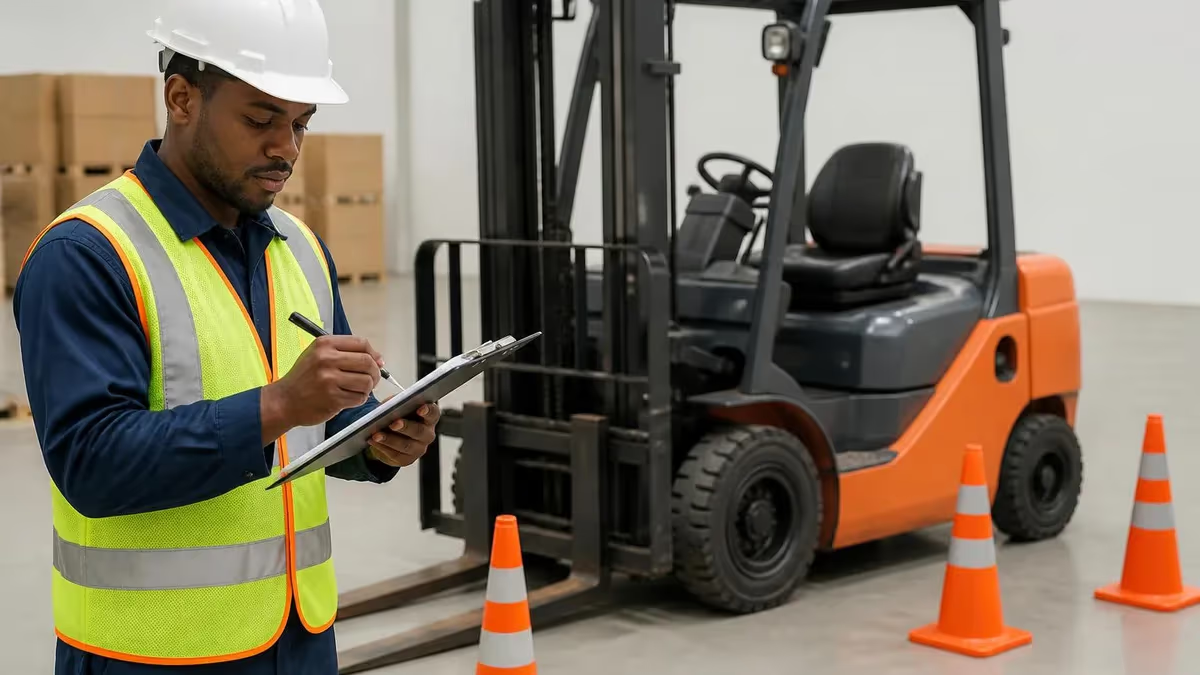
When you search for forklift services near me, you are usually trying to solve one of four problems quickly: you need to rent equipment for a short job, buy a machine for a growing operation, get operators legally certified, or fix a unit that has broken down on the warehouse floor. Local providers bundle these services in different ways, and understanding how the market works helps you avoid overpaying, waiting too long, or hiring an unqualified vendor. This guide breaks down every category so you can choose with confidence.
The most common starting point is forklift rental, which carries enormous demand because it lets businesses scale capacity without large capital outlays. A seasonal warehouse, a construction site, or a one-week inventory push rarely justifies buying a $30,000 machine. Renting locally also means faster delivery, on-site support, and the ability to swap classes of equipment as your needs change. Knowing the daily, weekly, and monthly rate structure is the single biggest factor in keeping your material handling budget under control throughout the year.
Buying is the other major path. Searching for a forklift for sale connects you with dealers offering new and used inventory, financing, and warranty packages. An electric forklift is increasingly popular for indoor work because it produces zero emissions, runs quieter, and costs less per hour to operate than a propane or diesel counterpart. Local dealers help you weigh purchase price against lifetime fuel, maintenance, and resale value so the cheapest sticker price does not become the most expensive machine.
Service providers also handle the human side of the business. Forklift training and operator certification are legally required under OSHA before anyone drives a powered industrial truck. Many local rental yards and dealers run training classes, and some offer on-site evaluations so your crew never leaves the property. A properly certified forklift operator reduces accidents, lowers insurance premiums, and keeps your facility compliant during surprise inspections. You can review related duties in our guide to forklift operator duties for a deeper look at daily responsibilities.
Repair and maintenance round out the local service ecosystem. Even the best forklifts need scheduled service, hydraulic repairs, tire replacement, and battery care. A nearby mechanic who can dispatch a mobile van within hours prevents costly downtime. Many shops offer planned maintenance contracts that bundle inspections, oil changes, and parts at a predictable monthly rate, which is almost always cheaper than reactive emergency repairs that happen at the worst possible moment during a production crunch.
Throughout this guide we will compare rental versus purchase economics, explain how to vet a local provider, walk through certification requirements, and map out the costs you should expect in 2026. Whether you operate a single stand up forklift in a small distribution center or manage a fleet across multiple sites, the goal is the same: find reliable, affordable, and compliant forklift services within a short drive of your facility. Let us start with the numbers that define this market.
Forklift Services by the Numbers

Types of Local Forklift Services You Can Find Near You
Short-term and long-term forklift rental near me options covering electric, propane, and rough-terrain units. Daily, weekly, and monthly rates with delivery, pickup, and operator support included in most local agreements.
New and used forklifts for sale through local dealers, with leasing, financing, and trade-in programs. Dealers help match lift capacity, mast height, and fuel type to your specific facility needs.
OSHA-compliant forklift training and certification offered on-site or in classroom. Programs cover classroom theory, hands-on evaluation, and the documentation employers must keep on file for inspections.
Planned maintenance contracts, mobile repair vans, hydraulic service, and emergency breakdown response. Local shops stock common parts and tires to minimize the costly downtime of an idle machine.
Tires, forks, batteries, chargers, attachments, and safety equipment from nearby suppliers. Same-day pickup or next-day delivery keeps your fleet running without waiting on long shipping windows.
Understanding forklift rental pricing is the fastest way to save money on local material handling. Most providers structure rates on three tiers: daily, weekly, and monthly. A standard 5,000-pound capacity warehouse machine typically runs $150 to $250 per day, $400 to $800 per week, and $900 to $1,800 per month. The longer you commit, the lower your effective daily cost falls, which is why a job lasting more than ten days almost always justifies a weekly or monthly contract instead of stacking up daily charges.
When you search forklift rental near me, the quoted rate is rarely the full story. Delivery and pickup fees often add $75 to $200 each way depending on distance. Damage waivers, fuel surcharges, and environmental fees can tack on another 10 to 15 percent. Always ask for an itemized quote so you can compare providers on total landed cost rather than the headline number. A yard five miles closer to your site can easily beat a cheaper machine located forty miles away once transport is included.
Capacity and lift height drive price more than any other factor. A compact 3,000-pound electric unit for tight indoor aisles costs far less than a 15,000-pound diesel machine that lifts loads three stories high. Telehandlers and rough-terrain forklifts for construction sites occupy the top of the price range, sometimes exceeding $450 per day. Specify your heaviest load and your highest stacking requirement up front so the provider matches you to the smallest, cheapest machine that still does the job safely.
Seasonality matters too. Demand for forklift rentals spikes during the fall retail buildup and the spring construction season, which tightens local availability and pushes rates upward. Booking two to three weeks ahead during these windows protects both your price and your access to the right equipment. Off-season renters in January or midsummer can often negotiate discounts of 10 to 20 percent simply by asking, because rental yards prefer a working machine generating revenue over an idle one sitting in the lot.
Many businesses overlook the rent-to-own and long-term lease options that local dealers offer. If you find yourself renting the same machine month after month, converting to a lease frequently lowers your cost and may apply a portion of past rental payments toward eventual ownership. This hybrid path suits operations whose volume is growing but not yet stable enough to justify an outright purchase. Ask every provider whether rental credits can roll into a future buy before you sign anything.
Finally, factor in the operator. Some short-term rentals include a certified driver, but most do not, meaning you supply your own trained crew. If you lack a certified forklift operator on staff, you must either train one or hire a temporary licensed driver, both of which carry cost and lead time. Before you compare details on our forklift dealers guide, build the labor cost into your rental budget so the total picture stays honest and complete.

Forklift certification Practice Test Questions
Prepare for the Forklift certification Certification exam with our free practice test modules. Each quiz covers key topics to help you pass on your first try.
Forklift certification Certification Forkl...
Forklift certification Exam Questions covering Certification Forklift certification Maintenance and Repairs. Master Forklift certification Test concepts for certification prep.
Forklift certification Certification Forkl...
Free Forklift certification Practice Test featuring Certification Forklift certification Maintenance and Repairs Questions and Answers. Improve your Forklift certification Exam score with mock test prep.
Forklift certification Certification Forkl...
Forklift certification Mock Exam on Certification Forklift certification Operator Training and Certification Requirements. Forklift certification Study Guide questions to pass on your first try.
Forklift certification Certification Forkl...
Forklift certification Test Prep for Certification Forklift certification Operator Training and Certification Requirements Questions and Answers. Practice Forklift certification Quiz questions and boost your score.
Forklift certification Load Handling and S...
Forklift certification Questions and Answers on Load Handling and Stability. Free Forklift certification practice for exam readiness.
Forklift certification OSHA Regulations an...
Forklift certification Mock Test covering OSHA Regulations and Compliance. Online Forklift certification Test practice with instant feedback.
Forklift certification Pre-Operation Inspe...
Free Forklift certification Quiz on Pre-Operation Inspections. Forklift certification Exam prep questions with detailed explanations.
Forklift certification Refueling and Recha...
Forklift certification Practice Questions for Refueling and Recharging Procedures. Build confidence for your Forklift certification certification exam.
Forklift certification Safe Driving and Ma...
Forklift certification Test Online for Safe Driving and Maneuvering. Free practice with instant results and feedback.
Forklift certification Workplace Hazard Id...
Forklift certification Study Material on Workplace Hazard Identification. Prepare effectively with real exam-style questions.
Forklift certification Forklift Instructions
Free Forklift certification Test covering Forklift Instructions. Practice and track your Forklift certification exam readiness.
Forklift certification Forklift MCQ
Forklift certification Exam Questions covering Forklift MCQ. Master Forklift certification Test concepts for certification prep.
Forklift certification Forklift Employer R...
Free Forklift certification Practice Test featuring Forklift Employer Responsibilities. Improve your Forklift certification Exam score with mock test prep.
Forklift certification Forklift Penalties ...
Forklift certification Mock Exam on Forklift Penalties for Non-Compliance. Forklift certification Study Guide questions to pass on your first try.
Electric Forklift vs Propane vs Diesel: Choosing the Right Power
An electric forklift is the top choice for indoor warehouse work because it produces zero emissions, runs quietly, and costs roughly 30 percent less per hour to operate than internal combustion models. Battery technology has improved dramatically, with lithium-ion packs charging in two to three hours and lasting a full shift on a single charge in most applications.
The trade-off is higher upfront cost and the need for charging infrastructure. You also lose some capacity at extreme lift heights compared to diesel. For clean, climate-controlled facilities running one or two shifts, electric units deliver the lowest total cost of ownership and the smallest environmental footprint over a typical seven to ten year service life.
Forklift Rental vs Buying: Which Makes Sense for You?
- +No large upfront capital investment required to get started
- +Maintenance and repairs are usually included in the contract
- +Easy to scale fleet up or down with seasonal demand
- +Access to newer models and varied equipment classes on demand
- +Predictable monthly cost simplifies budgeting and forecasting
- +No long-term depreciation or resale headache to manage
- −Long-term rental costs more than ownership over many years
- −Limited availability during peak construction and retail seasons
- −Delivery, pickup, and damage-waiver fees add to the base rate
- −You may not get the exact same machine each rental period
- −No equity built and no asset on your balance sheet
- −Daily rates become expensive for jobs lasting many weeks

Checklist for Choosing a Local Forklift Service Provider
- ✓Confirm the provider stocks the exact lift capacity and mast height you need.
- ✓Request a fully itemized quote including delivery, pickup, and fuel fees.
- ✓Verify the provider offers OSHA-compliant forklift training if you need it.
- ✓Ask about emergency repair response time and mobile service availability.
- ✓Check whether rental credits can apply toward a future purchase.
- ✓Read recent online reviews for reliability and equipment condition.
- ✓Confirm the machines pass daily inspection and have current service records.
- ✓Compare daily, weekly, and monthly rates to match your project length.
- ✓Ask whether a certified operator is included or must be supplied.
- ✓Confirm insurance, damage waiver terms, and liability coverage details.
Total landed cost beats the headline rate every time.
A machine advertised at $150 per day can easily cost $250 once you add delivery, pickup, fuel surcharge, and damage waiver. Always compare providers on the full out-the-door number for your specific job length, not the lowest daily rate. The closest yard usually wins on transport costs alone.
Before anyone operates a powered industrial truck, federal law requires proper certification, and finding forklift training near you is a core part of the local service ecosystem. Under OSHA standard 1910.178, every employer must ensure operators are trained, evaluated, and certified for the specific class of equipment they drive. Many local rental yards and dealers run training programs precisely because their customers cannot legally use rented machines without certified drivers. Booking training alongside a rental is often the most efficient way to stay compliant.
A complete certification of forklift program has three required parts: formal classroom instruction, practical hands-on training, and a workplace evaluation. The classroom portion covers stability principles, load handling, pedestrian safety, refueling, and inspection procedures. The hands-on segment lets the trainee operate the machine under supervision, and the final evaluation confirms competence on the actual equipment and in the actual environment where they will work. Skipping any step leaves an employer exposed to fines and liability.
OSHA certification is valid for three years, after which operators must be re-evaluated and recertified. Recertification is also required sooner if an operator is involved in an accident, observed driving unsafely, assigned to a different type of truck, or when workplace conditions change significantly. Tracking these expiration dates is critical for compliance. Our guide to forklift license renewal walks through the recertification timeline and the documentation employers must maintain on file.
Costs for local training vary widely. Group on-site programs where a trainer comes to your facility typically run $500 to $1,500 for a class of several operators, which works out to a low per-person rate. Individual classroom courses at a training center range from $100 to $300 per person. Online theory combined with an in-person evaluation is the cheapest path, but remember that the practical hands-on portion can never be completed entirely online under OSHA rules.
Different equipment classes require different certifications, so a forklift operator certified on a sit-down counterbalance truck is not automatically qualified to run a stand up forklift, a reach truck, or an order picker. Employers must train and evaluate operators on each truck type they will use. When you book training, be specific about which classes your facility runs so the program covers every machine your team will actually touch on the job.
Beyond legal compliance, good training pays for itself by reducing accidents, product damage, and downtime. Forklift incidents cause thousands of serious injuries every year, and a single tip-over or pedestrian strike can trigger massive medical, legal, and OSHA penalty costs. Well-trained operators handle loads more efficiently, treat equipment more carefully, and create a safer floor for everyone. Treat certification not as a box to check but as one of the highest-return investments in your operation.
Allowing an uncertified worker to operate a forklift can result in OSHA penalties exceeding $16,000 per violation, and willful or repeat violations climb far higher. Beyond fines, your business faces full liability for any injury or property damage. Always verify every operator holds current, equipment-specific certification before they touch a machine.
Owning equipment shifts your relationship with local services toward maintenance, repair, and eventual resale. A reliable nearby service shop is as valuable as the machine itself, because downtime on a busy floor costs far more than the repair bill. The smartest owners set up a planned maintenance contract that bundles scheduled inspections, fluid changes, filter replacements, and priority emergency response into a predictable monthly fee, usually far cheaper than reactive repairs after a breakdown.
Routine maintenance for forklifts follows a clear rhythm. Daily operator inspections catch obvious issues before each shift. Every 250 to 300 hours, the machine needs oil, filter, and hydraulic checks. Annual or higher-hour services address the transmission, drive train, mast chains, and brakes. An electric forklift shifts the maintenance focus toward battery care, watering, and charging discipline rather than engine service, which is one reason its total operating cost runs lower over the equipment's life.
Tires are among the most frequently replaced components, and choosing the right type matters for both safety and cost. Cushion tires suit smooth indoor concrete, while pneumatic tires handle rough outdoor terrain. Worn tires reduce stability, increase stopping distance, and accelerate wear on other components. Our detailed forklift tires guide explains how to read wear patterns and time replacements so you avoid both premature spending and dangerous over-wear on your fleet.
When evaluating a repair shop, prioritize response time and parts availability over the lowest hourly labor rate. A shop that stocks common components and dispatches a mobile van within hours saves you far more in avoided downtime than a cheaper shop that takes three days to source a part. Ask about their average response window, their parts inventory for your specific brand, and whether they offer loaner machines during major repairs to keep your operation moving.
Resale value should factor into every purchase decision from day one. Diesel and well-maintained propane machines hold value strongly, while older lead-acid electric units depreciate faster as battery condition becomes the limiting factor. Keeping complete service records dramatically improves resale price, because buyers pay more for a documented maintenance history. When you find a forklift for sale from a dealer, ask for those records; when you eventually sell, your own diligent paperwork pays you back.
Finally, build a relationship with a single trusted local provider that can handle rental, sales, training, and repair under one roof. Consolidating your business with one vendor often unlocks better pricing, priority scheduling, and a service team that genuinely knows your equipment and your operation. The convenience of a single point of contact for every forklift need is exactly what makes searching for comprehensive forklift services near me worth the effort in the first place.
With the categories understood, here are practical tips to get the most value from local forklift services in 2026. Start by defining your need precisely before you call any provider. Write down your heaviest load, your highest stacking height, your operating surface, indoor or outdoor use, and the duration of your project. This single page of specifications lets every provider quote accurately and prevents the costly mistake of renting an oversized machine or buying a unit that cannot reach your top racks.
Get at least three quotes for any significant rental or purchase. Pricing for forklift rental and sales varies more than most buyers expect, and providers know that customers who do not shop around will accept the first number offered. When you collect competing quotes, you gain leverage to negotiate, and you quickly learn which fees are standard versus padded. Always ask each provider to match or beat the best total landed cost you have received elsewhere.
Schedule ahead during peak seasons. Availability for quality forklift rentals tightens sharply during the fall retail buildup and spring construction surge, and last-minute renters pay premium rates for whatever is left. Booking two to three weeks early locks in both your machine and your price. If your need is recurring, a standing reservation or a seasonal contract guarantees access and almost always earns a better rate than scrambling at the last minute.
Inspect any machine before you accept it, whether renting or buying used. Check the tires for wear, the forks for cracks or bends, the hydraulics for leaks, the mast chains for proper tension, and the safety features like the horn, lights, and seatbelt. Photograph the unit's condition at pickup so you are not charged for pre-existing damage when a rental is returned. A ten-minute inspection protects you from disputes and from operating an unsafe machine.
Bundle services to save money and time. Many local providers discount the combined package when you rent equipment and book forklift training together, or when you sign a maintenance contract alongside a purchase. Consolidating with one vendor also simplifies billing and gives you a single accountable point of contact. Ask every provider what they can do on price when you commit multiple services to them rather than spreading your business across several companies.
Finally, invest in your operators and your records. A certified forklift operator who treats equipment carefully extends machine life, reduces accidents, and lowers your insurance and repair costs over time. Keep digital copies of certifications, inspection logs, and service records organized and accessible. When OSHA visits, when insurance renews, or when you sell a machine, that documentation pays for itself many times over. Strong habits around training and paperwork turn forklift management from a headache into a competitive advantage.
Forklift Questions and Answers
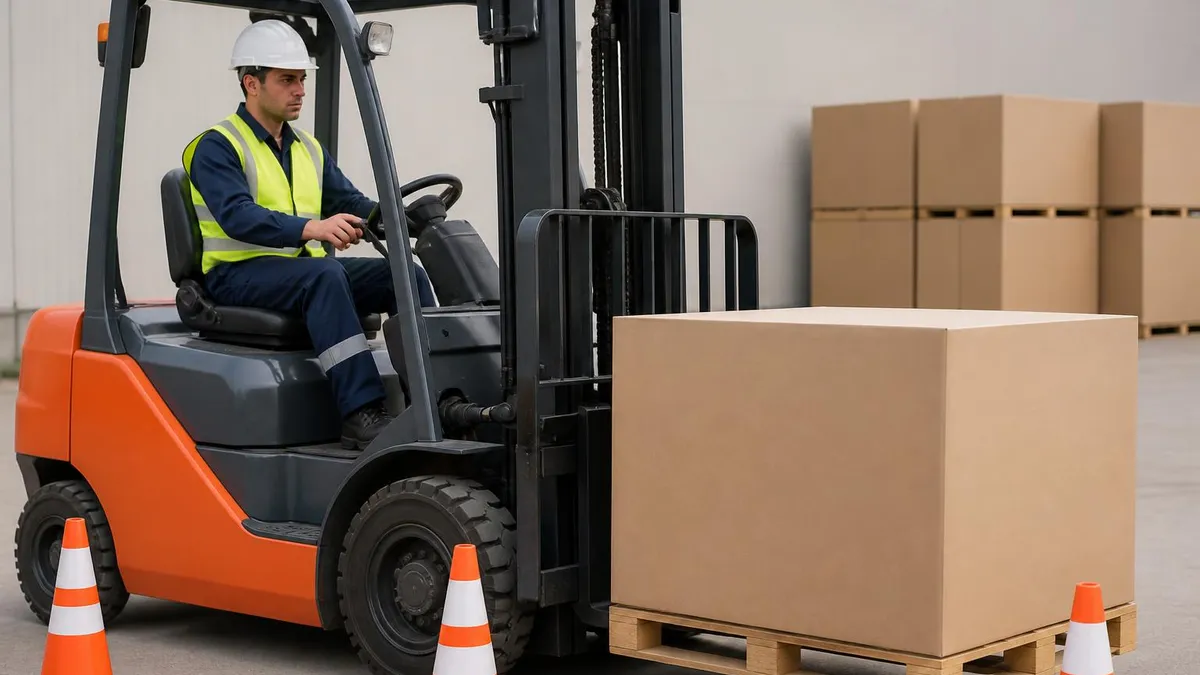
Forklift Tires: Complete Guide to Types, Sizing, Wear Patterns, and Replacement Costs
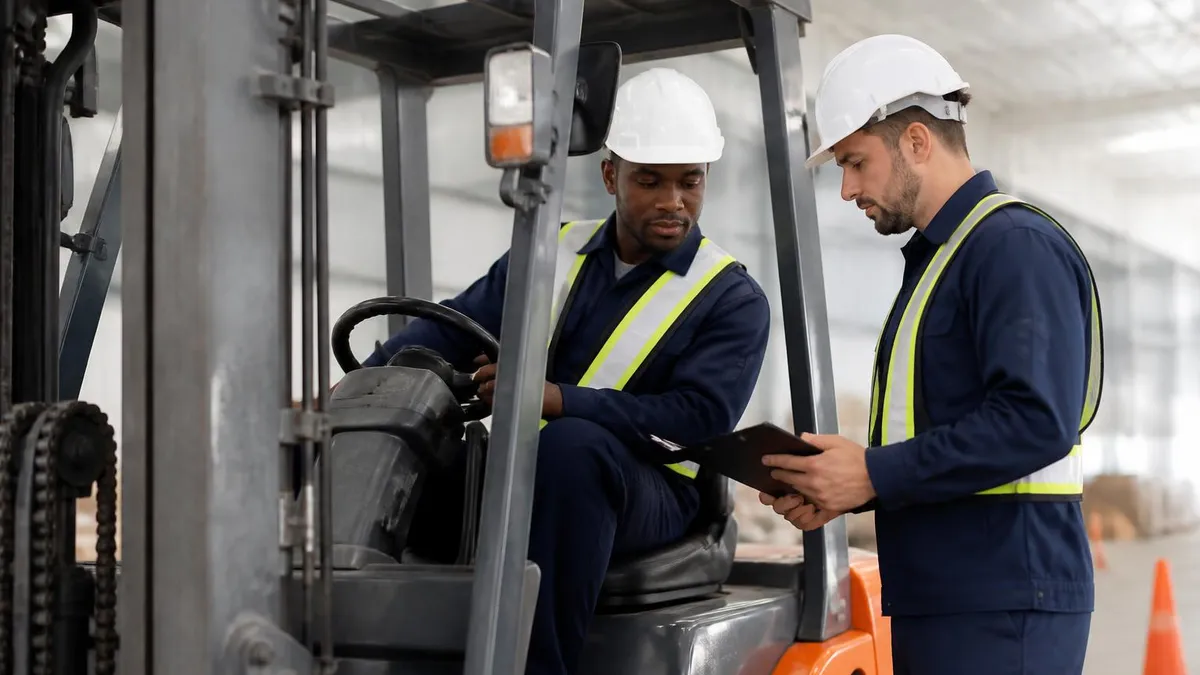
Forklift Operator Duties: Complete Guide to Daily Responsibilities, Safety Tasks, and Career Path for 2026
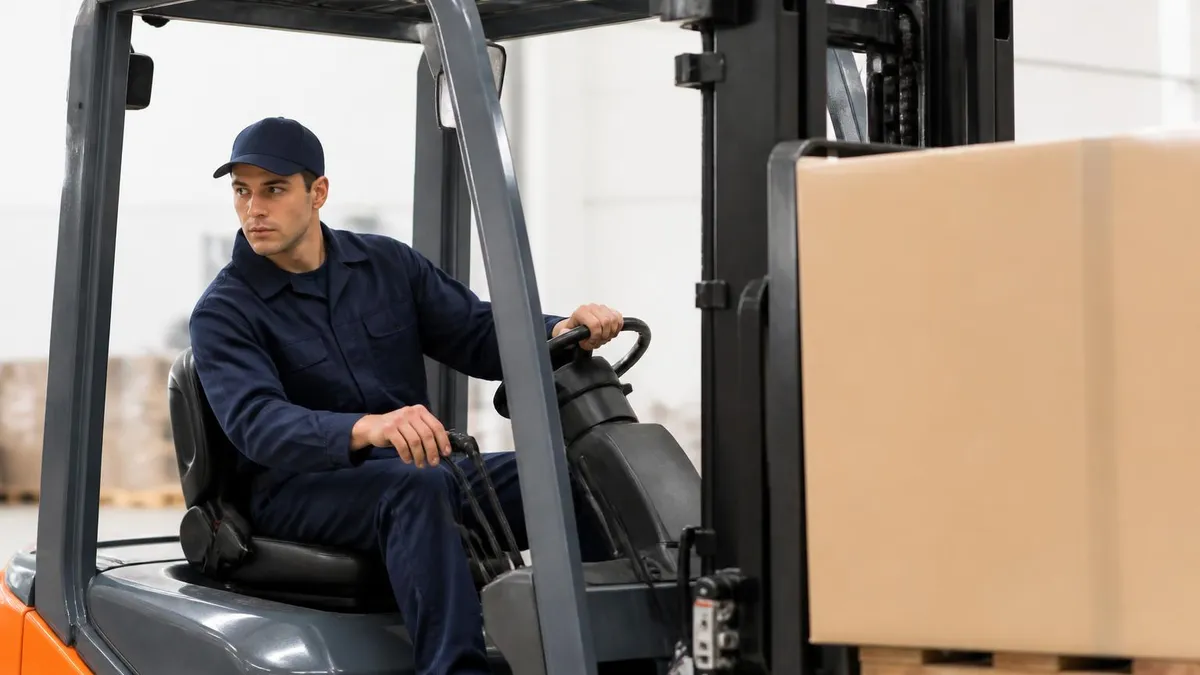
Forklift Dealers: Complete Guide to Buying, Renting, and Servicing Material Handling Equipment
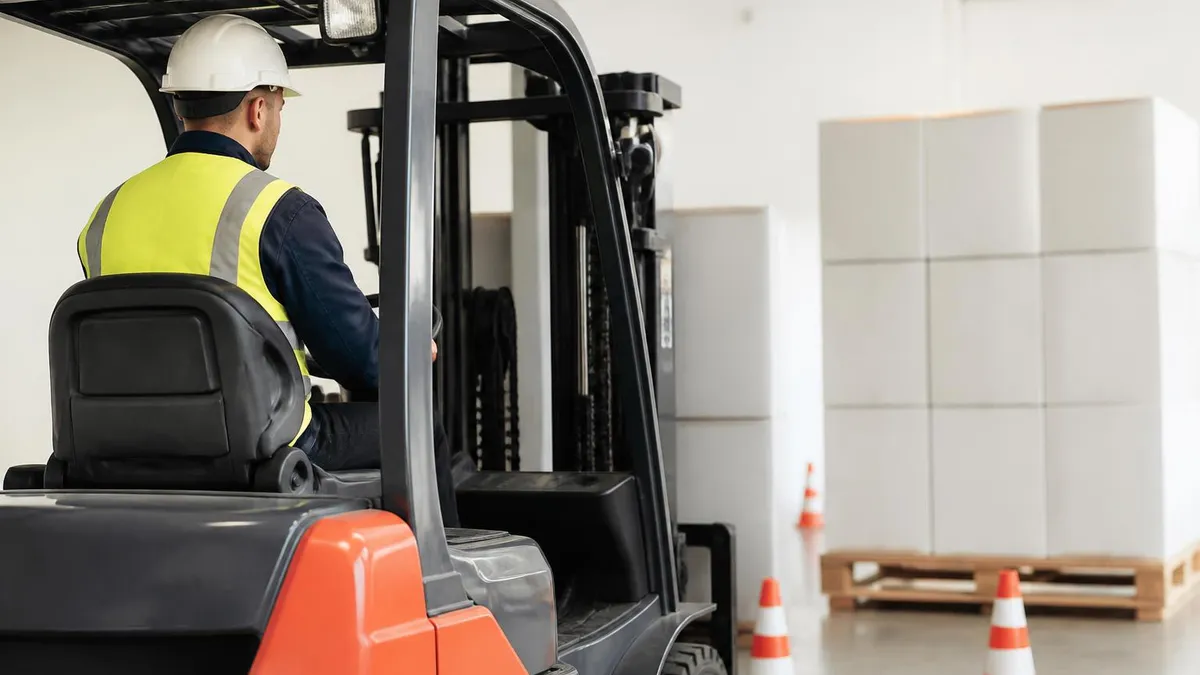
Forklift License Renewal: Complete Guide to Forklift License Expiry, OSHA Recertification, and Operator Requirements for 2026
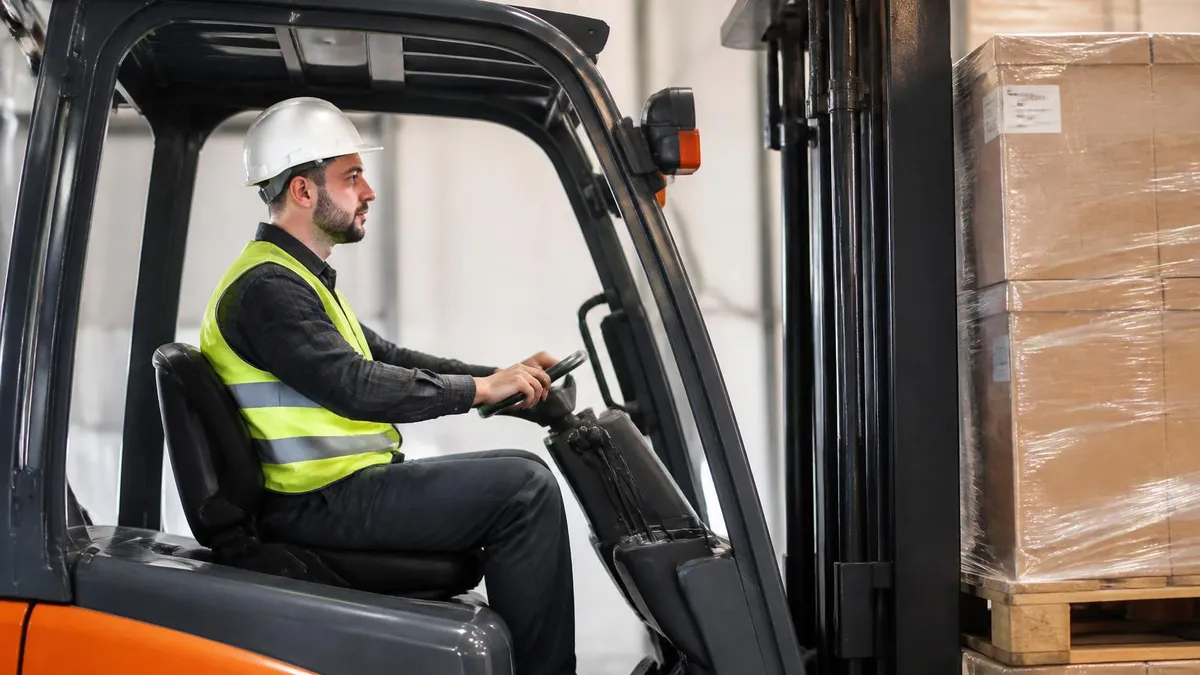
Sit Down Forklift Jobs: Complete Guide to Careers, Pay, Training, and Hiring in 2026
About the Author

Certified Crane Operator & Skilled Trades Exam Specialist
Ferris State UniversityRobert Martinez is a Journeyman Ironworker, NCCCO-certified crane operator, and forklift trainer with a Bachelor of Science in Construction Technology from Ferris State University. He has 21 years of ironworking, rigging, and heavy equipment operation experience across high-rise and industrial construction sites. Robert prepares candidates for crane operator, rigger, forklift, and skilled trades certification examinations.