
Pack Test for Wildland Firefighters: Complete Guide to Passing the Work Capacity Test
Master the pack test for wildland firefighters. Standards, training plans, salary data & practice tips. ✅ Full guide for arduous, moderate & light levels.
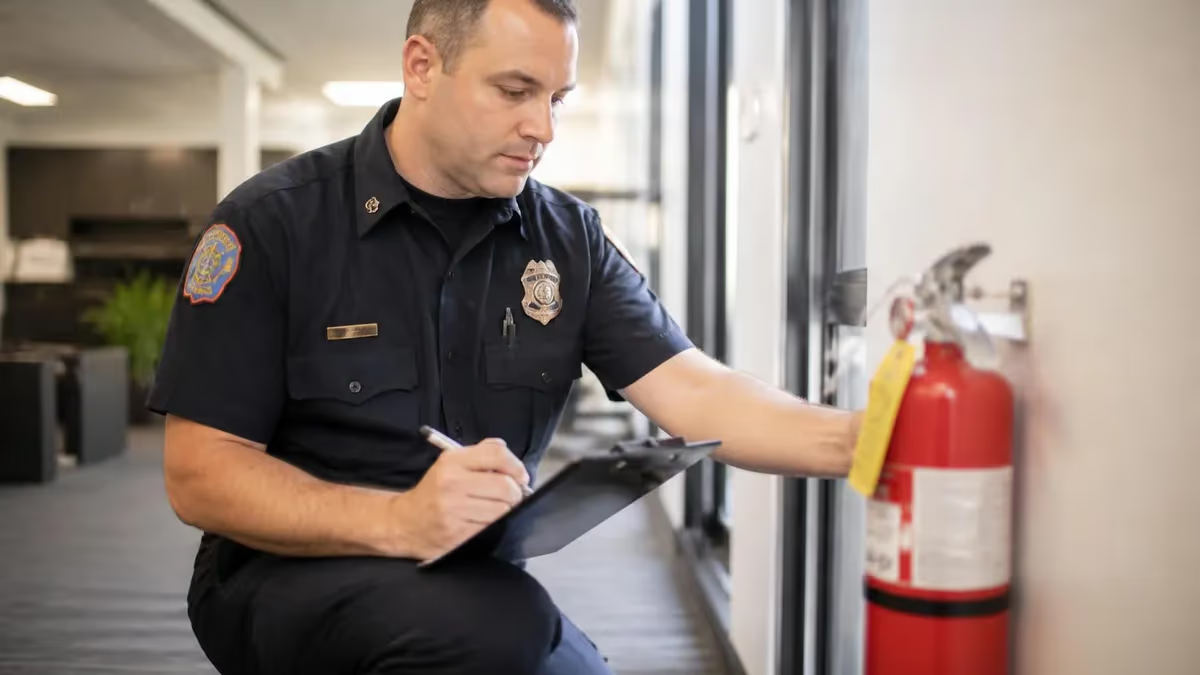
The pack test for wildland firefighters — formally called the Work Capacity Test (WCT) — is one of the most consequential physical assessments in the firefighting world. Every applicant hoping to work on a federal wildland crew must pass this timed walking test before they can set foot on a fire line.
Unlike the urban firefighter CPAT, which involves ladders and hose drags, the WCT measures aerobic endurance and functional strength under a weighted pack, directly simulating the grueling demands of hiking steep terrain while carrying tools, water, and gear. Recent events involving idaho firefighters shot during emergency incidents have underscored how critical it is that every crew member meets peak physical readiness standards before deployment.
The test comes in three certification tiers — Arduous, Moderate, and Light — each calibrated to a specific job classification and level of fire-line exposure. The Arduous level is the gold standard: candidates must complete a three-mile hike carrying a 45-pound pack in 45 minutes or less on a flat, measured course.
This works out to a sustained pace of four miles per hour with significant extra load, which challenges even athletic individuals who have not specifically trained for weighted hiking. The Moderate level requires a two-mile walk with a 25-pound pack completed in 30 minutes, and the Light level requires a one-mile walk with no pack completed in 16 minutes. Each level corresponds to distinct fire-line roles and risk exposure.
Understanding exactly what the WCT measures helps you train smarter. The test is primarily an aerobic challenge, but the 45-pound pack transforms it into a full-body effort. Your hip flexors, glutes, calves, and lower back all engage continuously, while your cardiovascular system operates at roughly 75–85 percent of maximum heart rate throughout the 45-minute window. This is why a candidate who runs marathons but has never trained with a loaded pack will frequently be surprised by how different — and how difficult — the weighted hike feels compared to an unloaded run of equivalent distance.
Federal agencies including the U.S. Forest Service, Bureau of Land Management, National Park Service, and Fish and Wildlife Service all use the WCT as a mandatory hiring prerequisite. Some state agencies and contract crews have adopted the same standard. Positions such as engine operator, hotshot crew member, helitack firefighter, and smokejumper all require the Arduous certification, meaning the vast majority of people pursuing a career as a wildland firefighter will need to conquer the hardest tier of the test.
Preparation timelines vary significantly based on your baseline fitness. A moderately fit adult who exercises three to four times per week should plan for six to ten weeks of targeted training before attempting the Arduous WCT. Individuals who are sedentary or returning from injury may need sixteen weeks or more. The key training variables are: weighted hike mileage, progressive pack weight, cardiovascular base, and leg-strength conditioning. Programs that ignore even one of these variables tend to produce test failures, particularly in the final half-mile when fatigue compounds rapidly.
It is also worth noting that the WCT is a pass/fail assessment — there are no partial scores, no curves, and no retakes on the same day. If you arrive at the test undertrained or underprepared, you will not receive the certification and you will lose the job offer. Most agencies allow retesting after a brief waiting period, but a failed test can delay your hiring by an entire season in wildland fire, where positions are filled rapidly in late winter and early spring. This reality makes consistent, disciplined pre-test preparation not just advisable but essential.
This guide covers everything you need to know: the exact standards for all three certification levels, a week-by-week training plan, nutrition and gear recommendations, salary expectations for certified wildland firefighters, and the broader pathway from WCT certification through a full career in wildland fire. Whether you are a first-time applicant, a green firefighter returning after a break, or a volunteer firefighter adding a new certification, this is the most complete resource available to help you prepare and succeed.
Wildland Firefighter Pack Test by the Numbers
Key Facts at a Glance
| Item | Value | Details |
|---|---|---|
| Arduous Level Time Limit | 45 min | 3 miles with 45-lb pack |
| Required Sustained Pace | 4 mph | Arduous level minimum |
| Recommended Prep Time | 6–16 wks | Depending on baseline fitness |
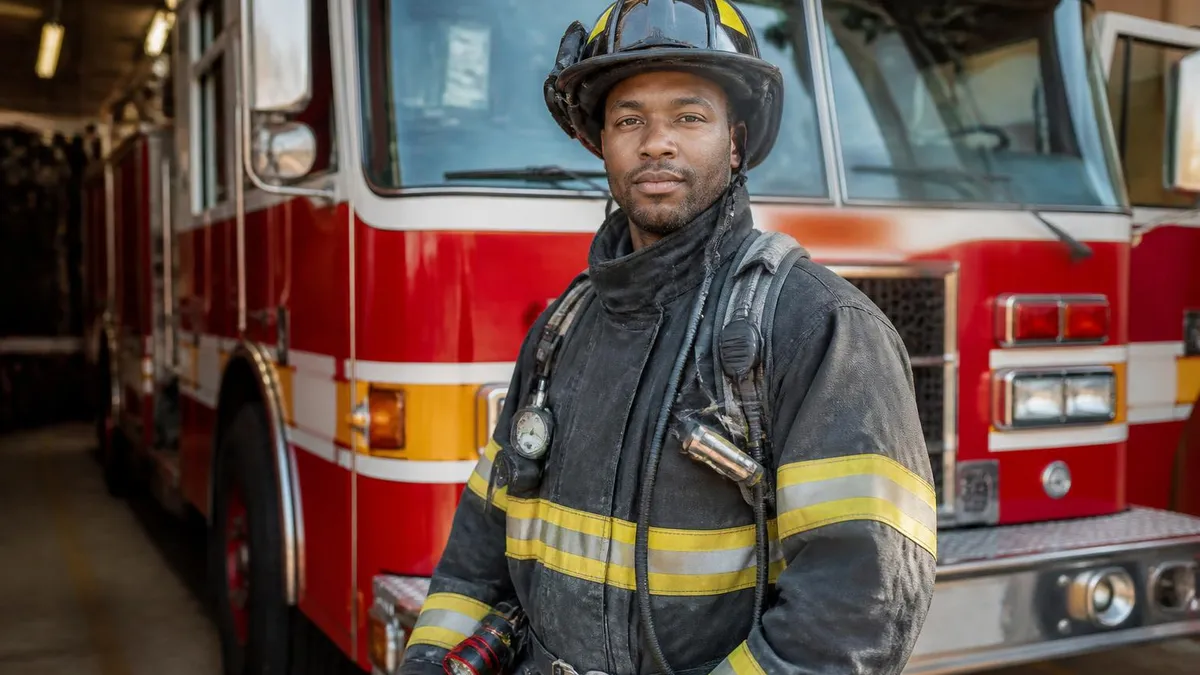
WCT Certification Levels Explained
Complete 3 miles in 45 minutes carrying a 45-pound pack on flat terrain. Required for hotshots, smokejumpers, helitack, and most engine crew positions. This is the standard every serious wildland firefighter must meet before fire season.
Complete 2 miles in 30 minutes with a 25-pound pack. Required for support roles with some fire-line exposure, including certain dispatch, logistics, and overhead positions that may require limited field presence.
Complete 1 mile in 16 minutes with no weighted pack. Required for low-risk, non-fire-line positions such as camp support, administrative overhead roles, and some resource advisor positions assigned to incidents.
All wildland fire personnel must recertify their WCT level each year before the fire season begins, typically by April 1. Lapsed certification means you cannot be deployed, regardless of years of experience or previous certifications earned.
Training for the pack test for wildland firefighters requires a fundamentally different approach than training for a standard road race or gym fitness test. The loaded-pack variable changes your biomechanics, elevates your heart rate by 10–20 beats per minute compared to unloaded walking at the same pace, and introduces cumulative fatigue in muscle groups — particularly the hip flexors, lumbar erectors, and trapezius — that most conventional cardio programs never specifically develop. The most effective training programs integrate three distinct training modalities: progressive loaded hiking, aerobic base building, and functional strength work targeting the posterior chain.
In the first two weeks of a standard six-week program, the priority is establishing your aerobic base and becoming comfortable walking briskly with load. Begin hiking two to three times per week with 20 to 25 pounds in your pack, covering two miles per session at a pace of 3.5 miles per hour.
Use this period to break in your boots — blisters on test day are a real performance limiter — and to assess your cardiovascular response to weighted walking. Supplement these hikes with two sessions per week of low-impact aerobic work such as cycling, swimming, or elliptical training to build your VO2 max without adding excessive lower-body fatigue.
Weeks three and four represent the load-building phase. Increase your pack weight to 35 pounds and your distance to 2.5 to 3 miles per session. Your goal in this phase is to sustain a 4-mile-per-hour pace — the exact pace required for the Arduous WCT — for at least 30 minutes continuously.
Use a GPS watch or phone app to monitor your pace in real time, because most people dramatically underestimate how fast four miles per hour actually feels when loaded. This is also the phase to begin incorporating your strength training: heavy Romanian deadlifts, Bulgarian split squats, and farmer carries will directly improve your ability to maintain pace as fatigue accumulates.
Weeks five and six are race-specific preparation. Your pack weight should match the test standard of 45 pounds, and you should complete at least two full-distance, timed mock tests on a flat, measured course. Treat these dress rehearsals seriously — wear the same boots and clothing you plan to wear on test day, start at the same time of morning, and push yourself to achieve your target split times at each mile marker.
Many candidates find that the first mile is comfortable, the second mile requires focus, and the final mile demands genuine mental and physical fortitude. Knowing what each phase feels like in practice eliminates test-day surprises.
Nutrition in the weeks before the test matters more than most candidates realize. Adequate carbohydrate intake — roughly 4 to 6 grams per kilogram of body weight daily — ensures your glycogen stores are fully loaded for the sustained moderate-intensity effort the WCT demands. In the 48 hours before the test, avoid high-fiber foods that can cause gastrointestinal discomfort during effort, and prioritize sleep — research consistently shows that even a single night of poor sleep degrades endurance performance by 5 to 10 percent. On test morning, eat a familiar carbohydrate-rich meal two hours before your start time.
Gear selection also directly affects test performance. Choose a pack with a hip belt that transfers the majority of weight to your hips rather than your shoulders — this reduces upper-body fatigue dramatically. The hip belt should sit on your iliac crest, not your waist, and should be snugged firmly before you start walking.
Your boots should be broken in, supportive, and flat-soled rather than raised-heel trail runners, which can strain the Achilles tendon during sustained fast walking. Compression socks reduce calf fatigue and blister formation during the test. If you want to understand how much do firefighters make relative to the physical demands of the job, the WCT is a good reminder of what agencies are literally paying for — high physical readiness under real operational stress.
Mental preparation is the underappreciated dimension of pack test success. The final quarter-mile of the Arduous WCT is a test of will as much as fitness. Your legs will be burning, your pack will feel heavier, and your pace will naturally want to slow. Developing mantras, pace cues, and mental checkpoints during training — for example, identifying trees, lamp posts, or other landmarks every quarter-mile — gives your mind concrete targets to work toward rather than an abstract finish line. Candidates who train mentally as deliberately as they train physically consistently outperform those who rely on fitness alone.
Wildland Firefighter Career Paths After WCT Certification
Most wildland firefighters begin their careers as GS-3 or GS-4 federal employees assigned to engine crews or hand crews during their first season. Entry-level positions typically pay between $32,000 and $42,000 annually for a seasonal appointment, with opportunities to earn significant overtime and hazard pay during active fire season that can push total compensation 30 to 50 percent above base salary. The WCT Arduous certification is non-negotiable for these roles.
After one or two seasons as a crew member, motivated firefighters can advance to positions such as Squad Boss (GS-5), Crew Captain (GS-7), or Crew Superintendent (GS-9) on a hotshot crew. Each step up requires additional incident command training, completion of courses in the National Wildfire Coordinating Group (NWCG) curriculum, and demonstrated leadership during active incidents. The career ladder is merit-based and moves quickly for candidates who perform well under pressure and pursue training aggressively during off-seasons.
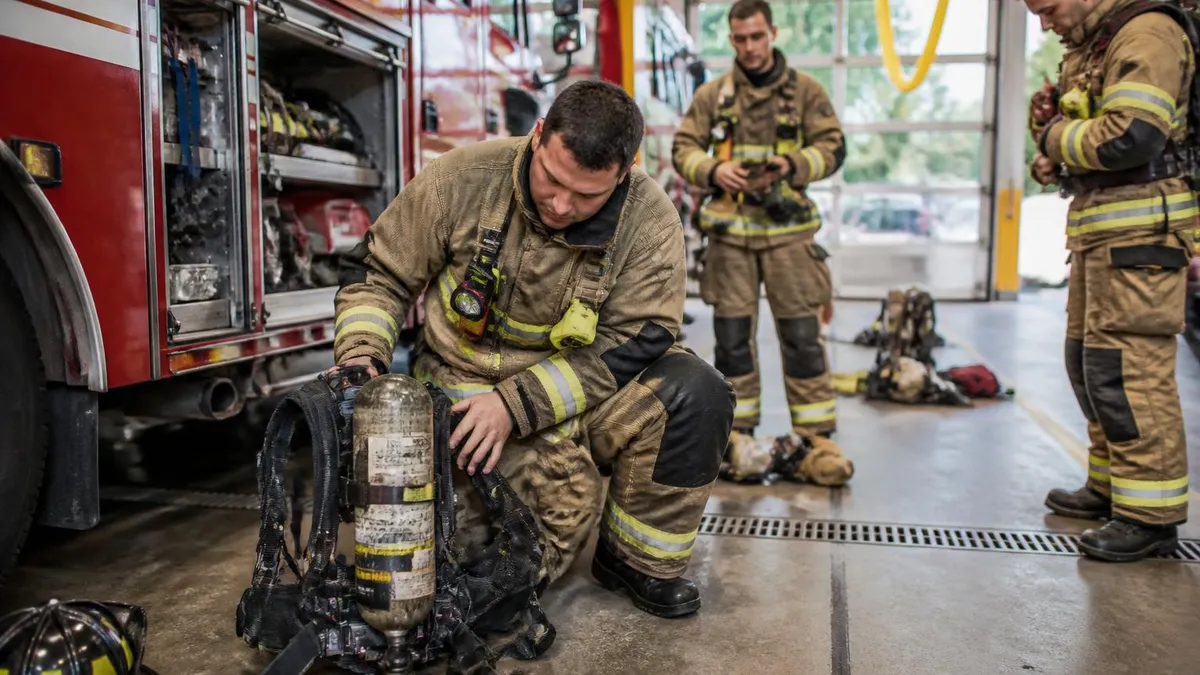
Is a Wildland Firefighting Career Right for You?
- +Strong federal job security with clear GS pay-scale advancement pathways
- +Significant overtime and hazard pay opportunities during active fire seasons can substantially boost annual income
- +Work takes place in some of the most remote and beautiful landscapes in the United States
- +Federal employee benefits including FEHB health insurance and FERS pension for permanent positions
- +High camaraderie and sense of mission — wildland crews develop exceptional team cohesion
- +Diverse career ladder from entry-level crew member to Fire Management Officer or national coordination roles
- −Seasonal employment dominates early careers, with no income or benefits during off-seasons
- −Physical demands are extreme and injuries — particularly musculoskeletal — are common
- −Long deployments of 14 to 21 days away from home are standard during peak fire season
- −Historically lower base pay compared to structural firefighters in urban departments
- −Annual WCT recertification means a single injury or fitness decline can end a season before it begins
- −Wildfire smoke exposure carries long-term respiratory health risks that are only beginning to be studied systematically
Pack Test Preparation Checklist: Everything You Need Before Test Day
- ✓Confirm your test date, location, and reporting time at least two weeks in advance with your agency HR contact.
- ✓Break in your hiking boots over at least four to six weeks of training hikes before the test date.
- ✓Complete at least two full mock Arduous WCT dress rehearsals with 45 pounds and timed over 3 miles.
- ✓Select and load-test your pack with a secure hip belt that transfers weight to your hips, not your shoulders.
- ✓Review the official NWCG Work Capacity Test standards document to understand observer protocols and course requirements.
- ✓Eat a carbohydrate-rich meal two hours before your test start time, and bring water for hydration immediately after finishing.
- ✓Sleep a minimum of seven to eight hours for the two nights preceding your test to optimize endurance performance.
- ✓Arrive at the test site at least 30 minutes early to complete check-in, warm up with light walking, and calibrate your pace.
- ✓Confirm your pack weight on a certified scale on the morning of the test — under-weight packs result in disqualification.
- ✓Establish split-pace targets (e.g., Mile 1 at 14:30, Mile 2 at 29:00) and monitor them throughout using a GPS watch.
Start Conservative — Finish Strong
The single most common reason conditioned candidates fail the Arduous WCT is going out too fast in the first mile. Starting at 4.2 mph feels easy; by mile two with 45 pounds of pack, the accumulated cost becomes brutal. Target exactly 4.0 mph from the starting line, use split times at each mile marker to self-regulate, and hold back enough energy to accelerate in the final quarter-mile if your time requires it.
Understanding the full compensation picture for wildland firefighters requires looking beyond base salary to the complete package of pay supplements, benefits, and long-term earning potential that federal service provides. The question of how much do firefighters make is genuinely complicated by the interplay of GS pay grade, locality pay adjustments, overtime, hazard pay, and the distinction between seasonal and permanent appointments.
For entry-level GS-3 seasonal crew members in a low-cost-of-living area, annual base earnings during a six-month season might be $18,000 to $22,000. But a GS-5 crew member in California during a high-fire year, working 14-day assignments with overtime and hazard pay, can earn $55,000 to $70,000 in that same six-month window.
The Tim Hart Wildland Firefighter Act, signed in 2021, established a special pay supplement for federal wildland firefighters working in eligible positions, bringing many GS-3 through GS-10 wildland fire employees up to a minimum effective hourly rate of $20. Subsequent legislative action in 2023 and 2024 expanded pay parity provisions, and federal agencies have been implementing multi-year pay modernization plans. The BLM, Forest Service, and NPS have all noted that recruitment and retention challenges drove these reforms — a reality that suggests compensation will continue improving for the foreseeable future.
Permanent federal wildland firefighters who reach GS-9 through GS-12 grades — positions such as Fire Management Officer, Fuels Program Manager, or District Fire Advisor — earn base salaries ranging from $60,000 to $105,000 before locality adjustments. In high-locality areas like San Francisco, Seattle, or Denver, locality pay can add 25 to 35 percent to base, pushing mid-career permanent fire officers into six-figure territory even at the GS-10 level.
Add the federal FERS pension, which provides 1.1 percent of high-three average salary per year of service (meaning a 30-year firefighter earns a pension worth 33 percent of their career average salary), and the lifetime compensation value of a federal wildland fire career is substantially higher than the base salary figures suggest.
For context, structural firefighters in major urban departments — the type of role covered extensively in resources about how to become a firefighter in cities like New York or Los Angeles — typically earn higher base salaries than their wildland counterparts, often $75,000 to $110,000 annually in large metro markets, with pensions that frequently provide 50 to 90 percent of final salary after 20 to 25 years.
The tradeoff is that urban firefighting is geographically fixed, shift-based work, while wildland fire offers geographic mobility, outdoor work environments, and a more varied operational experience across national forests, wilderness areas, and complex multi-agency incidents.
Volunteer firefighter status is a different compensation structure entirely. Volunteer wildland firefighters in state programs — common in Western states including Idaho, Montana, Oregon, and California — typically receive stipends or per-diem payments during deployments rather than salaries, along with liability coverage and workers' compensation.
Some counties operate hybrid systems where volunteer wildland firefighters receive small annual stipends plus deployment pay. The commitment is significant — volunteers must still maintain WCT certification at the appropriate level and complete required NWCG training courses — but the arrangement allows people to contribute meaningfully to wildland fire response without making it their primary career.
The broader landscape of firefighter compensation also intersects with high-profile events that have focused public attention on wildland fire. Incidents such as the tragic shooting involving Idaho firefighters responding to a complex emergency have highlighted the dangerous environments in which all firefighters — not just those on structural assignments — must sometimes operate.
These events reinforce why rigorous physical and professional standards exist and why compensation reform advocates argue that wildland firefighters deserve pay commensurate with the full spectrum of risks they face, which extends well beyond smoke and flame to include remote terrain, wildlife encounters, vehicle accidents on mountain roads, and occasionally the kind of public safety crossover events that have made the phrase swat firefight part of the lexicon of modern emergency response.
Looking forward, the combination of climate-driven fire season expansion, federal hiring commitments, and pay reform legislation suggests that wildland firefighting careers will offer increasingly competitive compensation over the next decade. Agencies projected in their 2024 workforce plans that the Forest Service alone will need to hire several thousand additional permanent and seasonal fire personnel through 2030. For candidates who pass the WCT and build a solid initial record, the career trajectory has never offered stronger long-term prospects.
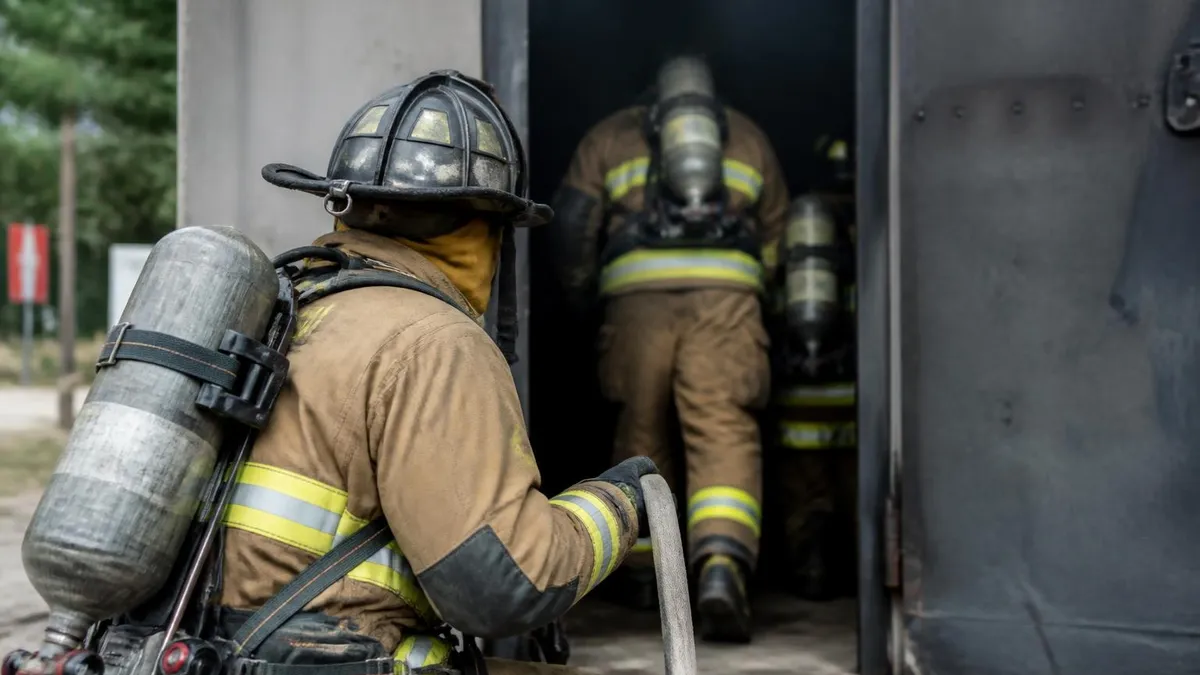
Federal wildland fire agencies typically set WCT recertification deadlines of April 1 each year. Missing this deadline means you cannot be deployed, even if you are already employed in a fire position. If you experience an injury or illness during the off-season that prevents you from training, notify your supervisor early — some agencies have medical review processes for temporary exemptions, but these are not guaranteed and must be initiated proactively.
Advanced training and specialization pathways in wildland fire open up rapidly after your first one or two seasons as a certified crew member. The National Wildfire Coordinating Group (NWCG) manages a comprehensive curriculum of courses that wildland firefighters complete to qualify for progressively more complex and responsible roles on fire incidents. These courses range from the foundational S-130 Firefighter Training and S-190 Introduction to Wildland Fire Behavior that all new firefighters complete before their first assignment, through advanced incident command, aviation management, and prescribed fire courses that define the upper career tiers.
The Incident Command System (ICS) qualification pathway is the backbone of career advancement in wildland fire. Entry-level crew members typically hold the Single Resource Boss — Crew (CRWB) qualification after their first season, which allows them to lead small elements within a larger crew.
Advancing to Division Supervisor (DIVS), Operations Section Chief (OSC), or Incident Commander Type 3 (ICT3) requires years of documented operational experience, formal coursework, and performance evaluations signed by qualified mentors. These qualifications are portable across agencies — a Forest Service-qualified Division Supervisor can be ordered to a BLM or state incident — making them among the most valuable professional credentials in emergency management.
Aviation-related specializations represent some of the highest-paying and most technically demanding roles in wildland fire. Helitack crew members, aerial supervisors (ATGS), and air tactical group supervisors undergo extensive aviation safety and operations training on top of their ground-fire qualifications. Single Engine Air Tanker (SEAT) managers and lead plane pilots coordinate aerial suppression operations from the air, directing tanker drops on active fire fronts with precision timing. These roles typically require five to ten years of ground-fire experience before aviation-specific training begins, and they come with substantially elevated compensation and qualification-based pay.
Prescribed fire and fuels management represents a growing specialization within wildland fire agencies. As land management agencies expand prescribed burning programs to reduce accumulated fuels and lower catastrophic fire risk, positions in fuels management — ranging from Prescribed Burn Boss (RXB2/RXB1) to Fuels Program Manager — have grown in number and strategic importance. These roles involve planning, coordinating, and executing controlled burns across thousands of acres, integrating smoke modeling, weather forecasting, resource logistics, and community communication. They are typically permanent, year-round positions, making them attractive to firefighters seeking to transition out of seasonal status.
If you are interested in the cultural and human dimensions of wildland fire, films about firefighters like Only the Brave and Fire of Love have brought significant public attention to the dangerous beauty of wildland fire work and the exceptional people who do it.
These portrayals, while dramatized, accurately capture the physical intensity, team bonds, and genuine peril that define front-line wildland fire experience. They have also contributed to a surge in interest from new applicants who want to enter the field — which makes the competition for entry-level positions more intense and the importance of WCT preparation even more critical.
Leadership development programs such as the NWCG's Leadership Development Program (L-380, L-381, L-480) formalize the professional and interpersonal competencies that technical training alone cannot provide. These courses address decision-making under uncertainty, crew resource management, situational awareness, and the ethical dimensions of leading people in environments where poor decisions kill. Completing this leadership curriculum alongside technical qualifications is what separates crew members who plateau at the Squad Boss level from those who advance to Superintendent, Fire Management Officer, or national coordination assignments.
Finally, for those interested in the intersection of fire science and policy, the wildland fire field increasingly values people with academic backgrounds in fire ecology, atmospheric science, forestry, or public administration. Graduate programs in fire science at institutions like the University of Montana, University of Nevada Reno, and Colorado State University produce professionals who move into research, policy, and senior management roles.
The field is broad enough to accommodate everything from seasonal crew members with GEDs to PhD researchers who have never held a Pulaski — what connects them all is a shared commitment to the complex, urgent, and critically important work of managing fire on the American landscape.
Practical preparation for the WCT goes beyond logging miles and adding weight to your pack. The most important habit you can develop in the weeks before your test is honest self-assessment. After every training hike, log your time, your pace at each mile, how the pack felt on your shoulders versus your hips, where your breathing became labored, and how your legs felt at the end versus the beginning. This data tells you what to adjust — whether you need more volume, heavier load, better packing technique, or simply more sleep and recovery between sessions.
Equipment optimization is an area where many candidates leave easy gains on the table. A pack that fits poorly will cost you 30 to 60 seconds on a 45-minute test through added fatigue and discomfort. Before test day, load your pack to 45 pounds and walk for 30 minutes at test pace.
If the load is riding on your shoulders rather than your hips, re-adjust the hip belt and shoulder strap tension. The hip belt should carry 70 to 80 percent of the load — if your shoulders are burning after 15 minutes, your pack is improperly fitted. Many gear shops that serve backpacking communities can help with proper fit at no charge.
Hydration strategy before and during the test is equally important but frequently overlooked. You are not permitted to drink during the WCT itself, so pre-hydration is your only option. In the 24 hours before the test, drink at least 80 to 100 ounces of water and avoid alcohol, which impairs recovery and disrupts sleep.
On test morning, drink 16 to 20 ounces of water upon waking and another 8 to 12 ounces about 30 minutes before your start time. Being even mildly dehydrated at the start of a 45-minute aerobic effort at 4 mph will noticeably degrade your performance and perceived exertion.
Course knowledge matters more than many candidates expect. The WCT is administered on a flat, certified course, but the specific course varies by testing site. Some sites use a straight out-and-back route; others use a loop or multi-leg layout. Knowing the course geometry helps you plan your pace strategy. On a straight out-and-back, for example, the turnaround point at 1.5 miles is a natural psychological marker — knowing you are heading home can provide a mental boost in the second half that helps maintain pace when fatigue is setting in.
Recovery planning immediately after the test is also worth thinking through in advance. If you pass — which you will, with proper preparation — your legs, hips, and lower back will be fatigued. Plan for 24 to 48 hours of light activity and prioritizing protein intake to begin repair. If you are being hired on the spot or reporting to initial training shortly after your WCT date, your agency should build in some recovery time, but understanding your physical state going into the next phase of orientation will help you manage energy and avoid early-season injury.
The green firefighter experience — the feeling of being new to the culture, language, and physical demands of wildland fire — can be disorienting even for fit and motivated candidates. Your first season will involve learning a dense vocabulary of fire terms, incident command structures, tool handling techniques, and safety protocols while also performing strenuous physical labor.
The WCT is your entry credential, but the real education starts when you arrive at your crew assignment. Approach it with humility, ask questions constantly, and recognize that experience on the line is irreplaceable — no amount of pre-season preparation fully substitutes for standing in the heat, smoke, and urgency of an actual fire assignment.
Community and support networks significantly affect long-term success in wildland fire. Connecting with experienced firefighters through your agency, through social media groups dedicated to wildland fire professionals, or through organizations like the Grassroots Wildland Firefighters advocacy group gives you access to mentorship, job leads, and honest perspectives on career navigation that no official publication provides. The wildland fire community is tight-knit — reputations travel fast across agencies and regions — and investing in professional relationships early in your career pays dividends for decades.
Sample Firefighter Practice Questions
Try these questions from our free Firefighter practice tests. The correct answer and an explanation follow each question.
The majority of firefighters in North America are ___ firefighters.
- A. military
- B. volunteer
- C. career
- D. paid-on-call
Answer: B. volunteer
The majority of firefighters in North America serve as volunteers. While large urban areas often have career departments, countless smaller communities and rural areas rely entirely on volunteer fire departments due to lower call volumes and budget constraints. This widespread reliance on volunteers makes them the largest segment of the firefighting force across the continent.
At a hazardous materials incident, a first responder uses the Emergency Response Guidebook (ERG) and knows the 4-digit UN identification number of the substance. Which section of the ERG should they consult first to identify the material and its corresponding guide number?
- A. The blue-bordered pages
- B. The orange-bordered pages
- C. The yellow-bordered pages
- D. The green-bordered pages
Answer: C. The yellow-bordered pages
The yellow-bordered pages of the ERG list hazardous materials in numerical order by their 4-digit UN/NA identification number. This allows for rapid identification of the substance and directs the responder to the appropriate orange guide page for initial actions.
What should firefighters do if there is no designated rehab area at an incident?
- A. Continue working without breaks
- B. Ignore the need for rehab
- C. Develop an improvised rehab area on site
- D. Take manual breaks in designated rest areas
Answer: D. Take manual breaks in designated rest areas
Even without a formally designated rehab area, firefighters must prioritize their safety and recovery. Taking manual breaks in designated rest areas ensures they receive essential rest, hydration, and monitoring, preventing fatigue and heat stress. This practice is crucial for maintaining their physical well-being and operational effectiveness during an incident.
You're on your shift and going about your work when something really important comes up. The problem is exceedingly demanding, and none of your colleagues has ever dealt with a situation like this before. What are your options for dealing with this situation?
- A. Without hesitation, take action.
- B. Fail to act in any way.
- C. Make a thorough examination of all the variables at play and take decisive action.
- D. Ask about other team members' opinions on the best course of action.
Answer: D. Ask about other team members' opinions on the best course of action.
When faced with an unprecedented and demanding problem, the best approach is to leverage the collective intelligence of your team. Even if no one has direct experience, discussing the situation and soliciting opinions can lead to creative solutions, identify potential pitfalls, and ensure a more informed decision. Acting without consultation or failing to act are less effective strategies in such complex scenarios.
Firefighter Questions and Answers

Firefighter CPAT Test: Complete Guide to Passing the Candidate Physical Ability Test
What is the Firefighter Exam?

NYC Firefighter Test: Complete Guide to the New York City Firefighter Exam

Online Firefighter Training: Complete Guide to Courses, Certification & Career Prep
Firefighter Video Questions and Answers
About the Author

Emergency Manager & FEMA Certification Specialist
Naval Postgraduate SchoolCommander Lisa Foster holds a Master of Science in Emergency Management from the Naval Postgraduate School and is a FEMA-certified emergency manager and Certified Emergency Manager (CEM). With 18 years of emergency response coordination experience across federal and state agencies, she coaches emergency management professionals through ICS, NIMS, and FEMA Independent Study certification programs.
Join the Discussion
Connect with other students preparing for this exam. Share tips, ask questions, and get advice from people who have been there.
View discussion (6 replies)