
Firefighters Training: Complete Guide to Becoming a Firefighter in the US
Complete firefighters training guide: salary data, CPAT prep, volunteer vs career paths & exam tips. Start your firefighter career today! 🏆
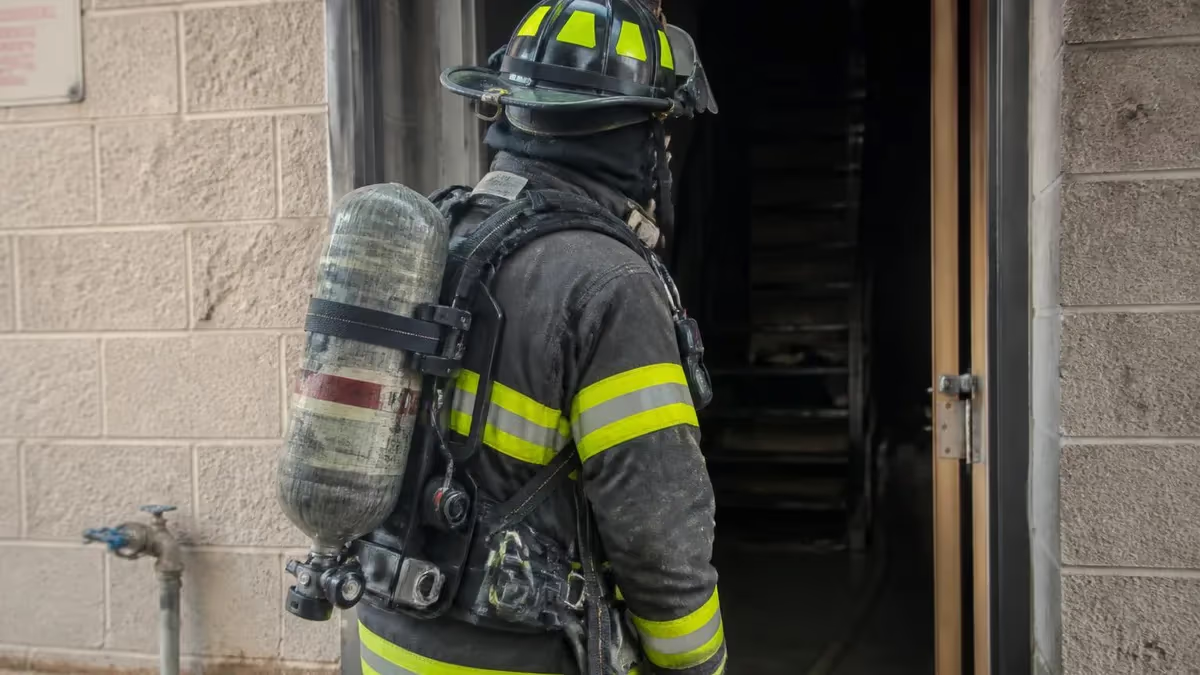
Firefighters training in the United States is one of the most rigorous and rewarding preparation processes any career candidate can undertake. Whether you are drawn to the profession after reading about idaho firefighters shot in the line of duty or you have always dreamed of serving your community, understanding the full training pipeline is essential before you commit to this path. The journey from civilian to certified firefighter involves physical conditioning, academic study, hands-on skill development, and a series of competitive examinations that weed out all but the most dedicated candidates.
The modern firefighting profession demands far more than courage and physical strength. Today's firefighter must be proficient in emergency medical care, hazardous materials response, technical rescue operations, and incident command systems. Recruits who enter the fire academy without a thorough understanding of these disciplines quickly fall behind, which is why comprehensive pre-academy preparation has become standard practice among successful candidates nationwide. Programs range from community college fire science degrees to intensive online self-study paired with physical conditioning regimens.
Understanding firefighter salary expectations is a key motivator for recruits. According to the U.S. Bureau of Labor Statistics, the median annual wage for firefighters sits near $64,000, though experienced personnel in high-cost metropolitan departments can earn well over $100,000 when overtime and special assignment pay are factored in. These numbers make firefighting one of the most financially stable public-safety careers available to candidates without a four-year college degree, though academic credentials are increasingly valued during competitive hiring processes.
The question of how to become a firefighter is one that career counselors, fire department recruiters, and online communities field thousands of times every year. The basic pathway involves meeting minimum age and education requirements, passing a written civil service exam, completing a structured physical ability test such as the CPAT, clearing a background investigation and medical evaluation, and then surviving the fire academy itself. Each of these gates eliminates a significant percentage of applicants, making early and systematic preparation absolutely critical to your chances of success.
One topic that has dominated recent public discourse is the danger firefighters face not only from fires and structural collapses but also from direct violence. High-profile incidents involving idaho firefighters shot while responding to calls have prompted departments across the country to revisit safety protocols, body armor policies, and coordination with law enforcement during active-threat situations. These incidents underscore the reality that firefighting has evolved beyond structural suppression into a complex, multidisciplinary emergency-response profession that carries genuine risks at every level.
This comprehensive guide will walk you through every major phase of firefighters training, from initial eligibility requirements through academy graduation and beyond. You will find data on salary trajectories, detailed breakdowns of the physical and written testing process, comparisons between volunteer and career firefighting pathways, and actionable study strategies to help you pass your written exam on the first attempt. Whether you are exploring the profession for the first time or actively preparing for a specific department's hiring process, this resource is designed to give you the clearest possible picture of what lies ahead.
By the end of this article you will understand exactly what separates candidates who receive conditional job offers from those who do not. The difference almost always comes down to preparation quality, not raw talent. Departments receive hundreds of applications for every open position, and hiring panels are specifically trained to identify candidates who have invested in their professional development before even stepping foot in a testing center. Use this guide as your roadmap, commit to the timeline it recommends, and you will dramatically improve your probability of wearing a badge.
Firefighters Training by the Numbers
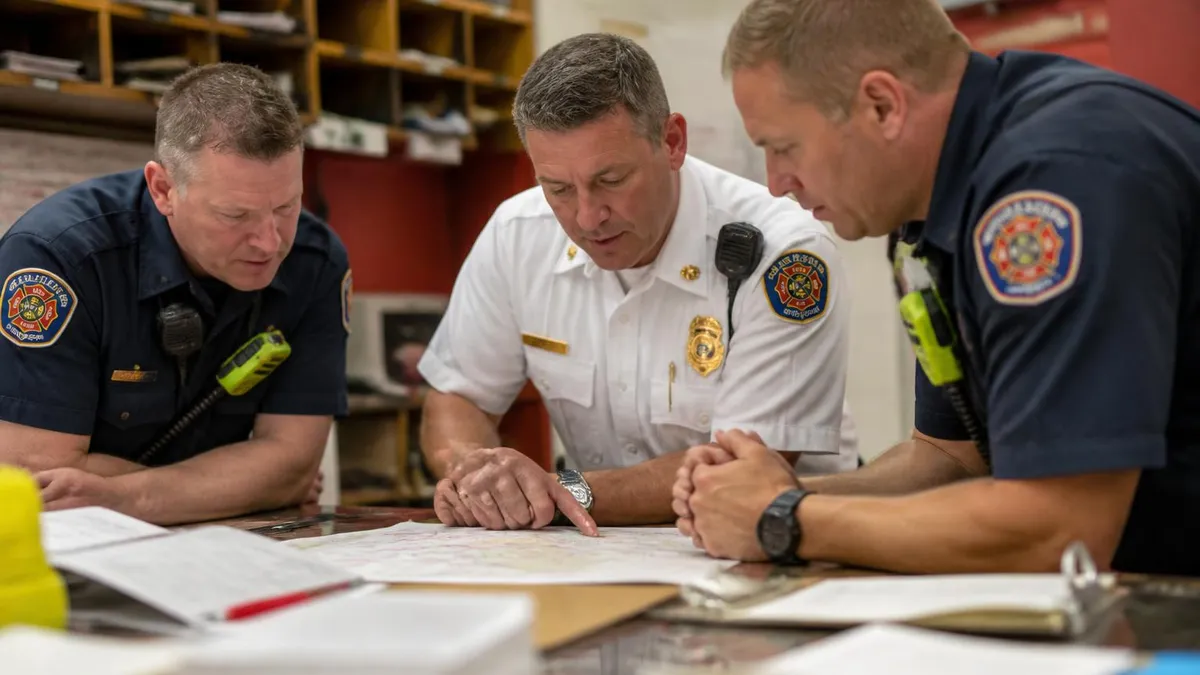
How to Become a Firefighter: Step-by-Step Path
Meet Minimum Requirements
Pass the Written Civil Service Exam
Complete the CPAT Physical Ability Test
Clear Background, Medical & Psych Evaluations
Graduate from the Fire Academy
Complete Probationary Period
When people ask how much do firefighters make, the answer depends heavily on geography, department size, and rank. Entry-level career firefighters in rural departments may start as low as $38,000 annually, while recruits entering large urban departments in cities like New York, Los Angeles, or Chicago often begin at $65,000 or more. The gap between starting salaries and senior firefighter pay is substantial, with 20-year veterans in top-paying departments routinely exceeding $110,000 when regular overtime is included in total compensation calculations.
Beyond base salary, career firefighters typically receive comprehensive benefits packages that significantly increase total compensation value. Employer-funded pension plans, fully covered health insurance for the entire family, generous paid leave accrual, and uniform allowances are standard in most municipal departments. When these benefits are converted to their dollar equivalent, total compensation for even a mid-career firefighter often exceeds $90,000 per year, making the profession exceptionally competitive with private-sector careers that require college degrees and years of professional experience.
Rank progression is the primary driver of salary growth throughout a firefighting career. After completing the probationary period, a firefighter typically advances through a structured rank system: Firefighter I, Firefighter II, Driver/Engineer, Lieutenant, Captain, Battalion Chief, and Division Chief. Each promotion requires passing written and practical examinations, accumulating documented experience, and often completing additional college coursework. Many departments also offer specialty pay for hazmat technicians, paramedics, technical rescue specialists, and fire investigators, which can add $5,000 to $15,000 or more to annual earnings.
Geographic variation in firefighter pay reflects the enormous differences in cost of living across the United States. California consistently ranks as the highest-paying state for firefighters, with a mean annual wage exceeding $90,000 according to BLS occupational employment data. New Jersey, Washington state, and New York also rank near the top. In contrast, southern and plains states often show mean salaries in the $40,000 to $55,000 range, though the lower cost of living in these regions means that purchasing power may be comparable. Candidates considering relocation should analyze both gross salary and local cost-of-living indices before making decisions.
Overtime pay is a structural feature of firefighting compensation that many candidates underestimate. Because fire stations must maintain minimum staffing levels around the clock, departments frequently require firefighters to work beyond their scheduled shifts. The Fair Labor Standards Act (FLSA) provides specific overtime calculation rules for public safety employees under what is known as the Section 7(k) exemption, which allows departments to set a longer work period for overtime calculation. In practice, many firefighters earn 15% to 30% of their base salary in overtime pay annually, significantly boosting take-home income.
Firefighter salary data often makes headlines alongside stories of line-of-duty injuries and deaths, including the high-profile incidents involving idaho firefighter shooting situations that shocked communities nationwide. These events have renewed conversations about hazard pay and compensation for firefighters who respond to scenes involving active shooters or other violent threats. Several states and municipalities have implemented enhanced pay structures and insurance policies specifically designed to address the evolving risk profile of modern emergency response, recognizing that today's firefighters often operate in environments that bear little resemblance to the structure fires that defined the profession decades ago.
For candidates trying to plan their financial future, understanding the full compensation picture from day one to retirement is essential. Most career firefighters qualify for pension benefits after 20 to 25 years of service, often retiring at 50% to 80% of their highest salary with full healthcare continuation. Combined with Social Security benefits (for departments that participate) and personal retirement savings, a firefighter who manages finances wisely can achieve genuine financial security far earlier than workers in most other professions. This long-term perspective often motivates candidates to endure the grueling hiring process and demanding academy experience.
Volunteer Firefighter vs. Career Firefighter: Key Differences
The volunteer firefighter pathway serves as the backbone of fire protection across rural America, with approximately 65% of all US firefighting personnel serving in an unpaid or stipend-based capacity. Volunteers typically train alongside career counterparts, completing NFPA 1001 Firefighter I and II certification courses that cover the same foundational skills. Many volunteers use this experience to build competitive applications for career positions, treating voluntary service as a multi-year internship that provides hands-on experience unavailable through classroom study alone.
Compensation structures for volunteer departments vary widely by state and municipality. Some departments offer per-call stipends ranging from $10 to $50 per response, while others provide annual incentive payments, tuition assistance, or property tax exemptions. For guidance on whether do volunteer firefighters get paid in your specific state, check your state's fire marshal office website. The primary benefit of volunteering, however, is not financial — it is the operational experience and professional network that dramatically strengthens career hiring applications.
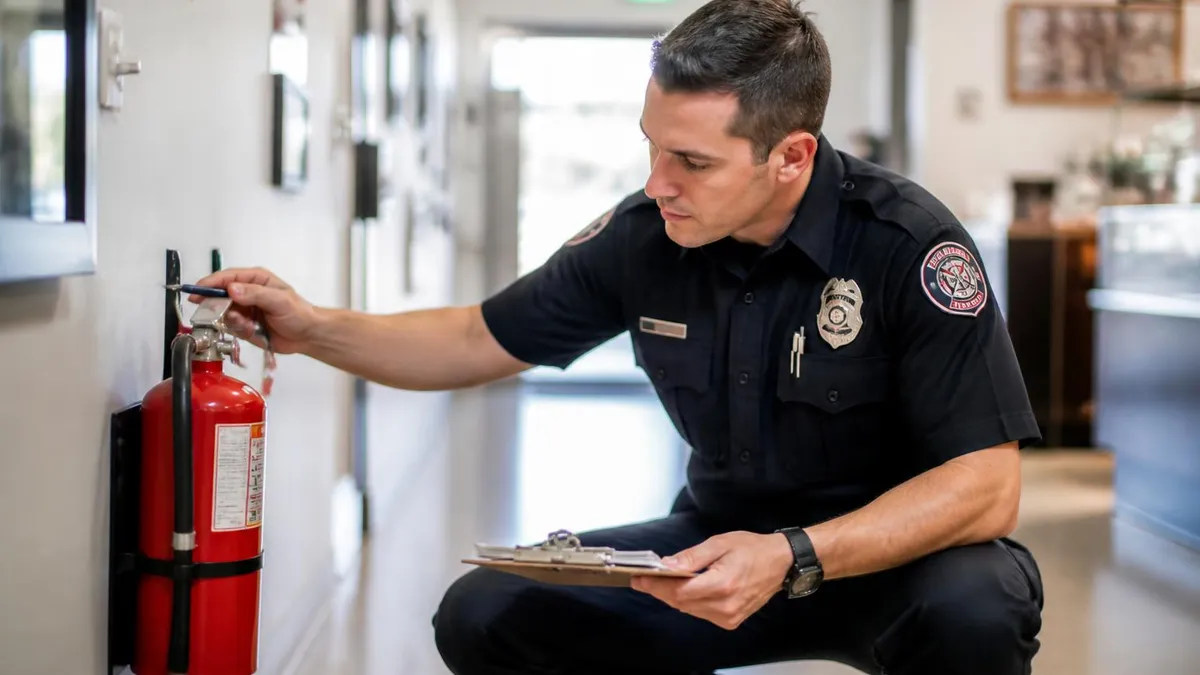
Career Firefighting: Honest Pros and Cons
- +Exceptional job stability — fire departments rarely conduct mass layoffs even during economic downturns
- +Comprehensive benefits including fully funded family health insurance and defined-benefit pension plans
- +Shift schedule provides large blocks of consecutive days off for family, hobbies, and second careers
- +Meaningful community service — direct, visible positive impact on people during their worst moments
- +Strong union representation in most career departments protects wages and working conditions
- +Diverse specialization opportunities in hazmat, technical rescue, paramedic, and fire investigation
- −Extremely competitive hiring process with hundreds of applicants per opening in most markets
- −Physical and psychological demands accumulate over a career, with elevated rates of PTSD and chronic illness
- −Shift work disrupts family routines and social schedules in ways that require deliberate relationship management
- −Exposure to carcinogens in smoke and building materials significantly elevates cancer risk over time
- −Line-of-duty injury and death risk is genuine, including violent incidents similar to idaho firefighter shooting events
- −Mandatory overtime during staffing shortages reduces control over personal schedule and rest time
Pros and Cons at a Glance
| Pros | Cons |
|---|---|
| Exceptional job stability — fire departments rarely conduct mass layoffs even during economic downturns | Extremely competitive hiring process with hundreds of applicants per opening in most markets |
| Comprehensive benefits including fully funded family health insurance and defined-benefit pension plans | Physical and psychological demands accumulate over a career, with elevated rates of PTSD and chronic illness |
| Shift schedule provides large blocks of consecutive days off for family, hobbies, and second careers | Shift work disrupts family routines and social schedules in ways that require deliberate relationship management |
| Meaningful community service — direct, visible positive impact on people during their worst moments | Exposure to carcinogens in smoke and building materials significantly elevates cancer risk over time |
| Strong union representation in most career departments protects wages and working conditions | Line-of-duty injury and death risk is genuine, including violent incidents similar to idaho firefighter shooting events |
| Diverse specialization opportunities in hazmat, technical rescue, paramedic, and fire investigation | Mandatory overtime during staffing shortages reduces control over personal schedule and rest time |
Pre-Academy Preparation Checklist for Firefighter Candidates
- ✓Obtain your EMT-Basic certification before applying — many departments now require it at the application stage
- ✓Build a consistent cardiovascular fitness base with four or more weekly sessions of sustained aerobic exercise
- ✓Practice CPAT-specific events including stair climbing under load, hose drags, and ladder raises
- ✓Study for the written civil service exam using official firefighter practice tests and timed simulations
- ✓Complete a fire science or emergency services course at your local community college to strengthen your application
- ✓Obtain a CPR/AED certification and keep it current throughout the entire hiring process
- ✓Research your target department's specific hiring requirements and timeline at least 12 months in advance
- ✓Shadow active firefighters during open houses or through formal ride-along programs to confirm career fit
- ✓Review your driving record and credit history, then resolve any issues before submitting applications
- ✓Prepare a detailed professional resume that documents all relevant training, certifications, and volunteer experience
Written Exam Score Is Your First Filter — Treat It Like a Final Exam
In departments that receive 500+ applications for five openings, a written exam score below the 90th percentile typically means your application never reaches a human reviewer. Candidates who score 95 or above consistently advance to the physical testing stage. Investing 60 to 90 days of structured exam preparation — using real firefighter practice questions, timed tests, and targeted review of weak areas — is the highest-ROI action you can take before submitting your first application.
The fire academy represents the most intense phase of firefighters training, and recruits who arrive physically and academically underprepared often find themselves dismissed within the first several weeks. Academy curricula are built around NFPA 1001 standards, which define the minimum job performance requirements for firefighter certification. These standards cover a broad range of competencies including fire behavior and combustion science, building construction and forcible entry, search and rescue techniques, ventilation, water supply, fire attack, and emergency medical care at the first responder level.
Live fire training is the defining experience of the fire academy and the one that separates conceptual knowledge from operational competence. Recruits don full personal protective equipment — the same turnout gear, SCBA, and helmet they will wear in actual emergencies — and advance into structures where instructors have set controlled fires burning at temperatures exceeding 1,000 degrees Fahrenheit. The sensory experience of real fire, including the heat radiating through gear, the roar of combustion, and the total visual disorientation caused by thick smoke, cannot be replicated in any classroom exercise and must be experienced to be truly understood.
Academic performance inside the academy is equally demanding. Recruits face written examinations on fire behavior chemistry, hydraulics calculations, apparatus operations, and incident command protocols. Most academies require candidates to maintain a minimum grade of 70% or 75% on all examinations, with any score below that threshold triggering remediation and, if not corrected, dismissal. The combination of physical exhaustion from daily drills and the cognitive demands of night studying creates a sleep-deprivation environment that mirrors actual fireground conditions in ways that are entirely intentional.
Hazardous materials training has become an increasingly prominent component of modern fire academies as chemical incidents grow more complex. Recruits must demonstrate competency at the operations level, meaning they can recognize hazmat indicators, establish isolation perimeters, and perform defensive actions without entering the hot zone. More advanced hazmat technician certification is typically pursued as a post-academy specialty, but the foundational awareness training received during the recruit phase is critical for safe performance on the vast majority of industrial and transportation incidents that career firefighters encounter throughout their service.
Emergency medical training within the academy varies significantly depending on state requirements and departmental policy. Some academies fully integrate EMT-Basic certification into the recruit program, adding several hundred additional hours to the overall training pipeline. Others assume that candidates arrive with existing EMT credentials and focus academy medical training on integration with fireground operations — specifically, how to manage patient care in the chaotic, resource-constrained environment of a structure fire or vehicle extrication. Departments that operate as combined fire-EMS agencies often require paramedic certification within the first few years of employment, adding another significant educational milestone to the career timeline.
Watching films about firefighters can actually provide meaningful supplementary learning when used strategically alongside formal training materials. Documentaries about wildland firefighting operations, urban search and rescue teams, and department-produced training videos offer visual context that textbook descriptions cannot provide. However, Hollywood dramatizations often depict firefighting inaccurately, so recruits must develop critical eyes for distinguishing realistic operational content from cinematic exaggeration. Many experienced instructors curate approved video resources specifically because high-quality visual content accelerates comprehension of complex topics like fire progression and structural collapse indicators.
Post-academy specialization is where many firefighters find their deepest professional satisfaction and their highest earnings potential. Technical rescue disciplines including confined space rescue, trench rescue, structural collapse response, and swift water rescue each require hundreds of hours of specialized training beyond the basic academy curriculum. Wildland firefighting certifications open opportunities for seasonal or permanent assignments with federal agencies including the US Forest Service and Bureau of Land Management. Each specialty expands a firefighter's operational value and often comes with qualification pay that compounds over an entire career, making early investment in additional training an excellent long-term financial decision.
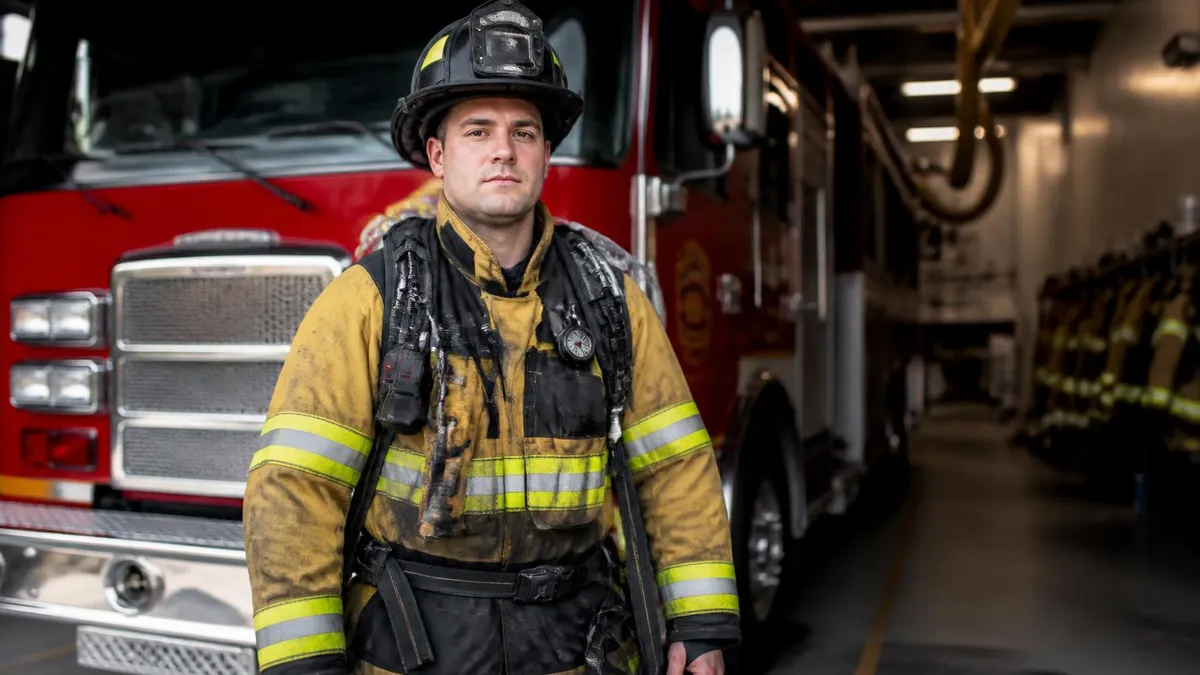
Most municipal fire departments open their application portals for only two to four weeks per hiring cycle, and some large departments open hiring only once every 12 to 24 months. Missing a deadline by even one day means waiting for the next full cycle. Set up job alerts on your target departments' official websites and government job boards like USAJOBS and your state's civil service portal at least 12 months before you plan to apply, so no window catches you unprepared.
Preparing for the firefighter written examination requires a structured, systematic approach that most candidates underestimate in both scope and difficulty. The modern firefighter exam draws from an expanding knowledge base that includes reading comprehension passages drawn from training manuals, mechanical reasoning problems involving levers, pulleys, and hydraulic systems, spatial orientation tasks that simulate navigating smoke-filled structures without visible landmarks, and mathematical calculations covering unit conversion, flow rate determination, and gear ratio problems. Strong performance across all of these domains requires weeks of targeted preparation rather than a few days of cramming.
Reading comprehension is the section where most candidates lose points they should not lose, because it requires careful attention to detail rather than external knowledge. Firefighter exams typically present a passage from a training manual or standard operating procedure and then ask detailed questions about specific information contained in that passage.
The correct answer is always supported by the text — but many candidates answer from prior knowledge rather than the passage itself, falling into traps set by questions that test whether the reader is anchored to the specific language presented. Practicing with realistic reading comprehension exercises specifically drawn from firefighting source material is the most efficient way to strengthen this skill.
Mechanical aptitude questions frequently surprise candidates who have not previously worked in trades or technical fields. These problems present diagrams of simple machines and ask candidates to predict force requirements, direction of motion, or mechanical advantage. The underlying physics is not complex — most questions involve basic lever principles, gear interactions, or pulley systems — but the visual format and the compressed time allowed per question create pressure that causes errors. Consistent practice with mechanical reasoning drills, starting without time pressure and gradually adding time constraints as accuracy improves, is the proven approach for building reliable performance in this section.
Spatial orientation questions are unique to public safety examinations and require recruits to mentally navigate floor plans and building layouts after viewing them briefly. A typical question presents a building diagram for 30 seconds, removes it, and then asks the candidate to determine which direction they would be facing or which exit they would reach by following a described path. This skill directly mirrors real fireground situations where firefighters must maintain orientation while crawling through zero-visibility smoke, making it both a valid predictor of job performance and a genuinely trainable cognitive ability when practiced consistently over time.
Mathematical calculation questions on firefighter exams focus on practical applications rather than abstract algebra. Candidates must calculate pump discharge pressures using the engine pressure formula, determine the weight of water in hose lines, convert between units of measurement, and perform percentage calculations for fuel mixture problems. A scientific calculator is generally not permitted during the examination, so fluency with mental math and basic written calculation is essential. The good news is that these calculation types are finite and predictable, meaning a candidate who practices the fifteen or twenty most common problem formats will encounter few surprises on test day.
Study schedules that spread preparation across eight to twelve weeks consistently produce better results than intensive cramming concentrated in the week before the examination. The spaced repetition effect — the well-documented cognitive phenomenon where information reviewed at expanding intervals is retained far more durably than information reviewed repeatedly in a single session — is particularly powerful for the factual and procedural content that dominates firefighter written exams.
Building a study calendar that revisits each content area multiple times across the preparation period, with difficulty increasing as testing approaches, maximizes both retention and test-day confidence in ways that cramming simply cannot replicate.
Mock examinations under realistic testing conditions are the single most valuable preparation tool available to firefighter candidates in the final three weeks before their actual examination. Taking a full-length practice test — with no interruptions, using only the materials permitted in the real exam, and strictly respecting the time limits for each section — produces performance data that identifies remaining weak areas and builds the test-taking stamina needed to maintain focus through a three-hour high-stakes examination.
Candidates who complete five or more full-length practice tests before their actual exam date consistently outperform candidates who studied the same total hours but never completed a full simulated test.
Physical conditioning for the firefighter CPAT begins months before the test date for most successful candidates, and those who underestimate the event-specific demands of the assessment often fail despite being generally fit. The CPAT is not a traditional fitness test — it is a job simulation that requires candidates to perform heavy physical work continuously for up to ten minutes and twenty seconds while wearing a fifty-pound weighted vest that simulates the mass of actual turnout gear.
General cardiovascular fitness provides a foundation, but event-specific training that mimics the stair climb, hose drag, equipment carry, and ceiling breach stations of the CPAT is essential for reliable passing performance.
The stair climb event, which opens the CPAT, is the single greatest differentiator between candidates who pass and those who fail. This event requires climbing a stepping machine set to a specific step rate for three minutes continuously while wearing the weighted vest plus an additional 25-pound shoulder load simulating a hose pack.
The cardiovascular and muscular demands of this event alone exhaust many candidates before they reach the remaining seven events. Training protocols that involve weighted stair climbing on a StairMaster at progressively increasing resistance two to three times per week, beginning at least ten weeks before the CPAT date, are the most reliable preparation approach recommended by training specialists and successful candidates alike.
Grip strength and upper body muscular endurance are limiting factors for the hose drag, ladder raise, and ceiling breach events that appear in the middle and later portions of the CPAT. Many candidates who are strong in isolation find that their grip and pulling strength deteriorate rapidly after the stair climb event has already depleted their cardiovascular reserves.
Training that specifically targets sustained grip endurance — farmer's carries, dead hangs, rope pulls, and high-repetition rowing movements — rather than maximum strength development prepares the body for the cumulative fatigue pattern of the actual CPAT sequence more effectively than standard strength training alone.
Recovery between CPAT preparation sessions is as important as the training itself, and many candidates sabotage their physical readiness by overtraining in the final two weeks before their test date. The body requires adequate rest to convert training stress into functional fitness adaptations, and candidates who ramp intensity rather than taper in the week before their CPAT typically perform worse than those who reduce volume while maintaining some activity to stay sharp.
A proven peaking protocol involves full training intensity through week eight of a ten-week preparation block, reduced volume in week nine, and only light movement in the final four days before the test.
Nutrition and hydration management on CPAT test day is a practical concern that candidates often overlook until it is too late to matter. The weighted vest, physical exertion, and anxiety of the assessment combine to raise core body temperature rapidly, making pre-event hydration critical.
Candidates should consume approximately sixteen ounces of water in the two hours before reporting for the assessment and avoid heavy meals within three hours of testing. Simple carbohydrates in the hour before the event — such as a banana or a sports gel — provide accessible energy without the gastrointestinal discomfort that fiber-rich or high-fat foods can cause during intense physical exertion.
Departments that offer CPAT preparation classes or orientation sessions for registered candidates provide an enormous advantage that every applicant should take if available. These sessions allow candidates to practice on the actual equipment used during the assessment, receive feedback from trained evaluators, and experience the spatial layout of the course before the actual test. Familiarity with equipment reduces the cognitive load of the assessment itself, allowing candidates to focus entirely on physical performance rather than procedure uncertainty. Candidates who attend even one orientation session consistently report higher confidence and better performance than those who test cold without any equipment exposure.
Mental preparation deserves deliberate attention alongside physical conditioning and written exam study. Firefighting at every level — from the CPAT assessment through three decades of line duty — demands performance under pressure in conditions of uncertainty and danger. Candidates who develop stress management techniques including controlled breathing, positive self-talk, and process-focused attention rather than outcome-focused anxiety perform more consistently across all phases of the hiring process.
Many successful firefighters report that the psychological discipline developed during competitive hiring preparation directly transfers to the fireground, where the ability to remain calm and focused while everyone around you is in crisis is what separates effective incident commanders from overwhelmed responders.
Sample Firefighter Practice Questions
Try these questions from our free Firefighter practice tests. The correct answer and an explanation follow each question.
Two firefighters must enter an Immediately Dangerous to Life or Health (IDLH) atmosphere. What does the OSHA "two-in, two-out" rule require?
- A. At least two trained firefighters must remain outside and ready to perform rescue
- B. Only two firefighters total are allowed at any scene
- C. Two firefighters must rest after every two who work
- D. Two engines must respond before entry
Answer: A. At least two trained firefighters must remain outside and ready to perform rescue
The two-in, two-out rule requires at least two firefighters outside in standby/rescue capacity while two operate inside an IDLH atmosphere.
While donning a Self-Contained Breathing Apparatus (SCBA), a firefighter hears a brief alarm as they open the cylinder valve. This indicates that the:
- A. PASS device is malfunctioning and requires immediate service.
- B. regulator has failed and is unsafe for use.
- C. SCBA has automatically armed its integrated PASS device.
- D. air cylinder pressure is critically low.
Answer: C. SCBA has automatically armed its integrated PASS device.
Modern SCBA units have an integrated Personal Alert Safety System (PASS) that arms automatically when the cylinder valve is opened. [13, 34] The brief audible and visual alert confirms that the system is active and functioning correctly before the firefighter enters a hazardous environment. [34]
Your engine company is loading equipment back onto the engine after putting out a structural fire. A newbie firefighter injures their leg after tripping over some hose. They stand up, limping, and assist with the loading of equipment. What's the best thing you can do in this situation?
- A. Tell the firefighter that he or she should seek medical help.
- B. Suggest to the firefighter that they take a break and sit in the engine.
- C. Wow, that was a rookie move, say to the firefighter.
- D. Continue working and tell the firefighter to "walk it off."
Answer: A. Tell the firefighter that he or she should seek medical help.
As a supervisor or colleague, the primary responsibility is the safety and well-being of team members. An injury, even if seemingly minor, should always be assessed by a medical professional to prevent potential complications or worsening of the condition. Encouraging immediate medical attention ensures proper care and adherence to safety protocols.
Upon arriving at the scene of a vehicle collision, a firefighter finds an adult male patient who is unresponsive. During the primary assessment, which of the following actions should be performed FIRST?
- A. Assess the quality of the patient's breathing.
- B. Open the patient's airway using a head-tilt, chin-lift maneuver.
- C. Check for and control any life-threatening external bleeding.
- D. Check for a carotid pulse and begin chest compressions.
Answer: C. Check for and control any life-threatening external bleeding.
Modern trauma care protocols, such as XABCDE or MARCH, prioritize controlling massive, life-threatening hemorrhage even before airway management. [47] An unresponsive patient can bleed to death in minutes, making hemorrhage control the most critical initial intervention. [47] While airway, breathing, and circulation are all vital, they are addressed immediately after catastrophic bleeding is stopped.
Firefighter Questions and Answers

Firefighter CPAT Test: Complete Guide to Passing the Candidate Physical Ability Test
What is the Firefighter Exam?

Online Firefighter Training: Complete Guide to Courses, Certification & Career Prep
Firefighter Video Questions and Answers

Training Props for Firefighters: Complete Guide to Simulation Equipment & Career Prep
About the Author

Emergency Manager & FEMA Certification Specialist
Naval Postgraduate SchoolCommander Lisa Foster holds a Master of Science in Emergency Management from the Naval Postgraduate School and is a FEMA-certified emergency manager and Certified Emergency Manager (CEM). With 18 years of emergency response coordination experience across federal and state agencies, she coaches emergency management professionals through ICS, NIMS, and FEMA Independent Study certification programs.
Join the Discussion
Connect with other students preparing for this exam. Share tips, ask questions, and get advice from people who have been there.
View discussion (6 replies)