
FDNY Scanner: How to Listen to New York's Bravest in Real Time 2026 October
Learn how FDNY scanner frequencies work, which apps to use, and how dispatchers coordinate city-wide emergencies. 🔎 Full guide inside.
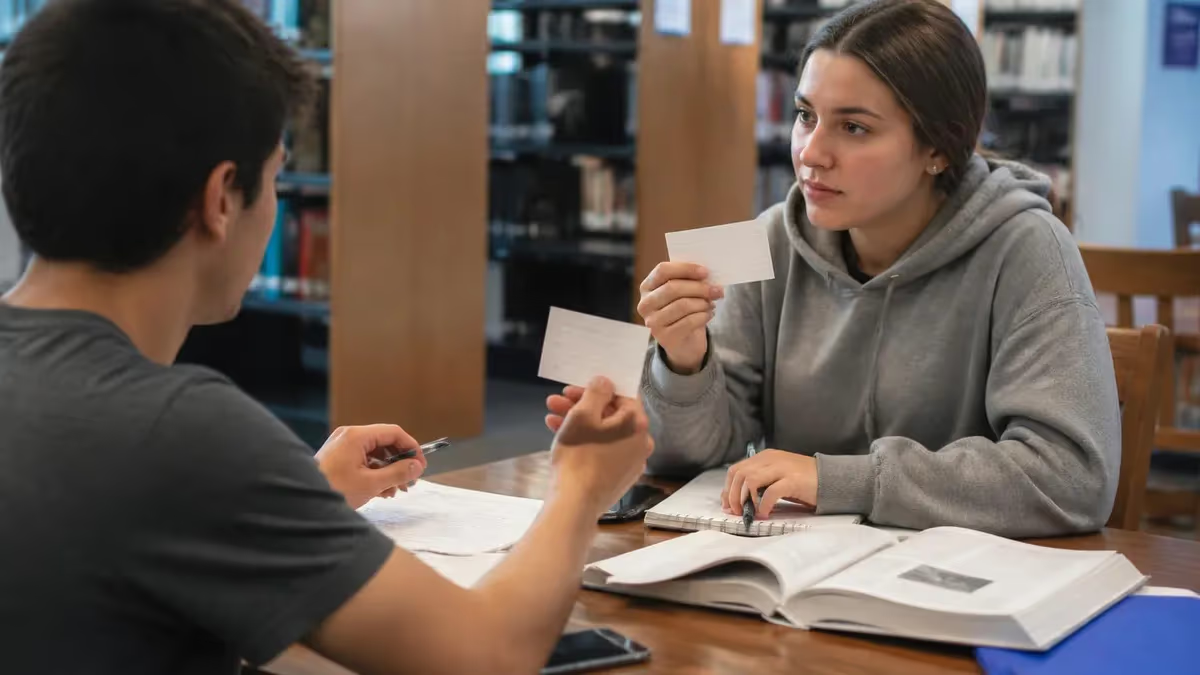
The fdny scanner is one of the most fascinating windows into how New York City's emergency response system operates around the clock. Whether you're a curious resident, a journalism student, an aspiring firefighter, or simply someone who wants to understand how the world's busiest fire department coordinates its response, listening to FDNY radio communications can be both educational and genuinely compelling. Scanners pick up the real voices of dispatchers and firefighters as they manage fires, medical calls, and major incidents across all five boroughs simultaneously.
New York City's Fire Department responds to more than 1.7 million incidents per year, making it one of the most active emergency services agencies on the planet. Every one of those responses begins with a radio transmission — a dispatcher sending units to the scene, a company officer providing a size-up, or a battalion chief calling for additional resources. The FDNY scanner community, which spans hobbyists, journalists, researchers, and public safety enthusiasts, tunes in to monitor these communications live using dedicated radio hardware or widely available streaming apps and websites.
Understanding how FDNY radio frequencies are organized is the first step to making sense of what you hear. The department operates on a complex trunked radio system that covers all of New York City's five boroughs — Manhattan, Brooklyn, Queens, the Bronx, and Staten Island. Each borough has its own dispatch channel, and there are separate channels for tactical communications, command operations, and interagency coordination with NYPD and EMS. Knowing which channel to monitor at any given moment depends on where an incident is occurring and what type of response is underway.
The legal landscape around scanner listening is straightforward in New York. It is entirely legal for members of the public to listen to unencrypted public safety radio frequencies in New York State. The FDNY, unlike many other large urban police departments, has not moved its primary dispatch channels to encrypted formats, which means the general public can still tune in and monitor fire department communications without any special authorization. This openness reflects a long tradition of transparency in fire service communications and is deeply appreciated by the scanner community.
For aspiring FDNY firefighters, listening to scanner traffic is more than a hobby — it's a genuine study tool. You can hear how incident command is established, how officers request specific resources like ladder companies or HazMat units, and how the department escalates a response when conditions deteriorate. You'll learn the phonetic alphabet used for building identifiers, the numerical codes that describe alarm levels, and the terminology that separates a working fire from a non-emergency investigation. This real-world exposure can give test-takers a significant edge when studying for civil service examinations.
Beyond individual study, the scanner community plays an important role in holding emergency services accountable and informing the public during major incidents. Journalists have historically relied on scanner audio to break news about large fires, building collapses, and other major emergencies before official press releases are issued. During Hurricane Sandy in 2012, scanner listeners helped document the catastrophic scope of fires in Breezy Point and elsewhere in real time, providing crucial situational awareness when conventional communication channels were overwhelmed. This informal network of listeners represents a genuine public information resource.
This guide covers everything you need to know about the FDNY scanner: the frequencies used, the best hardware and software options, how to decode the codes and terminology you'll hear, and the etiquette that keeps the scanner community respectful and responsible. Whether you're listening on a $30 RTL-SDR dongle or a professional Uniden BC125AT, the information here will help you get the most out of monitoring New York City's finest firefighters in action.
FDNY Scanner & Radio System by the Numbers
FDNY Radio System: How It's Organized
Each of New York City's five boroughs has a dedicated FDNY dispatch frequency. Manhattan (Channels 1 & 2), Brooklyn (Channel 3), Queens (Channel 4), the Bronx (Channel 5), and Staten Island (Channel 6) operate independently so dispatchers can manage borough-level call volume without cross-talk.
The FDNY uses a Project 25 (P25) trunked radio system, meaning transmissions are routed through repeater towers and assigned dynamically to available frequencies. Standard analog scanners cannot follow trunked systems without a trunk-tracking feature or a compatible digital scanner.
Beyond dispatch, the FDNY maintains dedicated tactical channels where incident commanders communicate with companies on scene. These channels allow for complex multi-unit coordination during working fires, collapses, and hazmat operations without congesting the main dispatch frequency.
During large-scale incidents like subway emergencies or building collapses, the FDNY coordinates with NYPD and FDNY-EMS on shared interoperability channels. These allow unified command to function across agencies and are especially important during declared emergencies or special operations.
If you don't own a scanner, Broadcastify.com hosts dozens of live FDNY audio feeds submitted by volunteers with home receivers. Feeds are organized by borough and type, letting you tune into Manhattan working fires or Brooklyn EMS calls directly from a smartphone or browser.
Choosing the right equipment for FDNY scanner listening depends heavily on how deeply you want to engage with the hobby and what your budget allows. At the entry level, a software-defined radio (SDR) dongle — the most popular being the RTL-SDR v3, which retails for around $30 — plugged into a laptop running free software like SDR# or GQRX can pick up a wide swath of frequencies.
Pair it with a discone antenna mounted outside and you can receive signals from across New York City with impressive clarity. It takes some technical setup but offers tremendous flexibility and is an excellent starting point.
For those who prefer dedicated hardware, the Uniden SDS100 and Whistler TRX-2 are widely regarded as the top portable trunk-tracking digital scanners on the market. Both support P25 Phase II, the protocol used by the FDNY's trunked system, and include large internal memory for storing thousands of programmed channels and talkgroups. The SDS100 retails for around $600 and includes a GPS chip that automatically activates the correct local systems as you travel — ideal for following FDNY incidents across borough boundaries. These devices offer plug-and-play performance once programmed correctly.
Programming a scanner for FDNY use requires downloading the correct talkgroup IDs and system configurations. The best source is RadioReference.com, which maintains a comprehensive, community-updated database of every public safety radio system in the United States. FDNY's system listings include talkgroup numbers for every operational channel — dispatch, tactical, command, and administrative — organized by borough and function. You can export these directly into programming software like ProScan or Sentinel, which uploads them to your scanner via USB. The community forums on RadioReference are also invaluable for troubleshooting reception problems.
Smartphone apps have dramatically lowered the barrier to entry for scanner listening. Broadcastify (iOS and Android) is the dominant platform, offering free access to thousands of live scanner feeds including multiple FDNY channels. The premium subscription unlocks on-demand replay of recorded audio — an invaluable feature for catching incidents you missed or studying specific call types. Scanner Radio is another popular option with a slightly different interface and the ability to sort feeds by listener count, making it easy to find which FDNY channel is currently broadcasting active traffic and drawing the most listeners.
Antenna placement is arguably the single biggest factor determining reception quality for home scanner setups. Indoor antennas, especially in buildings with steel-reinforced concrete common in New York City, often struggle to receive all repeater sites clearly. Mounting a wideband discone or omnidirectional antenna on a rooftop, fire escape, or even in a high floor window facing open sky can dramatically improve signal strength. Coaxial cable quality matters too — low-quality or long cable runs introduce signal loss that reduces effective range. Using LMR-400 cable and quality connectors preserves signal integrity over distances up to 50 feet.
For listeners specifically interested in monitoring large incidents, learning to track multiple channels simultaneously is essential. Modern scanners and SDR setups can monitor several talkgroups at once, with audio prioritized by activity. During a major fire, you'll hear the borough dispatch channel announce the initial alarm, then tactical channels activate as companies arrive on scene. Understanding this layered communication structure — dispatch, tactical, command, and safety — gives you a complete picture of how the FDNY manages an evolving incident from the first call to the all-clear signal hours later.
Many scanner enthusiasts also connect their setups to transcription tools. AI-powered speech recognition software can capture scanner audio and generate text logs in near real time, making it much easier to track activity across multiple channels without listening continuously. Services like Scanner Master's live feeds combined with tools like Whisper AI have been used by journalists and researchers to document FDNY responses at scale. This data-driven approach to scanner monitoring opens up new possibilities for understanding response time patterns, resource deployment, and incident clustering across the five boroughs.
Understanding FDNY Dispatch Language and Codes
The FDNY uses a numbered alarm system to describe the severity of a fire and the resources being deployed. A 10-75 signal indicates a working fire requiring additional units beyond the initial response. A second alarm doubles the on-scene resources, while a third, fourth, or fifth alarm brings in companies from across the city. Multiple alarms at a single location signal a serious structural fire that may involve collapse risk, rapid fire spread, or life safety threats to civilians or trapped firefighters.
Box alarms refer to a geographic area served by a specific combination of engine and ladder companies — a holdover from the era of physical street-corner fire alarm boxes. When a box alarm is transmitted, specific pre-assigned companies automatically respond based on their proximity to that grid location. Understanding which box numbers correspond to which neighborhoods in New York City helps scanner listeners anticipate which companies they'll hear responding, even before the dispatcher announces the specific units assigned to the call.
FDNY Scanner Listening: Advantages and Drawbacks
- +Provides real-time awareness of active incidents across all five boroughs simultaneously
- +Completely legal to monitor unencrypted FDNY dispatch channels in New York State
- +Excellent educational tool for FDNY exam candidates learning operational terminology
- +Free access via streaming apps like Broadcastify requires no special hardware
- +Builds deep familiarity with incident command structure, alarm levels, and unit assignments
- +Helps journalists and community members stay informed during major emergencies before press releases
- −Trunked P25 digital system requires specialized hardware — basic analog scanners won't work
- −Programming a scanner correctly for FDNY talkgroups has a steep technical learning curve
- −Audio quality on streaming apps can drop during high-traffic incidents when server demand peaks
- −Listening without context can be confusing — codes and jargon require significant study to decode
- −Some FDNY channels have moved or been restructured, requiring regular database updates
- −Scanner monitoring can create false anxiety — hearing many calls does not mean the city is unsafe
Pros and Cons at a Glance
| Pros | Cons |
|---|---|
| Provides real-time awareness of active incidents across all five boroughs simultaneously | Programming a scanner correctly for FDNY talkgroups has a steep technical learning curve |
| Completely legal to monitor unencrypted FDNY dispatch channels in New York State | Audio quality on streaming apps can drop during high-traffic incidents when server demand peaks |
| Excellent educational tool for FDNY exam candidates learning operational terminology | Listening without context can be confusing — codes and jargon require significant study to decode |
| Free access via streaming apps like Broadcastify requires no special hardware | Some FDNY channels have moved or been restructured, requiring regular database updates |
| Builds deep familiarity with incident command structure, alarm levels, and unit assignments | Scanner monitoring can create false anxiety — hearing many calls does not mean the city is unsafe |
FDNY Scanner Setup Checklist: Getting Started Step by Step
- ✓Create a free account on RadioReference.com and look up the FDNY P25 trunked radio system for your target borough.
- ✓Purchase a trunk-tracking digital scanner (Uniden SDS100, BCD536HP) or an RTL-SDR v3 dongle for a budget entry point.
- ✓Download and install the appropriate programming software — Sentinel for Uniden devices or SDR# for software-defined radio setups.
- ✓Import the FDNY talkgroup database from RadioReference directly into your programming software using the export tool.
- ✓Mount an outdoor discone or omnidirectional antenna as high as possible, ideally above rooftop level, to maximize repeater reception.
- ✓Use quality LMR-400 coaxial cable and weather-sealed connectors to minimize signal loss between antenna and receiver.
- ✓Install Broadcastify on your smartphone as a backup — verify you can hear active FDNY traffic before investing in hardware.
- ✓Learn the top 20 FDNY 10-codes before your first listening session so you can understand what dispatchers are reporting.
- ✓Bookmark the FDNY incident reporting page and cross-reference live scanner audio with official incident updates during major calls.
- ✓Join the RadioReference forums or local scanner clubs to get help troubleshooting reception issues and stay updated on system changes.
Listening to Real Dispatch Dramatically Speeds Up Terminology Retention
FDNY exam candidates who spend 30 minutes per week listening to live scanner audio consistently report faster retention of operational codes, company types, and incident command vocabulary. Hearing how dispatchers assign Engine and Ladder companies to a box alarm — using the exact terminology that appears on civil service exams — bridges the gap between memorizing definitions and genuinely understanding how the department functions in the field.
For anyone preparing for the FDNY firefighter examination, scanner listening is a study strategy that offers a genuine competitive advantage. The civil service exam tests candidates on fire department operations, building construction, and emergency response protocols — all topics that come to life when you hear real dispatchers and company officers using this language during actual incidents. Abstract concepts like "offensive versus defensive fire attack" or "primary search procedures" become concrete when you listen to a battalion chief make those decisions in real time during a working fire in the Bronx or Brooklyn.
Building construction knowledge, which features prominently on FDNY civil service examinations, is particularly well reinforced through scanner listening. When a dispatcher announces a working fire in a brownstone versus a high-rise versus a taxpayer commercial building, experienced scanner listeners immediately know the construction type involved and the hazards that building class presents. Brownstones in Brooklyn and Harlem are often old-law tenements with balloon-frame construction prone to rapid vertical fire spread. High-rise fires trigger special protocols involving stairwell pressurization and elevator recall. This contextual knowledge is exactly what the written exam tests.
FDNY exam candidates can use scanner audio to learn the geographic layout of New York City's fire response grid. Each borough is divided into divisions, and within divisions, battalions each oversee a cluster of fire companies. Hearing which companies respond to which box alarms teaches you the city's coverage map organically, without rote memorization. When a second alarm is transmitted, you'll learn which companies are typically called to fill in at covering positions — a concept called "covering assignments" — that reflects how the FDNY maintains citywide coverage even when multiple companies are simultaneously engaged at major incidents.
The FDNY's special operations units are another topic well-illustrated by scanner monitoring. Rescue companies — Rescue 1 through Rescue 5, one for each borough — respond to the most technically demanding emergencies: confined space rescues, high-angle rope operations, underwater dive responses, and structural collapses. Hearing a Rescue company activated and listening to the technical language its members use during complex operations gives candidates a vivid mental image of these elite units and their capabilities, which frequently appear as topics in written exam scenarios about special operations and hazardous conditions.
Hazardous materials responses are another area where scanner audio adds real depth to exam preparation. FDNY HazMat operations involve a tiered response system — HazMat Technicians and the HazMat Battalion — that uses specific radio protocols to identify materials, establish hot and warm zones, and coordinate decontamination. Listening to a HazMat activation teaches candidates the vocabulary of chemical identification, exposure assessment, and multi-agency coordination that the exam may test through scenario-based questions. These aren't concepts you can fully absorb from a textbook; hearing the real operational dialogue makes them stick.
Beyond direct exam preparation, aspiring FDNY members who engage with scanner culture demonstrate genuine passion for the fire service — a quality that interviewers and evaluators notice during the oral component of the hiring process. Being able to speak knowledgeably about how the department operates, describe recent major incidents you monitored, and discuss the operational challenges those incidents presented signals that a candidate is already engaged with the FDNY's mission before they even enter the academy. This kind of proactive engagement distinguishes candidates who are merely qualified from those who are truly ready to serve.
Current FDNY firefighters and officers also benefit from off-duty scanner listening, particularly those studying for promotional examinations to Lieutenant, Captain, or Battalion Chief. Promotional exams require candidates to demonstrate judgment about how they would manage companies at complex incidents. Listening to how experienced commanders handle working fires, collapses, and special operations — noting their communication style, resource requests, and strategic decisions — provides a rich supplement to formal study materials. It's essentially a form of mentorship delivered through radio waves, available to anyone with a receiver and the patience to listen carefully.

It is a federal crime under 47 U.S.C. § 333 to intentionally interfere with authorized radio communications, including FDNY dispatch channels. Listening is legal and free — but transmitting on emergency frequencies without authorization carries severe penalties including fines up to $10,000 and federal criminal charges. Scanner listeners should treat their equipment as receive-only and never key a transmit button on emergency service frequencies under any circumstances.
Understanding the legal and ethical framework around FDNY scanner use is essential for anyone who wants to participate in this community responsibly. In New York State, listening to unencrypted public safety radio communications is explicitly permitted under both state and federal law. The Communications Act of 1934, as amended, protects the right of individuals to receive radio transmissions using legally obtained equipment. The FDNY, unlike many metropolitan police departments that have moved to encrypted communications, continues to broadcast the majority of its fire dispatch operations on channels accessible to the general public.
The ethics of scanner listening go beyond legality and extend into how listeners use and share what they hear. The scanner community has developed strong norms around responsible use of emergency radio audio. Posting scanner audio on social media during active incidents can sometimes interfere with rescue operations by causing crowds to gather at incident scenes or by spreading inaccurate information when listeners misinterpret codes or partial transmissions. Responsible scanner listeners treat what they hear as information for personal awareness and education rather than content to sensationalize or redistribute without context.
Privacy considerations also matter. While FDNY radio traffic is legally public, some transmissions — particularly EMS channels — may include personal medical information about patients. The Health Insurance Portability and Accountability Act (HIPAA) places obligations on healthcare providers but also creates ethical responsibilities for anyone who inadvertently hears protected health information through scanner monitoring. Most responsible scanner enthusiasts avoid recording or sharing EMS channel audio that includes patient identifiers, names, or medical details, even though monitoring that audio is technically legal.
For journalists who rely on scanner traffic to cover breaking news, the ethical standards of their organizations typically govern how scanner information can be used. Major news organizations in New York City — including television networks, newspapers, and digital outlets — maintain live scanner feeds and have reporters trained to verify scanner information before publishing.
The standard practice is to use scanner audio as a tip that prompts active reporting — calling FDNY's press office, sending a photographer to the scene — rather than publishing scanner audio directly as confirmed fact. This journalistic discipline is important because dispatchers sometimes transmit preliminary information that changes significantly as incidents evolve.
The FDNY press office monitors scanner traffic as part of its own operations and is generally aware when major incidents are generating heavy scanner interest from journalists and the public. During high-profile incidents, the department typically issues press briefings and updates through official channels, understanding that scanner listeners are already aware of the broad outlines of what's happening. This transparency has helped build trust between the FDNY and the communities it serves — people who can hear their fire department responding to emergencies in real time are more likely to appreciate the complexity and risk of that work.
Some municipalities across the United States have begun encrypting fire department radio traffic, citing operational security and privacy concerns. New York City has faced occasional pressure to do the same, particularly from those concerned about the ability of criminal actors to monitor emergency response patterns.
The FDNY and city officials have generally resisted full encryption for fire dispatch, recognizing the value of transparent communications for public accountability and the practical challenges encryption creates for multi-agency coordination. This debate is ongoing in the public safety community nationally, and scanner enthusiasts should stay informed about any policy changes that might affect FDNY channel accessibility.
Whether you're a dedicated scanner hobbyist with a roof antenna and a professional-grade digital receiver, or someone who casually listens to Broadcastify on a smartphone during a commute, the FDNY scanner community offers a genuinely enriching way to connect with New York City's emergency response ecosystem.
The voices you hear on those channels belong to men and women who run toward danger every day on behalf of their city — and understanding how they communicate is the beginning of truly appreciating what they do. For more on how the department is organized geographically and operationally, explore our coverage of FDNY stations and companies to see how those radio calls translate into physical deployments across the boroughs.
Getting the most out of your FDNY scanner experience comes down to active listening rather than passive background noise. Set aside specific listening sessions where you follow a single incident from the initial dispatch all the way through to the units going back in service.
During that time, track every piece of information the radio provides: which companies were dispatched, what alarm level was assigned, whether additional resources were called, and how the incident commander managed the scene. You'll be surprised how quickly you develop an intuitive understanding of how the FDNY allocates resources in proportion to the complexity of what companies find when they arrive.
Keep a simple log of notable incidents you monitor. Write down the date, borough, box number or address, alarm level, and any special units activated. Over several weeks, you'll start noticing patterns: which neighborhoods generate the highest volume of working fires, which time periods see elevated call frequencies (typically late evening on weekends), and which building types appear most frequently in structural fire notifications. This kind of observational analysis deepens your understanding of urban firefighting in ways that studying static materials simply cannot replicate.
Pair your scanner listening with reading after major incidents. When the FDNY's Bureau of Fire Investigation or the Department of Buildings releases reports following significant structural fires or collapse incidents, compare their findings to what you heard on the scanner during the event. Understanding how the initial radio traffic matched or diverged from the final official assessment teaches you to interpret scanner audio more accurately and critically. It also exposes you to the formal reporting vocabulary used in fire investigation documents, which overlaps substantially with civil service examination language.
Connecting with other scanner enthusiasts dramatically accelerates your learning. Online communities on Reddit (r/scanner), dedicated scanner forums on RadioReference.com, and local New York City-focused Facebook groups bring together listeners of varying experience levels.
Experienced members can help you identify the difference between a routine telephone alarm and a legitimate working fire based on subtle audio cues — the tone of a dispatcher's voice, the speed at which additional units are assigned, whether a battalion chief is transmitting from the scene versus from quarters. These nuances take time to develop but are enormously valuable for both hobbyist listening and practical exam preparation.
If you're serious about maximizing your FDNY scanner setup, consider investing in a remote SDR installation. Services like KiwiSDR allow users to host a software-defined radio on a cloud server or a remote location with a better antenna, then access it via web browser from anywhere. This means you can monitor FDNY traffic from outside New York City, or run multiple virtual receivers covering different borough channels simultaneously from a single computer. The technical community around remote SDR is active and supportive, with extensive documentation available for first-time users working through the setup process.
For FDNY exam candidates, we recommend integrating scanner listening into a structured weekly study routine rather than using it as a standalone preparation method. Spend 30 to 45 minutes per session listening to active dispatch traffic, then follow up with 20 minutes reviewing the specific codes, unit types, or building classifications you encountered.
Combine this with formal practice tests to validate that you're correctly understanding and internalizing what you're hearing. The combination of real-world audio immersion and structured question practice creates a study environment that mirrors how actual firefighters continuously develop their operational knowledge — through experience reinforced by formal training.
Finally, remember that every scanner transmission represents a real emergency affecting real New Yorkers. Approaching scanner monitoring with respect for the gravity of what you're hearing — not just as entertainment or a technical hobby — reflects the values that the FDNY itself embodies. The department's culture is built on brotherhood, professionalism, and an unwavering commitment to protecting life and property. Scanner listeners who honor that culture by using what they hear responsibly, studying diligently, and sharing knowledge generously within their community are genuine contributors to the broader ecosystem of public safety awareness that makes New York City stronger.
Sample Fire Department New York Practice Questions
Try these questions from our free Fire Department New York practice tests. The correct answer and an explanation follow each question.
Which position in the FDNY is appointed by the Mayor of New York City?
- A. Chief of Department
- B. Fire Commissioner
- C. First Deputy Commissioner
- D. Borough Commander
Answer: B. Fire Commissioner
The Fire Commissioner is a civilian position appointed directly by the Mayor and serves as the head of the department.
How many boroughs does the FDNY divide New York City into for administrative purposes?
- A. 3
- B. 4
- C. 5
- D. 6
Answer: C. 5
The FDNY organizes its operations across all five NYC boroughs: Manhattan, Brooklyn, Queens, The Bronx, and Staten Island.
Which community education message is MOST important for FDNY educators to deliver regarding candle use in NYC apartments?
- A. Candles are permitted in all apartments without restrictions
- B. Never leave a burning candle unattended and keep it away from flammables
- C. Candles should only be used in bathrooms with exhaust fans
- D. Electric candles are more dangerous than wax candles
Answer: B. Never leave a burning candle unattended and keep it away from flammables
Unattended candles and candles near combustible materials are leading causes of residential fires, making this the most critical candle safety message.
Which FDNY unit type is specifically tasked with forcible entry, ventilation, and search operations at structural fires?
- A. Engine company
- B. Ladder company
- C. Rescue company
- D. Squad company
Answer: B. Ladder company
Ladder companies specialize in forcible entry, ventilation, search and rescue, and aerial operations at fires.
FDNY Questions and Answers
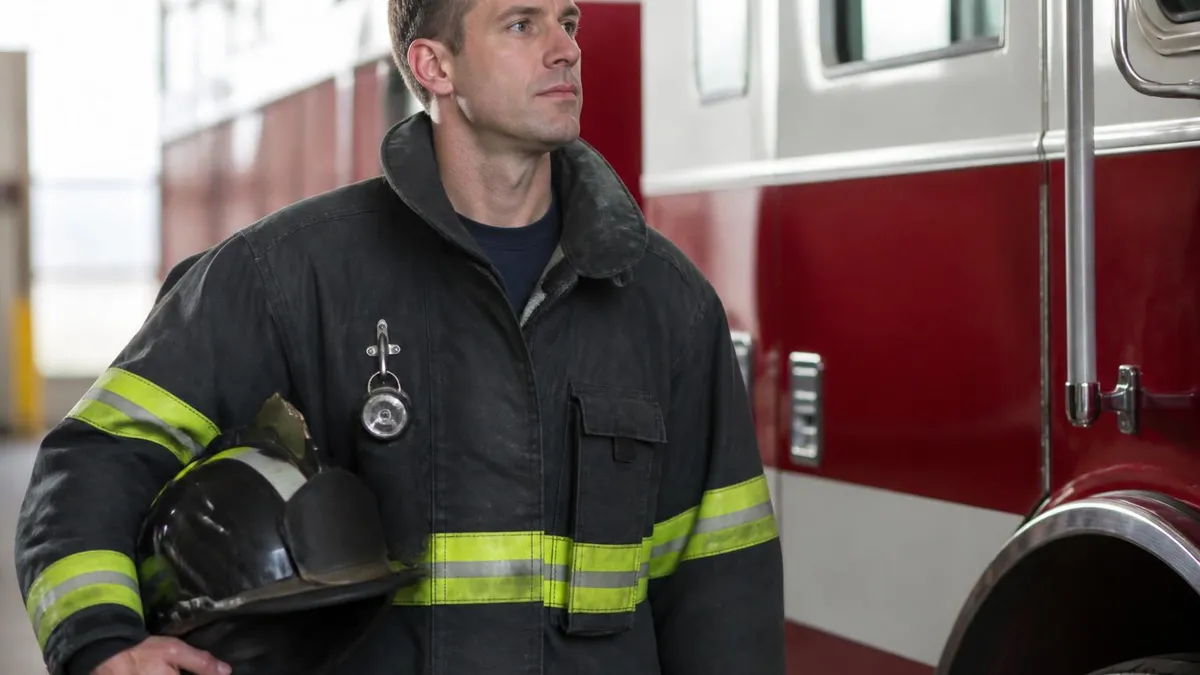
FDNY Stations, Engine & Ladder Companies
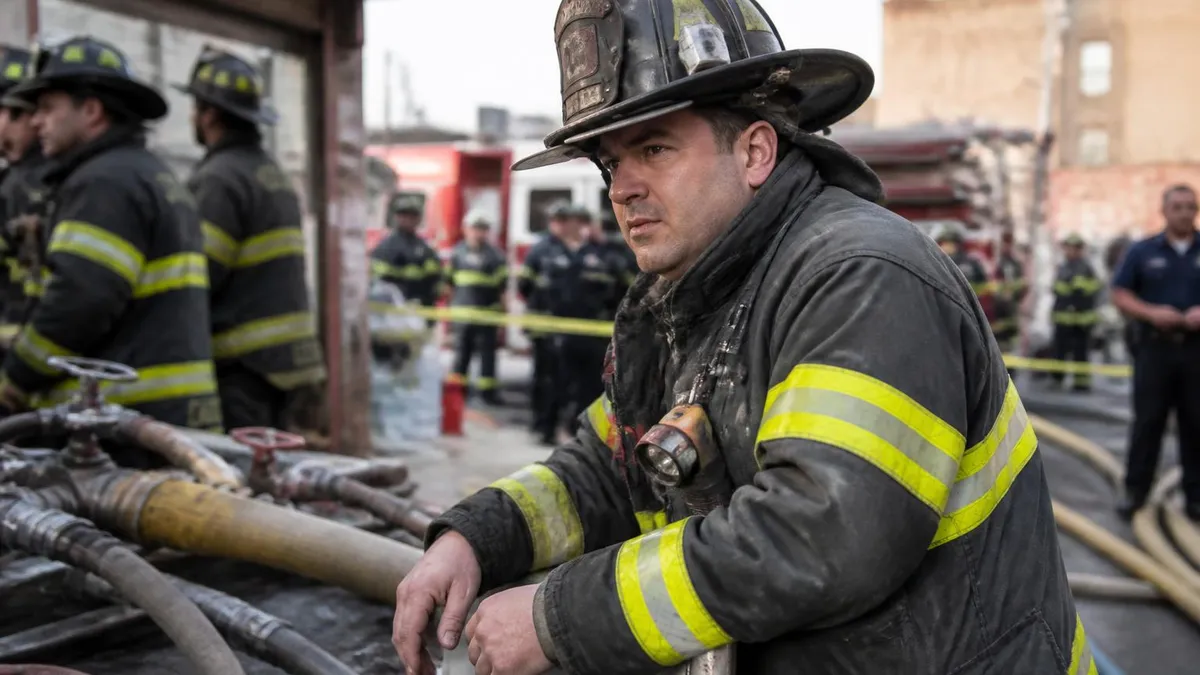
FDNY 10 Codes: Complete Guide to Fire Department Radio Communication
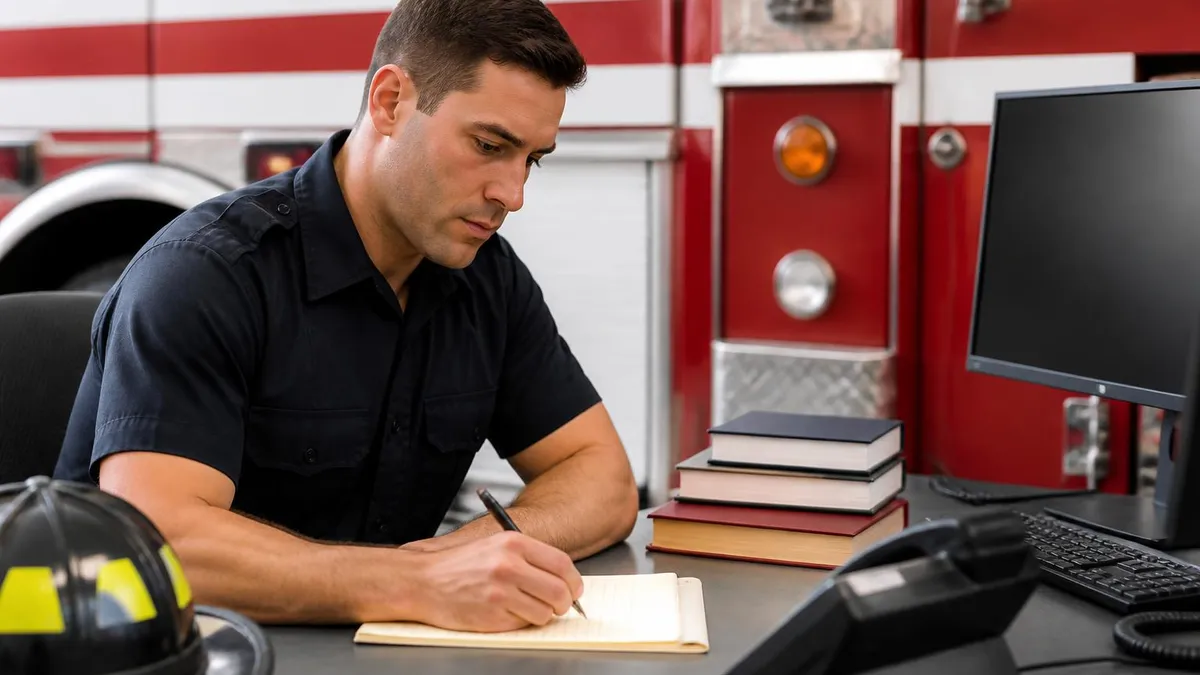
FDNY Logo: History, Meaning, and Symbolism of the Fire Department of New York Emblem
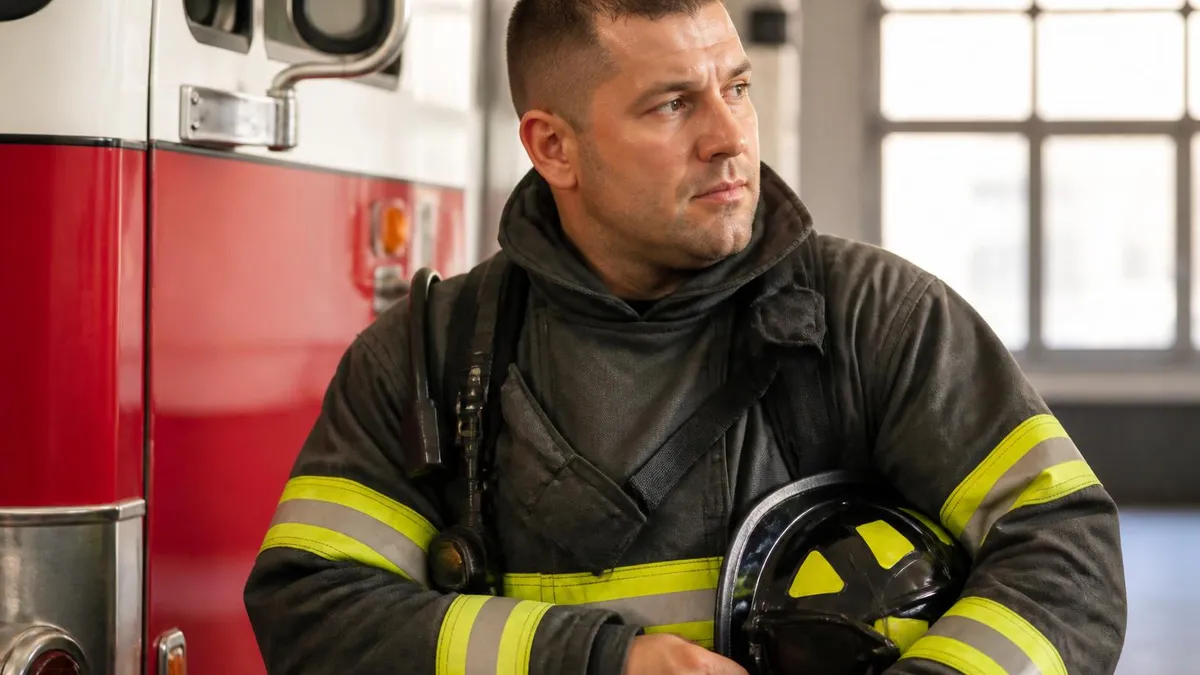
FDNY vs NYPD Hockey Game: Inside New York's Bravest vs Finest Heroes on Ice Rivalry
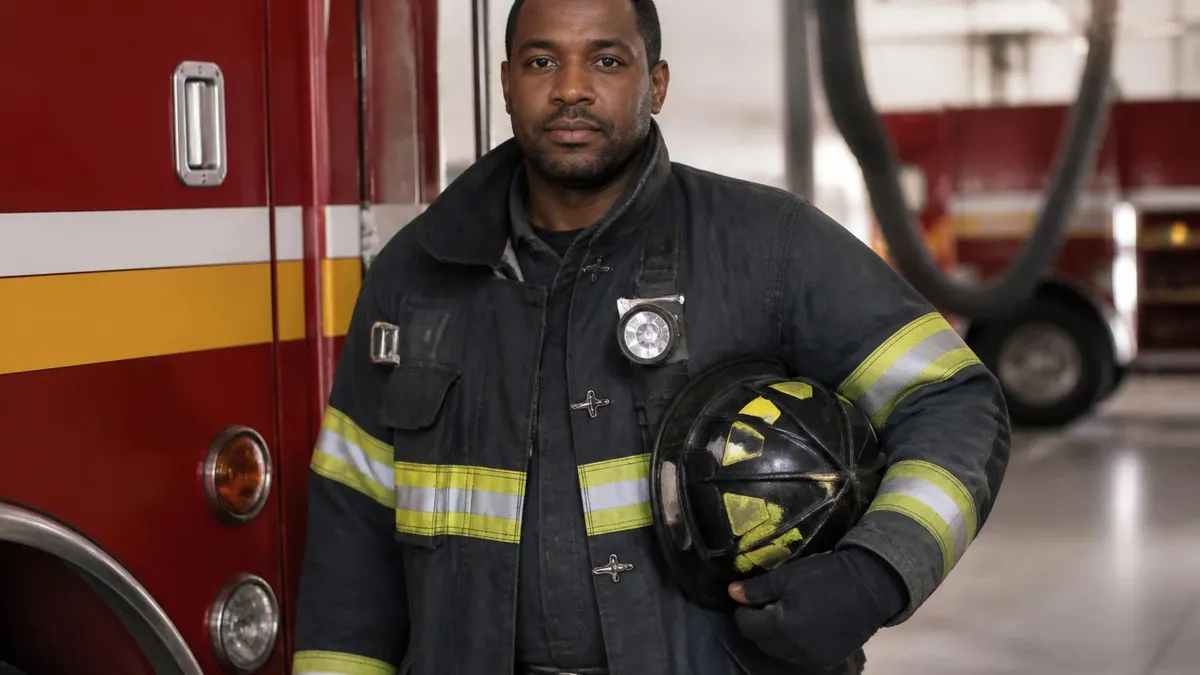
FDNY Marine Units: Inside the Fire Department of New York's Fireboat Fleet and Marine 6
About the Author
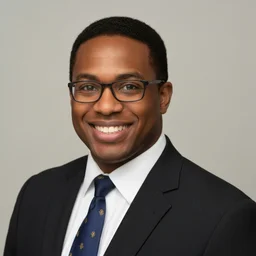
Law Enforcement Trainer & Civil Service Exam Specialist
John Jay College of Criminal JusticeMarcus B. Thompson earned his Master of Arts in Criminal Justice from John Jay College of Criminal Justice and served 12 years as a law enforcement officer before transitioning to full-time academy instruction. He is a POST-certified instructor who has prepared candidates for police entrance exams, firefighter assessments, and civil service examinations across dozens of agencies.
Join the Discussion
Connect with other students preparing for this exam. Share tips, ask questions, and get advice from people who have been there.
View discussion (9 replies)