
National Esthetician Day: Celebrating Skincare Professionals in 2026 October
📝 National esthetician day celebrates skincare pros every October 13. Learn the history, ways to celebrate, gift ideas, and how to honor licensed
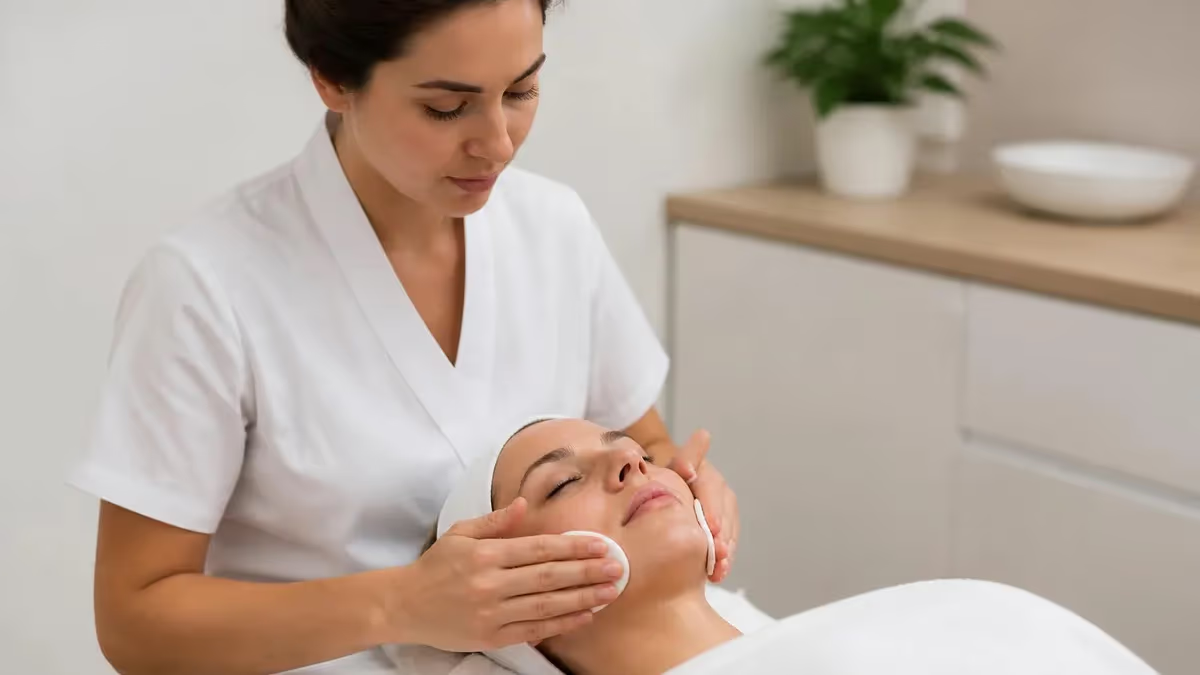
National esthetician day, observed every October 13 across the United States, recognizes the licensed skincare professionals who help millions of clients look and feel their best each year. From luxury spa rooms to medical dermatology offices, estheticians spend long hours on their feet performing facials, chemical peels, waxing, lash treatments, body wraps, and advanced corrective services. The day exists to thank them for that labor, celebrate their expertise, and shine a light on a profession that still flies under the radar compared to hairstylists or massage therapists.
If you have ever searched for an esthetician near me before a wedding, prom, or simply to clear up stubborn breakouts, you have benefited directly from the training these professionals invest in. A licensed esthetician completes between 260 and 1,500 hours of education depending on state, passes a written and practical board exam, and pays for liability insurance, continuing education, and product inventory year after year. National esthetician day acknowledges all of that invisible work.
The holiday was first promoted by skincare brands, professional associations, and individual spa owners in the early 2010s as social media made it easier to coordinate national celebrations. It has since grown into an industry-wide event with promotions, client appreciation parties, scholarship fundraisers, and educational webinars. Whether you are an esthetician, a salon owner, a student, or a loyal client, October 13 is a chance to participate in something meaningful.
This guide explains the origin of the day, who counts as an esthetician, how the celebration differs from related observances like Spa Week or National Spa Day, and concrete ways to mark the date. We will cover client gift ideas, social media campaigns, employer appreciation strategies, and self-care rituals estheticians can use to recharge after months of nonstop service work. We will also touch on salary, training paths, and the difference between an esthetician and an aesthetician.
For licensed pros, the day is also an opportunity to reflect on professional growth. Many use it as a personal milestone to renew certifications, sign up for an advanced course, or apply for new esthetician employment opportunities at medical spas. For clients, it is a perfect moment to leave a five-star review, tip generously, or finally book that hydrafacial you have been putting off for months.
The skincare industry in the United States is projected to exceed $24 billion in 2026, and estheticians are the front-line professionals delivering most of that hands-on service. They are educators, problem-solvers, and emotional supporters rolled into one. National esthetician day is the industry's way of saying their work matters and deserves recognition beyond a single Instagram post.
Below you will find statistics, gift ideas, celebration formats, and answers to the most common questions about the holiday. Whether you plan to bake cookies for your favorite spa, run a 20-percent-off promotion, or simply send a thank-you text, this guide will help you do it well.
National Esthetician Day by the Numbers

How National Esthetician Day Evolved
Early 2010s Roots
Association Adoption
Brand Partnerships
Client-Facing Growth
Modern Recognition
To celebrate national esthetician day meaningfully, it helps to understand exactly who is being honored. An esthetician is a state-licensed skincare specialist trained in facial treatments, hair removal, makeup application, body treatments, and increasingly, advanced modalities like microcurrent, LED therapy, microneedling, dermaplaning, and chemical peels. If you have ever wondered what is an esthetician in the strictest legal sense, the answer is: a non-medical skincare professional who has completed approved coursework and passed state board examinations.
The scope of practice for an esthetician differs sharply from that of a cosmetologist, dermatologist, or registered nurse. Estheticians cannot diagnose skin conditions, prescribe medication, or perform services that break the skin in most states. They can, however, identify concerns, refer clients to medical providers, recommend professional-grade products, and perform a wide range of corrective and maintenance treatments that dramatically improve skin health over time.
There are several common career tracks within the field. Spa estheticians work in day spas, resorts, and hotels delivering relaxation-focused services. Clinical or medical estheticians work alongside dermatologists, plastic surgeons, and nurse practitioners, often performing pre and post-procedure care. Solo practitioners rent suites and build private books. Educators teach at beauty schools, and brand representatives travel as product trainers. Each path has its own celebration culture on October 13.
Many people confuse esthetician with aesthetician. In the United States, the terms are generally used interchangeably, though some states reserve the spelling aesthetician for medical settings while esthetician refers to spa-based work. Neither title requires a medical degree. The work is licensed and regulated at the state level, with no federal credential overseeing the profession at this time.
The profession is overwhelmingly female, with roughly 95 percent of US estheticians identifying as women, and increasingly diverse across age, race, and educational background. Many estheticians enter the field as a second career after raising children, leaving healthcare, or burning out in corporate roles. Their average age at licensure is 31, older than most beauty industry segments, which speaks to the profession's appeal as a flexible, hands-on, people-centered career.
Compensation varies dramatically by setting. A commission-based spa esthetician in a rural area might earn $30,000, while a solo medical esthetician in Los Angeles or New York can bring home $120,000 or more after tips and retail commission. National esthetician day is a fitting moment to acknowledge that the median figure published by government agencies often understates real earnings because tips and product commissions are unreported or underreported.
Beyond compensation, the work is physically demanding. Estheticians stand or lean for hours, repeat fine motor movements thousands of times daily, and absorb the emotional weight of clients sharing personal stories during quiet treatment rooms. Recognizing that labor is the heart of October 13, and the rest of this guide focuses on practical ways to do exactly that.

Esthetician Practice Practice Test Questions
Prepare for the Esthetician Practice Exam exam with our free practice test modules. Each quiz covers key topics to help you pass on your first try.
Esthetician Practice Advanced Facial Treat...
Esthetician Practice Exam Questions covering Advanced Facial Treatments. Master Esthetician Practice Test concepts for certification prep.
Esthetician Practice Anatomy and Physiology
Free Esthetician Practice Practice Test featuring Anatomy and Physiology. Improve your Esthetician Practice Exam score with mock test prep.
Esthetician Practice Chemistry and Product...
Esthetician Practice Mock Exam on Chemistry and Product Ingredients. Esthetician Practice Study Guide questions to pass on your first try.
Esthetician Practice Client Consultation a...
Esthetician Practice Test Prep for Client Consultation and Analysis. Practice Esthetician Practice Quiz questions and boost your score.
Esthetician Practice Esthetics Chemistry a...
Esthetician Practice Questions and Answers on Esthetics Chemistry and Ingredients. Free Esthetician Practice practice for exam readiness.
Esthetician Practice Exam Esthetician Prac...
Esthetician Practice Mock Test covering Exam Esthetician Practice Advanced Facial Treatments Questions and Answers. Online Esthetician Practice Test practice with instant feedback.
Esthetician Practice Exam Esthetician Prac...
Free Esthetician Practice Quiz on Exam Esthetician Practice Anatomy and Physiology Questions and Answers. Esthetician Practice Exam prep questions with detailed explanations.
Esthetician Practice Exam Esthetician Prac...
Esthetician Practice Practice Questions for Exam Esthetician Practice Chemistry and Product Ingredients Questions and Answers. Build confidence for your Esthetician Practice certification exam.
Esthetician Practice Exam Esthetician Prac...
Esthetician Practice Test Online for Exam Esthetician Practice Client Consultation and Analysis Questions and Answers. Free practice with instant results and feedback.
Esthetician Practice Exam Esthetician Prac...
Esthetician Practice Study Material on Exam Esthetician Practice Esthetics Chemistry and Ingredients Questions and Answers. Prepare effectively with real exam-style questions.
Esthetician Practice Exam Esthetician Prac...
Free Esthetician Practice Test covering Exam Esthetician Practice Facial Treatments and Massage Questions and Answers. Practice and track your Esthetician Practice exam readiness.
Esthetician Practice Exam Esthetician Prac...
Esthetician Practice Exam Questions covering Exam Esthetician Practice Hair Removal Methods Questions and Answers. Master Esthetician Practice Test concepts for certification prep.
Esthetician Practice Exam Esthetician Prac...
Free Esthetician Practice Practice Test featuring Exam Esthetician Practice Infection Control and Safety Questions and Answers. Improve your Esthetician Practice Exam score with mock test prep.
Esthetician Practice Exam Esthetician Prac...
Esthetician Practice Mock Exam on Exam Esthetician Practice Skin Analysis and Conditions Questions and Answers. Esthetician Practice Study Guide questions to pass on your first try.
Esthetician Practice Exam Esthetician Prac...
Esthetician Practice Test Prep for Exam Esthetician Practice Skin Histology and Disorders Questions and Answers. Practice Esthetician Practice Quiz questions and boost your score.
Esthetician Practice Exam FREE Esthetician...
Esthetician Practice Questions and Answers on Exam FREE Esthetician Knowledge Questions and Answers. Free Esthetician Practice practice for exam readiness.
Esthetician Practice Exam FREE Esthetician...
Esthetician Practice Mock Test covering Exam FREE Esthetician MCQ Questions and Answers. Online Esthetician Practice Test practice with instant feedback.
Esthetician Practice Exam FREE Esthetician...
Free Esthetician Practice Quiz on Exam FREE Esthetician Practice Anatomy and Physiology Questions and Answers. Esthetician Practice Exam prep questions with detailed explanations.
Esthetician Practice Exam FREE Esthetician...
Esthetician Practice Practice Questions for Exam FREE Esthetician Practice Cosmetic Chemistry and Ingredients Questions and Answers. Build confidence for your Esthetician Practice certification exam.
Esthetician Practice Exam FREE Esthetician...
Esthetician Practice Test Online for Exam FREE Esthetician Practice Facial Treatments and Devices Questions and Answers. Free practice with instant results and feedback.
Esthetician Practice Exam FREE Esthetician...
Esthetician Practice Study Material on Exam FREE Esthetician Practice Hair Removal Procedures Questions and Answers. Prepare effectively with real exam-style questions.
Esthetician Practice Exam FREE Esthetician...
Free Esthetician Practice Test covering Exam FREE Esthetician Practice Infection Control and Safety Questions and Answers. Practice and track your Esthetician Practice exam readiness.
Esthetician Practice Exam FREE Esthetician...
Esthetician Practice Exam Questions covering Exam FREE Esthetician Practice Skin Analysis and Conditions Questions and Answers. Master Esthetician Practice Test concepts for certification prep.
Esthetician Practice Exam FREE Esthetician...
Free Esthetician Practice Practice Test featuring Exam FREE Esthetician (Reading) Questions and Answers. Improve your Esthetician Practice Exam score with mock test prep.
Esthetician Practice Facial Treatments and...
Esthetician Practice Mock Exam on Facial Treatments and Massage. Esthetician Practice Study Guide questions to pass on your first try.
Esthetician Practice Hair Removal Methods
Esthetician Practice Test Prep for Hair Removal Methods. Practice Esthetician Practice Quiz questions and boost your score.
Esthetician Practice Infection Control and...
Esthetician Practice Questions and Answers on Infection Control and Safety. Free Esthetician Practice practice for exam readiness.
Esthetician Practice Skin Analysis and Con...
Esthetician Practice Mock Test covering Skin Analysis and Conditions. Online Esthetician Practice Test practice with instant feedback.
Esthetician Practice Skin Histology and Di...
Free Esthetician Practice Quiz on Skin Histology and Disorders. Esthetician Practice Exam prep questions with detailed explanations.
Esthetician Practice Esthetician Knowledge
Esthetician Practice Practice Questions for Esthetician Knowledge. Build confidence for your Esthetician Practice certification exam.
Esthetician Practice Esthetician MCQ
Esthetician Practice Test Online for Esthetician MCQ. Free practice with instant results and feedback.
Esthetician Practice Cosmetic Chemistry an...
Esthetician Practice Study Material on Cosmetic Chemistry and Ingredients. Prepare effectively with real exam-style questions.
Esthetician Practice Facial Treatments and...
Free Esthetician Practice Test covering Facial Treatments and Devices. Practice and track your Esthetician Practice exam readiness.
Three Ways Different Groups Celebrate the Esthetician
Clients celebrate national esthetician day by leaving five-star reviews on Google, Yelp, and Fresha, sharing before-and-after photos with permission, and tipping above their normal range. A heartfelt handwritten card means more than most people realize because estheticians rarely receive written feedback despite the intimate, emotional nature of skincare work performed in quiet treatment rooms throughout the year.
Many clients also use the day to book a service they have been postponing, refer a friend or family member, or purchase a gift card. Buying retail products directly from your esthetician rather than online supports their commission income and helps them stay stocked with the professional-grade lines they recommend in personalized post-treatment home care plans.
Should Your Spa Host a Public Celebration Event?
- +Generates positive press coverage and local media interest in your business
- +Builds emotional loyalty among existing clients who feel included in the celebration
- +Creates fresh social media content for the slower winter booking months ahead
- +Attracts new clients curious about meeting the team behind the treatments
- +Strengthens employee morale and reduces turnover among licensed staff
- +Provides natural opportunity to launch new services or product lines
- +Encourages gift card sales that drive revenue into the fourth quarter
- −Requires significant planning time during an already busy October schedule
- −Discounted services can reduce profit margins if not capped carefully
- −Event logistics may pull estheticians off the treatment floor and lose revenue
- −Some clients perceive promotions as cheapening the premium spa experience
- −Catering, decor, and giveaway costs add up quickly without clear ROI tracking
- −Social media campaigns demand consistent posting that overwhelms small teams
- −Crowds and noise can disrupt the quiet atmosphere regular clients expect

Your National Esthetician Day Celebration Checklist
- ✓Tip your esthetician at least 20 percent above your usual service total today
- ✓Leave a detailed five-star review on Google, Yelp, and Fresha mentioning the provider by name
- ✓Purchase a gift card or retail product directly from the spa instead of online
- ✓Send a handwritten thank-you note acknowledging specific results you have experienced
- ✓Refer at least one friend or family member using the spa's referral program
- ✓Post a tagged photo or testimonial on your personal social media accounts
- ✓Book your next appointment in advance so the esthetician has guaranteed income
- ✓Bring a small gift such as coffee, flowers, or a snack to the treatment room
- ✓Follow and engage with the esthetician's professional Instagram or TikTok account
- ✓Ask if the spa supports a charity and donate in honor of your favorite provider
A 20 to 25 percent tip can equal half a day's pay for a commission esthetician
Many commission-based estheticians earn 40 to 50 percent of the service price after the spa takes its share for the room, products, and overhead. That means a $100 facial often nets the provider only $40 to $50 before taxes. Tipping generously on national esthetician day, and every visit, is the single most direct way clients can show appreciation and improve a skincare professional's quality of life.
Understanding the financial reality of the profession adds depth to national esthetician day celebrations. According to the Bureau of Labor Statistics, the median annual wage for skincare specialists in the United States sits around $45,440 in current reporting, though this figure varies enormously by region, setting, and experience level. Top earners in major metropolitan areas regularly clear six figures, while new graduates in rural markets may start near minimum wage plus tips during their first year of work.
For readers exploring esthetician employment opportunities, the highest-paying environments are typically medical spas, dermatology practices, and high-end resort destinations. Solo practitioners who rent suites often earn more than commission staff because they keep all service revenue, but they also shoulder rent, marketing, insurance, supplies, and credit card processing fees out of pocket. The trade-off between guaranteed paycheck and entrepreneurial upside drives many career decisions in this industry.
The path into the profession is more accessible than many people assume. Most states require between 260 and 1,500 hours of approved training at a licensed beauty school, followed by written and practical board exams administered through agencies like NIC or PSI. Training programs typically last six to twelve months full-time or up to two years part-time, with tuition ranging from $4,000 at community colleges to $20,000 or more at private academies in major cities.
Once licensed, estheticians must renew credentials every one to two years depending on state, often completing four to sixteen continuing education hours per renewal cycle. National esthetician day frequently coincides with brand-sponsored free CEU webinars, making October 13 a smart date to knock out renewal requirements while also celebrating. Many estheticians stack their advanced certifications around this time, adding skills like microneedling, lash extensions, or oncology esthetics.
The job outlook for skincare specialists is bright. The Bureau of Labor Statistics projects roughly 9 percent growth between 2024 and 2034, faster than the average for all occupations. Drivers include an aging population seeking anti-aging treatments, growing male clientele, expansion of medical spa franchises, and increased consumer comfort with preventative skincare investments. These trends make the profession a stable choice for career changers and recent high school graduates alike.
That said, the industry is not without challenges. Physical wear from repetitive motion, exposure to chemicals, and long hours on the feet contribute to higher injury rates than the general workforce. Burnout is real, especially among estheticians who work in high-volume chains with unrealistic productivity targets. Recognizing these struggles is part of why national esthetician day exists, prompting honest conversations about workload, fair compensation, and sustainable career design.
Mental and emotional labor also deserve recognition. Estheticians often function as informal therapists during quiet treatment rooms, absorbing clients' stress, grief, and personal challenges hour after hour. Holding space for that emotional exchange is invisible work that does not show up on any pay stub. October 13 is the moment to name it, thank estheticians for it, and consider what structural changes could protect their wellbeing year-round.
National esthetician day is observed annually on October 13. It is sometimes confused with National Spa Week, which typically runs the week of August 24, and with International Estheticians Day, which has been promoted on several different dates by various global organizations. When promoting events, double-check the date with the Associated Skin Care Professionals or your primary product brand to align with industry-wide campaigns and hashtag activity.
Honoring estheticians well requires moving beyond a single day of social media posts and toward sustained structural support. Spa owners can use October 13 as the launchpad for year-round improvements such as raising commission percentages, providing health insurance stipends, paying for continuing education, or contributing to retirement accounts. These investments retain skilled staff, reduce turnover costs, and signal that the business values its professionals as more than interchangeable labor.
Clients can extend the spirit of the day by becoming consistent regulars rather than occasional visitors. Booking standing monthly appointments gives estheticians predictable income and allows for true skin transformation through cumulative treatments. It also frees estheticians from the constant emotional labor of new client consultations and product re-explanations, letting them focus on results-driven protocols with clients whose skin they already understand intimately.
For aspiring professionals exploring esthetician schools, October 13 is an excellent day to schedule campus tours, request information packets, or attend open houses. Many schools time their fall recruiting around the holiday and offer scholarship application fee waivers or discounted enrollment deposits during the week. Reaching out to working estheticians on national esthetician day for informational interviews tends to be successful because the day puts the profession in a celebratory, generous mindset.
Industry trade associations also use the day for advocacy work. Pushes for license portability across state lines, reduction of mandatory training hours that exceed practical need, exemption from cosmetology requirements for esthetics-only practitioners, and recognition of advanced practice categories all benefit from coordinated October messaging. Estheticians who join their state association and participate in legislative days amplify these efforts and shape the regulatory future of their own profession.
Beauty schools and brand partners increasingly use national esthetician day to launch new product lines, advanced training programs, and equipment leasing offers. Estheticians who watch their inboxes carefully during the week of October 13 often find genuine savings on capital purchases like LED panels, microcurrent devices, or hydrafacial machines that would otherwise require months of saving. Combining brand promotions with end-of-year tax deductions can turn the holiday into a strategic business investment moment.
Self-employed estheticians should not skip celebrating themselves. Solo suite renters often work in isolation without coworkers to mark milestones with, so the day offers a built-in reason to gather virtually with peers, attend a local mastermind, or simply take a full day off. Burnout is a leading reason solo practitioners close their businesses within five years, and protecting one celebratory rest day in October can be a small but meaningful pattern interrupt.
Finally, social media has transformed how the day plays out publicly. Hashtags like #NationalEstheticianDay, #EstheticianAppreciation, and #SkincareHeroes consistently trend within beauty industry circles on October 13. Posting tagged content not only honors specific providers but also extends the visibility of the entire profession to broader audiences who may not have considered booking a facial, pursuing licensure, or supporting independent skincare businesses in their own communities.
If you are planning your own national esthetician day celebration, start with realistic logistics. Block a specific time on your calendar two weeks before October 13 to handle decorations, social media graphics, staff gifts, and any catering or vendor coordination. Last-minute planning is the most common reason spa celebrations fall flat, especially in independent businesses where the owner often performs services full-time and cannot easily step away from the treatment room during normal operating hours.
For client-facing promotions, choose one focused offer rather than spreading discounts across every service. A single signature treatment at a reduced rate, a free product upgrade with any booked facial, or a complimentary skin analysis converts better than complex tiered promotions clients struggle to understand. Promote the offer at least ten days in advance through email, SMS, social media, and front-desk conversations so existing regulars can book without feeling rushed or excluded from limited slots.
Gift selection for staff matters more than dollar amount. Estheticians consistently report that personalized gifts outperform generic gift cards in feeling appreciated. Items like custom embroidered uniform jackets, ergonomic stools, high-quality skincare tools, books on niche topics, or memberships to professional associations show that leadership pays attention to individual interests. Pairing a thoughtful gift with a written note recognizing specific contributions multiplies the emotional impact significantly compared to handing out identical envelopes.
For solo estheticians without team support, peer celebration is the answer. Coordinate with two or three other independent providers in your area to host a small after-hours gathering, swap services during a designated trade day, or pool resources for a shared social media campaign promoting all of your businesses simultaneously. Collaboration rather than competition tends to produce stronger results for small skincare businesses than going it alone, and October 13 is a natural reason to initiate that conversation.
Documenting the celebration matters for next year's planning. Take photos throughout the day, record what worked and what flopped, save copies of promotional graphics, and track which offers drove the most bookings or retail sales. Building a simple folder of national esthetician day assets each year compounds into a powerful marketing playbook by year three or four, saving significant planning time and improving results as the celebration becomes a predictable annual tradition.
Above all, remember that the heart of the day is human connection. The most memorable celebrations are not the ones with the biggest discounts or fanciest decor but the ones where genuine appreciation flows in both directions between providers, clients, and team members. A short morning huddle where each staff member shares one thing they love about the work, followed by a coffee toast, often outshines elaborate events that exhaust everyone before the first appointment even arrives.
If October 13 falls on a day you cannot dedicate to celebration this year, observe it the following Sunday or whenever your spa is closed. The point is not strict date observance but creating space to pause, reflect, and honor the profession. Estheticians who feel seen and valued tend to deliver better work, stay longer in their roles, and recruit friends into the field, all of which strengthen the broader industry that makes glowing skin possible for millions of clients nationwide.
Esthetician Questions and Answers

Esthetician Practice Exam 2026
Esthetician Salary: Pay by State, Setting, and Experience (2026)
Esthetician Certification: Complete Guide to Licensing, Training, and Career Paths in 2026
Nurse Esthetician: Career Overview, Training Path, Salary, Job Duties, and How to Become One
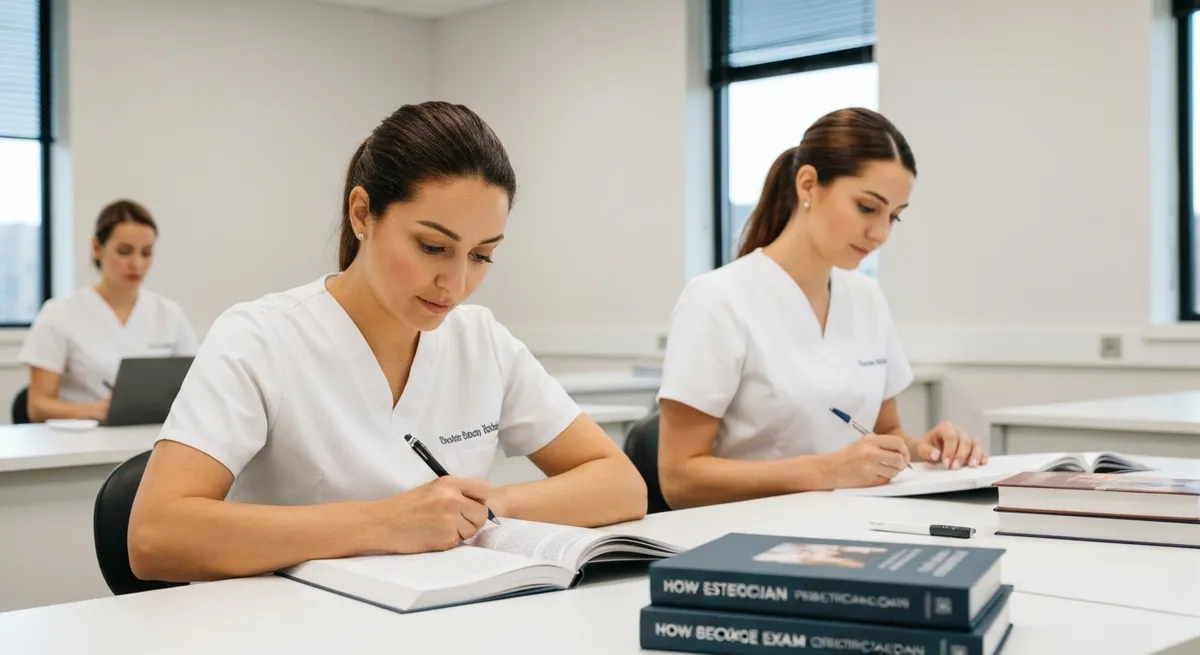
How to Become an Esthetician: Requirements, Training Hours, Costs, and Career Paths
About the Author
Licensed Cosmetologist & Beauty Licensing Exam Specialist
Paul Mitchell SchoolsMichelle Santos is a licensed cosmetologist with a Bachelor of Science in Esthetics and Salon Management from Paul Mitchell School. She has 16 years of salon industry experience and 8 years preparing students for state cosmetology board exams in theory, practical skills, and sanitation. She specializes in licensure preparation for cosmetologists, estheticians, and nail technicians.
Join the Discussion
Connect with other students preparing for this exam. Share tips, ask questions, and get advice from people who have been there.
View discussion (4 replies)