
EPA 608 Certification Cost: Complete Breakdown of Exam Fees, Study Materials, and Total Investment
Learn the real EPA 608 certification cost — ✍🏼 exam fees, study materials, and total investment. Get a complete breakdown for HVAC techs in 2026 September.

Understanding the EPA 608 certification cost before you register is one of the smartest moves any HVAC technician can make. The total investment varies significantly depending on where you test, which certification type you pursue, and how much you spend on study materials.
On the low end, a motivated self-studier with access to free practice resources might spend as little as $20 to $40 on the exam alone. On the high end, someone enrolled in a formal training course with printed study guides and multiple type certifications could invest $300 or more. Knowing exactly what you are walking into helps you budget wisely and avoid sticker shock.
The EPA Section 608 certification is a federally mandated credential for any technician who works with refrigerants subject to the Clean Air Act. The Environmental Protection Agency requires all professionals who purchase, handle, or recover regulated refrigerants to hold an appropriate certification. There are four certification types — Type I for small appliances, Type II for high-pressure systems, Type III for low-pressure systems, and Universal which covers all three. Each type can be pursued individually, but most working technicians aim for Universal certification to maximize their job opportunities in the field.
Exam fees are set by the approved certification organizations, not by the EPA itself. This means prices differ from one testing provider to the next. Organizations like ESCO Institute, HVAC Excellence, NATE, and Mainstream Engineering are among the most widely recognized. Some charge a flat fee regardless of how many types you test for, while others charge per type. Understanding this distinction can save you real money, especially if you plan to earn Universal certification in a single testing session rather than scheduling separate appointments for each type.
Study material costs are an often-overlooked part of the total investment. Many candidates assume the exam fee is all they need to budget for, only to discover later that quality practice tests, reference manuals, and review courses carry their own price tags. Fortunately, free resources are widely available online, and this site offers comprehensive free practice questions that mirror the actual exam content. Using free tools strategically can dramatically reduce your total spend without sacrificing pass rates.
For those researching the epa 608 certification cost through ESCO specifically, fees typically run between $20 and $40 per attempt, making ESCO one of the more affordable pathways for technicians who want to test at a convenient location. ESCO administers exams at thousands of sites across the country, including community colleges, technical schools, and HVAC trade events, which also reduces travel costs for most candidates.
Retake fees are another cost factor worth considering. Not every candidate passes on the first attempt — the EPA 608 exam has a meaningful failure rate, particularly for candidates who underestimate the depth of refrigerant regulations, safety protocols, and environmental compliance topics covered. Budgeting for at least one retake opportunity is a prudent approach. Most testing providers allow candidates to retest after a short waiting period, and fees for retakes are generally similar to or slightly less than the original exam fee.
This article walks through every dimension of cost you are likely to encounter on your journey to EPA 608 certification: exam registration fees, study material options, retake policies, employer reimbursement possibilities, and strategies to get certified for the least amount of money without cutting corners on preparation. Whether you are a first-time candidate or a working tech upgrading from a Type-specific certification to Universal, this cost guide gives you the information you need to plan your investment confidently.
EPA 608 Certification Cost by the Numbers
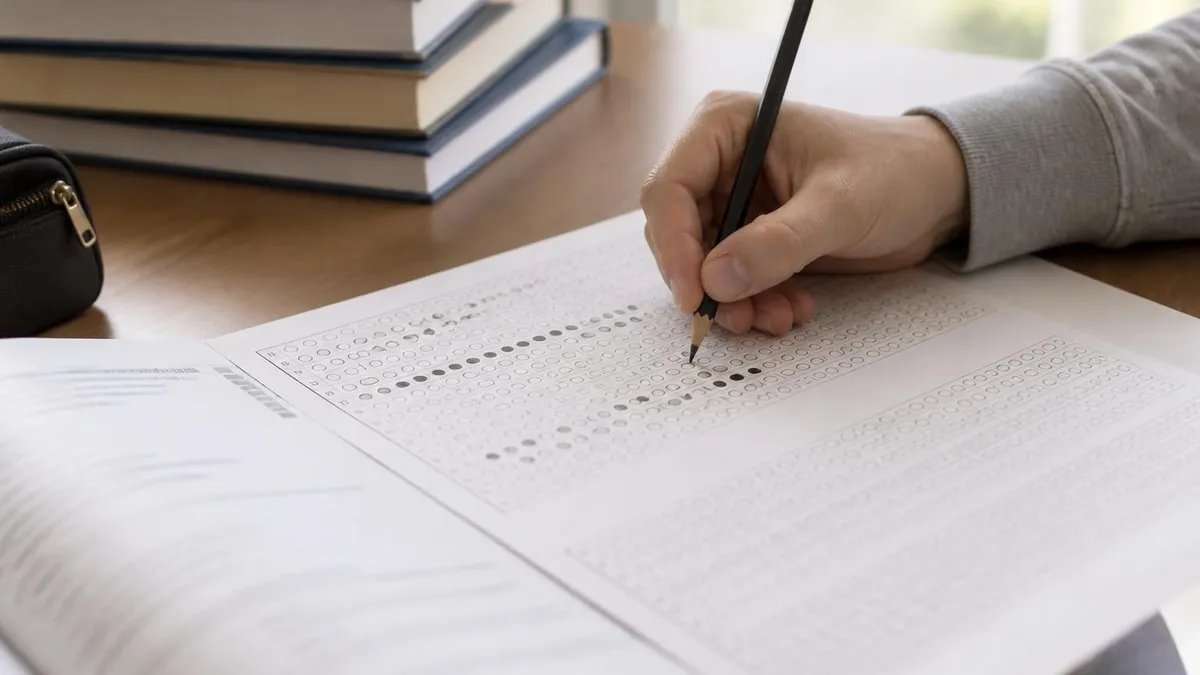
Exam Fee Breakdown by Provider
Study material costs for the EPA 608 exam range from completely free to several hundred dollars depending on the resources you choose. At the free end of the spectrum, candidates have access to a robust ecosystem of online practice tests, EPA regulation summaries, and community forums where experienced technicians share study tips. Websites dedicated to HVAC certification prep — including the free practice exams on this site — offer hundreds of questions organized by topic and difficulty level. For candidates with strong self-discipline and prior HVAC knowledge, free resources alone can be more than sufficient to pass.
Printed study guides are a popular mid-range investment, typically priced between $25 and $60. These guides cover all four certification types in a single volume and are structured around the major topic areas tested on the exam: refrigerant handling, recovery procedures, safety practices, ozone depletion science, and regulatory compliance. The ESCO Institute publishes one of the most widely used study manuals, and it is available through their website and major booksellers. For candidates who prefer reading physical materials and making margin notes, a quality study guide is money well spent.
Online prep courses occupy the upper tier of the study material cost spectrum. These courses, offered by providers like Mainstream Engineering, HVAC School, and various vocational training platforms, typically cost between $30 and $120 and include video lessons, interactive quizzes, progress tracking, and sometimes a money-back pass guarantee. The guarantee element can be particularly valuable for candidates who are nervous about the exam or who have limited background in refrigerant regulations — if you study thoroughly using a guaranteed course and still fail, you get your enrollment fee refunded.
Employer-sponsored training is a frequently overlooked cost-reduction strategy. Many HVAC contractors, property management companies, and commercial refrigeration firms cover the cost of EPA 608 certification for their employees or new hires. In some cases, employers pay not just for the exam fee but also for study materials and any required retakes. If you are already working in the HVAC industry or have a job offer pending, it is absolutely worth asking your employer whether certification costs are reimbursable before spending a dime out of pocket.
For candidates pursuing Universal certification — the all-in-one credential that covers Types I, II, and III — the smartest approach from a cost perspective is to test for all types in a single session at a provider that charges a flat Universal fee rather than per-type pricing. ESCO Institute, for example, offers a Universal exam fee that is substantially lower than paying for three separate type exams individually. This single-session strategy can save $20 to $60 compared to testing for types on separate dates at per-type pricing.
Flashcard sets, whether purchased through platforms like Quizlet or created personally from study guide content, offer an extremely cost-effective supplement to other study materials. Spending two to three hours creating a personal flashcard deck covering refrigerant types, recovery equipment specifications, and EPA regulatory thresholds is a zero-cost investment that pays dividends on exam day. Research in HVAC certification preparation consistently shows that spaced repetition — reviewing flashcards over multiple sessions — dramatically improves retention of the specific numbers, percentages, and procedures that appear on the Section 608 exam.
The total realistic cost for a well-prepared candidate using a mix of free and low-cost resources typically falls between $30 and $80, covering the exam fee and a basic study guide or online course. Candidates who invest in a structured online course with a pass guarantee and purchase the official ESCO study manual might spend $80 to $150. Either investment is modest relative to the salary premium that EPA 608 Universal certification delivers, with certified technicians consistently earning $5,000 to $15,000 more per year than their uncertified counterparts in comparable roles.
Cost by Certification Type: Type I, II, III, and Universal
Type I certification covers small appliances containing five pounds or less of refrigerant, such as window air conditioners and household refrigerators. Type II covers high-pressure systems used in commercial and residential central air conditioning. Both are commonly tested individually by candidates who specialize in a particular equipment category. Exam fees for each type separately typically range from $20 to $35 per type at providers like ESCO and Mainstream Engineering, making individual type certifications an affordable entry point into the credential landscape.
Candidates who know they will only work with one category of equipment sometimes choose to certify in a single type rather than pursuing Universal. This keeps initial costs low — often under $50 including study materials — while still meeting the EPA's legal requirements for their specific scope of work. However, most experienced technicians recommend going Universal from the start because the additional study investment is minimal and Universal certification eliminates the need to retest later as job responsibilities expand into other equipment types.

Is Investing in EPA 608 Certification Worth the Cost?
- +Legally required to purchase and handle refrigerants — no certification means no work
- +Universal certification opens doors to all equipment types, maximizing job opportunities
- +Certified technicians typically earn $5,000–$15,000 more annually than uncertified peers
- +One-time investment — EPA 608 certification does not expire and requires no renewal fees
- +Increases credibility with employers, customers, and inspection agencies
- +Low barrier to entry — total cost typically under $100 for a prepared candidate
- −Exam fees vary widely by provider, making it easy to overpay without research
- −Study material costs can add up quickly if you choose premium courses unnecessarily
- −Retake fees apply if you fail, potentially doubling your exam investment
- −Some testing sites charge administrative fees on top of the base exam fee
- −Opportunity cost of study time — dedicated prep requires 8–20 hours for most candidates
- −No federal subsidy or financial assistance program exists for exam fee coverage
Money-Saving EPA 608 Certification Checklist
- ✓Ask your employer if they cover exam fees and study materials before spending your own money
- ✓Compare fees across at least three approved testing providers in your area before registering
- ✓Choose a provider that offers Universal bundled pricing rather than per-type pricing
- ✓Use free practice tests and online resources before purchasing any paid study materials
- ✓Register for the Universal exam in a single session to avoid multiple registration fees
- ✓Download the EPA's own Section 608 regulations document — it is free and authoritative
- ✓Join an HVAC technician forum online to access free study tips from certified professionals
- ✓Schedule your exam only after scoring consistently above 70% on practice tests
- ✓Confirm the test site's refund and rescheduling policy before paying the registration fee
- ✓Budget for one potential retake — most providers allow retesting within 30 days at reduced cost
Universal Certification Costs Almost the Same as a Single Type
At most approved testing providers, including ESCO Institute, the fee difference between a single-type exam and the full Universal exam is only $5 to $15. Candidates who are even slightly likely to work with multiple equipment types should always register for Universal from the start — the marginal cost is trivial compared to the value of having an unrestricted credential that never expires.
Employer reimbursement is one of the most underutilized financial resources available to HVAC technicians pursuing EPA 608 certification. A substantial majority of HVAC contractors, commercial refrigeration companies, property management firms, and facilities management departments consider EPA 608 certification a basic job requirement and are willing to pay for it. Some companies have formal tuition assistance or professional development programs that cover exam fees, study materials, and even paid study time. Others operate informally — a conversation with your supervisor or HR contact can open the door to reimbursement that was never advertised.
For apprentices and new entrants to the HVAC field, union apprenticeship programs frequently include EPA 608 exam preparation and fees as part of their structured curriculum. The International Brotherhood of Electrical Workers, United Association of Plumbers and Pipefitters, and other trade unions that represent HVAC technicians often schedule group testing sessions where members can test at reduced or zero cost. If you are enrolled in or considering an apprenticeship program, confirm whether EPA 608 costs are included before budgeting for them independently.
The return on investment for EPA 608 certification is one of the most favorable of any skilled trade credential in the United States. According to Bureau of Labor Statistics data and industry salary surveys, HVAC technicians with full Universal certification consistently out-earn uncertified technicians by a measurable margin. Entry-level certified technicians typically start $2 to $4 per hour higher than their uncertified counterparts, and at 40 hours per week over 52 weeks, that differential represents $4,160 to $8,320 in additional annual income. Against a total certification investment of $50 to $150, the payback period is measured in days, not months.
Mid-career technicians who upgrade from a single-type certification to Universal often experience an immediate bump in job eligibility. Many employers post positions that require Universal certification specifically, filtering out candidates who hold only Type I or Type II credentials. Upgrading at an additional exam cost of $20 to $40 therefore unlocks a materially larger pool of available positions, including roles in commercial building management, industrial refrigeration, and facilities contracting that command significantly higher hourly rates than residential HVAC service.
For technicians who run their own service businesses or plan to start one, EPA 608 Universal certification is non-negotiable from both a legal and reputational standpoint. Purchasing refrigerants in bulk for resale or service use requires certification documentation, and suppliers are required by law to verify certification status before selling regulated refrigerants.
Operating without certification exposes a business to EPA enforcement actions that carry fines of up to $44,539 per violation per day — a cost that dwarfs any certification fee many times over. Viewing the $30 to $40 exam fee through this lens makes it one of the most cost-effective insurance purchases a small HVAC business can make.
State and local workforce development grants occasionally cover vocational certification costs for eligible workers, particularly those transitioning from other industries or those who are unemployed. Programs administered through state workforce agencies, community colleges, and the Department of Labor's Trade Adjustment Assistance program may cover EPA 608 exam fees and associated study costs. Eligibility criteria and available funding vary significantly by state and by program cycle, but it is always worth a quick inquiry to your state's workforce development office before paying out of pocket.
Continuing education credit is another financial angle worth considering. Some employers who offer tuition reimbursement programs cover professional certification exams under the same budget line as formal coursework. If your employer offers any form of continuing education benefit — even a modest annual allowance — submitting EPA 608 exam fees and study materials for reimbursement under that program may be entirely legitimate. Review your employee handbook or ask HR directly; many technicians discover they have access to reimbursement funds they were simply unaware of.

Technicians who purchase, handle, or recover regulated refrigerants without valid EPA 608 certification face civil penalties of up to $44,539 per violation per day under the Clean Air Act. Suppliers are legally required to verify certification before selling regulated refrigerants. The cost of non-compliance dwarfs any exam fee — get certified before handling any refrigerant covered by Section 608.
Retake fees and policies are an important but often overlooked dimension of total EPA 608 certification cost. Every major testing provider allows candidates who fail to retest, but the waiting period, fee structure, and process vary. ESCO Institute typically requires a short waiting period between attempts — often just a few days — and charges a retake fee that is similar to the original exam fee.
Mainstream Engineering's online proctored exam allows retesting after 24 hours with a fee in the $20 to $30 range. Understanding the retake policy before you register helps you budget appropriately and removes the psychological pressure of believing you have only one shot.
Pass rates for the EPA 608 exam vary by certification type. The Core and Type II sections have historically been considered the most challenging because they cover the broadest range of refrigerant regulations, environmental compliance requirements, and technical procedures.
Industry sources estimate that first-time pass rates for candidates who prepare adequately hover around 70 to 80 percent, while candidates who walk in without preparation face failure rates well above 50 percent. The implication for cost planning is clear: spending $20 to $50 on study materials upfront significantly reduces the probability of paying retake fees, making preparation the most cost-effective insurance you can buy.
Some testing providers offer score reports that identify which topic areas a candidate struggled with, making targeted study for a retake much more efficient than reviewing all content from scratch. If you receive a score report after failing, use it strategically — focus your retake preparation specifically on the topic areas where you scored below the passing threshold rather than re-reading material you already know well. This targeted approach minimizes the additional time and money required to pass on the second attempt.
Group testing is an often-overlooked cost-saving strategy for employers and training programs. Many approved testing providers offer discounted group rates when five or more candidates test together at the same site and time. Rates for group testing can be 10 to 30 percent lower than individual exam fees, and some providers will send a proctor to a company or training facility for large groups, eliminating travel costs entirely. If you are part of a team where multiple technicians need EPA 608 certification, coordinating a group testing session can meaningfully reduce per-person costs.
Online proctored exams have become increasingly popular as a cost-reduction strategy because they eliminate travel expenses entirely. Providers like Mainstream Engineering and several ESCO-affiliated platforms offer remote proctored testing that candidates can complete from any location with a reliable internet connection and a webcam. For candidates in rural areas or regions without nearby testing sites, the travel cost savings alone — gas, time off work, possibly lodging — can easily exceed the exam fee itself, making online proctoring the financially superior option regardless of the base fee comparison.
Bundling certification with other HVAC credentials is another strategy that can reduce the effective per-credential cost. Some training providers offer packages that combine EPA 608 preparation and testing with NATE certification prep, OSHA 10 training, or other industry credentials at a bundled price. If you are investing in your HVAC career broadly, exploring these bundles can reduce the per-certification cost while building a more comprehensive credential portfolio that commands higher starting salaries and better job placement outcomes.
For a complete look at how one of the leading testing providers structures their fees and testing process, reviewing detailed information about ESCO's program is particularly valuable. The exam format, passing score requirements, and fee structure are all clearly documented and worth reviewing as part of your planning process regardless of which provider you ultimately choose for testing.
Practical preparation strategies can dramatically affect both your total EPA 608 investment and your odds of passing on the first attempt. The most cost-effective approach for the majority of candidates is a structured three-phase study plan: an initial review of core content using a free or low-cost study guide, a focused practice test phase using free online questions to identify weak areas, and a final review phase targeting those specific weaknesses in the two to three days before your exam. This approach typically requires eight to fifteen hours of total study time and produces strong first-attempt pass rates.
Topic prioritization matters enormously for efficient preparation. The EPA 608 Core section, which all candidates must pass regardless of which type certifications they pursue, covers ozone depletion science, the regulatory history of refrigerant controls, refrigerant recovery requirements, and safety procedures. This section accounts for a significant portion of the total question pool and is tested in every certification pathway. Spending the first third of your study time mastering Core content before moving to type-specific material is the most efficient use of your preparation investment.
Memorizing key numerical thresholds is a high-value study priority that many first-time candidates underestimate. The EPA 608 exam tests specific numbers repeatedly: the de minimis loss rates that trigger recovery requirements, the pounds-per-year leak rates for different system sizes, the specific refrigerant types associated with each system category, and the recovery efficiency requirements for different compressor types. Creating a one-page reference sheet of the most important numbers and reviewing it daily in the week before your exam is a zero-cost strategy that has helped thousands of candidates clear these fact-heavy questions.
Understanding the difference between refrigerant types — CFCs, HCFCs, and HFCs — and their respective regulatory treatment under Section 608 is another content area where focused study pays outsized dividends. Questions about which refrigerants require recovery, which are subject to venting prohibitions, and which fall under specific purchase documentation requirements appear consistently across all certification types. Candidates who can confidently categorize common refrigerants like R-22, R-410A, R-134a, and R-11 by type and regulatory status handle this portion of the exam with minimal difficulty.
Practice exams are the single most effective study tool available, and the best ones are free. Taking a full-length simulated exam under timed conditions — not just browsing question banks — builds the exam-day stamina and pacing skills that help candidates avoid the common pitfall of running out of time on the later sections. Most candidates who fail the EPA 608 exam report either running short on time in the final section or being surprised by question formats they had not practiced. Both problems are solved by taking at least two full timed practice exams before your testing date.
Scheduling your exam strategically is a small but real cost consideration. Some testing sites charge different fees depending on the day of the week or time of day — weekday morning slots are often cheaper than weekend or evening testing. Additionally, registering well in advance of your intended testing date gives you more flexibility to reschedule if your preparation is taking longer than expected, and many providers offer free rescheduling if you provide sufficient notice. Last-minute registrations sometimes incur rush fees, and last-minute cancellations can forfeit your exam fee entirely.
After passing, preserve your certification documentation carefully. The EPA does not maintain a centralized public registry of certified technicians, meaning your certification card or certificate document is your primary proof of credential. Losing it requires contacting your testing provider to request a replacement, which may involve a small administrative fee. Scanning or photographing your certification card and storing it in cloud storage the day you receive it costs nothing and protects you against the inconvenience and cost of replacement requests down the road.
EPA 608 Questions and Answers
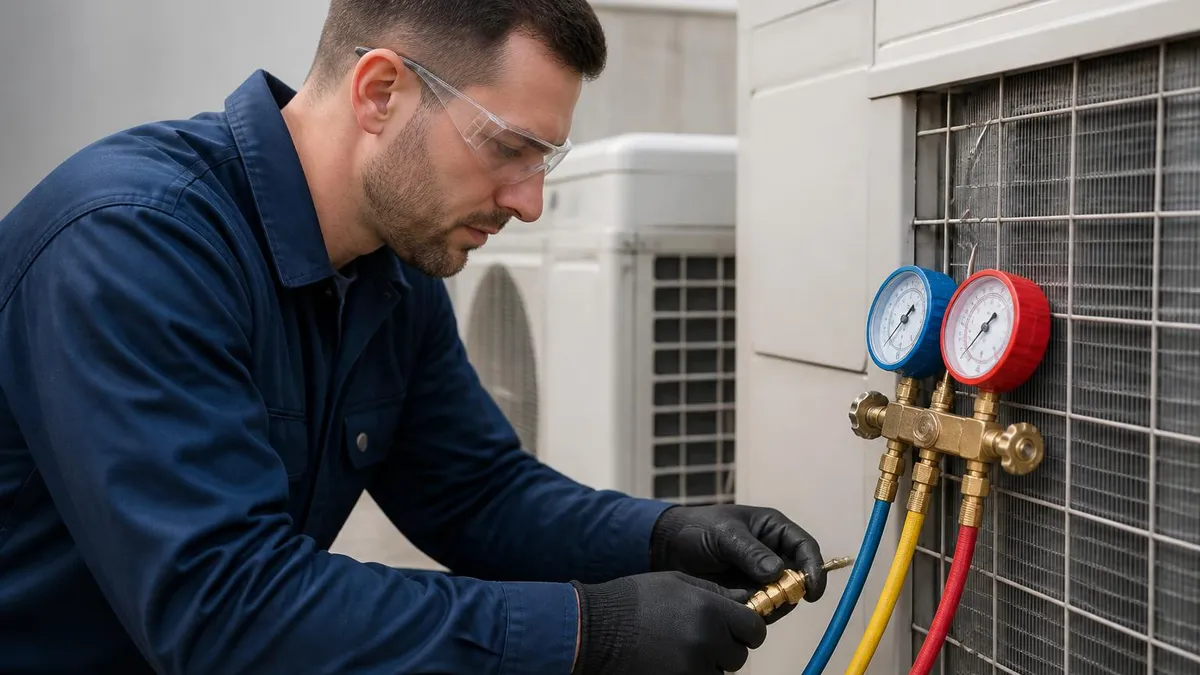
ESCO EPA 608 Certification: Complete Guide to Testing, Study Materials, and Passing the Section 608 Exam
EPA 608 Practice Test 2026 — Free Questions

EPA 608 Study Guide 2026 — Section 608 Certification Prep for HVAC
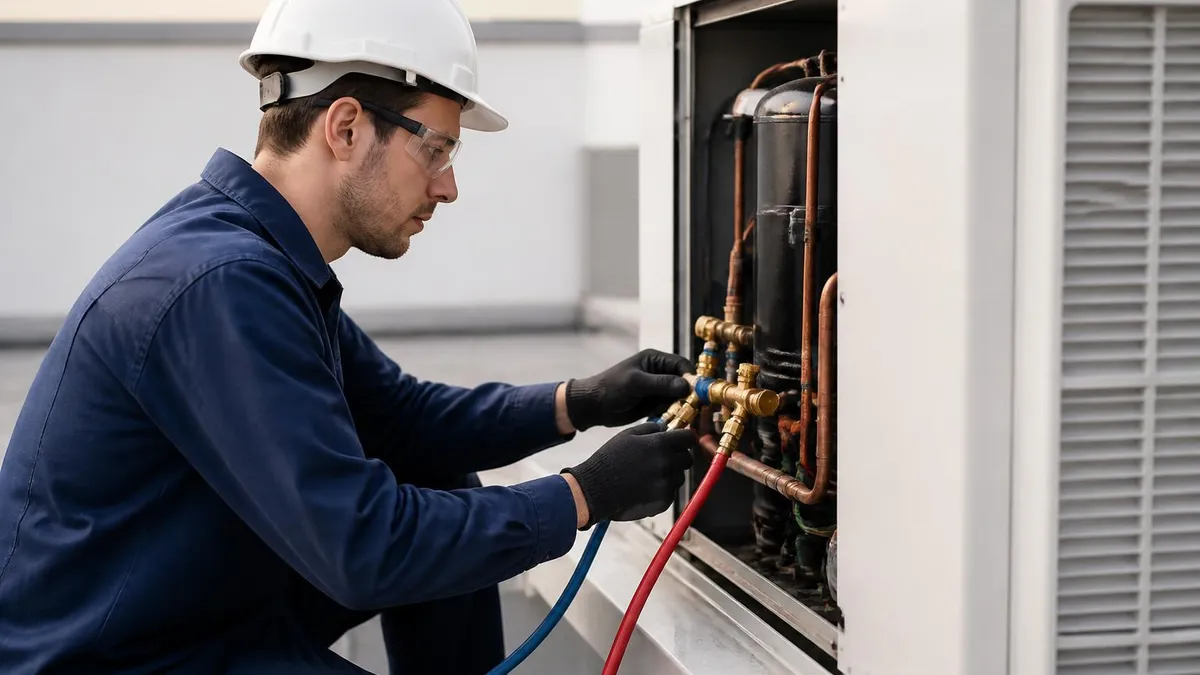
EPA 608 Certification: Complete Guide
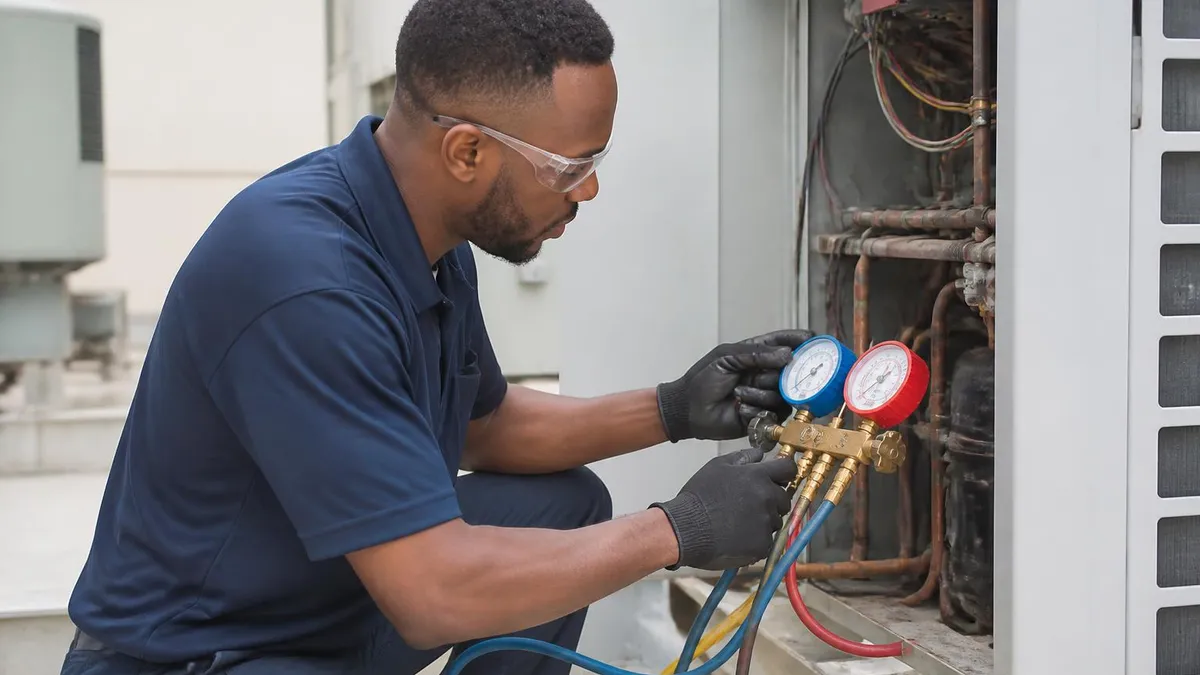
EPA 608 Certification Online: Complete Study Guide & Exam Prep 2026
About the Author

NATE Certified HVAC Technician & Licensing Exam Trainer
Universal Technical InstituteMike Johnson is a NATE-certified HVAC technician and EPA 608 universal-certified refrigerant handler with a Bachelor of Science in HVAC/R Technology. He has 19 years of commercial and residential HVAC installation and service experience and specializes in preparing technicians for NATE certification, EPA 608, A2L refrigerant safety, and state HVAC contractor licensing examinations.
Join the Discussion
Connect with other students preparing for this exam. Share tips, ask questions, and get advice from people who have been there.
View discussion (8 replies)