
EPA 608 Certification: Complete Guide 2026 October
EPA 608 certification guide — 💯 four types (Type I, II, III, Universal), examination, study resources, costs, and refrigerant handling regulations.
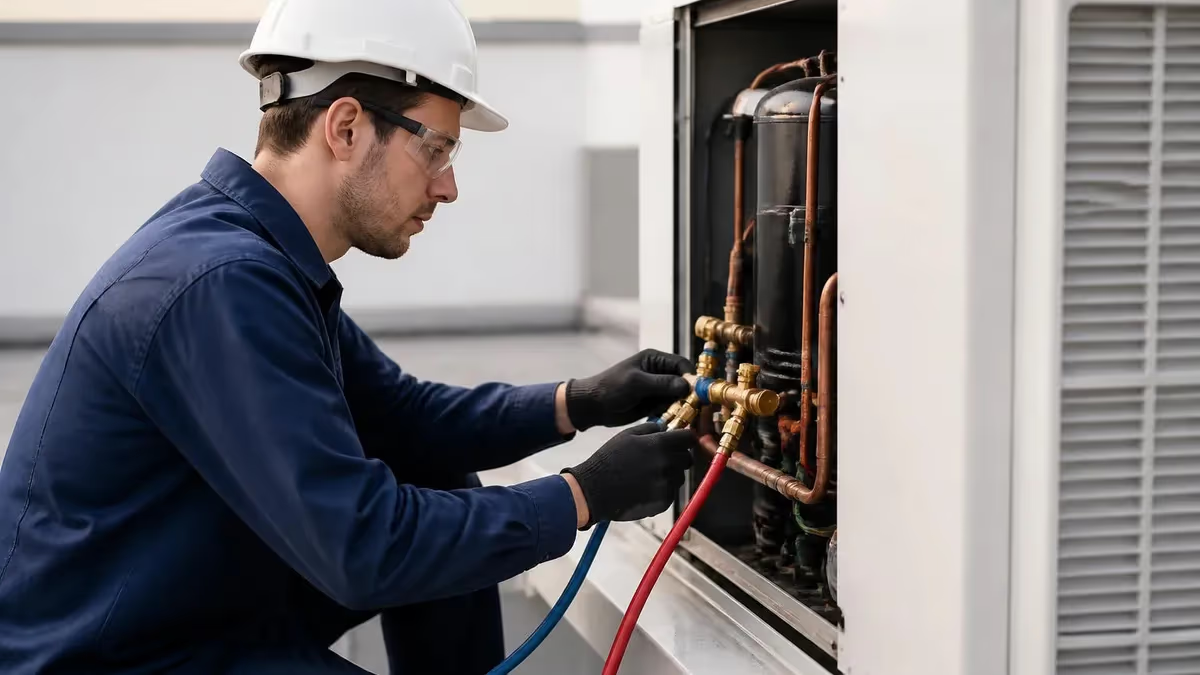
EPA 608 certification is the Environmental Protection Agency credential required by the Clean Air Act for technicians who service refrigerant-containing equipment in the United States. Section 608 of the Clean Air Act requires anyone who services, maintains, or disposes of equipment containing certain refrigerants to be EPA-certified. The certification ensures technicians understand proper refrigerant handling preventing release of ozone-depleting and high global warming potential gases into the atmosphere. EPA 608 certification is foundational requirement for HVAC technicians, refrigeration specialists, automotive AC technicians (for some refrigerants), and various other roles involving refrigerant-handling equipment.
This guide walks through EPA 608 certification including the four certification types (Type I, II, III, Universal), examination structure, eligibility, study resources, costs, employer expectations, and the broader regulatory context for refrigerant management. Information here applies to current EPA 608 requirements with notes about refrigerant transitions and ongoing regulatory evolution. Whether you're entering HVAC career and need first certification, current technician adding higher certification level, or employer ensuring workforce compliance, this overview covers the essentials of EPA 608 certification across the various practice contexts requiring this credential.
The Clean Air Act regulations governing refrigerant management have evolved substantially since Section 608 was enacted. Original regulations focused on chlorofluorocarbons (CFCs) like R-12 and hydrochlorofluorocarbons (HCFCs) like R-22 due to ozone depletion concerns. Subsequent updates expanded coverage to hydrofluorocarbons (HFCs) like R-410A and R-134a due to climate change concerns from their high global warming potential. Recent regulatory changes (American Innovation and Manufacturing Act of 2020) phasing down HFCs further accelerated transition to lower-global-warming-potential alternatives like R-32, R-454B, and various other emerging refrigerants. EPA 608 certification covers handling all these various refrigerants regulated under Section 608.
EPA 608 Certification Quick Facts
Required by: Clean Air Act Section 608 — federal law for refrigerant work. Four types: Type I (small appliances), Type II (high-pressure refrigerants), Type III (low-pressure refrigerants), Universal (all three types). Examination: Multiple-choice tests; closed book typically. Pass marks: 70-72% per type typically. Cost: $20-$50 typical exam fee per type. Validity: Permanent — certification doesn't expire. Universal certification: All four sections (Core + Type I + Type II + Type III) earned with passing scores in each. Required for: HVAC service technicians, refrigeration specialists, anyone purchasing or handling regulated refrigerants.
The four EPA 608 certification types correspond to different equipment categories. Type I covers small appliances containing 5 pounds or less of refrigerant — typical examples include household refrigerators, freezers, window AC units, water coolers, and various small commercial refrigeration equipment. Type II covers high-pressure refrigerants — most common refrigerants in residential and commercial AC systems including R-22, R-410A, R-134a, R-32, and various others. Type III covers low-pressure refrigerants used in centrifugal chillers and various large industrial equipment. Universal certification combines all three types — most service technicians pursue Universal to avoid limitations on what equipment they can service.
The EPA 608 examination structure tests across the four sections. Core section (25 questions) covers regulatory basics, environmental science, and various general topics required for all certifications. Each Type section (25 questions per type) covers equipment-specific knowledge, refrigerants, recovery procedures, and various other technical topics specific to that equipment category. Most testing organizations administer all four sections in single exam sitting (100 total questions), though candidates can take individual sections separately. To earn Universal certification, you must pass Core plus all three Type sections — typically achievable in single sitting or across multiple attempts depending on candidate preparation.
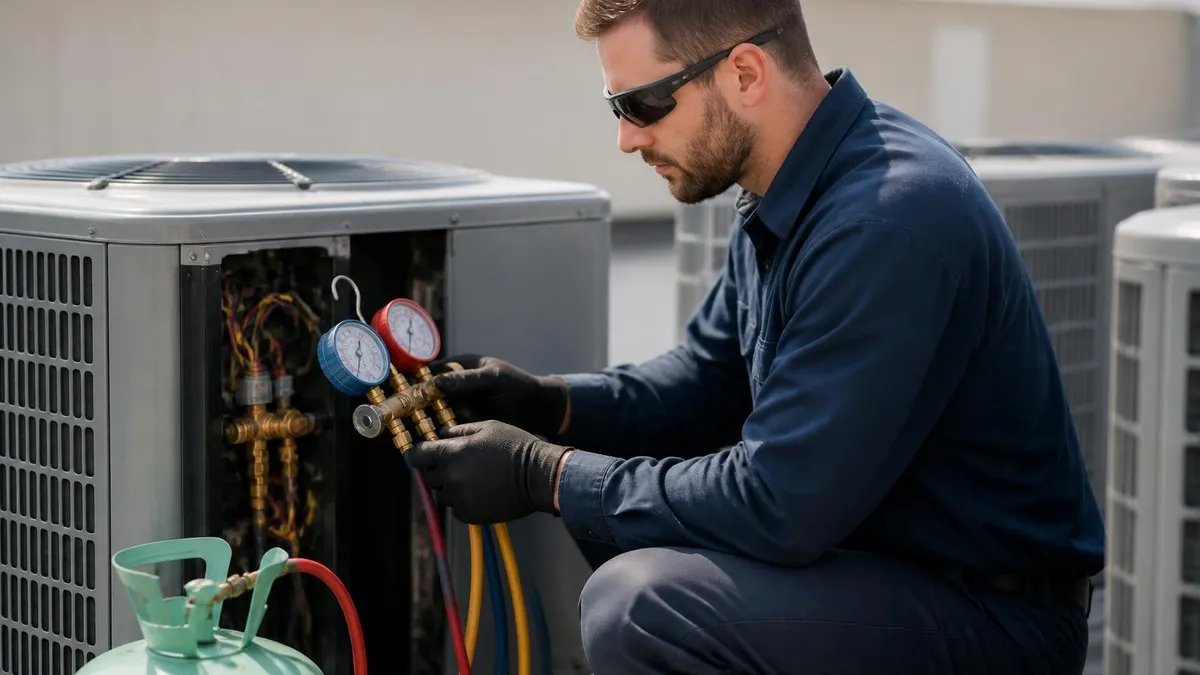
EPA 608 Certification Types
5 lbs or less refrigerant. Household refrigerators, window ACs, water coolers, small commercial.
Most residential/commercial AC systems. R-22, R-410A, R-134a, R-32, various others.
Centrifugal chillers and large industrial equipment with low-pressure refrigerants.
All three types combined. Most service technicians pursue this to avoid limitations.
Required section for any certification. Regulatory basics and general environmental science.
Separate certification for automotive AC work. Covered by Section 609, not 608. Different examination.
Eligibility for EPA 608 certification has minimal formal requirements. There's no minimum age requirement at the federal level (though some testing centers may require 18+). No formal education prerequisites. No prior work experience required. Anyone can take the certification exam through approved testing organizations. The accessibility supports career entry for those interested in HVAC work — you can earn certification before getting your first HVAC job, supporting employment readiness. Many HVAC training programs include EPA 608 preparation in their curriculum. Those entering HVAC without formal training can study independently and take the exam as standalone activity preparing for HVAC employment.
The EPA 608 examination is administered by various approved testing organizations. ESCO Institute is one of the largest providers offering testing through ESCO-affiliated training centers. RSES (Refrigeration Service Engineers Society) provides testing. ACCA (Air Conditioning Contractors of America) administers testing. Various community colleges and HVAC training schools serve as authorized testing locations. Online proctored testing has expanded substantially supporting remote candidates. Testing typically costs $20-$50 per type or $50-$120 for Universal across all four sections in single sitting. Verify approved testing organizations through EPA's website to ensure your certification will be recognized appropriately.
Preparation for EPA 608 examination typically requires 20-50 hours of focused study for inexperienced candidates. ESCO Institute's official EPA 608 study materials are widely used. RSES, ACCA, and various other organizations publish study guides. Free study materials available through EPA's website and various HVAC industry sites. Practice tests support exam familiarity and preparation effectiveness. The exam content is moderately challenging but accessible for committed candidates — most candidates pass with appropriate preparation. Pass rates from approved training programs typically run 80-90%+ for first-time test takers who completed program preparation properly before attempting examination.
1. Study EPA 608 content covering Core plus all three Type sections. 2. Use approved study materials (ESCO Institute, RSES, ACCA, various others). 3. Take practice tests reaching consistent passing scores in each section. 4. Schedule certification exam through approved testing organization. 5. Take exam — typically all four sections in single sitting (100 questions total). 6. Pass each section (70-72% typically required) for Universal certification. 7. Receive certification card after passing — valid permanently.
Refrigerant handling regulations under Section 608 affect daily work in technical detail. Recovery requirements: refrigerants must be recovered (not vented to atmosphere) when servicing equipment except in narrow circumstances. Recovery equipment must be EPA-certified and meet specific recovery efficiency standards depending on equipment type.
Leak repair requirements for equipment with refrigerant charges of 50 pounds or more — leak rates above specific thresholds (depending on equipment type) trigger required repair within specific timeframes. Sales restrictions: only EPA-certified technicians can purchase regulated refrigerants. Recordkeeping requirements: technicians and businesses must maintain records of certain refrigerant transactions. Each requirement applies in daily work with significant penalties for violations.
Penalties for EPA 608 violations can be substantial. Civil penalties up to $44,539 per violation per day (current adjusted amount; periodically increased for inflation). Criminal penalties for willful violations including fines and imprisonment. Equipment seizure for unauthorized refrigerant possession. Loss of certification for serious violations affecting future career. Employer penalties for using uncertified workers in refrigerant operations. The regulatory framework takes refrigerant management seriously given the substantial environmental impact of refrigerant releases. Compliance through certification and proper procedures protects both individual technicians and their employers from these substantial potential consequences.
The certification doesn't expire — once you pass, you're certified for life unless EPA revokes for serious violations. This permanent validity differs from most professional certifications requiring periodic renewal. The reasoning: the underlying physics and procedures don't change substantially, so periodic re-testing isn't required. However, refrigerant types and specific procedures evolve continuously — staying current with industry developments through continuing education matters professionally even though formal recertification isn't required. New refrigerants like R-32 and R-454B require updated knowledge for proper handling even though your original certification remains valid.
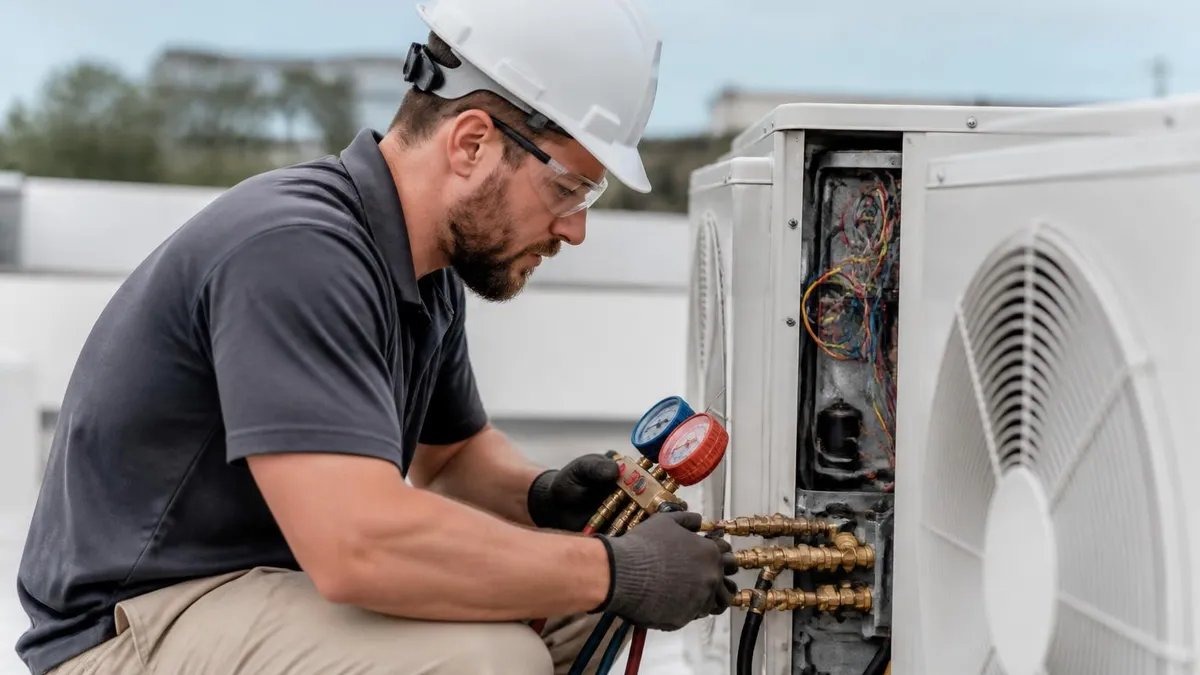
Two different EPA certifications cover different refrigerant work. Section 608: Stationary equipment (HVAC, refrigeration, chillers, etc.). The certification this article covers. Section 609: Motor vehicle air conditioning (cars and trucks). Different examination, different certification. Some technicians need both: If your work spans both stationary and automotive refrigeration, you need both certifications. Don't confuse the two: Section 608 doesn't cover automotive AC work, and Section 609 doesn't cover HVAC. Verify your specific work scope and obtain appropriate certifications. Most HVAC technicians need 608; automotive technicians need 609; some need both for diverse work scope.
Common content areas tested in EPA 608 examination include several recurring topics across all sections. Core: ozone depletion theory, regulatory framework, types of refrigerants, leak detection methods, basic safety. Type I: small appliance specifics including service procedures, recovery techniques, system components. Type II: high-pressure system topics including pressures and temperatures, recovery procedures, leak rates and repair requirements, system charging procedures. Type III: low-pressure system characteristics including pressure considerations, evacuation requirements, equipment specifics. Each section tests concepts and procedures specific to its scope while building on foundational Core content covering regulatory framework applicable across all types.
For users wanting to maximize examination preparation effectiveness, several strategies help. Start with Core section — concepts apply across all Types. Move through Types in order matching your priority (Type II most common for HVAC work). Take practice tests under timed conditions building familiarity. Review every wrong answer understanding correct answer reasoning. Focus extra study on weak topic areas identified through practice tests. Allow 4-8 weeks of preparation rather than cramming. Use ESCO Institute or similar quality study materials. Combine reading with practice testing rather than just one or the other. Each preparation strategy contributes to first-attempt pass success.
For users dealing with the specific challenge of memorizing pressure-temperature relationships for various refrigerants, several tips help. Focus on commonly-encountered refrigerants in your expected work area first. Use mnemonics or memorable patterns connecting pressures to temperatures. Build conceptual understanding (low-pressure refrigerants have specific characteristics, high-pressure refrigerants different) rather than memorizing specific PT values. Recognize that exam tests general principles more than precise PT values for individual refrigerants. Reference materials during exam (where allowed) include PT charts. Most effective preparation builds conceptual understanding supporting application across various refrigerants rather than rote memorization of individual values.
Earning EPA 608 Certification
- ✓Identify which certification type you need (Universal recommended for service work)
- ✓Allow 20-50 hours of focused study time before examination
- ✓Use ESCO Institute, RSES, ACCA, or similar approved study materials
- ✓Take practice tests reaching consistent passing scores (75%+) before scheduling exam
- ✓Schedule certification exam through approved testing organization
- ✓Take exam covering all needed sections (typically all four for Universal)
- ✓Pass each section at 70-72%+ for Universal certification
- ✓Receive certification card upon passing
- ✓Maintain certification card — required when purchasing refrigerants
- ✓Stay current with refrigerant regulation changes through continuing education
For users wanting to understand EPA 608 in their broader HVAC career context, several considerations matter. EPA 608 is foundational requirement before refrigerant work — typically obtained early in career or training. Universal certification is preferred since limited types restrict equipment you can service. Most HVAC employers require EPA 608 (Universal) for service positions.
Carrying your certification card supports refrigerant purchases at supply houses. The certification is one component of HVAC technician credentialing along with state-specific HVAC licensing (where required), NATE certifications (voluntary technical credentials), brand-specific training, and various other career development. Each builds on EPA 608 foundation supporting career progression.
For users wondering about EPA 608 versus other HVAC certifications, several distinctions matter. EPA 608 is regulatory requirement for refrigerant work — not optional for technicians performing refrigerant operations. NATE (North American Technician Excellence) certifications are voluntary technical certifications demonstrating expert-level skills in specific HVAC areas. State HVAC contractor licensing is required for HVAC business operations in many states (separate from technician credentials). Manufacturer-specific certifications (Carrier, Trane, Lennox, etc.) demonstrate brand-specific equipment expertise. Each credential serves different purpose — EPA 608 for legal compliance with federal refrigerant regulations, others for various professional capability demonstration.
Looking forward, EPA 608 framework continues evolving with refrigerant regulations. Regular updates address new refrigerants entering market. Phase-out of high-GWP refrigerants under the American Innovation and Manufacturing Act continues affecting technician knowledge requirements. Recovery efficiency standards evolve with technology improvements. Recordkeeping requirements may expand. Each evolution requires ongoing technician learning even though basic certification doesn't expire. Stay current through industry publications, manufacturer training, and professional associations including ACCA, RSES, and various others supporting ongoing professional development across HVAC technician careers spanning multiple decades.
For users dealing with the practical aspects of refrigerant handling on the job, several considerations apply. Recovery operations require properly functioning recovery equipment meeting EPA efficiency standards. Vacuum operations remove non-condensables and moisture before recharge. Leak detection through electronic detectors, soap solutions, UV dye, or various other methods. Charging operations matching manufacturer specifications precisely. Each operation has specific procedures protected by EPA regulations affecting both technique and required equipment. The certification ensures technicians understand these procedures; daily compliance through proper practice protects both technicians and the environment.
For employers and contractors managing EPA 608 compliance across teams, several considerations help. Verify all technicians have appropriate certification levels for their specific work scope. Maintain copies of certification cards on file for documentation and audit purposes. Track refrigerant purchases and recovery records per regulatory requirements. Train technicians on company policies supporting compliance beyond just basic certification. Investigate violations promptly when discovered. Each management consideration helps protect business from regulatory liability while ensuring technicians have skills and knowledge for safe environmental practice. Many large operations have dedicated compliance personnel handling EPA 608 management; small operations need owner-operator attention to compliance.
For users transitioning into HVAC work from other careers, EPA 608 certification represents reasonable early investment. Cost ($50-$120 for Universal) is modest compared to overall HVAC career investment. Time investment (20-50 hours study) is small relative to ongoing HVAC career education. Certification carries permanent value once earned. Employer interest in certified candidates is strong — having certification before applying for HVAC positions can support faster job offers. The certification represents low-friction entry credential demonstrating commitment to HVAC career while providing functional capability for refrigerant work that employers need their technicians to have legally.
The bottom line on EPA 608 certification: it's federal regulatory requirement for refrigerant work essential for HVAC service technicians and various other roles. Four types (I, II, III, Universal) match different equipment categories with Universal preferred for service flexibility. Examination is moderately challenging but accessible with appropriate preparation. Cost is modest. Certification is permanent without renewal requirements. The credential supports HVAC career foundation along with various other certifications and credentials supporting career development. For anyone entering HVAC work or related refrigerant fields, EPA 608 (Universal) represents priority certification to obtain early in career trajectory supporting employment and professional practice.
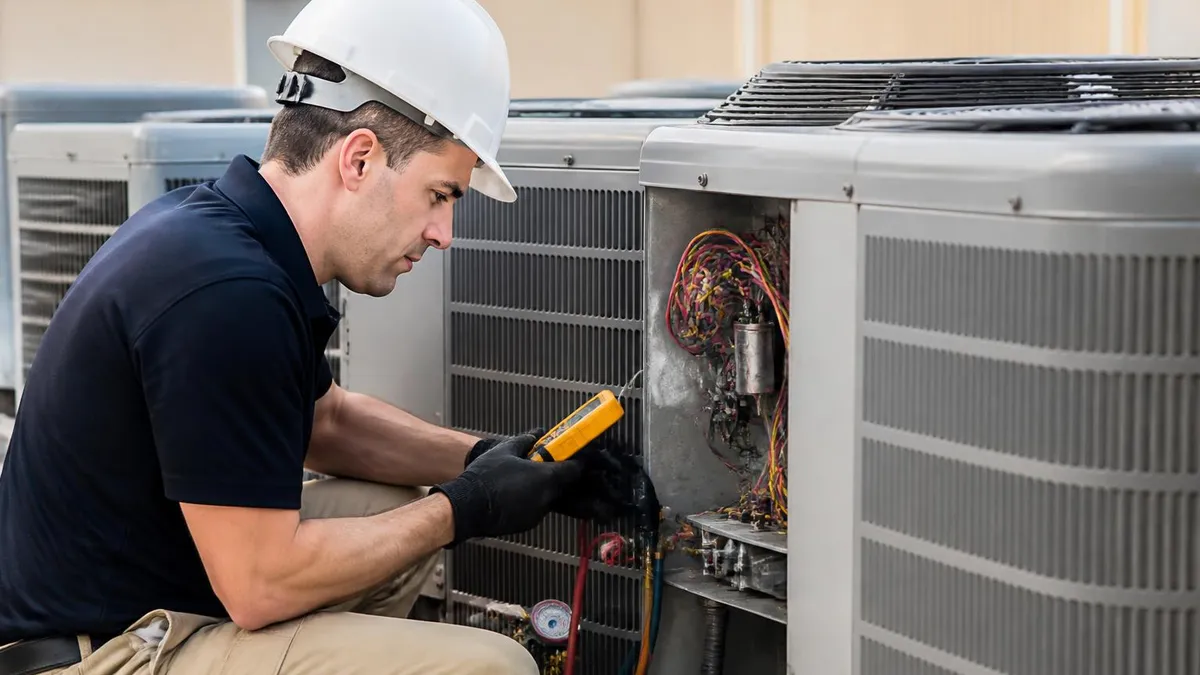
EPA 608 Quick Reference
Key Facts at a Glance
| Item | Value | Details |
|---|---|---|
| Cost | $50-120 | |
| Validity | Permanent | |
| Pass Mark | 70-72% |
EPA 608 Examination Sections
Required for any certification. 25 questions covering regulatory basics, environmental science.
Small appliance section. 25 questions. Household refrigerators, window ACs, similar small equipment.
High-pressure refrigerant section. 25 questions. Most common HVAC service work.
Low-pressure refrigerant section. 25 questions. Centrifugal chillers, industrial equipment.
All four sections passed. Most flexible certification — preferred for general service work.
Can retake just failed sections rather than complete exam. Lower cost than full retake.
For users dealing with the specific challenge of refrigerant identification, several skills matter. Visual identification through tank color codes (specific colors for specific refrigerants per ARI standards), labels, and various other markings. Pressure-temperature relationships unique to each refrigerant supporting identification through measurement. Refrigerant identifier instruments providing accurate identification of unknown samples. Each method supports preventing the substantial problems that come from mixing different refrigerants or contaminating systems with wrong refrigerant types. Mixed refrigerants typically must be reclaimed and replaced rather than corrected — substantial cost and waste if wrong refrigerant is added to system without verification.
For users wanting to understand the refrigerant industry beyond just certification, several considerations help. Refrigerant pricing fluctuates with regulatory changes — phase-outs increase prices of restricted refrigerants while alternatives can have different pricing dynamics. Reclaimed refrigerant programs recycle used refrigerants reducing demand for new production. Quality concerns matter — counterfeit and contaminated refrigerants enter market periodically requiring verification of supplier quality. Industry organizations including AHRI (Air-Conditioning, Heating and Refrigeration Institute), ACCA, and various others provide industry resources supporting ongoing professional development beyond just initial certification requirements.
For users considering the broader environmental context of EPA 608 work, several connections apply. Refrigerant management directly affects ozone layer protection and climate change mitigation. Proper recovery and reclaim reduces atmospheric refrigerant releases substantially. Equipment efficiency improvements reduce overall refrigerant demand. Transition to lower-global-warming-potential refrigerants supports climate goals. Each environmental dimension connects daily technician work to substantial environmental outcomes — proper EPA 608 compliance supports meaningful environmental protection beyond just legal compliance with regulations. Understanding the environmental impact supports both motivation for proper practice and broader engagement with environmental issues affecting HVAC industry evolution.
Looking forward, refrigerant management will continue evolving with environmental priorities. The American Innovation and Manufacturing Act phase-down of HFCs continues through coming decade. New refrigerants including A2L mildly-flammable refrigerants like R-32 and R-454B are entering market with specific safety considerations. Heat pump growth driven by electrification trends affects refrigerant volume in service. Each evolution affects technician work and required knowledge. Stay current with industry developments through ongoing learning supporting career-long capability matching the evolving refrigerant industry context that determines what technicians actually need to know throughout their careers.
EPA 608 Certification: Pros and Cons
- +Required credential for HVAC career entry and practice
- +Permanent certification — no renewal required
- +Modest cost ($50-$120) for substantial career value
- +Supports refrigerant purchases at supply houses
- +Portable across employers and states
- −Examination requires substantial preparation time
- −Universal certification more challenging than single Type
- −Doesn't cover automotive AC work (Section 609 separate)
- −Doesn't substitute for state HVAC contractor licensing where required
- −Knowledge updates required despite no formal renewal
Sample EPA 608 - EPA Section 608 Certification Practice Questions
Try these questions from our free EPA 608 - EPA Section 608 Certification practice tests. The correct answer and an explanation follow each question.
Which regulatory body is MOST commonly associated with workplace safety standards relevant to EPA Section 608 Certification?
- A. OSHA (Occupational Safety and Health Administration)
- B. FDA (Food and Drug Administration)
- C. SEC (Securities and Exchange Commission)
- D. FCC (Federal Communications Commission)
Answer: A. OSHA (Occupational Safety and Health Administration)
OSHA is the primary federal agency responsible for setting and enforcing workplace safety standards across most industries in the United States.
In EPA Section 608 Certification practice, what should be done BEFORE operating any equipment?
- A. Perform a pre-operation safety inspection and verify all components are functioning
- B. Begin work immediately to maximize productivity
- C. Only inspect equipment after a malfunction occurs
- D. Rely on the previous operator's assessment
Answer: A. Perform a pre-operation safety inspection and verify all components are functioning
Pre-operation safety inspections are essential to identify potential issues before they become hazards, ensuring safe and efficient equipment operation.
In EPA Section 608 Certification, what is the purpose of preventive maintenance schedules?
- A. To identify and address potential issues before they cause equipment failure
- B. To create additional work for maintenance staff
- C. To comply with warranty requirements only
- D. To justify purchasing new equipment
Answer: A. To identify and address potential issues before they cause equipment failure
Preventive maintenance schedules are designed to identify and address potential issues before they lead to equipment failure, reducing downtime and extending equipment life.
Take the full EPA 608 - EPA Section 608 Certification practice test
EPA 608 Questions and Answers
About the Author

NATE Certified HVAC Technician & Licensing Exam Trainer
Universal Technical InstituteMike Johnson is a NATE-certified HVAC technician and EPA 608 universal-certified refrigerant handler with a Bachelor of Science in HVAC/R Technology. He has 19 years of commercial and residential HVAC installation and service experience and specializes in preparing technicians for NATE certification, EPA 608, A2L refrigerant safety, and state HVAC contractor licensing examinations.
Join the Discussion
Connect with other students preparing for this exam. Share tips, ask questions, and get advice from people who have been there.
View discussion (8 replies)