
Mainstream Engineering EPA 608: Complete Study Guide & Certification Prep
🧠 Master mainstream engineering EPA 608 concepts with this complete prep guide. Practice questions, study schedules, and expert tips. Pass your exam!

If you're preparing for the mainstream engineering EPA 608 certification exam, you already know this credential is the gateway to a professional HVAC/R career in the United States. The Environmental Protection Agency's Section 608 certification is federally mandated for any technician who purchases, sells, or works with refrigerants covered under the Clean Air Act. Without this certification, you simply cannot legally handle refrigerants — making it one of the most critical credentials in the HVAC/R industry. This guide is built specifically to help engineering students and working technicians master every concept tested on the exam.
The EPA 608 exam is divided into four certification types: Type I covers small appliances, Type II addresses high-pressure systems, Type III focuses on low-pressure systems, and Universal certification covers all three categories plus the core section. For mainstream engineering programs and most HVAC/R career paths, earning Universal certification is the gold standard. It opens doors to the widest range of job opportunities and demonstrates comprehensive technical competency to employers who take refrigerant safety seriously.
Understanding the structure of the exam before you begin studying saves significant time and mental energy. The core section — which all candidates must pass regardless of which type they're seeking — covers refrigerant regulations, ozone depletion science, global warming potential, recovery requirements, and the fundamentals of the Montreal Protocol. This regulatory knowledge isn't just test content; it's knowledge you'll apply daily in the field whenever you make decisions about refrigerant handling, recovery, and documentation.
For those in mainstream engineering pathways, the technical depth required for Type II and Type III sections can be substantial. High-pressure systems like those using R-410A, R-22, or R-404A operate under pressures that require precise recovery techniques, leak detection protocols, and evacuation procedures. The exam tests your ability to read pressure-temperature charts, calculate superheat and subcooling, identify system components by function, and understand the thermodynamic principles that govern refrigerant behavior in closed-loop systems.
One of the most effective preparation strategies is combining textbook study with hands-on practice questions under timed conditions. Reading about recovery machine operation is valuable, but answering exam-style questions about it under time pressure builds the kind of retrieval fluency that converts knowledge into correct answers on test day. The EPA 608 exam is proctored and timed, so building exam stamina and recall speed matters as much as raw content knowledge. Aim to complete at least 500 practice questions across all sections before sitting for the real exam.
Many candidates underestimate the regulatory nuances tested in the core section. For example, the de minimis exemption — which permits small releases of refrigerant when adding refrigerant to a system — was eliminated under current Section 608 regulations. Technicians must now recover refrigerant from all systems, regardless of charge size, before opening the system for service. Details like this appear frequently on the exam and distinguish well-prepared candidates from those who only studied the technical sections. You can also explore resources for mainstream engineering epa 608 to supplement your preparation with additional practice materials.
This comprehensive guide walks you through the full exam blueprint, proven study strategies, real content from each certification type, and a structured week-by-week study schedule designed to bring first-time candidates to passing confidence. Whether you're a community college student in an HVAC/R program, a working technician upgrading your credentials, or an engineering professional expanding your regulatory knowledge, the resources and strategies in this guide are designed to help you pass on your first attempt.
EPA 608 Certification by the Numbers

EPA 608 Study Schedule: 4-Week Exam Prep Plan
- ▸Read Clean Air Act Section 608 overview and regulatory framework
- ▸Study ozone depletion potential (ODP) and global warming potential (GWP) for common refrigerants
- ▸Learn recovery requirements by system type and refrigerant charge size
- ▸Review Montreal Protocol phase-out schedules and refrigerant transition timelines
- ▸Complete 50 core section practice questions and review all incorrect answers
- ▸Study Type I requirements: sealed systems, self-contained recovery, and small appliance exemptions
- ▸Master pressure-temperature relationships for R-410A, R-22, R-404A, and R-134a
- ▸Review high-pressure system evacuation procedures and micron gauge use
- ▸Practice reading P-T charts and calculating superheat and subcooling values
- ▸Complete 50 Type I and 50 Type II practice questions with timed conditions
- ▸Study low-pressure refrigerants: R-11, R-113, R-123 and their unique handling requirements
- ▸Learn purge unit operation and leak detection methods for centrifugal systems
- ▸Review standing pressure test procedures and pressure rise test protocols
- ▸Understand atmospheric pressure relationships and vacuum gauge readings for low-pressure systems
- ▸Complete 50 Type III practice questions and identify weak topic areas
- ▸Take two full timed Universal practice exams (100 questions each) under real conditions
- ▸Review all incorrect answers with reference to EPA 608 study materials
- ▸Focus extra study time on lowest-scoring sections from practice exam results
- ▸Review common regulatory scenarios: technician certification, recordkeeping, and refrigerant sales rules
- ▸Complete final 100-question mixed practice exam the day before your scheduled test
The core section of the EPA 608 exam is the foundation that every candidate must pass, regardless of which certification type they're pursuing. It covers the regulatory landscape governing refrigerant handling in the United States, and it is more nuanced than many first-time test takers expect. Key topics include the venting prohibition under Section 608, which forbids the knowing release of ozone-depleting substances and their substitutes into the atmosphere. The regulation applies to all refrigerants listed under the Clean Air Act, including both Class I and Class II substances, as well as their non-ozone-depleting substitutes like HFCs.
One area that trips up many engineering students is the technician certification rule for refrigerant sales. Effective January 1, 2018, the EPA extended certification requirements to cover the purchase of ALL refrigerants, not just ozone-depleting ones. This means that even R-410A — a hydrofluorocarbon with zero ozone depletion potential — now requires Section 608 technician certification to purchase in containers larger than 2 pounds. Understanding this regulatory expansion is critical, as exam questions frequently test whether candidates know which refrigerants are subject to which rules and when those rules changed.
When studying for Type II — the high-pressure systems section — focus heavily on recovery equipment requirements, system evacuation standards, and leak repair requirements. The EPA mandates that technicians evacuate systems to specific vacuum levels measured in inches of mercury (Hg) or microns before opening them for service. These evacuation requirements vary based on the refrigerant type and the manufacture date of the recovery equipment being used. For equipment manufactured after November 15, 1993, stricter evacuation standards apply, and knowing these specific numbers is essential for answering exam questions correctly.
Leak detection and leak repair rules deserve dedicated study time. Under Section 608, comfort cooling equipment with a charge of 50 or more pounds of refrigerant must be repaired if it leaks at a rate that would release 30% or more of its charge in a 12-month period.
For commercial refrigeration and industrial process systems, the threshold is 20%. These percentages appear on the exam with enough frequency that they must be memorized rather than reasoned through. Equally important is understanding the required timelines for completing repairs after a leak is discovered — typically 30 days, with extensions possible under specific circumstances.
Type III systems — low-pressure centrifugal chillers — present a unique set of engineering challenges that test candidates often find counterintuitive. These systems operate below atmospheric pressure, meaning that during a leak, air and moisture infiltrate the system rather than refrigerant leaking out. This fundamentally changes how technicians diagnose problems and how they interpret pressure gauge readings.
The standing pressure test, used to detect leaks in low-pressure systems, measures the rate of pressure rise when a system is isolated and left to stabilize. Understanding why pressure rises — air infiltration rather than refrigerant outgassing — requires a solid grasp of thermodynamic principles.
Refrigerant identification and handling safety also appear consistently throughout the exam. Candidates must know how to identify unknown refrigerant blends, understand the hazards of mixing refrigerants, and recognize the signs of system contamination. Refrigerant cylinders are color-coded by AHRI standard, and candidates should know the colors associated with common refrigerants: R-22 is light green, R-410A is rose/pink, R-134a is light blue, and R-404A is orange. Additionally, understanding the difference between recovery, recycling, and reclamation — and which processes can be performed in the field versus at certified reclamation facilities — is tested in multiple sections of the exam.
For a deeper exploration of testing provider options and study resources, reviewing information about ESCO-based programs can complement your preparation, as ESCO is one of the most widely recognized EPA 608 testing organizations in the country. Combined with rigorous practice testing and structured review of the regulatory framework, candidates who invest 35 to 45 hours in focused study consistently report passing all sections of the Universal exam on their first attempt. The investment in thorough preparation pays dividends not just in exam performance but in day-to-day professional competence as a certified HVAC/R technician.
EPA 608 Study Strategies by Certification Type
The core section tests regulatory knowledge that cuts across all certification types. Focus your study on the venting prohibition, recovery requirements, technician certification rules, refrigerant sales restrictions, and the Montreal Protocol phase-out schedules. Use flashcards for specific numbers — the 30% and 20% leak rate thresholds, evacuation levels in inches of Hg and microns, and the 2-pound small container exemption. These concrete figures appear on the exam repeatedly and must be recalled accurately under time pressure.
A highly effective core section strategy is to study the regulations chronologically: understand what the original 1990 Clean Air Act required, then layer in the 1993 implementation rules, the 2016 venting prohibition expansion to substitute refrigerants, and the 2018 refrigerant sales rule changes. This timeline approach builds a mental framework that makes individual regulatory details easier to remember and apply when exam questions present scenario-based situations where you must determine which rule applies to a specific set of facts.

Universal EPA 608 Certification: Is It Worth Pursuing All Four Sections?
- +Universal certification qualifies you to work on any type of refrigerating or air conditioning system, maximizing your job market flexibility
- +Employers strongly prefer Universal-certified technicians because one credential covers all equipment types they service
- +Universal certification demonstrates broader technical competency, which can translate to higher starting wages and faster career advancement
- +Earning all four sections at once is more efficient than returning to test for additional types as your career expands
- +The EPA 608 certification never expires, so the one-time investment in Universal certification provides lifetime professional value
- +Understanding all refrigerant types and system categories makes you a more effective and safer technician in real-world field situations
- −Preparing for all four sections simultaneously requires significantly more study time — typically 35 to 45 hours versus 10 to 15 for a single type
- −The Type III low-pressure section covers centrifugal chillers that many entry-level technicians will rarely encounter early in their careers
- −Higher study demands can lead to burnout if candidates try to compress preparation into too short a timeframe
- −Testing fees for Universal certification are higher than for individual type certifications at most testing providers
- −Some candidates find it more effective to earn Type I or Type II first, build real-world experience, then return for Universal
- −The volume of regulatory details across all four sections increases the risk of confusing similar-but-different rules for different system types
EPA 608 Universal Exam Preparation Checklist
- ✓Obtain the official EPA 608 study guide from an approved provider such as ESCO Institute or ACCA
- ✓Memorize refrigerant leak rate thresholds: 30% for comfort cooling, 20% for commercial refrigeration and industrial process systems
- ✓Learn the specific evacuation levels in both inches of Hg and microns for both pre-1993 and post-1993 recovery equipment
- ✓Practice reading pressure-temperature charts for R-22, R-410A, R-404A, R-134a, R-123, and R-11
- ✓Study the refrigerant cylinder color coding system and memorize colors for the six most common refrigerants
- ✓Review the 2018 refrigerant purchase rule that extended certification requirements to all refrigerants, including HFCs
- ✓Understand the difference between recovery, recycling, and reclamation — and where each process is legally permitted
- ✓Study purge unit emission limits for low-pressure systems: no more than 0.5 pounds of refrigerant per pound of non-condensable gas
- ✓Complete at least two full 100-question timed Universal practice exams before your scheduled test date
- ✓Confirm your testing location, required identification, and payment method at least one week before the exam

The 70% Rule Applies to Each Section Independently
Many Universal EPA 608 candidates don't realize that you must score 70% or higher on each of the four sections individually — the core, Type I, Type II, and Type III. A high score on the core section cannot compensate for a low score on Type III. If you fail one section, you must retake only that section at your next testing opportunity. Target 80%+ on practice exams for each section before you sit for the real exam to build a meaningful safety margin.
Passing the EPA 608 exam on the first attempt requires more than memorizing facts — it requires understanding the reasoning behind each regulation well enough to apply it to scenarios you haven't explicitly studied. EPA exam questions are frequently written as realistic field situations: a technician discovers a leak in a 75-pound R-410A system, or a centrifugal chiller shows an abnormal pressure rise rate during a standing test. Candidates who understand the underlying regulatory purpose can reason through these questions even when the specific numbers aren't immediately recalled.
One of the most common mistakes candidates make is underestimating the core section. It's tempting to assume that regulatory knowledge is simpler than the technical content in Types I through III, but the core section contains some of the most frequently missed questions on the exam. Regulatory details like the specific circumstances under which refrigerant may be vented lawfully (essentially none, post-1993), the timeline for completing leak repairs, and the documentation requirements for refrigerant recovery and disposal are all tested with precise, scenario-based questions that require accurate regulatory recall rather than general engineering intuition.
Time management during the actual exam is a skill worth practicing deliberately. The Universal exam's 100 questions must be completed in a fixed time window — typically around two hours at most testing centers. This works out to about 72 seconds per question. Most candidates find the regulatory and conceptual questions faster to answer, while the technical pressure-temperature and thermodynamic calculation questions take longer.
A good strategy is to move through the exam at a steady pace, flag any questions you're uncertain about, complete the full exam, and then return to flagged questions with remaining time. Never leave a question blank — there is no penalty for guessing.
Refrigerant phase-out schedules are another high-frequency exam topic that rewards dedicated study. The Montreal Protocol established the framework for phasing out ozone-depleting substances (ODSs), but the specific phase-out timelines for different refrigerant classes vary significantly. R-22, a Class II ODS, was fully phased out of production and import in the United States as of January 1, 2020.
However, reclaimed R-22 can still be used to service existing equipment. R-11 and R-12, Class I ODSs, were phased out much earlier — by January 1, 1996 for most uses. Knowing these dates and what they mean for servicing existing equipment is essential for both the exam and real-world practice.
The global warming potential (GWP) of refrigerants is increasingly tested as regulatory focus shifts from ozone depletion to climate change. While HFCs like R-410A and R-404A have zero ozone depletion potential, they have extraordinarily high GWPs — R-404A has a GWP of 3,922 times that of carbon dioxide over a 100-year period.
The AIM Act (American Innovation and Manufacturing Act) of 2020 gave EPA authority to phase down HFCs based on their climate impact, and next-generation low-GWP refrigerants like R-32, R-454B, and R-32 blends are becoming the new industry standard. Expect questions about this regulatory transition to appear more frequently in updated exam versions.
Recovery machine operation and maintenance knowledge is tested throughout all three type-specific sections. Candidates must understand how refrigerant recovery machines work, when to use push-pull recovery versus vapor-only recovery, how to perform a self-purge on a recovery cylinder, and when a recovery machine must be checked or recalibrated. Recovery cylinders have a maximum fill weight (80% of the cylinder's rated capacity by weight), and filling beyond this level creates a dangerous hydraulic lock condition. Knowing these operational details demonstrates the kind of hands-on technical competency the EPA 608 exam is designed to verify.
Many candidates who fail the EPA 608 exam on their first attempt cite insufficient practice testing as the primary cause. Reading study materials creates familiarity with content, but answering exam-style questions under timed conditions builds the specific cognitive skill of rapid, accurate recall under pressure.
Aim to practice with questions from multiple sources — no single practice test bank covers every possible exam question, and exposure to varied question styles and phrasings builds more robust knowledge than drilling a single set of questions repeatedly. Track your performance by section and topic area, and allocate additional study time to categories where your practice scores fall below 75%.
Knowingly venting refrigerants — including HFCs like R-410A that have no ozone depletion potential — is a federal violation under Section 608 of the Clean Air Act. Penalties can reach $44,539 per day, per violation. The EPA 608 exam tests this rule directly, and so does real-world enforcement. There are almost no lawful circumstances under which releasing refrigerant to atmosphere is permitted, and the exam will present scenarios designed to test whether you know where that line is drawn.
Once you've earned your EPA 608 certification, the credential opens a well-defined career pathway in the HVAC/R industry. The Bureau of Labor Statistics projects 9% employment growth for HVAC/R technicians through 2032 — faster than the average for all occupations — driven by construction activity, equipment replacement cycles, and the ongoing transition to energy-efficient refrigeration systems. Entry-level certified technicians typically earn between $40,000 and $52,000 annually, while experienced Universal-certified technicians with 10 or more years of experience in commercial refrigeration or industrial HVAC can earn $80,000 or more, particularly in metropolitan markets with high demand.
The EPA 608 certification is just the first credential in a professional development pathway that many experienced technicians build over time. After earning your 608, common next steps include NATE (North American Technician Excellence) certification in specific specialty areas, HVAC Excellence credentials, and manufacturer-specific training certifications from companies like Carrier, Trane, Lennox, and Daikin. Each additional credential increases your marketability and, in many cases, your hourly rate. Some employers offer compensation premiums of $2 to $5 per hour for technicians holding multiple industry certifications alongside their EPA 608.
The commercial refrigeration sector offers some of the highest earning potential for EPA 608-certified technicians. Supermarket refrigeration systems, cold storage facilities, pharmaceutical refrigeration, and food processing plants all rely on complex multi-circuit refrigeration systems that require skilled technicians capable of working across all system types. These environments typically employ Universal-certified technicians exclusively and often provide additional on-the-job training in proprietary control systems, remote monitoring platforms, and specialized leak detection equipment. If you're deciding which certification type to pursue first, targeting Universal from the start positions you best for these higher-paying commercial opportunities.
For career pathways that explore the full scope of what the HVAC/R industry offers, reviewing complete certification guides for EPA 608 can provide valuable context about how the credential fits into broader professional development. Employers in the commercial sector particularly value technicians who demonstrate not just technical competency but also strong regulatory knowledge — the kind of deep understanding of Section 608 rules that prevents costly compliance violations and protects the company from EPA enforcement actions. Technicians who can explain the regulatory basis for their service decisions are increasingly valued in larger commercial operations that must maintain rigorous compliance documentation.
The transition to lower-GWP refrigerants is creating new specialization opportunities for certified technicians. As the HVAC/R industry phases down HFCs and adopts A2L refrigerants (mildly flammable) like R-32, R-454B, and R-452B, technicians with training in flammable refrigerant handling safety will be in high demand.
The EPA 608 exam doesn't yet extensively cover A2L refrigerant handling protocols — that knowledge is typically delivered through manufacturer training programs — but understanding the regulatory framework for refrigerant transitions that the exam does cover provides the foundation for learning these emerging specializations. Staying current with refrigerant technology changes is a career-long commitment for HVAC/R professionals.
Recordkeeping and documentation skills — while not glamorous — are increasingly important for certified technicians working in commercial and industrial settings. EPA regulations require that technicians maintain records of refrigerant recovery, recycling, and disposal activities. Larger commercial operators typically use digital refrigerant tracking systems that log every pound of refrigerant added to or removed from a system.
Technicians who understand these documentation requirements and can operate refrigerant management software add significant value to their employers, particularly as EPA enforcement of leak rate reporting requirements has intensified in recent years. Knowing the regulatory requirements is step one; implementing them professionally is what builds a lasting reputation. For additional guidance on online study options that can supplement your preparation, resources covering mainstream engineering epa 608 certification pathways are worth reviewing as you plan your study approach.
Ultimately, the EPA 608 certification is both a regulatory requirement and a professional signal. Employers read it as evidence that you take refrigerant handling seriously, that you've invested time in understanding the regulatory framework governing your work, and that you're committed to operating within the law.
In an industry where corners are sometimes cut and violations sometimes ignored, technicians who hold their certification and apply its principles consistently build reputations for professionalism that translate into stable employment, client loyalty, and career advancement. The exam may be challenging, but the credential it confers is the foundation of a HVAC/R career built on genuine competency.
In the final days before your EPA 608 exam, shift your preparation from learning new material to consolidating and retrieving what you've already studied. This is not the time to discover new topics or read new study guides from scratch.
Instead, use your remaining study sessions to review the specific regulatory numbers that must be recalled precisely: the 70% minimum passing score for each section, the 30%/20% leak rate thresholds, the 500-micron evacuation target for post-1993 equipment, and the 0.5-pound purge unit emission limit. These numbers appear on the exam frequently enough that confident, immediate recall is worth the dedicated repetition required to achieve it.
Practice answering questions about scenarios you find confusing rather than repeatedly reviewing content you already know well. If you consistently get Type III questions about purge units wrong, spend a full study session focused exclusively on purge unit operation, the regulatory emission limits, and the testing requirements for high-efficiency purge units. If recovery equipment certification requirements trip you up — specifically, what ARI-700 refrigerant purity standards mean and when they apply — make that your focus. Targeted weakness remediation in the final week is far more effective than broad review of already-mastered content.
On exam day, arrive at the testing location with at least 30 minutes to spare. Bring the required identification — typically government-issued photo ID — and know which payment forms are accepted in advance. Before beginning the exam, take 60 seconds to read through any instructions provided by the proctor and make sure you understand how to flag questions for review in the testing interface.
Some candidates experience test anxiety that interferes with performance on familiar material; a brief breathing exercise before beginning can help settle your nervous system and sharpen focus. Remember that you've prepared thoroughly, and the goal is to retrieve knowledge you already have, not to figure out answers you don't know.
During the exam, read every question carefully and completely before evaluating the answer choices. EPA 608 questions frequently contain qualifying words like 'always,' 'never,' 'except,' 'most likely,' and 'required by law' that fundamentally change the correct answer. A question asking which action is 'never' permitted requires identifying the absolute prohibition, not the most common restriction.
A question asking which recovery method is 'required' is asking about legal mandates, not best practices. These qualifying words are the difference between a correct and incorrect answer on many exam questions, and missing them in a rush to complete the exam quickly is one of the most preventable causes of exam failure.
After completing the exam, most testing providers deliver scores immediately or within a few minutes through the testing interface. If you pass all four sections, you'll receive your EPA 608 certification card — either immediately or by mail within a few weeks, depending on the provider. Store a digital copy of your certification documentation in a secure cloud location, as you'll need to produce proof of certification when purchasing refrigerants in quantities above 2 pounds.
Some technicians laminate their certification cards for field use; others keep them in their vehicle or service documentation folder. Regardless of how you store it, your EPA 608 credential has no expiration date, so once earned, it remains valid for your entire professional career.
If you don't pass one or more sections on your first attempt, don't interpret the result as a reflection of your overall ability or career potential. Many highly competent technicians require two attempts, particularly on sections that cover material outside their daily field experience.
Request your score report, identify which content areas pulled your score below 70%, and design a targeted remediation study plan before scheduling your retake. Most testing providers allow retesting within 30 days, and candidates who approach their second attempt with specific focus on identified weak areas pass at a very high rate. The knowledge gap is almost always specific and fixable rather than broad and fundamental.
Beyond the exam itself, the best long-term preparation for a successful HVAC/R career is integrating the regulatory knowledge you studied for EPA 608 into your everyday work habits. When you recover refrigerant from a system, recall why the specific recovery level matters and what violation you're preventing. When you log refrigerant usage on a work order, think about what the documentation requirement serves and who uses that data for compliance auditing.
When a customer asks why you can't simply add refrigerant to a leaking system without repairing the leak first, you can now give a precise, confident regulatory answer backed by your certification and your study of Section 608. That's the real value of thorough EPA 608 preparation — not just a passing score, but a professional foundation built on genuine understanding.
EPA 608 Questions and Answers
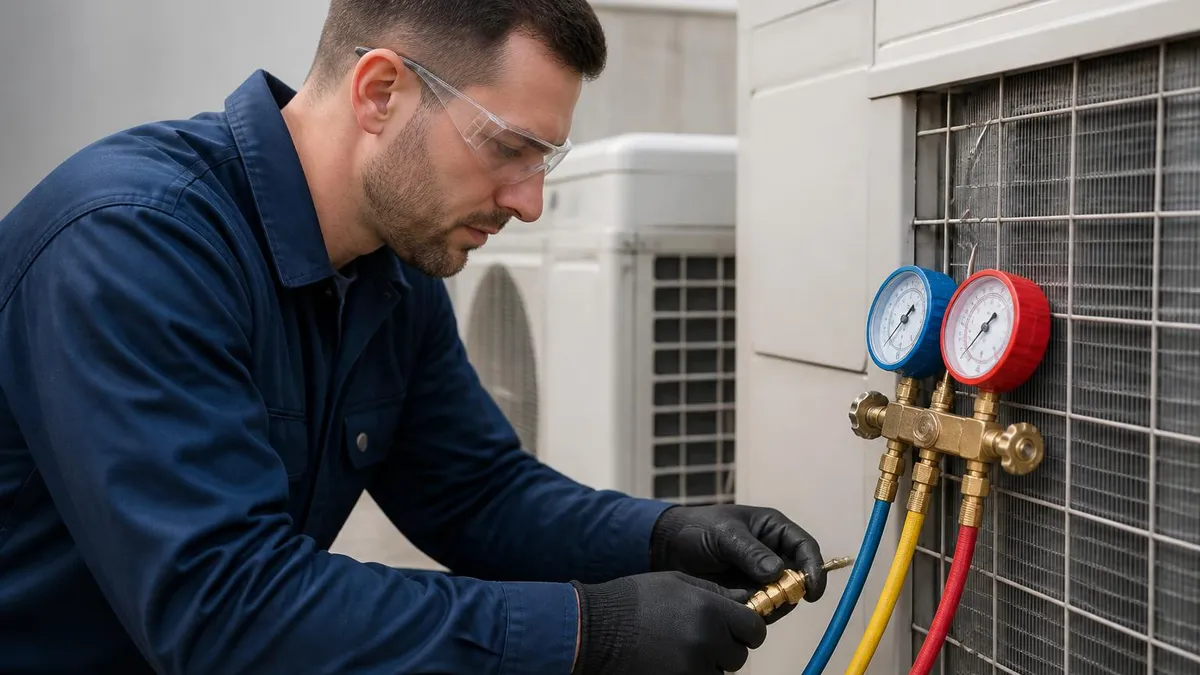
ESCO EPA 608 Certification: Complete Guide to Testing, Study Materials, and Passing the Section 608 Exam

How to Get EPA 608 Certification: Complete Step-by-Step Guide for HVAC Technicians
EPA 608 Practice Test 2026 — Free Questions
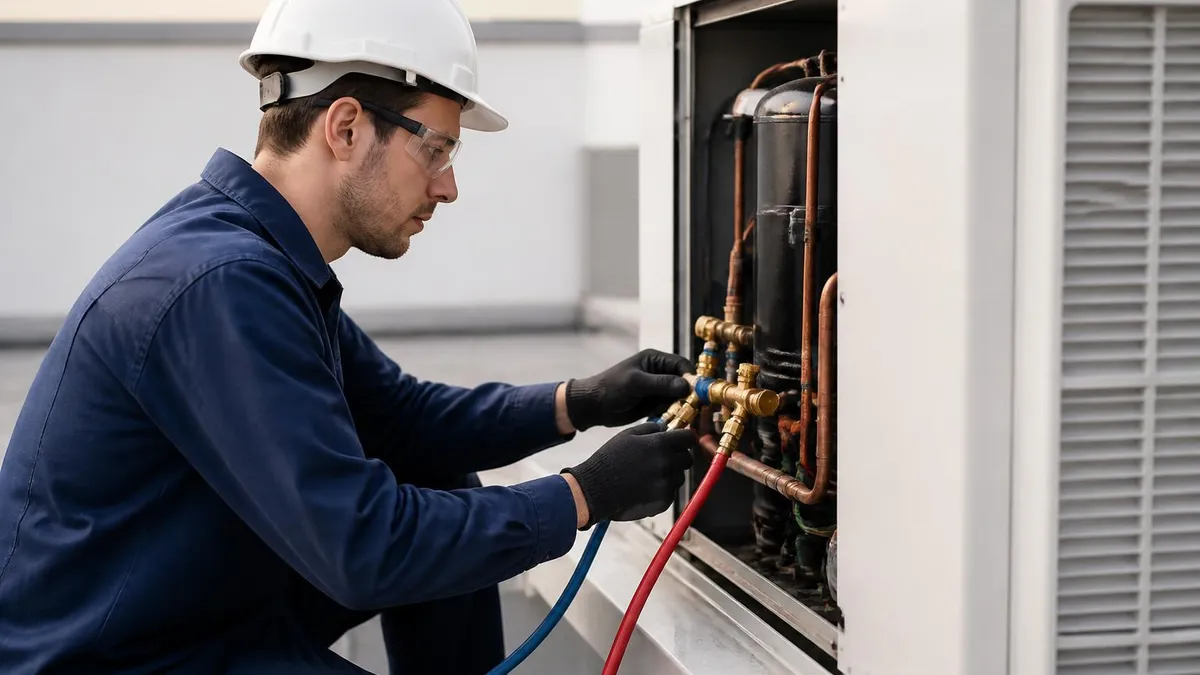
EPA 608 Certification: Complete Guide
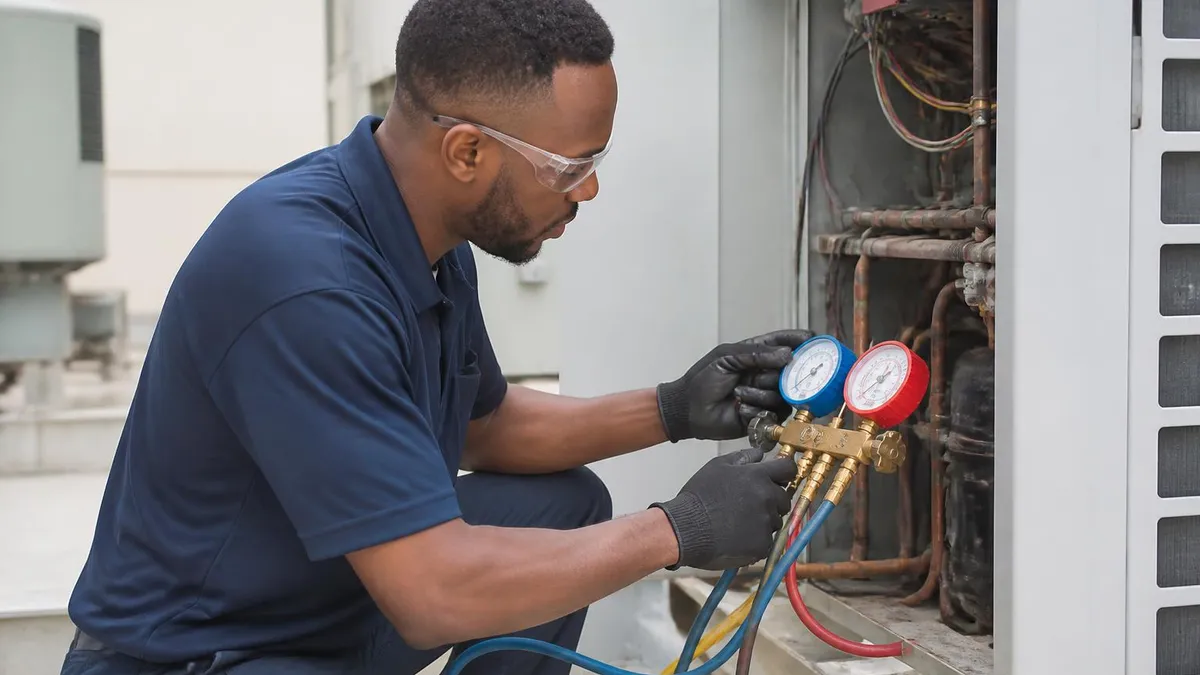
EPA 608 Certification Online: Complete Study Guide & Exam Prep 2026
About the Author

NATE Certified HVAC Technician & Licensing Exam Trainer
Universal Technical InstituteMike Johnson is a NATE-certified HVAC technician and EPA 608 universal-certified refrigerant handler with a Bachelor of Science in HVAC/R Technology. He has 19 years of commercial and residential HVAC installation and service experience and specializes in preparing technicians for NATE certification, EPA 608, A2L refrigerant safety, and state HVAC contractor licensing examinations.
Join the Discussion
Connect with other students preparing for this exam. Share tips, ask questions, and get advice from people who have been there.
View discussion (8 replies)