
3 Day EEG at Home: What to Expect, How It Works, and Everything You Need to Know
Learn how a 3 day EEG at home works, what the eeg test costs, side effects, and how to prepare. Complete US patient guide. 🎯

An eeg test — short for electroencephalogram — is one of the most important diagnostic tools neurologists use to evaluate brain activity. For millions of Americans, a standard 20-minute in-clinic EEG simply isn't long enough to capture the intermittent electrical events that cause seizures, blackouts, or unexplained cognitive symptoms.
That's why the 3 day eeg at home, also called an ambulatory EEG, has become an increasingly common prescription. Instead of sitting in a hospital bed, you wear a compact recording device on your own scalp for 72 continuous hours while living your everyday life — sleeping, eating, working, and exercising — so the neurologist sees brain activity in real-world conditions.
Understanding what an eeg medical test actually measures helps demystify the process. Electrodes placed on the scalp detect tiny voltage fluctuations produced by synchronized groups of neurons. These fluctuations appear on the recording as wave patterns — alpha, beta, theta, and delta waves — each associated with specific states of arousal or pathology. During a 3-day recording session, the device captures hundreds of hours of these waveforms, giving clinicians a far richer dataset than any single-visit snapshot. This extended window is especially critical for diagnosing conditions like absence epilepsy, nocturnal seizure disorders, and non-epileptic attack disorder.
If you've just been prescribed eeg test at home monitoring, it's completely natural to feel uncertain about what the experience involves. This guide walks you through every stage of the process: how the device is set up, what daily life looks like during the recording period, how the data is analyzed, what the results might mean, and how much you can expect to pay out of pocket or with insurance. By the end, you'll have a clear, realistic picture of what to expect and how to make the monitoring period as productive as possible.
The popularity of ambulatory EEG monitoring has grown significantly over the past decade. Advances in miniaturized electronics mean that today's take-home EEG systems are roughly the size of a small smartphone, can record continuously for 72 hours or longer, and transmit encrypted data wirelessly to secure clinical servers. Some next-generation devices even use dry electrodes — eliminating the conductive gel that earlier systems required — making setup faster and cleanup easier for patients who have never managed medical equipment before.
Insurance coverage for a 3-day home EEG has also improved substantially as clinical evidence has accumulated. Medicare, Medicaid, and most major commercial insurers now recognize ambulatory EEG as a covered benefit when a neurologist documents medical necessity — typically because a standard in-clinic EEG was non-diagnostic or because the suspected condition is known to manifest during sleep or activity. Always confirm coverage with your specific plan before scheduling, but the landscape has never been more favorable for patients who need extended monitoring.
It's worth noting what this article is and isn't. This is a patient-education resource designed to help you understand the procedure, ask better questions at your neurology appointment, and prepare effectively for your recording session. It is not a substitute for personalized medical advice. Decisions about whether a 3-day home EEG is appropriate for your specific situation should always be made in partnership with a licensed neurologist who can review your full medical history.
Throughout this guide we'll also touch on eeg test side effects, what distinguishes a what is an eeg test conversation with your doctor from the actual lived experience, and practical strategies for getting the most accurate recording possible. Whether you're a patient preparing for your first ambulatory study or a caregiver supporting someone through the process, the sections below cover everything you need to know.
Home EEG Testing by the Numbers

How the 3-Day Home EEG Process Works
Clinic Setup Appointment
72-Hour Recording Period
Event Marking
Device Return
Neurologist Review
Living through a 3-day EEG recording session is far less disruptive than most patients expect, but it does require some adjustments to your daily routine. The most important thing to understand is that the goal of the recording is to capture your typical brain activity — including the behaviors or environments that seem to trigger your symptoms.
That means you should go about your normal life: exercise if you normally exercise, have your morning coffee, watch television in the evening, and sleep in your own bed at your usual bedtime. Artificially restricting your activity can actually reduce the diagnostic value of the study.
Hair care becomes the most discussed practical challenge for most patients. Because the electrodes are glued or gel-bonded to the scalp, you cannot wash your hair during the recording period. Some people find this uncomfortable, particularly in warm weather, but the restriction is essential for maintaining good electrode contact. Most technologists will clean your scalp before placement to remove any oils or products, and many patients report that by day two the initial scaliness is mostly forgotten. After the device is returned, you'll wash your hair thoroughly — the conductive paste comes out with regular shampoo.
Sleep is perhaps the most clinically important part of the recording. Many seizure types — particularly juvenile myoclonic epilepsy and various sleep-related epileptic syndromes — occur exclusively or predominantly during sleep transitions. Your neurologist needs to see at least two or three full nights of sleep data, ideally including periods of both deep sleep (slow-wave sleep) and REM sleep. This is why it's critical to maintain your normal sleep schedule during the monitoring period and to resist staying up unusually late or taking sedating medications that aren't part of your regular regimen.
For patients interested in at home eeg testing, one of the most reassuring aspects of modern ambulatory systems is how discreet they've become. The head unit connects to a small recorder — typically worn in a vest, waist pouch, or shoulder bag — that most people describe as about the size of a paperback book. Children especially adapt quickly.
Pediatric neurologists often report that toddlers and school-age children become indifferent to the equipment within hours of the setup visit. Adults managing work schedules or social obligations can usually participate in most professional and social settings without drawing attention to the device.
Medication management during the recording period depends entirely on what your neurologist has prescribed. For many patients, the neurologist will explicitly ask you to take your medications on schedule as you normally would — the goal is to capture your typical medicated brain state. However, in some cases where the doctor suspects medication is suppressing clinically important activity, they may ask you to taper or hold certain medications under medical supervision. Never adjust your medications without direct instructions from your prescribing physician, as abrupt changes to anticonvulsant drugs can precipitate dangerous seizures.
Activity restrictions are minimal but specific. Most neurologists advise against swimming and bathing — showering is generally acceptable if you keep the head unit completely dry. Strenuous activities that cause heavy sweating can loosen electrode contact over time, so you may want to avoid high-intensity outdoor exercise for these three days. Driving restrictions depend on your underlying condition and jurisdiction; if you have an active seizure disorder, you may already be restricted from driving, and this restriction obviously continues during the monitoring period.
The event diary you keep alongside the recording is not optional — it is a critical part of the dataset. A high-quality diary records the exact time of wake-up, meals, medications with dosages, physical activities, naps, and any unusual symptoms or sensations. Many EEG labs now provide structured paper diaries or smartphone apps that sync timestamps with the recorder. The more detail you record, the more context the neurologist has when reviewing suspicious waveform segments. Even mundane entries like "watched TV from 7 to 9 pm" help the clinician differentiate normal relaxation-related alpha wave changes from potential pathological slow-wave activity.
What Is an EEG Medical Test? Understanding Your Results
A normal EEG result means the neurologist found no definitive epileptiform discharges, structural abnormalities, or patterns consistent with encephalopathy during the recording period. Normal findings include posterior dominant alpha rhythm (8–13 Hz during wakefulness), sleep architecture with recognizable vertex waves and sleep spindles, and symmetric activity between hemispheres. A normal EEG does not rule out epilepsy — approximately 40% of people with confirmed epilepsy have a normal interictal EEG — but it does provide important baseline information for your neurologist's differential diagnosis.
When a patient continues to have clinically suspicious events despite a normal 3-day EEG, the neurologist may consider video-EEG monitoring in a hospital setting, serum biomarker testing, or functional MRI to investigate non-epileptic causes. A normal result is never the end of the diagnostic conversation; it simply redirects the investigation toward other potential explanations for your symptoms, including vasovagal syncope, psychogenic non-epileptic attacks (PNEA), cardiac arrhythmia, or metabolic disturbances.

Pros and Cons of At-Home EEG Testing vs. In-Clinic EEG
- +Captures brain activity over 72 hours instead of 20–40 minutes, dramatically increasing the chance of recording a symptom-correlated event
- +Records sleep-related seizure patterns that are completely invisible to standard daytime EEG studies
- +Reflects real-world brain activity in your own environment, not an artificial clinic setting that may suppress typical patterns
- +Eliminates the need for multi-day hospital admission, reducing cost and disruption to work and family life
- +Modern wireless systems transmit data in real time, allowing clinicians to flag urgent findings without waiting for device return
- +Highly acceptable to pediatric patients who adapt quickly and experience far less procedural anxiety than during in-patient studies
- −Cannot wash hair for 72 hours, which many patients find uncomfortable, especially in warm climates
- −Electrode contact can degrade over the recording period, leading to artifact contamination and potentially inconclusive results
- −No real-time medical supervision means emergencies during the recording period require emergency services, not immediate clinical intervention
- −The event diary requires consistent, accurate record-keeping that some patients — particularly those with cognitive symptoms — may find difficult to maintain
- −Limited availability in rural areas: not all neurology practices have ambulatory EEG equipment, and mail-in device programs vary by region
- −Out-of-pocket costs can still be significant if insurance authorization is denied or if the patient has a high deductible health plan
Pre-EEG Preparation Checklist for a Clean 3-Day Recording
- ✓Wash your hair the morning of the setup appointment using only plain shampoo — no conditioner, oil, or leave-in treatment.
- ✓Avoid caffeine for at least 4 hours before the electrode placement appointment to reduce muscle artifact.
- ✓Bring a complete list of all current medications including doses and timing to share with the EEG technologist.
- ✓Wear comfortable, loose-fitting clothing with a button or zip front so you can dress without pulling anything over your head.
- ✓Charge your event diary app or pick up a paper diary from the clinic before leaving the setup appointment.
- ✓Confirm with your neurologist whether you should continue, reduce, or hold any anticonvulsant medications during the recording.
- ✓Arrange to sleep in your own bed for all three nights and maintain your regular bedtime and wake-up schedule.
- ✓Keep the recorder away from airport security scanners, MRI machines, and high-voltage electrical equipment.
- ✓Press the event-marker button immediately when you experience any symptom — even mild ones like brief confusion or déjà vu.
- ✓Plan to avoid swimming, bathing, and high-sweat exercise for the full 72-hour monitoring period to preserve electrode contact.
A 3-Day EEG Captures Up to 85% More Diagnostic Events Than Standard Testing
Research published in clinical neurophysiology journals consistently shows that extending EEG recording from 20 minutes to 72 hours increases the probability of capturing at least one interictal epileptiform discharge or ictal event by approximately 85% in patients with suspected epilepsy. For patients whose events occur only during sleep, the improvement is even more dramatic — a single night of ambulatory sleep EEG may be more diagnostically valuable than a dozen daytime in-clinic recordings.
Understanding eeg test cost and insurance coverage is one of the most practical concerns patients bring to their neurology appointments. The total cost of a 3-day ambulatory EEG in the United States depends on several variables: the geographic region, the facility type (academic medical center vs. private neurology practice vs. telehealth-based EEG service), the specific CPT billing codes used, and your insurance plan's coverage structure. Without insurance, patients typically pay between $600 and $2,500 for the complete ambulatory EEG service, which includes device rental, technologist time for setup and removal, and neurologist interpretation fees billed separately.
With insurance, the picture improves considerably. Medicare Part B covers ambulatory EEG under CPT code 95953 (24-hour ambulatory EEG) and 95954 or 95955 for longer studies with physician supervision, subject to the standard 20% coinsurance after the Part B deductible.
Most commercial plans — including plans sold through the ACA marketplace — treat ambulatory EEG as a covered diagnostic service when ordered by a neurologist and accompanied by documentation of medical necessity. The key is prior authorization: many insurers require your neurologist to submit a letter explaining why a standard in-office EEG was insufficient before approving the more expensive extended study.
Medicaid coverage varies significantly by state. In most states, Medicaid covers ambulatory EEG for pediatric patients with suspected epilepsy without difficulty, but adult coverage can require additional documentation or peer-to-peer review. If your Medicaid plan denies the initial request, your neurologist's office can typically initiate an appeal, and approval rates for medically supported appeals are high. It's worth asking the neurology practice's billing coordinator to handle the prior authorization process on your behalf rather than navigating it alone.
For patients without insurance or with plans that deny coverage, several cost-reduction strategies exist. First, ask whether the neurology practice has a cash-pay discount — many offer 20–40% reductions for self-pay patients who pay at the time of service. Second, investigate whether a hospital-based outpatient EEG lab offers lower facility fees than a freestanding neurology practice. Third, inquire about mail-in ambulatory EEG services: companies like Natus Medical and Nihon Kohden, as well as newer telehealth-native EEG providers, sometimes offer self-applied ambulatory EEG kits at lower price points, though quality varies and not all neurologists accept data from all platforms.
The eeg test price conversation should also include the neurologist's interpretation fee, which is billed separately from the technical component in most settings. Interpretation fees typically range from $150 to $400 depending on the complexity of the recording and the specialist's billing model. If you're being seen at an academic medical center, the interpreting physician may bill through a physician group separate from the hospital, resulting in two separate bills — one for the hospital's technical services and one for the physician's professional services. Understanding this billing structure in advance prevents surprise statements.
Financial assistance programs are available through several channels. The Epilepsy Foundation maintains a resource directory that includes EEG cost assistance programs for uninsured and underinsured patients. Pharmaceutical manufacturers that make anticonvulsant medications sometimes fund diagnostic testing as part of patient assistance programs. Some academic medical centers operate charity care programs that cover the cost of diagnostic workup for patients who meet income eligibility criteria. Your social worker or the hospital's financial counselor can help you identify which programs you qualify for before the procedure takes place.
Finally, it's worth comparing the cost of a 3-day home EEG against the alternative: inpatient video-EEG monitoring in an epilepsy monitoring unit (EMU). Inpatient stays for diagnostic EEG monitoring typically cost between $5,000 and $25,000 per admission, including room, nursing care, continuous EEG, and video monitoring. From a pure cost-effectiveness standpoint, the 3-day ambulatory EEG is almost always the appropriate first-line extended study, with inpatient monitoring reserved for cases where outpatient recording has been non-diagnostic or where surgical evaluation is underway.

Most insurance plans require prior authorization for ambulatory EEG monitoring. Scheduling the procedure before receiving written authorization can result in a claim denial that leaves you responsible for the full cost — sometimes $1,000 or more. Ask your neurologist's billing department to submit the prior authorization request and obtain written approval before your setup appointment date is confirmed.
When patients ask about eeg test side effects, the reassuring answer is that EEG — including 72-hour ambulatory EEG — is a completely non-invasive, painless procedure with no radiation, no injected substances, and no electrical stimulation of any kind. The test purely records the brain's natural electrical activity; it does not send any signals into the brain. This makes it fundamentally different from therapeutic brain stimulation techniques like transcranial magnetic stimulation (TMS) or deep brain stimulation (DBS), which patients sometimes confuse with EEG.
The most common adverse effects patients report from 3-day ambulatory EEG are all related to wearing the equipment and the electrode adhesive, not to any intrinsic risk of the test itself. Scalp soreness and mild skin irritation at electrode sites are the most frequently mentioned complaints, occurring in roughly 15–25% of patients.
This irritation is usually a contact reaction to the conductive paste or collodion adhesive rather than an allergy to the electrodes themselves, and it resolves completely within 24 hours of electrode removal. Patients with sensitive skin can mention this concern at the setup appointment so the technologist can choose the gentlest available adhesive formulation.
Hair and scalp discomfort from the inability to wash for 72 hours is another commonly reported issue, particularly for patients who use topical scalp treatments for conditions like seborrheic dermatitis or psoriasis. If you manage a chronic scalp condition, discuss this with your neurologist before the recording period so a management plan can be arranged. In most cases, the 72-hour restriction is manageable with dry shampoo applied carefully around (not under) the electrodes, though you should confirm this is acceptable with your EEG technologist first.
Psychological discomfort from wearing a visible medical device in public is a real concern that deserves acknowledgment. Some patients experience heightened anxiety or self-consciousness during the recording period, particularly if they have not told colleagues, friends, or extended family about their diagnosis or testing. Many patients choose to wear a loose-fitting hat or soft headband to conceal the electrode leads in casual social settings. The EEG technologist can advise on which head coverings are compatible with the device and won't compromise electrode contact or recording quality.
For patients who experience seizures during the recording period, the most important safety consideration is not the EEG itself but the underlying seizure risk. If you have a history of tonic-clonic seizures with loss of consciousness, your neurologist and the EEG lab should have a clear safety plan in place for the monitoring period.
This typically includes ensuring someone is with you or reachable at all times, avoiding heights and unguarded water, and having a written seizure action plan that your household members or caregivers have reviewed. The EEG device is lightweight and unlikely to cause injury during a fall, but electrode leads should not be wrapped around the neck.
Electrode removal at the end of the 72-hour period is typically straightforward but can require some patience if collodion adhesive was used. Collodion — a type of acetone-based film — holds electrodes more securely than paste alone and is preferred for patients whose scalp tends to become oily. Removal involves applying acetone or a dedicated electrode remover solution to dissolve the adhesive, followed by gentle massage. Most patients experience mild tenderness at electrode sites for a few hours after removal, but significant pain or skin breakdown is unusual and should be reported to the clinic.
Questions about the safety of ambulatory EEG for specific populations — pregnant women, patients with cardiac pacemakers or implantable defibrillators, or patients with recent cranial surgery — should be directed to the ordering neurologist. In most of these cases the EEG remains safe because it involves only passive recording, but the electrode application technique and device selection may need to be modified. Pediatric patients, including infants and toddlers, tolerate ambulatory EEG well when the setup is performed by a technologist experienced in pediatric EEG and when caregivers are thoroughly briefed on electrode maintenance during the monitoring period.
Getting the most out of your 3-day home EEG starts with understanding that you are an active participant in the diagnostic process, not just a passive subject. The quality of your event diary is just as important as the quality of the electrode contact.
Neurologists repeatedly emphasize that patients who keep detailed, timestamped diaries produce recordings that are two to three times more clinically actionable than recordings from patients who submit blank or sparsely completed diaries. Every symptom you log — however minor it seems — gives the interpreting physician a reference point for correlating waveform patterns with your subjective experience.
Optimize your sleep environment during the monitoring period. The neurologist needs to see natural, unassisted sleep cycles, which means avoiding sleep aids, alcohol (which suppresses REM sleep), and stimulants beyond your normal routine. If you have a regular sleep disorder — sleep apnea, restless leg syndrome, or insomnia — disclose this to your neurologist before the study so the interpreting physician can account for sleep-architecture abnormalities that may be secondary to the sleep disorder rather than indicative of epilepsy or encephalopathy.
Electrode maintenance during the 72-hour period can make a meaningful difference in recording quality, particularly for patients who sweat heavily or have naturally oily skin. Most EEG labs provide a small tube of conductive paste and simple instructions for touching up any electrodes that feel loose or show a degraded signal on the device's indicator light. Don't hesitate to call the EEG lab's on-call line if an electrode detaches completely — technologists can often guide you through a simple reapplication or schedule an urgent drop-in visit for professional reapplication if the equipment allows.
Managing the recorder cable and head unit during sleep is a common practical question. Most ambulatory EEG systems come with a soft cloth cap or mesh net that gathers the electrode leads neatly on top of the head, reducing nighttime tangles. Sleeping on your back or side with a standard pillow is generally compatible with the recording; sleeping face-down compresses the electrodes and should be avoided. The recorder unit itself is typically placed in a small bedside pouch or clipped to pajama pants to prevent it from falling during the night.
After the recording is complete and the device has been returned, the waiting period for results can feel difficult — particularly for patients who had noticeable symptoms during the monitoring session. Most neurology practices target a result turnaround of 5–10 business days for ambulatory EEG interpretations, though complex recordings with many event markers may take longer.
If you haven't received results after two weeks, it is entirely appropriate to call the neurology office and ask for a status update. Results should be discussed in a follow-up appointment — not delivered via patient portal alone — so your neurologist can explain findings in context and answer your questions.
If your 3-day EEG is non-diagnostic — meaning no clear epileptiform activity was captured — don't interpret this as proof that nothing is wrong. A negative ambulatory EEG is clinically informative but not definitive. Your neurologist will use this result alongside your clinical history, any MRI findings, blood work, and the pattern of your symptoms to decide on the next diagnostic step.
For many patients, the next step is a repeat extended EEG, a longer 7-day study, or referral to a comprehensive epilepsy center for inpatient video-EEG monitoring. The diagnostic process for seizure disorders is often iterative, and persistence is both normal and necessary.
Remember that the EEG is just one piece of the diagnostic puzzle. Brain imaging (MRI with epilepsy protocol), genetic testing, neuropsychological evaluation, and bloodwork all contribute to a complete neurological workup. A single EEG — even a 72-hour ambulatory study — rarely tells the whole story by itself. Your neurologist will synthesize all available data to arrive at the most accurate diagnosis and the most appropriate treatment plan for your specific situation, whether that ultimately involves medication, dietary therapy, surgical evaluation, or continued watchful monitoring.
EEG Questions and Answers
EEG Electroencephalography Practice Test PDF (Free Printable 2026)

Seizure EEG: What the EEG Test Shows, How It Works, and What to Expect
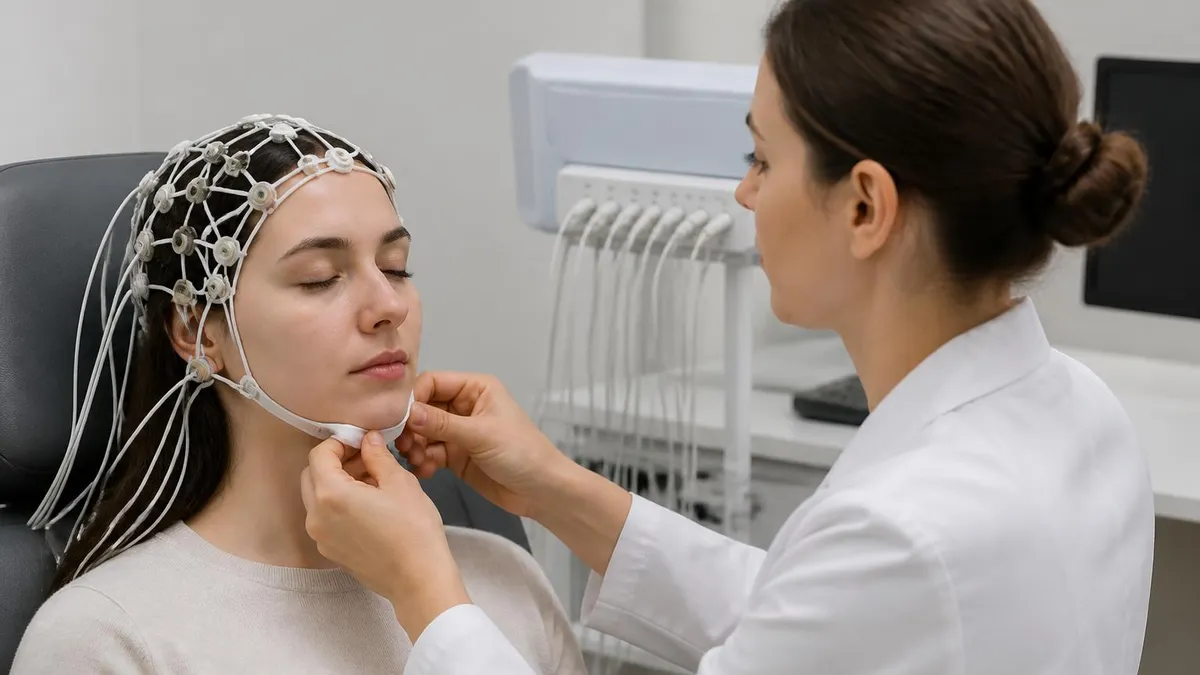
EEG Test Cost in 2026: Prices, Insurance Coverage, and How to Save

EEG Coherence: What It Is, How It Works, and What It Reveals About Brain Connectivity
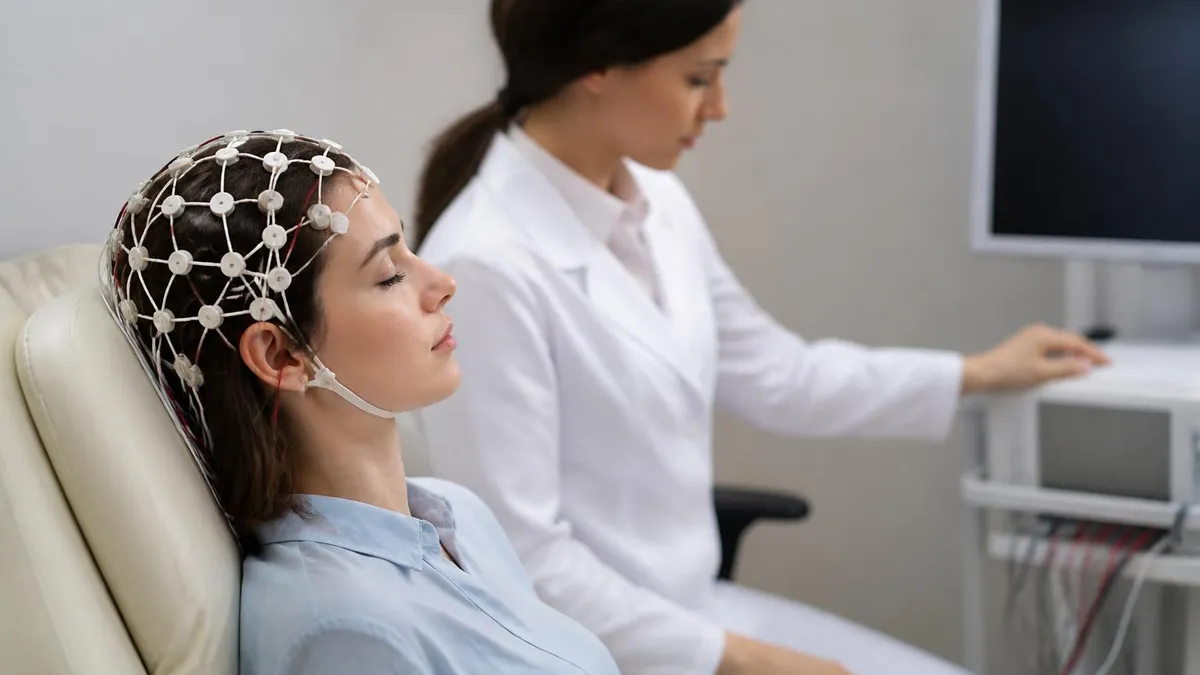
EEG vs ECG vs EKG: What Each Test Measures, How They Differ, and What to Expect
About the Author

Educational Psychologist & Academic Test Preparation Expert
Columbia University Teachers CollegeDr. Lisa Patel holds a Doctorate in Education from Columbia University Teachers College and has spent 17 years researching standardized test design and academic assessment. She has developed preparation programs for SAT, ACT, GRE, LSAT, UCAT, and numerous professional licensing exams, helping students of all backgrounds achieve their target scores.