
Passed Driving Test: What Happens Next and How to Prepare 2026 October
Find out what happens after you've passed your driving test in the UK — 🎯 from getting your licence to driving solo for the first time.
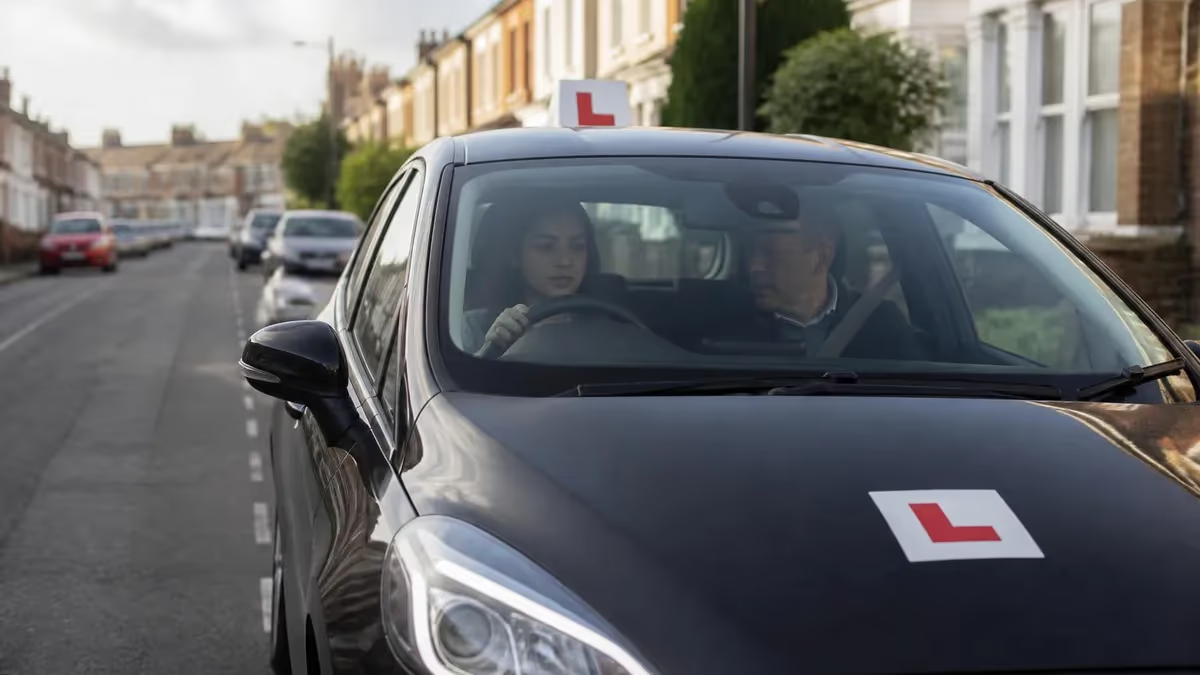
Having passed driving test is one of the most liberating moments in a young person's life in the UK. After weeks or months of lessons, mock tests, and last-minute hazard perception practice, you finally walk out of the test centre with that coveted pass certificate in hand. But the question many new drivers immediately ask is: what happens next? The process of converting your provisional licence, getting insured as a newly qualified driver, and understanding the legal responsibilities that come with full driving privileges is something every new driver should know inside out.
The first thing to understand is that passing your practical driving test does not automatically mean you are fully licensed. You still need to wait for the DVSA to update your records and, in most cases, surrender your provisional photocard licence so that a full licence can be issued. The DVSA typically sends your full licence within three weeks of your test, though delays can occur during busy periods or if there are discrepancies in your application details. In the meantime, your pass certificate acts as temporary proof that you are legally permitted to drive unaccompanied.
Insurance is the single biggest financial consideration after passing. As a newly qualified driver, you are statistically in the highest-risk category according to UK insurers, and premiums reflect that. The average annual insurance cost for a 17 to 19-year-old in the UK hovers around £1,500 to £2,500, depending on the vehicle, location, and whether you have a black-box telematics policy. Shopping around via comparison sites and choosing a smaller-engined car in a low insurance group can make a significant difference to what you pay in that critical first year of driving.
Many newly qualified drivers are also unaware of the New Drivers Act 1995, which applies for the first two years after passing your test. Under this legislation, if you accumulate six or more penalty points within those two years, your licence will be revoked and you will be required to retake both the theory and practical tests — not just the practical. This is a far stricter standard than applies to experienced drivers, who can hold up to 12 points before facing a ban, so it is absolutely crucial to drive carefully and responsibly from day one.
Beyond the legal framework, many new drivers find that the weeks immediately after passing are actually the most nerve-wracking of their driving lives. Without an instructor in the passenger seat ready to guide or intervene, the responsibility of being in full control of a vehicle hits home quickly.
It is during this period that new drivers are most vulnerable to accidents, and statistics from road safety charity Brake confirm that newly qualified drivers are involved in a disproportionate number of collisions in the months after passing. Joining a post-test Pass Plus scheme or taking a few supervised motorway lessons can genuinely improve confidence and safety.
It is also worth noting that passing your car driving test opens the door to other endorsements and vehicle categories. Once you hold a full Category B car licence, you are automatically entitled to drive vehicles in certain sub-categories, including small trailers and some light quadricycles. However, driving a motorbike, minibus, or large goods vehicle requires separate tests and qualifications entirely. Planning your driving future — whether that means towing a caravan, driving a van for work, or eventually becoming a driving instructor — starts with understanding exactly what your full car licence does and does not permit.
Preparation before the test matters just as much as preparation after it. Candidates who practise regularly with high-quality resources, including theory test revision and hazard perception training, consistently achieve better outcomes both in the test itself and in the early months of solo driving. Understanding road signs, stopping distances, and vehicle safety checks builds the foundation for confident, law-abiding driving that lasts a lifetime.
Passing Your Driving Test by the Numbers
Key Facts at a Glance
| Item | Value | Details |
|---|---|---|
| Time to receive full licence | 3 weeks | After passing practical test |
| DVSA practical test fee | £62 | Weekday booking rate 2026 |
| Duration of practical test | 45 mins | Includes independent driving |
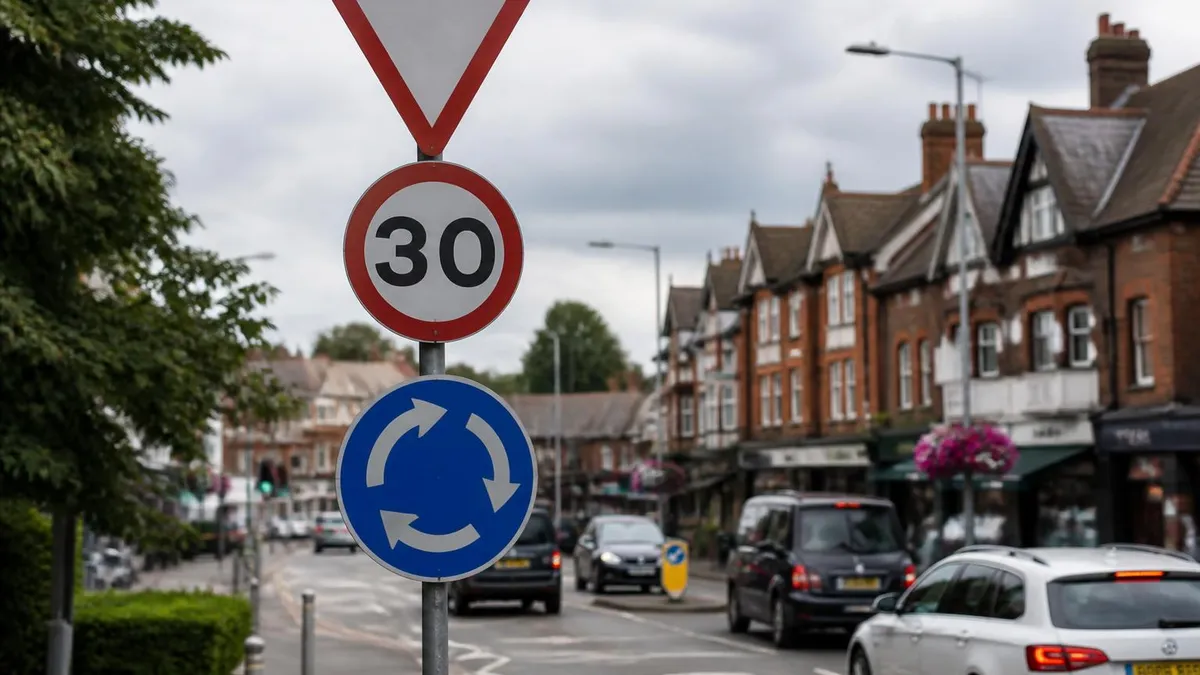
What to Do After Passing Your Driving Test
Receive Your Pass Certificate
Notify Your Insurer
Surrender Your Provisional Licence
Choose Your First Car
Consider a Telematics Policy
Book Pass Plus or Motorway Lessons
Once you have passed your practical driving test, the DVLA — the agency responsible for driver licensing — will automatically update your driving record. In the vast majority of cases, if your provisional licence was obtained via the DVLA's online system and your photograph and personal details are already held electronically, your full licence will arrive in the post within ten working days.
However, if you have recently moved address or if there is any discrepancy between your test records and your DVLA file, the process can take up to three weeks or longer. During this period, your pass certificate legally entitles you to drive.
Your new photocard full licence will look similar to your provisional but with crucial differences: the category codes on the reverse will show a full Category B entitlement with the relevant start and expiry dates, and the prominent pink stripe indicating learner status will be absent.
It is worth checking every detail on the licence as soon as it arrives. If there are errors — misspelled name, wrong date of birth, or an incorrect address — you must contact the DVLA immediately to have the document reissued. Driving with incorrect details on your licence can technically constitute an offence under road traffic legislation.
For candidates who passed their test before their 70th birthday, the full car licence is valid until age 70, at which point it must be renewed (at no charge) every three years. This is an administrative requirement to ensure the DVLA has current medical and address information, not an indication that older drivers are presumed unfit. Most licence holders simply fill in a D46P renewal form or use the DVLA's online service. It is important to apply at least three weeks before your current licence expires to avoid any gap in your entitlement.
International driving is another topic newly qualified drivers should understand. Your UK full driving licence is recognised in all European Union and European Economic Area countries, allowing you to drive for up to 90 days per visit under the terms that applied post-Brexit. For travel to countries outside the EEA — including the United States, Australia, or many parts of Asia — you may also need an International Driving Permit (IDP), available from the Post Office for around £5.50. Always check the specific requirements for your destination country well in advance of travel.
The photocard licence system means you are also responsible for keeping your address up to date with the DVLA at all times. Failing to notify the DVLA of an address change within a reasonable period can result in a fine of up to £1,000. This is not widely publicised, but it is enforced, particularly when correspondence from the DVLA goes undelivered and licence renewals or medical notifications are missed. The simplest approach is to update your DVLA record at the same time you update your bank, utility providers, and electoral roll when you move home.
Drivers who hold a non-GB licence — for example, those who have recently immigrated to the UK — have different processes to follow. Licence holders from most European countries can exchange their foreign licence for a full UK licence without retaking any tests, provided they apply within five years of becoming a UK resident. Holders of licences from countries such as Australia, Canada, South Africa, and Japan also benefit from direct exchange agreements. Drivers from countries without exchange agreements must go through the full UK process, beginning with a provisional licence and taking both the theory and practical tests.
Understanding the administrative side of the full licence gives new drivers confidence that their legal position is clear. A significant number of newly passed drivers inadvertently drive without valid insurance in the weeks after passing simply because they forgot to update their learner policy to a full policy, or assumed the change would happen automatically. It does not — you must proactively contact your insurer, confirm your pass date, and either upgrade your policy or arrange new cover before getting behind the wheel alone for the first time.
Insurance, Costs, and Legal Responsibilities After Passing
Car insurance is a legal requirement in the UK — driving without at least third-party cover is a criminal offence carrying a fixed penalty of £300, six points on your licence, and potential disqualification. As a newly qualified driver, you are classified as high-risk, which pushes premiums significantly above the national average. Comparing policies on aggregator sites such as Compare the Market or MoneySuperMarket, and choosing a car in a low insurance group, are the most effective ways to reduce costs.
Telematics (black-box) policies are increasingly popular among new drivers because they reward demonstrated safe driving with lower renewal premiums. The device monitors when and how you drive — harsh braking, rapid acceleration, and late-night journeys all affect your score. Drivers who maintain a good black-box record frequently see their premiums drop by 20 to 40 percent at renewal, making telematics cover a financially smart choice for the first one to two years after passing your test.
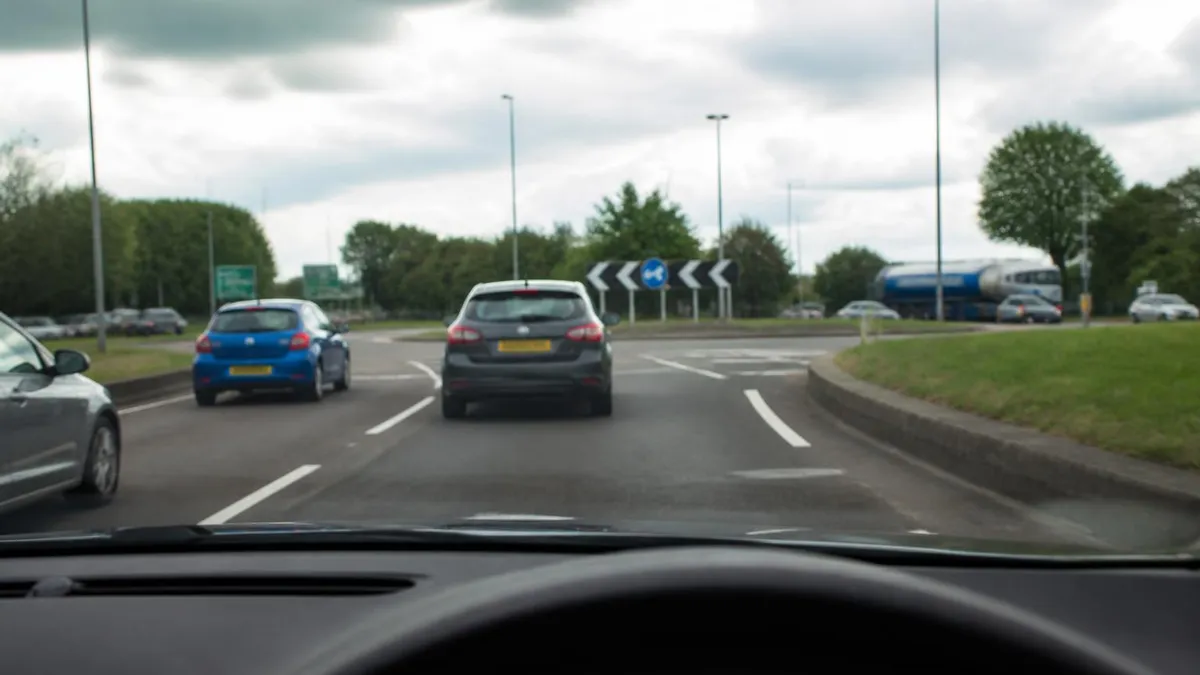
Advantages and Challenges of Being a Newly Qualified Driver
- +Full independence to travel anywhere without relying on others or public transport
- +Immediate access to employment opportunities that require a driving licence
- +Freedom to take spontaneous road trips, day trips, and social events
- +Eligibility for Pass Plus training, which can reduce insurance premiums
- +Category B licence automatically includes entitlement to drive certain light trailers
- +Your driving skills are at their freshest — good habits established now last a lifetime
- −Insurance premiums for new drivers aged 17-25 are among the highest in Europe
- −The New Drivers Act probationary period means six points causes full revocation
- −Many new drivers find motorway and night driving genuinely daunting without an instructor
- −Running costs — fuel, insurance, tax, MOT, servicing — add up quickly for first-time car owners
- −Peer pressure to speed or drive dangerously is a documented risk factor among young drivers
- −Lack of experience means new drivers are statistically more likely to have a collision in year one
New Driver Post-Pass Checklist
- ✓Collect your DL25 pass certificate from the examiner before leaving the test centre
- ✓Notify your insurance provider of your pass date the same day you pass
- ✓Check that your provisional licence details are up to date with the DVLA before surrendering it
- ✓Wait for your full photocard licence to arrive — allow up to three weeks from your test date
- ✓Read and understand the New Drivers Act 1995 and the six-point revocation threshold
- ✓Research telematics (black-box) insurance policies to reduce your first-year premium
- ✓Book at least one motorway driving lesson if your instructor has not already covered this
- ✓Consider enrolling in the DVSA's Pass Plus scheme to build post-test confidence
- ✓Set up reminders to check tyre pressure, oil level, and coolant weekly or before long journeys
- ✓Register your vehicle with the DVLA and ensure it has a valid MOT and road tax before driving it
Your Pass Certificate Is Temporary — But Legally Valid
Until your full photocard licence arrives from the DVLA, your DL25 pass certificate is the document that proves you are legally entitled to drive unaccompanied. Keep it in a safe but accessible place. Many insurers will ask for the pass date printed on it when you update your policy, and some may want to see it as proof of entitlement during the first weeks after passing.
Improving as a driver after passing your test is something too few newly qualified motorists actively pursue. The practical test is designed to assess whether you have reached a minimum standard of competence — it is not a guarantee that you are a confident, experienced driver ready for every road scenario the UK can throw at you. In reality, most examiners acknowledge that the real learning begins after the test, when you encounter motorways, rural single-track lanes, multi-storey car parks, driving in heavy rain, and navigating complex city junctions entirely under your own judgement for the first time.
The Pass Plus scheme, developed by the DVSA and delivered by approved driving instructors, is the most structured way to continue your development. It consists of six modules that your standard driving lessons and practical test may not have covered in depth: town driving, rural roads, all-weather driving, night driving, dual carriageways, and motorways. There is no test at the end of Pass Plus — your instructor simply confirms you have reached the required standard in each module. The scheme typically costs between £150 and £200 and takes around six hours to complete, though costs vary by instructor and region.
Beyond Pass Plus, many new drivers benefit enormously from simply driving more varied routes and in more varied conditions during the first six months after passing. Driving the same familiar journey every day builds confidence on that specific route but does very little to develop the broader skill set needed for unfamiliar roads.
Set yourself a deliberate challenge each month: drive to a new destination using only road signs rather than sat-nav, complete a journey after dark, drive on a dual carriageway for the first time, or navigate a town centre you have never been to before. Each new experience expands your competence and reduces anxiety.
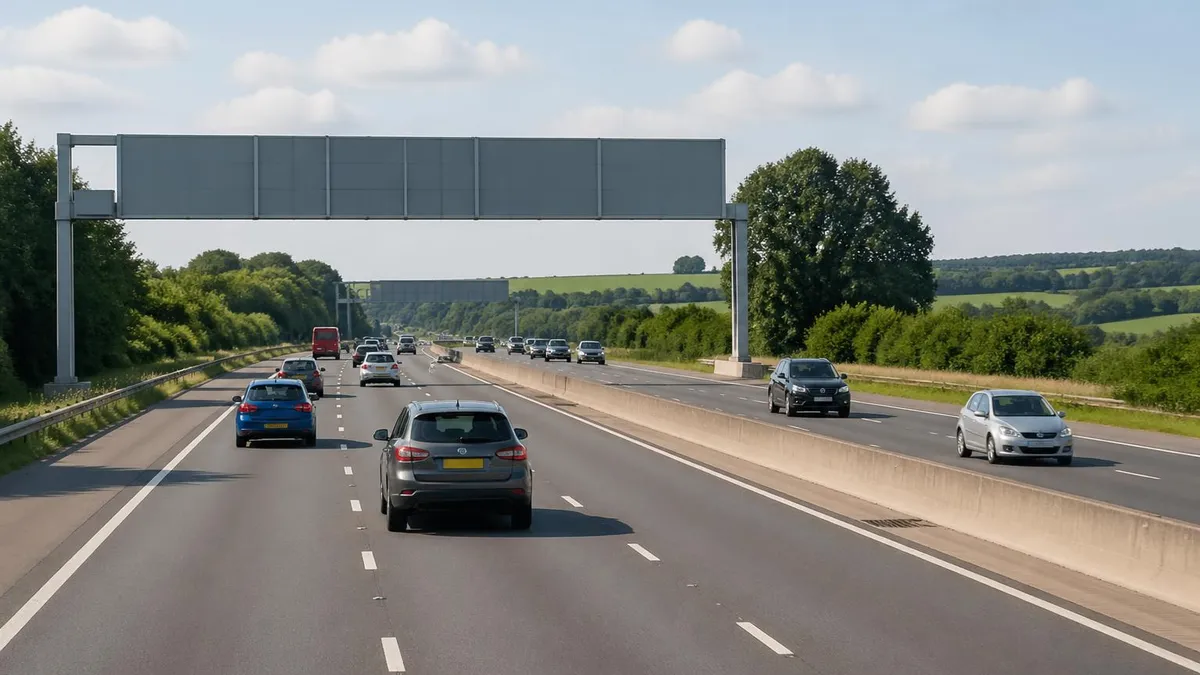
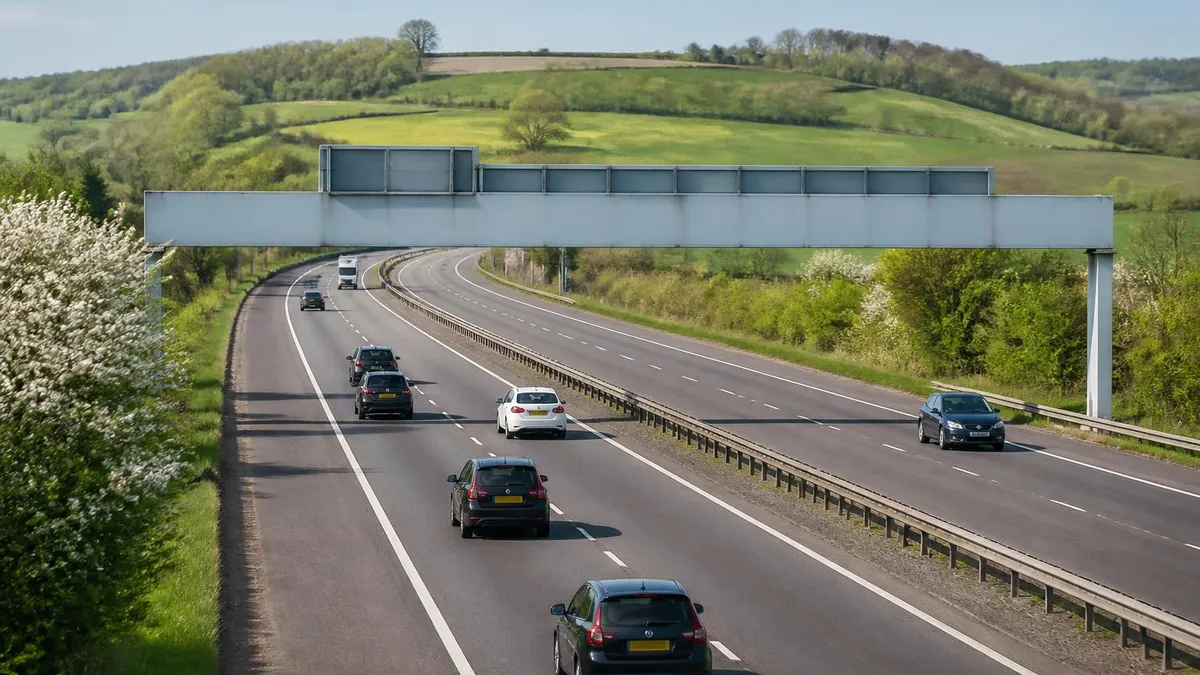
Motorway driving deserves special mention because it is the one major road type not covered in the standard driving test. Many new drivers are genuinely intimidated by motorways — the speeds involved, the volume of HGVs, and the rules around lane discipline and smart motorway technology all feel overwhelming when encountered for the first time. Booking one or two motorway familiarisation sessions with a qualified instructor, ideally within the first month of passing, takes the mystery out of motorway driving and significantly reduces the risk of a serious incident during that frightening first solo motorway trip.
Digital tools have also transformed post-test learning. Apps like Waze and Google Maps are excellent for route planning and traffic awareness, but dedicated driving improvement apps that analyse your phone's accelerometer data to assess your acceleration, braking, and cornering can provide feedback that was previously only available through telematics black-box devices. Using these tools reflectively — reviewing your journey after returning home rather than interacting with them while driving — can help you identify bad habits before they become ingrained.
Advanced driving qualifications are worth considering for drivers who are passionate about road safety and want to maximise their skills. The Institute of Advanced Motorists (now known as IAM RoadSmart) and the Royal Society for the Prevention of Accidents (RoSPA) both offer graded advanced driving tests based on the principles of Roadcraft, the Police Driver's Handbook. Achieving a gold or silver RoSPA award or an IAM pass demonstrates a level of skill well above the standard test minimum, and some insurers offer meaningful discounts to advanced qualification holders.
Staying mentally engaged with road safety information — following the DVSA's updates, reading Think! campaign materials, and keeping up with changes to the Highway Code — ensures your knowledge does not stagnate after passing. The Highway Code was significantly updated in January 2022, introducing revised hierarchy of road users rules that gave greater legal protection to pedestrians and cyclists. Drivers who passed their test before or shortly after this update should re-read the relevant sections to ensure their understanding is current and legally accurate.

If you accumulate six or more penalty points within two years of passing your first driving test, your licence will be automatically revoked under the Road Traffic (New Drivers) Act 1995. You cannot argue exceptional hardship to keep your licence — revocation is mandatory. You will need to retake both the theory test and the practical driving test before you can drive again, even if you passed them relatively recently.
Long-term driving success is built on the foundations laid in those critical first two years after passing. Statistically, drivers who avoid their first collision in year one are far less likely to be involved in a serious accident throughout their driving lives. The habits you establish now — checking mirrors before every manoeuvre, maintaining appropriate following distances, never using a handheld mobile phone, always wearing a seatbelt — become automatic over time, and automatic good habits are what keep you safe when driving conditions deteriorate unexpectedly.
One of the most underrated factors in long-term driving success is managing fatigue. Driver fatigue is responsible for approximately one in five road accidents in the UK, and newly qualified drivers are not immune to its effects. The recommended guidance is to take a break of at least 15 minutes every two hours on a long journey, avoid driving between 2am and 6am when your body's circadian rhythm is at its lowest point, and never drive if you feel drowsy. Opening a window or turning up the radio are not effective countermeasures — only rest genuinely reduces fatigue.
Speed management is the other single most important factor in safe driving. The majority of fatal road collisions in the UK involve at least one driver who was travelling too fast for the conditions, even if they were within the posted speed limit. A 30mph road in heavy rain, poor visibility, or with pedestrians present should be driven at significantly less than 30mph. Learning to read road conditions and adjust speed accordingly — not just watching the speedometer — is a skill that develops with experience but must be consciously practised from the very first solo journey.
Vehicle maintenance becomes your direct responsibility the moment you own or regularly drive a car. Running out of fuel on a motorway, suffering a flat tyre because tread depth was below the legal minimum, or losing control because worn shock absorbers degraded handling in the wet — these are all preventable incidents that disproportionately affect newer drivers who have not yet developed the routine of checking their vehicle regularly. Building a simple weekly check into your routine, covering tyres, lights, oil, and washer fluid, takes less than five minutes and can prevent hours of inconvenience or worse.
Financial planning around your car is something driving instructors rarely discuss, but it deserves attention. Beyond insurance, a new driver should budget for road tax (free for zero-emission vehicles, up to £620 per year for high-emission vehicles), an annual MOT (from age three — the test costs £54.85 for a car at a DVSA test station), servicing, fuel, and parking. Many young drivers underestimate these ongoing costs and find themselves driving an uninsured or un-MOT'd vehicle because they ran out of money, which compounds legal risk significantly. A realistic monthly car budget should be calculated before purchasing a vehicle.
Networking with other new drivers — through online forums, local car clubs, or social media groups — can provide practical peer support and advice that is not available from official sources. Experienced young drivers who have navigated their first year successfully often share tips on reducing insurance costs, finding reliable cheap mechanics, and managing the social pressures that can lead to risky driving behaviours. Community knowledge, when filtered sensibly, is a genuinely valuable supplement to formal training.
The driving licence you have worked hard to earn is both a privilege and a responsibility. The UK's roads are shared by cyclists, pedestrians, motorcyclists, horse riders, and drivers of every experience level, and every decision you make behind the wheel has consequences for others as well as yourself. Approaching driving with respect for that shared space — exercising patience, anticipation, and courtesy — is what distinguishes a genuinely competent driver from someone who merely passed a test.
Practical preparation in the weeks and days before your driving test can make a decisive difference to your outcome. Many candidates underperform not because they lack driving ability but because nerves, poor sleep, or inadequate revision of the theory elements affect their judgement on test day. The practical test lasts approximately 45 minutes and includes an eyesight check, vehicle safety questions, around 20 minutes of independent driving, and a series of general driving tasks and manoeuvres. Knowing exactly what to expect removes a significant source of pre-test anxiety.
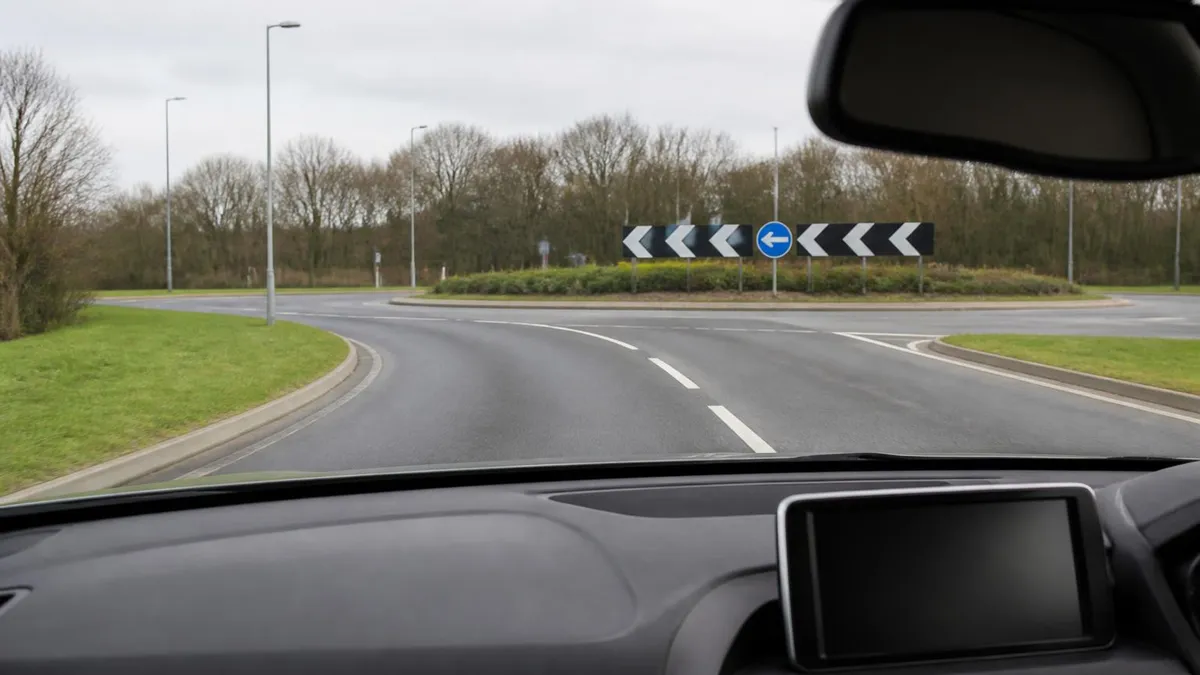
The independent driving section, which was extended from 10 to 20 minutes in 2017, requires you to follow either a series of road signs or a sat-nav route without continuous direction from the examiner. Many candidates find this the most stressful element of the test, particularly when they miss a turn or take a wrong exit from a roundabout.
It is important to know that making a navigational error does not fail you — it is not a driving fault. Only how you drive during the independent section is assessed, not whether you reach the correct destination. Panicking and braking suddenly or making an unsafe manoeuvre to correct a wrong turn, however, absolutely will be marked as a fault.
Manoeuvres tested in the current practical test format include parallel parking, parking in a bay (either reversing in or driving in and reversing out), and pulling up on the right-hand side of the road before reversing two car lengths and rejoining traffic. Your examiner will ask you to perform one of these three manoeuvres during the test. Practising all three to a high standard — smooth, accurate, and with thorough observation — ensures you are ready regardless of which one is selected.
Show me, tell me vehicle safety questions at the start of the test are often underestimated by candidates who focus their preparation entirely on road driving.
In the current format, the examiner asks one 'tell me' question before you move off (to which you give a verbal answer) and one 'show me' question during the test drive (which you demonstrate while driving, such as operating the rear windscreen demister). Answering incorrectly counts as one driving fault rather than a fail, but given how straightforward these questions are with a few minutes of preparation, there is no reason to lose any marks here.
Theory test preparation is, of course, complete by the time you sit your practical test — your theory test certificate is a prerequisite for booking the practical and is valid for two years. However, the knowledge tested in the theory examination is directly relevant to how you drive in the practical test. Candidates who have genuinely absorbed the Highway Code, rather than simply memorised enough answers to scrape a pass, typically perform better in the practical because their hazard perception and decision-making on the road is underpinned by a solid theoretical framework.
On the day of your test, arriving at the test centre with at least ten minutes to spare, bringing both parts of your photocard licence (the card and the counterpart paper licence, if applicable), and having a short final practice drive in the area around the test centre all contribute to a calmer, more confident start. Many test centres have predictable routes and commonly used road features, and while you cannot know exactly which route your examiner will take, familiarity with the local roads reduces the number of surprises during the test itself.
After you have passed and the excitement has settled, the most important thing is to keep driving regularly. New drivers who pass and then do not get behind the wheel for several weeks often find that confidence evaporates quickly in the absence of practice. Even short, familiar journeys during the first weeks after passing help to consolidate the muscle memory and spatial awareness that make driving feel natural rather than effortful. Every mile driven safely as a newly qualified driver is an investment in the confident, competent driver you are working to become.
DVSA Questions and Answers
DVSA Theory Test: What It Covers, How to Prepare, and What to Expect on Test Day
How to Change Theory Test Date: Complete DVSA Rebooking Guide for 2026
Driving Test Centre Near Me: How to Find, Book, and Prepare for Your Local DVSA Centre (2026)
UK Theory Test Pass Mark: Car, Bike, LGV, PCV & ADI Scores
Driving Lessons Intensive Course Birmingham: Complete UK Guide to Fast-Track Your Licence in 2026
About the Author

Licensed Driving Instructor & DMV Test Specialist
Penn State UniversityRobert J. Williams graduated from Penn State University with a degree in Transportation Management and has spent 20 years as a certified driving instructor and DMV examiner consultant. He has personally coached thousands of applicants through written knowledge tests, skills assessments, and commercial driver licensing programs across more than 30 states.