Driving Test Dates: Complete UK Guide to Booking, Availability and Waiting Times in 2026 September
Find available driving test dates across the UK. Learn how to book, check cancellations, reduce waiting times, and secure your preferred DVSA test slot. ⏳
Finding available driving test dates is one of the most frustrating steps in the journey to getting your full UK driving licence. With high demand across DVSA test centres nationwide, waiting times can stretch from several weeks to several months depending on your location and flexibility. Understanding how the booking system works, when new slots become available, and how to take advantage of cancellations can significantly reduce your wait and help you secure a test date that suits your schedule perfectly.
The DVSA manages all practical driving test bookings through its official online portal at gov.uk. This centralised system handles millions of booking requests every year, distributing available slots across more than 380 test centres throughout England, Scotland, and Wales. Each centre operates on its own schedule, with examiners allocated based on local demand patterns. Some centres in major cities like London, Birmingham, and Manchester consistently show longer waiting times than rural locations, where slots may open up far more quickly.
Current average waiting times for a practical driving test in the UK hover around 14 to 18 weeks in many urban areas, though some test centres report wait times exceeding 20 weeks during peak periods. These figures fluctuate throughout the year based on seasonal demand, examiner availability, and occasional disruptions. The busiest periods typically fall between April and September, when longer daylight hours encourage more learner drivers to book their tests. Winter months often see slightly reduced demand, potentially offering shorter waits.
One of the most effective strategies for securing an earlier driving test date is checking for cancellations regularly. When other candidates cancel or reschedule their tests, those slots become available on the DVSA booking system, sometimes just days or even hours before the appointment. Checking the system multiple times throughout the day, particularly early in the morning and late in the evening, can improve your chances of finding a cancelled slot. Several third-party cancellation alert services also exist to automate this process for you.
Before you can book a practical driving test, you must have passed the theory test, as this is a mandatory prerequisite set by the DVSA. Your theory test certificate remains valid for two years from the date you pass, giving you a window within which to complete the practical element. If your theory test certificate expires before you take the practical test, you will need to pass the theory test again before rebooking. This makes timing your theory and practical tests carefully an important consideration for every learner.
The cost of booking a standard weekday practical driving test is currently £62, while evening and weekend tests are priced at £75. These fees are set by the DVSA and apply uniformly across all test centres in the country. If you need to cancel or reschedule your test, you must provide at least three clear working days' notice to receive a full refund. Cancellations made with less notice will forfeit the fee entirely, which is an important financial consideration when managing your driving test dates.
Throughout this guide, we will explore every aspect of finding, booking, and managing your driving test dates effectively. From understanding peak and off-peak periods to leveraging cancellation strategies, using alternative test centres, and ensuring you meet all eligibility requirements, this comprehensive resource covers everything you need to know. Whether you are a first-time learner or rebooking after a previous attempt, the information ahead will help you navigate the DVSA system with confidence and secure the best possible test date for your needs.
Driving Test Dates by the Numbers
How to Book Your Driving Test Date Step by Step
Pass Your Theory Test
Gather Your Documents
Search for Available Dates
Complete Your Booking
Monitor for Earlier Dates
Prepare and Attend
Understanding how the DVSA releases driving test dates is crucial for anyone trying to book an appointment quickly. The system generally makes slots available on a rolling basis, with new dates appearing approximately six to eight weeks ahead of time. However, this timeline can vary depending on the specific test centre and local staffing levels. Centres with more examiners may release dates further in advance, while smaller centres might only show availability a few weeks ahead, requiring more frequent checking of the portal.
The DVSA booking system operates around the clock, meaning you can search for available driving test dates at any time of day or night. However, there are certain periods when new slots tend to appear more frequently. Many experienced learners and driving instructors recommend checking the system first thing in the morning, between 6am and 8am, as this is when cancelled slots from the previous evening are often processed and made available. Lunchtime and late evening are also productive times to search for openings.
Location flexibility is one of the most powerful tools available when searching for earlier driving test dates. If your nearest test centre shows a long waiting time, consider looking at centres within a 30 to 50 mile radius of your home. Smaller towns and rural areas frequently have shorter queues and more available slots. While you may need to factor in additional travel time and the cost of getting to a more distant centre, the time saved on waiting can often make this trade-off worthwhile for many candidates.
The DVSA practical driving test itself lasts approximately 40 minutes and covers a range of driving skills including independent driving, vehicle safety questions, and potentially a reversing manoeuvre. Knowing exactly what to expect on test day helps you prepare more effectively and reduces anxiety significantly. The examiner will assess your ability to drive safely and competently in various road and traffic conditions. You are allowed up to 15 minor driving faults before the test is considered a fail, but any serious or dangerous fault results in immediate failure.
Many learner drivers choose to use professional driving instructors to help them prepare for the practical test, and most instructors will advise on optimal timing for booking your test date. A good instructor can assess your readiness and recommend when to secure a date, ensuring you are fully prepared by the time your test arrives. Booking too early, before you are test-ready, can lead to unnecessary failures, wasted fees, and the frustration of having to rejoin the queue for another available slot in the system.
Extended driving tests are required for anyone who has been disqualified from driving and needs to retake the test to regain their licence. These tests last approximately 70 minutes, roughly double the length of a standard test, and are designed to provide a more thorough assessment of the driver's ability. Extended test dates may have different availability compared to standard tests, and waiting times can sometimes be longer. If you require an extended test, it is advisable to book as early as possible to account for reduced availability.
Special accommodations are available for candidates with disabilities or specific needs that may affect their ability to take the test. The DVSA can arrange for tests at centres with appropriate facilities, provide extra time where needed, and make other reasonable adjustments to the examination. If you require special arrangements, you should contact the DVSA directly when booking to ensure your needs are met. These requests may affect available driving test dates, as not all centres have the same level of accessibility or adapted vehicles.
DVSA Practice Test Questions
Prepare for the DVSA - UK Driving Theory Test exam with our free practice test modules. Each quiz covers key topics to help you pass on your first try.
DVSA Eco-Friendly Driving and Vehicle Loading
DVSA Exam Questions covering Eco-Friendly Driving and Vehicle Loading. Master DVSA Test concepts for certification prep.
DVSA Hazard Awareness
Free DVSA Practice Test featuring Hazard Awareness. Improve your DVSA Exam score with mock test prep.
DVSA Incidents, Accidents and First Aid
DVSA Mock Exam on Incidents, Accidents and First Aid. DVSA Study Guide questions to pass on your first try.
DVSA Motorway Rules and Smart Motorways
DVSA Test Prep for Motorway Rules and Smart Motorways. Practice DVSA Quiz questions and boost your score.
DVSA Rules of the Road (Highway Code)
DVSA Questions and Answers on Rules of the Road (Highway Code). Free DVSA practice for exam readiness.
DVSA - UK Driving Theory Hazard Awareness ...
DVSA Mock Test covering - UK Driving Theory Hazard Awareness and Perception. Online DVSA Test practice with instant feedback.
DVSA - UK Driving Theory Motorway Rules an...
Free DVSA Quiz on - UK Driving Theory Motorway Rules and Regulations. DVSA Exam prep questions with detailed explanations.
DVSA - UK Driving Theory Road and Traffic ...
DVSA Practice Questions for - UK Driving Theory Road and Traffic Signs. Build confidence for your DVSA certification exam.
DVSA - UK Driving Theory Rules of the Road
DVSA Test Online for - UK Driving Theory Rules of the Road. Free practice with instant results and feedback.
How to Book Your Driving Test Date
The DVSA's official online booking system at gov.uk is the primary method for securing your driving test date. You will need your provisional driving licence number, your theory test pass certificate number, and a debit or credit card to complete the booking. The system displays available dates and times at your chosen test centre, allowing you to select the most convenient option available within the displayed timeframe for your area.
Once you have completed the booking, you will receive a confirmation email with your test date, time, and centre details. You can log back into the system at any time to view your booking, change your test date, or cancel if necessary. Remember that changes and cancellations require at least three clear working days' notice to avoid losing your fee, so act promptly if your plans change unexpectedly.
Booking Early vs Waiting for Cancellations
- +Secures a confirmed date so you can plan your preparation schedule accordingly
- +Eliminates the stress and uncertainty of relying on cancellation availability
- +Allows your instructor to structure lessons leading up to a known test date
- +Weekday slots are cheaper at £62 compared to evening and weekend bookings
- +You can still monitor for earlier cancellation slots after making your initial booking
- +Gives you a definite deadline that motivates consistent practice and preparation
- −Long waiting times of 14 to 18 weeks at many popular urban test centres
- −You may not be fully test-ready by the time your booked date arrives
- −Cancellation slots may appear much sooner but require quick action to secure
- −Booking too early can lead to anxiety building over an extended waiting period
- −Preferred time slots and dates may not be available when you first search
- −Changing your booking within three working days of the test forfeits your fee
Driving Test Date Preparation Checklist
- ✓Pass your theory test and confirm your certificate is still within its two-year validity period.
- ✓Collect your provisional driving licence photocard number and theory test certificate number.
- ✓Search multiple test centres within a 50-mile radius for the shortest available waiting times.
- ✓Book your preferred date and save the confirmation email and booking reference number securely.
- ✓Set up a cancellation checking routine or subscribe to a third-party alert service.
- ✓Schedule intensive practice sessions with your instructor in the weeks before your test date.
- ✓Complete at least two full mock driving tests and achieve a consistent pass standard.
- ✓Review all show-me and tell-me vehicle safety questions until you can answer them confidently.
- ✓Confirm your test vehicle has valid insurance, current MOT, working lights, and displayed L plates.
- ✓Plan your route to the test centre and aim to arrive at least ten minutes early.
Rural Test Centres Can Cut Your Wait by Half
While urban centres in London, Birmingham, and Manchester often show waiting times of 16 to 20 weeks, rural and suburban test centres frequently offer appointments within just 4 to 8 weeks. Checking centres within a 30 to 50 mile radius of your home could halve your waiting time. Combined with a cancellation alert service, this approach gives you the best chance of securing an early driving test date.
Seasonal trends play a significant role in driving test date availability across the United Kingdom. Spring and summer months, from March through to August, consistently represent the busiest booking periods for the DVSA. During these months, better weather conditions and longer daylight hours motivate many learner drivers to accelerate their learning and book their practical tests. This surge in demand pushes waiting times upward, sometimes adding several weeks to the typical wait compared to quieter months. Planning your booking around these patterns can be advantageous.
Conversely, the autumn and winter months from October through to February tend to see reduced demand for driving test dates across most centres. Shorter days, adverse weather conditions, and the holiday season all contribute to fewer learners booking tests during this period. For those willing to take their test in potentially challenging weather conditions, this quieter period can offer significantly shorter waiting times. Many test centres that show 16-week waits in summer may have slots available within 8 to 10 weeks during the winter months.
School holidays and half-term breaks also affect driving test availability in noticeable ways across the country. During these periods, younger learner drivers aged 17 and 18 often have more free time to take lessons and book tests, increasing competition for available slots. If you have scheduling flexibility, avoiding these peak holiday periods can improve your chances of finding an earlier date. Conversely, booking during term time when many younger learners are occupied with their studies can work in your favour when searching for available appointments.
Regional variations in driving test date availability are significant and worth understanding before you begin your search. London and the South East consistently have the longest waiting times, with some centres showing waits of 20 weeks or more during peak months. Major cities including Birmingham, Leeds, Manchester, and Glasgow also experience above-average demand. In contrast, test centres in rural areas of Wales, Scotland, the Midlands, and the North often have considerably shorter waiting times, sometimes offering appointments within just four to six weeks of booking.
The DVSA has taken several steps to address high demand and long waiting times in recent years. Additional examiners have been recruited, overtime slots have been offered to existing staff, and some centres have extended their operating hours to include more evening and weekend appointments. These measures have helped to gradually reduce waiting times in the most congested areas, though demand continues to remain stubbornly high in many locations. Staying informed about DVSA capacity changes and new centre openings can help you time your booking optimally.
Weather-related disruptions can occasionally affect driving test dates, particularly during the winter months when conditions are unpredictable. Severe snow, ice, or flooding may lead to test cancellations at affected centres without much advance notice. When this happens, the DVSA will typically contact affected candidates directly to offer a rebooking at no additional charge. If your test is cancelled due to adverse weather, you will be given priority for the next available slot. Keeping your contact details up to date in the booking system ensures you receive timely notifications.
Bank holidays and public holidays also reduce the number of available testing days throughout the calendar year. No driving tests are conducted on bank holidays, and the days immediately surrounding these holidays often see higher cancellation rates as candidates adjust their plans. These cancellations can create short-notice opportunities for alert learners who are monitoring the system. Checking the booking system on the working days immediately following a bank holiday can sometimes reveal newly available slots as the system processes rescheduled appointments and cancelled bookings.
Your theory test pass certificate is only valid for two years from the date you pass. If it expires before you complete your practical driving test, you must retake and pass the theory test again before you can rebook. With current waiting times of 14 to 18 weeks at many centres, factor this expiry deadline into your planning. Book your practical test promptly after passing your theory to avoid running out of time.
Preparing thoroughly for your driving test is just as important as securing the right date on the DVSA booking system. Many candidates focus heavily on finding an available slot but neglect the preparation needed to pass first time. Failing the test means returning to the booking queue and potentially waiting another 14 to 18 weeks for a new appointment. Working closely with your driving instructor to ensure you are genuinely test-ready before committing to a date will save you both time and money in the long run.
Mock driving tests are an excellent way to gauge your readiness before the real examination. Most driving instructors offer mock tests that simulate the actual DVSA practical test as closely as possible, covering the same routes, manoeuvres, and assessment criteria used by examiners. A mock test can identify specific areas where you need additional practice and give you a realistic sense of what to expect on the day itself. Ideally, you should pass at least two mock tests consistently before committing to your official driving test date.
The show-me, tell-me questions at the start of the practical test are straightforward but can catch unprepared candidates off guard. You will be asked one tell-me question before you start driving and one show-me question while you are driving. These vehicle safety questions cover topics such as checking tyre pressure, identifying warning lights, and demonstrating how to use various vehicle controls safely. Getting either question wrong counts as a minor fault, so it is worth reviewing all possible questions thoroughly before your test date arrives.
Independent driving forms a significant portion of the practical test, lasting approximately 20 minutes of the total 40-minute assessment period. During this section, you will be asked to follow directions from a sat-nav or road signs without turn-by-turn guidance from the examiner. Practising independent driving with your instructor, particularly on routes near your test centre, builds both confidence and familiarity with local roads. Remember that occasional wrong turns during independent driving are not marked as faults, as the examiner is assessing your driving ability rather than your navigation skills.
On the day of your driving test, arriving at the test centre at least 10 minutes early is strongly recommended by the DVSA. You must bring your provisional driving licence photocard, and if your licence does not have a photo, you will also need a valid passport for identification. Your accompanying driver or instructor should ensure the test vehicle meets all legal requirements, including valid insurance, a current MOT certificate, and properly displayed L plates on the front and rear of the vehicle. Forgetting any of these essentials could result in cancellation.
Managing test-day nerves is a challenge that many candidates face, regardless of how well they have prepared in the weeks leading up to their appointment. Research suggests that anxiety is one of the leading causes of driving test failure, as nervous drivers tend to make more mistakes than they would during a regular lesson with their instructor. Techniques such as controlled breathing, positive visualisation, and arriving well-rested can all help manage anxiety effectively. Some candidates find that booking an early morning test slot helps reduce the build-up of nerves.
If you do not pass your driving test, do not be discouraged by the result. The national pass rate for practical driving tests hovers around 49 percent, meaning roughly half of all candidates need more than one attempt to succeed. Your examiner will provide a detailed fault summary explaining exactly where you went wrong, which serves as a valuable guide for targeted practice with your instructor. You can rebook immediately after a failed test, though the three-working-day minimum gap before the earliest rebooking date gives you time to address identified weaknesses.
Making the most of your driving test booking requires a strategic approach that goes beyond simply selecting the first available date on the system. Consider the time of day carefully when choosing your slot for the practical examination. Early morning tests, typically starting around 8am, often benefit from lighter traffic conditions, while mid-morning slots between 10am and noon avoid the rush hour entirely. Late afternoon tests coincide with school runs and commuter traffic, which can make the test more challenging, particularly in urban areas with busy junctions and school zones.
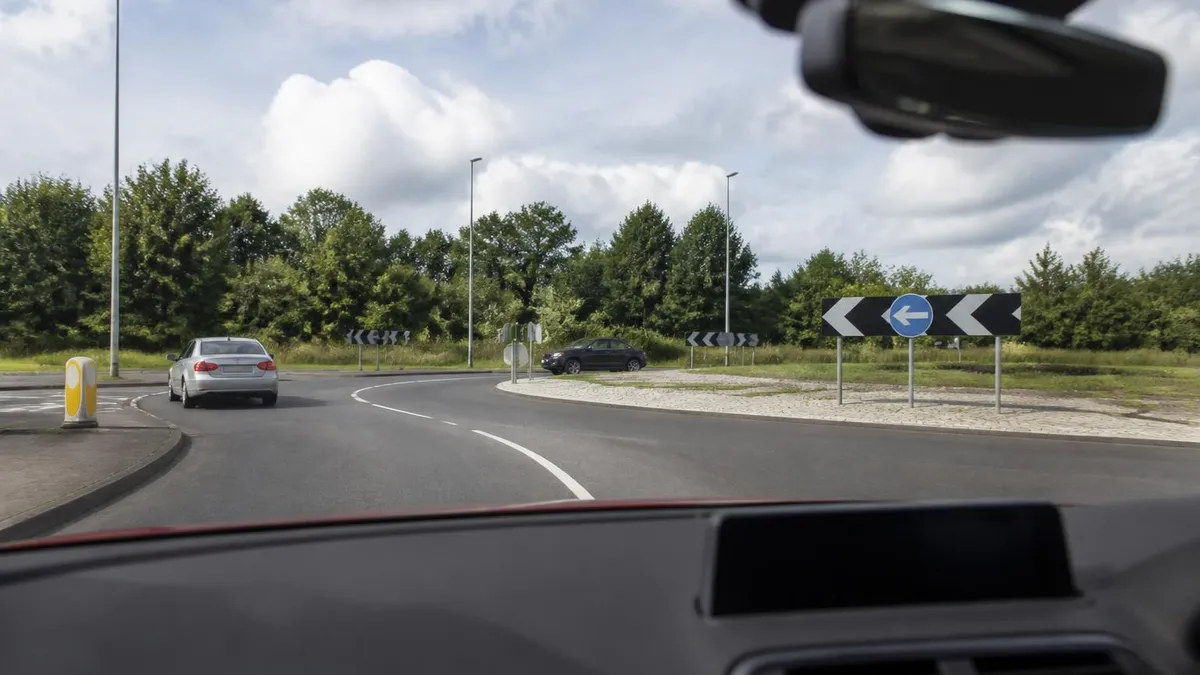
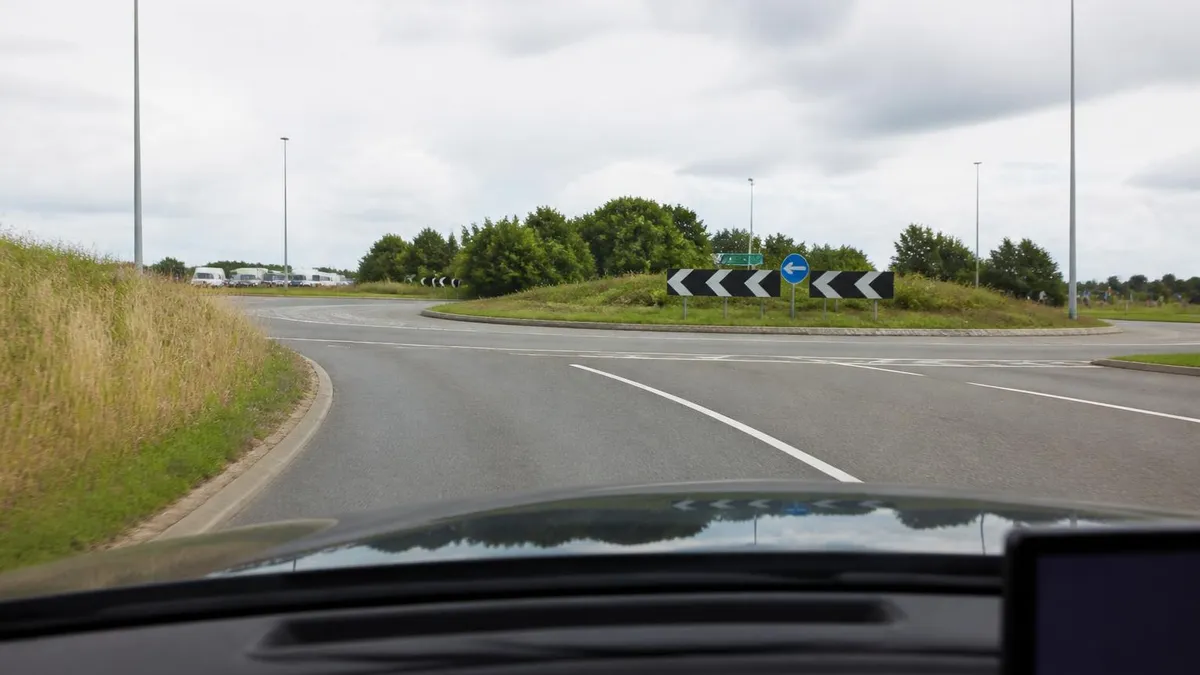
Choosing the right test centre can also influence your experience and potentially your result on the day. Familiarising yourself with the roads around your chosen centre gives you a significant advantage, as you will already know the typical traffic patterns, tricky junctions, and roundabout layouts in the area. Many driving instructors focus lesson time on routes commonly used during tests at specific centres, so discuss this strategy with your instructor when planning your preparation. Even if you book at a more distant centre for shorter waiting times, ensure you practise there beforehand.
Keeping your documents organised and accessible well before your test date eliminates unnecessary stress on the day of the examination. Create a checklist that includes your provisional licence, your theory test pass certificate number, confirmation of your booking reference, and any correspondence from the DVSA. Store these together in a dedicated folder so they are easy to find on test day without any last-minute scrambling. Also ensure your test vehicle is in proper condition, with all lights working, tyres properly inflated, and sufficient fuel for the duration of the test.
If your circumstances change and you need to move your driving test date, act as quickly as possible to avoid penalties. The DVSA allows you to change your test date or centre online through the booking portal, provided you give at least three clear working days' notice before the appointment. When rescheduling, consider whether changing to a different test centre might offer an earlier available date than your current one. You can also switch between weekday and weekend slots, though remember that evening and weekend tests carry a higher fee of £75.
Technology can be a valuable ally in your search for driving test dates that suit your schedule. Beyond the official DVSA booking system and third-party cancellation services, social media groups dedicated to learner drivers often share tips about sudden availability at specific centres around the country. Online forums and community groups on platforms such as Reddit and Facebook frequently discuss which centres currently have the shortest waiting times and share real-time updates about cancellation availability. Engaging with these communities can provide useful insights that complement your own checking.
For those who need to pass their driving test urgently, intensive driving courses that include a pre-booked test date can be an effective and time-saving solution. These courses typically compress several weeks of lessons into one or two intensive weeks of daily practice, culminating in a pre-arranged test at the end of the course. While these courses are more expensive than traditional weekly lessons, they bypass the usual waiting time for test dates entirely. They are particularly popular with candidates who have already failed once and want to retest quickly.
Finally, remember that the ultimate goal is not just to pass the test but to become a safe, competent driver for life on UK roads. While the pressure to secure a driving test date quickly is completely understandable, rushing to test before you are truly ready serves no one's interests. The time spent waiting for your test date is time you can use productively by continuing to practise, building confidence, and refining your skills behind the wheel. When your test day does arrive, you want to walk into that test centre knowing you are genuinely prepared to pass with confidence.
DVSA Questions and Answers

DVSA Car Practical Test: Complete Guide to Passing First Time
How to Change Theory Test Date: Complete DVSA Rebooking Guide for 2026
Learn to Drive UK: The Complete 2026 Beginner's Guide to Lessons, Tests and Licence Success
Intensive Driving Course With Test: Complete UK Guide to Fast-Track Your Licence in 2026