
DMV Knowledge Test Online: Complete Guide to Passing in 2026 September
Master the DMV knowledge test online with our complete 2026 September guide. 📝 Practice questions, study tips, and what to expect from a DMV representative.

Taking the dmv knowledge test online has become one of the most popular ways for new drivers, license renewers, and aspiring DMV employees to prepare for their state examinations in 2026. Whether you are studying to become a dmv customer service representative or simply trying to pass your driver knowledge exam from the comfort of home, online testing platforms now offer realistic simulations that mirror the actual experience you will encounter at your local Department of Motor Vehicles office or testing facility.
The shift toward digital examination preparation has transformed how millions of Americans approach their licensing requirements each year. Modern online knowledge tests cover everything from traffic laws and road signs to vehicle inspection standards, consumer protection statutes, and dispute resolution procedures that DMV representatives must master. The accessibility of these resources means you can practice during lunch breaks, before bed, or whenever fits your schedule, eliminating the barriers that once made test preparation feel overwhelming.
For those pursuing careers in motor vehicle administration, becoming a dmv customer service representative requires passing a specialized knowledge examination that tests your understanding of complex regulatory frameworks. This role demands proficiency in handling registration disputes, explaining inspection requirements to confused customers, and processing documentation accurately under pressure. The online preparation tools available today have made this career path more accessible than ever before.
This comprehensive guide will walk you through every aspect of the dmv knowledge test online experience, from understanding the format and content areas to developing effective study strategies that produce real results. We will examine the differences between standard driver knowledge tests and the specialized examinations required for DMV employment positions, helping you identify exactly which resources match your specific goals and timeline.
You will learn about the technological requirements for taking proctored tests at home, the security measures in place to ensure exam integrity, and the specific topics that appear most frequently on both customer-facing and employee-focused assessments. We will also cover the practical aspects of scheduling, payment, retake policies, and what happens after you pass or fail your initial attempt at the examination.
Beyond just memorizing facts, succeeding on these examinations requires understanding the underlying principles that govern motor vehicle operations, safety regulations, and consumer rights. The most successful test-takers approach preparation systematically, using a combination of official study materials, practice questions, and targeted review sessions that build genuine comprehension rather than surface-level recall of isolated facts.
Whether your goal is earning your first driver license, advancing in a DMV career, or helping a family member navigate the testing process, this guide provides the roadmap you need. We have compiled insights from current DMV representatives, recent test-takers, and certified driving instructors to give you the most accurate and actionable information available for 2026.
DMV Knowledge Test by the Numbers

DMV Online Test Format and Requirements
Before starting any online DMV knowledge test, you must verify your identity using a government-issued photo ID, webcam capture, and sometimes biometric authentication to prevent fraud and ensure the right person takes the exam.
A reliable computer with working webcam, microphone, and stable internet connection is required. Most platforms also demand specific browsers, disabled extensions, and a quiet, well-lit testing environment free from distractions or other people.
Online tests typically allow 30 to 60 minutes for completion depending on the examination type. The timer cannot be paused once started, so plan ahead and ensure you have uninterrupted time blocked off before beginning the assessment.
Most questions are multiple choice with four answer options. Some tests include true-false items, image-based road sign identification, and scenario-based questions that test practical application of rules rather than simple memorization.
Results are usually available immediately upon completion. Passing scores range from 75% to 85% depending on your state and test type. Failed attempts may require waiting periods before retaking the examination.
Understanding what appears on the dmv knowledge test online begins with recognizing that content varies significantly based on the type of examination you are taking. Standard driver knowledge tests focus on traffic laws, road signs, right-of-way rules, and safe driving practices that every motorist must understand to operate a vehicle legally. These foundational topics form the bedrock of any state licensing examination and remain consistent across most jurisdictions in the United States.
For individuals pursuing employment as a dmv representative, the examination content expands dramatically to include administrative procedures, consumer protection laws, vehicle inspection standards, title transfer regulations, and dispute resolution frameworks. These specialized assessments test whether candidates can handle the diverse situations they will encounter daily when serving the public at DMV offices, processing transactions, and resolving customer concerns about their motor vehicle records.
Road signs represent approximately 20 to 30 percent of most standard knowledge tests, including regulatory signs that mandate specific actions, warning signs that alert drivers to upcoming hazards, and guide signs that provide directional information. Test-takers must recognize signs by both their shape and color coding, as these visual cues often convey critical information even when text is partially obscured by weather or distance.
Traffic law questions typically cover speed limits in various zones, parking restrictions, lane usage requirements, turning procedures, and the proper response to emergency vehicles. Many tests also include sections on driving under the influence laws, point system penalties, license suspension consequences, and the responsibilities drivers have when involved in accidents or stopped by law enforcement officers during routine traffic encounters.
Vehicle operation questions assess your understanding of safe following distances, proper use of headlights and turn signals, how to handle skids or mechanical failures, and the correct procedures for backing up, parallel parking, and three-point turns. These practical knowledge areas connect directly to the behind-the-wheel skills you will demonstrate during your actual road test if you are pursuing initial licensure.
For DMV employee examinations, expect detailed questions about identification document verification, residency proof requirements, the specific forms used for different transactions, and the appropriate fees for various services. You will also encounter scenarios testing your ability to explain complex regulations to customers in clear, professional language while maintaining patience even with frustrated members of the public.
Consumer protection content covers lemon laws, odometer fraud detection, title washing prevention, and the proper handling of complaints about dealerships or private vehicle sellers. Understanding these protections helps representatives guide customers through their options when disputes arise, ensuring that everyone receives fair treatment under the law and that fraudulent practices are properly reported to enforcement authorities for investigation.
DMV Practice Test Questions
Prepare for the DMV - Representative Exam exam with our free practice test modules. Each quiz covers key topics to help you pass on your first try.
DMV - Representative Consumer Protection a...
DMV Exam Questions covering DMV - Representative Consumer Protection and Dispute Resolution. Master DMV Test concepts for certification prep.
DMV - Representative Vehicle Inspections a...
Free DMV Practice Test featuring DMV - Representative Vehicle Inspections and Safety Standards. Improve your DMV Exam score with mock test prep.
DMV - Representative Advertising and Sales...
DMV Mock Exam on - Representative Advertising and Sales Practices. DMV Study Guide questions to pass on your first try.
DMV - Representative Bonds and Business Re...
DMV Test Prep for - Representative Bonds and Business Records. Practice DMV Quiz questions and boost your score.
DMV - Representative Dealer-Specific Regul...
DMV Questions and Answers on - Representative Dealer-Specific Regulations. Free DMV practice for exam readiness.
DMV - Representative Registration and Tran...
DMV Mock Test covering - Representative Registration and Transfer Fees. Online DMV Test practice with instant feedback.
DMV - Representative Sales Contracts and D...
Free DMV Quiz on - Representative Sales Contracts and Disclosures. DMV Exam prep questions with detailed explanations.
DMV - Representative Salesperson Licensing...
DMV Practice Questions for - Representative Salesperson Licensing Requirements. Build confidence for your DMV certification exam.
DMV - Representative Unlawful Acts and Con...
DMV Test Online for - Representative Unlawful Acts and Conduct. Free practice with instant results and feedback.
DMV - Representative Vehicle Code Definitions
DMV Study Material on - Representative Vehicle Code Definitions. Prepare effectively with real exam-style questions.
DMV - Representative Vehicle Registration ...
Free DMV Test covering - Representative Vehicle Registration Procedures. Practice and track your DMV exam readiness.
DMV Representative Basic Arithmetic
DMV Exam Questions covering Representative Basic Arithmetic. Master DMV Test concepts for certification prep.
Online vs In-Person DMV Customer Service Representative Testing
Online dmv knowledge test options offer unmatched convenience, allowing you to take examinations from home using a computer with webcam capability. This eliminates travel time, parking hassles, and the anxiety many people feel in formal testing environments. You can schedule sessions outside normal business hours in many states, fitting the examination around work, family responsibilities, or other commitments.
However, online testing requires reliable technology, strict environmental conditions, and adherence to proctoring rules that prohibit looking away from the screen, having other people in the room, or accessing reference materials. Technical issues during testing can result in voided attempts, and not all license types or examination categories are available through online portals in every state.

Should You Take the DMV Knowledge Test Online?
- +Take the test from your home in a familiar, comfortable environment
- +Flexible scheduling including evenings and weekends in many states
- +No travel time, parking fees, or long lines at DMV offices
- +Immediate results upon completion of the examination
- +Lower stress for those uncomfortable in formal testing centers
- +Easy access to retake the test if you do not pass initially
- −Requires reliable computer, webcam, microphone, and internet connection
- −Strict proctoring rules prohibit looking away or having anyone else present
- −Technical glitches can void your attempt and require rescheduling
- −Not available for all license types or in every state jurisdiction
- −Some find it harder to focus at home with potential distractions
- −Requires comfort with technology that not everyone possesses equally
DMV Knowledge Test Online Preparation Checklist
- ✓Download and read your state driver handbook cover to cover
- ✓Complete at least 200 practice questions across all topic areas
- ✓Review every road sign by shape, color, and meaning systematically
- ✓Memorize specific speed limits for residential, business, and school zones
- ✓Study right-of-way rules at intersections, roundabouts, and pedestrian crossings
- ✓Test your computer setup including webcam, microphone, and internet speed
- ✓Clear your testing room of all books, papers, phones, and other people
- ✓Charge your laptop fully or connect to power before beginning the exam
- ✓Use the bathroom and have water nearby before starting the test session
- ✓Schedule your test during your peak mental alertness time of day
Read every question twice before answering
The single biggest reason candidates fail the dmv knowledge test online is rushing through questions without reading carefully. Many wrong answers result from missing keywords like always, never, or except. Slow down and identify exactly what each question asks before selecting your response.
Test day strategy can mean the difference between passing on your first attempt and facing the frustration of scheduling a retake. Begin by ensuring you have completed all technical requirements at least 24 hours before your scheduled examination time. This includes downloading any required browser extensions or proctoring software, testing your webcam and microphone, and verifying that your internet connection meets the minimum speed requirements specified by your state DMV or testing provider.
Many candidates wonder how do i speak to a dmv representative in ny if technical issues arise during their online examination. New York State, like most jurisdictions, provides dedicated technical support lines specifically for online testing platforms. These representatives can troubleshoot common problems including webcam disconnections, browser crashes, and authentication failures that might otherwise force you to reschedule and pay additional fees for another attempt.
The night before your test, get a full eight hours of sleep rather than cramming with last-minute studying. Research consistently shows that sleep deprivation impairs memory recall and decision-making far more than any benefit gained from additional review time. Have a healthy breakfast on test day that includes protein and complex carbohydrates to maintain stable blood sugar throughout your examination session without causing energy crashes.
Prepare your testing space methodically by removing all books, notes, electronic devices, food, and beverages except water in a clear container. Inform household members that you cannot be disturbed for the duration of the test. Close all unnecessary applications on your computer, restart the machine to clear memory, and have your government-issued identification ready for the verification process that begins the session.
During the examination, manage your time carefully by aiming to spend roughly one minute per question. Most online tests allow you to mark questions for review and return to them later, so do not get stuck on difficult items that drain time you need for questions you can answer confidently. Use the elimination method on multiple choice questions, ruling out obviously incorrect answers before choosing between the remaining options.
Maintain composure if you encounter unfamiliar material or technical hiccups. Take three deep breaths, refocus on the current question, and continue methodically through the examination. Panic produces worse decisions than careful consideration, and remember that you only need to achieve the passing threshold, not a perfect score. Missing a few questions is expected and built into the scoring system used by every state.
If technology fails during your test, immediately contact technical support through the chat function or phone number provided in your test instructions. Document the issue with screenshots if possible. Most testing platforms have provisions for legitimate technical failures that allow you to resume or restart without penalty, but you must report problems promptly rather than continuing through compromised conditions hoping for the best.

Most states impose mandatory waiting periods between dmv knowledge test attempts, typically ranging from 1 to 14 days. Some states limit you to three attempts within a 12-month period before requiring additional driver education courses. Check your state-specific rules before scheduling to avoid surprises and additional fees.
Once you successfully pass your dmv knowledge test online, the next steps depend on whether you are pursuing a driver license or employment as a DMV representative. For driver licensing candidates, passing the knowledge test typically grants you a learner permit or instruction permit that allows supervised practice driving for a specified period before you can take the behind-the-wheel road test that completes the licensing process in your state.
The waiting period between passing the knowledge test and taking your dmv customer service representative related skills assessment varies by jurisdiction and license class. Most states require teen drivers to hold their permit for at least six months while practicing under adult supervision, while adult applicants may face shorter waiting periods or none at all depending on their previous driving experience and the specific license type they are pursuing.
For those who passed examinations related to DMV employment, your next steps will likely include in-person interviews, background checks, fingerprinting for state and federal databases, and possibly additional skills assessments demonstrating your ability to use department-specific software systems. These assessments evaluate practical job skills like data entry accuracy, customer interaction techniques, and your ability to navigate complex regulatory questions under realistic time pressure.
Save documentation of your passing knowledge test score, as some employers and licensing authorities require this proof for several years after the original examination date. Digital copies stored securely in multiple locations protect against loss and provide quick access when needed for renewals, transfers between states, or applications for related credentials in the motor vehicle administration field that may benefit from your existing qualifications.
If you plan to use your DMV knowledge for professional advancement, consider pursuing additional certifications in areas like vehicle appraisal, fraud investigation, or specialized customer service training. The American Association of Motor Vehicle Administrators offers continuing education programs that build on foundational DMV knowledge and can open doors to senior positions in motor vehicle administration, regulatory compliance, or related government and private sector careers.
For driver license holders, remember that passing your knowledge test is just the beginning of a lifetime of safe driving responsibilities. Stay current on changing traffic laws, especially in states that frequently update their motor vehicle codes. Many jurisdictions now require periodic refresher courses or examinations for license renewal, particularly for older drivers or those with previous violations on their driving records that warrant additional review.
Consider downloading your state DMV mobile application, which often provides convenient access to driver record information, renewal notifications, address change processing, and updates about new traffic laws or regulatory changes that affect your driving privileges. These apps have become essential tools for staying compliant with changing requirements without needing to visit physical DMV offices for routine matters that can now be handled entirely digitally.
Practical preparation tips from successful test-takers consistently emphasize the importance of active learning over passive review. Rather than simply reading the driver handbook repeatedly, create flashcards for road signs, write out the meanings of regulatory signals, and explain concepts aloud as if teaching someone else. This active engagement with material produces dramatically better retention than highlighting passages or rereading sections multiple times without testing your actual comprehension.
Form study groups with others preparing for the same examination, whether through online forums, social media groups, or in-person meetings at local libraries or community centers. Discussing questions and explanations with peers exposes you to perspectives you might not consider alone and helps identify gaps in your understanding before they become problems on test day. Many successful candidates credit study partners with their first-attempt passing scores.
Take multiple practice tests under realistic conditions, sitting at your computer for the full duration without breaks, music, or other distractions. Simulating actual test conditions builds the mental endurance needed to maintain focus throughout the examination and reduces the shock of the formal testing environment. Aim for consistent scores above 90 percent on practice tests before scheduling your official examination to ensure adequate preparation.
Focus extra study time on your weakest topic areas rather than continuing to review material you already know well. Practice tests will reveal patterns in your incorrect answers, pointing toward specific concepts that need additional attention. Whether you struggle with right-of-way rules, parking regulations, or specific road sign meanings, targeted review of weak areas produces better results than general review of all topics equally.
Pay special attention to numbers throughout your preparation, as questions about specific distances, speed limits, blood alcohol limits, and time periods appear frequently on examinations. Create a numerical reference sheet containing all the specific values mentioned in your driver handbook and review it daily. These concrete facts are easy targets for test questions but also easy to forget without dedicated repetition and active recall practice.
Avoid common preparation mistakes like relying solely on outdated practice questions from old editions of study materials or unofficial sources of questionable accuracy. Use the most current driver handbook from your state DMV website and supplement with reputable practice question banks that update their content as laws change. Outdated study materials can teach you incorrect information that causes you to confidently select wrong answers on your actual examination.
Finally, approach your dmv knowledge test online with confidence built through thorough preparation rather than anxiety born of inadequate study. Candidates who have completed the recommended preparation steps consistently pass on their first attempt, while those who try to wing it often face multiple frustrating failed attempts. Invest the necessary time upfront and you will save yourself the stress, expense, and delay associated with repeated test failures and required waiting periods.
DMV Questions and Answers
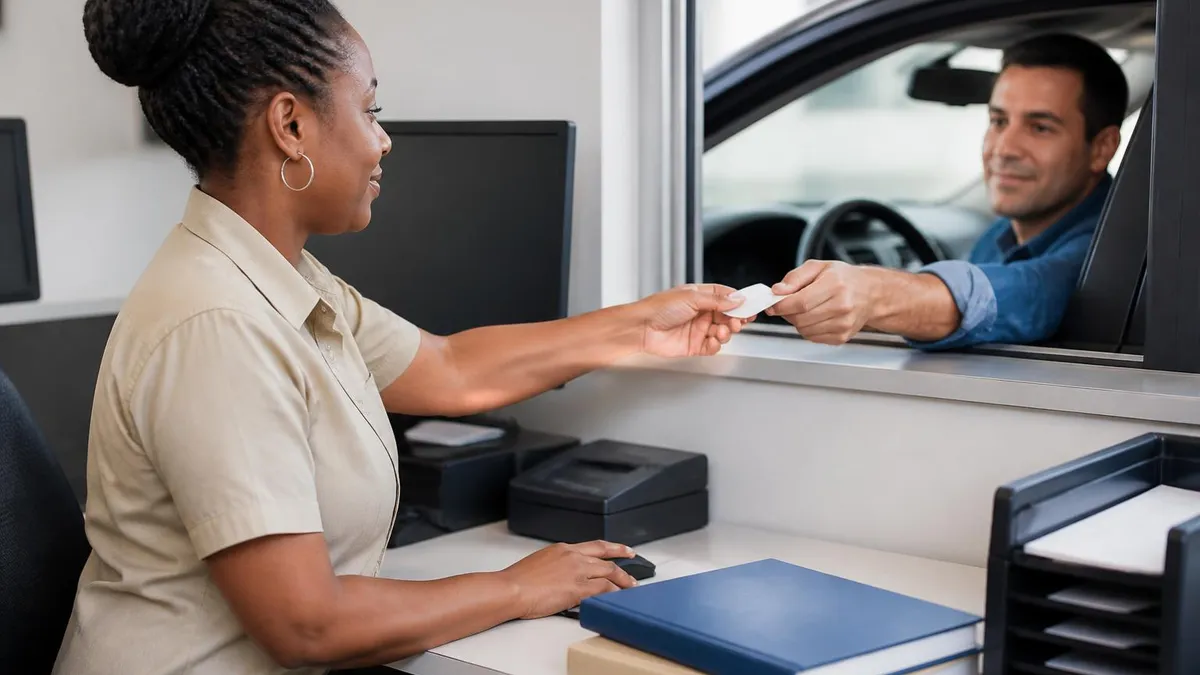
DMV Road Sign Test: Complete Guide to Passing on Your First Try in 2026
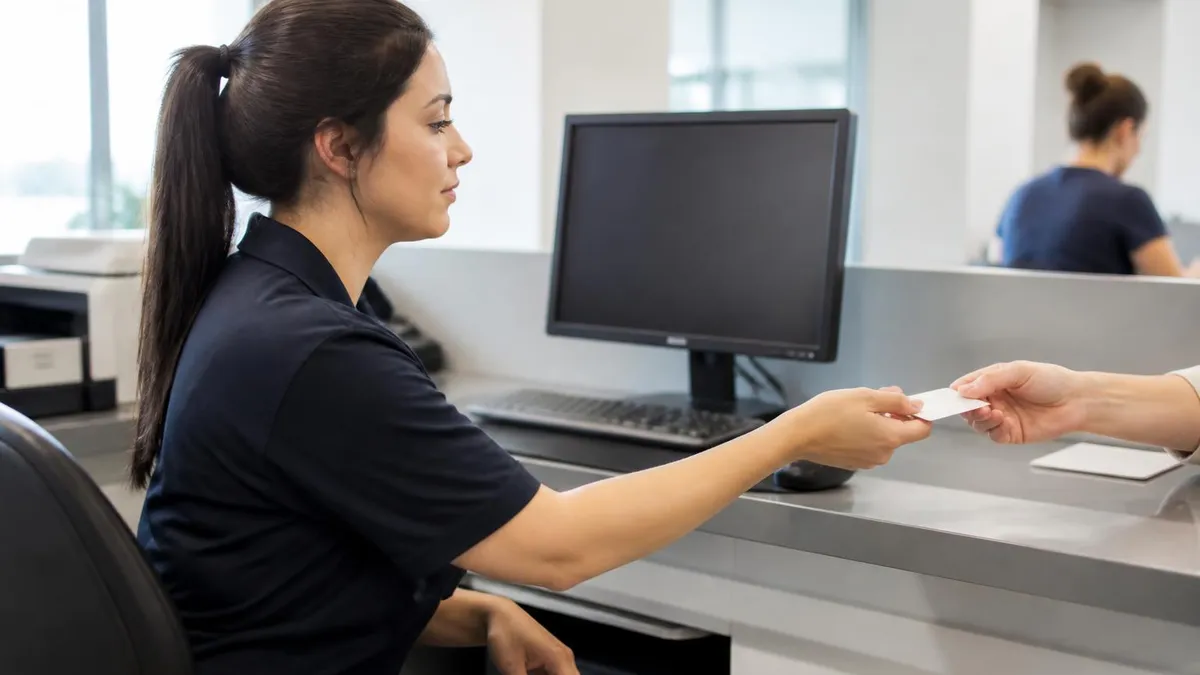
DMV Practice Questions: Topics, Strategy and Where to Find Them
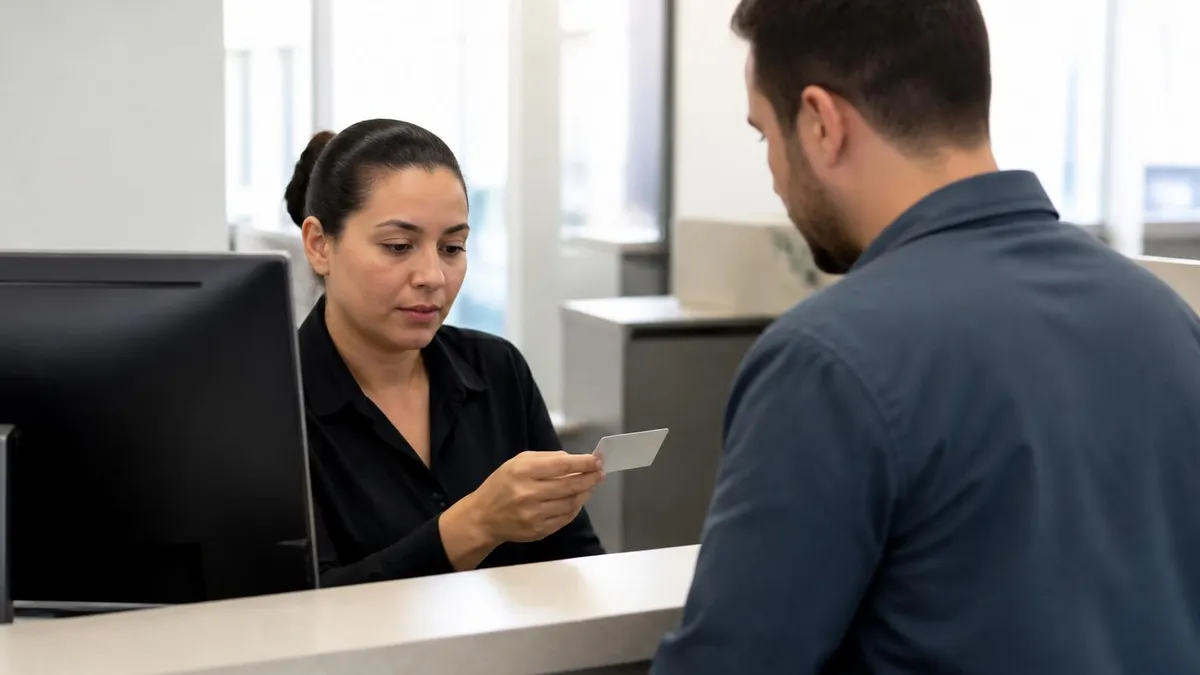
DMV Learners Permit Practice Test: Complete 2026 Prep Guide for First-Time Test Takers
DMV Representative Practice Test Video Answers

Virginia DMV Driving Test: Complete 2026 Guide to Passing Your Road Skills Exam
About the Author
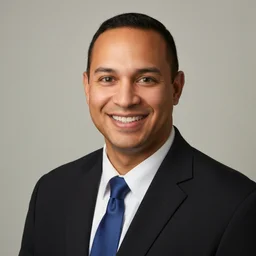
Licensed Driving Instructor & DMV Test Specialist
Penn State UniversityRobert J. Williams graduated from Penn State University with a degree in Transportation Management and has spent 20 years as a certified driving instructor and DMV examiner consultant. He has personally coached thousands of applicants through written knowledge tests, skills assessments, and commercial driver licensing programs across more than 30 states.
Join the Discussion
Connect with other students preparing for this exam. Share tips, ask questions, and get advice from people who have been there.
View discussion (8 replies)