
Where to Get CPI Certification: Complete Guide to Training Locations, Formats, and Requirements
✍🏼 Learn where to get CPI certification — online, on-site, and blended options. Compare formats, costs, and requirements for Crisis Prevention Intervention...

If you are wondering where to get CPI certification, you are not alone — thousands of healthcare workers, educators, behavioral health professionals, and security personnel seek this credential every year. Crisis Prevention Institute (CPI) training is the gold standard for nonviolent crisis intervention in the United States, and it is offered through multiple channels including employer-sponsored on-site workshops, authorized training centers, blended online formats, and fully virtual instructor-led sessions. Knowing your options upfront saves you both time and money.
CPI certification is provided exclusively through the Crisis Prevention Institute, a Milwaukee-based organization founded in 1980. They train over one million professionals annually across healthcare, education, human services, and corporate security. CPI does not allow third-party vendors to independently resell standalone certifications, which means you must work directly with a CPI-certified instructor or your organization's designated Certified Instructor to complete the program and receive an official credential recognized by accrediting bodies nationwide.
The most common pathway for employees is through their employer. Hospitals, school districts, residential treatment facilities, and correctional institutions frequently contract with CPI or maintain in-house Certified Instructors who deliver training at no cost to staff. If your workplace already holds a CPI contract, ask your HR or compliance department whether a session is scheduled — many organizations run cohorts quarterly or even monthly to keep certification current for all direct-care staff.
For individuals who are not employed by an organization with existing CPI access, the best starting point is the CPI website at crisisprevention.com. From there you can search their authorized training calendar, find public workshops hosted by regional training centers, or enroll in one of their online learning pathways. Public workshops run several times a year in major metropolitan areas and typically cost between $150 and $350 per person depending on the program level and location.
There are several distinct CPI program tiers available, and the right one for you depends on your professional role and setting. Nonviolent Crisis Intervention (NCI) is the flagship program aimed at healthcare and human services workers. NCI with Advanced Physical Skills adds hands-on techniques for higher-risk environments. Verbal Intervention is a de-escalation-only program with no physical intervention component, making it ideal for educators and call center staff. Understanding which program your employer or licensing board requires before you register will help you avoid paying for the wrong course.
Online and blended formats have expanded significantly since 2020. CPI now offers a blended learning model in which participants complete self-paced online modules covering theory, the Integrated Experience, and the Crisis Development Model before attending a shorter in-person skills day. This hybrid approach reduces classroom time by roughly 40 percent while preserving the hands-on physical skills practice that is required for full certification. Fully online Verbal Intervention certifications are also available for roles that do not require physical intervention techniques.
Once you understand the landscape, the path to certification becomes straightforward. Review the program options, confirm which level your employer or regulatory body requires, then use CPI's training calendar or contact your organization's HR team to register. You can also explore where to get CPI certification through the decision-making framework that CPI instructors use to guide both staff and participants through escalating crisis scenarios, which is a core component of all certification programs.
CPI Certification by the Numbers

Where You Can Get CPI Certification: All Available Formats
The most common pathway. Your employer contracts with CPI or maintains in-house Certified Instructors who deliver workshops at your facility. Typically free to staff and scheduled regularly throughout the year to maintain compliance.
Open-enrollment sessions hosted at regional training centers or hotels across the US. Anyone can register directly through crisisprevention.com. Ideal for individuals whose employers do not hold a CPI contract or for self-payers seeking independent certification.
Complete self-paced online theory modules first, then attend a condensed in-person skills day. Reduces total classroom time by roughly 40 percent while still meeting full NCI certification requirements including hands-on physical intervention practice.
CPI's Verbal Intervention program is available entirely online for roles that do not require physical techniques. Ideal for educators, supervisors, and office-based professionals who need de-escalation skills without hands-on restraint training.
Organizations can train designated staff to become Certified Instructors through CPI's instructor certification courses. Instructors then deliver training in-house indefinitely, making this the most cost-effective long-term option for larger organizations.
Getting your CPI certification involves a clear sequence of steps, and understanding the full process before you begin will help you avoid common delays. The first decision is identifying the correct program level for your role. Nonviolent Crisis Intervention (NCI) is the standard credential for direct-care healthcare and human services workers. NCI with Advanced Physical Skills is required in settings with higher physical risk, such as acute psychiatric units or forensic facilities. Verbal Intervention is sufficient for educators and non-hands-on roles. Choosing the wrong program means starting over, so confirm the requirement with your supervisor or licensing board first.
Once you have identified the right program, the next step is finding a qualified instructor or public session. If your employer has a CPI contract, your HR or education department can connect you with your organization's Certified Instructor and provide registration access. If you are pursuing certification independently, visit crisisprevention.com and use the Training Calendar to find upcoming public workshops in your area. You can filter by program type, date, and location to find a session that fits your schedule and geographic proximity.
Registration for public workshops requires creating an account on the CPI portal and paying the session fee. Fees for standard NCI workshops range from approximately $150 to $350, depending on your region and whether the event is hosted by CPI directly or by an authorized training partner. Some third-party continuing education providers partner with CPI to host workshops, but always verify that the course is officially authorized before paying, since unauthorized CPI-branded training is not recognized for credentialing purposes.
Preparation before the training day makes a measurable difference in how much you retain and how confidently you perform the physical skills components. Review CPI's published course outline and familiarize yourself with the four levels of the Crisis Development Model — Anxiety, Defensive, Acting-Out Person, and Tension Reduction. Understanding these concepts conceptually before class allows you to focus on application during the workshop rather than absorbing new vocabulary under time pressure. Most blended-format participants receive pre-work modules two to four weeks before their skills day.
On the training day itself, expect a mix of lecture, video scenarios, small group discussion, and hands-on practice for programs that include physical skills. Instructors follow CPI's standardized curriculum, which is updated periodically to reflect current research in trauma-informed care and verbal de-escalation. Participants are evaluated through a combination of skills demonstration and written or scenario-based assessment. There is no single national CPI written exam with a fixed pass rate — assessment formats vary by program level and instructor, though all must meet CPI's certification standards.
After successfully completing the course, you will receive a CPI certification card or certificate, typically within a few days to two weeks depending on the delivery format. Digital certificates are increasingly common and can be downloaded directly from the CPI participant portal. Keep a copy for your personnel file and provide it to your employer's compliance team. Most organizations require proof of certification for onboarding, annual competency documentation, and Joint Commission or state licensing inspections.
Recertification is required on a cycle set either by CPI policy or your employer, usually every one to two years. The recertification process is shorter than initial certification and can sometimes be completed in a half-day refresher workshop. Some employers require annual recertification regardless of CPI's standard cycle. Planning ahead for renewal is essential — a lapsed certification can create compliance gaps that affect your ability to work in certain roles or facilities. Mark your expiration date on your calendar as soon as you receive your initial credential.
CPI Training Options: Online, Blended, and In-Person Compared
CPI's fully online pathway is currently available for the Verbal Intervention program and select de-escalation-focused modules. Participants complete self-paced video lessons, scenario simulations, and knowledge checks entirely through the CPI online learning portal. No travel is required, and you can work through modules at your own pace, making this format highly accessible for busy professionals who cannot commit to a fixed workshop schedule. Upon passing all required assessments, your digital certificate is issued automatically through the portal.
The limitation of a fully online format is that it does not qualify you for NCI certification, which requires hands-on physical skills demonstration. If your role involves any form of physical intervention — restraint, escort, or disengagement techniques — a fully online course will not meet your employer's or licensing body's requirements. Verify your program requirement before enrolling to avoid completing a course that does not result in the credential you actually need for your position.

CPI Certification: Benefits and Limitations to Consider
- +Nationally recognized credential accepted by hospitals, schools, and behavioral health agencies across all 50 states
- +Multiple delivery formats — online, blended, and in-person — make scheduling flexible for most professionals
- +Evidence-based curriculum grounded in trauma-informed care and the least-restrictive intervention principle
- +Employer sponsorship frequently covers the full cost, making certification free for many direct-care workers
- +Certification improves staff confidence and reduces workplace injury rates according to CPI's published outcome data
- +Recertification process is shorter than initial training, typically a half-day or single-day refresher workshop
- −Initial certification cost for self-payers ranges from $150 to $350 or more, which can be a barrier without employer support
- −Fully online certification is only available for Verbal Intervention — NCI and advanced programs still require in-person attendance
- −Certification must be renewed every one to two years, creating ongoing time and cost commitments for employers and individuals
- −Program tiers and requirements can be confusing — selecting the wrong level means repeating the training at additional expense
- −Access to public workshops in rural or underserved areas may be limited, requiring travel to larger metropolitan training sites
- −CPI does not publish a standardized national pass rate, making it difficult to benchmark assessment difficulty ahead of training
CPI Certification Prep Checklist: Everything You Need Before Training Day
- ✓Confirm which CPI program level your employer or licensing board requires (NCI, NCI Advanced, or Verbal Intervention)
- ✓Check with your HR or compliance department whether your employer already has a CPI contract or in-house Certified Instructor
- ✓Register on the CPI participant portal at crisisprevention.com and search the training calendar for available sessions
- ✓Complete any assigned pre-work or online modules before arriving at the in-person skills day for blended-format participants
- ✓Review the four levels of the Crisis Development Model: Anxiety, Defensive, Acting-Out Person, and Tension Reduction
- ✓Study the Integrated Experience framework to understand how staff behavior and attitude influence participant behavior
- ✓Wear comfortable, layered clothing to in-person sessions — physical skills practice requires freedom of movement
- ✓Bring a valid photo ID and any required employer authorization forms to the training location on the day of your session
- ✓Save your digital certificate or card immediately upon receipt and submit a copy to your employer's compliance or HR team
- ✓Schedule your recertification date on your calendar before your initial certification expires to avoid compliance gaps
Blended Learning Cuts Classroom Time by Up to 40%
CPI's blended learning model allows you to complete theory modules online at your own pace before attending a condensed in-person skills day. This format is now available for full NCI certification and is increasingly preferred by employers because it reduces the number of hours staff spend away from direct-care duties while maintaining all certification requirements. If your organization offers a blended option, it is almost always the most efficient path to full certification.
CPI certification is not a one-size-fits-all credential — the specific program you need depends heavily on your professional role, your work setting, and any requirements imposed by your licensing body or accrediting organization. Understanding who needs which level of certification helps you register for the right course the first time and avoids the cost and delay of repeating training in the correct program afterward.
Healthcare workers in direct-care roles — registered nurses, licensed practical nurses, certified nursing assistants, mental health technicians, and psychiatric aides — are the most common CPI certification seekers. Hospitals, inpatient psychiatric facilities, and residential treatment centers frequently require NCI certification as a condition of employment, with proof of current certification needed for Joint Commission surveys and state licensing inspections. Some facilities require the NCI with Advanced Physical Skills program for staff working in high-acuity units such as emergency departments, forensic psychiatric wards, or intensive care settings where patient-initiated aggression is more frequent.
Educators and school-based professionals represent the second-largest group pursuing CPI training. Special education teachers, paraprofessionals, school counselors, and administrators in public and private K–12 settings increasingly hold CPI certification as districts adopt evidence-based behavioral intervention frameworks. The Verbal Intervention program is particularly popular in educational settings because it focuses entirely on de-escalation without physical techniques, which aligns with many districts' policies on staff-student physical contact. Some state departments of education have incorporated CPI training into their safe-school or positive behavioral interventions and supports (PBIS) initiatives.
Residential and community-based human services agencies serving individuals with intellectual and developmental disabilities (IDD), traumatic brain injury, autism spectrum disorders, or dual diagnoses also maintain CPI certification requirements for direct support professionals. State Medicaid waiver programs and accrediting organizations such as CARF and the Council on Quality and Leadership (CQL) frequently reference CPI or equivalent training in their standards for restrictive interventions, making certification essential for provider compliance and audit readiness.
Corrections, juvenile justice, and law enforcement personnel represent a smaller but growing segment of CPI-certified professionals. Detention officers, juvenile corrections workers, and school resource officers benefit from CPI's verbal de-escalation emphasis, which complements use-of-force policies and supports trauma-informed approaches to working with justice-involved populations. Some counties and state agencies have adopted CPI training as a voluntary or mandated component of officer wellness and professional development programs.
Corporate security, retail loss prevention, and hospitality professionals are increasingly turning to CPI's Verbal Intervention program as awareness of de-escalation techniques grows beyond traditional healthcare and education settings. Workplace violence prevention programs in hospitals, universities, and large corporate campuses often integrate CPI principles, and some organizations require CPI Verbal Intervention certification for all security and front-line customer service staff who interact with the public in high-stress environments.
Regardless of your industry, the credential carries significant professional weight because it signals a commitment to nonviolent, trauma-informed crisis management. Many hiring managers in healthcare and education actively screen for CPI certification on resumes, and some job postings list it as a required rather than preferred qualification. Holding current CPI certification can accelerate your hiring process, support your annual performance review documentation, and position you for advancement into supervisory roles that require you to train and mentor colleagues in crisis prevention techniques.

Most employers require active, unexpired CPI certification for continued employment in direct-care roles. A lapsed certification — even by a few weeks — can trigger a compliance finding during a Joint Commission survey, a state licensing inspection, or a CMS audit. Some facilities place staff on administrative leave or restrict them from direct-care duties until recertification is complete. Check your certificate's expiration date today and schedule your renewal session at least 30 days in advance to ensure no gap in your credential status.
Recertification is one of the most commonly overlooked aspects of CPI training, yet it is just as important as obtaining your initial credential. CPI sets baseline recertification requirements, but your employer may impose a stricter schedule. Many healthcare facilities require annual recertification regardless of CPI's standard two-year cycle, particularly for staff in high-acuity units or facilities operating under enhanced regulatory scrutiny. Always verify your employer's specific requirement rather than relying solely on the expiration date printed on your certificate.
The recertification process for most CPI programs is significantly shorter than initial certification. Standard NCI recertification typically runs four to eight hours — roughly half a day — and covers updates to the curriculum, a review of physical skills, and any changes to CPI's Best Practice Standards. Recertification sessions may be delivered in traditional in-person format, blended format, or, for Verbal Intervention, fully online. Your organization's Certified Instructor can also deliver in-house recertification sessions if your employer maintains that infrastructure.
Tracking your certification expiration across an entire workforce is a significant administrative challenge for large organizations. Many healthcare systems and school districts use learning management systems (LMS) to automate certification tracking and send renewal reminders to both employees and supervisors. If your employer uses an LMS such as HealthStream, Relias, or a district-specific platform, your CPI certification status may already be tracked there. Ask your training department whether automatic reminders are configured and confirm that your certificate data has been entered correctly into the system.
For individuals tracking their own certification independently — freelance consultants, agency staff, or professionals between employers — the CPI participant portal provides a digital record of your training history. You can log in at any time to download certificates, verify expiration dates, and access transcripts of completed coursework. This self-service record is particularly useful when you are applying for new positions and need to provide rapid proof of current certification to a prospective employer's credentialing team.
Costs for recertification through employer-sponsored programs are typically covered by the organization, just as initial certification is. For self-payers, recertification workshops generally cost less than initial training — expect to pay between $75 and $200 for a standard recertification session at a public workshop. Some CPI-authorized training centers offer group discounts for organizations sending five or more staff members to a single session, which can meaningfully reduce per-person costs for smaller agencies with limited training budgets.
If you miss your recertification window and your certificate lapses, you will likely need to complete the full initial certification course again rather than the shorter recertification program, depending on how long your certification has been expired. CPI's policy on lapsed certifications allows recertification within a defined grace period, but that window is typically 30 to 90 days beyond the expiration date. After that, a full re-enrollment is required. This policy makes proactive renewal scheduling a genuine professional priority rather than just an administrative formality.
Staying current with CPI also means staying current with the curriculum itself. CPI periodically updates its training materials, the Best Practice Standards documentation, and the physical skills techniques taught in NCI. Instructors receive mandatory update training before they can continue delivering courses under the revised curriculum.
Participants who recertify regularly benefit from these evidence-based updates, which reflect advances in trauma-informed care, research on behavioral escalation, and evolving standards from regulatory bodies. Recertification is not just about maintaining a credential — it is a genuine opportunity to sharpen your skills and update your practice with the latest guidance in crisis prevention intervention.
Preparing effectively for CPI training — whether it is your first certification or a recertification session — is one of the highest-leverage investments you can make in your professional development. The participants who get the most out of CPI training are those who arrive with at least a basic familiarity with the program's foundational concepts, so they can spend class time deepening understanding rather than decoding new vocabulary for the first time under the pressure of a workshop schedule.
Start your preparation by reviewing the Crisis Development Model at least a week before your training date. This four-stage framework — Anxiety, Defensive, Acting-Out Person, and Tension Reduction — is the conceptual backbone of every CPI program, and virtually every scenario, technique, and discussion in the course is anchored to it. Understanding the model before class means you will recognize the stages immediately when they appear in instructor scenarios, role-plays, and assessment questions, which accelerates your learning and boosts your performance on any written or scenario-based evaluations.
Study the Integrated Experience next. This concept describes the bidirectional relationship between staff behavior and participant behavior — specifically, how a staff member's emotional state, body language, and verbal tone directly influence whether a crisis escalates or de-escalates. The Integrated Experience is one of the most clinically important and frequently tested concepts in CPI training, and participants who internalize it before class tend to engage far more productively with the role-play scenarios that make up the core of the in-person workshop experience.
For NCI programs with physical skills components, physical preparation is genuinely important. The skills day involves repeated practice of standing, moving, kneeling, and guiding techniques that require core stability, balance, and range of motion. If you have any physical limitations or recent injuries, notify your instructor before the session so they can offer appropriate modifications. Wearing layered, comfortable athletic clothing rather than formal work attire will make the physical components significantly more manageable and reduce the risk of strain during practice repetitions.
Use free practice resources in the days leading up to your training to reinforce your knowledge of the behavioral assessment and intervention concepts that CPI covers. Online practice quizzes covering CPI's behavioral risk framework, post-crisis debriefing protocols, and client assessment principles can help you identify knowledge gaps and focus your study time efficiently. The quiz resources available on this site are organized by CPI competency area, making it easy to drill the specific topics most likely to appear in your program's assessment components.
During the training itself, engage actively with every scenario and role-play, even if the situations feel uncomfortable or unfamiliar. CPI training is explicitly designed to create productive discomfort — the scenarios are challenging because real crises are challenging, and practicing your response under mild pressure is exactly what builds the conditioned competence you will need when a real situation unfolds. Ask your instructor questions whenever a technique or concept is unclear. Instructors universally report that the participants who ask the most questions also tend to demonstrate the strongest skills retention during the evaluation phase of the workshop.
After certification, integrate CPI principles into your daily practice rather than treating the credential as a box to check until renewal time. Review the Best Practice Standards document that CPI distributes with all programs — it contains detailed guidance on documentation, legal and ethical considerations, and post-incident debriefing practices that are relevant to your work every day, not just in acute crisis situations.
Consistent application of CPI principles in low-stakes interactions — such as using empathic listening during a minor conflict or recognizing early anxiety cues in a client's behavior — is what builds the instinctive competence that makes the training genuinely life-saving when crises do occur.
CPI Questions and Answers
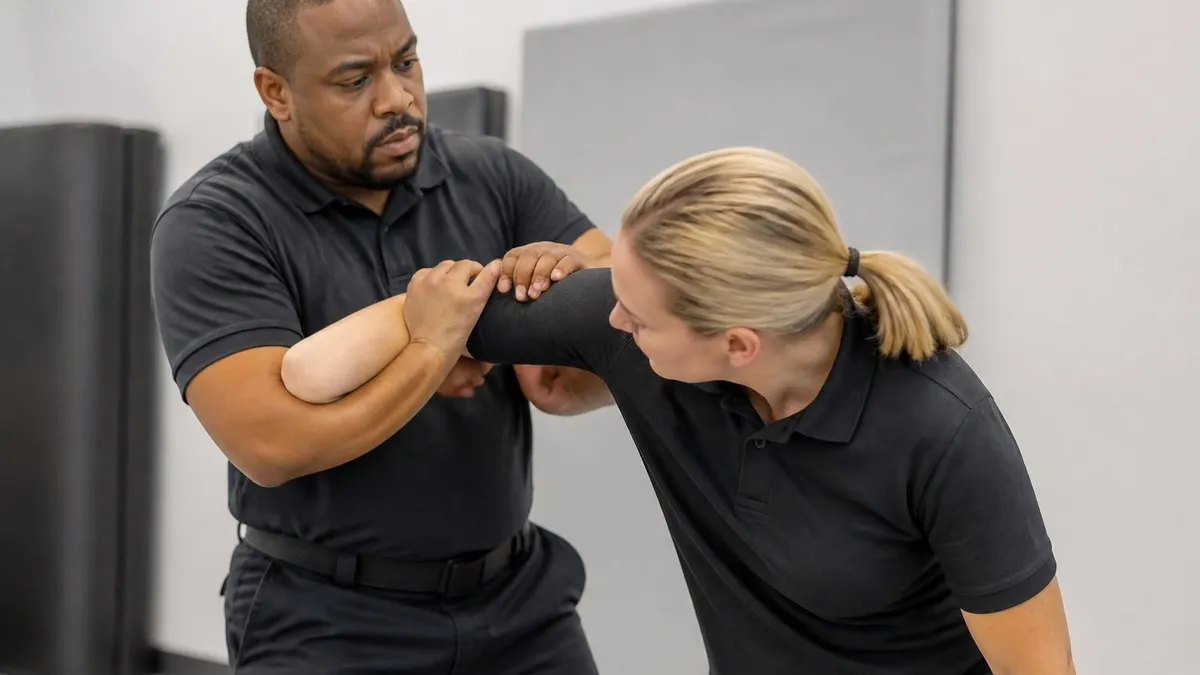
CPI Decision Making Matrix: Complete Guide to Crisis Risk Assessment and Staff Response
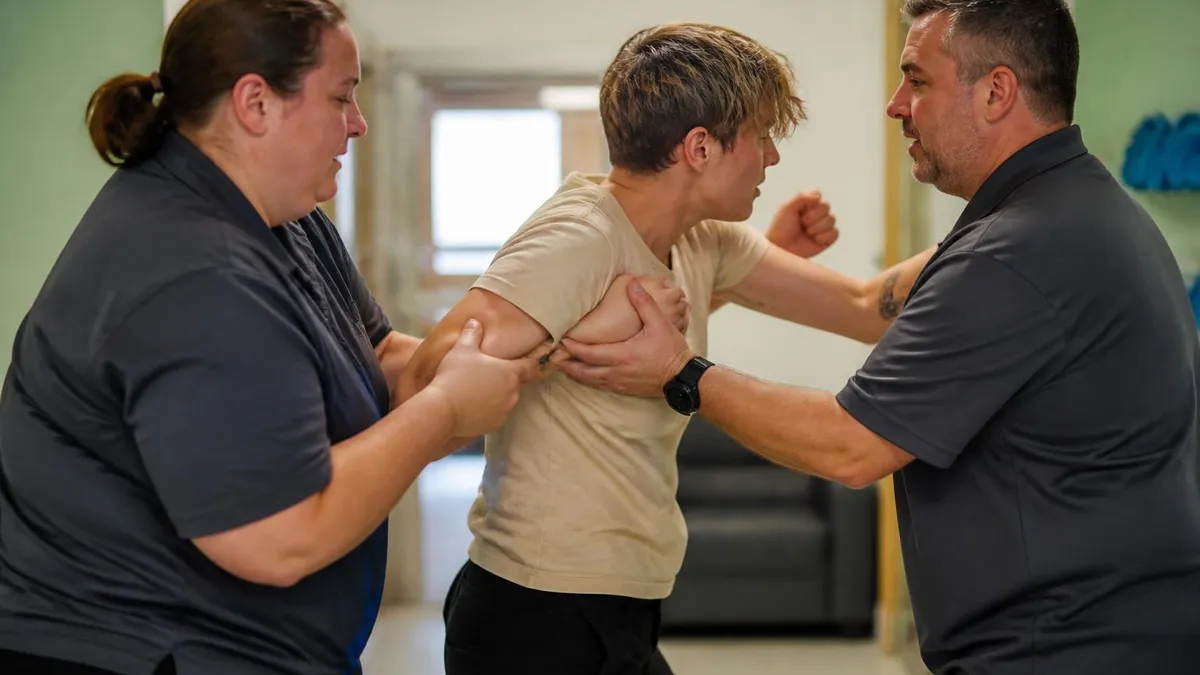
CPI Blue Card: Complete Training Guide, Requirements, and What to Expect
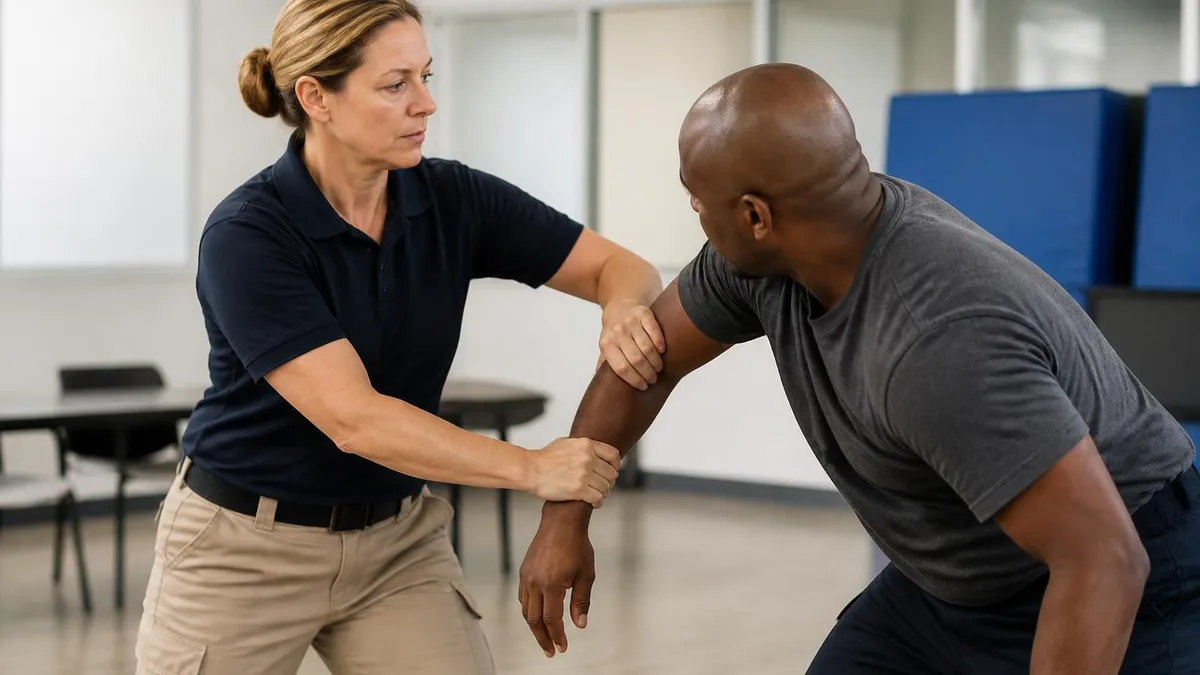
CPI Supportive Approach: Complete Guide to Stage 2 De-escalation and Anxiety Response
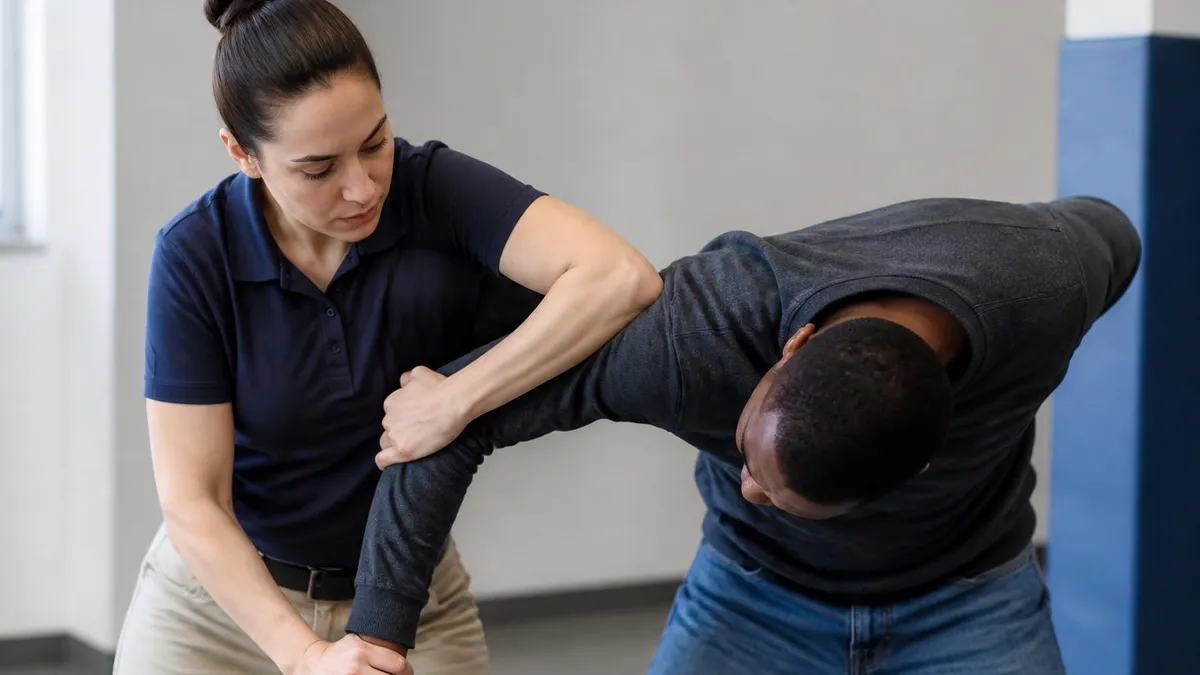
CPI Training Certification: Complete Guide to Crisis Prevention Intervention Credentialing
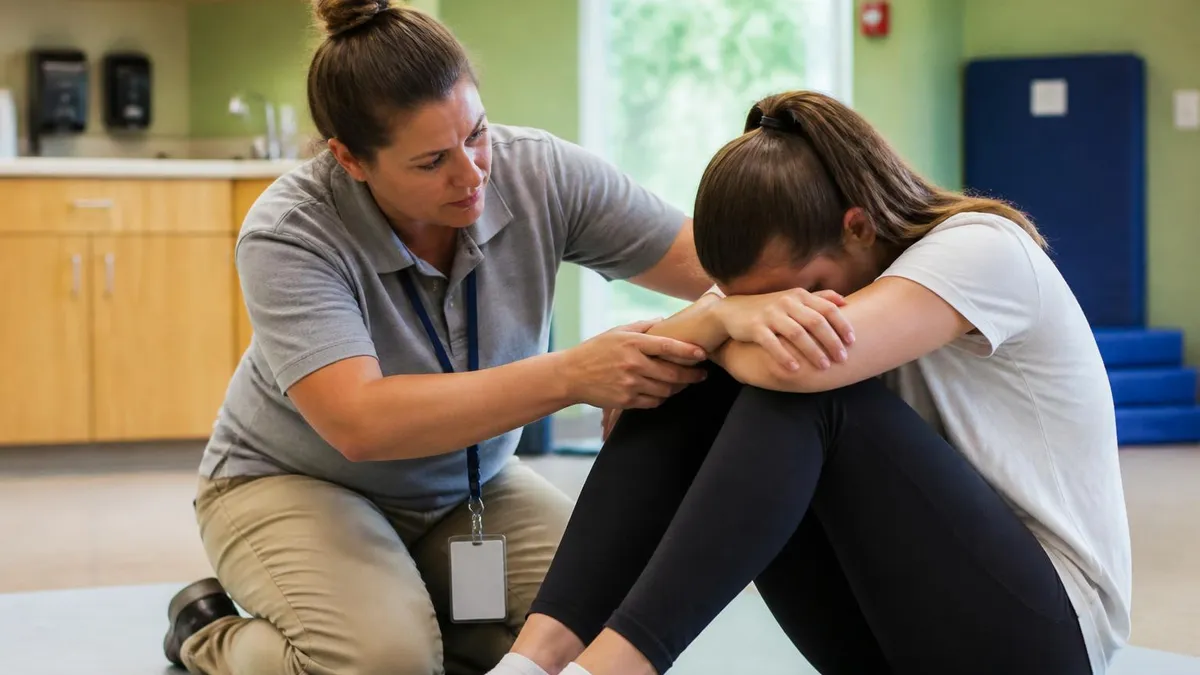
CPI Training Online: Complete Guide to Crisis Prevention Certification Formats, Requirements, and Preparation in 2026
About the Author

Educational Psychologist & Academic Test Preparation Expert
Columbia University Teachers CollegeDr. Lisa Patel holds a Doctorate in Education from Columbia University Teachers College and has spent 17 years researching standardized test design and academic assessment. She has developed preparation programs for SAT, ACT, GRE, LSAT, UCAT, and numerous professional licensing exams, helping students of all backgrounds achieve their target scores.
Join the Discussion
Connect with other students preparing for this exam. Share tips, ask questions, and get advice from people who have been there.
View discussion (6 replies)