
CPI De-Escalation Techniques: Complete Guide to Crisis Prevention Intervention Skills
Master CPI deescalation techniques with our complete guide. Learn verbal, nonverbal, and crisis intervention skills. ✅ Includes tips & practice questions.

CPI deescalation is one of the most critical skill sets any healthcare, education, or human services professional can develop. The Crisis Prevention Institute (CPI) has spent decades refining a framework that helps trained staff recognize the early warning signs of escalating behavior and respond in ways that reduce tension rather than amplify it.
Whether you work in a hospital, school, residential facility, or correctional setting, understanding these techniques can make the difference between a situation resolving safely and one that spirals into a physical confrontation. This guide walks you through the core principles, stages, and strategies that form the backbone of CPI training.
At its heart, CPI deescalation is built on the philosophy that all behavior is a form of communication. When an individual begins to act out, they are often expressing an unmet need, overwhelming emotion, or a perceived threat to their safety and dignity. Trained staff who understand this principle are better positioned to respond with empathy and strategic calm rather than reactive authority.
The CPI model provides a structured lens for reading these behavioral signals early, allowing intervention before a situation reaches a dangerous peak. Learning to read these cues accurately is a foundational competency tested on the CPI certification exam.
The CPI Nonviolent Crisis Intervention training program organizes crisis behavior into a predictable progression known as the Crisis Development Model. This model identifies four stages — Anxiety, Defensiveness, Acting-Out Person, and Tension Reduction — each paired with a specific staff response. Recognizing which stage an individual is in allows the professional to select the most appropriate and least restrictive intervention. Moving through the model too quickly or skipping stages often worsens the situation, so a thorough understanding of each phase is essential for effective crisis management in any environment.
Verbal de-escalation is the most frequently used tool in the CPI toolkit. It involves speaking in a calm, low-pitched, and measured tone, using open-ended questions to invite the person to express what they are experiencing, and validating feelings even when the behavior itself is not acceptable. Effective verbal de-escalation acknowledges the person's emotional state without reinforcing problematic behavior. Staff are trained to avoid arguing, threatening, or issuing ultimatums in the early stages of crisis because these approaches typically accelerate escalation rather than contain it. Every word and its delivery carries weight in these high-stakes interactions.
Nonverbal communication plays an equally significant role in CPI deescalation. Studies suggest that the majority of communication is transmitted through body language, facial expressions, and proxemics — the use of personal space. CPI-trained professionals learn to maintain a non-threatening posture, avoid crossing their arms defensively, and position themselves at an angle rather than directly facing the individual. Maintaining appropriate physical distance signals respect and reduces the person's sense of being trapped or cornered. These nonverbal signals work in concert with verbal approaches to create an environment where the individual feels safe enough to lower their guard.
Environmental factors are another dimension of crisis prevention that CPI training emphasizes. Overcrowded spaces, excessive noise, harsh lighting, and lack of privacy can all serve as triggers that push an already anxious person toward a more acute crisis state. Staff trained in cpi de-escalation techniques learn to assess and modify the environment when possible, removing potential weapons of opportunity, reducing stimulation, and creating conditions that support calming. This proactive environmental management is a key component of primary prevention — stopping crises before they start rather than simply managing them once they are underway.
Ultimately, CPI deescalation is not a single technique but an integrated approach that combines self-awareness, situational assessment, verbal skill, nonverbal competence, and environmental management. Professionals who master this approach find that they can handle the vast majority of crisis situations without resorting to physical intervention. This matters profoundly because every unnecessary physical intervention carries risks — injury to the individual, injury to staff, and trauma to witnesses. The goal of CPI training is always the safest possible outcome for everyone involved, and strong deescalation skills are the most reliable path to achieving that goal.
CPI De-Escalation by the Numbers

The Four Stages of the CPI Crisis Development Model
The individual displays a noticeable change in behavior — increased pacing, fidgeting, or a shift in voice tone. The recommended staff response is supportive: approach empathetically, offer assistance, and acknowledge the person's feelings without being dismissive or confrontational.
The person begins to rationalize their behavior, argue, and resist direction. Staff should shift to a directive approach — setting clear, firm limits while maintaining a calm demeanor. The goal is to channel the individual toward acceptable behavior without triggering further escalation.
The individual has lost rational control and may pose an immediate risk to themselves or others. At this stage, staff must prioritize safety and may need to implement nonviolent physical crisis intervention if verbal strategies are insufficient. Team coordination is essential.
The individual begins to calm down and regain rational thinking. Staff should shift back to a supportive, therapeutic approach — facilitating communication, offering comfort, and beginning the post-crisis debriefing process to prevent recurrence and restore the therapeutic relationship.
Verbal de-escalation is widely regarded as the most powerful tool available to crisis intervention professionals, and CPI training dedicates significant time to developing this competency. The ability to speak calmly and purposefully in the middle of a chaotic situation is not a natural talent — it is a skill built through practice, repetition, and deliberate self-regulation. CPI-trained staff learn that their own emotional state is the single most influential variable in any crisis interaction. If you are anxious, your voice will betray that anxiety, and the person in crisis will sense it, which can accelerate rather than calm the situation.
One of the foundational verbal techniques taught in CPI training is the use of empathic statements — phrases that acknowledge the person's emotional experience without agreeing with problematic behavior. For example, saying 'I can see that you're really frustrated right now, and I want to help you work through this' validates the feeling of frustration while keeping the door open for a productive interaction. This approach differs significantly from dismissive responses like 'calm down' or 'there's nothing to be upset about,' which tend to invalidate the person's experience and deepen the sense of being misunderstood or disrespected.
Open-ended questions are another critical verbal tool. Rather than asking yes-or-no questions that can shut down dialogue, CPI-trained professionals ask questions that invite the person to elaborate: 'Can you tell me more about what's going on?' or 'What would help you feel better right now?' These questions accomplish two things simultaneously: they provide the professional with more information about the underlying need or trigger, and they give the person in crisis an opportunity to feel heard and respected. This sense of being heard is often the most powerful calming influence available in the moment.
Limit-setting is the verbal technique used when supportive approaches are insufficient and a more directive stance is needed. In the CPI model, effective limit-setting involves stating the desired behavior clearly, explaining the consequence of not choosing that behavior, and then giving the person time and space to make the choice.
The phrasing is important — limits should be presented as choices rather than threats, which preserves the individual's sense of autonomy. For instance, 'If you can come with me to the quiet room, we can talk privately and sort this out. If not, I'll need to call for additional support' offers two paths rather than issuing a command.
The COPING Model, sometimes referenced in advanced CPI content, provides a structured framework for verbal crisis intervention: Challenge, Options, Perspective, Information, Nurturance, and Give. Each element guides the professional through a stepwise process of engaging the person, exploring their perspective, providing information about available supports, offering nurturing responses, and gradually returning agency to the individual. This model is particularly useful in situations where the professional has time to work through a structured dialogue rather than needing to respond instantly to an acute behavioral episode.
Paralinguistic elements — the how of what you say rather than the what — deserve special attention. Volume, pace, pitch, and silence are all powerful communicative tools. Speaking quietly often draws an agitated person in, as they need to focus attention to hear you, which naturally reduces their own arousal level.
Slowing your speech pace also models the kind of calm you are trying to invoke in the other person. Strategic silence, used after asking a question or making an empathic statement, gives the person time to process and respond without feeling pressured, which is critical for individuals who may be cognitively overwhelmed by emotional arousal.
Documentation after a verbal de-escalation attempt is an often-overlooked but important professional responsibility. CPI-trained staff are expected to record what verbal techniques were used, how the person responded, and what follow-up actions were taken. This documentation creates an institutional record that can inform future interventions, identify recurring triggers, and demonstrate that the least restrictive approach was tried before any physical intervention. Strong documentation also protects staff legally and professionally in the event that a situation is later reviewed by supervisors, licensing boards, or legal counsel.
Core CPI De-Escalation Strategies in Practice
Nonverbal signals account for a substantial portion of the message you communicate during a crisis interaction. CPI training teaches professionals to use an open stance — feet shoulder-width apart, hands visible and relaxed — that conveys calm authority without aggression. Positioning yourself at a 45-degree angle rather than directly facing the individual reduces the confrontational dynamic and gives both parties a psychological escape route, lowering the likelihood of defensive escalation.
Eye contact is particularly nuanced in crisis situations. Sustained, intense eye contact can feel threatening or challenging to a person who is already heightened, while avoiding eye contact entirely may signal discomfort or fear. CPI-trained staff practice making soft, intermittent eye contact — enough to convey attentiveness and respect, but not so sustained that it reads as a dominance challenge. Combined with a relaxed facial expression and a measured pace of movement, nonverbal communication becomes a powerful de-escalation tool in its own right.

Pros and Cons of CPI De-Escalation Training
- +Significantly reduces the frequency and severity of physical restraint incidents in care settings
- +Improves staff confidence and competence when responding to escalating behavior
- +Provides a shared organizational language and framework for crisis response teams
- +Lowers risk of injury to both clients and staff by prioritizing verbal intervention
- +Supports regulatory compliance and accreditation requirements in healthcare and education
- +Builds stronger therapeutic relationships by responding to crises with empathy rather than authority
- −Initial training requires a significant time commitment — typically a full day or more away from duties
- −Skills can atrophy without regular practice, reinforcement, and refresher training
- −Not every situation can be resolved verbally, and training does not guarantee safe outcomes
- −Certification must be renewed every two years, requiring ongoing organizational investment
- −Effectiveness depends heavily on the quality of the instructor and the organization's commitment to the model
- −Some staff members may struggle to apply techniques under extreme stress without extensive practice
CPI De-Escalation Certification Preparation Checklist
- ✓Study the four stages of the Crisis Development Model and their corresponding staff responses
- ✓Practice identifying the difference between anxiety-level and defensive-level behaviors
- ✓Memorize the key verbal de-escalation techniques: empathic listening, open-ended questioning, and limit-setting
- ✓Review the principles of nonverbal communication and how body language affects crisis interactions
- ✓Understand when to use a supportive approach versus a directive approach in crisis situations
- ✓Learn the steps of post-crisis debriefing and why Tension Reduction is a critical intervention opportunity
- ✓Study the COPING Model and how it structures a therapeutic verbal intervention sequence
- ✓Practice written documentation skills for recording crisis incidents accurately and professionally
- ✓Review environmental management strategies and how to reduce stimulation during escalating situations
- ✓Complete at least one full-length CPI practice test under timed conditions before your certification exam
The Least Restrictive Intervention Is Always the Goal
CPI training consistently emphasizes that the least restrictive intervention that achieves safety is always the preferred response. Physical intervention is a last resort, not a default — and exam questions frequently test whether candidates understand this hierarchy. When in doubt, always choose the verbal de-escalation option first.
Even experienced professionals make predictable mistakes when under the pressure of a live crisis situation, and CPI training devotes meaningful attention to helping staff recognize and correct these patterns. One of the most common errors is responding to a person's escalating behavior with a mirrored escalation in the staff member's own affect — raising their voice, moving faster, or tightening their posture in ways that signal alarm or confrontation. This phenomenon, sometimes called counter-transference in clinical settings, is a natural human response but one that consistently makes crisis situations worse rather than better.
Another common mistake is focusing exclusively on controlling the person's behavior rather than addressing the underlying emotional need driving that behavior. If an individual is escalating because they feel ignored, dismissed, or frightened, issuing commands and setting limits without first acknowledging those feelings is unlikely to produce the desired result. The CPI model explicitly teaches that behavior is communication — and that the most effective intervention addresses the message rather than just the messenger. Professionals who skip the empathic acknowledgment step in favor of quick limit-setting often find that the situation accelerates rather than resolves.
Power struggles are another significant pitfall. When a staff member becomes invested in 'winning' a confrontation with a person in crisis, the interaction shifts from therapeutic to adversarial, and the person in crisis often becomes more entrenched in their position. CPI training teaches professionals to let go of the need to be right or to have the last word, recognizing that the goal is always resolution and safety rather than dominance. This requires a kind of professional humility that can be difficult to maintain in the heat of the moment, especially when behavior feels personally challenging or disrespectful.
Overpromising is a subtler but equally damaging mistake. In an effort to calm someone quickly, staff members sometimes make commitments they cannot keep — promising specific outcomes, agreeing to policy exceptions, or guaranteeing results that are outside their authority. When those promises cannot be fulfilled, trust is broken and the likelihood of future de-escalation success decreases significantly. CPI training emphasizes honesty and transparency even when the truth is not what the person wants to hear, because sustainable trust is built on reliability rather than momentary appeasement.
Responding to a crisis in isolation — without calling for backup or involving the broader care team — is another preventable error that CPI training addresses directly. While it might seem that involving additional staff will escalate the situation, in most cases a well-coordinated team response is actually less threatening than a solo standoff. The CPI model teaches teams to approach crisis response collaboratively, with clear role assignments that prevent confusion and ensure that someone is always attending to the individual's emotional needs while others manage logistics and safety.
Timing errors are also frequent. Staff sometimes rush through the early stages of de-escalation because the behavior feels urgent and they want to resolve it quickly. But moving too fast — issuing limits before empathy, or attempting problem-solving before the person has calmed sufficiently — typically backfires. CPI training emphasizes matching your pace to the person's actual level of escalation rather than to your own anxiety about the situation. Patience is not passivity; it is a strategic tool that allows the intervention to unfold at the pace the person in crisis actually needs.
Finally, neglecting post-crisis debriefing is a mistake with long-term consequences for both the individual and the staff team. The Tension Reduction phase of the Crisis Development Model is not just a conclusion — it is a therapeutic opportunity. When professionals take the time to debrief thoughtfully with the person after a crisis event, they build understanding of the triggers involved, strengthen the relationship, and lay the groundwork for prevention. Teams that consistently skip debriefing often find themselves managing the same crises repeatedly because the underlying issues are never addressed.

CPI exam questions frequently present scenarios where physical intervention might seem tempting but is not the correct answer. Always select the verbal de-escalation option unless the scenario explicitly describes an imminent, unavoidable threat to safety. Choosing physical intervention before exhausting verbal approaches is a common test-taking mistake that costs candidates points.
Translating CPI deescalation skills from a training room into a real-world professional environment is where many practitioners encounter their greatest challenges. The controlled conditions of a CPI training workshop — where everyone knows the scenario is a simulation and the facilitator can pause the action — bear limited resemblance to an actual crisis unfolding in a school hallway, hospital unit, or residential facility. Bridging this gap requires not just individual practice but organizational commitment to building a culture of prevention and continuous skill development.
Workplace culture plays an enormous role in determining whether CPI skills are actually applied consistently. In settings where the implicit norm is to respond to behavioral escalation with authority and control, individual employees who try to use empathic de-escalation approaches may feel undermined or unsupported by peers and supervisors. Organizations that successfully embed CPI principles invest in creating an environment where verbal de-escalation is modeled by leadership, reinforced through supervision and feedback, and celebrated when it succeeds — not just tolerated as an alternative to 'real' crisis management.
Individualization is another critical dimension of real-world application. CPI training provides a framework, but effective crisis intervention requires adapting that framework to the specific person, situation, and context. A de-escalation approach that works beautifully with one individual may be completely ineffective with another. Professionals who develop deep knowledge of the people they serve — their triggers, their communication preferences, their history, and their individual early warning signs — are far better positioned to intervene effectively than those who rely on generic techniques without personalized context.
The role of the Behavior Support Plan (BSP) or Individual Crisis Plan (ICP) is directly relevant here. Many of the individuals served in healthcare, educational, and residential settings have documented plans that outline their specific triggers, preferred de-escalation strategies, and crisis response protocols. CPI-trained professionals are expected to be familiar with these plans and to incorporate their guidance into real-time crisis response. Failure to follow a documented BSP or ICP not only reduces the likelihood of a successful intervention — it can also create legal and ethical liability for the professional and the organization.
Technology is increasingly being integrated into CPI de-escalation practice, particularly in the area of data collection and analysis. Organizations that track crisis incidents systematically can identify patterns — times of day when incidents cluster, specific environments that generate higher rates of escalation, and individual patterns that predict when someone is approaching a crisis state. This data-driven approach to prevention allows teams to intervene proactively rather than reactively, addressing environmental or scheduling factors that contribute to crisis cycles before they produce acute behavioral episodes.
Interprofessional collaboration is another dimension of effective real-world CPI application. De-escalation does not happen in a vacuum — it occurs within a broader care system that includes clinical staff, administrators, family members, and community partners. Professionals who communicate clearly with their colleagues about crisis incidents, share information about emerging behavioral patterns, and participate actively in treatment team meetings are better able to contribute to a coherent, coordinated approach to crisis prevention. CPI training increasingly emphasizes these systemic dimensions alongside individual technique mastery.
For professionals preparing for the CPI certification exam, understanding how these real-world application principles translate into test questions is essential. The exam frequently presents complex scenario-based questions that require candidates to weigh multiple factors — the stage of escalation, the environment, the individual's history, the available resources — and select the most appropriate intervention from among several plausible options. Candidates who have internalized not just the techniques but the underlying values and reasoning of the CPI model are the most likely to navigate these nuanced questions successfully and earn their certification.
Preparing for the CPI certification exam requires more than memorizing definitions — it demands a deep understanding of how the model's principles interact with real-world crisis scenarios. The most effective study strategies combine content review with active application: reading about the Crisis Development Model stages is necessary, but practicing how to identify them in scenario descriptions is what builds the exam-ready skill. Many candidates find that working through practice questions in groups allows them to discuss their reasoning and expose gaps in their understanding that solo study might miss.
Time management during the exam is a skill in its own right. CPI exams typically include scenario-based questions that require careful reading before answering. Candidates who rush through the question stem often miss key details — a phrase like 'the individual is now quiet and tearful' signals Tension Reduction and calls for a completely different response than 'the individual is pacing and refusing directives,' which signals Defensiveness. Training yourself to read carefully and identify the stage before selecting an answer is one of the highest-yield exam preparation habits you can develop.
Flashcards remain a highly effective memorization tool for CPI content, particularly for the Crisis Development Model stages and their corresponding staff responses, the key principles of verbal de-escalation, and the components of the post-crisis debriefing process. Digital flashcard tools allow you to review these concepts in short sessions throughout your day — during a commute, on a break, or before bed — which research consistently shows produces better long-term retention than marathon study sessions crammed into the days immediately before the exam.
Practice tests are arguably the single most valuable study tool for CPI certification preparation. They expose you to the specific format and phrasing of exam questions, help you identify topics where your knowledge is weaker than you realized, and build the kind of exam-day confidence that comes from having successfully answered hundreds of similar questions. Our platform offers multiple full-length CPI practice tests organized by topic area, allowing you to focus your preparation on the domains where you most need improvement while also practicing integrated, full-exam sessions.
Understanding the rationale behind the correct answers to practice questions is just as important as knowing which answer is correct. CPI exam questions are designed to test clinical reasoning, not just factual recall, which means that two answer choices may seem plausible but one is more aligned with the CPI model's core values. When you review practice test results, take time to read the explanation for every question — especially the ones you answered correctly, because confirming the right reasoning is as valuable as correcting the wrong one.
Self-care during exam preparation is often overlooked but genuinely matters. CPI content deals with distressing topics — behavioral crises, physical intervention, and trauma — and candidates who work in high-demand settings may find that studying this material after a long shift is particularly taxing. Building regular recovery time into your study schedule, maintaining sleep and exercise habits, and seeking peer support when the material feels heavy are all strategies that support not just your exam performance but your long-term professional resilience in a demanding field.
On exam day, approach each question by first identifying the stage of crisis described, then selecting the staff response that matches that stage. If you are unsure, remember that the CPI model always prioritizes the least restrictive, most person-centered option available. Physical intervention is always a last resort; empathy and verbal techniques are always the first response. These two principles will guide you through the vast majority of scenario-based questions and give you a reliable framework for navigating even the most complex items on the exam.
CPI Questions and Answers

What Does a Directive Approach Mean in CPI: Complete Training Guide to Stage 3 Crisis Intervention

CPI Precipitating Factors: Complete Guide to Understanding Crisis Triggers in Crisis Prevention Intervention
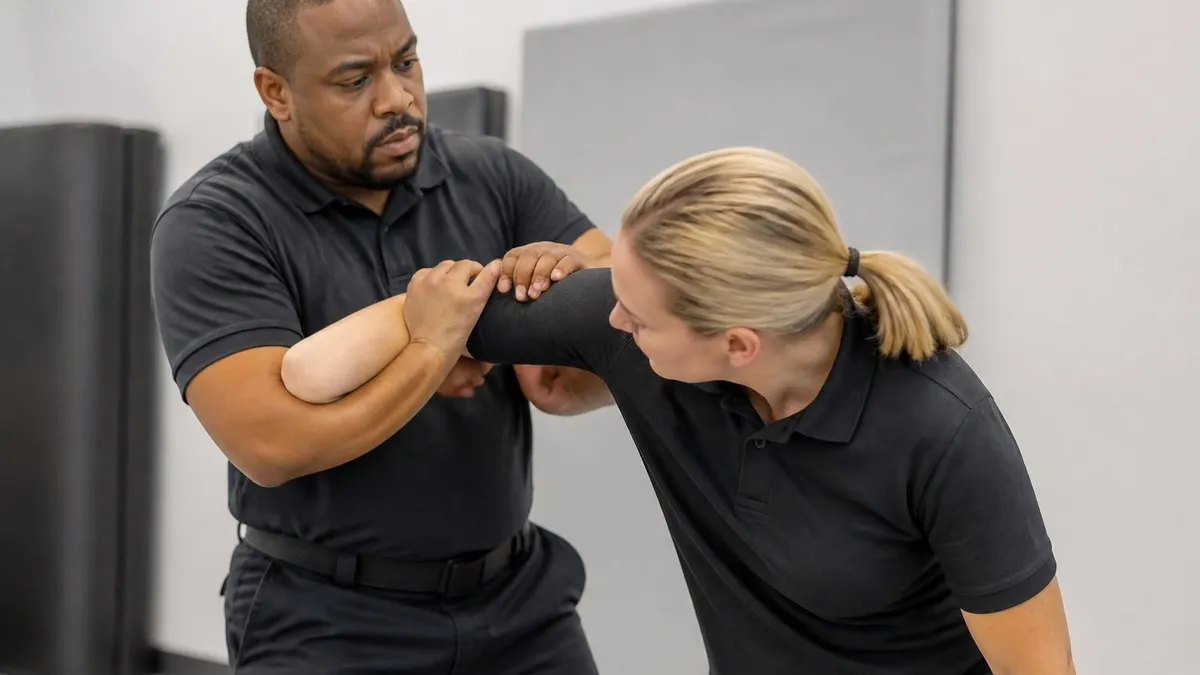
CPI Decision Making Matrix: Complete Guide to Crisis Risk Assessment and Staff Response
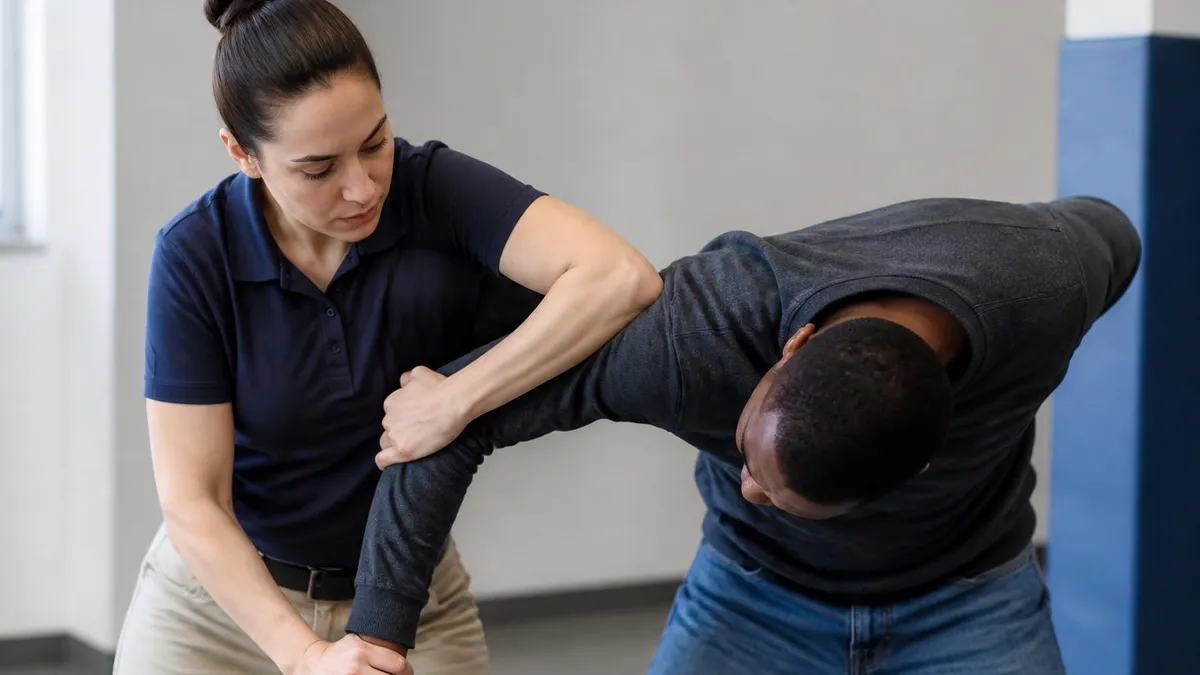
CPI Training Certification: Complete Guide to Crisis Prevention Intervention Credentialing

CPI Training Holds: Complete Guide to Physical Intervention Techniques and Safety Protocols
About the Author

Educational Psychologist & Academic Test Preparation Expert
Columbia University Teachers CollegeDr. Lisa Patel holds a Doctorate in Education from Columbia University Teachers College and has spent 17 years researching standardized test design and academic assessment. She has developed preparation programs for SAT, ACT, GRE, LSAT, UCAT, and numerous professional licensing exams, helping students of all backgrounds achieve their target scores.
Join the Discussion
Connect with other students preparing for this exam. Share tips, ask questions, and get advice from people who have been there.
View discussion (8 replies)