
CPI Training Certification: Complete Guide to Crisis Prevention Intervention Credentialing
✏️ CPI training certification guide covering requirements, costs, exam format, renewal timelines, and proven prep strategies for healthcare and
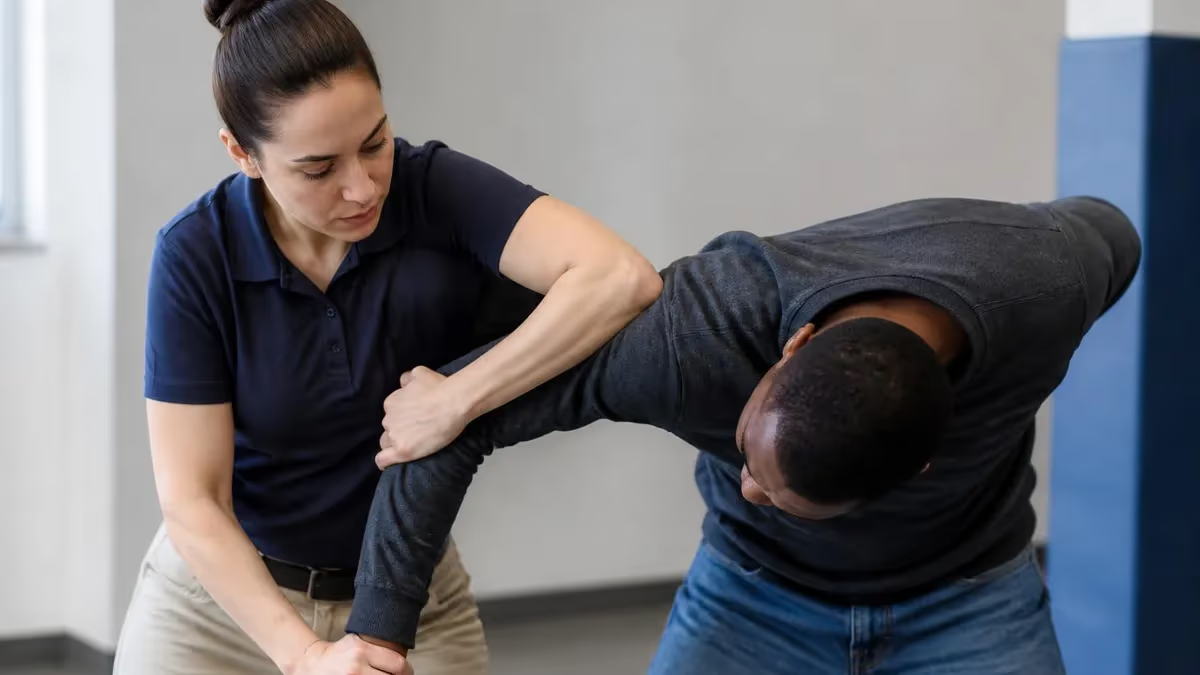
CPI training certification has become one of the most widely recognized credentials for professionals who work in environments where behavioral escalation, crisis events, and physical risk are everyday possibilities. Developed by the Crisis Prevention Institute, this program teaches verbal de-escalation, risk assessment, post-crisis recovery, and safe physical interventions when absolutely necessary. Hospitals, schools, behavioral health agencies, residential treatment centers, and even law enforcement training divisions rely on it as a baseline expectation for direct-care staff. Practice with the free Crisis Prevention Intervention Certification practice test on PracticeTestGeeks (7 questions with answer explanations).
If you are pursuing your first certificate or preparing to renew, the path can feel surprisingly nuanced. The CPI program is not a single test you sit for at a testing center. It is a blended training cycle that combines instructor-led classroom hours, e-learning modules, scenario practice, physical skills demonstration, and a written knowledge check. Most employers cover the tuition because the certification reduces workplace injury claims and improves regulatory compliance during Joint Commission and CMS surveys.
For 2026, CPI has continued refining its Nonviolent Crisis Intervention® curriculum and the newer Verbal Intervention™ track. The training emphasizes trauma-informed care, de-escalation language, and the Decision-Making Matrix that helps staff weigh the risk of behavior against the risk of intervention. You can preview foundational concepts using our complete guide to crisis prevention intervention certification before committing to a full course schedule.
This guide walks through everything you need to know: which program tier matches your job role, how long initial certification takes, what the renewal cycle looks like, typical costs, the structure of the knowledge assessment, and the most reliable study strategies. We will also unpack what employers actually look for when they hire or promote certified staff, and how to translate the credential into real-world competence rather than a wall plaque.
One important framing point before we dive in: CPI certification is not a license. It is a professional development credential issued by the Crisis Prevention Institute and recognized across the United States. That distinction matters because licensure carries legal authority, while certification documents that you completed a standardized curriculum and demonstrated specific competencies on a given date. Your employer determines how that credential maps to your job duties.
Whether you are a new psychiatric technician, a special education paraprofessional, a school resource officer, or a long-tenured charge nurse refreshing your skills, you can complete the certification cycle in a single week if scheduling allows. The harder part is keeping the skills sharp between renewals, which is why the back half of this guide focuses on retention strategies, peer practice routines, and how to use practice questions to stay test-ready year round.
By the end, you will have a clear map of what to expect, what to study, what to pay, and how to use the credential to advance your career in healthcare, education, human services, or public safety. Let's start with the numbers behind the program and the populations most affected by it.
- CPI's Nonviolent Crisis Intervention 3rd Edition Instructor Certification program requires completion of its program components and an exam passing score of 80%. (Crisis Prevention Institute)
- CPI Instructor Certification is valid for two years from the original certification date. (Crisis Prevention Institute)
- CPI Certified Instructors must attend renewal training every two years to maintain certification. (Crisis Prevention Institute)
- The CPI Nonviolent Crisis Intervention 3rd Edition Instructor Certification final exam is completed online. (Crisis Prevention Institute)
- Organizations select CPI Instructor Certification candidates with CPI based on communication skills, teaching ability, and commitment to the training philosophy. (Crisis Prevention Institute)
Facts verified Oct 18, 2026 against Crisis Prevention Institute. Dates that have passed are removed automatically.
CPI Exam at a Glance
| Item | Detail | Official source |
|---|---|---|
| Passing score (Nonviolent Crisis Intervention Instructor Certification, 3rd Edition) | 80%, plus completion of program components | Crisis Prevention Institute |
| Validity (CPI Instructor Certification) | 2 years from original certification | Crisis Prevention Institute |
| Renewal (CPI Instructor Certification) | Renewal training every 2 years | Crisis Prevention Institute |
| Delivery (Nonviolent Crisis Intervention Instructor Certification, 3rd Edition) | Online final exam | Crisis Prevention Institute |
| Eligibility (CPI Instructor Certification) | Organization-selected candidates with communication and teaching skills | Crisis Prevention Institute |
Facts verified Oct 18, 2026 against Crisis Prevention Institute. Dates that have passed are removed automatically.
Free Crisis Prevention Intervention Certification Study Tools
Interactive Crisis Prevention Intervention Certification resources on PracticeTestGeeks, free to start:
- Crisis Prevention Intervention Certification flashcards — review key terms and concepts card by card
- Crisis Prevention Intervention Certification study guide — topic-by-topic overview of what the exam covers
- Crisis Prevention Intervention Certification cheat sheet — one-page printable summary for last-minute review
CPI Training Certification by the Numbers
Certification Pathways and Program Tiers
An 8-hour program designed for staff whose roles rarely require physical intervention. Focuses entirely on de-escalation language, environmental awareness, and trauma-informed communication. Common for outpatient clinics, classroom teachers, and front-desk staff.
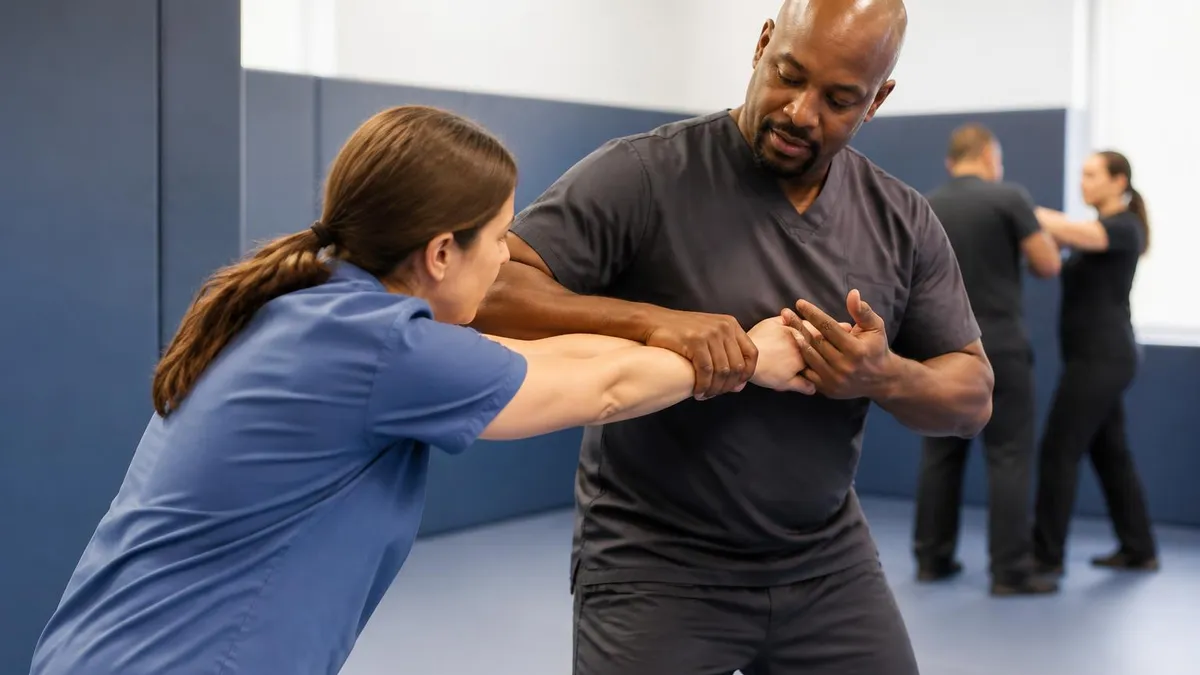
A 12-hour blended course covering verbal de-escalation plus disengagement skills. Designed for direct-care staff who may need to break free from grabs or holds but do not perform restraints. Common in outpatient behavioral health.
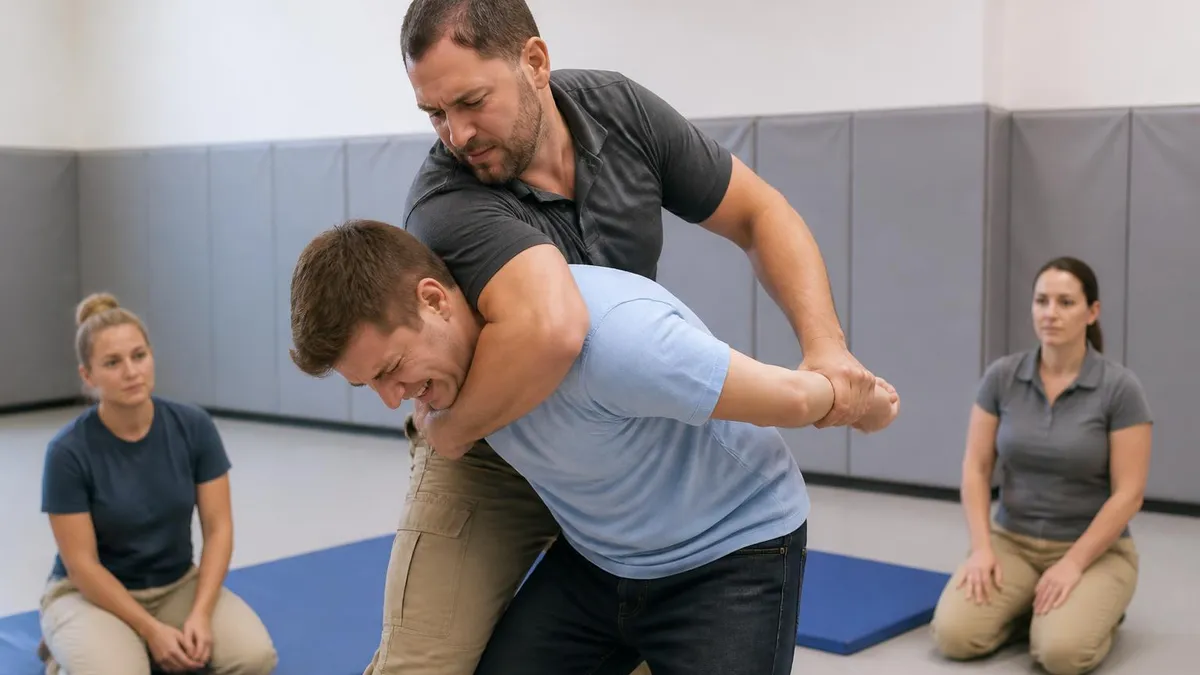
A 16-hour program for inpatient psychiatric, residential, and emergency department staff. Includes holding skills, team interventions, and the Decision-Making Matrix. Requires successful demonstration of every physical technique under instructor observation.
A 4-day train-the-trainer program for staff who will teach CPI inside their organization. Candidates must already hold current participant-level certification and pass instructor-specific evaluations on teaching, coaching, and safety.
CPI also offers Autism Spectrum Disorder, Dementia Capable Care, and Trauma-Informed Care supplements. These shorter modules layer onto a base certification to address population-specific de-escalation considerations.
Understanding who actually needs CPI training certification helps you choose the correct tier and avoid overpaying for skills your role will never use. The Crisis Prevention Institute designed multiple program levels precisely because the de-escalation needs of an outpatient counselor differ enormously from those of an inpatient psychiatric tech. Selecting the right tier is the single biggest decision you will make before enrolling, and it deserves more attention than most candidates give it.
Healthcare is the largest single market for the credential. Registered nurses, certified nursing assistants, behavioral health technicians, emergency department staff, and patient safety attendants are nearly always required to hold at least the Nonviolent Crisis Intervention Foundation tier. Hospitals tie this requirement to Joint Commission standards on workplace violence prevention and to CMS Conditions of Participation around restraint and seclusion documentation. Without current certification, many systems will not allow staff to work in psychiatric units, EDs, or specialty pediatric floors.
Education is the second largest market. Special education teachers, paraprofessionals, school psychologists, behavior interventionists, and resource officers commonly carry the credential. State education agencies in California, Illinois, New York, Texas, and Florida have all issued guidance recommending or requiring CPI or equivalent training for staff who work with students whose Individualized Education Programs include behavior intervention plans. School-based requirements often emphasize the Verbal Intervention tier with selective physical add-ons.
Human services agencies, build care providers, juvenile justice programs, group homes, and developmental disability service providers also rely heavily on CPI. These settings often serve clients with complex trauma histories, and funders such as state Medicaid agencies frequently require documented de-escalation training as a condition of contract renewal. Staff who work overnight shifts or one-on-one with high-acuity clients almost always carry the NCI Advanced credential.
Public safety roles increasingly adopt CPI as well, particularly for crisis intervention teams, school resource officers, and corrections officers assigned to mental health units. While many law enforcement agencies use their own crisis intervention training, CPI is often layered on top because it offers a more clinical framework and aligns more cleanly with the documentation language used by partnering hospitals.
If you are uncertain whether your role requires the credential, ask your supervisor for the job description, your facility's policy on workplace violence prevention, and any accreditation or licensure standards that govern your unit. You can also review our explanation of what CPI training actually is to understand how the program structures its competency expectations across roles.
One important caveat: CPI is not the only de-escalation framework in the country. Handle With Care, PMAB, Mandt, Safety-Care, and Ukeru are alternatives that some facilities adopt instead. If you change employers, do not assume your CPI card transfers automatically — every new employer has the right to require their own framework. That said, CPI is by far the most portable credential and the easiest to maintain if you move between states or sectors.
CPI Practice Test Questions
Prepare for the CPI - Crisis Prevention Intervention Certification exam with our free practice test modules. Each quiz covers key topics to help you pass on your first try.
CPI Anatomy & Kinesiology
CPI Exam Questions covering Anatomy & Kinesiology. Master CPI Test concepts for certification prep.
CPI Behavioral Risk Assessment & Interven...
Free CPI Practice Test featuring Behavioral Risk Assessment & Intervention. Improve your CPI Exam score with mock test prep.
CPI Client Assessment & Programming
CPI Mock Exam on Client Assessment & Programming. CPI Study Guide questions to pass on your first try.
CPI Post-Crisis Debriefing & Recovery
CPI Test Prep for CPI Post-Crisis Debriefing & Recovery. Practice CPI Quiz questions and boost your score.
CPI Post-Incident Debriefing & Documentation
CPI Questions and Answers on CPI Post-Incident Debriefing & Documentation. Free CPI practice for exam readiness.
CPI Trauma-Informed Care & Mental Health A...
CPI Mock Test covering CPI Trauma-Informed Care & Mental Health Awareness. Online CPI Test practice with instant feedback.
CPI Trauma-Informed Care Principles
Free CPI Quiz on CPI Trauma-Informed Care Principles. CPI Exam prep questions with detailed explanations.
CPI De-escalation Techniques & Conflict Re...
CPI Practice Questions for De-escalation Techniques & Conflict Resolution. Build confidence for your CPI certification exam.
CPI Ethical & Legal Compliance
CPI Test Online for Ethical & Legal Compliance. Free practice with instant results and feedback.
CPI Exercise Modifications & Progressions
CPI Study Material on Exercise Modifications & Progressions. Prepare effectively with real exam-style questions.
CPI Group Instruction & Class Design
Free CPI Test covering Group Instruction & Class Design. Practice and track your CPI exam readiness.
CPI Injury Prevention & Rehabilitation
CPI Exam Questions covering Injury Prevention & Rehabilitation. Master CPI Test concepts for certification prep.
CPI Motivational Techniques
Free CPI Practice Test featuring Motivational Techniques. Improve your CPI Exam score with mock test prep.
CPI Nutrition & Lifestyle Guidance
CPI Mock Exam on Nutrition & Lifestyle Guidance. CPI Study Guide questions to pass on your first try.
CPI Training Certification Curriculum Breakdown
The verbal de-escalation module is the cornerstone of every CPI training certification track, regardless of tier. Candidates learn the four behavior levels — anxiety, defensive, risk, and tension reduction — and the matching staff approaches for each stage. The curriculum emphasizes paraverbal communication, including tone, volume, and cadence, and explains how staff body language can either escalate or settle a distressed person within seconds.
You will practice supportive stance, active listening through paraphrasing and reflective questioning, and limit-setting language that is firm without being confrontational. Instructors use role-play scenarios drawn from real workplace incidents, then debrief each demonstration with the group. This is the module most heavily tested on the written knowledge check, and the one most likely to be used during an actual shift, so candidates should plan to invest extra study time here.
Is CPI Training Certification Worth Pursuing?
- +Widely recognized across healthcare, education, and human services nationwide
- +Reduces workplace injury rates by 30-50% in published case studies
- +Often paid for entirely by employers as a condition of hire
- +Provides concrete documentation language that protects staff legally
- +Translates directly to improved patient and student outcomes
- +Offers a clear career ladder including instructor-level certification
- +Renewal cycle is short enough to keep skills genuinely current
- −Not a license — does not confer independent legal authority
- −Recertification every 1-2 years requires ongoing time commitment
- −Physical skills can be uncomfortable for staff with mobility limitations
- −Different employers may use different frameworks, requiring retraining
- −Initial tuition can be steep when paid individually without employer support
- −Skills decay quickly without ongoing practice between renewals
- −Some critics argue physical components should be replaced with non-touch alternatives
Pros and Cons at a Glance
| Pros | Cons |
|---|---|
| Widely recognized across healthcare, education, and human services nationwide | Not a license — does not confer independent legal authority |
| Often paid for entirely by employers as a condition of hire | Physical skills can be uncomfortable for staff with mobility limitations |
| Provides concrete documentation language that protects staff legally | Different employers may use different frameworks, requiring retraining |
| Translates directly to improved patient and student outcomes | Initial tuition can be steep when paid individually without employer support |
| Offers a clear career ladder including instructor-level certification | Skills decay quickly without ongoing practice between renewals |
| Renewal cycle is short enough to keep skills genuinely current | Some critics argue physical components should be replaced with non-touch alternatives |
Pre-Class Preparation Checklist for CPI Training Certification
- ✓Confirm with your employer or training coordinator which CPI tier matches your job role
- ✓Block the full training window on your calendar including any e-learning hours
- ✓Complete the assigned pre-class e-learning modules at least 48 hours before class
- ✓Wear closed-toe shoes and loose, layered clothing suitable for physical practice
- ✓Bring a printed copy of your photo ID and any prior CPI completion cards
- ✓Review the four behavior levels and matching staff approaches before day one
- ✓Disclose any injuries, pregnancy, or mobility limitations to the instructor privately
- ✓Bring a water bottle and snacks because most full-day classes only allow short breaks
- ✓Practice the supportive stance and paraverbal techniques with a partner in advance
- ✓Set up your account on the CPI learner portal to access digital materials promptly
Your physical skills check is pass-coach-retest, not pass-fail.
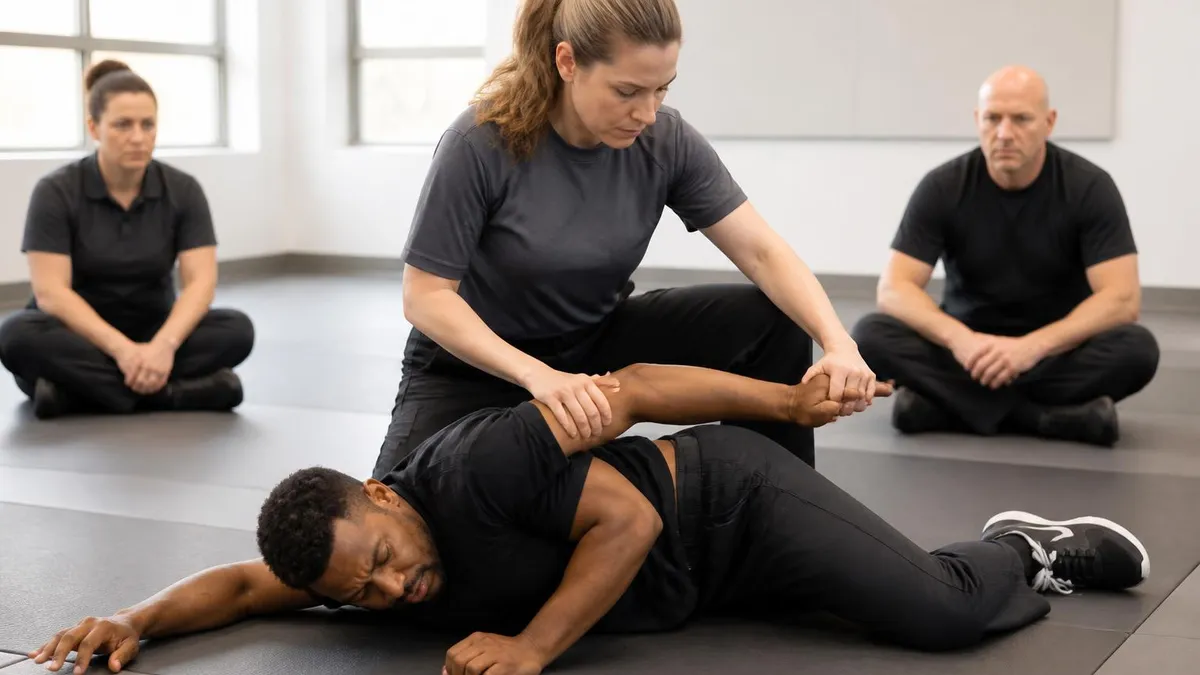
Many first-time candidates panic about the physical skills evaluation. In reality, CPI instructors are trained to coach you until you demonstrate the technique safely. You will not be sent home for struggling on a hold — you will be partnered with the instructor, walked through the movement, and given another attempt. Almost everyone who attends earnestly leaves certified.
The renewal cycle for CPI training certification is one of the most misunderstood parts of the credential. Unlike continuing education for nursing licensure, where you accumulate hours over a multi-year cycle, CPI certification operates on a fixed expiration model. Your certificate lists a precise issue date, and your credential is considered current for a defined period — typically one year for Advanced Physical Skills tiers and two years for Verbal Intervention. Employers can require shorter cycles based on policy.
When your expiration date approaches, you do not start from zero. CPI offers refresher courses that compress the original curriculum into a 4-8 hour block. The refresher reviews the four behavior levels, the Decision-Making Matrix, disengagement skills, and any holding techniques included in your original tier. You must still demonstrate physical competence during the refresher, and you still complete a written knowledge check. The shortened format reflects the assumption that returning candidates retain core content.
If your certification lapses, the rules tighten quickly. Most employers and instructors require you to retake the full initial course rather than the refresher if your card has been expired for more than 30 to 60 days. Lapsing also creates a documentation gap that some accreditation surveyors will flag during inspections, particularly in inpatient psychiatric settings. The simplest rule is to schedule your refresher 60 days before your expiration date and never let the gap appear.
Continuing education between renewals is where the strongest CPI-credentialed staff distinguish themselves. The Crisis Prevention Institute publishes a monthly journal, hosts webinars on topics like autism-specific de-escalation and dementia care, and maintains a strong archive of case studies. Reading even one article per week dramatically increases retention. Some larger employers fund attendance at CPI's annual Instructor Conference, which combines classroom updates with peer networking.
Peer practice is the single most effective retention strategy and the most underused. A 20-minute monthly huddle in which two staff members rehearse supportive stance, paraverbal cues, and one disengagement skill keeps muscle memory sharp without burning much shift time. Charge nurses, lead teachers, and clinical supervisors who build this into their standing meetings see measurably fewer incidents in their units. Document the huddles in your in-service log so accreditation surveyors can see the ongoing commitment.
Documentation of your renewal is as important as the renewal itself. Keep digital copies of every CPI card, scan them into your HR file, and store a personal backup outside your employer's system. If you move between employers or relocate states, your prior card is the fastest proof of training history and may qualify you for an abbreviated retraining at the new site. Without that documentation, you start at the full course tier.
Finally, treat the renewal date as a milestone for evaluating your tier. Staff who have moved into roles with more clinical acuity should upgrade from Verbal Intervention to NCI Foundation or Advanced. Staff who have moved into administrative roles can downgrade and save tuition. The credential is meant to track your actual job duties, not become a static checkbox that drifts further from your daily work each year.
If your CPI training certification expires by more than 30 days, most employers will require you to retake the full initial course rather than the refresher. This adds 4-8 hours of training time and can affect your eligibility to work specific units. Schedule your refresher at least 60 days before expiration to avoid this gap.
The career value of CPI training certification varies enormously depending on the sector you work in, and understanding those variations helps you negotiate fairly with current and prospective employers. In healthcare, the credential is rarely a salary differentiator on its own — it is treated as a baseline expectation for direct-care roles. What it does affect is unit assignment, eligibility for charge positions, and access to specialty floors like inpatient psychiatry, pediatric behavioral health, and emergency departments that operate behavioral health pods.
In education, the credential carries more visible weight. Special education paraprofessionals who hold current CPI certification are often given preference for one-on-one assignments with students whose behavior intervention plans require trained responders. Some districts pay a small stipend — often $500 to $2,000 annually — for staff who maintain the credential. Behavior interventionists who earn instructor-level certification can lead district-wide training and frequently see promotion into coordinator roles.
Human services agencies offer the clearest hiring lift. Group homes, residential treatment centers, and crisis stabilization units regularly post job ads that list CPI or equivalent as a requirement. Candidates who walk in already certified can often start at a higher step on the agency pay scale and skip the 30-60 day training period that uncertified hires must complete before working independent shifts. This shortens your time to full compensation by weeks.
Career mobility is another underrated benefit. Because CPI is recognized across all 50 states and across multiple sectors, staff who hold the credential can pivot between healthcare and education, or between adult and pediatric settings, without restarting their training history. Nurses moving from acute care to school nursing, or teachers moving into hospital-based education programs, frequently cite portable CPI certification as the credential that made the transition possible.
For staff who want to specialize, the instructor-level credential opens significant earning potential. Internal CPI instructors who teach 4-6 cohorts per year often earn an instructor differential of $3-8 per hour for teaching shifts. Independent contractors who run their own training businesses can charge $300-600 per participant for full courses, with healthy margins after CPI's franchise fees and material costs. For more on advancing within the credential, review our cpi certification test.
The credential also intersects meaningfully with leadership development. Charge nurses, clinical supervisors, and assistant principals who can confidently lead a crisis response carry a credibility their uncertified peers cannot match. When a code is called, the staff who know exactly how to position themselves, when to call for backup, and how to document afterward become the people promoted into formal leadership tracks.
One honest caveat: do not expect CPI alone to land you a job in a competitive market. Recruiters value it, but they value it in combination with other clinical credentials, education degrees, or experience records. Pair the certification with continuing education in trauma-informed care, autism-specific interventions, or motivational interviewing to build a meaningfully differentiated profile that hiring managers actively seek out.
Final preparation for your CPI training certification class should look very different from how you studied for college finals. This is a competency-based credential, not a memorization exercise, and the candidates who pass most comfortably are those who arrive having internalized a handful of frameworks rather than crammed every page of the workbook. Spend your final week building familiarity with the four behavior levels, the Decision-Making Matrix, and the COPING model used for debriefing.
Practice the supportive stance physically, not just mentally. Stand at an angle to a partner, one leg back, hands open and visible, eye contact soft. Hold the position for 60 seconds and notice where your body wants to drift. Most new candidates collapse into a square stance under stress, which is exactly the position the curriculum trains you to avoid. Building muscle memory for the correct stance is far more useful than rereading the chapter on it.
Use practice questions strategically. Two to three sets of 20 questions in the week before class, done out loud with a study partner, will surface gaps better than silent reading. Focus on the rationale for each answer rather than the answer itself — the written knowledge check is rationale-driven and rewards candidates who can explain why a given response matches a given behavior level. Our linked quizzes are calibrated to mirror the CPI workbook structure.
On class day, arrive 15 minutes early, hydrated, fed, and dressed in layers. Physical practice generates more body heat than most candidates expect, and you will be uncomfortable if you wear heavy fabrics. Bring a water bottle, snacks for breaks, and a pen for note-taking. Leave your phone in your bag — instructors notice candidates who check screens during demonstrations, and engagement during the demo predicts performance on the skills check that follows.
During the physical skills check, breathe. The single most common mistake is rushing through a technique because of nerves. Instructors evaluate safety and form, not speed. Take an extra two seconds to position your feet, confirm your grip, and signal your partner before executing. If you forget a step, ask the instructor to demonstrate again. Asking is treated as professionalism, not as failure.
After the written knowledge check, do not leave the building until you have confirmed exactly when and how your certification card will be delivered. Most CPI instructors use the digital learner portal, and your card appears within 5-10 business days. Confirm that your employer's training coordinator has been copied on the completion record. A surprising number of certification gaps trace back to communication failures, not training failures.
Finally, schedule your first peer practice session within two weeks of completing the course. Retention drops sharply between weeks 3 and 6 for any motor skill, and the simplest insurance against decay is a brief, structured reinforcement session with a colleague. Block 20 minutes on your shared calendar, rotate through supportive stance, paraverbal practice, and one disengagement skill, and you will hold the certification far more confidently than peers who never revisit the material.
Sample Crisis Prevention Intervention Certification Practice Questions
Try these questions from our free Crisis Prevention Intervention Certification practice tests. The correct answer and an explanation follow each question.
What is the importance of staying current with trends in Injury Prevention & Rehabilitation for Crisis Prevention Intervention Certification?
- A. It is not necessary once certified
- B. It ensures practices remain effective and relevant
- C. It is only required for new professionals
- D. Trends do not affect professional practice
Answer: B. It ensures practices remain effective and relevant
Staying current with industry trends ensures that professional practices remain effective, relevant, and aligned with evolving standards.
CPI's Nonviolent Crisis Intervention training places physical intervention at which level of the crisis development model?
- A. Anxiety
- B. Defensive
- C. Acting-Out Person / Crisis
- D. Tension Reduction
Answer: C. Acting-Out Person / Crisis
Physical intervention is only considered at the 'Acting-Out Person' (crisis) stage when there is imminent risk of harm to self or others.
What is the role of documentation in Injury Prevention & Rehabilitation for Crisis Prevention Intervention Certification?
- A. It is unnecessary paperwork
- B. It provides an accurate record for accountability and reference
- C. It should only be done monthly
- D. It is only for management review
Answer: B. It provides an accurate record for accountability and reference
Proper documentation in Injury Prevention & Rehabilitation ensures accountability, traceability, and serves as a reference for future decisions.
Which approach best supports quality outcomes in Injury Prevention & Rehabilitation for Crisis Prevention Intervention Certification?
- A. Rushing through tasks
- B. Systematic application of evidence-based methods
- C. Relying solely on intuition
- D. Avoiding quality checks
Answer: B. Systematic application of evidence-based methods
Evidence-based methods provide a reliable foundation for achieving consistent, high-quality outcomes.
Take the full Crisis Prevention Intervention Certification practice test
CPI Questions and Answers
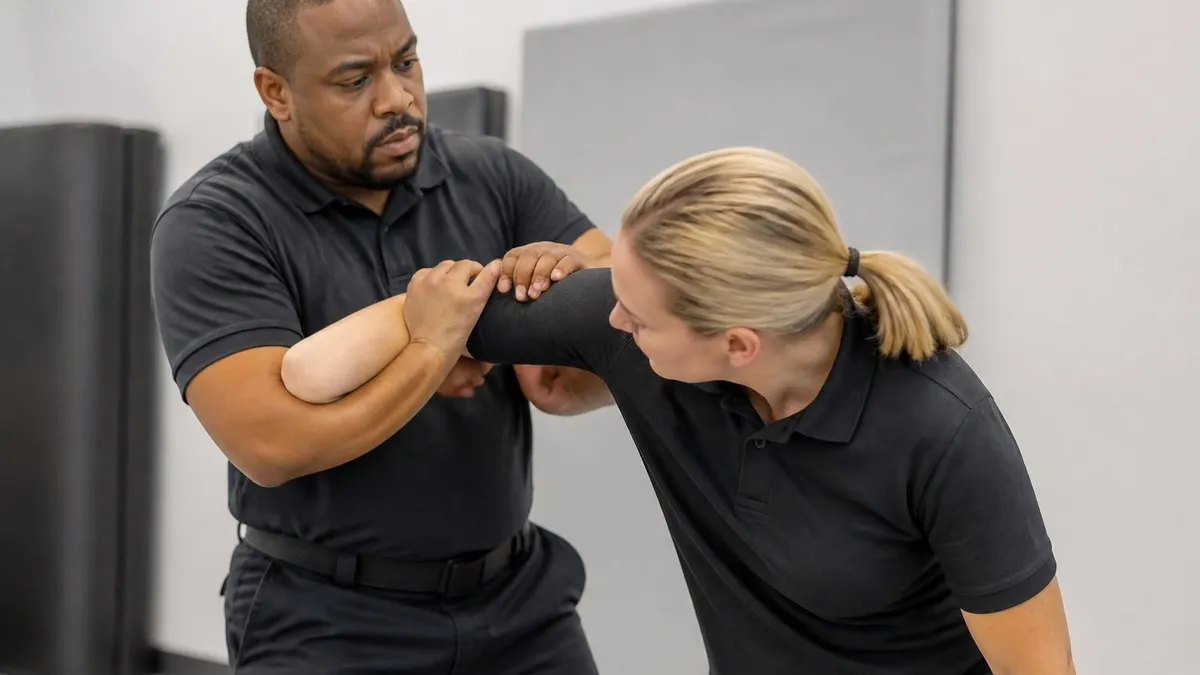
CPI Decision Making Matrix: Complete Guide to Crisis Risk Assessment and Staff Response
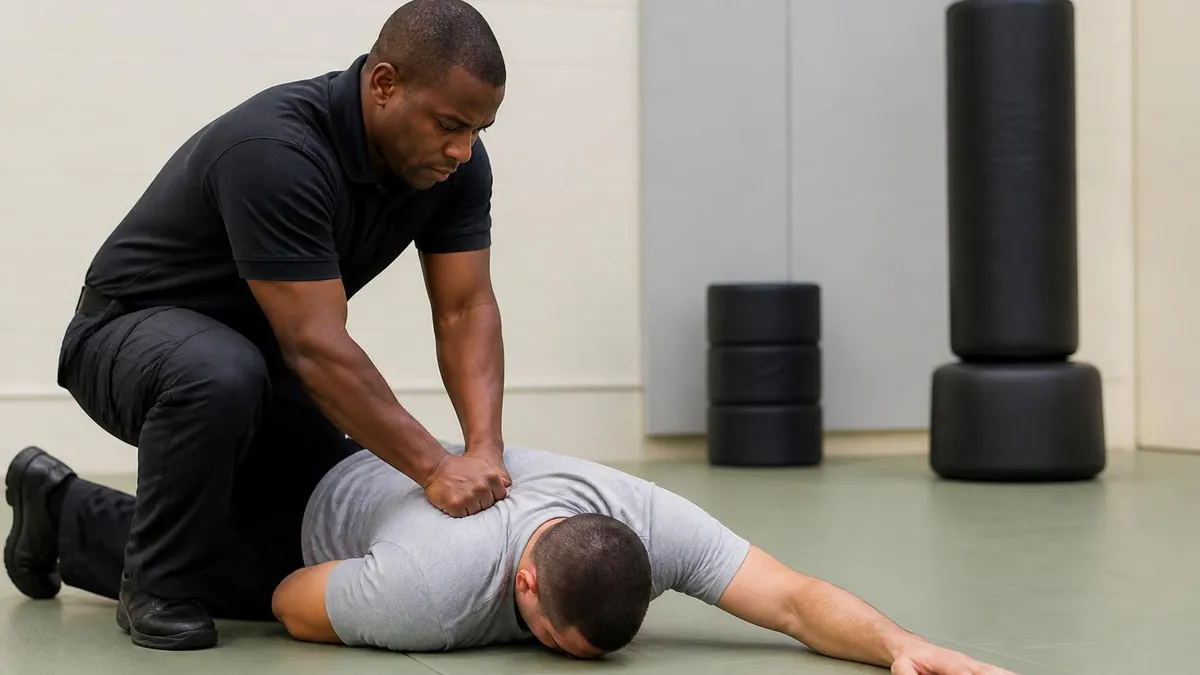
CPI Nonviolent Crisis Intervention Training: Complete Certification Study Guide

How to Ace Your CPI Certification: Top Tips for Crisis Prevention Intervention
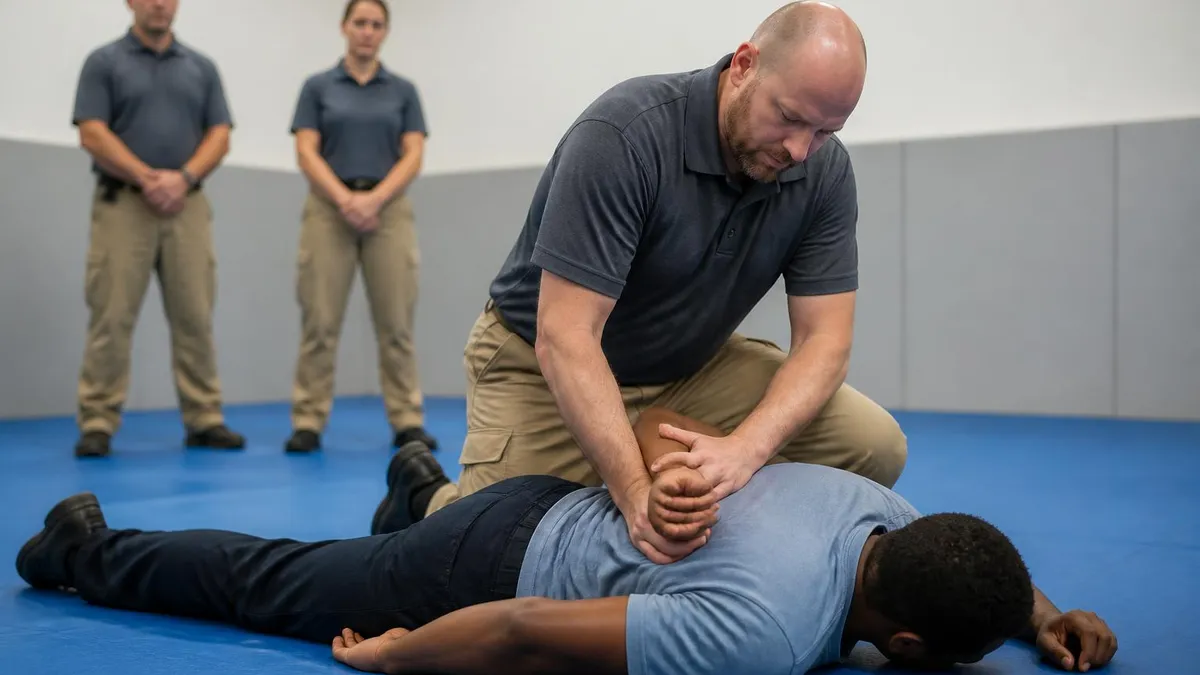
CPI Training: Complete Guide to Crisis Prevention Intervention Certification
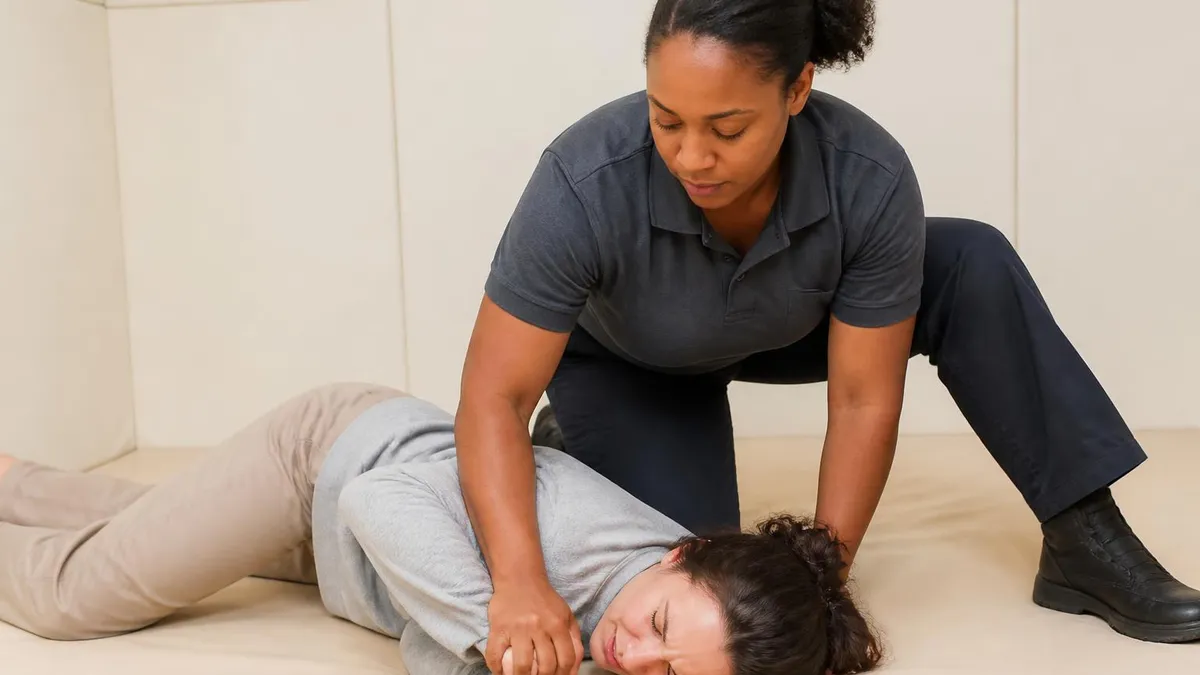
What Is CPI Training?
How this page was made: written with AI tools and published by Nathan Beja, founder of Practice Test Geeks, who is responsible for its content. Exam facts are checked against the official sources listed below. Not reviewed by a subject-matter expert. Editorial policy
Sources & references
Exam facts on this page (fees, format, dates, passing scores) are checked against these official sources; the date is our last check. Editorial policy
- crisisprevention.com — Eligibility, renewal, score validity · verified Oct 2026