
Rational Detachment CPI: Complete Training Guide to Staying Calm Under Pressure
Master rational detachment CPI techniques. Learn how to stay calm, set boundaries, and de-escalate crises effectively with this complete training guide. ✍🏼

Rational detachment CPI is one of the most foundational concepts taught in Crisis Prevention Institute training programs, and mastering it can mean the difference between escalating a volatile situation and resolving it safely. At its core, rational detachment is the professional skill of staying calm, objective, and in control of your own emotions even when a person in crisis is directing frustration, anger, or verbal aggression directly at you.
Rather than reacting personally to provocative behavior, a trained staff member learns to separate their personal feelings from the professional demands of the moment and respond with deliberate, thoughtful care. Understanding cpi rational detachment in relation to broader crisis response frameworks helps clinicians and direct-care staff deploy it with greater consistency and confidence.
When a student, patient, or client is in crisis, their behavior is driven by fear, pain, frustration, or an unmet need — not a genuine personal attack on the staff member in front of them. A person experiencing acute distress may shout, curse, make personal accusations, or behave in ways that feel deeply threatening.
Staff who lack rational detachment training often respond instinctively, matching the emotional intensity of the person in crisis, which can rapidly accelerate the situation toward a physical incident. CPI training teaches participants to recognize this dynamic and choose a different path: the path of professional composure and empathetic engagement rather than reactive self-defense.
The concept draws heavily from cognitive-behavioral principles. CPI frameworks teach that our thoughts drive our emotions, and our emotions drive our behaviors. When a staff member interprets a person's aggressive outburst as a personal insult, they experience a surge of emotion — anger, hurt, defensiveness — that clouds judgment and narrows behavioral options. Rational detachment interrupts this chain. By reminding themselves that the behavior is a symptom of distress rather than a deliberate personal attack, staff members can stay regulated and choose responses that are therapeutic rather than retaliatory or defensive.
Practicing rational detachment does not mean being cold, robotic, or unfeeling. One of the most common misconceptions about this CPI concept is that it requires staff to suppress all emotion or pretend they are unaffected. In reality, rational detachment means maintaining emotional awareness while preventing those emotions from hijacking professional judgment. A staff member can acknowledge internally that a situation is difficult, stressful, or upsetting, while still choosing behaviors that prioritize the safety and dignity of the person in crisis. Authentic compassion and professional composure can and must coexist in effective crisis intervention work.
CPI training programs introduce rational detachment early in the curriculum because it underpins every other skill taught in the course. Without a regulated nervous system, staff cannot accurately assess risk using the behavioral escalation model, cannot deliver verbal de-escalation techniques with the right tone and pacing, and cannot make sound judgments about when and how to use restrictive interventions. The ability to think clearly under stress is not a personality trait reserved for a select few — it is a trainable skill that improves with practice, self-reflection, and organizational support structures like post-incident debriefing.
Organizations that invest in CPI training report significant reductions in workplace violence incidents, staff injuries, and the use of restraints. Rational detachment is a central mechanism behind these outcomes. When entire teams are trained to respond to crisis with calm professionalism rather than reactive emotion, the culture of a unit or facility shifts in measurable ways. Staff model regulated behavior for each other. Supervisors support team members after difficult incidents rather than assigning blame. Clients and patients benefit from a therapeutic environment where their moments of greatest vulnerability are met with patience and skill rather than punitive control.
This guide covers everything you need to know about rational detachment in the context of CPI training — from the theoretical foundations and practical techniques, to the common challenges staff face in applying it, and the organizational conditions that either support or undermine this critical skill. Whether you are preparing for your initial CPI certification or looking to deepen your understanding before a recertification, this resource will help you approach rational detachment with the rigor and nuance it deserves.
Rational Detachment CPI by the Numbers

Core Principles of Rational Detachment in CPI Training
Aggressive or disruptive behavior in a crisis is driven by an unmet need or emotional overwhelm. Staff are trained to ask 'what is this person communicating?' rather than reacting to the surface behavior as a personal attack.
CPI training draws on cognitive principles: how staff interpret a situation determines how they feel about it. Reframing provocative behavior as distress rather than malice helps staff stay regulated and make better professional decisions under pressure.
Rational detachment requires choosing a professional response over an instinctive emotional one. This does not mean suppressing feelings but rather using self-awareness to prevent personal emotions from dictating actions in high-stakes care environments.
CPI emphasizes that staff cannot maintain rational detachment without attending to their own wellness. Regular debriefing, peer support, and resilience-building practices are essential components of sustaining this skill across an entire career.
Rational detachment is not emotional distance. Effective crisis intervention requires genuine empathy delivered with a calm, regulated nervous system. CPI trains staff to feel with clients while thinking clearly enough to guide the situation toward safety.
Understanding how rational detachment actually works in a live crisis situation requires a closer look at the neurological and psychological mechanisms involved. When staff encounter a person who is shouting, threatening, or behaving erratically, the brain's threat-detection system — the amygdala — fires rapidly and triggers the fight-or-flight response. Heart rate increases, thinking narrows, and the prefrontal cortex, responsible for rational judgment and empathy, begins to go offline. This is the moment where untrained staff are most likely to mirror the escalation, raise their voices, adopt defensive postures, or issue ultimatums that make the situation worse rather than better.
CPI training targets this neurological moment directly. Participants learn to recognize their own physiological arousal signals — tension in the shoulders, a quickened pulse, a clenched jaw — as an early warning that their rational detachment is under strain. These physical cues become triggers for deliberately activating calming techniques: controlled breathing, conscious muscle relaxation, and internal reframing. The practice of noticing and labeling one's own emotional state before it peaks is known in the field as emotional self-regulation, and it is the cornerstone of effective rational detachment in high-pressure environments.
CPI's COPING Model provides staff with a structured framework for maintaining this regulated state throughout a crisis interaction. The model emphasizes Clarifying the situation, Offering choices, Pausing to assess, Identifying needs, Normalizing the person's experience, and Generating options. Each step of this model requires the staff member to remain cognitively flexible and emotionally grounded — capacities that are only available when rational detachment is intact. Staff who skip directly to reactive interventions bypass the most effective de-escalation window and often create the very confrontations they were trying to prevent.
Tone of voice, body language, and proxemics — the management of physical distance — are all mediated by the staff member's level of rational detachment. A regulated staff member naturally adopts a lower, calmer vocal tone that communicates safety rather than threat. They maintain a non-confrontational stance with open body language and give the person in crisis adequate personal space rather than crowding them.
These non-verbal signals are processed by the distressed person's nervous system faster than any words and can begin to lower the temperature of an interaction before a single de-escalating sentence is spoken. When staff lose rational detachment, their non-verbal communication betrays their internal state regardless of what they say aloud.
One of the most powerful applications of rational detachment involves responding therapeutically to verbal aggression. Being on the receiving end of personal insults, threats, or derogatory language is one of the most challenging aspects of crisis care work, and it is precisely in these moments that rational detachment is most critical and most difficult to sustain.
CPI trains staff to acknowledge the person's emotional intensity without validating the aggressive behavior, using empathic statements that reflect understanding of the underlying distress: 'I can see you're really upset right now' rather than 'You can't talk to me that way.' This technique, known as empathic listening, requires the staff member to stay focused on the person's need rather than their own discomfort.
Rational detachment also shapes how staff respond to staff-to-staff dynamics during a crisis. In a multi-person response, team members must coordinate efficiently and without visible conflict, because disorganized or tense staff behavior amplifies the distress of the person in crisis.
CPI trains lead responders to take a clear, calm role and for supporting staff to follow their cues, modulating their own arousal to match the regulatory tone set by the lead. This inter-staff coordination depends entirely on each team member's individual capacity for rational detachment, which is why CPI organizations benefit most when entire units receive consistent training together rather than in isolated cohorts.
Post-incident reflection is an underappreciated component of developing rational detachment over time. After a challenging interaction, staff who debrief honestly — examining what triggered them, how they responded, and what they might do differently — build the self-knowledge that makes future rational detachment more accessible. CPI's PDMR (Post-Incident Debriefing, Monitoring, and Reporting) process is designed to support this reflective practice at the organizational level, creating a culture in which learning from crisis is routine rather than exceptional and where staff feel supported rather than blamed after a difficult shift.
Rational Detachment Techniques in CPI Crisis Response
Verbal de-escalation is the primary tool enabled by rational detachment, and CPI training dedicates significant time to its specific techniques. Staff learn to use a calm, low, and steady voice; short, clear sentences; and open-ended questions that give the person in crisis a sense of agency. Reflective listening statements — paraphrasing what the person has said to demonstrate understanding — help lower emotional arousal by making the distressed person feel heard rather than dismissed or controlled.
Empathic validation is another core verbal technique: acknowledging the person's feelings as real and understandable without necessarily agreeing with their interpretation of events. Phrases such as 'It sounds like you're feeling really frustrated right now' communicate genuine concern and slow the escalation cycle. CPI emphasizes that the goal of verbal de-escalation is not to win an argument or assert authority but to help the person regain enough internal calm to engage in problem-solving, which requires the staff member to model the regulated state they are trying to invite in the person they are supporting.

Benefits and Challenges of Rational Detachment in CPI Practice
- +Reduces the risk of personal injury to staff by preventing reactive physical escalation
- +Improves therapeutic outcomes for clients and patients experiencing crisis episodes
- +Decreases reliance on restrictive interventions such as physical holds and seclusion
- +Builds staff confidence and professional resilience in high-stress care environments
- +Creates a culture of psychological safety that supports team cohesion and retention
- +Provides a consistent, evidence-aligned framework applicable across diverse care settings
- −Requires ongoing practice and organizational support to maintain under real-world stress
- −Can feel counterintuitive for staff with instinctive high-arousal threat responses
- −May be harder to sustain during high-frequency crisis shifts without adequate rest and debriefing
- −Some staff misinterpret rational detachment as emotional suppression, leading to burnout
- −Effectiveness depends on whole-team training — isolated training creates inconsistent responses
- −Personal trauma histories in staff can create additional triggers that require individualized support
Rational Detachment CPI Training Checklist for Direct-Care Staff
- ✓Attend the full initial CPI training program and complete all practical skills demonstrations.
- ✓Learn to identify your personal physiological arousal signals that indicate rational detachment is under strain.
- ✓Practice controlled breathing techniques until they become an automatic response to stress.
- ✓Study and apply the CPI behavioral escalation model to understand where each person is in their crisis cycle.
- ✓Role-play verbal de-escalation scenarios with a partner to build muscle memory for therapeutic language.
- ✓Review your organization's limit-setting protocols and practice delivering limits with calm, professional tone.
- ✓Participate in post-incident debriefs after every significant crisis interaction without exception.
- ✓Complete annual CPI recertification to refresh skills and incorporate updated evidence-based practices.
- ✓Discuss challenging interactions with your supervisor or peer support contact within 24 hours of occurrence.
- ✓Build a personal self-care plan that addresses sleep, exercise, and stress management outside of work.
The Research Is Clear: Regulated Staff Create Safer Environments
Facilities that implement comprehensive CPI training — with rational detachment at the center — report reductions in workplace violence incidents of up to 76%. When staff can stay calm under pressure, they interrupt the escalation cycle before it reaches a physical threshold. This outcome protects not only the person in crisis but also the staff members themselves, reducing injury rates and the long-term psychological toll of working in high-acuity care environments.
The most common challenge staff face in applying rational detachment is the deeply human experience of feeling personally attacked. When a patient shouts that you are incompetent, when a student calls you by an obscenity, or when a client threatens to harm you, the instinctive response is emotional — hurt, anger, fear.
CPI training does not deny that these responses are natural. Instead, it teaches staff to recognize the moment the instinct arises and to use that recognition as the trigger to consciously choose a professional response rather than an automatic one. This cognitive reappraisal skill is trainable and improves significantly with practice and reflective supervision.
Trauma history in staff is another factor that can make rational detachment harder to sustain in certain interactions. A staff member who has experienced interpersonal violence, chronic stress, or vicarious trauma may have a more reactive threat-detection system that fires faster and more intensely in crisis situations. Organizations have a responsibility to acknowledge this reality and provide trauma-informed supervision, employee assistance programs, and peer support networks that address the cumulative toll of crisis care work. CPI's framework explicitly recognizes the organizational responsibility to support staff wellness as a prerequisite for sustained rational detachment at the unit level.
Workload and fatigue are among the most underappreciated barriers to rational detachment in practice. Staff who are working overtime, covering multiple roles, or managing extremely high caseloads have reduced cognitive and emotional resources available for the kind of deliberate self-regulation that rational detachment requires. Sleep deprivation alone significantly impairs the prefrontal cortical function responsible for emotion regulation and judgment. CPI trainers increasingly emphasize to organizational leaders that investing in adequate staffing ratios, reasonable shift lengths, and mandatory post-incident recovery time is not a luxury but a clinical safety imperative that directly supports the effectiveness of CPI training investment.
New staff members often struggle most with rational detachment because they lack the accumulated clinical experience that helps seasoned professionals contextualize disruptive behavior within a person's broader history and diagnosis. A first-year psychiatric technician encountering verbal aggression from a patient may have fewer cognitive resources for reframing compared to a ten-year veteran who has seen the same pattern hundreds of times and has developed an almost automatic understanding that the behavior is a symptom rather than a personal attack.
Organizations can accelerate the development of rational detachment in new staff through mentorship programs, observed practice opportunities, and structured reflection with experienced colleagues following challenging interactions.
Cultural and linguistic factors also influence how rational detachment is experienced and expressed across diverse staff populations. In some cultural backgrounds, responding calmly to aggression may be interpreted by peers as weakness or indifference rather than professional skill. CPI trainers are increasingly attentive to these dynamics, framing rational detachment in ways that resonate across cultural frameworks — emphasizing that professional calm is a form of disciplined strength, not passivity, and that caring deeply about a person in crisis is entirely compatible with remaining composed in the face of their most distressing behavior.
Another underappreciated obstacle is organizational culture itself. In settings where leadership models reactive, punitive responses to behavioral crises — or where staff are criticized or disciplined for crisis incidents rather than supported through them — rational detachment is extremely difficult to sustain at the frontline level.
Research consistently shows that organizational climate is a stronger predictor of crisis intervention outcomes than individual staff training alone. CPI's Total Force model addresses this by training not just direct-care staff but also supervisors, administrators, and organizational leaders in the principles of rational detachment and trauma-informed crisis response, creating system-wide alignment rather than isolated pockets of skilled individuals.
Ultimately, the challenges to rational detachment are surmountable, but they require honest acknowledgment and proactive organizational response rather than a narrow focus on individual skill acquisition. Staff who struggle with rational detachment in specific situations are rarely failing — they are more often operating in systems that are not adequately supporting the human beings doing some of the most demanding care work in any profession.
CPI's framework offers a powerful set of tools for both individuals and organizations, and using those tools effectively means attending to the full context in which crisis intervention occurs, not just the moment of the crisis itself.

CPI certification is not a one-time credential — it requires annual recertification to remain valid. Staff who allow their certification to lapse may not be authorized to use CPI-trained interventions in their workplace, which can create significant liability and safety issues. Schedule your recertification in advance and confirm your organization's specific renewal timelines with your CPI Certified Instructor before your credentials expire.
Building a rational detachment culture at the organizational level requires far more than sending staff to a two-day CPI training and checking the box. It demands a sustained, systemic commitment to the values that underpin rational detachment: respect for the dignity of every person, belief in the therapeutic value of safe relationships, and recognition that staff wellbeing and patient or client wellbeing are inseparable. Organizations that have made the most durable progress in crisis prevention consistently share a set of structural characteristics that support rational detachment as a daily operational norm rather than an aspirational ideal.
Leadership behavior is the single most powerful driver of organizational culture. When supervisors and administrators model rational detachment in their own conduct — responding calmly to operational crises, engaging staff who make errors with curiosity rather than blame, and creating space for open dialogue about difficult incidents — they communicate that these values are real, not just rhetorical. Staff who see their managers demonstrating composed, thoughtful responses to stress develop greater trust that the organization has their back during a challenging interaction with a person in crisis, which in turn makes rational detachment easier to access in high-stakes moments.
Structured post-incident debriefing is one of the most evidence-supported mechanisms for building rational detachment capacity at scale. CPI's PDMR framework provides a non-punitive, learning-oriented approach to reviewing what happened, understanding what triggered the escalation, and identifying what staff and the organization can do differently to prevent recurrence. When debriefing is a routine expectation after every significant incident rather than a reactive investigation reserved for serious events, it normalizes reflective practice and accelerates the development of self-awareness and emotional regulation skills across the entire workforce.
Physical environment design is an often-overlooked contributor to rational detachment outcomes. Units that are overcrowded, understaffed, poorly lit, or lacking in sensory calming features create chronic low-level stress for both staff and the people in their care, depleting the regulatory resources available for rational detachment in acute crisis situations. CPI increasingly collaborates with facility designers and administrators to recommend trauma-informed environmental modifications — quiet spaces, reduced stimulation in waiting areas, clear sightlines that reduce perceived threat — that support the regulatory capacity of everyone in the environment, staff and clients alike.
Peer support networks are another structural component of a rational detachment culture. Formal and informal opportunities for staff to process difficult experiences with trusted colleagues reduce the isolating effects of crisis care work and provide access to co-regulation — the neurological process by which one regulated nervous system helps to calm another.
Organizations that invest in peer support programs, chaplaincy services, and Employee Assistance Program access report better staff retention, lower burnout rates, and higher self-reported confidence in crisis intervention skills. These outcomes reinforce each other: more stable, supported staff are better equipped for rational detachment, and better crisis outcomes reduce the cumulative toll on staff wellbeing.
Training frequency and quality are directly correlated with rational detachment outcomes. Organizations that provide CPI training as a one-time orientation event and never revisit the skills in supervision, team meetings, or simulation exercises will not see the same gains as those that weave CPI principles into everyday clinical conversation. Monthly scenario-based skill checks, brief team huddles that review recent crisis interactions through the lens of CPI principles, and integration of rational detachment concepts into performance review frameworks all signal to staff that these skills matter and are expected to develop over time rather than remain static after initial training.
Finally, measuring outcomes is essential for sustaining organizational commitment to rational detachment culture. Tracking rates of physical intervention, staff injury, patient or client complaints, and use of seclusion or restraint over time provides the data leadership needs to demonstrate the value of CPI investment and identify areas where additional support is needed. Organizations that treat this data as a quality improvement resource rather than a performance management tool create a culture in which honest reporting is valued and the pursuit of safer outcomes for everyone is a shared, ongoing organizational priority that extends well beyond the training room.
Preparing for your CPI certification exam requires more than memorizing definitions and frameworks — it requires internalizing the philosophical stance that rational detachment represents and being able to apply it across a range of realistic scenario-based questions. The CPI exam tests not just whether you know what rational detachment means but whether you understand when and how to apply it in the nuanced, complex situations that arise in real crisis care environments. Exam preparation should therefore blend content review with reflective practice and scenario analysis in roughly equal measure.
Start your preparation by reviewing the key theoretical concepts in the CPI curriculum: the behavioral escalation model with its stages of anxiety, defensiveness, acting out, and tension reduction; the COPING Model for de-escalation; the role of empathic listening and limit-setting; and the non-restrictive versus restrictive intervention continuum. Understand not just what each concept is but why it is sequenced and structured the way it is. Exam questions frequently test the reasoning behind CPI principles rather than rote recall of terminology, so a surface-level understanding will not be sufficient for strong performance.
Practice with scenario-based questions as much as possible. The CPI exam presents realistic vignettes describing staff-client interactions and asks you to identify the best intervention choice, the stage of escalation, or the appropriate de-escalation technique. When reviewing these scenarios, ask yourself: where is this person in the escalation cycle?
What is their primary unmet need? What response would best preserve their dignity while promoting safety? What would a staff member who has achieved full rational detachment do in this moment? Training yourself to think through scenarios using this CPI-aligned lens will significantly improve both your exam performance and your real-world crisis intervention effectiveness.
Review the common mistakes that CPI exam takers make. A frequent error is selecting responses that prioritize rule enforcement or staff authority over therapeutic engagement — answers that might feel intuitively correct from a discipline-oriented perspective but that contradict CPI's person-centered, safety-first philosophy. Another common error is confusing the stages of the escalation model or misidentifying the appropriate intervention for a given stage. For example, the Supportive Approach is appropriate during the anxiety phase but would be insufficient at the defensiveness or acting-out phase where more directive limit-setting is needed. Understanding these distinctions clearly is critical for exam success.
Use practice tests strategically. Rather than rushing through a large number of questions as quickly as possible, spend time after each practice session reviewing not only the questions you got wrong but also any correct answers you were uncertain about. The goal is to build confident, well-reasoned understanding of CPI principles rather than to accumulate correct answers through trial and error. Review the explanations for each answer choice carefully, and when you encounter a question related to rational detachment, ask yourself how the correct answer demonstrates or supports this core CPI skill.
Consider forming a study group with colleagues who are also preparing for CPI certification or recertification. Discussing scenario-based questions with peers exposes you to perspectives and reasoning patterns you might not encounter studying alone, and the process of explaining CPI concepts to others deepens your own understanding significantly. Role-playing verbal de-escalation scenarios within your study group also helps to build the behavioral fluency that both the exam and real-world practice require. The social dimension of study group preparation also provides a form of peer support that makes the preparation process more sustainable and less isolating.
In the days leading up to your exam, focus on rest and self-regulation rather than cramming. The cognitive skills required for exam performance — clear thinking, nuanced judgment, sustained attention — are the same skills that CPI trains for crisis intervention, and they all depend on an adequately rested nervous system.
Reviewing your notes lightly in the final 48 hours is reasonable, but prioritize sleep, physical activity, and the kind of self-care practices that CPI itself identifies as essential for sustained professional effectiveness. Arriving at the exam in a regulated state is itself a demonstration of the rational detachment principles you have been preparing to demonstrate.
CPI Questions and Answers
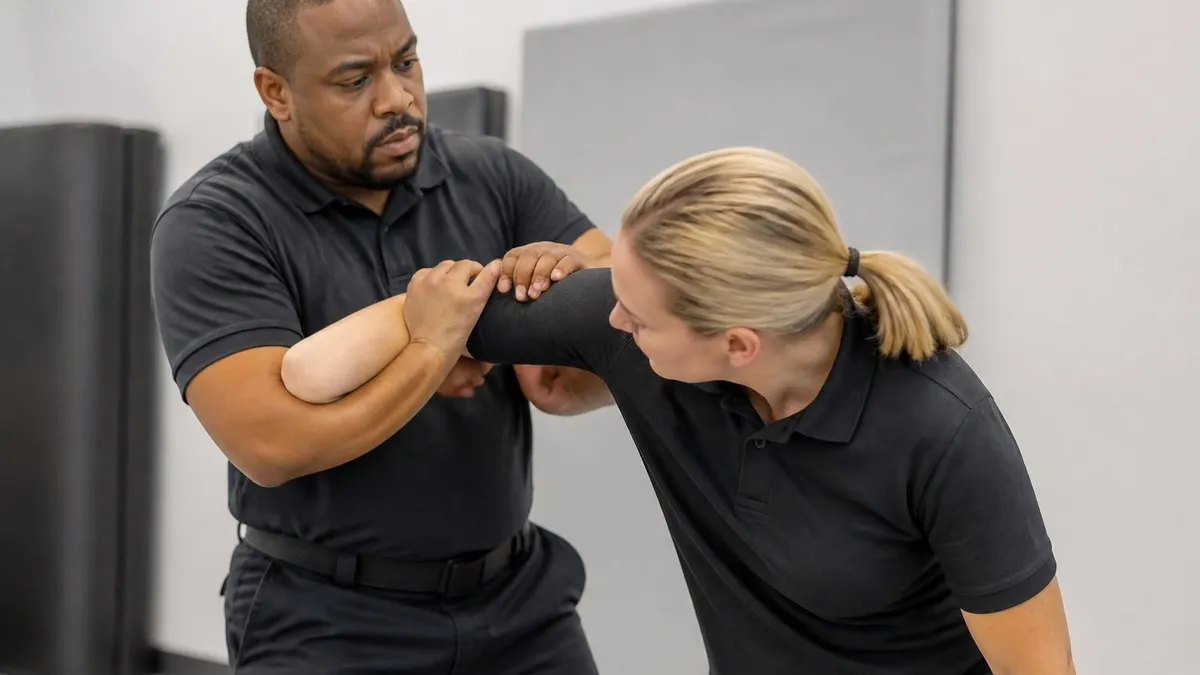
CPI Decision Making Matrix: Complete Guide to Crisis Risk Assessment and Staff Response
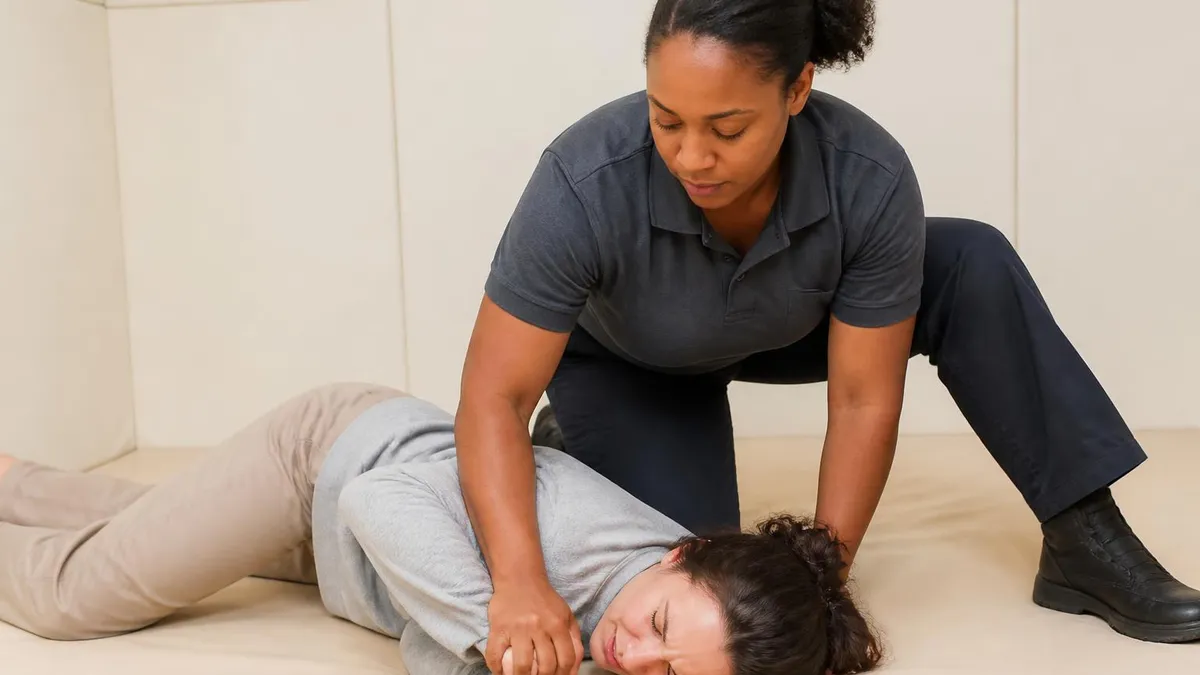
What Is CPI Training?
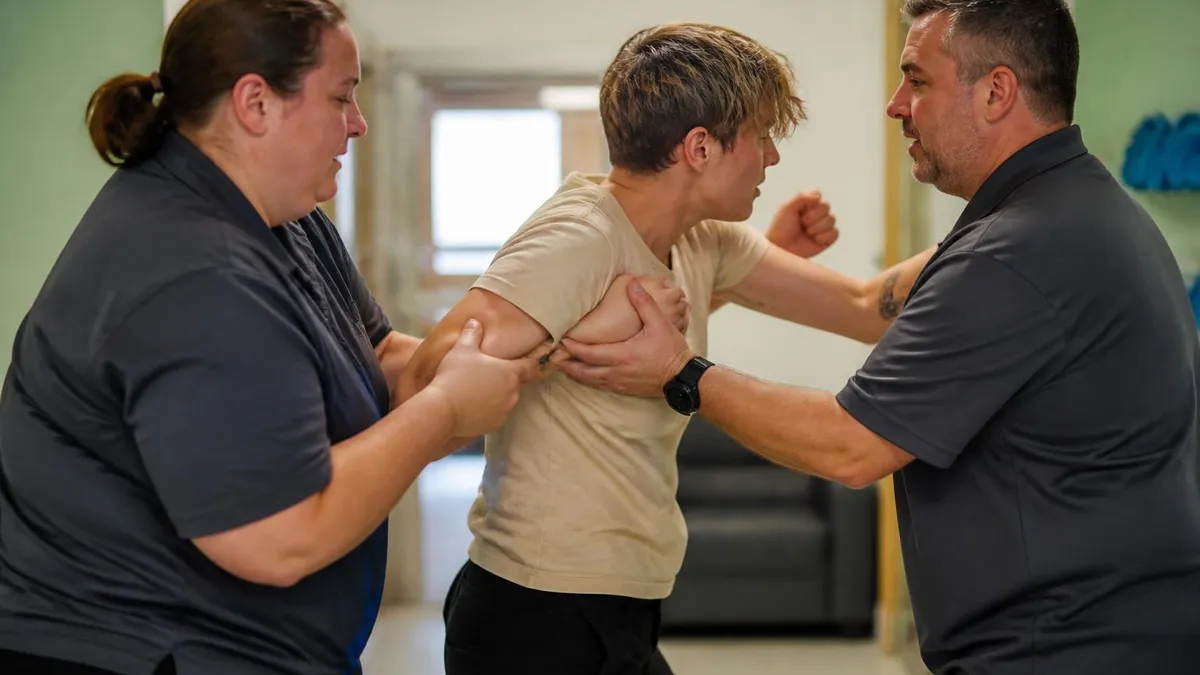
CPI Blue Card: Complete Training Guide, Requirements, and What to Expect
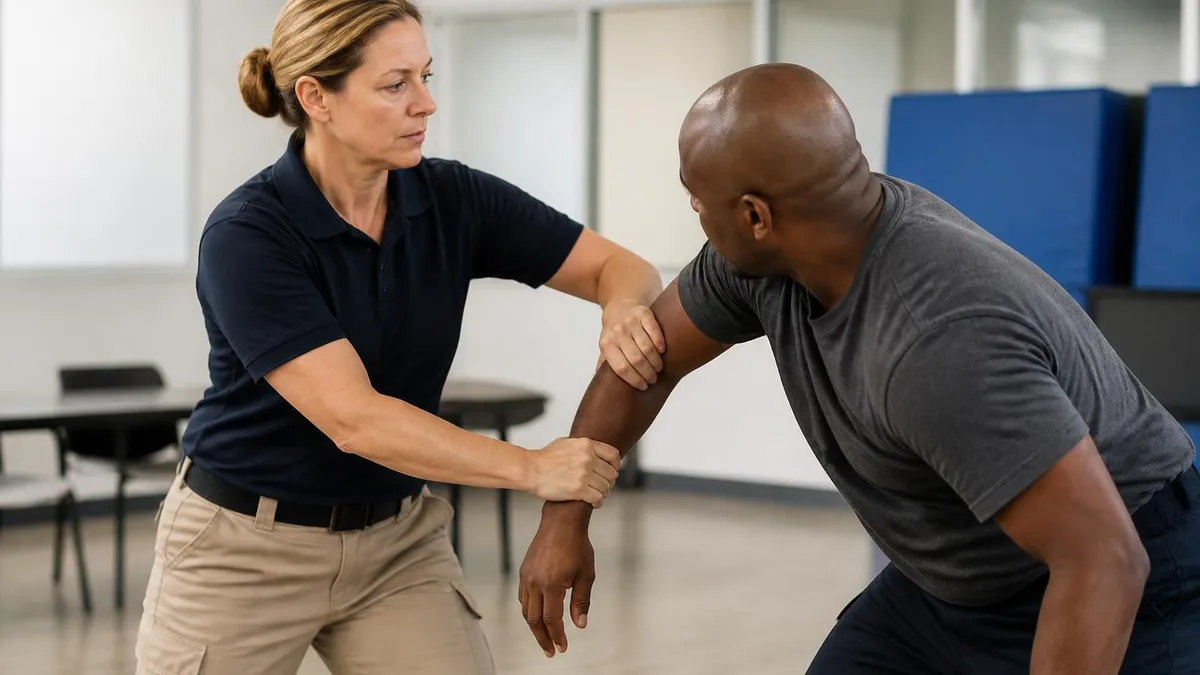
CPI Supportive Approach: Complete Guide to Stage 2 De-escalation and Anxiety Response
CPI Training Certification: Complete Guide to Crisis Prevention Intervention Credentialing
About the Author

Educational Psychologist & Academic Test Preparation Expert
Columbia University Teachers CollegeDr. Lisa Patel holds a Doctorate in Education from Columbia University Teachers College and has spent 17 years researching standardized test design and academic assessment. She has developed preparation programs for SAT, ACT, GRE, LSAT, UCAT, and numerous professional licensing exams, helping students of all backgrounds achieve their target scores.
Join the Discussion
Connect with other students preparing for this exam. Share tips, ask questions, and get advice from people who have been there.
View discussion (6 replies)