
CADET Programs Explained: From CADET Kelly to JROTC, ROTC, and the CADET Test
From Cadet Kelly to real cadet programs and the CADET test, 📗 learn how JROTC, ROTC, and youth corps work, plus free practice questions to prepare.
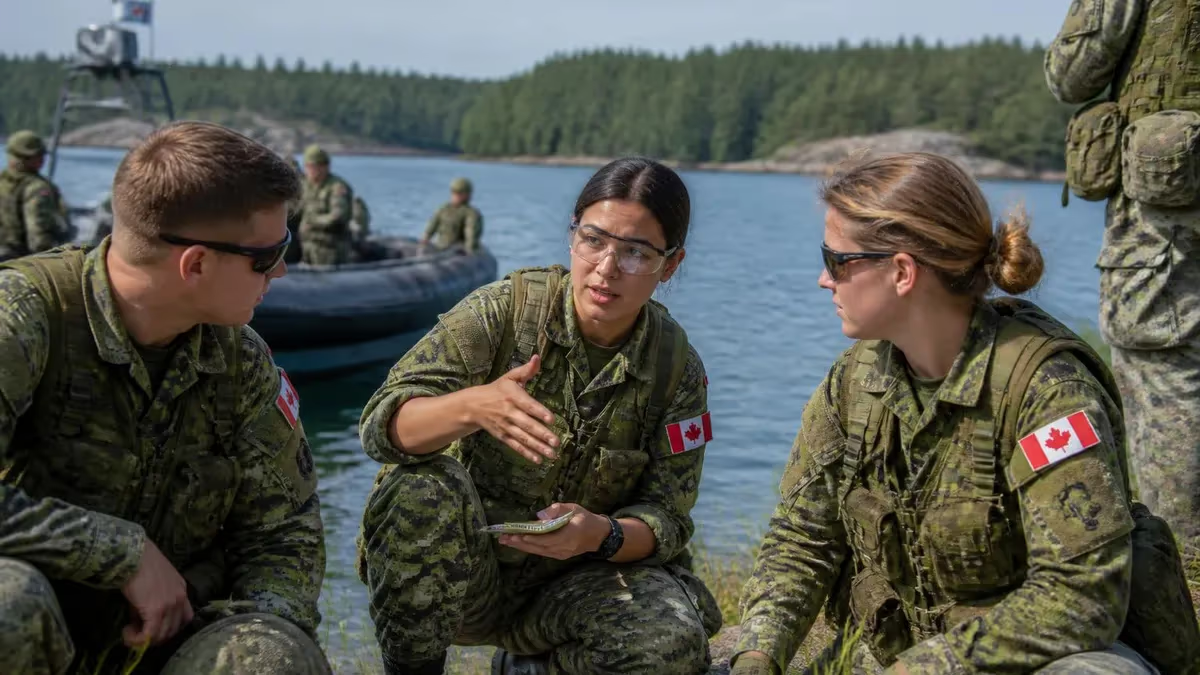
When most people hear the word cadet, they picture the Disney movie or a teenager in uniform, but cadet programs are a sprawling, very real network of youth and college pathways that prepare young Americans for leadership, service, and sometimes a commission as a military officer. If your only reference point is the 2002 film film cadet kelly, this guide bridges that pop-culture curiosity with the actual programs, requirements, and the CADET test that many of these tracks rely on for placement and advancement.
Cadet programs in the United States generally fall into three buckets: middle and high school programs like JROTC and the Young Marines, college-level Reserve Officers' Training Corps (ROTC) at universities, and the federal service academies such as West Point and the Air Force Academy. Each has its own age range, time commitment, and end goal, yet they share a common DNA: physical fitness, academic rigor, customs and courtesies, and a structured rank progression that rewards initiative.
The popularity of cadet culture is easy to measure. The phrase cadet kelly still pulls tens of thousands of monthly searches more than two decades after release, proof that the image of a reluctant recruit growing into a confident leader resonates. That arc mirrors what real cadet programs aim to deliver: take an ordinary teenager, give them responsibility, discipline, and a peer group, and watch the transformation. The uniform is the symbol, but the substance is leadership development.
It is worth clearing up a common point of confusion early. Cub Cadet, the brand behind the cub cadet riding mower and cub cadet zero turn lines, has absolutely nothing to do with military cadet programs. People searching for cub cadet parts or a cub cadet dealer near me are shopping for lawn equipment, not enrolling in JROTC. We mention it only because the keyword overlap is real and confusing, and we want this article to be the one that finally untangles the two for good.
So why does a practice-test site cover cadet programs? Because many cadet pathways gate advancement behind standardized assessments. Whether you are a JROTC cadet competing for a leadership billet, an ROTC contracted student maintaining a qualifying score, or a service-academy hopeful preparing for entrance batteries, your math, reasoning, and military-knowledge scores matter. The CADET test families on this site mirror those domains so you can rehearse under realistic conditions before the result counts.
This article walks through every layer of the cadet world. We start with the cultural touchstone of Cadet Kelly, then map the real programs, their eligibility rules, costs, and timelines. We compare the pros and cons of joining, give you a step-by-step preparation checklist, and finish with a deep FAQ. Along the way you will find free practice quizzes drawn from the exact subject areas cadets are tested on, so awareness turns into action and curiosity turns into a plan you can actually follow this year.
Read it top to bottom or jump to the section you need using the table of contents. By the end you will understand not just what a cadet is, but which program fits your age and goals, what it costs in time and money, and exactly how to start preparing for the assessments that stand between you and your first set of cadet stripes.
Cadet Programs by the Numbers
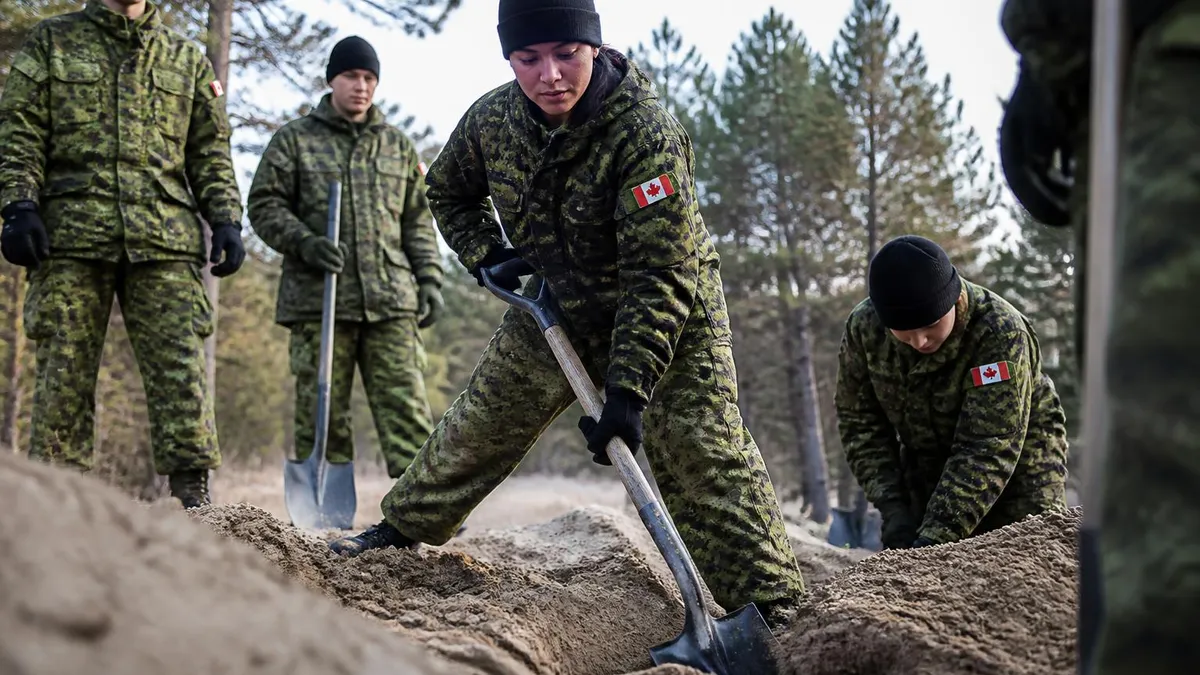
From Cadet Kelly to Real Cadet Programs
Junior Reserve Officers' Training Corps runs inside high schools. Cadets learn leadership, citizenship, and wellness with no obligation to join the military afterward, making it the most accessible entry point.
Reserve Officers' Training Corps at universities trains future officers. Contracted cadets often receive scholarships covering tuition in exchange for a service commitment after graduation as a commissioned officer.
West Point, the Naval Academy, and the Air Force Academy offer fully funded degrees. Admission is highly competitive, requiring a nomination, strong academics, and proven physical fitness standards.
Civil Air Patrol, Young Marines, and Sea Cadets serve younger participants. They emphasize aerospace, marksmanship, or maritime skills and build the discipline that later cadet programs reward heavily.
The movie that introduced a generation to cadet life follows a free-spirited girl who is pulled out of her comfortable school and dropped into a rigid military academy. The cadet kelly film works as drama precisely because the structure is real: roll call, inspections, drill, demerits, and a chain of command that does not bend for one student's preferences. Strip away the Hollywood gloss and you have an honest sketch of how a cadet corps actually operates, which is why the film cadet kelly endures as a cultural shorthand.
Real cadet programs are organized around a clear hierarchy. At the top sits a cadet command structure that mirrors the active military, with cadet officers, non-commissioned officers, and the rank-and-file underneath. Cadets earn promotions by demonstrating proficiency, leadership, and knowledge, not by seniority alone. That meritocratic ladder is what gives the programs their motivational power, and it is also what makes assessments important, because tests provide an objective measure that supports promotion decisions.
JROTC is the broadest tier. Funded by the Department of Defense and hosted in roughly 3,400 high schools, it enrolls more than half a million cadets at any given time. The curriculum blends leadership theory, American history, first aid, and physical training. Crucially, JROTC carries no service obligation, so a cadet can graduate, hang up the uniform, and never look back, or use it as a springboard into ROTC, the academies, or enlistment with an advanced rank.
ROTC raises the stakes. Offered at over 1,700 college campuses through host and affiliate agreements, it trains undergraduates to become commissioned officers. Contracted cadets receive significant scholarships, a monthly stipend, and a guaranteed officer slot, but in exchange they commit to several years of active or reserve service. The program weaves military science courses, field training exercises, and summer camps into a normal college schedule, demanding strong time management from anyone who signs on.
The service academies represent the most selective path. A four-year, fully funded degree at West Point or its sister institutions comes with a congressional nomination requirement, rigorous medical and fitness screening, and an automatic commission upon graduation. Cadets live the program around the clock, and the academic load rivals any top engineering school. For students who want the deepest immersion and a debt-free degree, the academies are unmatched, but the competition is fierce.
Younger participants are not left out. Programs like Civil Air Patrol, the Young Marines, and the U.S. Naval Sea Cadet Corps welcome middle schoolers and even some elementary-age children. These groups focus on specialized skills, aerospace education, drill, marksmanship safety, or seamanship, while building the foundational discipline that pays dividends in JROTC and beyond. Many decorated cadet officers trace their start to one of these youth corps programs years earlier.
Understanding where you fit is the first practical step. A high school freshman should look at JROTC or a youth corps, a college-bound junior should research ROTC scholarship deadlines, and an academy hopeful should begin the nomination process a full year in advance. Each tier feeds the next, so choices you make at fourteen can shape opportunities at twenty-two, which is exactly why mapping the landscape early matters so much for ambitious cadets.
Eligibility, Costs, and Commitment for Cadet Programs
JROTC simply requires enrollment at a participating high school and a willingness to follow the program's grooming and conduct standards. There is no citizenship or fitness barrier to entry, which makes it the most inclusive cadet pathway available to American teenagers today, and units welcome students of every background and ability level into the corps.
ROTC and the service academies are stricter. They typically require U.S. citizenship, a qualifying age range, a clean medical screening, and minimum GPA and standardized test scores. Academies add a congressional nomination, so eligibility there is a multi-step gate that ambitious cadets should begin clearing more than a year before applying to avoid missing any single hard deadline.
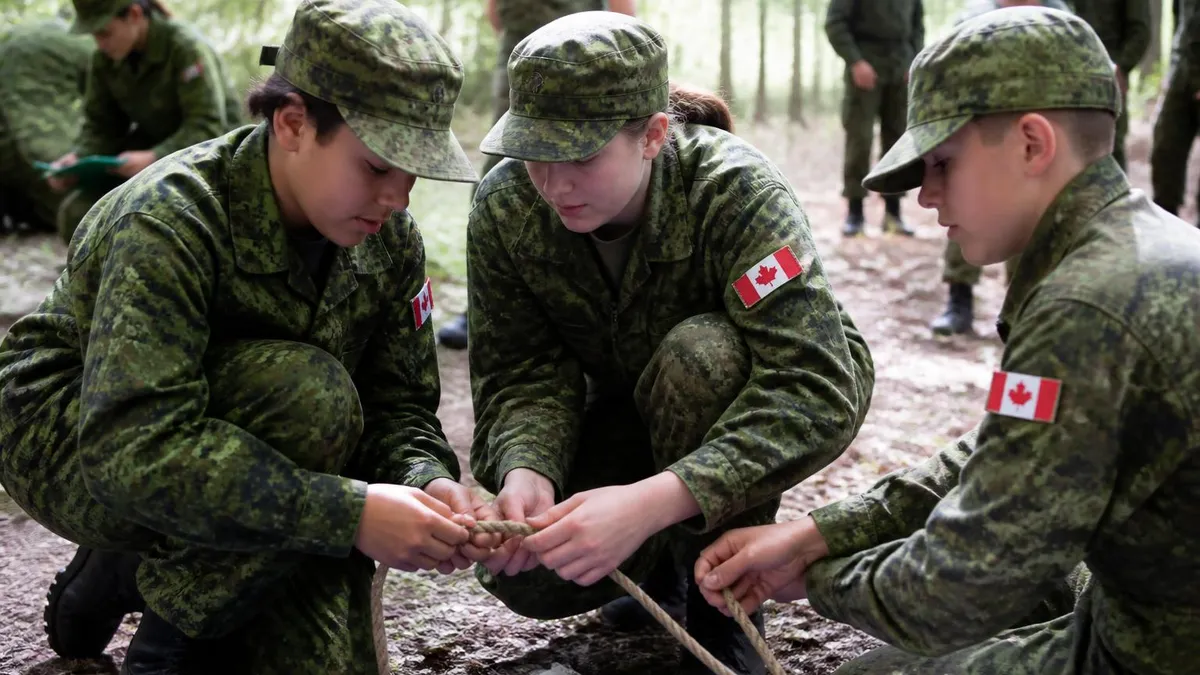
Should You Join a Cadet Program? Pros and Cons
- +Builds genuine leadership and public-speaking confidence early
- +JROTC is completely free and carries no military obligation
- +ROTC scholarships can eliminate college tuition debt entirely
- +Provides a structured peer group and built-in mentorship
- +Improves physical fitness and time-management discipline
- +Opens advanced enlistment rank and officer career pathways
- +Looks strong on college and job applications
- −Uniform grooming and conduct standards feel restrictive to some
- −ROTC and academy paths carry multi-year service commitments
- −Early-morning physical training demands real schedule sacrifice
- −Competitive scholarships and academy slots are hard to win
- −Field training and drills can eat into weekends
- −Not every school hosts a JROTC or ROTC unit nearby
Cadet Program Preparation Checklist
- ✓Identify which cadet tier matches your age and goals
- ✓Confirm a JROTC or ROTC unit exists at a nearby school
- ✓Note all scholarship and academy nomination deadlines now
- ✓Start a daily physical training routine to meet fitness standards
- ✓Memorize basic ranks, courtesies, and chain-of-command terms
- ✓Build a cadet portfolio documenting awards and activities
- ✓Practice CADET math sets under realistic timed conditions
- ✓Review military history and customs question banks weekly
- ✓Request reference letters from teachers or coaches early
- ✓Schedule and pass any required medical or fitness screening
Lawn mowers are not leadership programs
If you searched for a cub cadet riding mower, cub cadet zero turn, or cub cadet parts, you wanted lawn equipment, not a youth military program. Cub Cadet is a brand of outdoor power tools with no connection to JROTC, ROTC, or any cadet corps. This guide is about the leadership pathways and the CADET test, so feel free to head to a cub cadet dealer near me for mowing needs.
Day-to-day life as a cadet is more routine than the movies suggest, and that routine is the point. A typical JROTC week includes leadership instruction, drill practice, and physical training woven into the regular school schedule. Cadets learn to wear the uniform correctly, render proper courtesies, and operate within a chain of command. The repetition builds habits, punctuality, attention to detail, and accountability, that follow students into college, careers, and adult life long after the uniform is folded away.
Inspections are a defining feature. Periodically a cadet's uniform, grooming, and knowledge are evaluated against published standards. A scuffed shoe or a misplaced ribbon costs points, and so does failing to recite the chain of command. This is exactly the pressure the cadet kelly film dramatizes, and while it feels harsh at first, cadets quickly discover that meeting a clear standard consistently is one of the most empowering skills they will ever develop.
Leadership opportunities arrive fast. Unlike most school activities, a cadet corps hands real responsibility to students. A sophomore might command a squad, a junior might run a competition team, and a senior might serve as the cadet battalion commander overseeing hundreds of peers. These billets are earned through performance and, frequently, through assessment scores, which is why preparing for the CADET test directly affects how much authority a cadet can earn within the program.
Competition adds excitement and travel. Drill teams, color guards, marksmanship squads, and academic teams compete against other units at regional and national events. These competitions sharpen teamwork and give cadets a tangible goal to train toward. They also generate the awards and citations that populate a strong cadet portfolio, the record of achievement that scholarship boards and academy admissions panels scrutinize when deciding who advances to the next tier.
Mentorship runs through everything. Programs are led by retired military instructors who bring decades of experience and a genuine interest in developing young people. Older cadets mentor younger ones, creating a cascade of guidance that few other school programs can match. For many participants, this mentorship is the most valuable part of the experience, a steady adult presence and a peer network that supports them through difficult stretches of adolescence and beyond.
Service is a core component too. Cadets volunteer at community events, support veterans' organizations, post colors at ceremonies, and run service projects. This outward focus teaches that leadership is ultimately about serving others, not commanding them. It also builds the civic habits that define good citizens, and it gives cadets a sense of purpose that classroom learning alone rarely provides during these formative high school and college years.
The cumulative effect is transformation. Students who arrive shy, disorganized, or unmotivated often leave the program as confident, disciplined leaders with a clear sense of direction. That is the real story behind the cadet uniform, not the drama of demerits and drill, but the steady forging of character. Whether a cadet ultimately serves in the military or pursues an entirely civilian career, the skills built in a cadet program tend to last a lifetime.
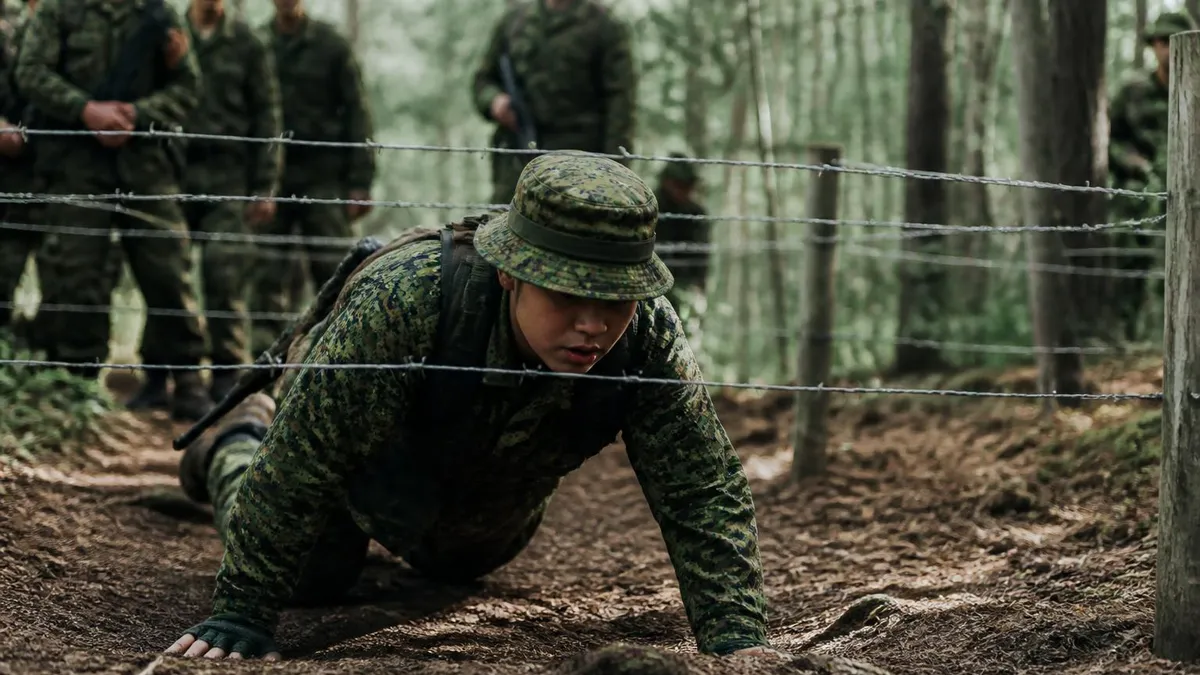
ROTC scholarship applications and service-academy congressional nominations often close nearly a year before enrollment. Missing a deadline can cost you a full year and thousands of dollars in funding. Calendar every cutoff the moment you decide to pursue a college cadet pathway, and begin gathering references and test scores well in advance.
The CADET test sits at the center of advancement in many cadet programs, and understanding it removes a lot of anxiety. Broadly, these assessments measure two domains: quantitative reasoning, the math and problem-solving that underpin navigation, logistics, and technical tasks, and military knowledge, the history, customs, ranks, and traditions every cadet is expected to internalize. Scoring well in both areas signals readiness for greater responsibility, which is why units weight these results so heavily in promotion and selection decisions.
The math sections reward fundamentals over flash. Expect arithmetic, fractions, percentages, ratios, basic algebra, and multi-step word problems framed in practical contexts. The questions are rarely about obscure theorems; they are about whether you can reason quickly and accurately under time pressure. That is exactly why repeated, timed practice matters more than cramming formulas, and why working through several full question banks builds the speed and confidence that translate directly to test-day performance.
The military history and customs sections test breadth. Cadets should know the rank structures of the relevant branch, the meaning of common courtesies, key dates and figures in American military history, and the traditions that bind a unit together. Much of this overlaps with what a strong program teaches in class, but self-study fills the gaps. Reviewing question banks repeatedly is the fastest way to convert passive familiarity into the instant recall an exam demands. The official cub cadet zero turn reference materials, despite the odd keyword overlap, point toward the regulations that govern these standards.
Preparation should be deliberate and spaced. Rather than a single marathon session, plan short, frequent study blocks over several weeks. Alternate between math sets and knowledge sets so neither domain goes stale. After each practice quiz, review every missed question and understand why the correct answer is correct, not just what it is. This error-driven review loop is the single most effective study technique, and it compounds quickly when you stick with it consistently.
Simulating real conditions pays off. Take at least a few practice rounds under a strict timer, without notes, in a quiet space. The goal is to make test day feel routine rather than novel. Many cadets lose points not because they lack knowledge but because the unfamiliar pressure of the clock disrupts their pacing. Rehearsing that pressure in advance turns it into a known quantity you have already conquered many times before.
Track your progress with numbers. Record your score on each practice attempt and watch the trend. A rising line is powerful motivation, and a stalled one tells you exactly where to redirect your effort. If your math scores climb but your history scores plateau, you know to shift your study mix. This data-driven approach mirrors how the military itself measures readiness, and it keeps your preparation honest and focused.
Finally, connect the test to the bigger picture. A strong CADET score is not an end in itself; it is a key that unlocks leadership billets, scholarships, and selection boards. Every point you earn through disciplined practice expands your options within the cadet world. Treat preparation as an investment in your own future authority and opportunity, and the hours of study stop feeling like a chore and start feeling like a strategy for getting exactly where you want to go.
With the landscape mapped and the test understood, the final piece is execution. The cadets who thrive are rarely the most naturally gifted; they are the ones who build sustainable routines and stick to them. Start by blocking out three or four short study windows each week and protecting them the way you would protect a sports practice. Consistency beats intensity, and a steady half hour daily will outperform an occasional all-night cram session every single time without fail.
Build a cadet portfolio from day one. Keep a running document of every award, competition result, leadership billet, and volunteer hour. Scholarship boards and academy admissions panels want evidence of sustained commitment, and reconstructing that record at the last minute is painful and incomplete. A well-maintained portfolio, updated monthly, becomes one of your strongest assets when application season arrives and decisions are made under tight deadlines. You can model yours on a structured cadet portfolio framework.
Prioritize physical fitness even if your program does not yet demand it. Every advanced cadet pathway includes a fitness assessment, and arriving already in shape removes a major source of stress. Begin a simple progression of running, push-ups, and core work, and increase the load gradually. Fitness also sharpens focus and energy for study, so the gym and the test bank reinforce each other more than most cadets realize at the outset.
Learn the customs and courtesies before you are tested on them. Memorize the chain of command, the meaning of each rank insignia, and the proper way to address superiors. These are quick wins on any CADET assessment because they are pure recall, and they also smooth your daily life in the program. Flashcards, whether paper or an app, are perfectly suited to this kind of material and pay off fast with just minutes a day.
Lean on your instructors and senior cadets. They have navigated every deadline, test, and selection board you are about to face, and most are eager to help a motivated junior cadet. Ask specific questions, request feedback on your portfolio, and seek out a mentor early. The relationships you build inside the program often matter as much as the scores you post, opening doors that no application alone could ever unlock for you.
Use practice tests as diagnostics, not just drills. Each quiz tells you precisely where your knowledge is thin. Treat a low score not as failure but as a map showing exactly where to spend your next study session. The cadets who improve fastest are those who attack their weakest areas head-on instead of comfortably re-reviewing what they already know well, which feels productive but moves the needle very little.
Above all, start now. The single most common regret among cadets is waiting too long, missing a scholarship deadline, scrambling for references, or facing a fitness test untrained. Whatever tier you are aiming for, today is the right day to take the first concrete step, whether that is finding a local unit, scheduling a fitness routine, or working through your first practice quiz. Momentum, once built, makes everything that follows dramatically easier.
CADET Questions and Answers

Cadet Command: Structure, Leadership, and CADET Test Preparation Guide
Army Cadet Force Explained: US Equivalents, Programs, and CADET Test Prep

Cadet Command Regulations: Understanding Pamphlet 145-4 and ROTC Standards for 2026

Air Force Cadet Chapel: History, Architecture & Visitor Guide 2026

Air Cadet Uniform Guide — Complete Guide (2026)
About the Author

Educational Psychologist & Academic Test Preparation Expert
Columbia University Teachers CollegeDr. Lisa Patel holds a Doctorate in Education from Columbia University Teachers College and has spent 17 years researching standardized test design and academic assessment. She has developed preparation programs for SAT, ACT, GRE, LSAT, UCAT, and numerous professional licensing exams, helping students of all backgrounds achieve their target scores.
Join the Discussion
Connect with other students preparing for this exam. Share tips, ask questions, and get advice from people who have been there.
View discussion (9 replies)