
How to Get a Boat License in NC — Complete 2026 Guide
Learn how to get a boat license in NC step by step. Age rules, costs, approved courses & exam tips. ✅ Start your free practice test today.
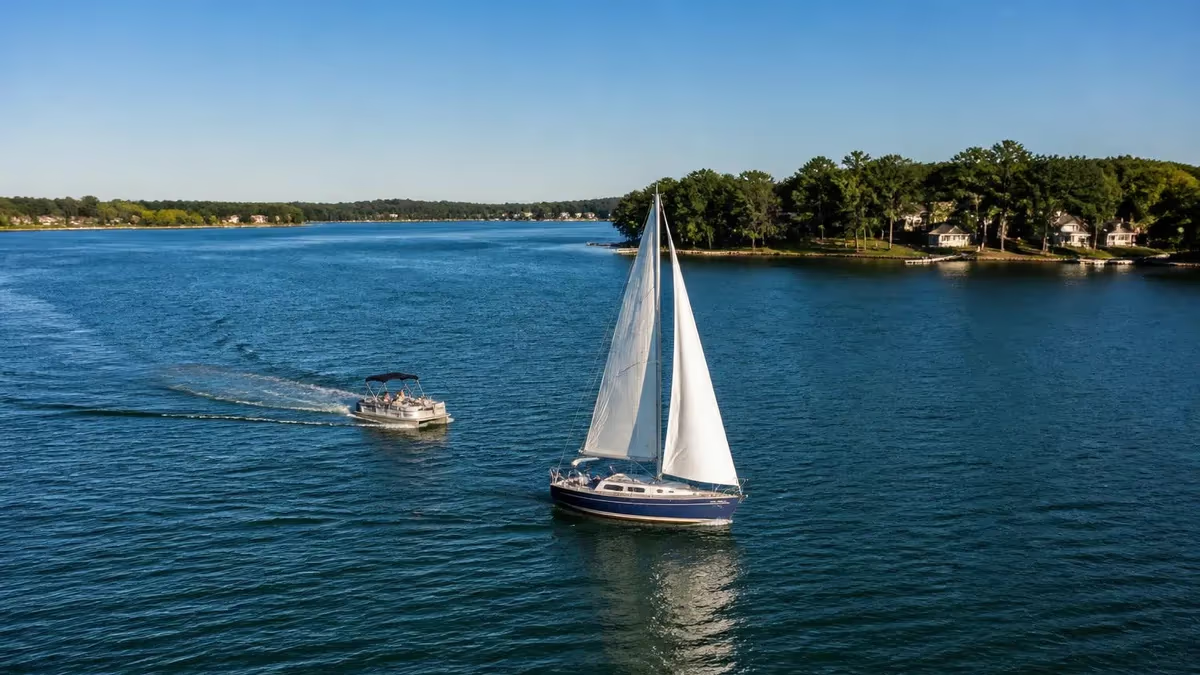
Knowing how to get a boat license in NC is the first step toward legally operating a motorized vessel on North Carolina's lakes, rivers, and coastal waters. North Carolina requires anyone born on or after January 1, 1988 who operates a motorized vessel of 10 horsepower or more to carry a Boating Safety Education Certificate.
Unlike a driver's license, this certificate never expires once earned, making it a one-time investment that pays off for a lifetime of boating. Whether you're heading out on Lake Norman, the Outer Banks, or the Neuse River, having your certification keeps you legal and safe on the water.
The process is straightforward but requires completing an approved boating safety course and passing a written exam. North Carolina Wildlife Resources Commission (NCWRC) oversees all boating education in the state, and the courses cover essential topics including navigation rules, right-of-way principles, emergency procedures, and proper equipment requirements.
Most students complete the coursework in a single weekend or spread it across a few evenings online, making it accessible even for busy adults. If you're comparing requirements across states — for example, looking at a texas boating license versus NC rules — you'll find North Carolina sits firmly in the middle in terms of strictness.
One common question is whether North Carolina accepts certifications earned in other states or through national providers like NASBLA-approved online courses. The answer is yes — North Carolina accepts any boating safety certificate issued by a NASBLA-approved provider, meaning if you already hold a Florida boating license education card or a California boating license certificate, those will generally be honored in NC waters as well. This reciprocity makes it easy for seasonal visitors and transplants to stay compliant without repeating coursework they've already completed.
Age plays a role in who must carry the certificate and who can legally operate certain vessels. Children under 8 years old are prohibited from operating any motorized vessel in North Carolina, regardless of horsepower. Kids ages 8 through 11 may operate a personal watercraft (PWC) only if a supervising adult over 18 is on board. Teens ages 12 through 15 can operate a PWC independently but must carry a boating safety education certificate. Understanding these age tiers is critical for parents planning family boating trips on NC waters.
Cost is another consideration for prospective boaters. The approved boating safety courses in North Carolina typically range from free (for classroom courses offered by NCWRC volunteers) to around $35 for online providers. The state itself does not charge a separate licensing fee beyond what the course provider charges for the exam and certificate processing. Compared to the alabama boating license process or the tennessee boating license requirements, North Carolina's system is notably cost-friendly for residents and visitors alike.
Once you earn your certificate, you'll need to carry it on board any time you operate a qualifying vessel in North Carolina. The certificate is wallet-sized and issued either by your course provider or printable through their online system. Law enforcement officers — including NCWRC Wildlife Officers and local marine patrol — may request to see your certificate during routine on-water checks. Failing to produce it can result in fines even if you genuinely completed the course, so keeping a copy accessible at all times is strongly advised.
This guide walks you through every step of the process — from choosing an approved course provider to passing the final exam and getting your certificate in hand. We've also included state-by-state comparisons, a study checklist, and free practice quiz links so you can walk into your exam with confidence. Whether you're a first-time boater or an experienced mariner moving to North Carolina, the information below covers everything you need to know.
North Carolina Boating License by the Numbers
Key Facts at a Glance
| Item | Value | Details |
|---|---|---|
| Typical Course Cost | $0–$35 | Free classroom courses available via NCWRC |
| Certificate Validity | No Expiry | Earn it once, keep it for life |
| Minimum Passing Score | 70% | Required on the final safety exam |
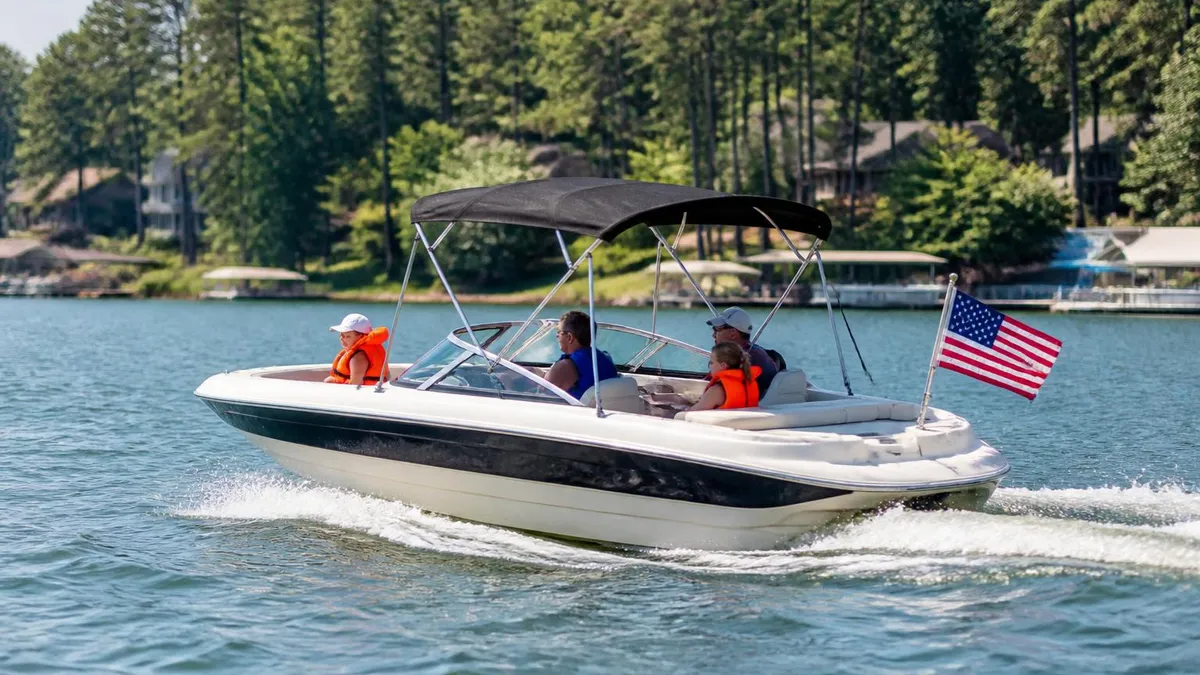
Step-by-Step: How to Get Your NC Boating Certificate
Confirm You Need Certification
Choose an Approved Course Provider
Complete the Coursework
Pass the Final Exam
Receive Your Certificate
Keep It Accessible On the Water
Boating license requirements vary significantly from state to state, and understanding those differences helps you stay compliant whether you're boating at home or visiting another state. The florida boating license requirement mandates that anyone born on or after January 1, 1988 must complete an approved boating safety course — nearly identical to North Carolina's rule.
Florida's program is administered by the Fish and Wildlife Conservation Commission, and the state-issued Boating Safety Education Identification Card must be carried on board at all times when operating a vessel. Florida is one of the most actively enforced states for boating safety compliance given the sheer volume of recreational boaters on its waterways.
The boating license florida system uses a mix of classroom, home study, and online courses all approved by NASBLA. Costs range from about $29 to $49 for most online providers, with the state charging no additional issuance fee. Florida also accepts out-of-state NASBLA-approved certificates, meaning your NC certificate is fully valid if you're visiting the Sunshine State. One key difference: Florida requires a temporary certificate to be carried until your permanent card arrives if you pass an online course, while NC generally allows a printed certificate as the permanent document.
The california boating license system works differently. California does not technically require a traditional boating license for all operators, but since January 2018 has been phasing in a requirement for a California Boater Card under AB 1346. By January 2025, anyone operating a motorized vessel on California waters must carry the California Boater Card regardless of age.
This phased approach was designed to grandfather in experienced boaters gradually. The course and exam are available online through the California State Parks Division of Boating and Waterways, and the fee is $15 for the exam. If you hold a valid boating license ca certification from another state, verify reciprocity before assuming you're covered.
The alabama boating license process is among the most accessible in the South. Alabama requires anyone born on or after August 1, 1990 who operates a motorized vessel to complete a boating safety course. The Alabama Law Enforcement Agency (ALEA) Marine Patrol approves courses, and the state offers free online options through the National Association of State Boating Law Administrators.
Alabama is notable for accepting in-person, home study, and online formats, and the certificate is issued for life with no renewal requirement. Alabama's relatively low enforcement intensity — compared to Florida or New York — makes it a welcoming state for first-time boaters.
The tennessee boating license requirement applies to anyone born after January 1, 1989 who operates a vessel powered by more than 8.5 horsepower or any personal watercraft. Tennessee Wildlife Resources Agency (TWRA) administers the program, and the online course typically costs around $34.
Tennessee is particularly strict about PWC operation — operators must be at least 12 years old and certificate holders under 16 must have an adult on board. If you're boating across the Tennessee–North Carolina border on the French Broad River or Fontana Lake, both states' rules apply simultaneously, so holding a NASBLA-approved certificate from either state satisfies both requirements.
The mn boat license — short for Minnesota boating license — requires anyone born after December 31, 1987 who operates a motorized vessel on Minnesota waters to carry a safety certificate. The Minnesota Department of Natural Resources (DNR) offers free classroom courses through its volunteer instructor network statewide, and online courses are available for a modest fee.
Minnesota is distinctive for requiring PWC operators to be at least 13 years old with a safety certificate, and riders under 18 must wear a life jacket at all times. You can check out details on the mn boat license page for the full breakdown of Minnesota's specific requirements.
The new york state boating license requirement covers anyone born on or after May 1, 1996 who operates a motorized vessel. New York's course, approved by the New York State Parks, Recreation and Historic Preservation office, covers navigation rules, New York-specific regulations, and safety equipment. The exam is proctored for classroom courses and online for home-study formats.
New York also has unique rules around alcohol enforcement — operating a vessel with a BAC of 0.08% or higher is illegal, matching its motor vehicle standard. Understanding how your home state requirements stack up against others like Florida, California, Alabama, and New York helps frame exactly what North Carolina's rules ask of you.
Do You Need a License to Drive a Boat in NC?
In North Carolina, anyone born on or after January 1, 1988 who operates a motorized vessel of 10 horsepower or more must carry a Boating Safety Education Certificate. This applies to residents and non-residents alike — if you're operating a boat on NC waters, you must comply with NC rules. Vessels under 10 HP, non-motorized vessels like kayaks and canoes, and operators born before 1988 are exempt from the certificate requirement, though they're still subject to all other boating laws.
The question of whether do you need a license to operate a boat is answered differently in each state, but North Carolina's rule is fairly clear-cut. Personal watercraft (PWC) operators face stricter age minimums — no one under 8 may operate a PWC, and those ages 8–11 must have an adult supervisor on board. The rule targets motorized vessel operation specifically, so sailing a 25-foot sailboat with no engine attached would not trigger the requirement, though adding an auxiliary motor would change that analysis immediately.
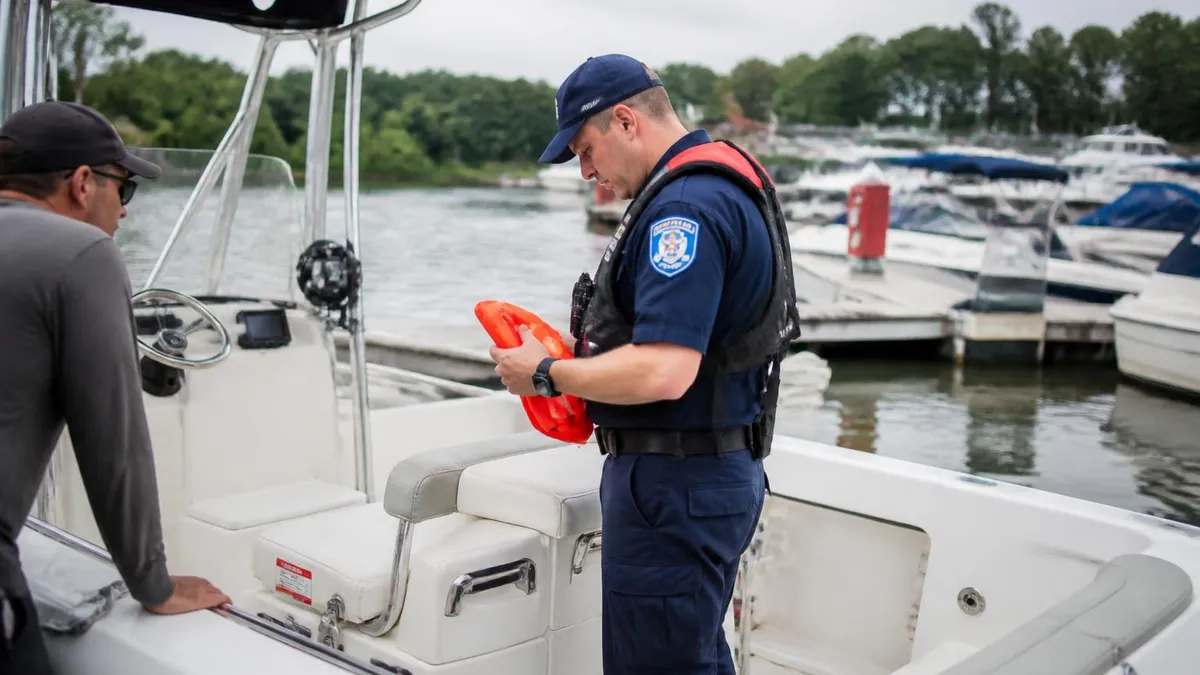
Online vs. Classroom Boating Safety Course: Pros and Cons
- +Complete the course on your own schedule, day or night, without commuting
- +Receive your certificate immediately upon passing the online final exam
- +Pause and replay video modules as many times as needed to master difficult concepts
- +Access NC-specific practice quizzes integrated directly into the online course platform
- +Lower cost barrier — many online providers charge under $35 total
- +Ideal for rural boaters who live far from the nearest classroom course location
- −Online courses typically charge a fee, while NCWRC classroom courses are free
- −No hands-on demonstration of life jackets, fire extinguishers, and distress signals
- −Self-paced format requires self-discipline — many students procrastinate and delay completion
- −Technical issues like poor internet or device incompatibility can disrupt progress
- −Limited opportunity to ask instructors questions in real time during tricky rule sections
- −Some learners retain information better in a structured group classroom environment
NC Boating Certificate Pre-Exam Checklist
- ✓Confirm you were born on or after January 1, 1988 and operate a vessel of 10 HP or more
- ✓Choose an NCWRC-approved or NASBLA-approved course provider before enrolling
- ✓Complete all required course modules, including navigation rules and emergency procedures
- ✓Take every in-course practice quiz to identify weak areas before the final exam
- ✓Score at least 70% on the final proctored or online exam to earn your certificate
- ✓Download or print your temporary certificate immediately after passing the online exam
- ✓Verify your mailing address with the provider so your laminated wallet card arrives correctly
- ✓Store the certificate in a waterproof case or dry bag accessible during all vessel operations
- ✓Confirm your out-of-state certificate is NASBLA-approved if you're relying on reciprocity
- ✓Check that your vessel's registration is current and displayed properly alongside your certificate
Your Certificate Never Expires — But Vessel Registration Does
Once you earn your NC Boating Safety Education Certificate, it is valid for life with no renewal requirement. However, your vessel's registration must be renewed every year through the NC Division of Motor Vehicles. Officers check both documents during on-water stops, so make sure your registration decal is current even if your certificate is permanent.
Understanding the rules around boating under the influence (BUI) in North Carolina is essential for every boater, certified or not. Operating a vessel while impaired by alcohol or drugs is illegal in NC under G.S. 75A-10, and the legal blood alcohol content limit is 0.08% — the same threshold as driving a motor vehicle on public roads.
Law enforcement officers can stop any vessel to conduct a safety check, and if they detect signs of impairment, they may administer field sobriety tests and breathalyzer devices. A BUI conviction carries penalties including fines up to $2,000, license suspension, and potential jail time depending on circumstances and prior offenses.
Beyond alcohol, North Carolina prohibits the operation of any vessel in a reckless or negligent manner that endangers the life or property of another person. This includes excessive speed in marked no-wake zones, operating near swimmers, towing a water skier too close to docks, and weaving aggressively through congested anchorages. Wildlife Officers and Marine Patrol officers issue citations for these violations, which can carry fines ranging from $50 to $500 plus court costs. Repeat violations can trigger boat registration suspension and mandatory boating safety course completion — even for operators who are already certified.
Required safety equipment is another area where boaters frequently receive violations. Every motorized vessel in North Carolina must carry at minimum one Coast Guard-approved Type I, II, III, or V wearable life jacket for each person on board. Vessels 16 feet and longer must also carry one Type IV throwable device.
Fire extinguishers are required on vessels with enclosed fuel compartments or inboard engines, and all vessels operating between sunset and sunrise must display proper running lights. Inspecting your safety equipment before every outing is not just a legal obligation — it's the single most effective way to survive an unexpected emergency on the water.
Speed limits and no-wake zones are enforced strictly throughout North Carolina's inland and coastal waterways. A no-wake speed is generally defined as the slowest speed at which a vessel can be controlled while making minimum wake — typically under 5 mph. These zones are common near marinas, boat ramps, bridges, and residential waterfront areas where wake damage to property or injury to swimmers is a serious risk. Violating a posted no-wake zone is a civil infraction with fines that can reach $250 for a first offense, escalating sharply for repeat violations or violations that result in property damage.
The do you have to have license to drive a boat question is one that often comes up when discussing NC boating regulations with out-of-state visitors. The short answer is: if you were born on or after January 1, 1988 and you're operating a motorized vessel of 10 HP or more, you must carry your boating safety certificate.
The do you need a license to drive a boat answer is the same — the certificate functions as your license in NC, even though it's technically called an education certificate rather than a license. Both terms refer to the same document in practice, and failing to carry it results in the same citation regardless of what you call it.
Vessel registration requirements in North Carolina are separate from the education certificate requirement and apply to all mechanically propelled vessels and sailboats over 14 feet. Registration is handled through the NC Division of Motor Vehicles and must be renewed annually. Registration numbers must be displayed on both sides of the forward half of the vessel in characters at least three inches high. New residents who bring a vessel from another state have 60 days to register it in North Carolina. The registration certificate must be on board whenever the vessel is operated, just like the boating safety education certificate.
If you're looking at requirements in neighboring states, the ohio boating license standards offer an interesting comparison point. Ohio requires all operators born after January 1, 1982 to complete a boating education course, making it one of the earlier birth-year cutoffs in the region. West Virginia has its own distinct age-based requirements that differ from both NC and Ohio. Understanding these regional variations is particularly useful for boaters who regularly cross state lines on multi-day trips down river systems or along the Atlantic Intracoastal Waterway, where multiple state jurisdictions may apply within a single voyage.
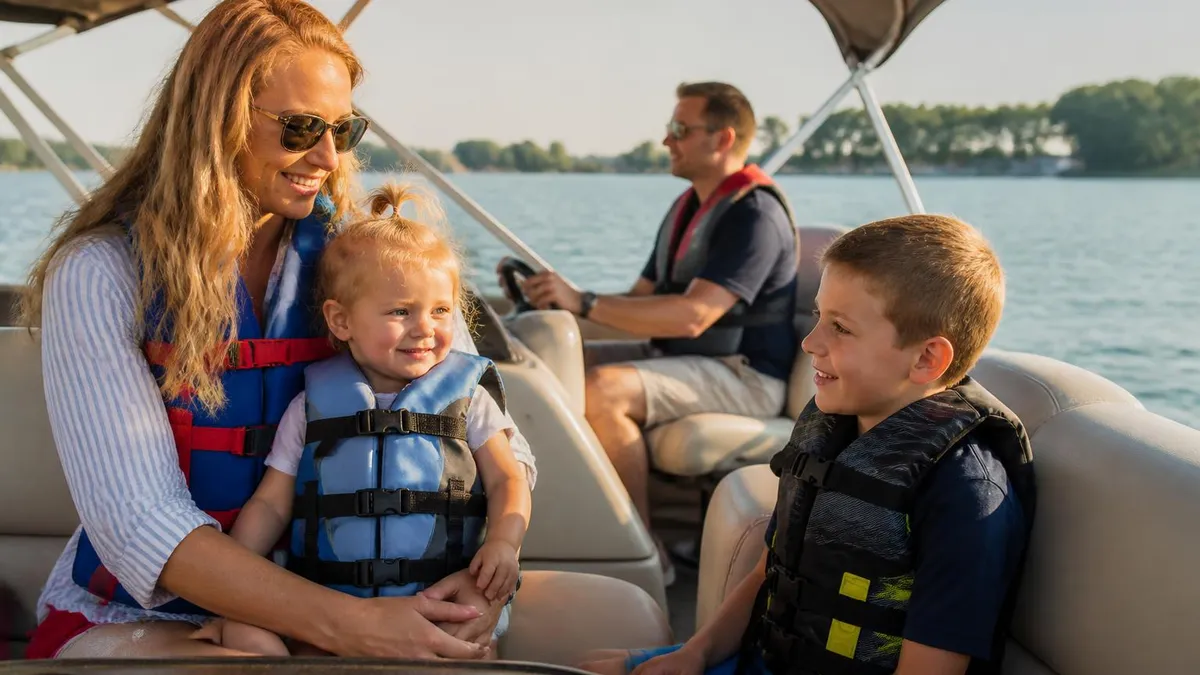
North Carolina's BUI law applies to ALL vessels, including kayaks, canoes, paddleboards, and non-motorized boats — not just motorized craft. You can receive a BUI citation for paddling while impaired, and the penalties mirror those for motor vehicle DUI offenses including license suspension. Always designate a sober operator, especially on multi-stop trips involving alcohol at waterfront restaurants or marinas.
Studying effectively for the NC boating safety exam means going beyond simply reading the course manual. The most successful test-takers use a combination of active recall, practice questions, and real-world scenario visualization to cement the rules in memory. Navigation lights are one of the most frequently tested areas and also one of the most commonly confused — many students mix up the color and position of port (red/left) versus starboard (green/right) lights, or struggle to determine right-of-way when two vessels approach at an angle. Drawing diagrams and talking through scenarios out loud dramatically improves retention for visual and verbal learners.
The Rules of the Road section of the NC boating safety exam covers both Inland Rules and International COLREGS, which can feel overwhelming at first. Focus on the hierarchy of vessel types: vessels not under command have the highest right-of-way, followed by vessels restricted in their ability to maneuver, then fishing vessels, then sailing vessels, and finally power-driven vessels at the bottom of the priority chain.
Within the power-driven vessel category, the vessel on the starboard side has right-of-way in a crossing situation, and the overtaking vessel must always give way regardless of type. Memorizing this hierarchy as a ranked list rather than isolated rules makes the exam questions dramatically easier to decode.
Sound signals are another high-frequency exam topic that catches many first-time test takers off guard. One short blast signals a port-to-port passing agreement between vessels meeting head-on in inland waters. Two short blasts indicate a starboard-to-starboard pass. Five or more short blasts signal danger or disagreement with another vessel's proposed maneuver. The danger signal is especially important to memorize because it applies whenever you're uncertain about another operator's intentions — it's the universal "I'm not sure what you're doing, let's stop and communicate" signal on the water.
Fire extinguisher classifications and requirements are tested on virtually every approved boating safety exam, and the distinctions between B-I and B-II extinguishers trip up many students. B-I extinguishers (minimum 2 lbs dry chemical) are required on vessels under 26 feet with enclosed engine spaces.
Vessels between 26 and 40 feet must carry either two B-I or one B-II extinguisher. Vessels over 40 feet require three B-I or one B-II and one B-I. Extinguishers must be charged, accessible, and inspected for the gauge to read in the green zone — a discharged or expired extinguisher counts as not having one at all during a Coast Guard inspection.
Distress signals are a life-safety topic covered extensively in both the NC course and the exam. Boaters operating on coastal waters, the Great Lakes, or territorial waters must carry approved visual distress signals (VDS). The minimum required set includes three combination day/night flares, which satisfy both daytime and nighttime requirements simultaneously. Alternatives include orange distress flags (day-use only) and electric SOS lights (night-use only), which must be combined to satisfy both requirements. Practice recognizing the difference between acceptable and non-acceptable VDS configurations, as exam questions often present near-miss options designed to test whether you know the actual minimum standard.
Many students find that the single best preparation tool is a high-quality online practice test bank. Taking timed practice exams simulates the pressure of the real test, surfaces any remaining knowledge gaps, and builds the mental stamina needed to stay sharp through the final exam's full question set.
The free practice resources on PracticeTestGeeks give you access to hundreds of realistic NC boating exam questions organized by topic, making it easy to drill the areas where you're weakest without wading through questions you've already mastered. Aim to score consistently above 85% on practice exams before attempting the real thing, giving yourself a comfortable buffer above the 70% passing threshold.
If you're interested in how other states structure their certification process, resources like the mn boat license guide and the Tennessee Boating License page provide detailed state-specific breakdowns that help you understand the national landscape of boating education requirements. Many of the core topics — navigation lights, right-of-way rules, distress signals, and BUI regulations — are shared across all NASBLA-approved courses because they're based on federal law and the international COLREGS. Once you've mastered these fundamentals for your NC exam, you'll find that boating laws in other states feel much more familiar than they did before you started studying.
One of the most practical things you can do before sitting for your NC boating safety exam is to spend time on the water as a passenger before you operate independently. Observing how an experienced boater handles docking, anchoring, navigating channels, and managing boat traffic gives you a real-world context for the rules you're studying.
Abstract concepts like give-way vessel responsibilities or the difference between a narrow channel and an open anchorage suddenly become intuitive when you've watched them play out in person. If you don't have an experienced friend or family member to ride with, consider joining a local sailing club or boating club that offers on-water orientation days for new members.
Equipment familiarity is another dimension of preparation that purely text-based studying cannot replace. Before your first solo outing, physically locate every piece of required safety equipment on the vessel you'll be operating — life jackets, fire extinguisher, flares, sound-producing device, and navigation lights. Practice putting on a life jacket quickly and correctly, since many boating accident victims who drowned were found with a life jacket nearby but not worn. Run through the pre-departure safety check that NCWRC recommends: fuel level, weather forecast, float plan filed with a shore contact, and all safety equipment present and serviceable.
Weather awareness is a skill that the exam tests conceptually but that you develop through real experience. North Carolina's coastal weather can shift rapidly, with fast-moving thunderstorms capable of producing dangerous lightning, high winds, and seas in a matter of minutes — especially during afternoon hours in summer.
Inland lakes like Lake Norman and Jordan Lake are vulnerable to the same rapid-development thunderstorms. Always check a marine weather forecast from NOAA before departing, and be willing to delay or cancel your trip if conditions are marginal. The rule of thumb among experienced boaters is that it's always better to be on shore wishing you were on the water than on the water wishing you were on shore.
Fuel management is a surprisingly common source of boating emergencies. The one-third rule is a standard practice among prudent mariners: use one-third of your fuel going out, reserve one-third for the return trip, and keep one-third in reserve for emergencies or unexpected detours.
Many first-time boaters run out of fuel simply because they didn't account for headwinds, current drag, or a longer outing than planned. Always carry a basic toolkit including a marine VHF radio for calling for help, extra fuel if your vessel type permits, and a basic toolkit for minor mechanical issues like replacing a blown fuse or tightening a belt.
Night boating introduces additional risk that even experienced boaters sometimes underestimate. Navigation lights are legally required on all vessels between sunset and sunrise and during periods of restricted visibility like fog or heavy rain. Understanding what the lights of other vessels tell you — whether they're power-driven or sailing, whether they're anchored or underway, and which direction they're traveling — is critical for avoiding collisions in the dark.
North Carolina waters include a mix of marked channels, unmarked shoals, crab pot buoys, and other hazards that are easy to spot during daylight but nearly invisible after dark. Reduce speed at night, keep a dedicated lookout posted, and rely on your chartplotter or GPS rather than memory of daytime landmarks.
Filing a float plan is one of the simplest safety habits with the highest potential payoff in an emergency. A float plan is a written document you leave with a trusted shore contact that includes your vessel description, departure point, intended destination, planned route, number of passengers, and expected return time.
If you don't check in by a specified time, your shore contact calls the NCWRC Wildlife Commission or Coast Guard to initiate a search. Float plans have saved countless lives in North Carolina and across the country — they take five minutes to complete and cost nothing. NCWRC offers a free float plan form on its website that you can fill out and share digitally before every outing.
Finally, remember that earning your boating safety certificate is the beginning of your boating education, not the end. Many experienced boaters continue learning through the America's Boating Course offered by the United States Power Squadrons, the American Red Cross Water Safety Instructor program, and through hands-on courses in anchoring, navigation, and seamanship offered by community colleges and marina operators throughout North Carolina. The more you invest in ongoing education, the safer and more enjoyable every trip on the water becomes — both for you and for everyone sharing the waterway with you.
Sample Boating License Test Practice Questions
Try these questions from our free Boating License Test practice tests. The correct answer and an explanation follow each question.
You notice the barometric pressure on your boat's barometer is falling rapidly. What does this typically indicate?
- A. Fair weather is approaching
- B. A storm or deteriorating weather is likely coming
- C. Winds will die down completely
- D. Temperatures will rise steadily
Answer: B. A storm or deteriorating weather is likely coming
A rapidly falling barometer signals approaching low pressure, usually meaning stormy or worsening weather.
What makes a PFD Coast Guard-approved for use on a recreational boat?
- A. Any PFD sold at a marine retailer is automatically approved
- B. It must bear a label stating it meets USCG approval and the appropriate buoyancy standard
- C. It only needs to be purchased new within the past year
- D. Any life jacket that can keep a person afloat is approved
Answer: B. It must bear a label stating it meets USCG approval and the appropriate buoyancy standard
A USCG-approved PFD carries a label showing compliance with federal regulations, including its type, buoyancy rating, and approval number.
What is the recommended way to fuel a boat safely?
- A. Shut off engines, extinguish flames, and keep the nozzle in contact with the tank
- B. Keep the engine running for quick departure
- C. Smoke away from the tank
- D. Fill the tank completely to the brim
Answer: A. Shut off engines, extinguish flames, and keep the nozzle in contact with the tank
Turning off engines and grounding the nozzle prevents sparks and static-caused fires during fueling.
If a law enforcement officer suspects a boat operator of BUI, what are they authorized to do?
- A. Only observe the vessel from a distance
- B. Request field sobriety tests and BAC testing
- C. Permanently confiscate the vessel
- D. Only issue a written warning and leave
Answer: B. Request field sobriety tests and BAC testing
Law enforcement officers may require BUI-suspected operators to perform field sobriety tests and submit to BAC testing under implied consent laws.
Boating License Questions and Answers
Tennessee Boating License 2026 — Requirements, Age & How to Get One

WV Boat License Age: West Virginia Boating License Requirements Explained
MN Boat License: Who Needs One & How to Get Certified
Do You Need a License to Drive a Boat? State-by-State Guide 2026

Boating License Cost: What You'll Pay in Every State (2026 Guide)
About the Author

Master Mariner & Maritime Certification Specialist
Massachusetts Maritime AcademyCaptain David Harrington is a US Coast Guard licensed Master Mariner with a Bachelor of Science in Marine Transportation from Massachusetts Maritime Academy. He has 22 years of deep-sea and coastal navigation experience aboard commercial vessels and specializes in preparing maritime candidates for USCG licensing exams, STCW certification, dynamic positioning (DPO), and officer-of-the-watch qualifications.
Join the Discussion
Connect with other students preparing for this exam. Share tips, ask questions, and get advice from people who have been there.
View discussion (6 replies)