
Hawaii Boating License 2026 September — Requirements, Age & How to Get Certified
Get your Hawaii boating license in 2026 September. Learn requirements, 🏆 costs, age rules & how to pass the exam fast. State-by-state guide included.
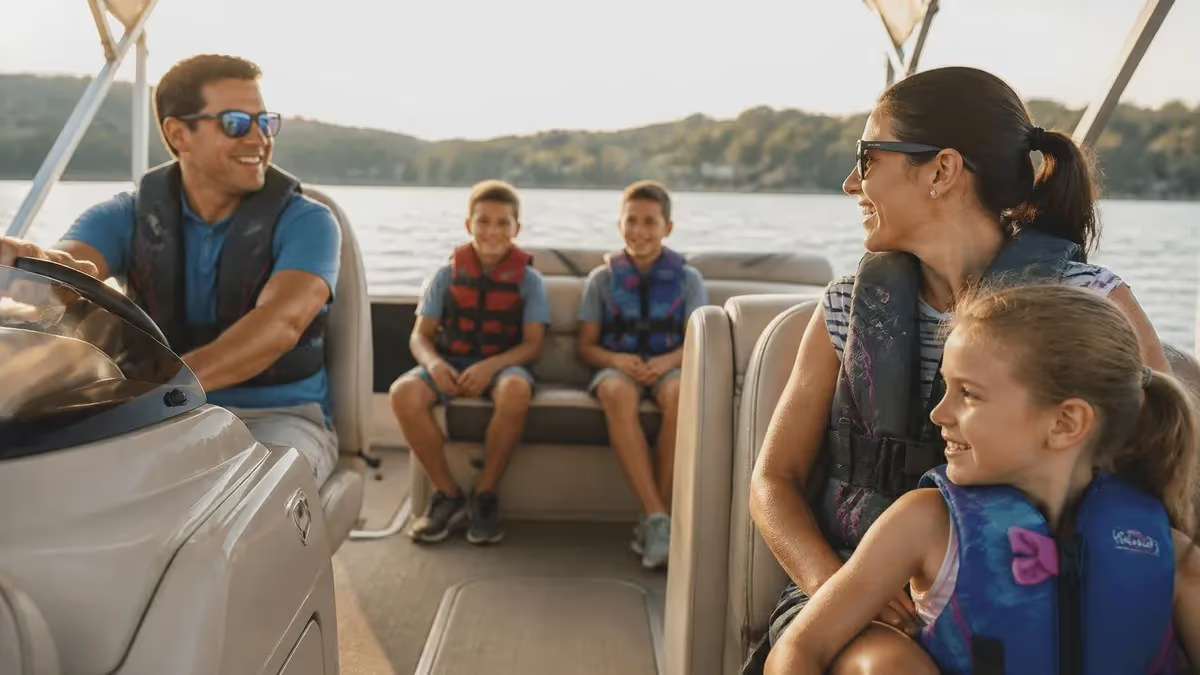
Getting your Hawaii boating license is the first step toward legally operating a motorized vessel on the state's spectacular ocean waters, rivers, and reservoirs. Hawaii, like most U.S. states, requires anyone born on or after January 1, 1984 to complete an approved boater education course before operating a motorized boat independently.
Whether you're heading out to snorkel off Molokini Crater or cruising Kaneohe Bay, understanding the certification process protects you, your passengers, and the natural environment around you. Completing the course typically takes less than a weekend, and the card you earn is valid for life. If you're also interested in a florida boating license, the requirements and process are similarly structured, making multi-state boating straightforward.
Many first-time boaters ask: do you need a license to drive a boat in Hawaii? Technically, Hawaii issues a Boater Education Card rather than a traditional operator's license like you'd need for a car, but the practical effect is the same. Without the card, operators born after the cutoff date cannot legally pilot a motorized vessel on state waters.
The card proves you passed an approved safety course covering navigation rules, emergency procedures, and environmental stewardship. Enforcement officers from the Hawaii Division of Boating and Ocean Recreation (DOBOR) conduct random vessel inspections and can issue citations or impound boats when operators lack proper certification.
Hawaii's boating regulations apply to a broad range of vessels. Any motorized boat — including personal watercraft (PWCs) like Jet Skis, motorized kayaks, and electric-powered boats — falls under the certification requirement. Sailboats without auxiliary engines are generally exempt, but any skipper who regularly crosses the channel between islands or ventures into offshore waters would benefit enormously from completing the safety curriculum regardless of legal obligation. The course covers stability principles, weather reading, distress signaling, and proper anchoring — all critical skills for Hawaiian waters, which can shift from glassy calm to rough 10-foot swells in under an hour.
The structure of Hawaii's boating education requirement mirrors national standards set by the National Association of State Boating Law Administrators (NASBLA). Approved course providers include the U.S. Coast Guard Auxiliary, U.S. Power Squadrons, and several online platforms such as Boat Ed and BoatUS Foundation.
Online courses typically cost between $24 and $45, require 8–12 hours of study, and culminate in a proctored final exam with a minimum passing score of 80 percent. Classroom-based courses offered through community colleges and local marinas may take a full weekend but provide valuable hands-on instruction, especially for beginners who've never handled a tiller or wheel.
Age requirements vary slightly by vessel type. Operators aged 15 or older may take the full Boater Education course and operate a vessel independently once certified. Operators between 12 and 14 may operate a motorized vessel if accompanied by a certified adult aged 18 or older. Children under 12 may not operate a motorized boat at any time under Hawaii law, regardless of adult supervision.
Personal watercraft carry slightly stricter age rules — operators must be at least 15 years old to rent or operate a PWC. These age distinctions exist because PWCs can reach speeds exceeding 65 mph and demand faster reflexes and stronger situational awareness than conventional boats.
Beyond the legal minimum, earning your Hawaii Boater Education Card opens up a range of practical benefits. Many charter companies, boat rental agencies, and marina operators require proof of certification before releasing a vessel, even for short recreational rentals. Some insurers offer discounted premiums for certified boaters.
More importantly, graduates consistently report that the education course dramatically increased their confidence on the water. Understanding right-of-way rules, how to navigate channels safely, and what to do in a man-overboard situation transforms a nervous first-timer into a competent skipper. The investment of a single weekend pays dividends across decades of safe boating enjoyment.
Across the continental United States, states like California, Florida, and Tennessee have implemented similarly structured requirements. The california boating license process requires completion of a NASBLA-approved course and issuance of a California Boater Card, which has been phased in by birth year since 2018. The california boating license requirement now covers all operators born on or after January 1, 1999. Understanding these interstate variations is especially valuable for boaters who travel and rent vessels across multiple states, as some reciprocity agreements allow a card from one state to satisfy requirements in another — but not universally.
Hawaii Boating License by the Numbers
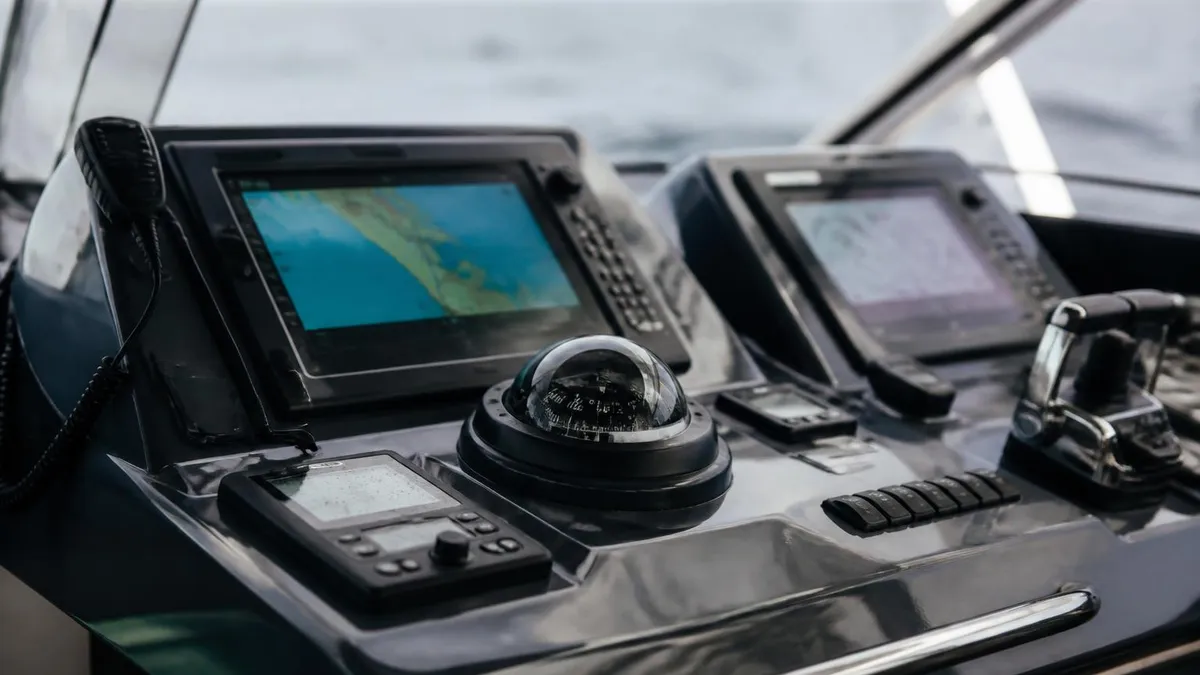
How to Get Your Hawaii Boating License Step by Step
Choose an Approved Course Provider
Complete the Study Curriculum
Pass the Proctored Final Exam
Receive Your Boater Education Card
Register Your Vessel with DOBOR
Understanding exactly how to complete the Hawaii boating certification process saves time and prevents common mistakes. The most important first step is verifying that your chosen course provider is approved by NASBLA and accepted specifically by Hawaii's Division of Boating and Ocean Recreation.
Not all online boating courses meet Hawaii's standards — some are designed for other states and lack required content on Hawaii-specific navigation zones, coral reef protection rules, and the state's humpback whale sanctuary regulations. Before paying for any course, look for the NASBLA approval statement on the provider's website and confirm Hawaii is listed as an accepted state.
Once enrolled, the curriculum unfolds across several major content areas. Navigation rules form the backbone of the coursework — these are the maritime equivalent of traffic laws, defining who has right-of-way in various encounter scenarios, what lights and shapes vessels must display at night or in reduced visibility, and how to read navigational markers. Hawaii uses the U.S. Inland Navigation Rules within harbors and state waters, and vessels venturing offshore follow International Regulations for Preventing Collisions at Sea (COLREGS). Knowing the difference between these two rule sets is essential for anyone planning offshore passages between the Hawaiian Islands.
Emergency procedures receive heavy emphasis in every approved course, and for good reason. Hawaii's waters present unique hazards including strong trade wind swells, unpredictable rip currents in harbor entrances, and sudden afternoon thunderstorms that develop rapidly over the mountains and push offshore. The curriculum covers man-overboard recovery, fire suppression, hull breach response, distress signaling with flares and VHF radio (Channel 16 is the universal hailing and distress frequency), and emergency anchoring. Candidates who study these sections carefully perform significantly better on the final exam and, more importantly, are better equipped to handle real emergencies calmly and effectively.
Environmental stewardship content is particularly detailed for Hawaii courses. The state's coral reefs are among the most biodiverse in the United States, and boating activities — including improper anchoring, fuel spills, and wake erosion — pose documented threats to these ecosystems.
The course covers mandatory no-anchor zones, reef-safe practices, proper waste disposal under the Clean Water Act, and regulations within the Hawaiian Islands Humpback Whale National Marine Sanctuary, which prohibits approaching humpbacks within 100 yards. Operators who ground their vessels on a coral reef can face civil penalties exceeding $25,000 per incident under federal law, making this section legally critical to understand.
The proctored final exam typically consists of 50 to 60 multiple-choice questions drawn from the full course curriculum. Passing requires a score of 80% or higher. Most test-takers report that questions about navigation lights, right-of-way rules, and required safety equipment are the most heavily tested areas.
Using practice tests — like those available at PracticeTestGeeks.com — significantly improves first-attempt pass rates. Candidates who complete at least three full practice exams before sitting the real test report both higher confidence and higher scores, largely because repeated exposure to question formats removes test-day surprises and reinforces memory retention of specific rules and figures.
After passing, your completion record is submitted electronically to Hawaii DOBOR by most online providers. A temporary printable certificate is usually available immediately, and your physical Boater Education Card arrives by mail within two to three weeks. This card is recognized by reciprocity agreements in many other states, meaning you generally won't need to retake a course if you move to or visit states like Tennessee, Missouri, or Alabama.
However, check each state's specific reciprocity policy before assuming your Hawaii card satisfies their requirements. The alabama boating license program, for example, does extend reciprocity to out-of-state cards issued by NASBLA-approved programs, making your Hawaii certification broadly portable across much of the country.
One frequently overlooked step is vessel registration, which is entirely separate from the personal Boater Education Card. Even after you're personally certified, your boat must carry a valid Hawaii registration sticker and display its assigned HI-number on both sides of the bow in letters at least three inches tall.
Registration fees are tiered by vessel length: boats under 16 feet pay approximately $18 annually, while vessels 26 feet and over pay up to $60. Out-of-state vessels visiting Hawaii for 60 days or fewer are exempt from local registration but must carry proof of home-state registration. Failure to display proper registration can result in a fine of up to $500 on the first offense.
Do You Need a License to Operate a Boat? State Comparisons
The florida boating license — officially called the Florida Boater Education ID Card — is required for operators born on or after January 1, 1988 who operate a vessel powered by 10 horsepower or more. Florida has some of the busiest recreational waterways in the nation, with over 935,000 registered vessels as of 2025. The course must be approved by the Florida Fish and Wildlife Conservation Commission (FWC), and the card is issued after passing a proctored exam with a minimum score of 75 percent.
Florida is consistently ranked as the state with the highest number of boating accidents in the country, which is why the FWC maintains strict enforcement of the education requirement. Operators caught without a valid card face fines up to $250 for a first offense. The boating license florida card has no expiration date and is accepted for reciprocity purposes in most other states that have enacted education requirements, including Hawaii, California, and Tennessee. Florida also mandates that anyone operating a personal watercraft must be at least 14 years old.
Pros and Cons of Online vs. Classroom Boating Courses
- +Complete the course at your own pace — online courses allow study in evenings and weekends without fixed scheduling commitments
- +Lower cost — online courses average $24–$45 vs. $50–$120 for classroom programs at marinas or community colleges
- +Immediate access to materials — start studying the same day you enroll with no waiting for a class date
- +Built-in review tools — most online platforms include practice quizzes, flashcards, and chapter reviews that reinforce learning
- +Accessible anywhere — ideal for residents of Neighbor Islands who would need to travel to Honolulu for a classroom session
- +Printable temporary certificate available within hours of passing, allowing you to legally operate while waiting for the physical card
- −No hands-on boat handling instruction — online courses teach rules and theory but cannot replicate the feel of managing a vessel in crosswinds or current
- −Proctor requirement adds a logistical step — you must arrange an approved exam supervisor, which can take time to coordinate
- −Self-discipline required — without scheduled sessions, some learners procrastinate and delay completion for weeks
- −Screen fatigue — 8–12 hours of online reading and video content can feel monotonous compared to an interactive classroom environment
- −Less networking opportunity — classroom courses connect you with experienced local boaters, instructors, and marina staff who share regional knowledge
- −Technical issues — poor internet connections, especially on rural Neighbor Islands, can interrupt timed exam sessions and require rescheduling
Hawaii Boating License Exam Prep Checklist
- ✓Verify your chosen course is NASBLA-approved and specifically accepted by Hawaii DOBOR before enrolling.
- ✓Complete all course modules without skipping — navigation rules and emergency procedures carry the most exam weight.
- ✓Memorize the required safety equipment list for your vessel's length class (life jackets, flares, fire extinguisher, horn).
- ✓Study all navigation light configurations for power vessels, sailboats, and anchored vessels — these appear heavily on the exam.
- ✓Review right-of-way rules for crossing, meeting head-on, and overtaking scenarios between different vessel types.
- ✓Practice with at least three full-length mock exams on PracticeTestGeeks.com before scheduling your proctored test.
- ✓Arrange an approved proctor at least one week in advance to avoid delays after finishing your coursework.
- ✓Understand Hawaii's specific rules — whale sanctuary approach distances, no-anchor reef zones, and harbor speed limits.
- ✓Register your vessel with Hawaii DOBOR separately from your personal certification before your first trip on the water.
- ✓Carry your Boater Education Card and vessel registration documentation on board every time you operate a motorized boat.
Your Hawaii Card Works in Most Other States
Hawaii's Boater Education Card is issued through a NASBLA-approved program, meaning it satisfies boater education requirements in the vast majority of U.S. states that have enacted laws. If you move to Florida, California, Tennessee, or Missouri, you typically won't need to retake a course — just carry your Hawaii card and confirm reciprocity with the specific state's boating authority before your first trip on local waters.
The cost of getting your Hawaii boating license is genuinely accessible when you understand the full fee structure. The education course itself is the primary expense, ranging from free (for certain U.S. Coast Guard Auxiliary classroom sessions) to around $45 for premium online platforms.
Government fees for Hawaii are minimal compared to some other states — the Boater Education Card itself carries no separate state issuance fee when submitted through an approved provider, unlike California's $10 card fee or some states that charge up to $25 for the physical credential. The real ongoing costs come from vessel registration and required safety equipment.
Hawaii vessel registration fees are calculated based on boat length. Vessels under 16 feet pay approximately $18 per year. Boats between 16 and 26 feet cost around $30 annually. Vessels 26 feet and longer pay approximately $60 per year. These fees fund DOBOR's maintenance of boat ramps, mooring facilities, and harbor infrastructure across the state. Registration must be renewed annually by mail or online through the Hawaii Department of Land and Natural Resources portal. Late renewals incur a penalty of 50% of the registration fee, so setting a calendar reminder is strongly recommended.
Required safety equipment represents a one-time upfront investment that varies significantly by vessel size and intended use. Every motorized vessel must carry one Coast Guard-approved Type I, II, III, or V life jacket per person on board. Boats between 16 and 26 feet must also carry a Type IV throwable cushion or ring buoy. Vessels 26 feet and over must carry a B-II fire extinguisher in addition to a B-I unit.
Visual distress signals — flares for nighttime use and either flags or additional flares for daytime — are required on all vessels operating on coastal waters, which includes virtually all Hawaii boating. A basic compliant equipment kit for a 20-foot boat typically costs between $150 and $300 at marine supply stores.
VHF marine radio equipment is strongly recommended and required by law for vessels operating offshore or in commercial channels. A handheld VHF radio costs approximately $80–$200 and provides the ability to monitor Channel 16 (the universal distress and hailing frequency), receive NOAA weather broadcasts, and communicate with the U.S. Coast Guard in an emergency. While not legally mandated for recreational vessels under 65 feet, the Coast Guard strongly urges all boaters to carry one, and Hawaii's geographic isolation — surrounded by open ocean — makes this investment particularly sensible. Insurance underwriters also often factor VHF equipment into their risk assessments.
Insurance for recreational boats in Hawaii is not legally required but is strongly advisable. Annual premiums for a 20-foot motorboat typically range from $300 to $700 depending on the vessel's value, horsepower, and intended use (nearshore versus offshore). Certified boaters with clean records commonly receive discounts of 10–15% through insurers like BoatUS, Progressive, and Markel.
Coverage typically includes liability for bodily injury and property damage (critical given how crowded some Hawaii anchorages become), physical damage to the vessel, and towing reimbursement. Towing a disabled boat in Hawaii's ocean environment can cost well over $1,000 without coverage, making the premium easily justifiable.
Fuel costs represent the largest ongoing operational expense for most recreational boaters in Hawaii. Marine gasoline prices at Hawaii marinas typically run $1.00–$2.50 per gallon above mainland prices due to the state's geographic isolation and shipping costs. A 20-foot powerboat with a 150-horsepower four-stroke outboard consuming roughly 8 gallons per hour will spend approximately $60–$80 per hour at current Hawaii marina fuel prices. Diesel-powered vessels are somewhat more economical. Planning fuel stops, carrying approved portable fuel containers for shorter trips, and maintaining your engine with annual tune-ups all help manage these costs over a season.
Charter and rental operators on Oahu, Maui, the Big Island, and Kauai require renters to present a valid Boater Education Card before releasing a vessel. Rental rates for a 20-foot pontoon boat run approximately $200–$400 for a half-day, while personal watercraft rentals average $100–$150 per hour. Some operators waive the card requirement for guided tours where a licensed captain operates the vessel, but independent rentals uniformly require certification. Factoring the $30–$45 course cost against even a single rental day makes the certification an obvious financial as well as legal necessity for anyone planning regular Hawaii water activities.
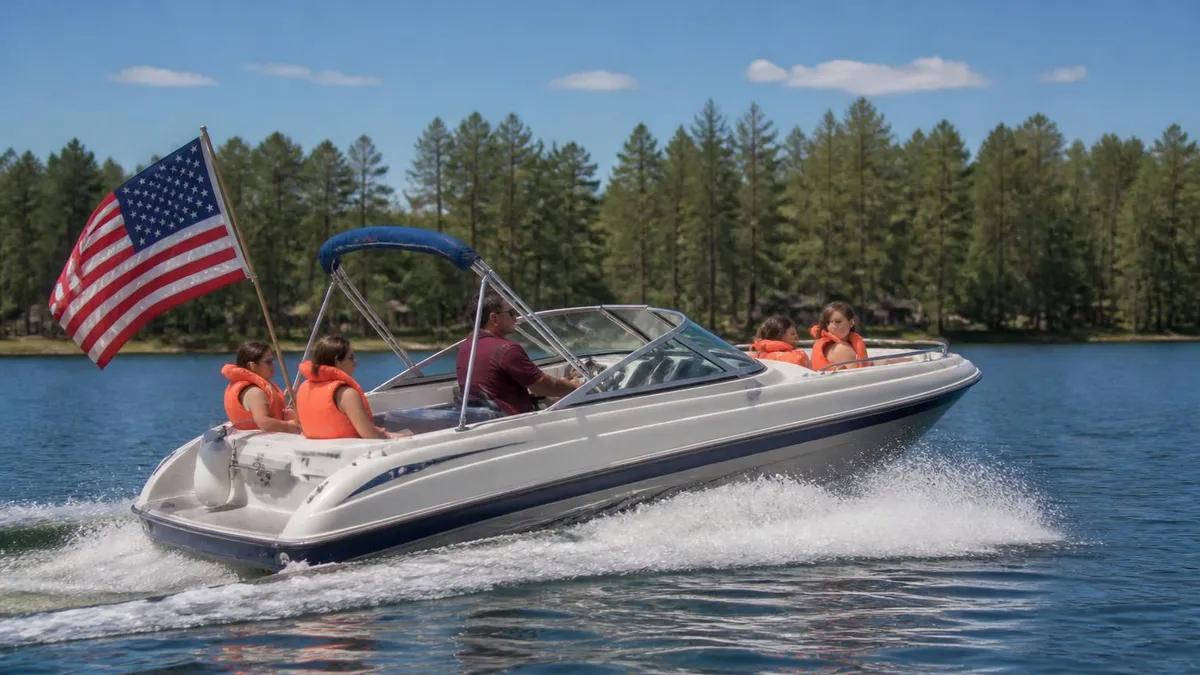
Physical Boater Education Cards arrive by mail two to three weeks after course completion. While a printable temporary certificate is immediately available, some rental operators and harbor officials prefer the physical card. If you have a specific boating trip planned, complete your certification course at least four weeks in advance to ensure you have your permanent card in hand before departure day.
Preparing effectively for the Hawaii boating exam requires understanding which content areas carry the most weight and then building genuine knowledge — not just surface memorization. Navigation rules are consistently the most heavily tested area, accounting for approximately 30–35% of exam questions across most NASBLA-approved providers. This section covers right-of-way scenarios, lighting configurations, and sound signal requirements.
The key to mastering navigation rules is visualizing actual encounter situations: when two power vessels approach head-on, both must alter course to starboard; when a power vessel and a sailboat are on a collision course, the power vessel is generally the give-way vessel. Knowing these rules in context rather than as abstract facts dramatically improves exam performance.
Safety equipment knowledge forms another major exam pillar, typically accounting for 20–25% of questions. Candidates need to know not just what equipment is required, but the specific classification systems. Life jackets, for example, are divided into Types I through V under U.S. Coast Guard classifications: Type I (offshore life jacket — highest buoyancy, required for offshore waters) through Type V (special use devices including inflatable suspenders). Fire extinguishers are classified B-I or B-II based on their minimum extinguishing capacity. Knowing these classification distinctions — and the thresholds that trigger each requirement — separates test-passers from those who need to retake.
Emergency procedures content covers man-overboard recovery, fire response, hull flooding, distress signaling, and hypothermia prevention. For Hawaii candidates specifically, questions about VHF radio operation (including how to send a proper MAYDAY call on Channel 16) and visual distress signal requirements for coastal waters appear regularly.
The standard MAYDAY format — MAYDAY spoken three times, vessel name, position (latitude/longitude or a landmark bearing and distance), nature of distress, number of people aboard, and any other relevant information — should be practiced aloud until it's second nature. The exam tests whether candidates know this sequence, and real emergencies will reward those who've internalized it.
Alcohol and drugs receive dedicated exam coverage because they are the leading contributing factor in fatal boating accidents nationwide. Operating a vessel under the influence of alcohol (BUI) is a federal offense with the legal limit set at 0.08% BAC — identical to driving a car. Hawaii enforces BUI laws aggressively, and penalties include fines up to $2,000, jail time, and revocation of boating privileges.
The exam typically includes two to four questions on BUI, covering blood alcohol limits, the physiological effects of alcohol on balance and reaction time in a marine environment, and the legal consequences of a conviction. These questions are generally straightforward for candidates who study this section carefully.
Environmental regulations in the Hawaii course reflect the state's unique ecological responsibilities. The exam covers oil discharge prohibitions (it is illegal to discharge any oil sheen on U.S. navigable waters under the Clean Water Act), sewage management (vessels over 65 feet must have Type I, II, or III marine sanitation devices), and the specific protections of the Hawaiian Islands Humpback Whale National Marine Sanctuary.
Speed restrictions in certain marine protected areas — including no-wake zones around coral reefs and anchored vessels — are testable material. Candidates who also plan to visit the Papahānaumokuākea Marine National Monument should note that additional, stricter regulations apply in that vast northwestern Hawaii reserve.
The tennessee boating license resource illustrates how even neighboring-state regulations share a common framework under NASBLA standards, which is why the national practice exams at PracticeTestGeeks.com are highly relevant even for Hawaii-specific preparation. Roughly 80% of boating exam content is uniform across all NASBLA states — the navigation rules, equipment requirements, and emergency procedures don't change from Hawaii to Maine. Only the state-specific sections — local regulations, sanctuary rules, and reporting requirements — vary. This means that strong scores on national practice exams translate directly into strong performance on the Hawaii-approved final.
Post-exam, once you receive your Boater Education Card, consider continuing your education with advanced courses. The U.S. Power Squadrons offer advanced seamanship, celestial navigation, and marine electronics courses. The U.S. Coast Guard Auxiliary provides free vessel safety checks that familiarize boaters with compliance requirements and can reveal unnoticed equipment deficiencies before an enforcement boarding. Many experienced Hawaii boaters also participate in offshore passage-making seminars offered by yacht clubs on Oahu and Maui, which cover inter-island crossing strategies, weather routing, and offshore emergency management at a depth that standard certification courses can only introduce.
Maximizing your exam score on the first attempt saves both time and the minor inconvenience of rescheduling a proctor session. The single most effective preparation strategy is spaced repetition practice testing — taking multiple short quizzes over several days rather than cramming all material in a single long session the night before.
Cognitive science consistently shows that spaced retrieval practice produces stronger long-term retention and better real-exam performance than massed study. At PracticeTestGeeks.com, the boating license practice tests are specifically designed for this use case, allowing candidates to target weak areas, review missed questions with explanations, and track improvement over multiple sessions.
Timing your study sessions strategically also matters. Most candidates who work full-time find that studying in 45-minute focused blocks — one in the morning and one in the evening — over five to seven days outperforms a single marathon weekend session. This approach gives the brain time to consolidate navigation rules and equipment classification details into long-term memory rather than short-term working memory.
The distinction matters on exam day: questions that require you to apply rules to novel scenarios (which NASBLA exams increasingly include) rely on deep understanding, not surface recall. Candidates who have truly internalized the right-of-way hierarchy navigate scenario questions with ease; those who memorized facts without understanding struggle with unfamiliar phrasing.
On exam day itself, practical preparation reduces test anxiety significantly. Confirm your proctor arrangement 24 hours in advance — especially if using an online proctoring service, which requires a stable internet connection and a quiet, private room. Read every question fully before selecting an answer; boating exam questions frequently use precise language where the difference between "must" and "should" or "power vessel" and "vessel under power" changes the correct answer entirely.
If unsure, use process of elimination: remove obviously wrong answers, then choose between the remaining options based on the underlying principle rather than guessing randomly. Most boating exam questions have one clearly wrong answer and one subtly wrong answer alongside the correct one.
After receiving your Boater Education Card, building real on-the-water experience should be your next priority. The card certifies that you understand the rules — actual boat handling skill comes from time on the water. Start with calm-water conditions in familiar, well-marked areas. Practice docking and undocking in both directions. Practice anchoring in sand and in grass bottoms.
Run a man-overboard drill with a floating cushion as the mock victim. Each practical exercise reinforces the theoretical knowledge from your course and builds the muscle memory that makes emergency responses automatic rather than deliberate. Certified boaters who invest in these early practice sessions report far higher confidence and enjoyment in their first season of independent operation.
Weather awareness is a skill that no written course fully develops — it must be cultivated through experience and ongoing self-education. In Hawaii, the dominant weather pattern is driven by the northeast trade winds, which typically blow 15–25 knots and create reliable sea conditions on the windward sides of each island.
However, Kona winds (southerly winds) that sometimes replace the trades in winter bring different, often rougher conditions that catch inexperienced boaters off guard. The National Weather Service Honolulu office issues marine zone forecasts for Hawaiian and coastal waters twice daily — bookmark this resource and consult it every time before getting underway, regardless of how calm the morning looks from the shore.
Fuel planning is another practical skill best developed deliberately. Calculate your vessel's fuel consumption at typical cruising speed — most outboard engines have manufacturer data showing gallons per hour at various RPM settings. Apply the standard boating fuel rule: use one-third of your fuel to go out, one-third to come back, and keep one-third in reserve for headwinds, detours, or unexpected delays.
In Hawaii, where the nearest fuel dock may be miles away and ocean conditions can deteriorate faster than expected, running low on fuel is not merely an inconvenience — it can become a life-threatening emergency requiring Coast Guard rescue. The Coast Guard responds to approximately 4,500 recreational vessel distress calls annually in Hawaii and surrounding Pacific waters, with fuel exhaustion among the top five causes.
Finally, never underestimate the value of filing a float plan before every boating trip, especially in Hawaii. A float plan is a written document — left with a trusted person ashore — that describes your vessel, your planned route, your expected return time, and the names of all persons on board.
If you fail to return or check in by the specified time, the float plan gives the Coast Guard or local search and rescue teams the information needed to begin searching immediately. This simple habit costs nothing and could save your life. The U.S. Coast Guard offers a free float plan form on its website, and most Hawaii marinas post laminated versions at their fuel docks as a constant reminder to all departing boaters.
Boating License Questions and Answers
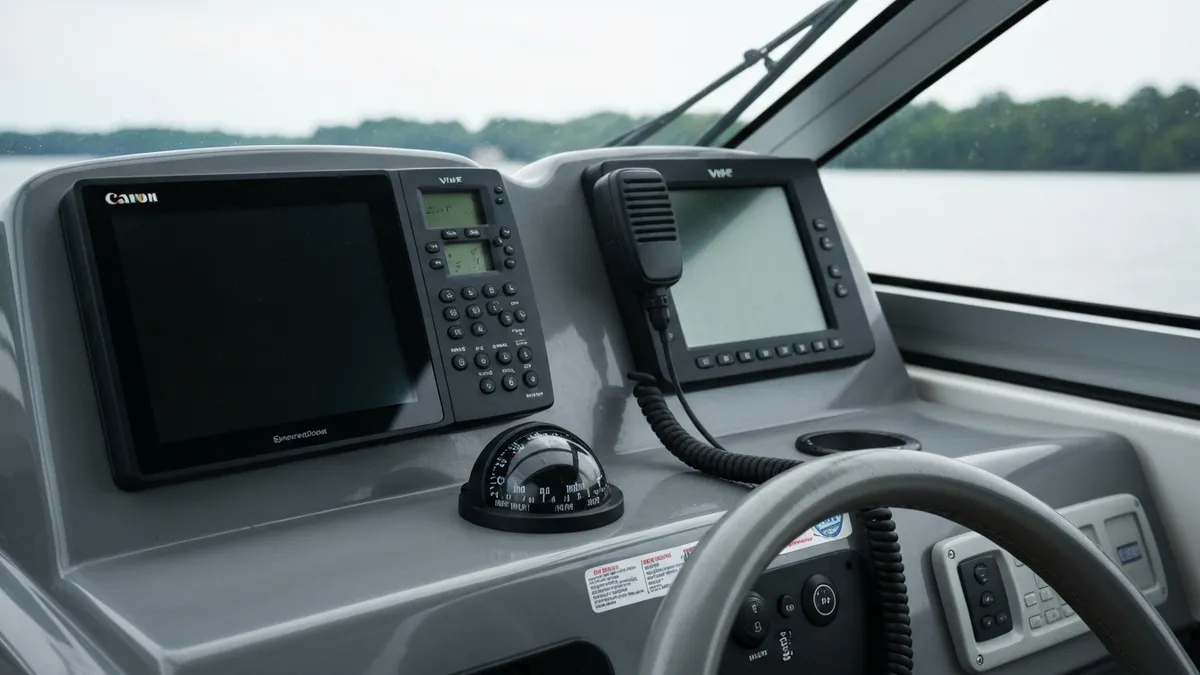
Tennessee Boating License 2026 — Requirements, Age & How to Get One
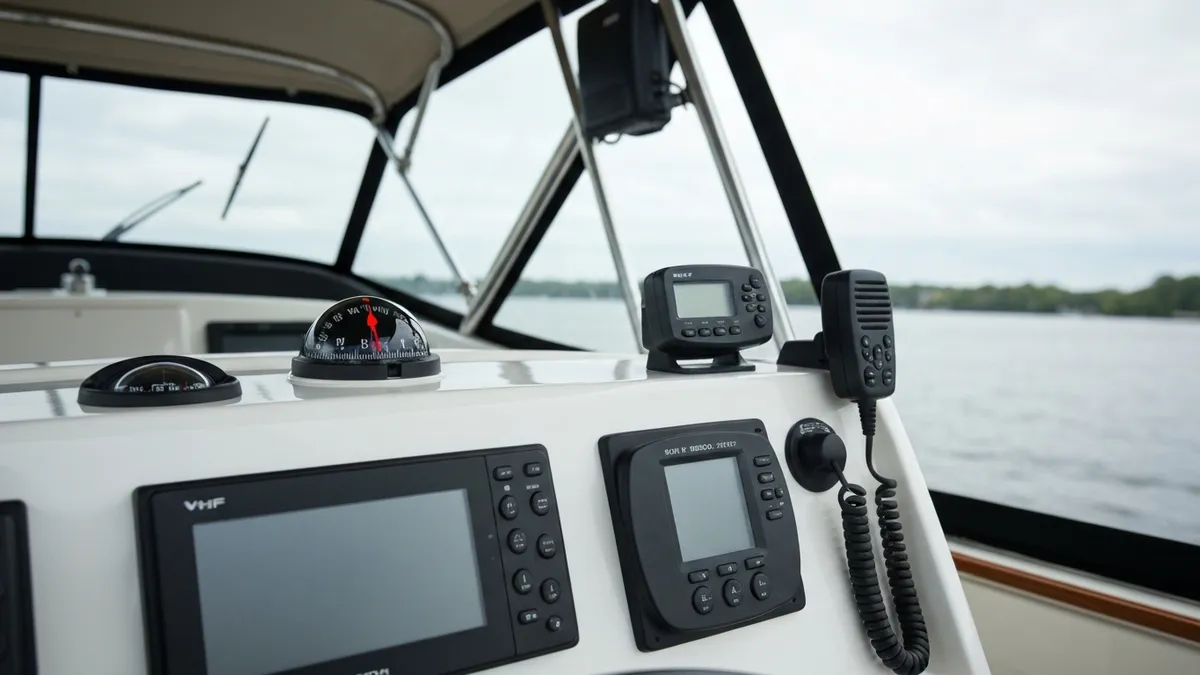
PA Boating License: Requirements, Cost & How to Get Certified 2026
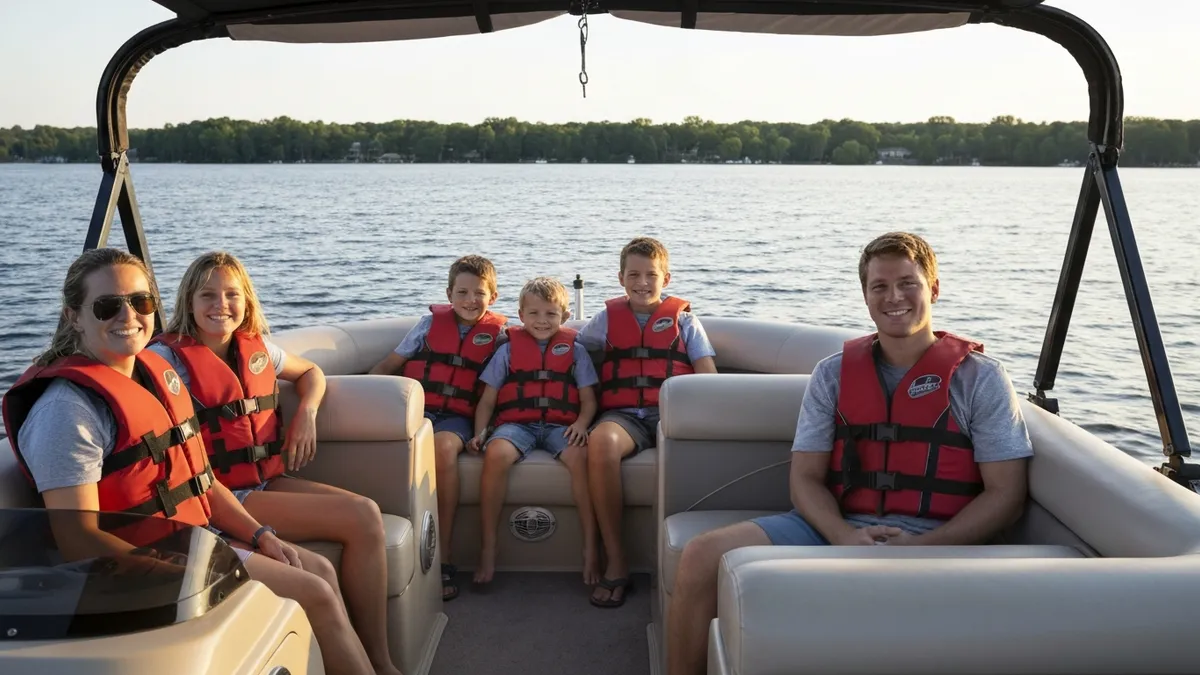
MN Boat License: Who Needs One & How to Get Certified
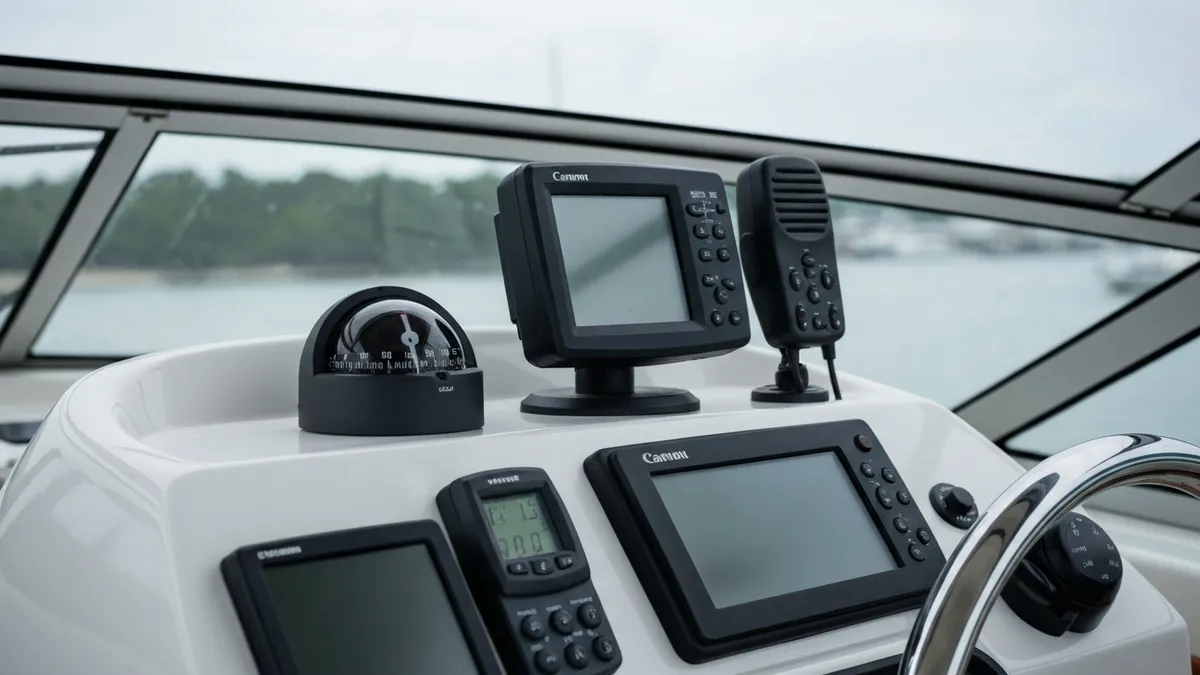
Do You Need a License to Drive a Boat? State-by-State Guide 2026
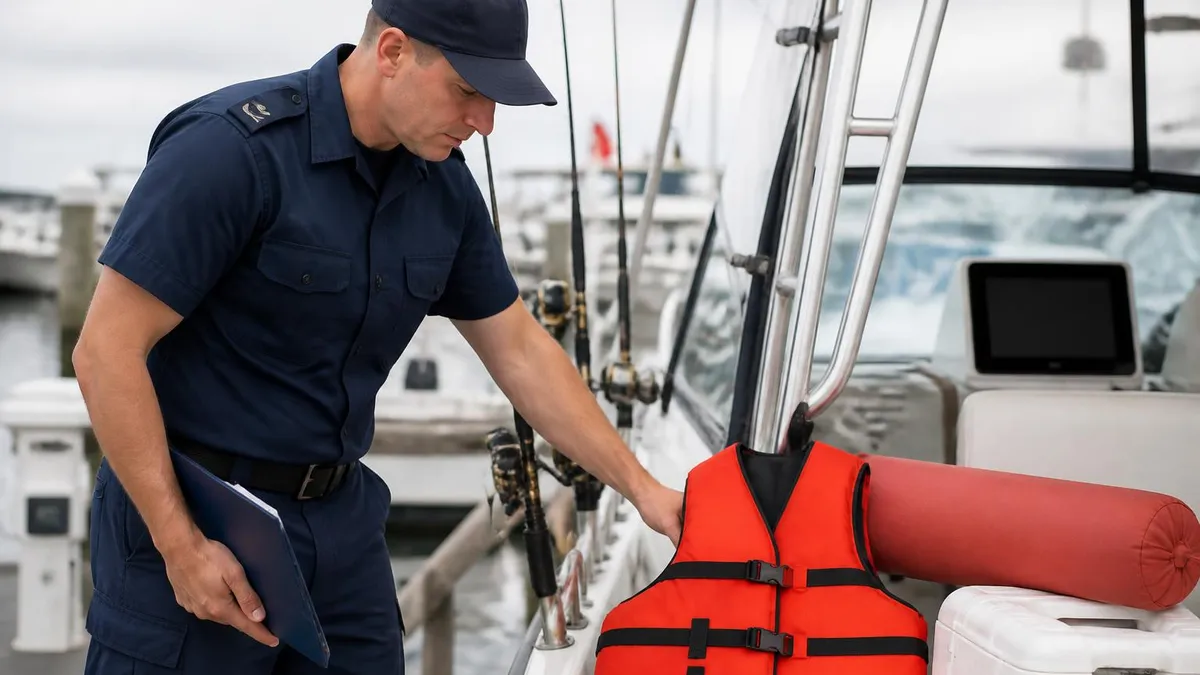
Boater Education Certificate: How to Get Your Boating Safety Card
About the Author

Master Mariner & Maritime Certification Specialist
Massachusetts Maritime AcademyCaptain David Harrington is a US Coast Guard licensed Master Mariner with a Bachelor of Science in Marine Transportation from Massachusetts Maritime Academy. He has 22 years of deep-sea and coastal navigation experience aboard commercial vessels and specializes in preparing maritime candidates for USCG licensing exams, STCW certification, dynamic positioning (DPO), and officer-of-the-watch qualifications.
Join the Discussion
Connect with other students preparing for this exam. Share tips, ask questions, and get advice from people who have been there.
View discussion (6 replies)