PA Boating License: Requirements, Cost & How to Get Certified 2026

Get your PA boating license and compare NJ, VA, MD, CT, NH & MA rules — age cutoffs, costs, online options, and reciprocity agreements explained in one guide.

Boating License TestBy Captain David HarringtonApr 2, 202614 min read
PA Boating License: Requirements, Cost & How to Get Certified 2026

PA Boating License: What the State Actually Requires

Pennsylvania requires a Boating Safety Certificate — commonly called a boating license requirements — for anyone born on or after January 1, 1982 who operates a motorized vessel on PA waters. The certificate is administered by the Pennsylvania Fish & Boat Commission (PFBC) and has no expiration date. Once earned, it's yours for life.

To get your boat license, you must complete a NASBLA-approved boating safety course. Pennsylvania accepts three delivery formats:

  • Online course — self-paced, available through PFBC-approved providers such as Boat-Ed and BoaterExam
  • In-person classroom course — typically one or two days, offered by PFBC-certified instructors statewide
  • Home-study course — printed materials with a proctored final exam

All formats require passing a final exam (minimum score varies by provider but is typically 75–80%). There is no state-administered written test separate from the course exam. Course fees range from $20 to $45 depending on format and provider.

Because the certificate is NASBLA-approved, it satisfies the boating license requirement in most neighboring states — including New York, New Jersey, Maryland, Virginia, Connecticut, New Hampshire, and Massachusetts — under mutual reciprocity agreements. This matters for boaters who cross state lines on the Delaware River, Chesapeake Bay tributaries, or coastal waterways.

This guide covers all seven Mid-Atlantic and New England states in detail: age cutoffs, exam formats, coastal versus freshwater rules, PWC endorsement requirements, and exactly where PA reciprocity holds — and where it doesn't.
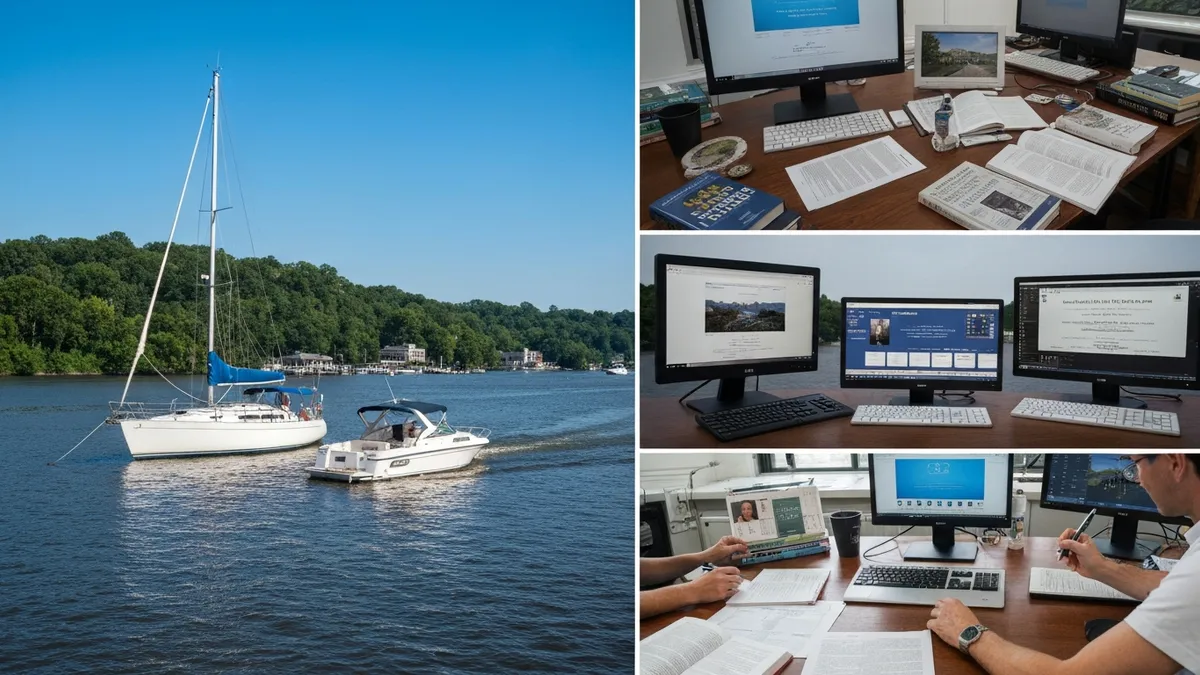
PA boating license requirements — Pennsylvania Fish and Boat Commission

Quick Facts: PA Boating License: What the State Actually Requires

  • A pa boating license (Pennsylvania Boating Safety Certificate, issued by PFBC) is required for anyone born on or after January 1, 1982 who operates a motorized vessel on PA waters
  • PA accepts online, in-person, and home-study course formats — all must be NASBLA-approved
  • The certificate never expires and is recognized by most neighboring Mid-Atlantic and New England states under reciprocity agreements
  • This guide compares all seven states — PA, NJ, VA, MD, CT, NH, and MA — covering age cutoffs, in-person exam requirements, coastal vs. freshwater rules, and cross-state reciprocity

State-by-State Boating License Requirements: PA, NJ, MD, VA, CT, NH & MA Compared

Minimum operator age
PA: 12 years old to operate a motorboat; under 16 must be supervised by an adult aboard. NJ: 16 years old to operate a powerboat unsupervised; under 16 requires a licensed adult on board.
Birth-year cutoff
PA: born on or after Jan 1, 1982 must carry a boating safety certificate. NJ: born on or after Sept 1, 1978 must hold a NJ Boating Safety Certificate — a broader cutoff that captures more operators.
Online course accepted
Yes for both states. PA accepts PFBC-approved providers (Boat-Ed, BoaterExam). NJ accepts NJDEP-approved online courses. Both require a proctored final exam to receive the certificate.
In-person PWC skills requirement
PA: no in-water skills test required for any vessel class. NJ: mandates a hands-on in-water PWC skills component before a PWC endorsement is issued — PA reciprocity does NOT satisfy this NJ requirement.
Reciprocity with PA
Full reciprocity: a valid PA PFBC boating safety certificate is accepted in NJ for motorboat operation. Exception: NJ's PWC endorsement requires the in-water skills test regardless of PA certificate status.

Do You Need a Boating License? Age Cutoffs, Exemptions & Who's Required

Pennsylvania Delaware River boating safety certification 2026

How to Get Your Boating License: Step-by-Step for Mid-Atlantic & New England States

🗺️
Day 1

Confirm Your State's Requirement

Before enrolling in any course, verify the exact trigger for your situation. Every state in the Mid-Atlantic and New England region uses a birth-year cutoff, but the dates differ: PA's is January 1, 1982; NJ's is September 1, 1996; MD's is July 1, 1972. Vessel type matters just as much as birth year — PWC operators in all 7 states must be certified regardless of age, while unpowered vessels such as canoes, kayaks, and sailboats under 10 HP are exempt in PA, NJ, MD, and CT. Check your state's boating authority website or NASBLA's state-by-state lookup tool before spending money on a course.
💻
Day 1–3

Choose a Course Format

Online self-paced courses are the fastest and most flexible option — every state in this region accepts completion from any NASBLA-approved provider (Boat-Ed, BoatUS Foundation, and Safe Boating Council are common choices). Most online courses take 3–8 hours depending on your pace. In-person classroom courses are required for NJ's PWC endorsement and are available free through CT's DEEP-sponsored program. Home-study packets remain an option in some states but are the slowest path and require mailing in a written exam. Choose based on your timeline, not just convenience.
📝
Day 2–5

Complete the Course and Pass the Final Exam

All approved courses end with a proctored or supervised final exam of 50–60 multiple-choice questions covering navigation rules, right-of-way, buoy systems, emergency procedures, and state-specific regulations. The passing threshold is not uniform: PA and NJ require 70%, VA and MA require 75%, and CT requires 80%. Massachusetts additionally requires online exams to be proctored — have a valid ID ready. Most providers allow retakes, but some impose a waiting period between attempts. Focus study time on the Navigation Rules (COLREGs), sound signals, and state HP age thresholds, which appear frequently.
🪪
Day 5–15

Receive Your Certificate

Upon passing, the certificate format and delivery method depend on your state. PA (PFBC) and NJ issue lifetime wallet-sized cards — no renewal required, ever. CT, NH, and MA issue state-specific certificates that are also lifetime credentials once earned. Delivery typically takes 5–10 business days by mail, but most online providers now offer instant print-at-home PDF certificates valid immediately upon passing. The NASBLA-approved certificate issued in PA is honored under reciprocity in CT, NH, and MA — you do not need to re-certify when boating across state lines, though you must comply with the local state's age and HP rules.
Every Trip

Carry Proof on Board

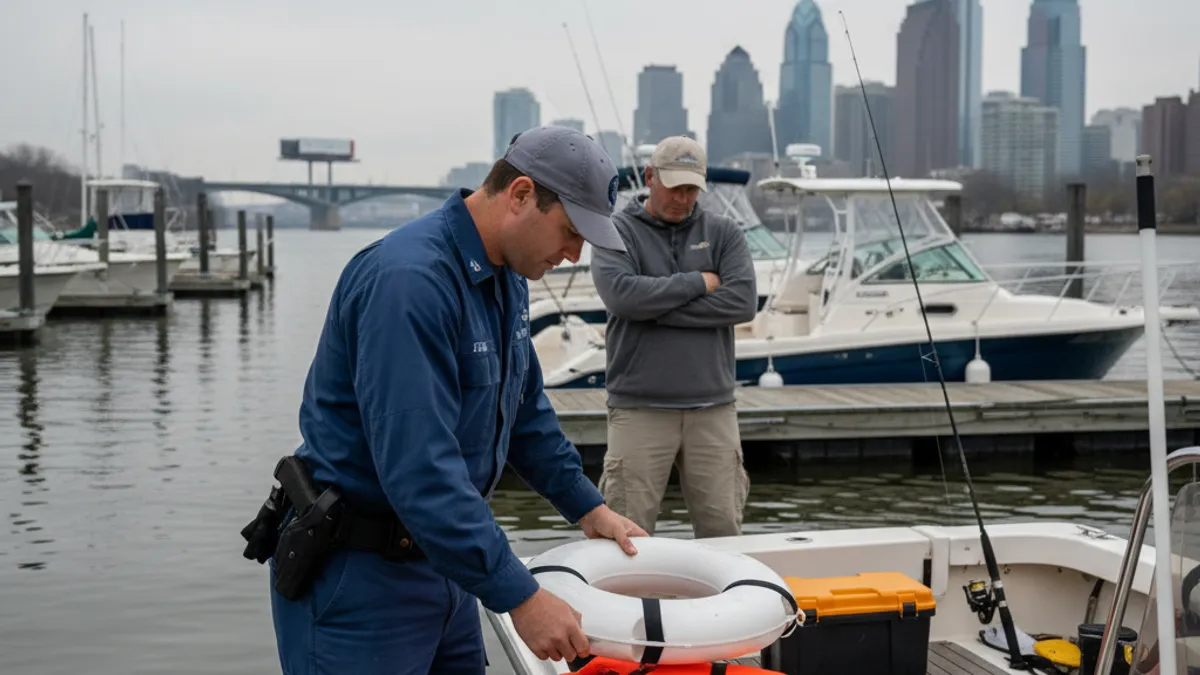
Certification is meaningless if you can't produce it on demand. All 7 Mid-Atlantic and New England states require operators to carry their original boating education certificate — or an acceptable digital copy displayed on a smartphone — while operating a vessel. Marine patrol officers and Coast Guard personnel can request it at any time during an on-water inspection. A digital copy on your phone is legally accepted in most states, but confirm your specific state's policy before relying solely on it. Keep a physical backup laminated in your boat's storage compartment as a fail-safe.

How Much Is a Boating License? Costs Across All 7 States

Boating license costs across the Mid-Atlantic and New England region vary by state and provider, but most options fall well under $50. Here's what to budget for each state covered in this guide.
💵$0–$25PennsylvaniaPFBC-approved online courses; BoatUS Foundation option is free, paid providers run ~$25; no separate state issuance fee
🧾$35–$50New JerseyNJ DEP-approved provider course fee plus a $10 state certificate processing charge
$29–$49VirginiaBoatUS Foundation free online option available; in-person SafeBoatVirginia classes run $40–$75
🌊$30–$50MarylandDNR charges no separate certificate fee; cost reflects approved-provider course pricing only
🐟$20–$35New HampshireNHFGD's own online portal is among the lowest-cost options in New England
🏖️$25–$50Connecticut & MassachusettsCT DEEP-approved providers from $25; MA MassFishHunt portal or third-party providers up to $50; no additional state certificate fee in either state

Costs reflect course fees as of 2026 and may vary by provider. Residents under 18 in some states (notably Connecticut) may qualify for subsidized pricing through local marine patrol programs.

PA vs NJ vs MD boating license cost and reciprocity compared

Coastal vs. Freshwater Rules & Reciprocity Agreements Across the Region

🤝NASBLA Reciprocity Network7-State Recognition

PA, NJ, MD, VA, CT, NH, and MA are all NASBLA member states — a boating safety certificate earned in any one state is legally recognized in all the others. This means your Pennsylvania PFBC card is valid when operating a vessel in Massachusetts or Virginia without obtaining a new york state boating license equivalent or a separate regional permit. Always carry your home-state card on your person when crossing state lines on the water; law enforcement in each state will accept it as proof of compliance.

ReciprocityNASBLAMulti-State
  • Member States: PA, NJ, MD, VA, CT, NH, MA
  • Recognition: Lifetime NASBLA certificates honored in all 7
  • Carry Requirement: Original or digital copy immediately accessible
  • Comparable To: Boating license ca NASBLA reciprocity — same federal standard
Coastal & Tidal Water OverlaysFederal Rules Apply

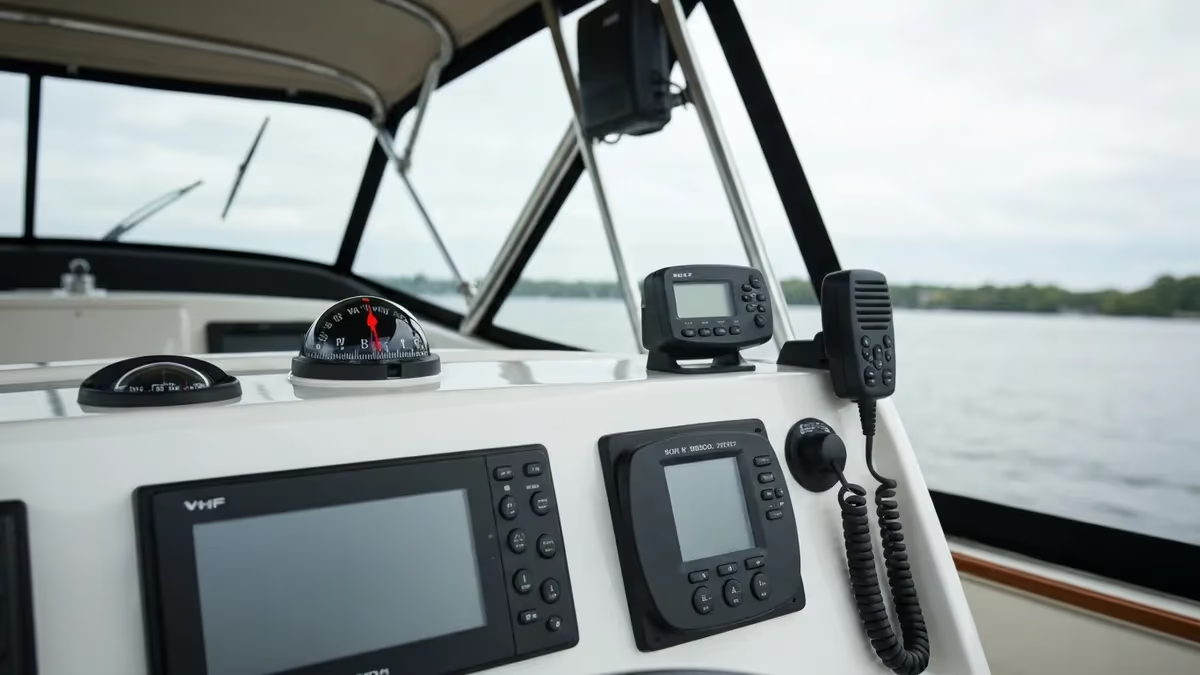
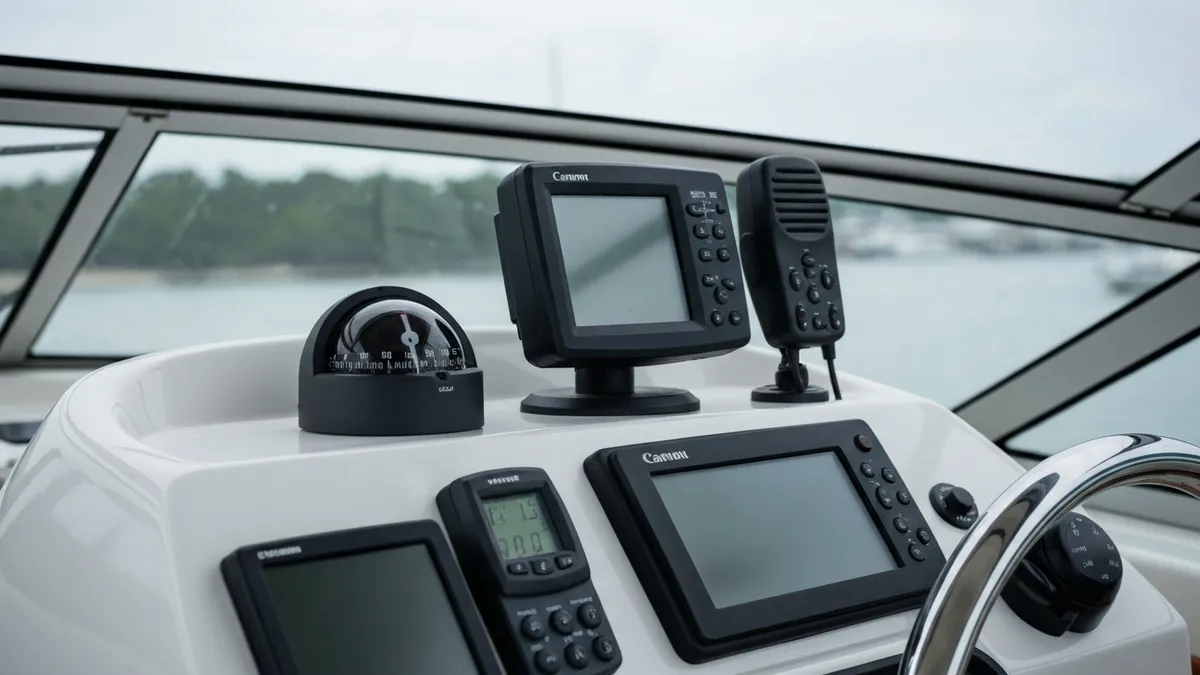
NJ, MD, and VA layer USCG federal navigation rules on top of state rules for all tidal and coastal waters — rules that do not apply to PA inland lakes. These overlays require stricter life jacket carriage (Type I or II on open coastal water vs. Type III on PA freshwater), mandatory navigation lights from sunset to sunrise, and a strong VHF marine radio recommendation on any vessel operating in tidal zones. PA boaters unfamiliar with federal Inland/COLREGS rules should review USCG Navigation Rules before heading to the coast.

USCG OverlayTidal WatersNavigation Rules
  • Life Jacket Standard: Type I or II required on open coastal water
  • Navigation Lights: Mandatory sunset to sunrise on all tidal waters
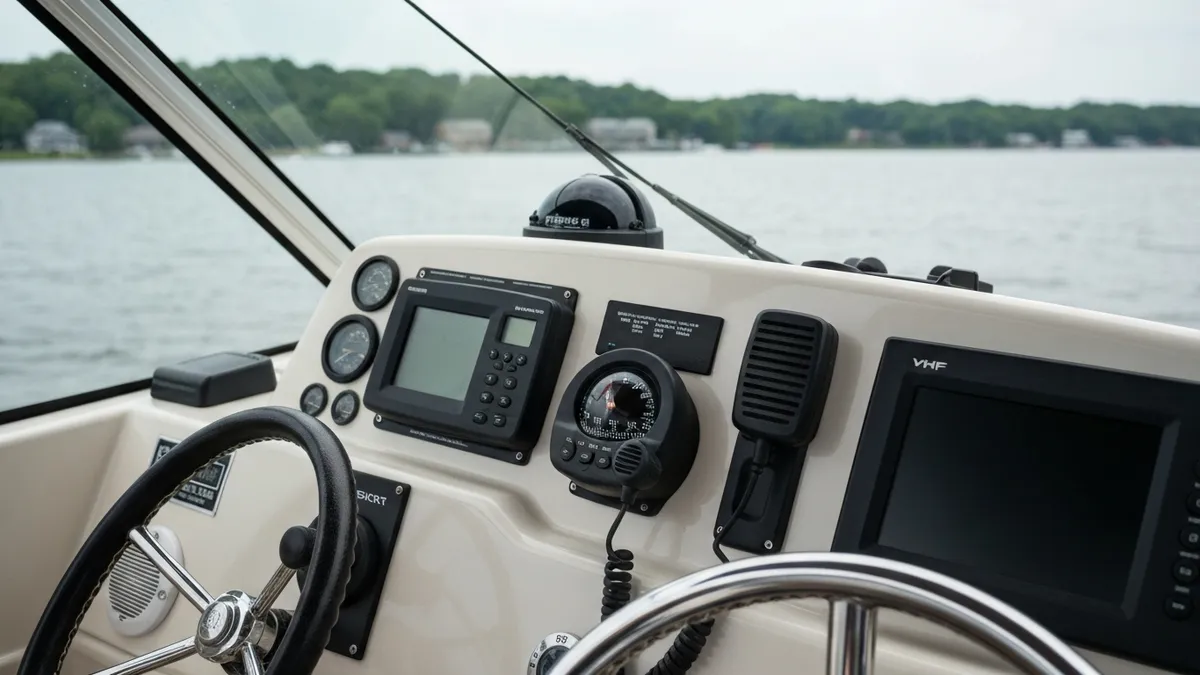
  • VHF Radio: Strongly recommended; required on vessels over 65 ft
  • PA Inland Difference: These federal overlays do NOT apply on PA lakes
🌊Chesapeake & Delaware Bay RulesTidal Regulation Zone

PA certificate holders who do you have to have license to drive a boat on the Chesapeake or Delaware Bay automatically fall under MD or NJ tidal regulations the moment they enter those waters. Your PA freshwater-only certificate remains valid as proof of education, but the vessel itself must meet additional federal equipment standards — including proper flare kits, updated fire extinguisher ratings, and a working sound-producing device meeting USCG specs. Delaware Bay tributaries that cross into PA territory still trigger tidal overlay rules once you pass the tidal boundary marker.

Chesapeake BayDelaware BayFederal Equipment
  • Certificate Validity: PA card accepted; vessel must meet federal standards
  • Required Equipment: USCG-approved flares, fire extinguisher, sound device
  • Tidal Boundary: Overlay activates at the posted tidal boundary marker
  • Enforcement: MD DNR and NJ Marine Police both patrol these waters
🦞New England Coastal AdditionsMA · CT · NH Rules

Each New England state in the network adds its own coastal-specific rules beyond NASBLA baseline. Massachusetts enforces a mandatory 100-foot no-wake zone near all designated swimming beaches on coastal waters — a rule with no PA equivalent. Connecticut issues a seasonal lobster-pot marker avoidance advisory from May through November, requiring operators to slow and steer clear of trap buoys. New Hampshire's Great Bay is classified as a tidal estuary, which triggers full USCG overlay rules identical to open coastal water despite being located well inland.

MassachusettsConnecticutNew HampshireGreat Bay
  • MA No-Wake Zone: 100 ft mandatory around designated swimming beaches
  • CT Seasonal Advisory: Lobster-pot avoidance: May–November on coastal waters
  • NH Great Bay: Tidal estuary classification — full USCG overlay applies
  • PA Card Validity: Accepted in all 3 states; local rules still enforced

Boating License Test Questions and Answers

More Boating License Test Resources
About the Author

Captain David HarringtonBS Marine Transportation, Master Mariner License, STCW

Master Mariner & Maritime Certification Specialist

Massachusetts Maritime Academy

Captain David Harrington is a US Coast Guard licensed Master Mariner with a Bachelor of Science in Marine Transportation from Massachusetts Maritime Academy. He has 22 years of deep-sea and coastal navigation experience aboard commercial vessels and specializes in preparing maritime candidates for USCG licensing exams, STCW certification, dynamic positioning (DPO), and officer-of-the-watch qualifications.