
Florida Boating License Requirements: How to Get Your FL Boating Safety Card
Florida boating license requirements explained: ✍🏼 who needs it, age rules, NASBLA courses, exemptions, fees, and how to get your FL Boating Safety ID Card.
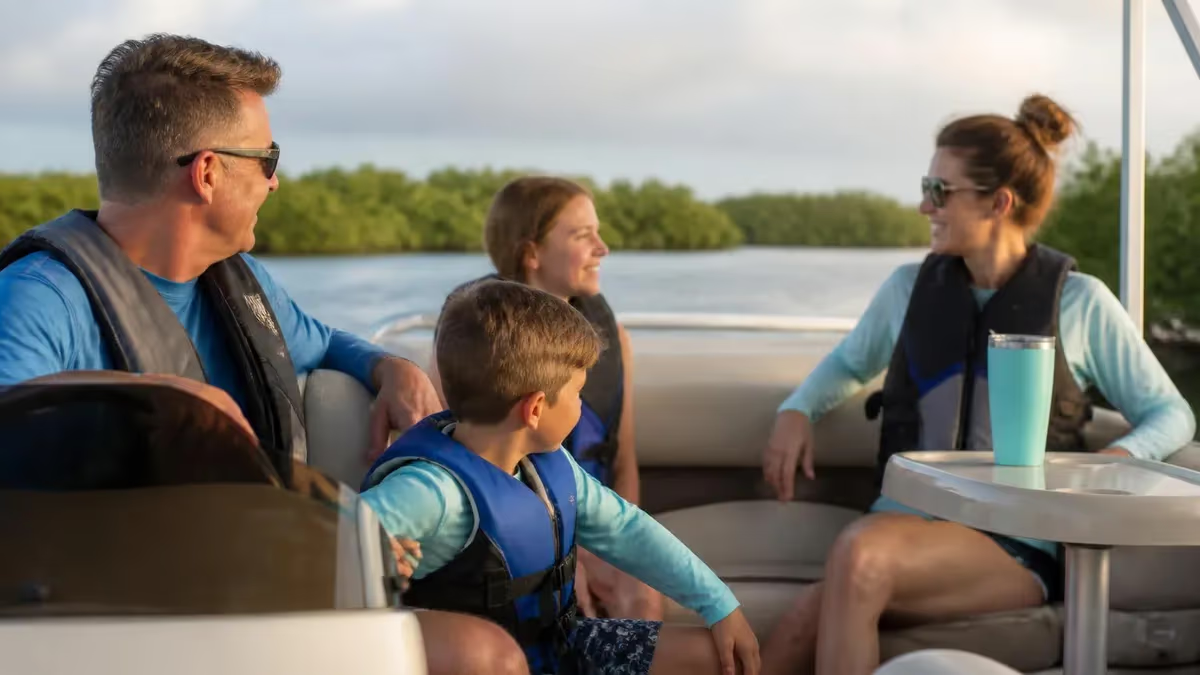
Florida Boating License Requirements: How to Get Your FL Boating Safety Card
Florida is the boating capital of the United States. With more than one million registered vessels, 1,350 miles of coastline, and roughly 7,700 named lakes, the Sunshine State sees more on-water traffic than anywhere else in the country. Before you turn the key on a powered vessel here, you need to understand the florida boating license requirements that apply to you.
Florida does not technically issue a traditional license. Instead, the Florida Fish and Wildlife Conservation Commission (FWC) issues a lifetime Boating Safety Education ID Card after you complete a state-approved course. The card is sometimes called the FL boating license, and the two terms are used interchangeably. Both refer to the same FWC-issued document.
The rule that catches most new boaters off guard is the birth-year cutoff. Anyone born on or after January 1, 1988 must carry a Boating Safety Education ID Card to legally operate a vessel of ten horsepower or greater on Florida public waters. The card never expires. It never needs renewal. And it is honored across state lines if you take a NASBLA-approved course.
If you were born before that date you are grandfathered in, and Florida law does not require you to carry the card. FWC still recommends voluntary completion because the safety material covers things that genuinely save lives — cold-water shock, navigation in tidal currents, and how to respond when a person goes overboard near a moving propeller.
For an overview that compares Florida with other states, our boating license hub gives the national picture. This guide stays focused on Florida and walks through every rule you actually need to know, including age thresholds, exemptions, course providers, the step-by-step process, and what gear must be on board the moment you push off the dock.
One more point before we dig in. People often confuse the Boating Safety Education ID Card with vessel registration. They are two different documents, and Florida law requires both for most operators. The card proves you completed the course. Registration proves you own the boat. Skipping either one can mean a citation and a fine — and in repeat cases, suspension of your vessel operating privileges.
By the end of this guide you will know whether you need a Florida card at all, which course fits your budget and learning style, exactly how long the process takes, what topics show up on the final exam, and how to avoid the most common rookie mistakes. If you want to start prepping right now, our boating license practice test pdf covers most of the safety topics you will see on the FWC-approved exam.
Florida boating enforcement is heavier than most visitors expect. FWC patrols are common on weekends, on holidays, and around busy boat ramps from Jacksonville down through the Keys. Officers can stop any vessel without probable cause to verify safety equipment, registration, and the operator card. Knowing what is required and having it ready makes the difference between a 90-second courtesy stop and a citation.
What Florida Actually Requires
If you were born on or after January 1, 1988 and operate a vessel of 10 HP or more on Florida public waters, you must carry a Florida Boating Safety Education ID Card plus a photo ID. The card costs as little as $0 through the BoatUS Foundation course, takes 3–8 hours online, and is valid for life. There is no road test, no in-person visit required, and no renewal fee.
Florida Boating License at a Glance
Key Facts at a Glance
| Item | Value | Details |
|---|---|---|
| Min Age to Operate | 14 years | |
| Course Length | 3–8 hours | |
| Course Cost | $0–$40 | |
| Card Validity | Lifetime |
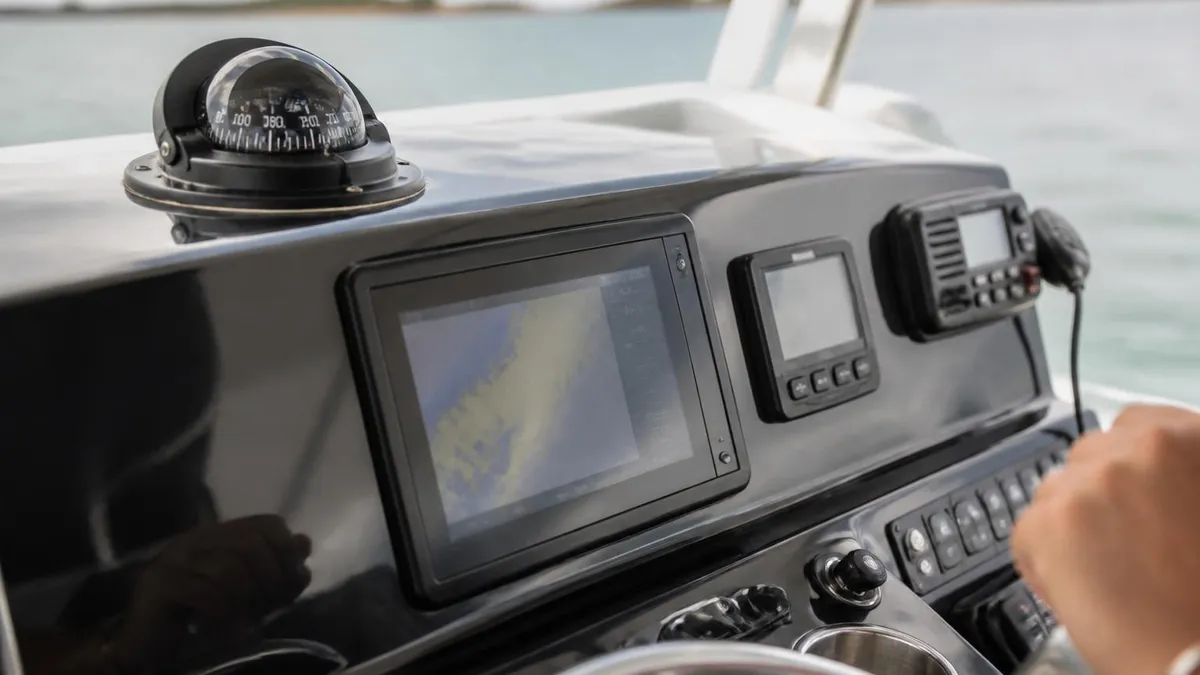
Florida Boating Requirements by Topic
You need a Florida Boating Safety Education ID Card if you were born on or after January 1, 1988 and you operate a vessel of 10 horsepower or greater on Florida public waters. The rule applies to residents and non-residents alike. There is no upper age limit on operating — only the birth-year cutoff that defines who must show the card.
The minimum age to operate a vessel of 10 HP or more alone in Florida is 14. Operators under 14 must be accompanied by an adult 18 or older who is physically present in the boat. Personal watercraft (PWC) like jet skis have a stricter rule: you must be at least 14 to operate one, period.
Step-by-Step: How to Get a Florida Boating License
Getting your Florida card is more straightforward than most people expect. The whole process can happen in a single afternoon if you choose an online course and have a smartphone handy. Here is how the workflow plays out for first-time Florida boaters, broken into the five decisions and actions that matter most along the way.
First, confirm that you fall under the birth-year rule and actually need the card. If you were born before January 1, 1988 you are grandfathered in, and Florida does not require the card at all. FWC still recommends voluntary completion. The material covers things you cannot easily pick up from videos, like how to read marker buoys, what to do when your engine quits, and how to help a capsized paddler safely.
If you are visiting Florida for a week and renting from a livery, ask whether they offer the Temporary Boating Safety Education ID test on site. The test is shorter than a full online course, and the temporary card stays valid for 90 days. For a one-week vacation, that route is almost always the right answer rather than paying for a lifetime card you will rarely use.
Choosing the Right Course Provider
If you do need the lifetime card, the next decision is which provider to use. Florida law requires the course to be NASBLA-approved and FWC-approved. Both stamps must apply. Among online options, the BoatUS Foundation course is free for Florida residents and visitors, fully online, and meets every state requirement set by FWC.
Boat-Ed runs $34.95 and includes polished video lessons, while BoaterExam.com is $39.95 and offers an instant temporary card so you can launch the same day. iLearnToBoat ($29.95) and Drive A Boat USA ($25) round out the field. Our general how to get a boating license walkthrough compares these providers more deeply if you also boat outside Florida and want one card recognized in multiple states at once.
In-person classes are also worth considering for visual learners. The U.S. Coast Guard Auxiliary and the U.S. Power Squadrons run weekend classes throughout Florida, usually for $20–$30 to cover materials. Schedules are listed at myfwc.com under Boating Safety Education. These classes take a full day but you walk out with the card in hand, no online exam needed.
The Course, the Exam, and Your Card
The course itself takes 3 to 8 hours depending on how thoroughly you read each chapter. You can pause and resume across multiple sessions, and the system remembers your spot. Each chapter ends with a short quiz that confirms you understood the material before letting you move on to the next one.
The final exam is typically 50 to 75 multiple-choice questions covering navigation rules, required safety equipment, Florida-specific laws, weather, distress signals, and emergency procedures. Most providers require 80 percent to pass. If you miss the cutoff you can retake the exam, usually for free. Some providers limit retakes to three attempts before requiring you to redo selected chapters first.
Once you pass, you pay the course fee (where applicable), download or print your Boating Safety Education ID Card, and you are done. The card lists your name, date of birth, FWC-approved course code, and date of completion. Florida law requires you to carry the card plus a government-issued photo ID on board any time you operate a covered vessel.
Screenshots are not officially accepted by FWC officers, so either print the card or keep the original PDF on your phone. Many boaters laminate the printed card and clip it to the boat's documentation folder along with the registration certificate. For more on the broader certificate process, see our boater education certificate page.
What the FWC Exam Actually Tests
Most of the FWC-approved exam covers material that applies anywhere — right of way, navigation lights, PFD types, fire extinguisher classes, hypothermia, and basic chart reading. The Florida-specific content is where new operators trip up because it goes beyond generic boating knowledge into state law. Our boating certification test resource covers the broader NASBLA framework for background.
5 Steps to Your Florida Boating Safety Card
Step 1: Confirm You Need It
Step 2: Pick an Approved Course
Step 3: Complete the Course
Step 4: Pass the Final Exam
Step 5: Print and Carry Your Card
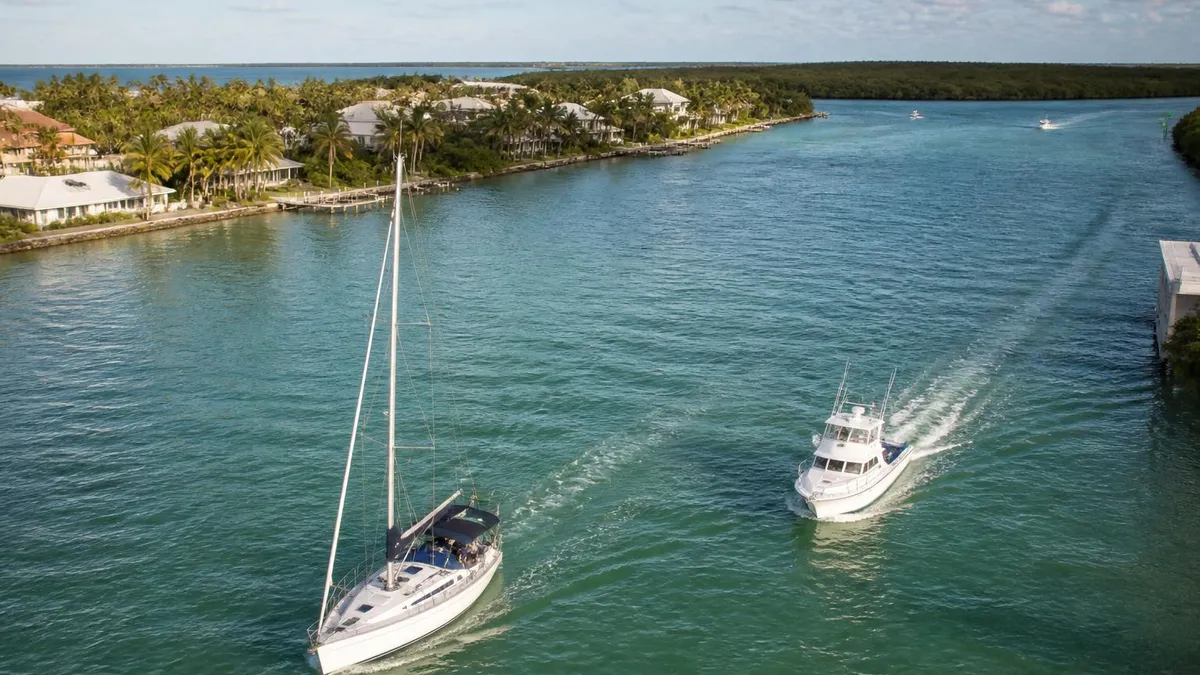
5 Florida-Specific Boating Rules Every Operator Must Know
- What It Is: Slow-speed and idle-speed zones in 13+ FL counties to protect manatees
- Enforcement: FWC officers patrol with radar; fines start at $90 and rise with repeat offenses
- Peak Months: November through March when manatees seek warm water
- Adult Limit: 0.08 BAC for operators 21+
- Under 21 Limit: 0.02 BAC — effectively zero tolerance
- Refusal Penalty: 1-year suspension of vessel operating privileges plus $500 fine
- When Required: Sunset to sunrise and during reduced visibility (fog, rain)
- Power Vessel: Red port, green starboard, white masthead and stern lights
- Anchor Light: All-around white light visible 2 nautical miles when anchored outside designated anchorage
- Reckless Op: First-degree misdemeanor; willful disregard for safety. Up to 1 year jail, $1,000 fine
- Careless Op: Failure to operate with proper care. Non-criminal civil infraction
- Common Triggers: Speed in no-wake zones, wake damage, weaving through traffic
- When to Report: Any death, disappearance, injury beyond first aid, or property damage over $2,000
- Who to Notify: FWC dispatch and local law enforcement immediately
- Written Report Due: Within 10 days for property damage; within 48 hours for injuries or death
Florida BUI Laws: The Rule Most New Boaters Underestimate
Boating Under the Influence is the single most common serious offense FWC officers cite on Florida waters. The legal threshold for operators 21 and over is a blood alcohol concentration of 0.08 — the same as driving a car. Operators under 21 face a 0.02 limit, which is effectively zero tolerance because even one drink can put a 19-year-old over.
What surprises most new boaters is the refusal penalty. If an FWC officer has probable cause to suspect BUI and you refuse the breath, blood, or urine test, you face an automatic one-year suspension of your vessel operating privileges plus a $500 fine. The refusal penalty applies even if you would have blown under the limit. Refusing is almost always the worse choice in Florida.
Penalties escalate sharply with BAC level and repeat offenses. A first BUI with BAC under 0.15 is a second-degree misdemeanor with up to six months in jail, $1,000 fine, and 50 hours of community service. BAC at or above 0.15, or with a passenger under 18, doubles the fine and adds mandatory ignition interlock for many vehicle operators. A third BUI within ten years becomes a third-degree felony.
Manatee Zones, Speed Markings, and Florida's Most Cited Wildlife Rule
Florida is home to the threatened West Indian manatee, and protecting these slow-moving marine mammals is one of FWC's top enforcement priorities. Manatee Protection Zones exist in at least 13 Florida counties and are marked with yellow regulatory signs reading Slow Speed Minimum Wake, Idle Speed No Wake, or No Entry. Violating these zones is one of the most common citations FWC officers issue.
Slow speed means your boat is fully off plane and creating minimum wake. Idle speed means the slowest speed at which you can maintain steerage. No entry means exactly what it sounds like — turn around. The zones tighten during winter months (November through March) when manatees congregate around warm-water springs and power plant outflows.
Vessel Registration, Documentation, and Required FL Stickers
Every motorized vessel and every non-motorized vessel 16 feet or longer must be registered with Florida. Registration is handled by your county tax collector and must be renewed annually. You receive a registration certificate (carry it on board) and a decal that must be displayed on the forward half of the hull, on each side, in three-inch block letters.
Annual fees scale with vessel length: $5.50 for class A-1 (under 12 feet), $16.25 for class A-2 (12 to less than 16 feet), and $28.75 for class 1 (16 to less than 26 feet). Larger classes scale up from there. Commercial vessels pay a separate scale entirely.
Initial titling adds a one-time fee of $5.25. Both the registration certificate and the FL decal must be visible to FWC officers on patrol. For more on the broader testing process, the boating certification test complete study guide covers registration alongside safety material.
Out-of-state vessels brought into Florida have a 90-day grace period before they must register here. After 90 days the boat is treated as a Florida-based vessel regardless of where it was bought. Many seasonal visitors miss this rule and discover it during a routine FWC stop. If you keep a boat in Florida for more than three months a year, get the FL title and registration squared away early.
Finally, the FWC decal must match the registration certificate exactly. A mismatched or missing decal is its own citation, even if your card and registration are perfect. Replace lost decals immediately through the same county tax collector that issued the original. Online replacement is available in most counties for $1 plus a small processing fee.
BoatUS Foundation (Free) vs. Paid Courses (Boat-Ed, BoaterExam)
- +BoatUS Foundation is genuinely $0 — no upsell, no hidden fee, FWC-approved
- +Free version is identical in legal weight to any paid course
- +Self-paced and mobile-friendly — finish on a phone during a beach day
- +Lifetime FL Boating Safety Education ID Card with same NASBLA recognition
- +Available in English and Spanish for many providers
- −BoatUS free version has fewer video animations than Boat-Ed
- −Free courses do not always issue an instant temporary card — paid ones often do
- −Paid providers ($25–$40) include refund guarantees if you fail repeatedly
- −Boat-Ed app works offline; BoatUS free version requires internet
- −Some learners find paid course interfaces less cluttered with ads
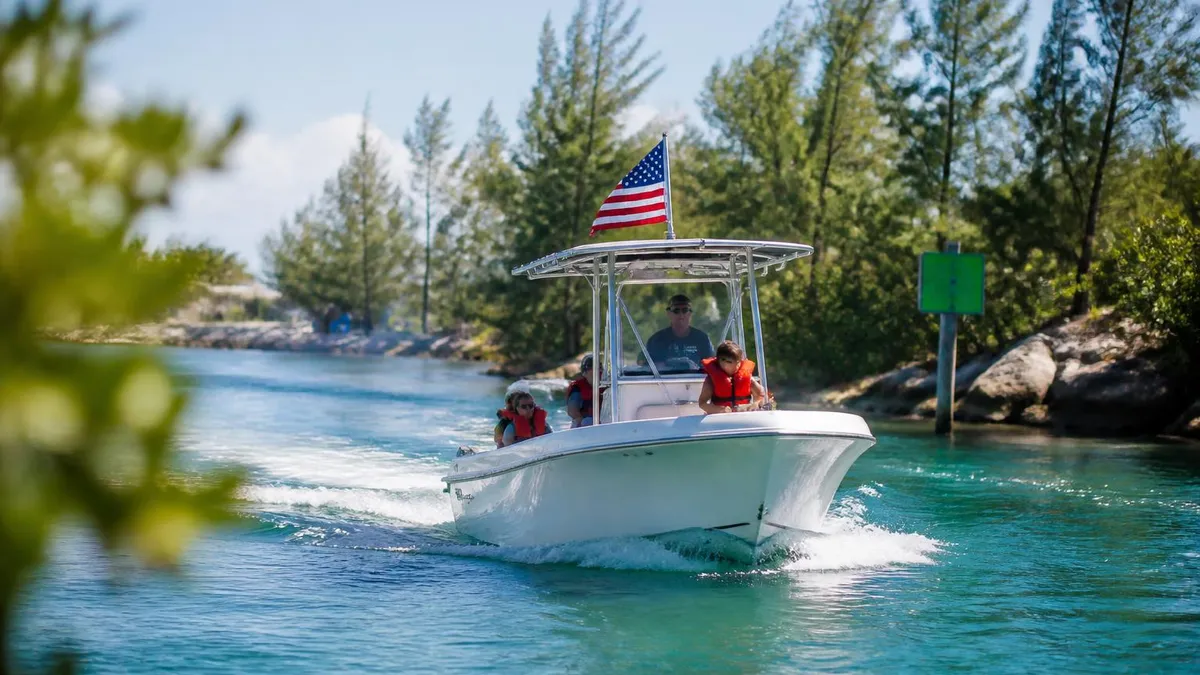
Reciprocity, Replacement Cards, and Edge Cases
If you already hold a NASBLA-approved boater education card from another U.S. state, Florida honors it. You do not need to take the FWC course a second time. Bring the original card on board with photo ID. The reverse is also true — your Florida card is valid in nearly every state that has a boater education requirement.
If you lose your Florida card, contact the original course provider to request a duplicate. Most charge a small fee ($5–$15) and reissue within a few business days. You can also pull a digital copy from your provider account at any time. If you took an in-person FWC class, FWC can verify completion through your boater education ID number — keep that number on file somewhere safe.
Common Mistakes New Florida Boaters Make
The most expensive rookie mistake is launching without the physical card on board. Even if you completed the course, an FWC stop without the card or original PDF results in a citation. Screenshots are not officially accepted. Print the card, laminate it, and clip it to your documentation folder along with the registration certificate.
The second mistake is ignoring slow-speed zones because the water looks open. Manatee zones cover wide stretches of the intracoastal waterway, and the yellow markings can be subtle from a fast-moving boat. Slow down whenever you see a yellow regulatory sign, even if you cannot read it yet. FWC officers patrol these zones aggressively in winter months.
The third is towing a skier, wakeboarder, or tuber without the required observer. Florida law requires a second person 14 or older watching the towed person at all times. A solo operator towing a skier is breaking the law even with a perfect safety record. The fine is small but the liability if someone gets hurt is enormous, so always run with an observer on board.
A fourth common mistake is operating between sunset and sunrise without proper navigation lights. Even if you only plan a day trip, weather and tides can stretch your return well past dark. Test your navigation lights before every trip. Carry spare bulbs and a portable LED stern light as a backup.
Finally, many new operators underestimate the difference between fresh and salt water. Saltwater corrodes metal fittings, batteries, and electrical connections far faster than freshwater. Rinse the boat thoroughly after every saltwater trip and flush the engine cooling system. Spending a few minutes at the ramp at the end of every saltwater day extends the life of your boat by years.
Day One on the Water in Florida: What to Bring
- ✓Florida Boating Safety Education ID Card (carry the card, not just a screenshot)
- ✓Government-issued photo ID matching the name on the card
- ✓Vessel registration certificate and Florida decal displayed on hull
- ✓One U.S. Coast Guard-approved wearable PFD per person on board
- ✓One Type IV throwable cushion or ring if vessel is 16 feet or longer
- ✓Coast Guard-approved fire extinguisher (B-I or B-II depending on vessel size)
- ✓Visual distress signals — three day/night flares OR an electric distress light
- ✓Sound-producing device — horn, whistle, or bell audible at half a mile
- ✓Navigation lights tested and working for any travel after sunset
- ✓Anchor with sufficient rode for the deepest water you plan to visit
- ✓VHF marine radio (recommended) tuned to Channel 16 for emergencies
- ✓Bilge pump or bailing device on any boat that takes on water
- ✓First aid kit, sunscreen, drinking water, and a backup phone power bank
Sample Boating License Test Practice Questions
Try these questions from our free Boating License Test practice tests. The correct answer and an explanation follow each question.
What weather conditions indicate an approaching thunderstorm while boating?
- A. Rapidly building dark cumulonimbus clouds, sudden wind shifts, dropping barometric pressure, and distant lightning
- B. Clear blue skies with light cirrus clouds
- C. Steady light rain
- D. Fog forming over the water
Answer: A. Rapidly building dark cumulonimbus clouds, sudden wind shifts, dropping barometric pressure, and distant lightning
Thunderstorm indicators include towering dark clouds, sudden wind direction changes, falling barometric pressure, visible lightning, and increased wave action. Head to shore immediately when signs appear.
How can you tell if your propeller may be damaged?
- A. Excessive vibration and reduced performance
- B. The horn sounds louder
- C. The battery charges faster
- D. The navigation lights dim
Answer: A. Excessive vibration and reduced performance
A bent or dinged propeller causes vibration and reduces speed and fuel efficiency.
What additional safety equipment is required on recreational boats 16 feet or longer in addition to wearable PFDs?
- A. A life raft
- B. At least one Type IV throwable PFD
- C. An EPIRB (Emergency Position Indicating Radio Beacon)
- D. A survival suit for each passenger
Answer: B. At least one Type IV throwable PFD
Recreational vessels 16 feet or longer must carry at least one Type IV throwable PFD in addition to a wearable PFD for each person.
You notice the barometric pressure on your boat's barometer is falling rapidly. What does this typically indicate?
- A. Fair weather is approaching
- B. A storm or deteriorating weather is likely coming
- C. Winds will die down completely
- D. Temperatures will rise steadily
Answer: B. A storm or deteriorating weather is likely coming
A rapidly falling barometer signals approaching low pressure, usually meaning stormy or worsening weather.
Boating Questions and Answers
Related Florida and General Boating Guides
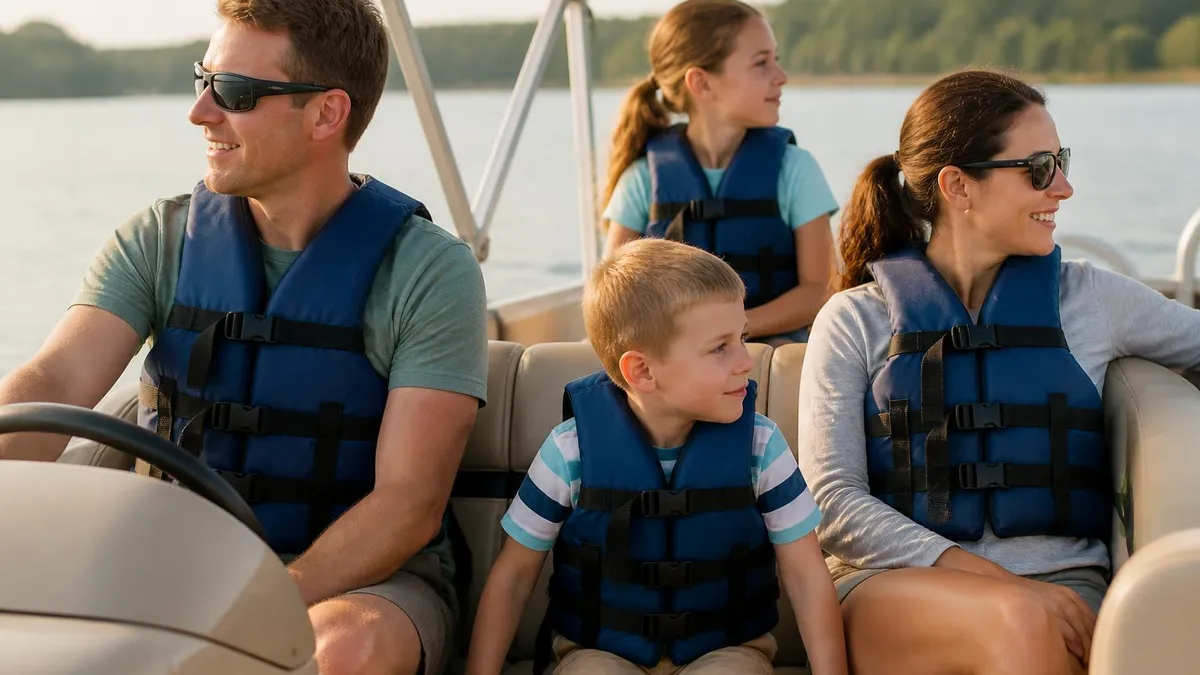
Boating License: What It Is and How to Get One in Your State
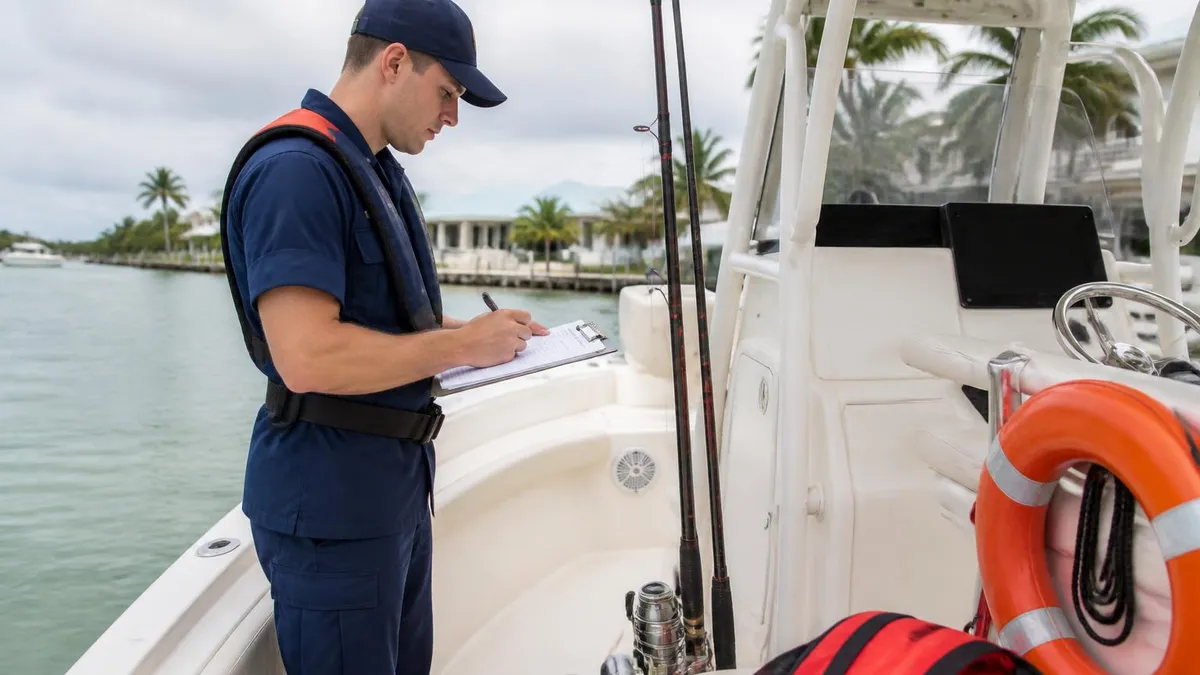
Florida Boating License: How to Get Your Boating Safety Card
How to Get a Boating License: Step-by-Step Guide 2026
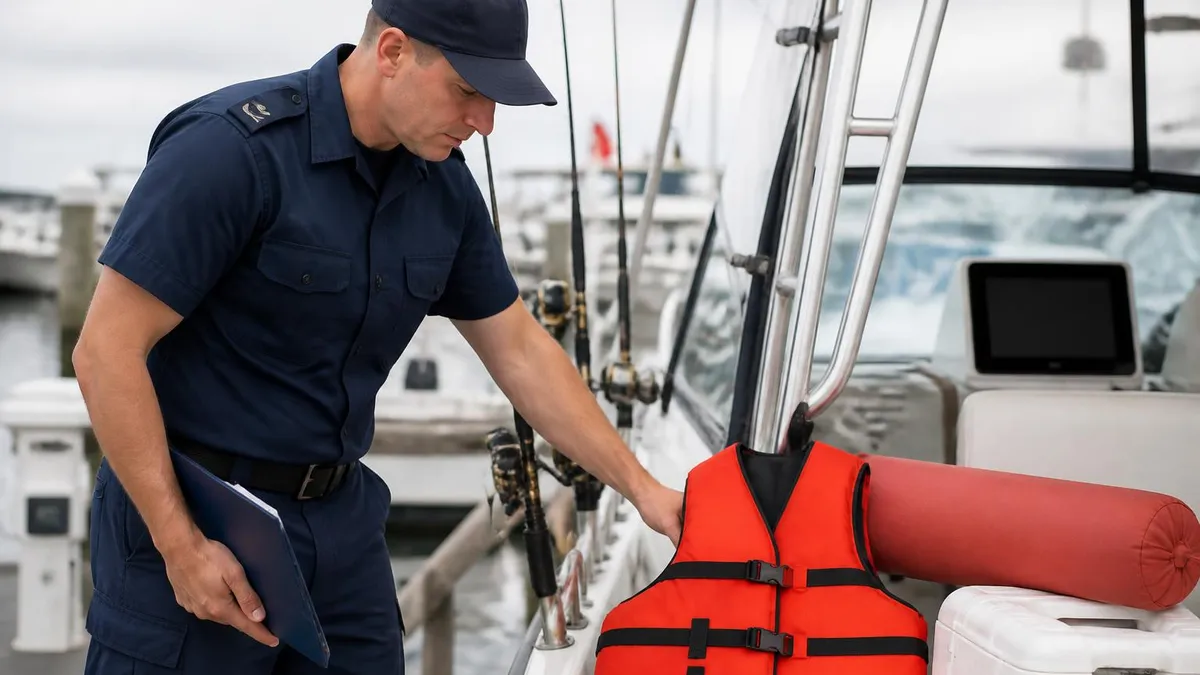
Boater Education Certificate: How to Get Your Boating Safety Card
Boating Certification Test - Get Licensed Today
Boating License Practice Test PDF (Free Printable 2026)
About the Author

Master Mariner & Maritime Certification Specialist
Massachusetts Maritime AcademyCaptain David Harrington is a US Coast Guard licensed Master Mariner with a Bachelor of Science in Marine Transportation from Massachusetts Maritime Academy. He has 22 years of deep-sea and coastal navigation experience aboard commercial vessels and specializes in preparing maritime candidates for USCG licensing exams, STCW certification, dynamic positioning (DPO), and officer-of-the-watch qualifications.
Join the Discussion
Connect with other students preparing for this exam. Share tips, ask questions, and get advice from people who have been there.
View discussion (6 replies)