
How Much Does It Cost to Get a Boat License? Complete 2026 September Guide
How much does it cost to get a boat license? 🎯 State fees, course costs & free practice tests for FL, CA, TN & more.
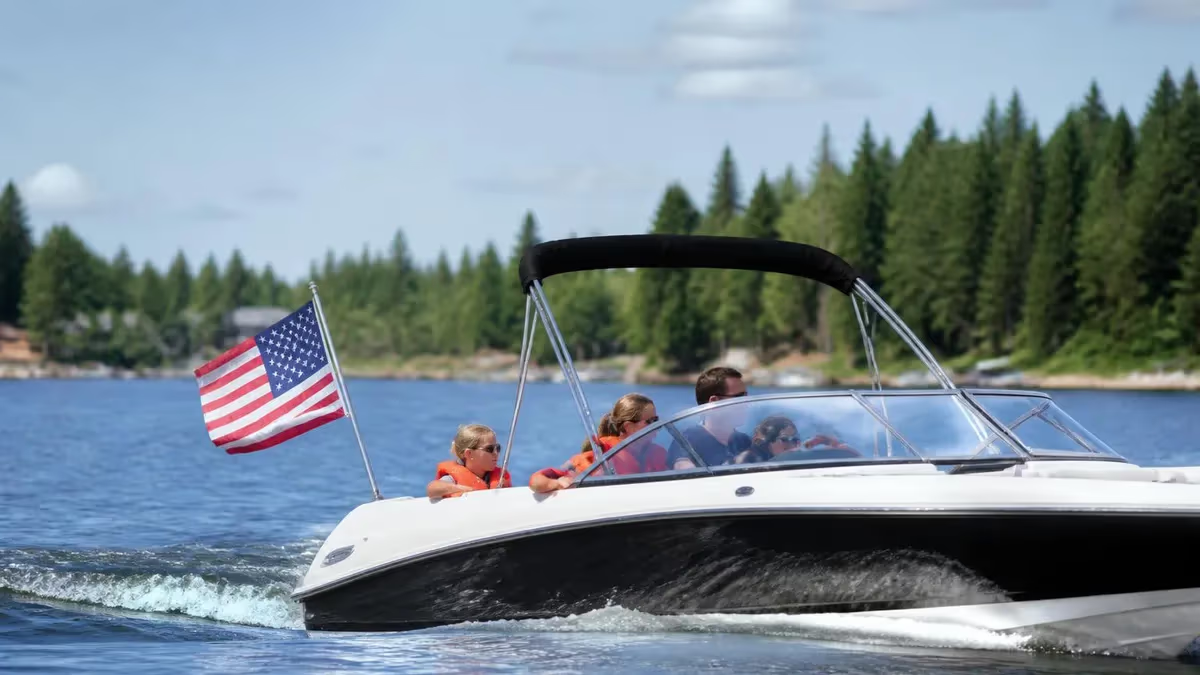
If you have been wondering how much does it cost to get a boat license, the honest answer is: less than most people expect, but the total depends heavily on your state, your age, and whether you choose an online course or a classroom option.
Across the United States, most boaters pay somewhere between $20 and $150 for an approved boating safety course plus any state-mandated card fee, making a boating education certificate one of the most affordable licenses in the outdoor recreation world. Understanding exactly what you will pay — and why — can save you from overpaying or picking the wrong provider.
Every state has its own rules about who must hold a boating education card. A florida boating license is required for anyone born on or after January 1, 1988, who wants to operate a vessel with 10 horsepower or more, and the course fee typically runs $29 to $50 through approved online providers. California takes a phased approach — the california boating license requirement expanded in 2023 to include all operators born on or after January 1, 1983, with full compliance required by January 1, 2025, and courses generally cost $35 to $60 in that state.
Beyond Florida and California, states like Alabama, Tennessee, and Missouri have their own age cutoffs, horsepower thresholds, and fee structures. An alabama boating license course costs as little as $19.95 through some online providers, while the tennessee boating license course typically runs $29 to $45.
Missouri's course fee is similar, averaging around $30 to $40 depending on the provider and whether you take a proctored in-person exam or complete everything online. If you want to know whether you even need a card in your home state, check our detailed guide on do you need license to operate a boat before paying for anything.
The fee breakdown for a typical boating certification includes three core components. First is the course fee itself — this is the largest chunk and varies by provider and format. Second is a state card or certificate issuance fee, which some states charge separately on top of the course; these fees range from free (when bundled) up to $15 to $20 in certain states. Third is an optional exam proctoring fee that applies mainly to online courses in states requiring a supervised final exam, which can add $10 to $25 if you cannot find a free proctor site nearby.
It is worth noting that no state in the United States currently requires a traditional government-issued boating license the way you need a driver's license for a car. Instead, states require completion of an approved boating safety education course, and the card or certificate you receive proves that completion. Some people call this a boating license, but technically it is a boater education certificate. The distinction matters because it means there are no DMV-style testing fees, no road test appointments, and no renewal fees in most states — you pass the course once and the card is valid for life.
Online courses have dramatically lowered the cost and convenience barrier for getting certified. Before online options became widely available in the early 2000s, most boaters had to take multi-day classroom courses that cost $75 to $150 or more. Today, NASBLA-approved online courses from providers like BoatUS Foundation, Boat-Ed, and Boater Exam start as low as $19.95, and some state agencies offer free courses directly through their wildlife or natural resources websites. The quality of these courses is standardized because all must meet NASBLA (National Association of State Boating Law Administrators) approval requirements.
If you are shopping for the best value, comparing providers is straightforward. The major accredited online providers all cover the same core curriculum because NASBLA mandates it — navigation rules, right-of-way, emergency procedures, alcohol laws, and environmental responsibility. What differs is the user experience, the quality of practice questions, and any extras like printed card delivery or customer support. Free practice tests, like those available here on PracticeTestGeeks, can dramatically increase your pass rate on the proctored final exam and cost you nothing, making them one of the smartest investments of your prep time.
Boating License Costs by the Numbers
Key Facts at a Glance
| Item | Value | Details |
|---|---|---|
| Typical Total Cost | $20–$150 | Course + card fee combined |
| Lowest Online Course Fee | $19.95 | Some state-sponsored courses are free |
| Certificate Validity | Lifetime | Most states — no renewal needed |
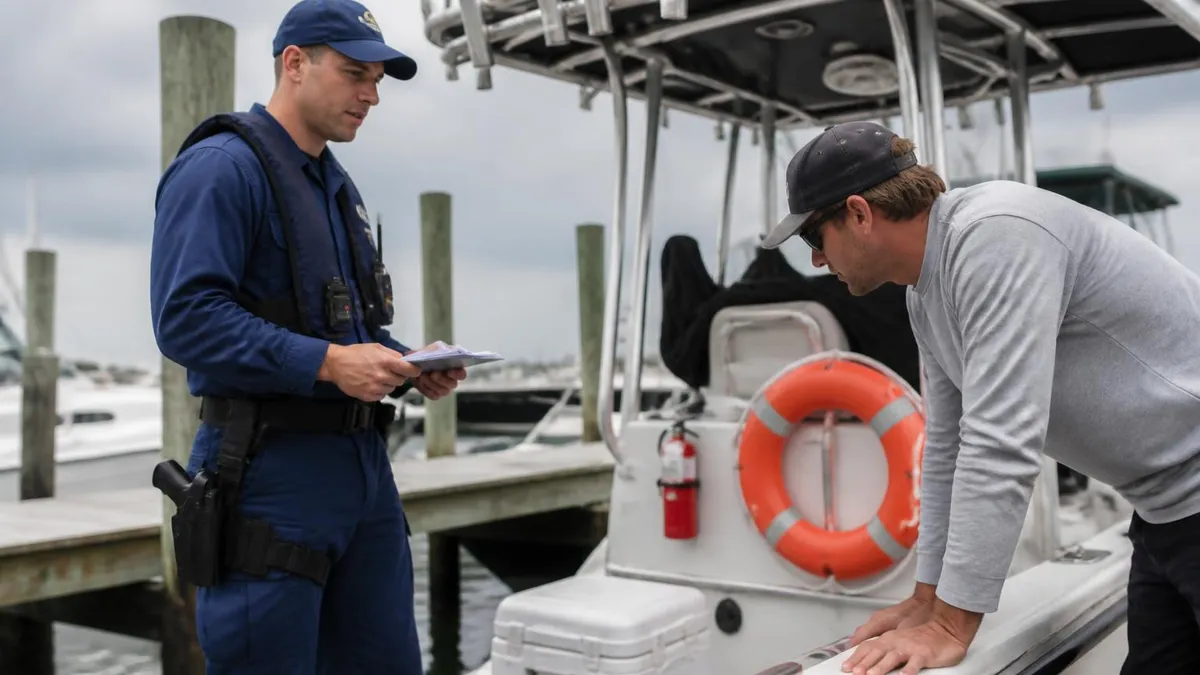
Course Cost Breakdown by State
The single biggest factor affecting how much you pay is whether you take an online course or a traditional classroom-based course. Online courses are almost always cheaper, more flexible, and faster to complete than their in-person counterparts. A standard online boating safety course from a NASBLA-approved provider typically costs between $19.95 and $59.99, depending on the state and provider. That price usually includes all course materials, unlimited practice quizzes within the course, the final proctored exam fee in many cases, and your official boater education card mailed to you within two to four weeks.
Classroom courses, by contrast, are offered through local marinas, community colleges, US Power Squadrons chapters, US Coast Guard Auxiliary units, and state wildlife agencies. These courses often span one to three full days on a weekend.
Their costs vary widely — US Power Squadrons and Coast Guard Auxiliary chapters frequently offer classroom courses at little to no charge as a community service, making them an excellent free option if you have time and the course is available near you. Other marina-hosted or commercial classroom courses can run $75 to $150 per person, which puts them at the higher end of the cost spectrum.
For most recreational boaters in 2026, the online route makes the most financial sense. You pay less, work at your own pace, and can take the course from your phone or laptop without driving to a physical location. The only scenario where a free classroom course beats online is if you live near a US Coast Guard Auxiliary or Power Squadrons chapter offering free sessions and you prefer in-person instruction. In that case, you pay nothing except your time, which is hard to beat.
One important nuance: some states require a proctored final exam even for online courses. Florida, for example, requires that the final exam be taken in person at an approved location or supervised by an approved proctor. Many online providers have partnered with retailers, marinas, and libraries to offer free proctoring locations, so the proctoring itself does not usually cost extra. However, if no free proctor is available near you, some providers charge $10 to $25 to arrange a remote proctoring session via webcam, so it is worth confirming your options before enrolling.
State-issued card fees are another variable. In some states, the boating safety course provider collects the card fee on behalf of the state, and it is already bundled into the course price you see advertised. In other states, you pay the course provider for the course, then separately pay the state agency a card issuance fee of $5 to $20 when you submit your completion certificate. Always read the full pricing page of your chosen provider carefully to understand what is and is not included before you enter your credit card number.
For boaters who do you have to have license to drive a boat as a question in their state — perhaps for a specific age group or horsepower threshold — there is another cost-saving angle worth considering: some states exempt certain boaters from paying for the full course. Seniors operating slow-speed vessels, commercial license holders, or military personnel with documented training may qualify for waivers in certain jurisdictions. Checking your state's boating law administrator website before you enroll could save you the full course fee if you qualify for an exemption.
The bottom line on online versus classroom costs is straightforward: online wins on price almost every time for recreational boaters. Budget $30 to $60 for a quality online course in most states, factor in a possible $10 to $20 state card fee on top of that if your state charges one separately, and you are looking at a total outlay of $40 to $80 for most Americans. That is an exceptional value for a certification that can last a lifetime and opens up access to hundreds of thousands of miles of navigable waterways across the country.
Boating License by State: Florida, California, Tennessee & More
A florida boating license (officially a Boating Safety Education Identification Card) is mandatory for anyone born on or after January 1, 1988, who operates a vessel powered by 10 horsepower or more on Florida waters. The course must be approved by the Florida Fish and Wildlife Conservation Commission, and online options from providers like Boat-Ed typically cost $35 to $49 with the state card fee bundled in. Once earned, the card is valid for life — no renewal, no retest, no additional fees down the road.
The california boating license — formally called the California Boater Card — followed a phased rollout that concluded in 2025, now covering all motorized vessel operators born on or after January 1, 1983. Boater card ca requirements specify completion of a NASBLA-approved course, and course fees from approved providers like Boat-Ed or California State Parks typically run $35 to $55. The card itself costs $10 additional when ordered through the state, though many online course packages bundle this fee into their advertised price, so always read the fine print before purchasing.
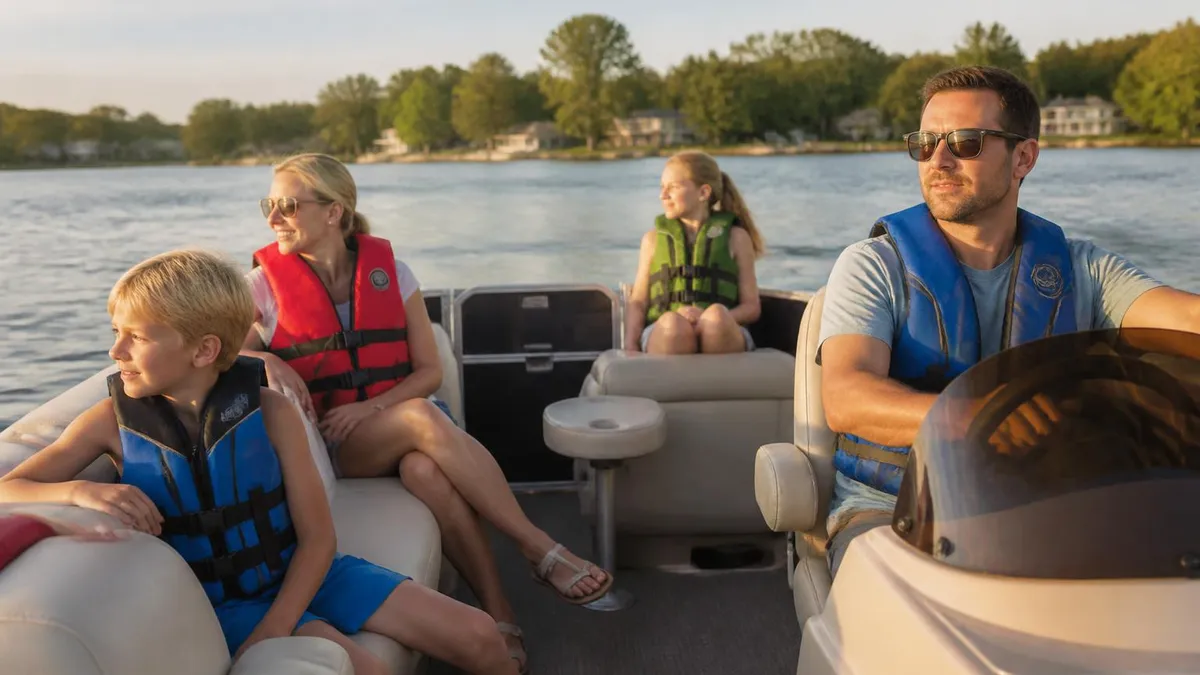
Online Boating Course vs. Classroom Course: Pros and Cons
- +Online courses typically cost 50–70% less than commercial classroom courses
- +Self-paced format lets you study at any hour, on any device
- +Immediate enrollment — no waiting for the next scheduled class date
- +Most online courses include unlimited retakes on chapter quizzes before the final
- +Digital certificate available instantly upon passing; physical card mailed within weeks
- +Same NASBLA-approved curriculum as classroom courses — no quality compromise
- −Proctored final exam required in some states adds a scheduling step
- −No live instructor to answer questions in real time
- −Self-discipline required — no set schedule means some students procrastinate
- −Screen fatigue can be an issue for longer 8-hour online modules
- −Free classroom options (Coast Guard Auxiliary, Power Squadrons) can be cheaper
- −Technical issues like browser compatibility can interrupt progress mid-course
Steps to Get Your Boating Certificate at the Lowest Possible Cost
- ✓Check your state's boating law administrator website to confirm you are legally required to hold a certificate before spending any money.
- ✓Search your state's wildlife or DNR website for any free state-sponsored boating safety courses before paying a private provider.
- ✓Look up local US Coast Guard Auxiliary and US Power Squadrons chapters — both offer free or low-cost classroom courses nationwide.
- ✓Compare at least two NASBLA-approved online providers for your state; prices can vary by $15 to $20 for identical content.
- ✓Verify whether your state's card fee is already bundled into the course price or if it must be paid separately to a state agency.
- ✓Confirm the proctored exam policy before enrolling — if your state requires it, locate a free proctor site near you first.
- ✓Use free practice tests (like those on PracticeTestGeeks) before sitting the proctored final to maximize your first-attempt pass rate.
- ✓Save your completion certificate as a PDF immediately after passing — before you receive the physical card, this is your proof of certification.
- ✓Check whether your homeowner's or renter's insurance provider offers discounts for certified boaters — savings can offset course costs.
- ✓Verify that the card you receive meets your marina's or boat rental company's requirements if you plan to rent vessels in other states.
Free Boating Courses Are Available in Every State
The US Coast Guard Auxiliary and US Power Squadrons together offer free or very low-cost boating safety courses in hundreds of communities across all 50 states. Before paying $30 to $60 for an online course, spend five minutes searching for a local chapter — you may be able to get fully certified at zero cost while also connecting with experienced local boaters in your community.
Hidden fees are the most frustrating part of getting a boating certificate, largely because they are not always disclosed upfront on provider websites. The most common hidden cost is the physical card delivery fee. Many online providers include a digital certificate at no extra charge but add $5 to $15 for a laminated, wallet-sized physical card. While the digital version is technically sufficient for most states, some law enforcement officers prefer seeing the physical card, and many marinas and boat rental companies will only accept the physical version when you rent a vessel.
Another frequently overlooked cost is the replacement card fee. If you lose your physical boating education card, most states charge $5 to $25 to issue a duplicate. Some states process replacements through the online course provider you used originally, while others require you to submit a form and fee directly to the state agency. Keeping a digital photo or scanned copy of your card in cloud storage is a simple and free way to avoid paying a replacement fee if the physical card is ever lost or damaged.
Out-of-state recognition is a topic that surprises many boaters. Most states recognize valid boating education certificates from other states under NASBLA's National Reciprocity Agreement, meaning you generally do not need to retake the course if you move states or boat in a different state on vacation. However, a handful of states have their own specific requirements and may not fully recognize all out-of-state certificates. Always confirm reciprocity with your destination state's boating authority before assuming your home-state certificate will be accepted.
Course upgrade fees are another potential unexpected cost. Some providers sell their basic course at a low advertised price but then offer a premium version with additional features — video-heavy content, live chat support, or faster card delivery — at a higher price. These upgrades are almost never necessary for first-time boaters seeking basic certification. The standard NASBLA-approved course is sufficient for legal certification in every state that accepts online courses, so resist the upsell unless a specific feature genuinely adds value for your situation.
Exam retake fees deserve mention as well. Most online boating safety courses allow unlimited retakes on the chapter quizzes embedded in the course material at no charge. However, the proctored final exam — particularly in states where it must be taken in person — sometimes carries a retake fee if you fail on your first attempt.
These fees vary by provider and proctor location but typically range from $10 to $25 per retake attempt. This is precisely why investing time in free practice tests before your final exam is such good financial sense — a failed exam attempt literally costs you money.
Group discounts are a hidden benefit rather than a hidden cost, and they are worth mentioning in any honest cost discussion. If you are getting certified along with family members or friends, many online providers offer multi-seat discounts of 10% to 20% when multiple people enroll at the same time using a group code. US Coast Guard Auxiliary chapters sometimes extend group discounts for community organizations, scout troops, or youth groups. If you know multiple people who need their tennessee boating license or certification in another state, enrolling together can meaningfully reduce the per-person cost for everyone in the group.
Charitable and scholarship programs represent yet another underutilized resource for reducing or eliminating boating education costs. The BoatUS Foundation offers a completely free online course for recreational boaters as part of its public safety mission. This free course is NASBLA-approved and accepted in many states, though not universally — always verify acceptance in your specific state before relying on it.
Additionally, some state fish and wildlife agencies run youth boating safety grant programs that cover course fees entirely for minors, particularly for families who demonstrate financial need. A quick call to your state boating law administrator's office can reveal programs that are not widely advertised online.
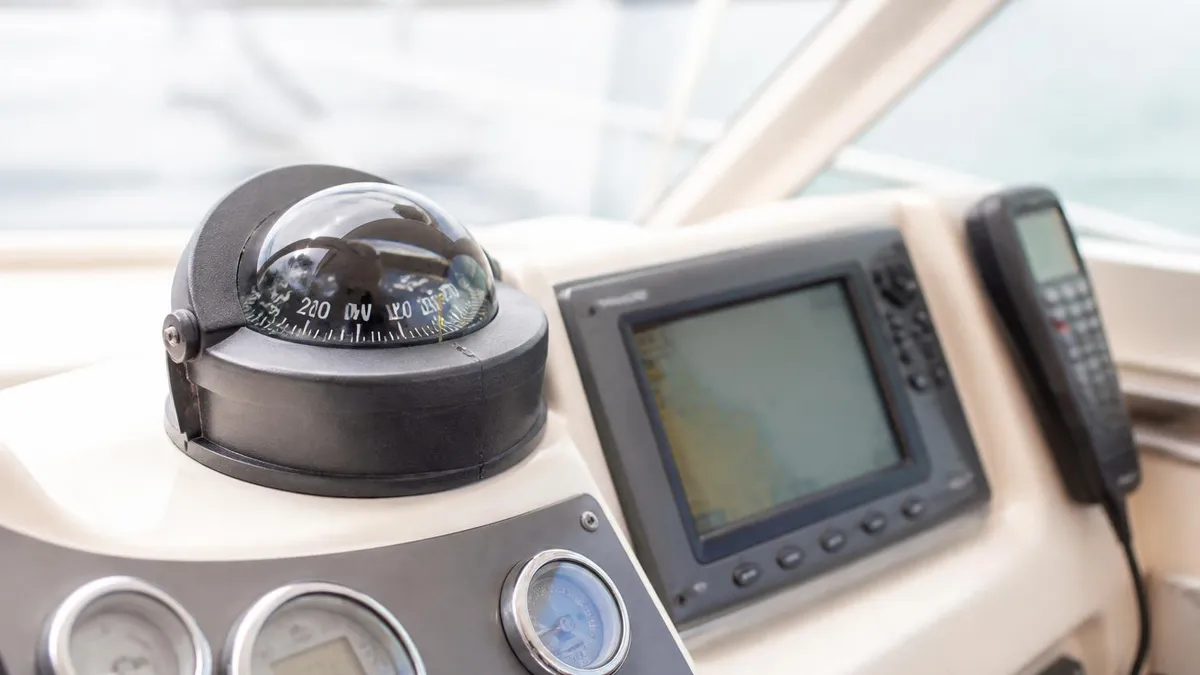
State legislatures regularly update their boating education laws — including age cutoffs, horsepower thresholds, and approved provider lists. Always verify your state's current requirements directly on the state boating law administrator's website before purchasing a course. A course that was approved for your state two years ago may no longer meet updated requirements, potentially leaving you with an invalid certificate.
Understanding what the boating safety course actually covers helps you appreciate the value of what you are paying for, and also helps you prepare strategically for the final exam. Every NASBLA-approved course — whether taken online or in a classroom — must cover the same core subject areas: navigation rules and right-of-way, vessel registration and documentation, required safety equipment, boating under the influence laws, emergency procedures, environmental protection regulations, weather awareness, and responsible boating practices. The depth of coverage varies slightly between providers, but all must meet NASBLA's minimum standards to receive and maintain approval.
Navigation rules are typically the most challenging section for new boaters because they require memorizing a system of lights, shapes, and sound signals that govern right-of-way on the water. Unlike driving on roads with clearly painted lane markings, navigating on water requires understanding which vessel has the right of way in various crossing, meeting, and overtaking situations. Many students who struggle on the final exam do so because they underestimate this section. Spending extra time on navigation rules practice questions — available for free right here — is one of the highest-return study investments you can make.
Boating under the influence (BUI) laws are another major exam section and also a critical safety topic. The federal BUI limit is a blood alcohol content of 0.08%, the same as driving a car, and most states have adopted this standard.
However, the consequences of BUI on water are often more severe in practice because alcohol impairs balance, vision, and judgment more quickly on the water than on land due to sun, wind, wave motion, and heat exposure. State penalties for BUI can include fines up to $5,000, imprisonment, and permanent loss of boating privileges — far more severe than many boaters realize.
Emergency procedure knowledge is one of the most practically valuable sections of any boating safety course. Knowing what to do when someone falls overboard, when your vessel takes on water, when a fire starts on board, or when you run aground can literally save lives.
The course covers the proper sequence of actions for each emergency type, how to use flares and distress signals, how to call for help on a VHF marine radio using Channel 16, and how to assist other boaters in distress. These are not abstract knowledge points — they are actionable skills that differentiate prepared boaters from unprepared ones.
Environmental responsibility covers topics like no-discharge zones, proper waste disposal, protecting sensitive marine ecosystems, and avoiding damage to underwater vegetation from anchor dragging or prop wash. Many boaters are surprised to learn that violations of federal environmental boating regulations can carry fines in the thousands of dollars, far exceeding the cost of the boating course itself. Understanding these rules is not only good for the environment — it protects you from costly enforcement actions while you are out on the water.
Required safety equipment rules vary by vessel length and type, but the core requirements include properly fitted US Coast Guard-approved life jackets for every person aboard, a throwable rescue device, visual distress signals, fire extinguishers, and a working sound-producing device. Knowing these requirements cold before your final exam is important because equipment questions appear frequently on the test. More importantly, carrying and knowing how to use proper safety equipment is what keeps boaters safe in real emergencies when cell service is unavailable and help may be miles away.
After completing the course and passing the final exam, most students receive their certificate within two to four weeks by mail, though digital certificates are usually available immediately after passing. Keep your physical card in a waterproof case when aboard — some boaters laminate their card and store it with their vessel documentation to ensure it is always on hand when law enforcement conducts a vessel safety check.
For anyone who wants to confirm the full requirements in their specific state before or after getting certified, our resource on nys boating license requirements provides a thorough state-by-state walkthrough of what documentation to carry on board at all times.
Preparing strategically for your boating safety final exam is the best way to ensure you pass on your first attempt and avoid retake fees. The most effective study approach combines reading the course material actively — not just clicking through it — with answering as many practice questions as possible before the actual exam. Research on adult learning consistently shows that retrieval practice (answering questions from memory) produces stronger long-term retention than passive re-reading, and boating knowledge is no exception. Every practice question you answer incorrectly is a free lesson about something you need to review before the real test.
Start your prep by taking a full-length diagnostic practice test before you even begin the course material. This sounds counterintuitive, but answering questions you do not yet know the answers to creates mental hooks that make the material stick more effectively when you encounter it in the course. You will know which topics need the most attention from day one, and you can allocate your study time accordingly rather than spending equal time on topics you already know and topics you do not.
Time management during the final exam is important even though most online boating courses do not impose strict time limits on the final. The habit of reading each question carefully, eliminating clearly wrong answers, and committing to your best answer before moving on is worth developing. Many students lose points not because they lack knowledge but because they misread distress signal questions or navigation scenario questions that use directional language (port, starboard, bearing) in ways that can be confusing under exam pressure. Slowing down for these question types and visualizing the scenario helps.
Make sure you understand the difference between federal law and state law on topics where they diverge. The boating safety course covers both, and exam questions sometimes test your ability to distinguish between them. For example, federal law governs navigation lights and right-of-way rules on all navigable waters, while state law governs registration, speed limits in specific zones, and age requirements for operators. Knowing which layer of law applies to which topic will help you answer nuanced exam questions correctly.
On the day of your proctored final exam — whether in person or via webcam — prepare your environment thoughtfully. For in-person exams, arrive early, bring your government-issued photo ID, and confirm in advance what materials (if any) you are allowed to reference during the exam. For remote proctored exams, test your webcam and internet connection the day before, clear your desk of any reference materials, and ensure your room is quiet and well-lit. Technical issues during a proctored exam session can result in an invalidated session and a retake fee, so preparation pays off literally.
After passing, consider volunteering to take a first aid or CPR course through the American Red Cross or American Heart Association. Neither course is required for boating certification, but both dramatically increase your ability to respond effectively to medical emergencies on the water. Drowning, hypothermia, cardiac events, and traumatic injuries all occur on the water in settings where professional medical help can be 20 or 30 minutes away. A $30 CPR certification on top of your boating course creates a much more capable and confident boater than the safety course alone.
Finally, use the money you save on a low-cost online boating course to invest in better safety equipment for your vessel. Life jackets that fit well and are comfortable enough to actually wear consistently, a high-quality VHF marine radio, updated flares within their expiration dates, and a properly maintained fire extinguisher are worth far more than whatever premium course features an expensive provider might upsell you on. Safe boating comes from knowledge, good habits, and proper equipment working together — and PracticeTestGeeks' free practice quizzes help you lock in the knowledge piece at zero additional cost before your exam day.
Boating License Questions and Answers
Tennessee Boating License 2026 — Requirements, Age & How to Get One
MN Boat License: Who Needs One & How to Get Certified
Do You Need a License to Drive a Boat? State-by-State Guide 2026

How to Get a Boating License in Alabama: Complete 2026 Guide
Boater Education Certificate: How to Get Your Boating Safety Card
About the Author

Master Mariner & Maritime Certification Specialist
Massachusetts Maritime AcademyCaptain David Harrington is a US Coast Guard licensed Master Mariner with a Bachelor of Science in Marine Transportation from Massachusetts Maritime Academy. He has 22 years of deep-sea and coastal navigation experience aboard commercial vessels and specializes in preparing maritime candidates for USCG licensing exams, STCW certification, dynamic positioning (DPO), and officer-of-the-watch qualifications.
Join the Discussion
Connect with other students preparing for this exam. Share tips, ask questions, and get advice from people who have been there.
View discussion (6 replies)