
Correctional Officer Burnout: Causes, Warning Signs & Recovery Strategies for COs
Correctional officer burnout is real — learn causes, warning signs & recovery strategies. 🎯 Built for US COs ready to reclaim their career.
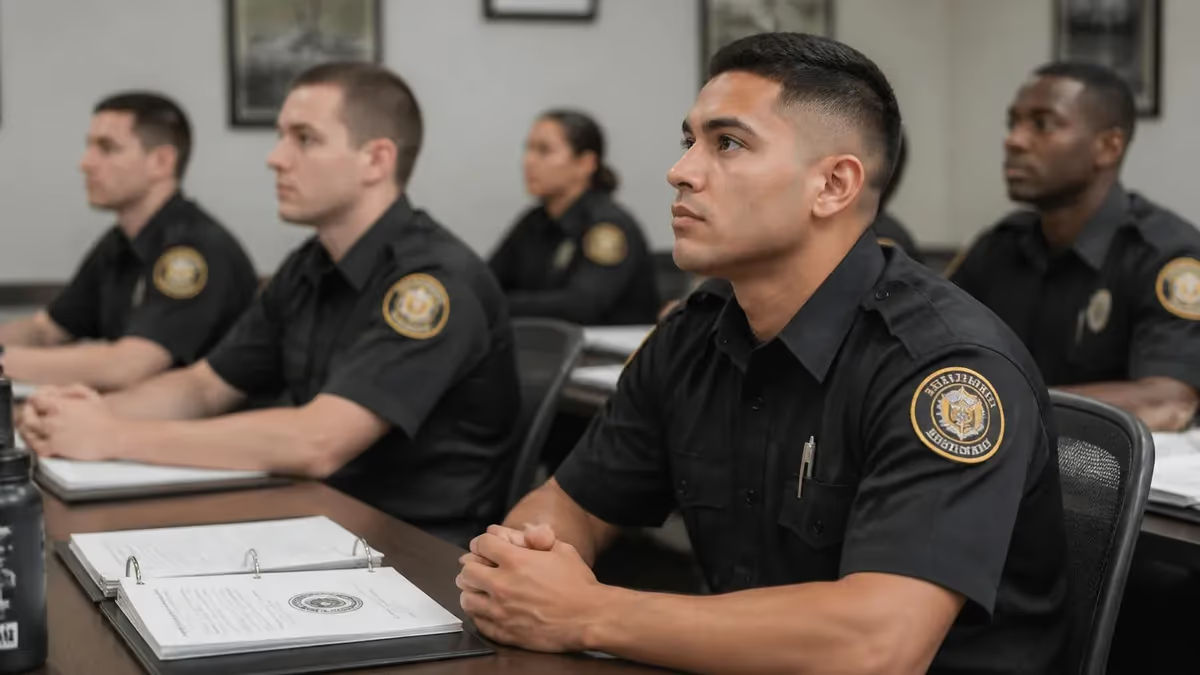
Correctional officer burnout is one of the most urgent and underreported crises in American law enforcement today. Unlike the visible dangers of riot response or cell extractions, burnout is a slow, invisible erosion — stripping away motivation, empathy, and physical health over months or years. Studies from the National Institute of Corrections show that COs experience burnout at rates significantly higher than the general workforce, with many officers reaching critical exhaustion within their first five years on the job. Understanding this phenomenon is the first step toward surviving it.
The phrase "collars and co" captures something important about correctional culture: officers are defined by their uniforms, their chains of command, and their institutional loyalties. But that same culture of toughness and stoicism can make it nearly impossible to admit when the job is taking too great a toll. Officers who speak up about stress are sometimes dismissed as weak, leaving burnout to fester in silence until it triggers a resignation, a medical leave, or something far worse. Breaking that silence starts with education.
Burnout in corrections is not simply being tired after a hard shift. The World Health Organization classifies burnout as an occupational syndrome characterized by three dimensions: overwhelming exhaustion, cynicism or detachment from one's job, and a sense of inefficacy — the feeling that nothing you do matters. COs regularly encounter all three. Twelve-hour shifts on short-staffed units, exposure to violence and trauma, and the constant pressure of managing dangerous populations create a perfect storm for burnout development.
What makes correctional burnout uniquely challenging is the compounding effect of mandatory overtime. When facilities run below minimum staffing thresholds — a chronic problem across state and federal systems — officers are required to stay. A planned 12-hour shift becomes 16 or even 20 hours. Sleep deprivation accumulates. The time needed to decompress, exercise, or connect with family disappears. Over weeks and months, this cycle of overwork degrades mental and physical health in measurable ways that affect both officer safety and inmate management outcomes.
This article draws on corrections research, officer testimony, and mental health literature to map the full landscape of CO burnout: what causes it, how to recognize it in yourself and colleagues, and — critically — what evidence-based strategies actually work for recovery. Whether you are early in your career or a senior officer managing others, the information here is designed to give you actionable tools, not platitudes. You will also find links to practice resources that can help you understand the career landscape and prepare for advancement despite the pressures of the job.
It is also worth noting that correctional officer burnout does not occur in a vacuum — rank, assignment, and facility type all influence how much stress an officer absorbs and what support systems are available. A lieutenant supervising a maximum-security housing unit faces different stressors than an officer in a minimum-security work camp, even though both are susceptible. This article addresses the full spectrum, offering strategies that can be adapted regardless of where you serve or how long you have been on the job.
Finally, recovery from burnout is possible, and it is not a sign of failure. The officers who acknowledge what is happening and take deliberate steps to address it are the ones who build long, sustainable careers in corrections. Those who ignore the warning signs tend to exit the profession under far more difficult circumstances. The goal of this guide is to help every CO make the smarter choice — for themselves, their families, and the officers they work alongside every day.
Correctional Officer Burnout by the Numbers

Root Causes of Correctional Officer Burnout
Most US correctional facilities operate below recommended staffing ratios. This forces mandatory overtime, eliminates rest days, and places impossible supervisory demands on individual officers — compounding stress daily with no relief in sight.
COs witness violence, self-harm, and death on a recurring basis. Unlike first responders who arrive after events, officers are present during them — with limited debriefing or psychological support offered by their facilities afterward.
Rotating shifts destroy circadian rhythms. Officers cycling through days, evenings, and nights never fully adjust. Chronic sleep deprivation impairs judgment, emotional regulation, and immune function — accelerating burnout progression significantly.
Corrections culture prizes toughness. Officers who admit stress face stigma from peers and supervisors. This cultural norm delays help-seeking by months or years, allowing burnout to reach crisis levels before it is addressed.
COs often have limited say in shift assignments, post placements, or overtime mandates. This sense of powerlessness — a core driver of occupational burnout — is amplified in facilities with top-down, rigid management structures.
Recognizing the warning signs of correctional officer burnout before it reaches a crisis point is the most important skill any CO can develop. Burnout does not announce itself with a single dramatic moment. Instead, it appears gradually in patterns of behavior, thought, and physical health that officers often rationalize away. Understanding these patterns — in yourself and in the officers around you — can make the difference between an early intervention and a career-ending breakdown. The sooner signs are identified, the broader the range of effective responses available.
Emotional exhaustion is typically the first and most obvious warning sign. This goes beyond the normal fatigue of a demanding shift. Officers experiencing emotional exhaustion feel depleted before they even start work. The Sunday-night dread becomes overwhelming. Getting out of bed for a shift feels physically painful. Small frustrations that once rolled off the back now produce anger or despair. If you find yourself counting down months or years to retirement rather than engaging with your daily role, emotional exhaustion may already be present in significant form.
The second major warning sign is depersonalization — a psychological defense mechanism in which officers begin to view inmates not as human beings but as objects, numbers, or threats to be managed. While some degree of emotional distance is healthy and even necessary for effective correctional work, depersonalization becomes dangerous when it erodes the professional judgment required to de-escalate conflicts, identify mental health crises, or make proportional use-of-force decisions. Officers who find themselves using consistently dehumanizing language about the population they supervise should treat that as a clinical warning sign, not a coping tool.
Physical health changes are another reliable burnout indicator that officers frequently dismiss as unrelated to work stress. Gastrointestinal problems, frequent colds, persistent headaches, improved blood pressure, and weight gain or loss are all documented correlates of chronic occupational stress. The immune system is particularly sensitive to prolonged cortisol elevation. If you are getting sick more often, taking longer to recover, or noticing new physical symptoms that your doctor cannot fully explain, stress physiology is a legitimate suspect — and burnout is the most likely source in a corrections context.
Social withdrawal is a warning sign that affects both the officer's personal life and their professional relationships. Burned-out COs often stop participating in unit activities, withdraw from friendships, and become increasingly isolated at home. Marriages and partnerships bear particular strain, as the emotional numbing that protects officers at work tends to persist off the clock. Research consistently links correctional shift work to improved divorce rates — a connection that reflects not just schedule incompatibility but the emotional unavailability that burnout produces. If family members are raising concerns about your withdrawal, take those observations seriously.
Cognitive changes — including difficulty concentrating, memory lapses, and impaired decision-making — represent some of the most dangerous burnout symptoms in a correctional environment. A CO who cannot focus, who misses subtle behavioral cues from inmates, or who makes reactive rather than considered choices during high-pressure incidents creates risk for themselves and everyone around them. These cognitive deficits are not moral failings; they are neurological consequences of prolonged stress and sleep deprivation. But they have life-threatening implications in a correctional facility, which is why early recognition and intervention are so critical.
Increased cynicism about the system, the mission of corrections, or the possibility of rehabilitation is a warning sign that often goes unnoticed because it blends into broader institutional culture. Every corrections veteran has complaints about administration, policy changes, or resource shortages — and some skepticism is warranted. But when cynicism becomes total, when an officer genuinely believes that nothing they do matters and that the entire enterprise is hopeless, burnout has likely progressed to a severe stage. This level of occupational despair requires active intervention, not just a vacation or a shift change.
Finally, changes in substance use patterns deserve close attention. Alcohol use is notably improved among corrections officers compared to the general population, with some studies finding that nearly 30 percent of officers report drinking to manage work-related stress. Increases in alcohol consumption, use of prescription medications beyond their prescribed scope, or experimentation with other substances during off-hours are serious warning signs that require honest self-assessment and, in many cases, professional support. Most corrections employees have access to Employee Assistance Programs that can provide confidential counseling — using those resources is a sign of professional maturity, not weakness.
Burnout, Stress & PTSD: Understanding the Differences for COs
Occupational stress is the normal, temporary pressure that arises from demanding job conditions — short-staffing on a difficult unit, a hostile inmate interaction, or a difficult supervisor. Stress is manageable and typically resolves when the stressor is removed. Most corrections officers experience significant occupational stress regularly without developing burnout, particularly when they have adequate sleep, social support, and recovery time between demanding shifts.
The key distinction is that stress is time-limited. A stressful week does not become burnout unless the stressors are chronic, the recovery opportunities are absent, and the officer's internal coping resources are consistently overwhelmed. Monitoring your own stress baseline — noticing when a difficult week has become a difficult month — is the most practical early-warning tool available to any CO managing a high-pressure assignment.
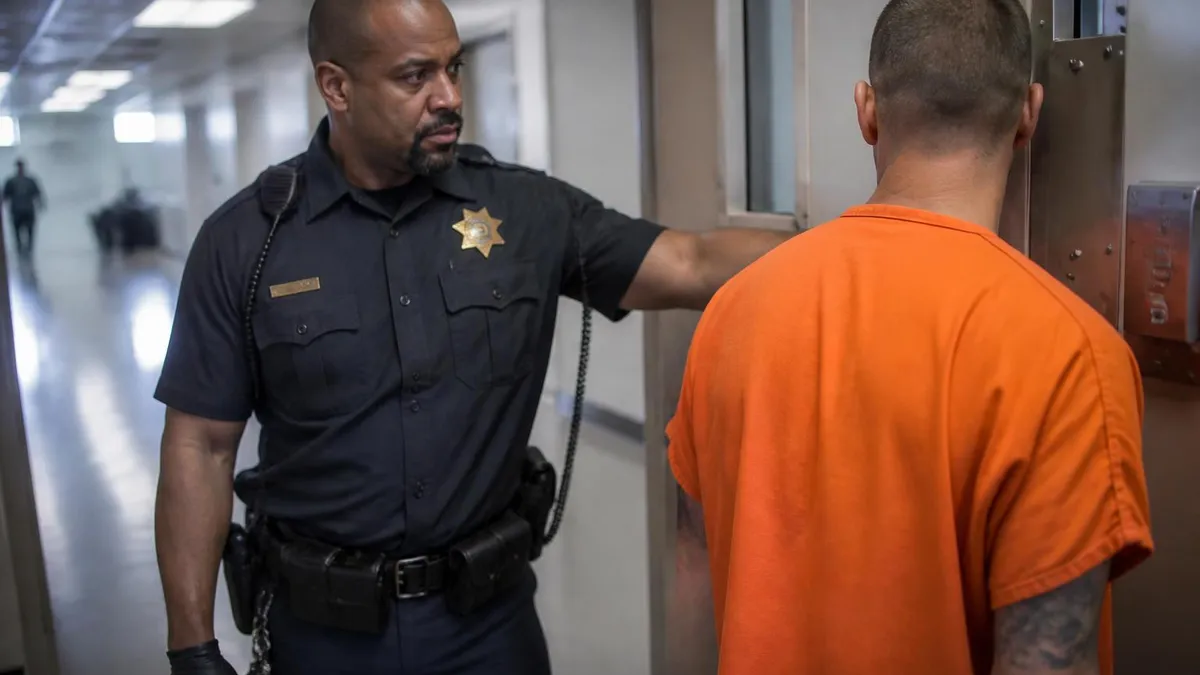
Staying vs. Leaving: Weighing Your Options When Burnout Hits
- +Pension and retirement benefits often vest at 20-25 years — leaving early means forfeiting significant financial security
- +Many burnout symptoms are reversible with the right intervention, making career exit an avoidable outcome
- +Lateral moves to lower-stress assignments (training, classification, intake) can relieve burnout without leaving corrections
- +Peer support programs and EAP counseling provide real tools that many officers never access before deciding to quit
- +Promotion to supervisory ranks can improve autonomy and reduce direct exposure to the most stressful housing assignments
- +Staying and recovering models resilience for junior officers who need experienced role models managing stress effectively
- −Severe burnout that goes untreated can lead to irreversible health consequences including cardiovascular disease and depression
- −Remaining in a toxic facility or assignment while burned out puts colleagues and inmates at improved safety risk
- −Some correctional environments have systemic problems — poor leadership, chronic understaffing — that no individual coping strategy can fix
- −Continued work during advanced burnout can deepen cynicism to the point where recovery becomes significantly harder over time
- −Family relationships damaged by prolonged burnout may not recover even if the officer's career stabilizes successfully
- −Officers who stay solely for financial reasons without addressing burnout often exit anyway — but in worse condition than if they had left earlier
Pros and Cons at a Glance
| Pros | Cons |
|---|---|
| Many burnout symptoms are reversible with the right intervention, making career exit an avoidable outcome | Severe burnout that goes untreated can lead to irreversible health consequences including cardiovascular disease and depression |
| Lateral moves to lower-stress assignments (training, classification, intake) can relieve burnout without leaving corrections | Remaining in a toxic facility or assignment while burned out puts colleagues and inmates at improved safety risk |
| Peer support programs and EAP counseling provide real tools that many officers never access before deciding to quit | Some correctional environments have systemic problems — poor leadership, chronic understaffing — that no individual coping strategy can fix |
| Promotion to supervisory ranks can improve autonomy and reduce direct exposure to the most stressful housing assignments | Continued work during advanced burnout can deepen cynicism to the point where recovery becomes significantly harder over time |
| Staying and recovering models resilience for junior officers who need experienced role models managing stress effectively | Family relationships damaged by prolonged burnout may not recover even if the officer's career stabilizes successfully |
CO Burnout Recovery Action Checklist
- ✓Schedule a confidential appointment with your Employee Assistance Program counselor within the next two weeks.
- ✓Track your sleep hours for 14 days using a free app to establish your baseline and identify chronic deficits.
- ✓Identify one peer you trust and have an honest conversation about how the job has been affecting you lately.
- ✓Request a temporary assignment change or post adjustment through your supervisor if your current post is a primary stressor.
- ✓Establish a consistent wind-down routine for the 60 minutes after each shift before engaging with family or screens.
- ✓Eliminate or significantly reduce alcohol consumption for 30 days and note the impact on sleep quality and mood.
- ✓Commit to at least three 30-minute physical exercise sessions per week — even walking counts and measurably reduces cortisol.
- ✓Review your facility's Critical Incident Stress Debriefing (CISD) policy and request a session if you have experienced recent trauma.
- ✓Identify two non-work activities that previously brought you genuine satisfaction and schedule them into your next two weeks.
- ✓Speak with a financial advisor or HR representative about your pension vesting status before making any career exit decisions.
Burnout Symptoms Lasting More Than 72 Hours After a Shift Require Action
If emotional exhaustion, irritability, or detachment persist for more than three days after your last shift ends, your body is signaling that normal recovery is failing. This is the threshold at which self-management strategies alone are insufficient — professional support should be actively sought. Most state corrections departments offer confidential EAP services that are fully separate from your chain of command and carry no disciplinary implications.
Peer support programs have emerged as one of the most effective institutional responses to correctional officer burnout, in part because they address the central obstacle that prevents COs from seeking help: the culture of silence. When an officer receives support from a colleague who has experienced and survived burnout — rather than from an outside clinician or an HR administrator — the conversation carries different weight. Peer support specialists are trained to listen without judgment, to normalize the experience of burnout, and to provide a warm hand-off to clinical resources when the situation calls for it.
The peer support model draws on the same principles that have proven effective in military and law enforcement contexts. Studies of similar programs in police departments and fire services show that officers are two to three times more likely to access mental health services when introduced to those services through a peer rather than through an official institutional channel. In corrections specifically, where distrust of administration runs high, this peer-mediated approach may be the only pathway that reaches officers who are most severely affected by burnout and most resistant to formal help-seeking.
Many state departments of corrections have now implemented formal peer support programs, often in partnership with organizations such as the Correctional Peace Officers Foundation or the American Jail Association. If your facility has a peer support team, finding out who those individuals are — before you reach a crisis point — is one of the most practical steps you can take. Simply knowing that a non-judgmental conversation is available can reduce the psychological burden of managing burnout in isolation, which itself has documented therapeutic value.
Beyond peer support, Employee Assistance Programs represent the most universally available institutional resource for burned-out COs. EAPs typically provide a set number of free, confidential counseling sessions — often six to twelve — with licensed therapists who specialize in occupational stress. Critically, EAP records are maintained separately from your personnel file and are not accessible to supervisors or administrators. Many officers do not access these programs because they fear career consequences, a fear that is largely unfounded under the confidentiality protections that govern EAP services.
Critical Incident Stress Management (CISM) is a structured group debriefing protocol designed for teams who have experienced acute traumatic incidents together. While not a treatment for burnout per se, CISM provides a helped space for officers to process traumatic events before those events contribute to long-term burnout or PTSD development. Facilities that provide CISM debriefings after riots, suicides, or serious staff assaults report better short-term psychological outcomes than those that offer no structured response. If your facility does not currently provide CISM, documenting the need and raising it through your union or officers' association is a legitimate advocacy avenue.
Union representation is another institutional resource that is frequently underutilized in burnout contexts. Most corrections officers are represented by unions that have negotiated provisions around mandatory overtime, shift lengths, rest periods between shifts, and occupational health accommodations.
If your working conditions have reached a point where burnout is a direct result of contract violations — such as shifts exceeding maximum length limits or rest period violations — your union representative can provide both advocacy and documentation support. Understanding what your contract actually guarantees, rather than what your supervisor tells you it guarantees, is foundational knowledge for any CO managing a difficult assignment.
Supervisory support — or the lack thereof — is one of the strongest predictors of burnout outcomes in correctional settings. Research consistently shows that officers who feel their immediate supervisors care about their wellbeing, communicate transparently, and advocate for resources show significantly lower burnout rates than those working under supervisors who prioritize institutional metrics over staff health.
If you are in a supervisory role yourself, this research carries a direct obligation: the way you manage your officers either accelerates or mitigates their burnout risk every single day. Regular check-ins, genuine flexibility when operationally possible, and destigmatizing conversations about stress are low-cost, high-impact supervisory interventions that any sergeant or lieutenant can implement immediately.
Corrections officers die by suicide at rates significantly higher than the general population and, in some studies, higher than line-of-duty deaths. If you are experiencing suicidal thoughts, contact the 988 Suicide and Crisis Lifeline (call or text 988) immediately — it is confidential and available 24/7. You can also reach the Correctional Peace Officers Foundation crisis line at 1-800-800-7599. These calls are private and carry no employment consequences.
Building long-term resilience against correctional officer burnout requires a fundamentally different mindset than simply managing acute stress. Resilience is not the absence of stress — every career CO will face periods of significant difficulty. Resilience is the capacity to recover from those periods without permanent damage to health, relationships, or career effectiveness. It is built intentionally, over time, through habits and relationships that exist independently of the job itself. Officers who invest in their resilience infrastructure before burnout strikes are dramatically better positioned to weather the inevitable crises that a corrections career brings.
Physical fitness is the foundation of resilience that corrections officers most frequently neglect, and most urgently need. The physiological relationship between exercise and stress recovery is well-established: aerobic exercise reduces cortisol, improves sleep quality, increases neuroplasticity, and provides measurable protection against depression and anxiety. A CO who maintains even a modest fitness routine — three to four sessions of moderate-intensity cardio per week — has a demonstrably different stress physiology than a sedentary colleague facing identical occupational demands. The challenge for shift workers is scheduling consistency, which requires treating workouts with the same non-negotiable status as a work shift.
Sleep hygiene deserves particular emphasis for corrections officers, whose shift work makes adequate sleep structurally difficult. Evidence-based sleep hygiene practices — keeping a consistent sleep schedule even on days off, using blackout curtains and white noise for daytime sleep, avoiding screens for 60 minutes before bed, and limiting caffeine after noon — can meaningfully improve sleep quality even under shift work conditions.
Some departments now offer sleep coaching as part of their wellness programs, recognizing that sleep deprivation is a primary driver of both burnout and officer safety incidents. If your department does not offer this resource, the National Sleep Foundation provides free evidence-based guidance online.
Social connection outside the corrections context is a resilience factor that is easy to underestimate. When an officer's entire social network consists of other corrections officers, the occupational culture — including its cynicism, dark humor, and normalized stress — becomes inescapable. Maintaining friendships and community connections with people who exist entirely outside the correctional world provides cognitive and emotional contrast that is genuinely protective. It also prevents the professional identity fusion that occurs when an officer's entire sense of self becomes synonymous with being a CO — a state that makes retirement or career change psychologically devastating.
Meaning-making is a psychological resilience strategy that research in first-responder populations has consistently supported. Officers who maintain a clear sense of why their work matters — who can articulate the ways in which their presence contributes to institutional safety, to the possibility of rehabilitation, or to the protection of junior colleagues — show greater resilience than those who have lost connection to any sense of purpose.
This does not require idealism about corrections; it simply requires the ability to identify something real and meaningful in the work. Mentoring a newer officer, preventing a suicide attempt, or de-escalating a situation that could have become violent are all meaningful acts, even within a deeply imperfect system.
Financial stability functions as a resilience buffer in ways that are often overlooked in conversations about occupational stress. The stress of financial precarity compounds occupational burnout significantly. Officers who are living paycheck to paycheck, carrying high debt loads, or facing financial pressure to accept overtime they desperately need to refuse are in a structurally more vulnerable position than colleagues with financial cushion.
Working with a financial advisor, building an emergency fund, and understanding your pension and disability benefit options are practical resilience investments that pay dividends during difficult career periods. Many corrections departments offer free financial counseling through their benefit programs.
Finally, career development — even when it feels counterintuitive during burnout — is a meaningful resilience strategy. Officers who are actively pursuing promotion, completing advanced training, or developing specialized skills in areas such as crisis intervention, training, or classification have a forward momentum that combats the hopelessness dimension of burnout. The sense that the job can change, that advancement is possible, and that your skills are growing rather than stagnating is genuinely protective.
For COs preparing for promotional exams or exploring career path options, dedicated study and practice resources provide both practical preparation and the psychological benefit of purposeful forward motion. This is exactly where resources like practice questions and career guides become more than just test prep — they become a form of active investment in your own professional future.
Practical day-to-day strategies for managing correctional officer burnout do not require dramatic life changes to be effective. Some of the most powerful interventions are small, repeatable habits that officers can implement immediately, without administrative approval or significant lifestyle disruption. These micro-strategies work precisely because burnout is partly a physiological problem — one that responds to consistent small inputs as much as to large-scale interventions. Starting with what you can control, today, is always the right first move when burnout is weighing on you.
The decompression transition is one of the most practical tools in a CO's daily arsenal. Rather than going directly from the facility to your car and then straight home, create a deliberate transition period — even fifteen minutes — between work and home life. This might mean sitting in your car before driving, stopping at a park, calling a friend, or listening to music that has no association with work.
The neurological purpose of this transition is to give your nervous system a signal that the hypervigilance required at work is no longer needed. Officers who make this transition consistently report significantly less emotional spillover into their home environment.
Scheduling actual recovery activities — not just passive rest — is another high-impact daily strategy. Passive rest, such as watching television or scrolling a phone, does not produce the neurological restoration that active recovery provides. Activities such as physical exercise, time in nature, creative hobbies, social conversation, and even cooking require enough cognitive engagement to interrupt rumination about work while generating positive affect. The distinction between passive and active recovery is one of the most important concepts in occupational health research for shift workers, and most officers are significantly under-invested in active recovery relative to passive rest.
Boundary-setting with coworkers and supervisors is a skill that does not come naturally in a paramilitary culture, but it is essential for burnout prevention. This does not mean refusing legitimate operational demands — it means not volunteering for additional overtime when you are already depleted, not answering work calls on rest days unless operationally required, and not taking on emotional labor for colleagues who have not requested it.
Officers who are known for always being available, always saying yes, and always absorbing additional burden are paradoxically among the most burnout-prone, because their boundaries signal to the system that no limit exists on what they can absorb.
Journaling, while it may feel inconsistent with correctional culture, has strong empirical support as a burnout mitigation strategy. Expressive writing — spending ten to fifteen minutes after a difficult shift writing freely about your emotional experience — has been shown in controlled studies to reduce cortisol levels, improve sleep quality, and accelerate emotional processing of difficult events.
The mechanism is cognitive: translating emotional experience into language activates the prefrontal cortex and reduces amygdala reactivity, which is precisely the neurological shift that burned-out officers need. A simple notebook kept in the car or at home is sufficient — no special format required.
Monitoring alcohol consumption with honest attention is a concrete, daily strategy that many officers resist but that has outsized impact on burnout recovery. Alcohol disrupts sleep architecture, improving light sleep at the expense of restorative deep sleep and REM sleep.
An officer who has two or three drinks to unwind after a difficult shift may feel that the alcohol is helping them sleep, when in fact it is degrading sleep quality in ways that worsen next-day exhaustion and emotional regulation. A 30-day period of alcohol elimination, undertaken seriously, is one of the most reliable ways to objectively assess how much your current consumption is contributing to your fatigue and mood symptoms.
For officers who are preparing for promotional examinations or exploring options for reassignment to lower-stress roles, investing time in structured study — even during burnout — provides psychological benefits beyond the practical career benefits. The act of learning, progressing, and working toward a concrete goal activates motivational circuits that burnout suppresses.
Practice tests, career guides, and preparation resources serve double duty: they build the competencies you need to advance while providing a structured activity that interrupts the passivity and hopelessness that characterize advanced burnout. Even thirty minutes of focused preparation on a rest day can shift your psychological orientation from stuck to moving forward — and that shift matters more than most officers realize.
Sample Correctional Officer Practice Questions
Try these questions from our free Correctional Officer practice tests. The correct answer and an explanation follow each question.
Which behavior is a recognized warning sign that an inmate may be planning to harm themselves?
- A. Increased participation in recreational activities
- B. Giving away personal possessions to other inmates
- C. Requesting extra work assignments
- D. Becoming more talkative with staff
Answer: B. Giving away personal possessions to other inmates
Giving away possessions is a classic behavioral indicator of suicidal intent that must be reported immediately.
Which supervision technique is most effective for detecting early signs of inmate unrest?
- A. Remaining stationary at the control desk
- B. Conducting regular, unpredictable patrols and casual conversations
- C. Relying solely on informants
- D. Reviewing incident reports from previous shifts only
Answer: B. Conducting regular, unpredictable patrols and casual conversations
Irregular patrols combined with casual observation allow officers to detect behavioral changes before they escalate.
Which behavioral sign may indicate that an inmate is at risk for self-harm or suicide?
- A. Participating actively in educational programs
- B. Giving away personal possessions and expressing hopelessness
- C. Asking questions about release procedures
- D. Complaining about meal quality
Answer: B. Giving away personal possessions and expressing hopelessness
Giving away possessions and expressing hopelessness are recognized warning signs of suicidal ideation and should be taken seriously.
When an inmate begins showing signs of a medical emergency such as a seizure, what is the FIRST action a correctional officer should take?
- A. Restrain the inmate immediately to prevent injury
- B. Call for medical staff and ensure the area is safe
- C. Move the inmate to a holding cell
- D. Wait for a supervisor before acting
Answer: B. Call for medical staff and ensure the area is safe
The officer's first priority is to summon medical personnel while keeping the environment safe for the inmate and others.
CO Questions and Answers
Correctional Officer Ranks: Complete Guide to CO Hierarchy, Insignia & Promotion Paths 2026

Correctional Officer Physical Test: Complete Training Guide & Requirements 2026

Colorado Correctional Officer — Corrections Career Guide 2026
Correctional Officer Practice Test PDF 2026

Correctional Officer Duties: Daily Responsibilities & Job Description
About the Author

Educational Psychologist & Academic Test Preparation Expert
Columbia University Teachers CollegeDr. Lisa Patel holds a Doctorate in Education from Columbia University Teachers College and has spent 17 years researching standardized test design and academic assessment. She has developed preparation programs for SAT, ACT, GRE, LSAT, UCAT, and numerous professional licensing exams, helping students of all backgrounds achieve their target scores.
Join the Discussion
Connect with other students preparing for this exam. Share tips, ask questions, and get advice from people who have been there.
View discussion (9 replies)