
DMV Testing Area No Cell Phones Allowed: Complete Rules Guide for Your Driving Exam
DMV testing area no cell phones allowed - complete guide to test rules, prohibited items, examiner expectations, and how to pass your driving exam. 🧠
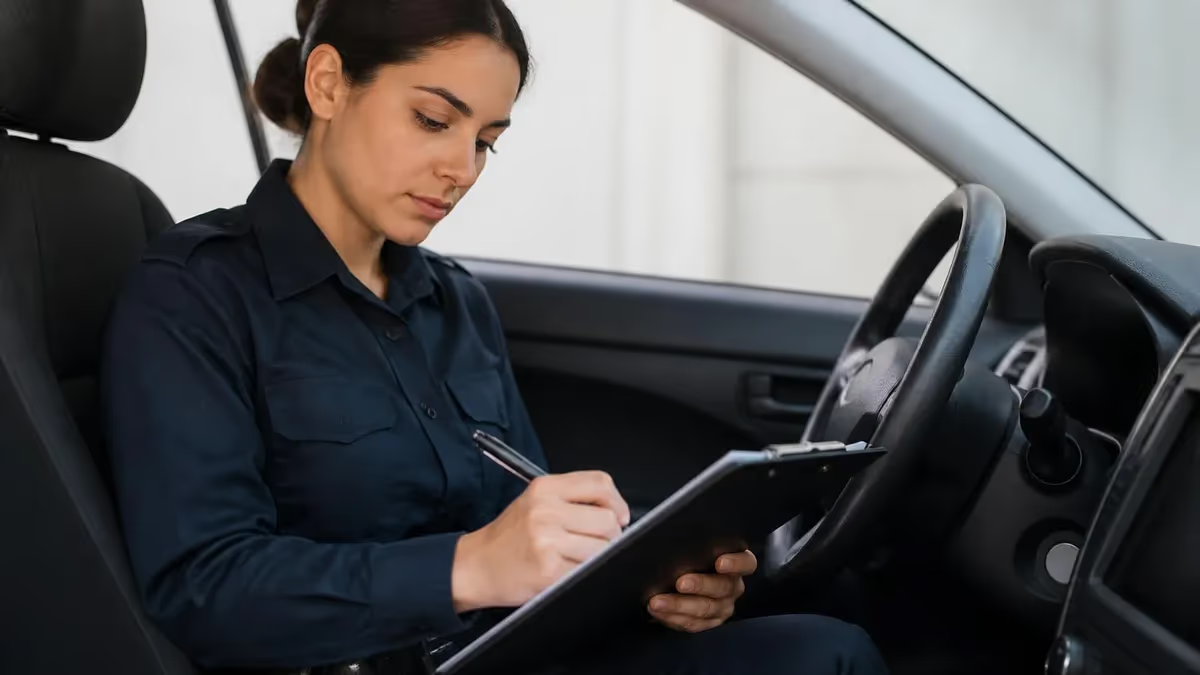
The phrase dmv testing area no cell phones allowed is one of the most important rules every applicant must understand before walking into a state licensing office. The Bureau of Motor Vehicles and Department of Motor Vehicles strictly prohibit electronic devices inside testing zones because they create opportunities for cheating, distract other examinees, and compromise the integrity of the licensing process. Understanding this rule and dozens of others can mean the difference between earning your license and being asked to leave the facility immediately without a refund.
Every state enforces specific protocols for both the written knowledge exam and the behind-the-wheel road test. These protocols cover what you can bring, who can accompany you, how you must dress, what kind of vehicle qualifies for the road portion, and how examiners score your performance. While the broad framework is similar across states, individual BMV and DMV offices interpret rules with their own administrative quirks, which is why thousands of applicants fail not because of poor driving but because of avoidable rule violations.
Cell phones rank as the single most confiscated item at testing centers nationwide. Even silenced phones tucked into pockets trigger automatic disqualification at many locations. Smart watches, Bluetooth earbuds, fitness trackers, and any device capable of transmitting or storing information fall under the same prohibition. Examiners are trained to spot the slightest electronic glow, vibration, or movement, and they document violations meticulously because state auditors review failure rates and cheating incidents quarterly.
If you want to feel confident about every rule and procedure, working through the BMV Practice Test series helps simulate the testing environment so the real exam feels familiar rather than intimidating. Familiarity reduces anxiety, and lower anxiety dramatically improves your score on both knowledge and skills portions of the licensing process.
This guide explains every rule you need to know before scheduling your appointment. We cover prohibited items in detail, examiner expectations, what to wear, how to prepare your vehicle for the road test, how scoring works behind the scenes, and exactly what happens if you violate any rule during the exam. We also address common misconceptions, like the false belief that you can keep your phone if it stays in your bag.
The information here applies to standard Class D non-commercial licenses across all fifty states. Commercial driver license testing follows additional federal protocols that include more invasive checks. Motorcycle endorsement testing has its own subset of rules. Regardless of which credential you pursue, the foundational principle remains the same: the testing area is a controlled environment, and applicants who respect the rules pass at significantly higher rates than those who push boundaries.
Read through every section before your test date. Bookmark this page, share it with anyone preparing for a license exam, and use the checklist near the end as your morning-of reference. Walking in prepared is the single most reliable predictor of a first-attempt pass.
DMV Testing Rules by the Numbers
Your DMV Test Day Timeline
Arrive 30 Minutes Early
Check In and Verify ID
Surrender Electronics
Complete Knowledge Exam
Vehicle Inspection
Road Test and Results
The cell phone prohibition exists because modern smartphones can store entire driver manuals, transmit answers to remote helpers, photograph test questions for later distribution, and connect to wireless earpieces that whisper guidance during exams. State licensing agencies have invested heavily in detection technology, signal jammers in some facilities, and examiner training programs designed to identify cheating. The penalties extend beyond simple test failure and can include multi-year bans from retesting, fraud charges, and permanent notations on your driving record.
Smart watches deserve special attention because many applicants forget they are wearing one. An Apple Watch, Fitbit Sense, Garmin, or Samsung Galaxy Watch all fall under the same prohibition as a phone. Examiners routinely ask applicants to roll up sleeves or display wrists before the test begins. If a notification buzzes during your knowledge exam, the proctor has authority to terminate the session immediately and mark you as a failed attempt regardless of how many questions you answered correctly.
Bluetooth earbuds and wireless earphones cause more disqualifications than people realize. AirPods, Galaxy Buds, and other small in-ear devices are sometimes hidden under long hair or hats. Examiners are trained to look specifically for these items, and many facilities now require applicants to display their ears clearly before entering the testing zone. Hearing aids are permitted but must be declared at check-in along with documentation from your audiologist or physician confirming medical necessity.
Translation devices, electronic dictionaries, and calculator-style gadgets are also banned outright. Most states provide translation services through human interpreters scheduled in advance or through approved audio systems built into the testing terminal. If you need language accommodation, contact your local BMV or DMV at least two weeks before your appointment to arrange this support. Walking in with your own translator app on a tablet will result in immediate refusal.
Cameras of any kind, including those built into glasses, pens, or buttons, are prohibited. Some facilities post warnings about espionage-style devices because organized cheating rings have used them in the past. If an examiner suspects you are carrying covert recording equipment, they can request a visual inspection of personal items. Refusing this inspection results in cancellation of the test and forfeiture of all fees paid.
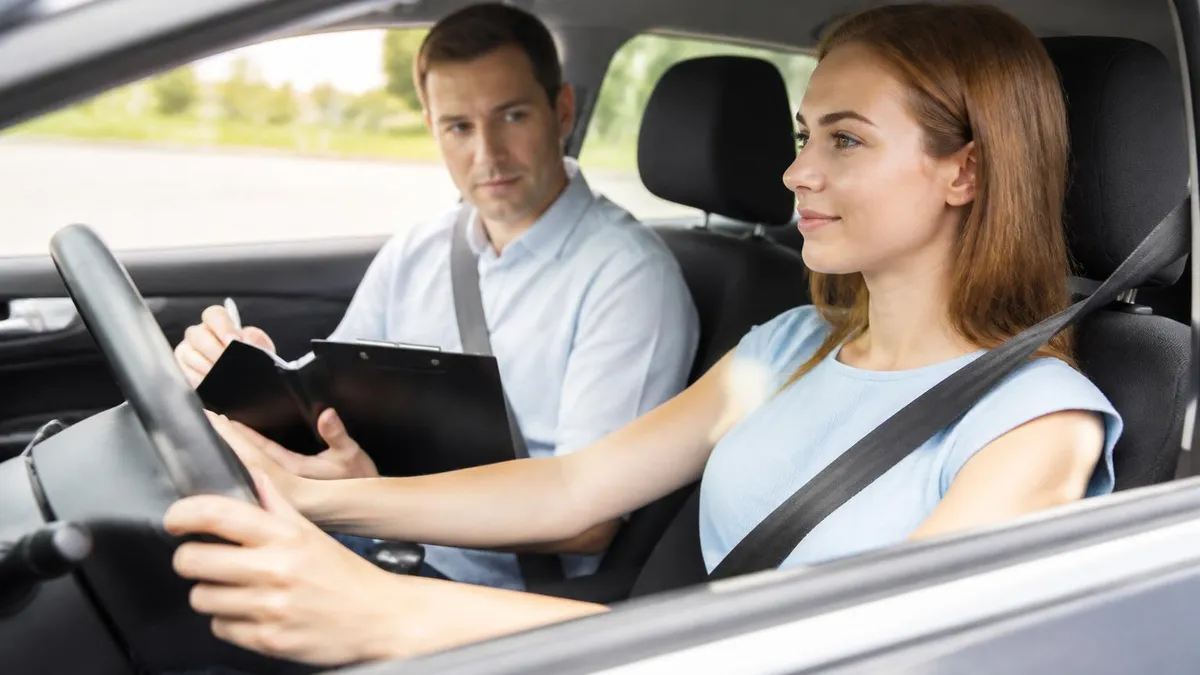
The road test portion has its own electronic rules. The testing vehicle must have its radio turned off completely, all navigation systems disabled or muted, and any driver-assistance features like lane-keeping or automatic parking deactivated. If your vehicle automatically reads text messages aloud or accepts incoming calls through the speakers, you must disable these features before the examiner enters the car. For deeper preparation on these specifics, the Driving Test Driving: Complete BMV Road Test Preparation Guide walks through every vehicle-related requirement in detail.
Finally, understand that the rule applies to everyone in the testing area, not just the applicant. Family members, friends, or driving school instructors waiting in the lobby must also keep phones silenced and out of sight. Loud ringtones, conversations, or photographs of testing areas can result in the entire group being asked to leave the building. Respect for the controlled environment benefits every applicant scheduled that day.
BMV Practice Test Questions
Prepare for the BMV - Test exam with our free practice test modules. Each quiz covers key topics to help you pass on your first try.
BMV Basic BMV Practice
BMV Exam Questions covering Basic BMV Practice. Master BMV Test concepts for certification prep.
BMV Alcohol, Drugs, and Impaired Driving Laws
Free BMV Practice Test featuring Alcohol, Drugs, and Impaired Driving Laws. Improve your BMV Exam score with mock test prep.
BMV Licensing Requirements
BMV Mock Exam on BMV Licensing Requirements. BMV Study Guide questions to pass on your first try.
BMV Traffic Laws
BMV Test Prep for BMV Traffic Laws. Practice BMV Quiz questions and boost your score.
BMV Vehicle Operations
BMV Questions and Answers on BMV Vehicle Operations. Free BMV practice for exam readiness.
BMV Parking, Right-of-Way, and Intersections
BMV Mock Test covering Parking, Right-of-Way, and Intersections. Online BMV Test practice with instant feedback.
BMV Road Signs and Markings
Free BMV Quiz on Road Signs and Markings. BMV Exam prep questions with detailed explanations.
BMV Safe Driving and Hazard Awareness
BMV Practice Questions for Safe Driving and Hazard Awareness. Build confidence for your BMV certification exam.
Knowledge Test vs Road Test Rules
The written knowledge exam is taken at a computer terminal or paper booklet inside a quiet testing room. Phones, smart watches, earbuds, and any reference materials must be surrendered before you sit down. The proctor stands or sits nearby to monitor for eye movement toward neighboring screens, hidden notes, or any signal toward accomplices in the waiting area.
You typically receive 30 to 45 minutes to complete 25 to 50 questions depending on your state. A passing score usually requires 80 percent correct, though some states demand 85 percent. You may not return to previous questions after submission in most computerized versions, so read carefully before clicking. If you finish early, the system records your time and immediately displays your pass or fail result.

Should You Take Your Test at a Busy Urban DMV or Quieter Rural Office?
- +Rural offices often have shorter wait times and easier road test routes
- +Smaller facilities mean examiners have more time per applicant
- +Less traffic congestion reduces stress during the driving portion
- +Parking is typically free and abundant at rural BMV locations
- +Appointment availability is usually wider and easier to reschedule
- +Examiners at small offices often provide more relaxed, encouraging feedback
- −Rural offices may have limited hours and fewer days per week
- −Travel distance can add significant time to your test day
- −Some applicants may need to drive on unfamiliar roads to reach the location
- −Specialized services like commercial endorsements may not be offered
- −Reduced staff means a single examiner absence can cancel your appointment
- −Limited multilingual support compared to urban testing centers
Pros and Cons at a Glance
| Pros | Cons |
|---|---|
| Rural offices often have shorter wait times and easier road test routes | Rural offices may have limited hours and fewer days per week |
| Smaller facilities mean examiners have more time per applicant | Travel distance can add significant time to your test day |
| Less traffic congestion reduces stress during the driving portion | Some applicants may need to drive on unfamiliar roads to reach the location |
| Parking is typically free and abundant at rural BMV locations | Specialized services like commercial endorsements may not be offered |
| Appointment availability is usually wider and easier to reschedule | Reduced staff means a single examiner absence can cancel your appointment |
| Examiners at small offices often provide more relaxed, encouraging feedback | Limited multilingual support compared to urban testing centers |
DMV Testing Area Pre-Arrival Checklist
- ✓Confirm appointment date, time, and exact office address the night before
- ✓Charge your transportation source and plan to arrive 30 minutes early
- ✓Place phone, smart watch, earbuds, and fitness tracker in a bag or vehicle
- ✓Bring original identification documents — never photocopies
- ✓Carry proof of insurance and current vehicle registration if road testing
- ✓Wear closed-toe shoes and avoid bulky jackets that hide hand movements
- ✓Pack a backup pair of glasses if your vision is corrected
- ✓Review your state driver manual one final time the morning of the test
- ✓Eat a light breakfast and use the restroom before check-in begins
- ✓Bring exact payment for any retest fees in case of unexpected outcomes
Silenced phones still count as violations
Many applicants believe that turning a phone to silent or airplane mode satisfies the no-electronics rule. It does not. The device must be completely out of the testing area — locked in a locker, returned to your vehicle, or handed to a companion. Examiners who spot any phone in a pocket, bag, or on a desk can disqualify you immediately, even if the device never rang or vibrated during the exam.
Beyond cell phone violations, examiners maintain a detailed list of automatic disqualifications that end road tests instantly. Running a stop sign or red light is the most common, and it requires no further evaluation — the examiner simply asks you to return to the facility. Failure to yield to pedestrians in crosswalks is equally severe, as is striking a curb during parallel parking attempts. Speeding more than five miles per hour over the posted limit triggers immediate failure in most states, regardless of road conditions or traffic flow.
Lane discipline failures account for roughly twenty percent of road test failures nationwide. This includes drifting between lanes without signaling, crossing solid lines during turns, riding the centerline for extended periods, or making wide right turns that cross into adjacent lanes. Examiners watch for consistent lane positioning throughout the entire route, not just during specific maneuvers. A single drift event might be forgiven, but repeated lane deviations indicate a fundamental control problem that examiners cannot ignore.
Observation errors form another major category. The examiner watches your eyes constantly, looking for proper mirror checks before lane changes, head turns to clear blind spots, and visual scanning at intersections. Failing to look both ways at a stop sign even when no traffic is present can cost you points, and chronic observation failures stack toward an overall failing score. Many states require explicit shoulder checks rather than mirror-only glances, so understand your state-specific expectations before testing.
Vehicle control issues at low speeds catch many applicants off guard. Stalling a manual transmission, jerky braking that throws the examiner forward, riding the brake pedal, or excessive accelerator use all signal that the applicant lacks smooth control. Modern automatic transmissions reduce some of these risks, but examiners still notice rough takeoffs, abrupt stops, and inconsistent speed maintenance. Practice these basic skills until they feel automatic, because under test-day stress your habits will dominate over conscious effort.
Documentation problems can disqualify you before you even sit in the testing vehicle. Expired insurance cards, registrations missing from the glove compartment, learner permits left at home, or identification documents that do not match the name on your application all cause cancellation. Some applicants arrive without realizing their permit expired the previous week. Always verify expiration dates on every document at least three days before your appointment to give yourself time to obtain replacements if needed.
Examiners also disqualify applicants for unsafe vehicle conditions discovered during the pre-test inspection. Cracked windshields blocking the driver's view, broken turn signals, non-functional brake lights, missing license plates, worn tires showing exposed cord, or seatbelts that do not latch properly all result in the road test being canceled. Rental vehicles sometimes have these issues, which is why the Driver Test Car Rental in Gastonia, NC: Complete BMV Road Test Vehicle Guide covers exactly what to inspect before renting.
Finally, behavioral issues with the examiner can end a test prematurely. Arguing with instructions, refusing to drive a section of the route, displaying road rage toward other drivers, using profanity, or attempting to bribe the examiner all result in immediate failure and may be reported to state licensing officials for further review. Treat your examiner professionally throughout the test, even if you disagree with a scoring decision — disputes can be filed afterward through formal channels.

Applicants caught using cell phones, hidden notes, earpieces, or any cheating device during DMV testing face consequences far beyond a failed exam. Most states impose retesting bans ranging from six months to three years, charge fraud fees up to $500, and permanently flag your driving record. Some states pursue misdemeanor charges that can affect employment background checks. The risk is never worth the shortcut.
Passing your DMV exam on the first attempt is achievable when you combine genuine knowledge with smart test-day strategy. Statistics show that applicants who complete at least 200 practice questions before their knowledge exam pass at rates approaching 90 percent, while those who rely solely on the driver manual achieve closer to 55 percent. The difference is not raw intelligence but pattern recognition — practice questions train your brain to identify how examiners phrase tricky scenarios, especially around right-of-way and impaired driving laws.
For the road test, structured practice with a licensed adult driver over 50 to 60 hours produces the strongest results. Spread these hours across different conditions: highway driving, residential streets, parking lots, nighttime driving, and inclement weather. Many states require a minimum supervised practice time logged on a permit before testing, and examiners can often tell within two minutes whether an applicant accumulated those hours in genuine driving conditions or simulated them on paper.
Sleep deserves more attention than most test-prep guides give it. Six hours of sleep the night before reduces reaction time by approximately the same margin as a blood alcohol content of 0.05 percent. Plan to sleep at least seven and ideally eight hours before your test. Caffeine helps short-term but causes jitters that examiners interpret as nervousness, so limit yourself to one cup of coffee or tea in the morning rather than relying on energy drinks.
The morning of your test, eat a balanced meal that includes protein and complex carbohydrates. Avoid sugary breakfasts that cause energy crashes mid-exam. Hydrate moderately — enough that you feel sharp, but not so much that you need a restroom break in the middle of your road test. Wear layered clothing so you can adjust to whatever temperature the testing facility maintains, since some offices run cold and shivering applicants score noticeably worse on dexterity-dependent maneuvers.
Mental rehearsal in the days before your test produces measurable improvements in performance. Spend ten minutes each evening visualizing yourself completing each maneuver smoothly: signaling, checking mirrors, turning, parallel parking. Visualization activates the same neural pathways used during actual driving, and this rehearsal reduces anxiety and improves muscle memory. Olympic athletes use this technique routinely, and the evidence applies equally to applicants preparing for high-stakes practical tests.
For state-specific preparation, the Ohio BMV Driving Test: Maneuverability, Road and Pass Tips guide demonstrates exactly the level of state-specific knowledge that separates first-time passers from repeat testers. Even if you live in a different state, reading detailed breakdowns of one state's process helps you understand what kind of granular preparation produces consistent passes.
Lastly, accept that some nervousness is normal and even helpful. A moderate stress response sharpens focus and improves reaction time. The problem occurs when nervousness becomes panic that causes shaky hands, forgotten maneuvers, or impulsive decisions. Breathing techniques — four seconds in, hold for four, exhale for six — calm the nervous system within two minutes and are completely undetectable to your examiner. Practice these in your car the week before your test so they feel natural on exam day.
Practical test-day tips often make the difference between an applicant who passes comfortably and one who narrowly fails. Dress for the testing environment rather than for fashion. Wear closed-toe shoes that grip pedals firmly — flip-flops and high heels have caused failures in every state, sometimes because the examiner refuses to proceed and sometimes because the applicant accidentally hits the wrong pedal during a critical maneuver. Avoid baggy sleeves that interfere with gear shifts and remove rings or bracelets that might catch on the steering wheel.
Plan your route to the testing facility carefully. Drive the path at least once before your appointment, ideally at the same time of day so you understand traffic patterns. Identify parking options and the entrance for testing applicants, which is sometimes different from the main DMV entrance. Arriving frazzled because you got lost or could not find parking starts your test on the wrong emotional footing, and examiners notice the difference between a composed applicant and a flustered one immediately.
Bring a quiet companion if you need emotional support, but understand that they cannot enter the testing area during your knowledge exam or sit in the vehicle during your road test. The person who drives you to the appointment will need to wait in the lobby or the parking lot until you finish. Pick someone calm — an anxious parent pacing the waiting room can transfer their nervousness to you during the brief moments you see them between test sections.
Read every knowledge exam question twice before answering. Test writers deliberately craft questions with similar-looking options that differ in critical details. The phrases "must," "may," "always," and "never" are particularly important because they change the legal meaning of the answer. Take the full time allotted rather than rushing — finishing in ten minutes feels productive but produces more careless errors than thoughtful completion in twenty-five minutes.
During the road test, narrate your observations quietly if it helps you stay focused. Saying "checking mirrors, signaling, looking over shoulder, changing lanes" out loud reinforces the sequence and demonstrates to the examiner that you are performing each step deliberately. Most examiners appreciate the verbal walkthrough because it confirms you are aware of the rules rather than going through motions mechanically. Just keep your voice low so it does not become distracting.
If you make a mistake during the road test, acknowledge it briefly and move on. Saying "I should have signaled there, sorry" tells the examiner you recognized the error and are not oblivious. Then immediately refocus on the rest of the route. Dwelling on a mistake causes compound errors as your attention drifts. Many applicants who would have passed with a single deduction end up failing because they unraveled mentally after one small slip.
Finally, remember that examiners are not your adversaries. They want safe drivers on the roads, and a competent applicant performing reasonably will pass. Greet your examiner politely, follow instructions exactly, and avoid small talk that distracts from the task. After the test, thank them whether you passed or failed. Professional courtesy goes further than most applicants realize, and a positive testing center experience often pays dividends when you return for future credentials like motorcycle endorsements or commercial licenses.
Sample BMV Practice Questions
Try these questions from our free BMV practice tests. The correct answer and an explanation follow each question.
When driving in a construction zone with workers present, what should you typically do with your speed?
- A. Maintain your current speed to avoid disrupting traffic flow
- B. Reduce speed and obey posted reduced speed limit signs
- C. Speed up to pass through quickly
- D. Slow to 10 mph regardless of posted signs
Answer: B. Reduce speed and obey posted reduced speed limit signs
Construction zones post reduced speed limits to protect workers, and fines are often doubled for violations there.
You may park your car parallel to the curb on a one-way street, no closer than __________ from either the left or right curb.
- A. 12 inches.
- B. 18 inches
- C. 24 inches
- D. 6 inches
Answer: B. 18 inches
When parallel parking, Ohio law requires that your vehicle be no more than 18 inches from the curb. This distance ensures that your vehicle is not obstructing the flow of traffic while also being safely positioned off the main roadway. Adhering to this rule is crucial for both traffic safety and avoiding parking violations.
Driving while having a blood alcohol content (BAC) of _______ or above is prohibited.
- A. 0.08%
- B. 0.10%
- C. 0.15%
- D. 0.05%
Answer: A. 0.08%
In Ohio, and across all U.S. states, it is illegal to drive with a Blood Alcohol Content (BAC) of 0.08% or higher. This legal limit is established to prevent impaired driving, which significantly increases the risk of accidents. Driving with a BAC at or above this level is considered Operating a Vehicle while Impaired (OVI) and carries severe penalties.
When driving in dense fog, you should use:
- A. High-beam headlights
- B. Hazard lights only
- C. Low-beam headlights
- D. No lights — they reflect back
Answer: C. Low-beam headlights
Low-beam headlights should be used in fog because high beams reflect off the fog and reduce visibility further.
BMV Questions and Answers
About the Author
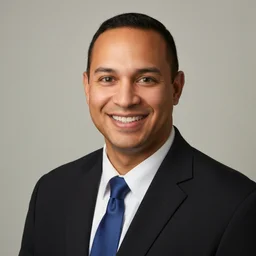
Licensed Driving Instructor & DMV Test Specialist
Penn State UniversityRobert J. Williams graduated from Penn State University with a degree in Transportation Management and has spent 20 years as a certified driving instructor and DMV examiner consultant. He has personally coached thousands of applicants through written knowledge tests, skills assessments, and commercial driver licensing programs across more than 30 states.
Join the Discussion
Connect with other students preparing for this exam. Share tips, ask questions, and get advice from people who have been there.
View discussion (9 replies)