
ACLS Tachycardia: Complete Guide to Recognition, Algorithms, and Treatment
📚 Master ACLS tachycardia algorithms, ECG recognition, and treatment protocols. Practice quiz questions to pass your certification exam with confidence.
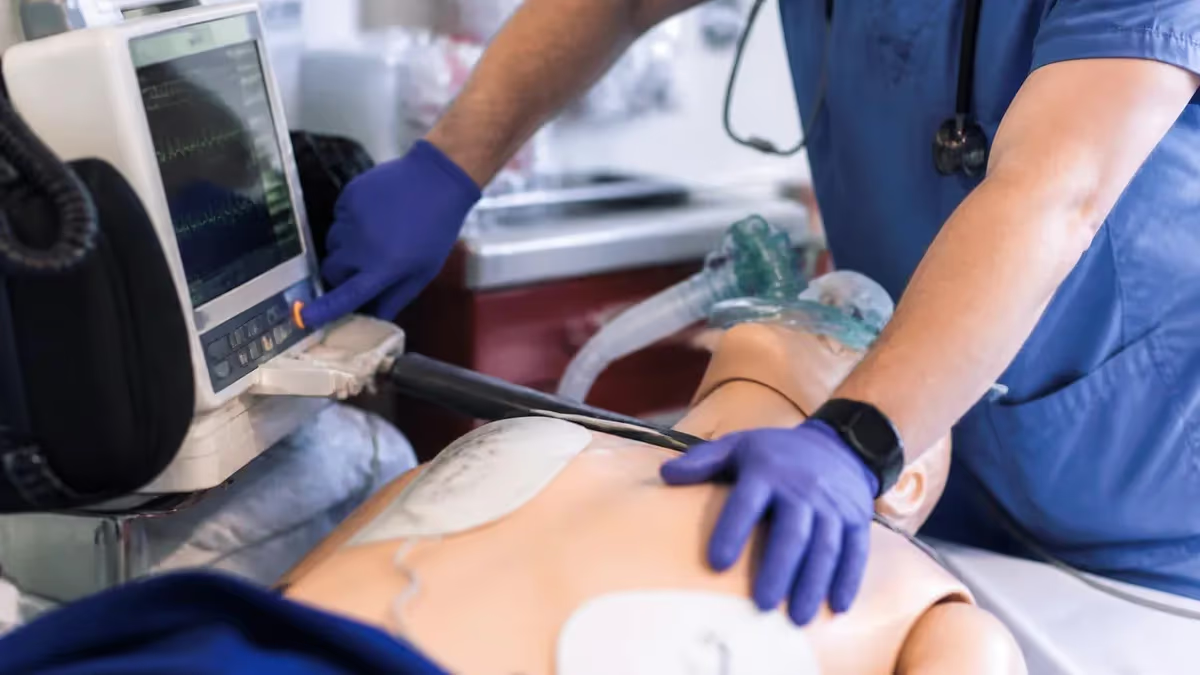
ACLS tachycardia management is one of the most tested and clinically critical skills evaluated on the Advanced Cardiovascular Life Support certification exam. Tachycardia — defined as a heart rate exceeding 100 beats per minute — is not a single diagnosis but a spectrum of arrhythmias that range from benign sinus tachycardia to immediately life-threatening ventricular fibrillation precursors. Mastering the acls tachycardia algorithm means knowing exactly how to distinguish stable from unstable rhythms and responding with the correct intervention in seconds, not minutes.
The ACLS tachycardia algorithm begins with a single foundational question: is the patient stable or unstable? Unstable means the patient is experiencing serious signs or symptoms directly caused by the rapid rate — hypotension with a systolic BP below 90 mmHg, altered mental status, chest pain suggesting ischemia, or acute pulmonary edema. If any of these are present and attributable to the tachycardia itself, synchronized cardioversion is the immediate next step regardless of the rhythm type. This principle saves lives because it prevents providers from wasting precious time on pharmacological trials in a deteriorating patient.
When the patient is stable, the algorithm branches based on the QRS complex width. A narrow complex (QRS less than 0.12 seconds, or fewer than three small boxes on a standard ECG) indicates that ventricular activation is occurring via the normal His-Purkinje system, pointing to a supraventricular origin. A wide complex (QRS 0.12 seconds or greater) must be treated as ventricular tachycardia until proven otherwise, because the consequences of misidentifying VT as a supraventricular tachycardia with aberrant conduction can be fatal if you administer the wrong drug.
For narrow complex tachycardias in stable patients, the ACLS sequence is methodical: first attempt vagal maneuvers such as the Valsalva maneuver or carotid sinus massage, which can terminate re-entrant rhythms like AV nodal re-entrant tachycardia (AVNRT) in up to 25% of cases.
If vagal maneuvers fail, adenosine 6 mg IV rapid push followed by a 20 mL saline flush is the next step. Adenosine's ultra-short half-life of less than 10 seconds means it transiently blocks AV nodal conduction, terminating rhythms that require the AV node as part of their circuit and unmasking atrial flutter or atrial fibrillation if those are the underlying rhythms.
Wide complex tachycardias in stable patients present a more nuanced challenge. If the rhythm is regular and the patient is stable, amiodarone 150 mg IV over 10 minutes is the preferred first-line antiarrhythmic agent in most ACLS protocols. Amiodarone works across multiple ion channels — sodium, potassium, and calcium — making it effective against both ventricular and some supraventricular arrhythmias. Procainamide is an acceptable alternative for monomorphic VT and has the additional advantage of slowing conduction in accessory pathways, making it useful when Wolff-Parkinson-White syndrome is suspected.
Atrial fibrillation with rapid ventricular response deserves special attention because it is the most common sustained tachyarrhythmia encountered in clinical practice and is heavily represented on ACLS exams. Rate control with beta-blockers (metoprolol, esmolol) or non-dihydropyridine calcium channel blockers (diltiazem, verapamil) is appropriate for stable AF. However, if the duration of AF is unknown or greater than 48 hours, cardioversion — whether pharmacological or electrical — carries a risk of thromboembolic stroke and must be approached carefully according to anticoagulation status.
Understanding the pharmacology behind each intervention is not just academic; ACLS exam questions frequently require you to know contraindications, doses, and mechanisms simultaneously. For example, adenosine is absolutely contraindicated in patients with pre-excitation syndromes like WPW because blocking the AV node can preferentially route conduction down the accessory pathway, potentially triggering ventricular fibrillation. Similarly, verapamil should never be given to a wide complex tachycardia assumed to be VT because it can cause hemodynamic collapse. These nuances are exactly what distinguishes a candidate who merely memorizes algorithms from one who truly understands tachycardia management.
ACLS Tachycardia by the Numbers

ACLS Tachycardia Algorithm: Step-by-Step
Assess Patient Stability
Identify QRS Width
Attempt Vagal Maneuvers (Narrow Complex)
Administer Adenosine
Rate or Rhythm Control (Persistent)
Synchronized Cardioversion
Rhythm recognition is the cornerstone of ACLS tachycardia management, and candidates who develop a systematic ECG interpretation approach consistently outperform those who try to pattern-match by memory alone. A reliable five-step method — rate, rhythm regularity, P-wave presence and morphology, PR interval, QRS width — allows you to classify virtually any tachyarrhythmia encountered on the exam or at the bedside. Applying this framework under pressure, when a patient is decompensating and the clock is running, separates the competent provider from the exceptional one.
Sinus tachycardia is the most common tachyarrhythmia and is critically important to identify correctly because it is almost never treated directly. The heart is racing in response to an underlying stimulus — fever, pain, hypovolemia, anxiety, hypoxia, pulmonary embolism, or sepsis. On ECG, sinus tachycardia shows upright P waves in leads I and II with a consistent 1:1 relationship to each QRS complex. Rate is typically 101-180 bpm. Treatment means identifying and addressing the underlying cause. Administering rate-controlling medications to sinus tachycardia without treating the root problem can be dangerous and is a classic ACLS exam trap.
AV nodal re-entrant tachycardia (AVNRT) is the most common cause of paroxysmal supraventricular tachycardia (PSVT) and the rhythm most likely to respond to adenosine. On ECG, AVNRT typically appears as a narrow complex regular tachycardia at 150-250 bpm with P waves that are either buried within or immediately adjacent to the QRS complex — the classic finding is a pseudo-R' wave in lead V1 or a pseudo-S wave in inferior leads (II, III, aVF). The circuit involves dual AV nodal pathways that form a re-entrant loop, which is why AV nodal blockade with adenosine terminates the arrhythmia so effectively.
Atrial flutter produces the unmistakable sawtooth flutter waves best seen in leads II, III, and aVF at an atrial rate of approximately 300 bpm. Because the AV node typically conducts every other impulse, ventricular rate is classically 150 bpm with 2:1 block. However, flutter can present with variable block (3:1 or 4:1) producing rates of 100 or 75 bpm.
A key ACLS pearl: when you see a narrow complex tachycardia at exactly 150 bpm, always suspect atrial flutter with 2:1 block. Adenosine will not terminate flutter but will transiently slow the ventricular rate, unmasking the flutter waves and confirming the diagnosis.
Atrial fibrillation is identified by its chaotic, irregularly irregular baseline with absent organized P waves and a ventricular response that varies beat to beat. The QRS complexes are typically narrow unless aberrant conduction or a bundle branch block is present. AF with rapid ventricular response (RVR) at rates above 110-130 bpm can cause hemodynamic compromise, particularly in patients with underlying cardiomyopathy or valvular disease. The ACLS approach prioritizes stability assessment: unstable AF gets cardioverted immediately; stable AF gets rate control with diltiazem or a beta-blocker while the anticoagulation status is evaluated.
Ventricular tachycardia (VT) presents as a wide complex, usually regular tachycardia at 100-250 bpm. Distinguishing monomorphic VT (uniform QRS morphology) from polymorphic VT (continuously changing QRS morphology) is essential because they carry different implications. Torsades de pointes is a specific form of polymorphic VT associated with a prolonged QT interval, triggered by hypokalemia, hypomagnesemia, or QT-prolonging medications. The treatment for torsades is IV magnesium sulfate 1-2 g over 15 minutes — not amiodarone, which can further prolong the QT. This distinction is frequently tested on ACLS exams and is a genuine patient safety issue in clinical practice.
Wolff-Parkinson-White syndrome deserves particular focus in ACLS tachycardia study because it alters the safe drug choices dramatically. WPW involves an accessory pathway (Bundle of Kent) that bypasses the AV node. In sinus rhythm, this produces a short PR interval and delta wave on ECG. When AF or atrial flutter occurs in a WPW patient, the accessory pathway can conduct impulses at extremely rapid rates — sometimes exceeding 300 bpm — because it lacks the AV node's protective decremental conduction properties.
AV nodal blocking agents (adenosine, diltiazem, verapamil, digoxin) are contraindicated in WPW with pre-excited AF because they paradoxically increase conduction through the accessory pathway, potentially triggering ventricular fibrillation. Procainamide or synchronized cardioversion are the appropriate interventions.
ACLS Tachycardia Medications: What You Need to Know
Adenosine is the first-line pharmacological agent for stable narrow complex tachycardia that fails vagal maneuvers. The initial dose is 6 mg given as a rapid IV push followed immediately by a 20 mL normal saline flush into a large antecubital vein. The drug's mechanism is to transiently block AV nodal conduction by activating adenosine A1 receptors and increasing potassium conductance, hyperpolarizing the AV node. Its half-life is under 10 seconds, making it extraordinarily safe despite its dramatic effect of causing a brief asystolic pause that can last 3 to 15 seconds.
If the initial 6 mg dose fails to terminate the tachycardia within 1-2 minutes, a repeat dose of 12 mg may be given and can be repeated once more if needed. Patients should be warned that they may experience transient flushing, chest pressure, or a sense of impending doom — these are expected side effects, not allergic reactions. Critical contraindications include WPW syndrome with pre-excitation, known hypersensitivity, and significant bronchospasm. Theophylline blocks adenosine receptors and reduces efficacy; dipyridamole potentiates adenosine and may require dose reduction.
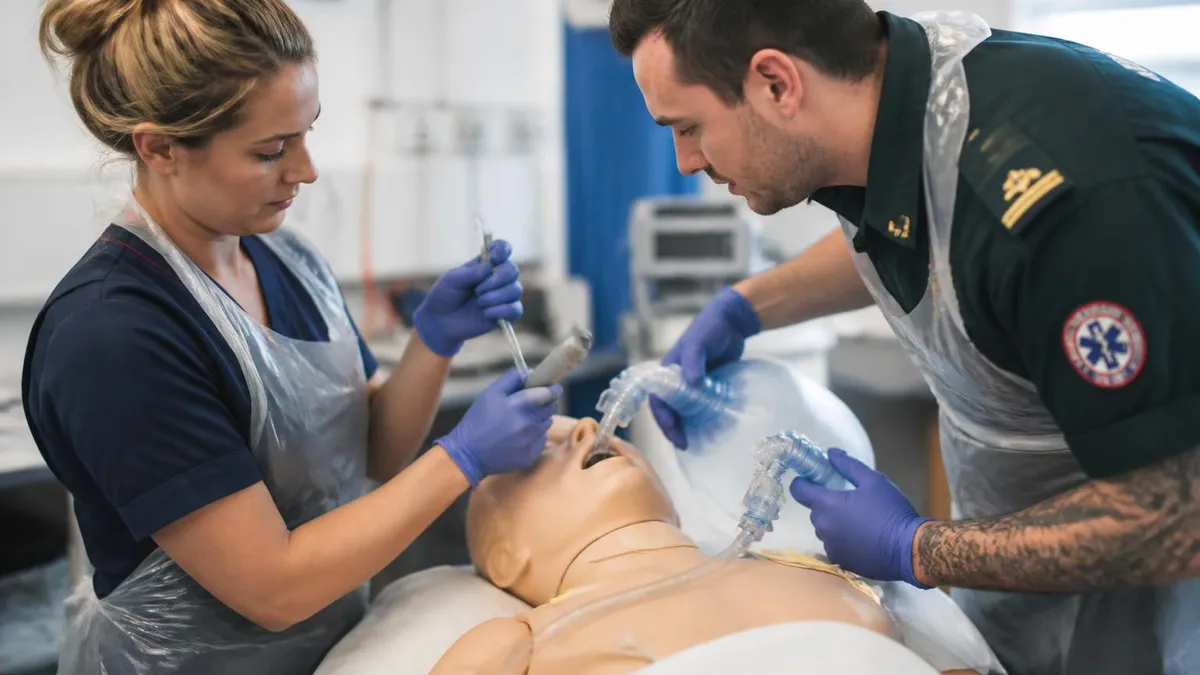
Synchronized Cardioversion vs. Pharmacological Cardioversion: Key Tradeoffs
- +Immediately effective for most re-entrant tachyarrhythmias with a single energy delivery
- +Does not require knowledge of specific rhythm type in the unstable patient — works for most SVT, AF, flutter, and VT
- +Faster time to conversion compared to IV antiarrhythmics that take minutes to reach therapeutic effect
- +Preferred and definitive treatment for hemodynamically unstable tachycardia of any etiology
- +Avoids drug interactions and contraindications that complicate pharmacological choices
- +Success rates exceed 90% for atrial flutter with appropriate energy delivery
- −Requires procedural sedation in conscious patients, adding preparation time and aspiration risk
- −Synchronization must be confirmed before delivery — failure to synchronize risks delivering a shock on the T wave, potentially inducing VF
- −AF cardioversion carries thromboembolic stroke risk if duration is unknown or >48 hours without adequate anticoagulation
- −Does not address underlying causes such as electrolyte imbalances, ischemia, or drug toxicity
- −Post-conversion bradycardia or prolonged pause may require pacing in patients with underlying sinus node dysfunction
- −Chest wall burns and discomfort can occur, and repeated shocks increase myocardial injury risk
ACLS Tachycardia Exam Prep Checklist
- ✓Memorize the definition of unstable tachycardia: hypotension, AMS, chest pain, or acute pulmonary edema caused by the rapid rate
- ✓Know that synchronized cardioversion is always the first step for any unstable tachycardia regardless of rhythm type
- ✓Identify the QRS width cutoff of 0.12 seconds (3 small boxes) that separates narrow from wide complex tachycardia
- ✓Practice the vagal maneuver sequence: Valsalva first, then carotid sinus massage (listen for bruits before attempting)
- ✓Memorize adenosine dosing: 6 mg initial rapid IV push with saline flush, repeat 12 mg if needed
- ✓Know WPW contraindications: no adenosine, diltiazem, verapamil, or digoxin in pre-excited AF or flutter
- ✓Recognize torsades de pointes by its hallmark polymorphic wide complex pattern with a prolonged QT interval baseline
- ✓Confirm that magnesium sulfate 1-2 g IV is the treatment of choice for torsades, not amiodarone
- ✓Review atrial flutter features: sawtooth waves at ~300 bpm, classic 2:1 block producing 150 bpm ventricular rate
- ✓Practice distinguishing sinus tachycardia (treat the cause) from AVNRT (treat with adenosine) using P-wave analysis
The Most Tested Tachycardia Rule: Wide + Unstable = Shock First, Ask Questions Later
The single most high-yield principle in all of ACLS tachycardia management is this: if a patient with wide complex tachycardia is unstable (hypotensive, altered, or in acute pulmonary edema), you do not need to identify the rhythm before acting. Deliver synchronized cardioversion immediately. Attempting to classify the arrhythmia or trialing antiarrhythmics in a hemodynamically compromised patient wastes critical time and is the most common error seen on both ACLS exams and in clinical practice.
Common mistakes in ACLS tachycardia management account for a significant proportion of exam failures and, more importantly, real-world patient harm. Understanding where candidates consistently go wrong allows you to study more strategically, targeting the exact decision points where errors cluster. The most frequent conceptual mistake is treating the number on the monitor rather than the patient — seeing a heart rate of 160 and immediately reaching for drugs without first assessing whether the patient is stable and whether the tachycardia is the primary problem or a compensatory response to something else entirely.
Confusing synchronized cardioversion with defibrillation is a critical error that can be fatal in both directions. Synchronized cardioversion uses the ECG signal to time the electrical shock to the R wave, avoiding delivery during the vulnerable repolarization period (T wave) that can induce ventricular fibrillation.
Unsynchronized defibrillation is used only for pulseless ventricular fibrillation and pulseless VT. Giving an unsynchronized shock to a patient in VT with a pulse risks the shock landing on a T wave and converting the rhythm to VF. Always verify the sync mode is activated before cardioversion, and recognize that some defibrillators default back to unsynchronized mode after each shock delivery.
Misidentifying torsades de pointes as monomorphic VT and treating it with amiodarone is another high-stakes error. Amiodarone prolongs the QT interval, which is exactly the substrate that sustains torsades. Administering it can worsen the arrhythmia. The correct approach is magnesium sulfate 1-2 g IV, correcting electrolyte abnormalities (particularly potassium — target K+ above 4.5 mEq/L), discontinuing QT-prolonging medications, and considering temporary overdrive pacing to shorten the QT. Review the patient's medication list for culprits: antipsychotics (haloperidol, quetiapine), antibiotics (azithromycin, fluoroquinolones), and antiarrhythmics (sotalol, dofetilide) are common offenders.
Failing to recognize atrial flutter is a surprisingly common error because the flutter waves can be subtle, particularly in leads where they are isoelectric. The critical teaching point is that any regular narrow complex tachycardia at exactly 150 bpm should be presumed to be atrial flutter with 2:1 block until proven otherwise.
Administering adenosine in this scenario will not terminate the flutter but will transiently increase the degree of AV block, slowing the ventricular rate briefly and revealing the unmistakable sawtooth flutter waves at 300 bpm in leads II, III, and aVF. This diagnostic use of adenosine is explicitly recognized in the ACLS curriculum.
Giving rate-controlling agents to a wide complex tachycardia without confirming it is supraventricular represents perhaps the most dangerous pharmacological error in the ACLS tachycardia algorithm. Verapamil administered to a patient in ventricular tachycardia can cause catastrophic hemodynamic collapse — profound hypotension and degeneration to VF — because VT patients often have underlying structural heart disease with impaired ventricular function that cannot tolerate negative inotropy. The ACC/AHA guidelines and the AHA ACLS textbook are unambiguous: treat all wide complex tachycardias as VT unless there is definitive evidence of supraventricular origin with aberrancy.
Omitting sedation before cardioversion in a conscious patient is both an ethical issue and a practical one. Cardioversion is extremely painful — roughly equivalent to a significant electric shock — and performing it without sedation is not only inhumane but also risks the patient moving or resisting, which can complicate procedure safety.
Appropriate sedation options for procedural cardioversion include midazolam 1-2 mg IV, etomidate 0.2 mg/kg IV (preferred in hemodynamically unstable patients for its minimal cardiovascular effects), ketamine 1-2 mg/kg IV, or propofol 0.5-1 mg/kg IV with careful titration. Have reversal agents (flumazenil for benzodiazepines, naloxone for opioids) and airway management equipment immediately available.
Overlooking reversible causes of tachycardia during resuscitation efforts leads to recurrent arrhythmias even when the immediate rhythm is successfully converted. The ACLS framework of the Hs and Ts — Hypovolemia, Hypoxia, Hydrogen ion (acidosis), Hypo/hyperkalemia, Hypothermia, Tension pneumothorax, Tamponade, Toxins, Thrombosis (PE or coronary) — provides a systematic checklist for reversible causes. Many cases of recurrent or refractory tachycardia that fail standard pharmacological management have an identifiable underlying etiology that, once corrected, resolves the arrhythmia. This systematic thinking is what the ACLS certification is ultimately designed to reinforce and evaluate.
Administering calcium channel blockers to a wide complex tachycardia of unknown origin is a potentially lethal error. Until ventricular tachycardia is definitively excluded, avoid verapamil, diltiazem, and digoxin. Patients in VT who receive these agents may develop severe hypotension, hemodynamic collapse, or degeneration to ventricular fibrillation — particularly those with underlying structural heart disease or reduced ejection fraction.
Passing the ACLS certification exam requires more than memorizing drug names and doses — it demands the ability to apply algorithmic thinking under simulated pressure and to demonstrate competency in both written scenarios and hands-on skills stations. Understanding the exam structure helps you allocate study time efficiently. The written examination typically consists of 50 multiple-choice questions covering the full ACLS curriculum, but tachycardia and bradycardia algorithms together account for a disproportionate share of the content because they involve the most complex decision-making trees in the entire course.
The skills stations are where many candidates who thought they knew the material discover gaps. In the tachycardia megacode scenario, you will be evaluated on your ability to identify a rhythm from a printed strip or monitor display, verbalize the correct algorithm steps in sequence, call for the appropriate intervention, state the correct drug dose and route, and recognize when to transition from pharmacological to electrical therapy.
Instructors specifically watch for hesitation at critical decision points — particularly the stable versus unstable assessment — and for confident, accurate communication with team members. The team leader role in ACLS is as much about clear communication as it is about clinical knowledge.
Practice tests are among the most effective preparation strategies available, and the research on test-enhanced learning supports this consistently. Taking practice questions under timed conditions forces active retrieval of information rather than passive recognition, and it exposes knowledge gaps that re-reading textbooks or watching videos will not reliably reveal. For ACLS tachycardia specifically, practice the ECG interpretation questions repeatedly until rhythm recognition becomes automatic — the goal is to identify sinus tachycardia, AVNRT, atrial flutter, AF, and monomorphic VT within 5-10 seconds of seeing the strip.
Spaced repetition is the evidence-based learning strategy that produces the most durable retention for certification exam content. Rather than cramming all your tachycardia review into a single marathon session, distribute practice over multiple shorter sessions across several days or weeks. Review the material you find most difficult more frequently, and revisit topics you feel confident about at increasing intervals to prevent forgetting. This approach is especially important for memorizing specific drug doses and contraindications, which tend to blur together when learned in rapid succession without reinforcement.
The AHA ACLS Provider Manual is the authoritative primary source for exam content, and candidates should read the tachycardia chapter in its entirety at least twice. Pay particular attention to the algorithm flowcharts — the exam may present scenarios that require you to trace the correct path through the algorithm, and knowing the decision nodes precisely prevents errors from ambiguous recall. The 2020 AHA Guidelines for CPR and Emergency Cardiovascular Care, which underpin the current ACLS curriculum, are publicly available and represent the most current evidence base for all ACLS protocols including tachycardia management.
Group study with fellow ACLS candidates has demonstrated value in multiple studies of clinical certification preparation. Running through megacode scenarios with partners allows you to practice the verbal communication skills that are evaluated in the skills stations, to receive immediate feedback on errors, and to benefit from others' knowledge of difficult concepts. Assigning different team roles — team leader, compressor, medication administrator, recorder — in each practice run builds the adaptive role-switching flexibility that real resuscitations require. If in-person study groups are not feasible, online ACLS forums and video libraries provide valuable supplementary resources.
On exam day, time management during the written component matters more than most candidates expect. Budget approximately 90 seconds per question to leave time for review. For tachycardia algorithm questions specifically, a structured approach prevents errors: first determine stability, then QRS width, then consider available drug options and their contraindications, then identify the correct intervention.
If a question presents conflicting findings — for example, a wide complex tachycardia in a patient with known bundle branch block — apply the safer assumption (treat as VT) and choose the intervention with the lowest risk of harm. The ACLS exam rewards conservative, systematic thinking over clever pattern recognition.
Building a comprehensive understanding of ACLS tachycardia requires integrating the algorithm knowledge with practical clinical context. The written exam tests your recall under controlled conditions, but real clinical situations demand the same systematic thinking applied to a patient who may be anxious, in pain, or rapidly deteriorating. The best way to bridge this gap is through scenario-based practice — working through case presentations that begin with a chief complaint and vital signs, require rhythm identification, and end with a specific management decision. This clinical context practice is what transforms memorized protocols into functional clinical reasoning.
One of the most valuable study strategies for the pharmacology-heavy tachycardia content is creating a side-by-side drug comparison table. For each antiarrhythmic in the ACLS algorithm — adenosine, amiodarone, procainamide, lidocaine, diltiazem, metoprolol, magnesium — record the drug class, mechanism, dose, route, indication, and key contraindications in a single row. This visual format makes the distinctions immediately apparent and is particularly helpful for the commonly confused pairs: adenosine versus diltiazem (both target the AV node but for different rhythms), and amiodarone versus magnesium (both used for ventricular arrhythmias but for different QT substrates).
Understanding the hemodynamic consequences of different tachyarrhythmias deepens your comprehension of why the algorithm prioritizes stability assessment so heavily. Heart rate is one of the primary determinants of cardiac output (CO = HR × Stroke Volume), and both very slow and very fast rates impair output.
At heart rates above approximately 150 bpm, diastolic filling time decreases significantly, reducing end-diastolic volume and stroke volume. In patients with stiff, non-compliant ventricles — such as those with hypertensive heart disease, hypertrophic cardiomyopathy, or diastolic dysfunction — even a rate of 110-120 bpm can cause symptomatic impairment. This is why the stability threshold is patient-specific, not a fixed number.
The post-conversion phase of tachycardia management is often underemphasized in ACLS study materials but is tested on the exam and matters greatly in clinical practice. After successful termination of a tachyarrhythmia — whether by adenosine, electrical cardioversion, or antiarrhythmic infusion — the patient must be monitored continuously for recurrence.
Many re-entrant tachycardias will recur within minutes to hours if the underlying electrophysiological substrate is not addressed. For VT in particular, a maintenance amiodarone infusion is typically continued after the loading dose to prevent recurrence. Electrolyte abnormalities, especially hypokalemia and hypomagnesemia, must be corrected because they lower the threshold for recurrent ventricular arrhythmias.
Special populations present modification challenges to the standard ACLS tachycardia algorithm that appear with increasing frequency on current exam iterations. Pregnant patients with tachyarrhythmias require consideration of fetal safety: adenosine is considered safe in pregnancy, electrical cardioversion is also safe with appropriate shielding, but several antiarrhythmics (amiodarone, in particular) carry significant fetal risks.
Pediatric ACLS uses weight-based dosing and different energy settings for cardioversion. Elderly patients with multiple comorbidities often have polypharmacy that creates complex drug interaction scenarios. Recognizing that the standard algorithm serves as a framework — not an absolute protocol — that must be adapted to individual patient circumstances demonstrates the clinical maturity that ACLS certification is designed to assess.
Post-resuscitation care following tachycardia-related cardiac arrest involves targeted temperature management, hemodynamic optimization, and neurological assessment — topics that fall within the broader ACLS curriculum. For candidates preparing comprehensively, understanding how tachycardia fits within the larger context of cardiac arrest causes and the post-cardiac arrest syndrome reinforces the system-level thinking that distinguishes ACLS practitioners from basic providers. Ventricular fibrillation, which can be precipitated by sustained ventricular tachycardia, is the most common initially documented rhythm in out-of-hospital cardiac arrest, making VT recognition and prevention a genuine life-saving skill that extends far beyond the certification exam.
As you consolidate your ACLS tachycardia knowledge, return repeatedly to the two most fundamental principles: assess the patient before the monitor, and when in doubt about the rhythm in an unstable patient, cardiovert. These principles, embedded in the AHA algorithm design, reflect decades of clinical evidence and are the foundation upon which all the specific pharmacological and procedural details rest.
Candidates who internalize these principles first and layer in the specifics second consistently perform better on both the written exam and the megacode skills stations than those who attempt to memorize the details without understanding the underlying logic that connects them.
ACLS Questions and Answers

ACLS Heart Rhythms: The Complete Guide to ECG Recognition, Interpretation, and Treatment Protocols

ACLS Certification Cost: Complete 2026 Price Guide for Initial Courses, Renewals, Online Options & Hidden Fees
HeartCode ACLS Answers: Complete 2026 Guide to Passing the Online Module With Confidence

Do You Need BLS If You Have ACLS? The Complete 2026 Guide to Stacking Life Support Certifications

ACLS Course Near Me: How to Find Local Classes, Costs, Schedules & Fast-Track Options in 2026
About the Author

Registered Nurse & Healthcare Educator
Johns Hopkins University School of NursingDr. Sarah Mitchell is a board-certified registered nurse with over 15 years of clinical and academic experience. She completed her PhD in Nursing Science at Johns Hopkins University and has taught NCLEX preparation and clinical skills courses for nursing students across the United States. Her research focuses on evidence-based exam preparation strategies for healthcare certification candidates.