
ACLS CPR Certification: Complete Training Guide for Healthcare Professionals
Master ACLS CPR certification requirements, training formats, costs & pass strategies. ✅ Complete guide for healthcare professionals seeking ACLS credentials.
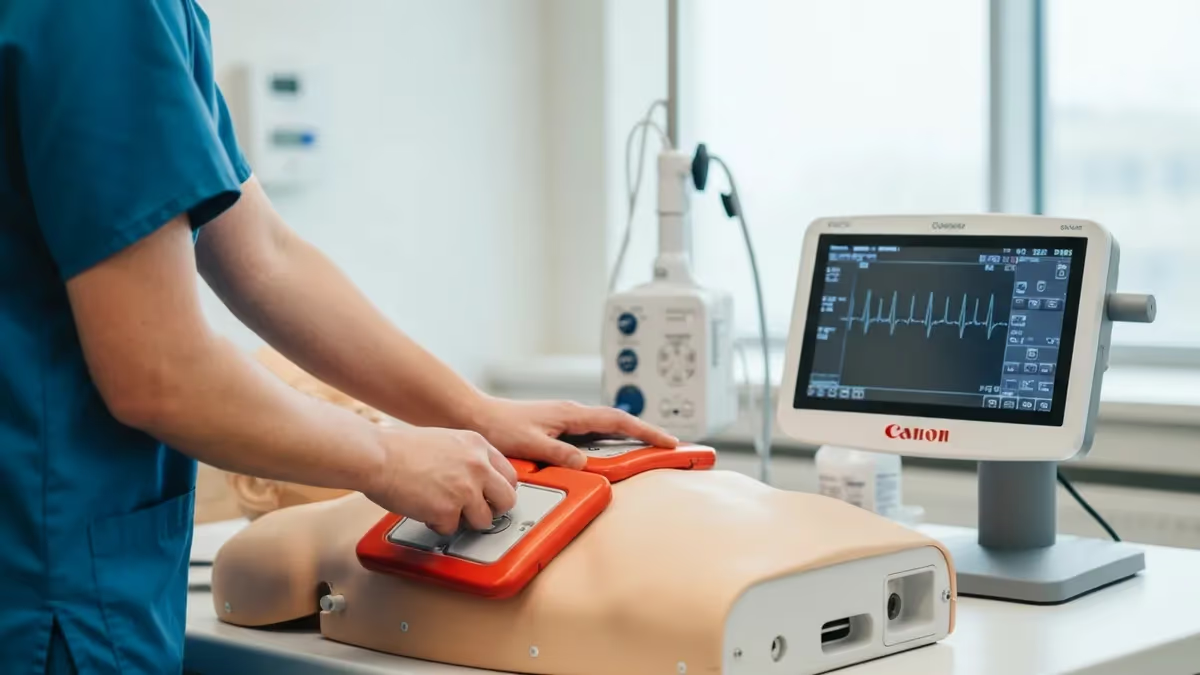
ACLS CPR associates and healthcare professionals pursuing Advanced Cardiovascular Life Support certification face one of the most rigorous credentialing processes in emergency medicine. This certification goes far beyond standard CPR, requiring providers to master complex cardiac arrest algorithms, interpret real-time ECG rhythms, manage airway emergencies, and administer time-sensitive medications under high-pressure conditions. Whether you are a nurse, physician assistant, paramedic, or respiratory therapist, earning ACLS certification signals to employers and patients alike that you possess the clinical competence to lead a resuscitation team.
The American Heart Association (AHA) remains the gold standard organization for ACLS training in the United States, though providers such as the American Red Cross and various accredited online platforms also offer recognized programs. Each organization structures its curriculum around the same core competencies: high-quality CPR delivery, early defibrillation, systematic use of the ACLS algorithms, and effective team communication during a code. Understanding these fundamentals before you enter the classroom dramatically increases your chances of first-attempt certification success.
Many candidates underestimate how much ACLS differs from their Basic Life Support (BLS) training. While BLS focuses on the mechanical delivery of chest compressions and rescue breaths, ACLS layers on pharmacology, rhythm recognition, post-cardiac arrest care, and the management of acute stroke and coronary syndromes. The cognitive load is substantially higher, and providers who enter the course without pre-study frequently struggle with the station-based skills evaluations that require real-time decision-making.
Eligibility requirements are straightforward but non-negotiable. Candidates must hold a current BLS provider card before sitting for ACLS. Most programs also strongly recommend that participants have a working knowledge of basic cardiac anatomy, common arrhythmias such as ventricular fibrillation and pulsatric electrical activity, and the pharmacological properties of drugs like epinephrine, amiodarone, and atropine. Without this foundation, the two-day course can feel overwhelming rather than reinforcing.
Cost is a practical consideration for many healthcare workers, especially those self-sponsoring their education. In-person AHA courses typically run between $150 and $300, while blended learning options (HeartCode ACLS) may cost $100 to $200 for the online portion plus an additional skills check fee of $50 to $150. Hospital-based training programs often cover costs for employed staff, but travelers, per-diem workers, and those changing positions may need to budget independently. Be sure to review the acls cpr certification page for the most current guidelines affecting your training.
Recertification is required every two years, and the renewal process is somewhat more simplified than initial certification since providers are expected to maintain their skills between cycles. However, the AHA updates its guidelines periodically based on new evidence from the International Liaison Committee on Resuscitation (ILCOR), meaning even experienced ACLS providers encounter new content at renewal. Staying current with published guideline updates is not optional — it is a professional responsibility that directly affects patient outcomes in your clinical setting.
This guide is designed to walk you through every phase of the ACLS certification journey: eligibility and prerequisites, course formats and what to expect in each component, the skills stations you must pass, study strategies that maximize retention, and practical advice for maintaining your credential over a long career. Whether you are a first-time candidate or approaching your fifth renewal, the pages that follow will help you arrive at your skills lab fully prepared and confident.
ACLS CPR Certification by the Numbers

ACLS Course Formats & Prerequisites
Traditional two-day format led by an AHA-certified instructor. Includes lecture, mannequin-based skills practice, team simulations, and a proctored written exam. Best for first-time candidates who benefit from direct feedback and hands-on repetition with peers.
Online self-study module completed at your own pace covers cognitive content, followed by a brief in-person skills check session (typically 4–6 hours). Ideal for experienced providers who are comfortable with self-directed learning and have tight scheduling constraints.
Many acute care facilities run internal ACLS courses for employed staff at no charge. These programs use the same AHA curriculum and issue official AHA provider cards. Check with your education department to confirm enrollment availability and scheduling windows.
Every candidate must hold a current AHA BLS Provider card before attending ACLS. The BLS card must not be expired on the first day of class. Some programs accept Red Cross CPR/AED certification — confirm with your specific training center before registering.
Instructors strongly recommend reviewing basic arrhythmia interpretation, ACLS algorithms (cardiac arrest, bradycardia, tachycardia, stroke), and key drug doses before class. Candidates who pre-study report significantly higher confidence during skills stations and written evaluation.
ACLS training covers far more clinical territory than most candidates anticipate when they first register for the course. The curriculum is organized around a series of core and integrated cases that simulate real emergency scenarios encountered in hospital settings, emergency departments, and intensive care units. Providers rotate through these cases in teams, taking turns as team leader and team member, which builds both individual competence and the communication skills necessary for effective resuscitation teams. Understanding the full scope of what you will be expected to learn is the first step toward arriving prepared.
Cardiac arrest management is the centerpiece of ACLS training. Providers must demonstrate mastery of the adult cardiac arrest algorithm, which branches based on the presenting rhythm: shockable rhythms (ventricular fibrillation and pulseless ventricular tachycardia) versus non-shockable rhythms (pulseless electrical activity and asystole). For shockable rhythms, the sequence involves immediate high-quality CPR, rapid defibrillation with an automated or manual defibrillator, and administration of vasopressors (epinephrine 1 mg IV/IO every 3–5 minutes) with antiarrhythmics (amiodarone 300 mg IV/IO for the first dose) after the second shock. Timing and sequencing errors are among the most common reasons candidates struggle during the skills evaluation.
Airway management is integrated throughout the ACLS curriculum because maintaining oxygenation and ventilation is critical during prolonged resuscitation efforts. Providers learn to use bag-mask ventilation, supraglottic airways (laryngeal mask airway, King airway), and endotracheal intubation, with an emphasis on minimizing interruptions to chest compressions during airway procedures. The 2020 AHA guidelines de-emphasized early intubation in favor of bag-mask ventilation when performed with adequate technique, reflecting evidence that interruptions for advanced airway placement can worsen cardiac arrest outcomes in certain settings.
Post-cardiac arrest care represents a significant curriculum expansion compared to older ACLS versions. After return of spontaneous circulation (ROSC), providers must initiate targeted temperature management (TTM) when appropriate, optimize hemodynamics with a target mean arterial pressure above 65 mmHg, manage ventilation to achieve normocapnia, treat hyperglycemia, and arrange timely coronary angiography for patients with suspected acute MI as the arrest precipitant. This post-ROSC bundle has been shown in multiple trials to significantly improve neurologically intact survival, making it one of the highest-yield areas for both the written exam and real-world practice.
The acute coronary syndrome (ACS) module teaches providers to recognize STEMI and NSTEMI presentations, initiate antiplatelet therapy, arrange emergent reperfusion, and manage complications including cardiogenic shock and malignant arrhythmias. Stroke management follows the Cincinnati Prehospital Stroke Scale and FAST mnemonic, emphasizing the criticality of door-to-needle times for tPA administration. Providers must know that the current AHA recommendation targets less than 60 minutes from hospital arrival to fibrinolytic therapy for eligible patients without contraindications.
Bradycardia and tachycardia algorithms round out the ACLS clinical content. For unstable bradycardia — defined by the presence of hypotension, altered mental status, signs of shock, ischemic chest discomfort, or acute heart failure — the first-line treatment is atropine 0.5 mg IV, repeated every 3–5 minutes to a maximum of 3 mg. For stable bradycardia, observation or transcutaneous pacing preparation may be appropriate.
Unstable tachycardia with a pulse triggers immediate synchronized cardioversion, while stable tachycardia management depends on QRS width: narrow-complex rhythms may respond to vagal maneuvers or adenosine, while wide-complex tachycardias require a different pharmacological approach guided by rhythm interpretation.
Team dynamics and closed-loop communication are explicitly tested components of ACLS that many candidates overlook during self-study. The AHA uses High-Performance Teams methodology, expecting providers to assign clear roles at the start of each resuscitation, use closed-loop communication to confirm orders received and executed, and transfer leadership smoothly when needed. Instructors evaluate whether the team leader positions themselves to observe the entire team rather than performing compressions personally, communicates clearly without excessive interruptions, and calls for rhythm checks and medication administration at appropriate intervals throughout the code.
ACLS CPR Certification Pathways Compared
First-time ACLS certification requires completing the full provider course, which spans approximately 15 to 16 hours of instruction and skills practice. Candidates must pass a written exam with a minimum score of 84 percent and successfully demonstrate competency at each skills station, including the cardiac arrest mega-code simulation. Most training centers offer both weekday and weekend scheduling options, and some hospital systems require new hires to complete ACLS within 90 days of employment in eligible clinical departments.
Preparation for initial certification should begin at least two to three weeks before the course date. Priority study areas include the six core algorithms (cardiac arrest, bradycardia, tachycardia, STEMI, stroke, and post-cardiac arrest care), drug doses and routes for epinephrine, amiodarone, lidocaine, atropine, and adenosine, and the ability to identify at least twelve common arrhythmias on a rhythm strip. Candidates who pre-study using practice tests and algorithm flashcards consistently report higher confidence and lower test-day anxiety than those who rely solely on the course content.
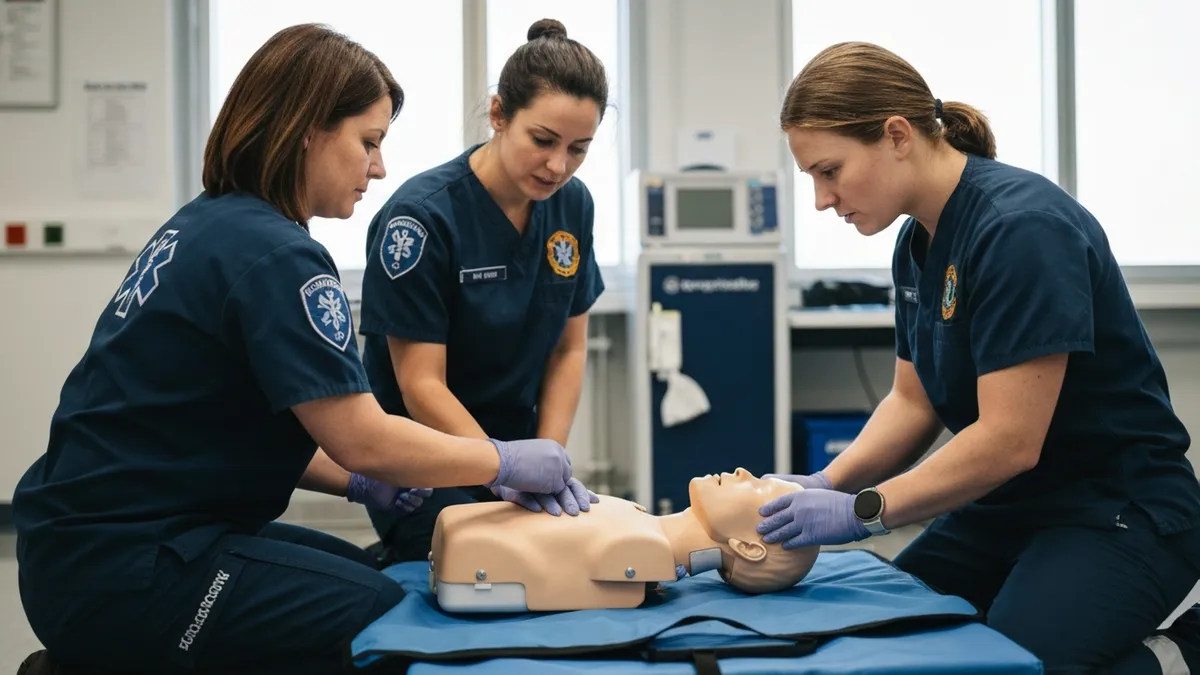
ACLS CPR Certification: Benefits & Challenges
- +Significantly increases your ability to manage life-threatening cardiac emergencies with confidence and clinical precision
- +Required or strongly preferred by most acute care employers, ICUs, ERs, and perioperative departments — opens more job opportunities
- +Recognized nationally by all major healthcare credentialing bodies and hospital accreditation organizations
- +Structured team-based training improves real-world resuscitation team communication and role clarity during codes
- +Renewal every two years ensures providers stay current with the latest AHA evidence-based guideline updates
- +Blended learning options make it easier than ever to complete certification around busy clinical schedules and shift work
- −Higher cognitive demand than BLS — requires pre-study of algorithms, drug doses, and arrhythmia recognition before the course
- −Initial certification costs range from $150–$300 out of pocket when not employer-sponsored, plus potential travel time
- −Must maintain a current BLS provider card as a prerequisite — letting BLS expire forces you to recertify before ACLS renewal
- −Two-day in-person format can be physically and mentally exhausting, particularly for providers working overnight clinical shifts
- −Blended learning option still requires an in-person skills check session that must be scheduled separately and may have limited availability
- −Guideline updates between renewal cycles mean experienced providers can encounter unfamiliar content on the written exam at recertification
Pros and Cons at a Glance
| Pros | Cons |
|---|---|
| Significantly increases your ability to manage life-threatening cardiac emergencies with confidence and clinical precision | Higher cognitive demand than BLS — requires pre-study of algorithms, drug doses, and arrhythmia recognition before the course |
| Required or strongly preferred by most acute care employers, ICUs, ERs, and perioperative departments — opens more job opportunities | Must maintain a current BLS provider card as a prerequisite — letting BLS expire forces you to recertify before ACLS renewal |
| Recognized nationally by all major healthcare credentialing bodies and hospital accreditation organizations | Two-day in-person format can be physically and mentally exhausting, particularly for providers working overnight clinical shifts |
| Structured team-based training improves real-world resuscitation team communication and role clarity during codes | Blended learning option still requires an in-person skills check session that must be scheduled separately and may have limited availability |
| Renewal every two years ensures providers stay current with the latest AHA evidence-based guideline updates | Guideline updates between renewal cycles mean experienced providers can encounter unfamiliar content on the written exam at recertification |
ACLS CPR Certification Pre-Course Preparation Checklist
- ✓Verify your BLS Provider card is current and will not expire before or during the ACLS course date.
- ✓Download and review the AHA ACLS Provider Manual or the most recent algorithm summary cards before class.
- ✓Memorize the six core ACLS algorithms: cardiac arrest, bradycardia, tachycardia, ACS, stroke, and post-cardiac arrest care.
- ✓Practice identifying at least 12 common arrhythmias including VF, VT, PEA, asystole, SVT, atrial fibrillation, and heart blocks.
- ✓Review key ACLS drug doses: epinephrine 1 mg IV/IO, amiodarone 300/150 mg, atropine 0.5 mg, and adenosine 6/12 mg.
- ✓Complete at least two full practice tests covering ECG interpretation and pharmacology before your course begins.
- ✓Confirm your course format (in-person vs. blended) and understand what skills stations will be evaluated.
- ✓Review bag-mask ventilation technique and the two-thumb encircling technique for infant CPR if your scope includes pediatric patients.
- ✓Study closed-loop communication principles and understand the five key roles in a High-Performance Resuscitation Team.
- ✓Bring a valid government-issued photo ID and your current BLS card on the day of your ACLS course or skills check session.
The Mega-Code Simulation Is Your Real Exam
While the written exam requires a minimum score of 84%, the mega-code skills station is where most candidates feel the highest pressure. In this simulation, you serve as team leader managing a cardiac arrest scenario from initial collapse through resuscitation or termination of efforts. Instructors evaluate your algorithm adherence, timing of interventions, medication orders, communication quality, and ability to adapt when the rhythm changes mid-scenario. Practice leading a simulated code out loud at least twice before your course — verbalized rehearsal is far more effective than silent algorithm review.
The ACLS written exam consists of 50 multiple-choice questions drawn from the cognitive content covered in the provider course. Candidates must score at least 84 percent — answering at least 42 of 50 questions correctly — to pass. The exam is administered either on paper or via a computer testing platform depending on your training center, and most programs allow one retake if a candidate fails the first attempt. Understanding the question types and distribution of content is a strategic advantage that many candidates fail to use during their study preparation.
Approximately 30 to 35 percent of written exam questions focus on rhythm recognition and ECG interpretation. These questions may show you a rhythm strip and ask you to identify the rhythm, select the appropriate treatment, or identify the next step in the algorithm given a specific clinical presentation.
Common rhythms tested include sinus bradycardia, first, second (Mobitz I and II), and third-degree heart block, supraventricular tachycardia, ventricular fibrillation, pulseless ventricular tachycardia, ventricular tachycardia with a pulse, wide-complex tachycardia, atrial fibrillation with rapid ventricular response, and torsades de pointes. Being able to identify each rhythm within 10 to 15 seconds of seeing the strip is the standard you should aim for during your preparation.
Pharmacology questions account for roughly 25 to 30 percent of the written exam and are among the most memorization-intensive content area in the course. You will be asked about drug indications, dosing (both initial and repeat doses), routes of administration, contraindications, and expected clinical effects. High-yield drugs include epinephrine (vasopressor of choice in cardiac arrest), amiodarone and lidocaine (antiarrhythmics for shockable rhythms), atropine (first-line for symptomatic bradycardia), adenosine (first-line for stable narrow-complex tachycardia), diltiazem and metoprolol (rate control agents), dopamine and norepinephrine (vasopressors for post-ROSC hemodynamic support), and magnesium sulfate (treatment for torsades de pointes).
Algorithm and clinical decision-making questions make up the remaining 35 to 45 percent of the written exam. These questions present a patient scenario — such as a 58-year-old patient in pulseless VT who remains in VF after three shocks — and ask you to select the correct next intervention. Success on these questions requires not just knowing the algorithm steps in isolation but understanding the clinical rationale behind the sequencing.
For example, understanding why defibrillation precedes medication administration in shockable rhythms (because early defibrillation is the definitive treatment while medications are adjuncts) helps you answer scenario questions that test application rather than pure memorization.
The skills evaluation consists of multiple stations, with the mega-code simulation being the most heavily weighted. In the cardiac arrest mega-code, you will be assessed on your ability to recognize the arrest, call for help appropriately, delegate CPR and airway management roles, interpret rhythm changes on the monitor, order correct treatments at the correct times, communicate clearly with your team, and manage the post-ROSC phase when return of spontaneous circulation occurs.
Instructors use a standardized evaluation checklist, and critical performance failures — such as ordering an inappropriate shock on an organized rhythm with a pulse, or failing to recognize ventricular fibrillation — result in automatic skills station failure requiring remediation before a card can be issued.
Additional skills stations evaluate your ability to perform effective bag-mask ventilation with correct mask seal and ventilation rate (1 breath every 6 seconds during CPR with an advanced airway in place), use of an automated external defibrillator (AED) with appropriate pad placement and safe shock delivery, and management of specific rhythm presentations in a simulated clinical environment. Some programs also include separate stations for the bradycardia and tachycardia algorithms, requiring you to demonstrate correct decision-making for a patient presenting with an unstable heart rate abnormality while keeping the team informed of your reasoning and planned interventions throughout the scenario.
Remediation policies vary by training center, but the AHA permits candidates who fail either the written exam or a skills station to remediate on the same day if time allows, or to return for a remediation session within a specified window. Understanding your specific training center's remediation policy before the course date removes uncertainty and helps you plan appropriately.
Most candidates who fail on the first attempt do so because of insufficient pre-study — particularly in rhythm recognition — rather than because of skills execution errors, which underscores the importance of completing multiple practice tests before your course rather than relying on the course itself to teach you the foundational content from scratch.
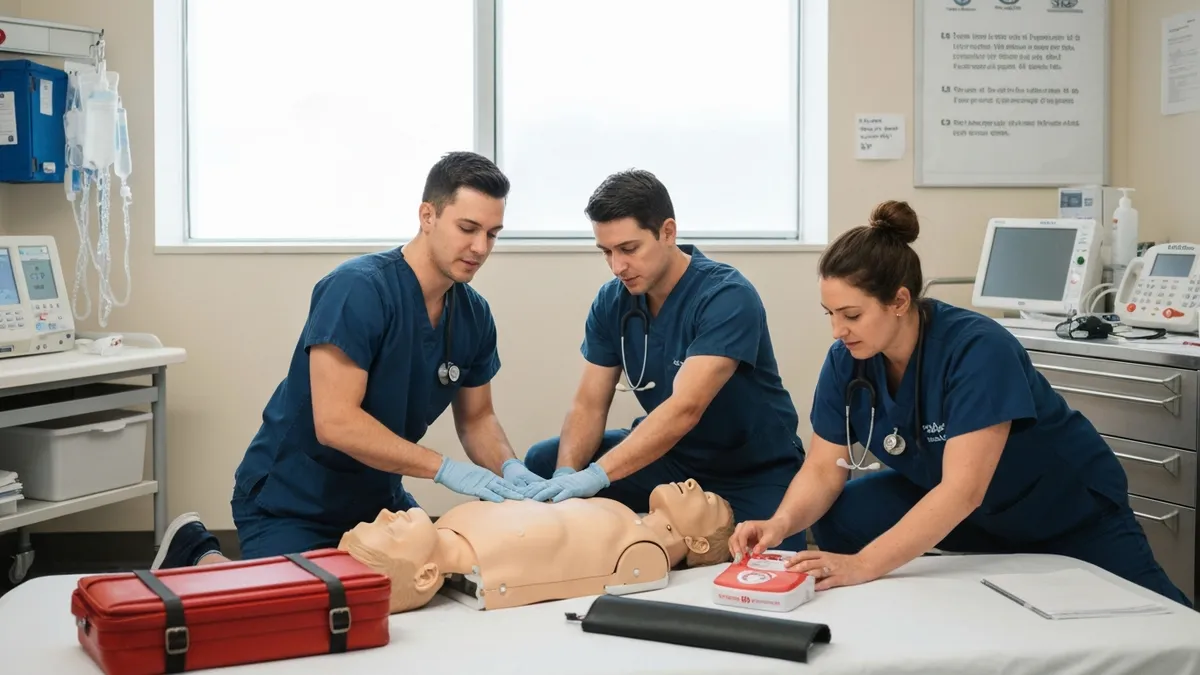
Your BLS Provider card must remain current throughout your ACLS certification period. If your BLS expires before your ACLS renewal date, many training centers will not allow you to enroll in the ACLS renewal course until BLS is restored. Plan your BLS renewal cycle so that it does not expire within six months of your ACLS renewal date — this buffer gives you time to complete BLS renewal without creating a gap in your ACLS eligibility. Some hospital credentialing departments track both cards simultaneously and may restrict clinical privileges if either credential lapses.
Maintaining your ACLS certification over a long clinical career requires more than simply showing up for renewal every two years. The most effective ACLS providers are those who integrate the knowledge and skills from their certification into their daily clinical practice, keeping their algorithm recall sharp and their rhythm interpretation reflexes fast through repeated exposure in real and simulated environments. This section outlines practical strategies for staying sharp between renewal cycles and for approaching each renewal course as an opportunity to improve your resuscitation skills rather than simply re-qualify.
Simulation-based practice is the most powerful tool available for maintaining ACLS competency between certification cycles. Many hospital systems now offer monthly or quarterly mock code drills that allow interdisciplinary teams to practice the full cardiac arrest algorithm in a realistic environment without patient safety consequences.
Actively participating in these drills — and volunteering to serve as team leader when possible — builds the cognitive automaticity that separates providers who perform smoothly during real codes from those who must consciously work through algorithm steps under acute stress. If your institution does not offer regular mock codes, consider organizing informal study sessions with colleagues using a mannequin and monitor simulator.
Rhythm interpretation is a skill that degrades without regular use, particularly for providers who work in clinical settings with lower cardiac arrest volumes such as outpatient clinics, long-term care facilities, or procedural suites.
Setting aside fifteen to twenty minutes per week to review rhythm strips using free online resources, ECG textbooks, or the practice tests available on this site keeps your identification speed and accuracy at the level required for both real emergencies and the ACLS renewal exam. Tracking your performance over time — noting which rhythms you consistently misidentify — allows you to focus your review on genuine weak spots rather than re-practicing rhythms you already recognize fluently.
Pharmacology recall is another area where providers often see degradation between certification cycles. The drug doses, indications, and contraindications you memorized during initial certification may feel less certain two years later if you work in a setting where ACLS medications are rarely administered.
Creating a simple drug reference card that you review monthly — covering epinephrine, amiodarone, lidocaine, atropine, adenosine, and the vasopressors used in post-ROSC care — takes less than five minutes and dramatically reduces the cognitive load on renewal exam day. Some providers laminate these cards and keep them in their clinical workspace as a functional reference tool rather than purely a study aid.
The AHA publishes guideline updates through its journal Circulation, and major ACLS algorithm changes are typically accompanied by focused update documents that explain the evidence driving each modification. Subscribing to AHA email updates or following peer-reviewed emergency medicine journals ensures you are aware of significant changes before your renewal course rather than encountering them for the first time during the written exam. Providers who read these updates and consider how they apply to their specific clinical population tend to perform significantly better on renewal exams than those who assume the content has not changed since their last certification cycle.
Mentorship and team leadership development are often overlooked dimensions of ACLS professional growth. The skills station in your renewal course will once again require you to serve as team leader, and providers who actively seek leadership roles during real and simulated resuscitations in their institution maintain sharper command-and-control skills than those who default to a team member role at every code.
Consider discussing with your nurse manager or medical director how you can be designated as the code team leader on your unit on a rotating basis — this structured accountability creates a powerful incentive to keep your ACLS knowledge current and your team communication techniques polished between formal renewal cycles.
Finally, connecting with the broader ACLS provider community through professional organizations, continuing education conferences, and peer networking can provide exposure to real-world resuscitation cases, emerging evidence, and implementation science that enriches your understanding of the algorithms well beyond what any two-day course can provide. The American Heart Association's Resuscitation Science Symposium, held annually alongside the AHA Scientific Sessions, is an excellent venue for providers seeking deeper engagement with the evidence base underlying the guidelines they practice and teach every day in clinical settings across the country.
Practical preparation for your ACLS course begins well before you walk into the classroom or skills lab. The single most impactful thing you can do in the weeks before your course is to commit the six core algorithms to memory — not just as a sequence of steps, but as a clinical decision tree you can navigate fluently when the patient presentation varies from the textbook scenario.
Download the algorithm cards from the AHA website or a trusted ACLS resource, print them out, and quiz yourself on them daily until you can reproduce each algorithm from memory without referring to the reference sheet.
Practice tests are an indispensable component of effective ACLS preparation, and the research on test-enhanced learning consistently shows that active recall through practice questions produces stronger long-term retention than passive re-reading of notes or algorithm cards. Aim to complete at least 150 to 200 practice questions before your course, spread across ECG interpretation, pharmacology, and algorithm application question types.
When you encounter questions you get wrong, do not simply note the correct answer — take the time to understand why that answer is correct and why each distractor is incorrect, because the reasoning behind the right answer is what transfers to novel question formats on the actual exam.
Time management during the written exam is straightforward since most candidates have ample time to complete all 50 questions, but rhythm strip questions can slow you down if you are not confident in your identification skills. Practice reading rhythm strips under mild time pressure — give yourself no more than 15 to 20 seconds per strip during your study sessions — so that the exam environment does not feel rushed.
Flag questions you are uncertain about and return to them after completing the questions you can answer confidently, ensuring you do not leave any question unanswered since there is no penalty for guessing on the AHA written exam.
For the skills evaluation, the most common preparation mistake candidates make is reviewing the algorithms visually rather than practicing them verbally and physically. During the actual mega-code, you will need to speak your assessments and orders aloud, position yourself correctly relative to the team and the patient, and coordinate multiple simultaneous interventions without losing track of your timing obligations.
Rehearsing the team leader role by narrating a mock code out loud — even alone in your home using the algorithm card as a guide — builds the verbal fluency and spatial awareness that translate directly to a stronger performance on your skills evaluation day.
Managing test-day anxiety is a real concern for many ACLS candidates, particularly those who experience performance anxiety in high-stakes evaluation settings. The most effective anxiety management strategy for ACLS is preparation-based confidence: when you know the algorithms deeply, your rhythm identification is automatic, and you have practiced the team leader role repeatedly, there is simply less for your nervous system to be anxious about.
On the day of your course, arrive early, eat a good breakfast, bring water, and dress comfortably for a day that will involve significant physical activity at the skills stations. Communicate openly with your instructor if you struggle at a station — instructors are there to help you succeed, not to fail you arbitrarily.
Post-course, take a few days to consolidate what you learned by reviewing the areas where you felt least confident during the course. If you struggled with a particular rhythm interpretation or felt uncertain about the post-cardiac arrest care algorithm, address those gaps while the course content is still fresh. Many providers find it helpful to create their own summary notes or algorithm maps in their own words immediately after the course — the act of reconstructing the content from memory is itself a powerful retention exercise that reinforces the neural pathways you built during two intensive days of training.
Remember that ACLS certification is ultimately not about passing a test — it is about being the provider who is ready when a colleague collapses in the hallway, when a patient goes into VF on the telemetry floor, or when the code team needs a calm and competent leader at the bedside.
Every hour you invest in preparation is an investment in the patients who will depend on your skills at the most critical moments of their lives. Approach your certification with that patient-centered perspective, and both the exam and the clinical practice that follows will reflect the professionalism and commitment that defines the best ACLS providers in emergency and critical care medicine.
ACLS Questions and Answers

2025 ACLS Changes: Complete Guide to Updated Guidelines, Algorithms & Certification Requirements

ACLS Acute Coronary Syndrome Algorithm: Complete Study Guide for Certification Prep
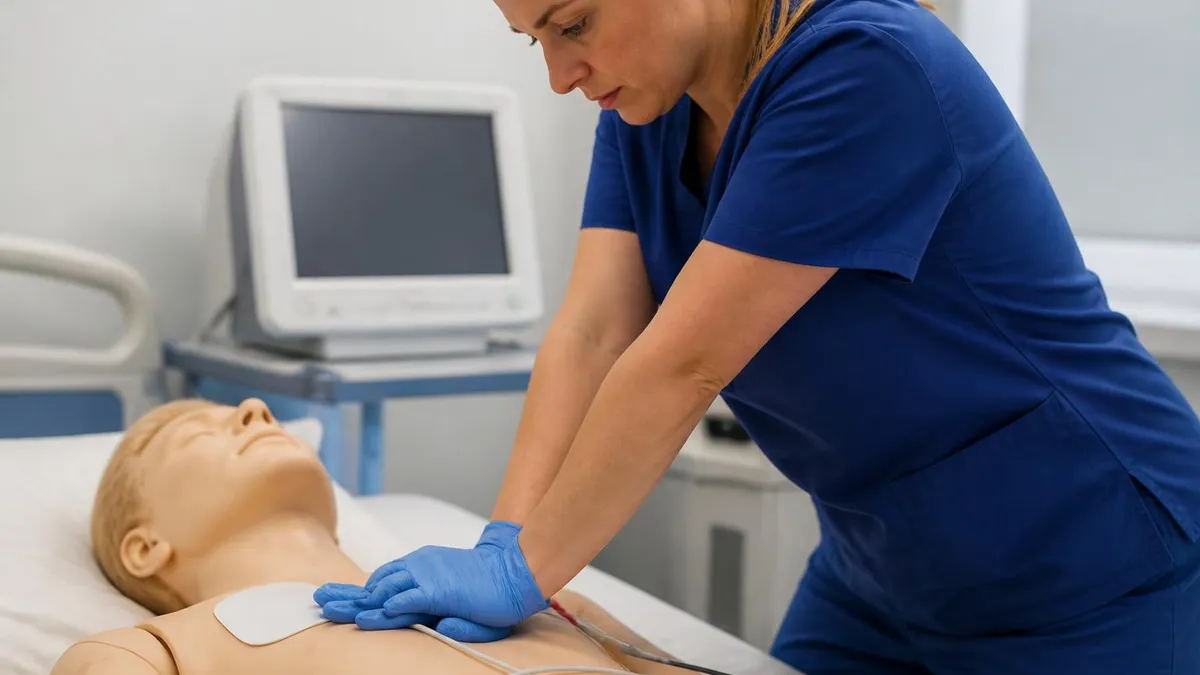
ACLS Renewal Class: Complete 2026 Guide to Recertification Requirements, Costs, Formats & Pass Strategies
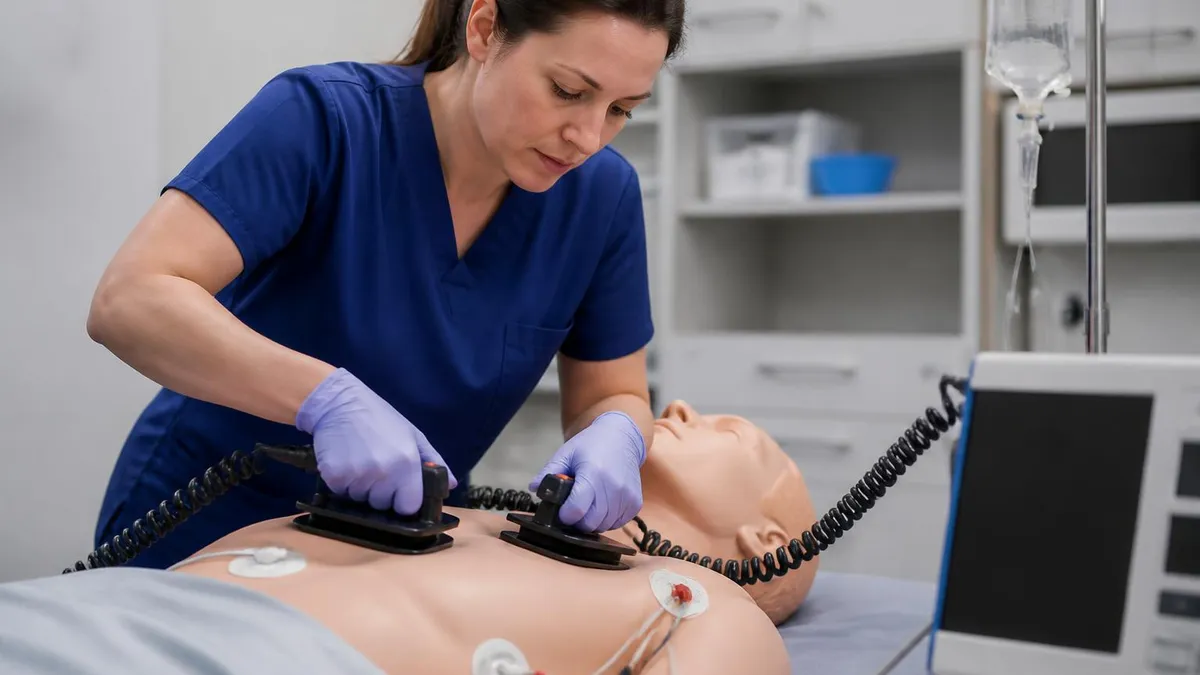
ACLS Bradycardia Algorithm: Complete 2026 Guide to Recognition, Treatment Steps & Drug Doses
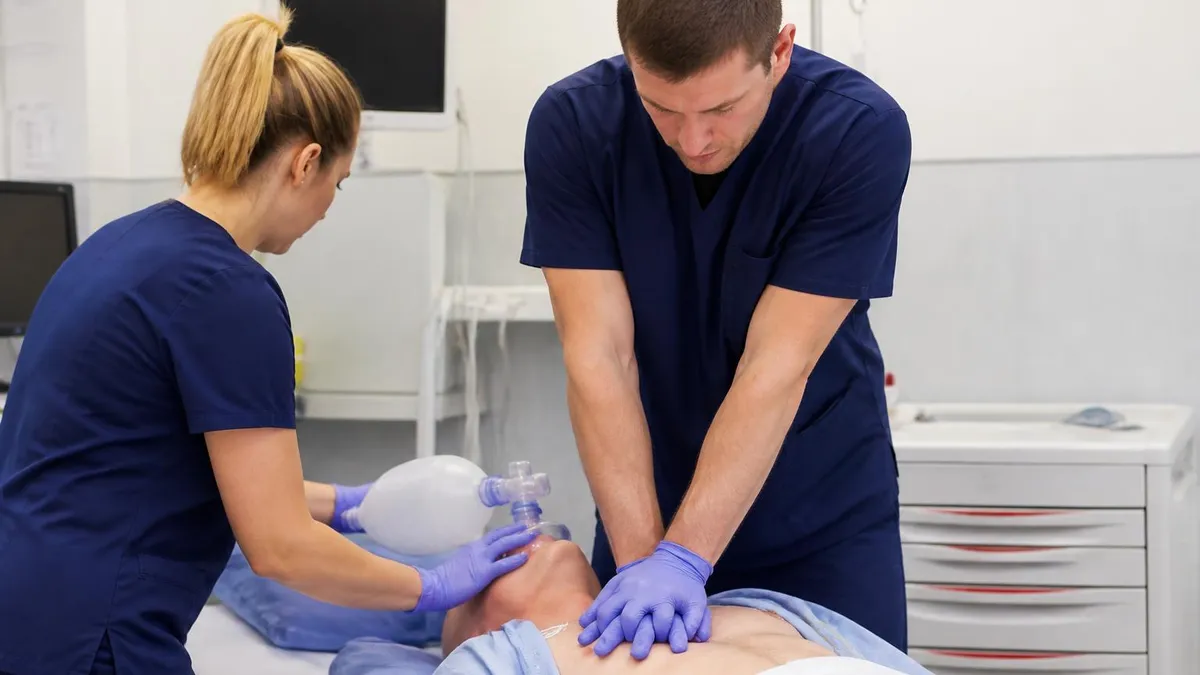
ACLS Study Guide: Complete 2026 Certification Prep with Algorithms, Drugs & Practice Tests
About the Author

Registered Nurse & Healthcare Educator
Johns Hopkins University School of NursingDr. Sarah Mitchell is a board-certified registered nurse with over 15 years of clinical and academic experience. She completed her PhD in Nursing Science at Johns Hopkins University and has taught NCLEX preparation and clinical skills courses for nursing students across the United States. Her research focuses on evidence-based exam preparation strategies for healthcare certification candidates.