
2026 October ACLS Changes: Complete Guide to Updated Guidelines, Algorithms & Certification Requirements
2026 October ACLS changes explained: updated algorithms, drug protocols, and certification requirements. 🆕 What every healthcare provider needs to know.
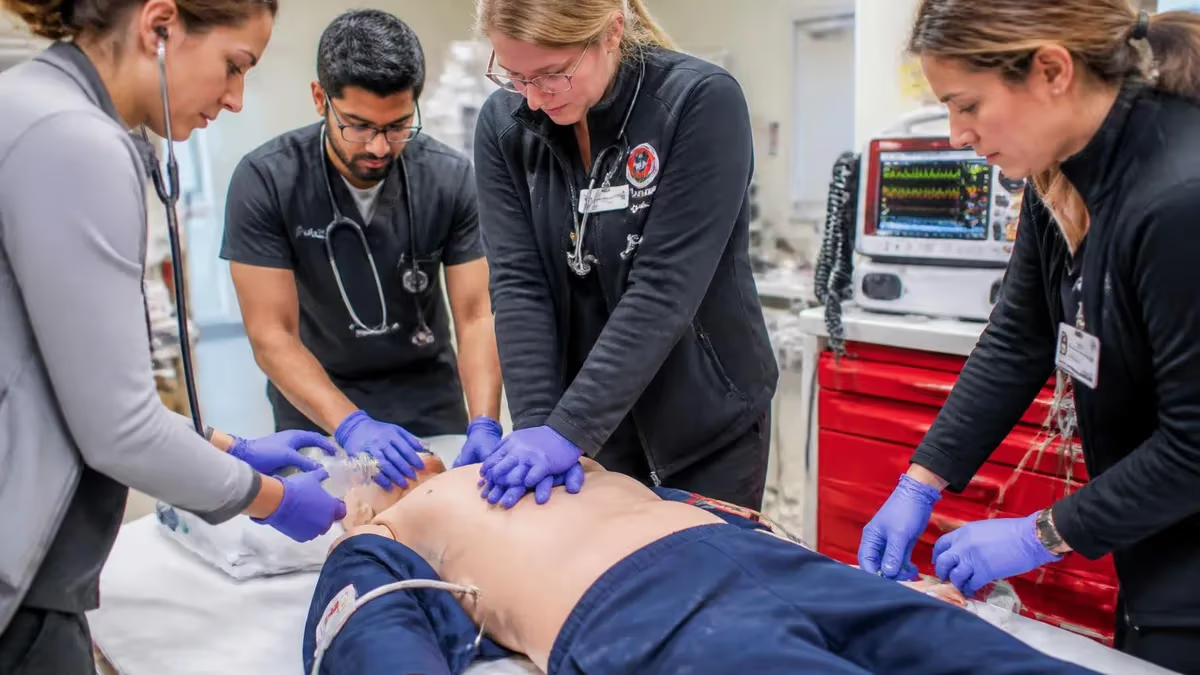
The 2025 ACLS changes represent one of the most comprehensive updates to Advanced Cardiovascular Life Support protocols in recent years, reflecting new evidence from landmark resuscitation trials, pharmacology research, and real-world cardiac arrest outcomes data. For healthcare providers preparing for certification or recertification, understanding these updates is not optional — the certification exam tests current guidelines, and clinical practice in hospital settings is expected to align with the latest American Heart Association recommendations. Whether you are a nurse, physician, paramedic, or respiratory therapist, staying current on these protocol changes is essential for patient safety and professional credentialing.
The American Heart Association releases updates to ACLS guidelines on a rolling basis through its Focused Updates process, with major comprehensive revisions occurring on a roughly five-year cycle. The 2020 Guidelines for CPR and Emergency Cardiovascular Care provided the last full overhaul, and subsequent focused updates through 2024 and into 2025 have refined specific algorithms, adjusted drug dosing recommendations, and clarified decision points in complex cardiac arrest scenarios.
These iterative changes require providers to actively monitor AHA communications rather than assuming their prior training remains fully current — a common pitfall that can result in exam failure or, more critically, suboptimal patient care.
Among the most clinically significant 2025 ACLS changes are refinements to the cardiac arrest algorithm sequencing, updated guidance on the use of vasopressors during resuscitation, revised recommendations for post-cardiac arrest care including targeted temperature management, and clearer criteria for determining when resuscitation efforts should be modified or discontinued. The algorithm updates also address special resuscitation situations with greater specificity, including cardiac arrest in pregnancy, opioid-associated cardiac arrest, and arrest occurring in patients with certain comorbidities that alter standard protocol application.
For providers managing acls changes in acute coronary syndrome pathways, the 2025 updates bring additional nuance to the STEMI and NSTEMI treatment timelines, antiplatelet therapy sequencing, and the interface between resuscitation protocols and cardiac catheterization lab activation. Understanding how these pieces interconnect is critical for providers who work in emergency departments, cardiac care units, and pre-hospital settings where time-sensitive decisions must be made with incomplete information under high-stress conditions.
This comprehensive guide breaks down every major category of change in the 2025 ACLS guidelines, explains the evidence behind each update, and provides practical guidance for incorporating these changes into your daily practice and certification preparation. We cover algorithm modifications, pharmacology updates, post-resuscitation care protocols, training requirements, and the specific content areas most likely to appear on the ACLS certification examination. By the end of this article, you will have a complete picture of what has changed, why it changed, and how to apply the new knowledge in both test-taking and clinical scenarios.
The stakes associated with ACLS competency are uniquely high compared to most medical certifications. Unlike knowledge-based credentials that primarily affect professional standing, ACLS certification directly reflects a provider's ability to lead or participate in life-or-death resuscitation events. Studies consistently show that teams trained on current, evidence-based protocols achieve better return of spontaneous circulation rates and improved neurological outcomes compared to teams operating on outdated protocols. The 2025 updates are not bureaucratic box-checking — they represent genuine improvements in our collective understanding of how to give patients the best possible chance of survival from cardiac arrest and other cardiovascular emergencies.
Whether you are approaching your initial ACLS certification or coming up for renewal after two years of practice, this guide will help you focus your preparation on the content areas that matter most in 2025. We have organized the material to mirror the structure of the actual certification course, moving from foundational algorithm updates through pharmacology changes, special situations, and post-arrest care, before closing with practical study strategies and exam tips that reflect the current testing format and question style used by AHA-authorized training centers nationwide.
2025 ACLS Changes by the Numbers

Key 2025 ACLS Algorithm Updates: What Changed and When
Cardiac Arrest Algorithm Sequencing Refined
Post-Cardiac Arrest Care Protocol Overhaul
Opioid-Associated Cardiac Arrest Pathway Added
Pregnancy Cardiac Arrest Algorithm Updated
Acute Coronary Syndrome Pathway Refined
Team Dynamics and Debriefing Requirements Strengthened
The pharmacology updates embedded in the 2025 ACLS changes deserve careful study because drug dosing questions consistently appear among the most frequently missed items on the certification exam. Understanding not just what to give but when to give it, in what dose, and through what route requires a working knowledge of the physiological rationale behind each recommendation.
The 2025 guidelines continue to emphasize that no drug administered during cardiac arrest has demonstrated improved long-term neurological outcomes in large randomized trials, yet several medications remain core to the algorithm because they improve short-term outcomes such as return of spontaneous circulation and survival to hospital admission.
Epinephrine remains the cornerstone vasopressor in ACLS, but the 2025 updates provide more specific guidance on timing relative to rhythm type. For non-shockable rhythms — pulseless electrical activity and asystole — epinephrine should be administered as soon as possible after rhythm identification, typically within the first two minutes of the resuscitation effort.
For shockable rhythms — ventricular fibrillation and pulseless ventricular tachycardia — epinephrine administration is delayed until after the first or second defibrillation attempt, reflecting evidence that early epinephrine in shockable rhythms may actually impair neurological outcomes even when it increases ROSC rates. The standard dose remains 1 mg IV/IO every three to five minutes throughout the resuscitation.
Amiodarone and lidocaine both retain their place in the antiarrhythmic protocol for shock-refractory ventricular fibrillation and pulseless VT, with amiodarone as the preferred first-line agent at a dose of 300 mg IV/IO for the initial dose and 150 mg for a second dose if needed. Lidocaine remains an acceptable alternative at 1 to 1.5 mg/kg for the initial dose.
The 2025 updates clarify that either agent is appropriate when antiarrhythmics are indicated, and provider familiarity and institutional availability are legitimate factors in the choice between them. Neither agent has demonstrated superiority in neurologically intact survival when studied in large randomized trials.
Calcium administration protocols saw meaningful clarification in the 2025 update cycle. Routine calcium administration during cardiac arrest is not recommended and may be harmful in most situations, but the guidelines now provide clearer criteria for the specific circumstances where calcium is indicated: documented or suspected hyperkalemia, hypocalcemia, calcium channel blocker toxicity, and hypermagnesemia. The appropriate calcium formulation — calcium chloride versus calcium gluconate — and dosing for each indication are more precisely specified in the updated materials, helping providers avoid both underuse in appropriate cases and inappropriate routine use.
Sodium bicarbonate administration guidelines continue to discourage routine use during cardiac arrest, but the 2025 update provides clearer guidance on specific indications including pre-existing metabolic acidosis, hyperkalemia, and tricyclic antidepressant toxicity. When bicarbonate is indicated, the dose and monitoring parameters for effectiveness are better defined. Providers should understand that bicarbonate administration can paradoxically worsen intracellular acidosis if ventilation is not simultaneously adequate, making this one of the more nuanced pharmacology topics that appears on advanced ACLS scenarios in certification testing.
Post-ROSC vasoactive medication protocols also received attention in 2025. The transition from epinephrine boluses during arrest to continuous infusion vasopressors after return of spontaneous circulation now includes more specific hemodynamic targets. Maintaining a mean arterial pressure of at least 65 mmHg in the post-arrest period is explicitly recommended, with consideration of higher MAP targets in patients with suspected improved intracranial pressure. Norepinephrine is typically the preferred vasopressor for post-arrest hypotension, though dopamine remains an option for bradycardia-associated hypotension. These nuances appear in ACLS megacode scenarios and in written examination questions focused on post-resuscitation care management.
For providers working in settings where thrombolytics might be considered during cardiac arrest — specifically in cases of suspected massive pulmonary embolism — the 2025 guidelines maintain that empirical thrombolysis may be considered when PE is the likely cause of arrest and other interventions have failed, but standard CPR should continue for at least 60 to 90 minutes after thrombolytic administration to allow time for drug effect.
The threshold for this decision, the appropriate agents and doses, and the monitoring requirements afterward are important knowledge areas for ACLS candidates, particularly those working in emergency or critical care settings where PE-related arrests are periodically encountered.
Special Resuscitation Situations in 2025 ACLS Guidelines
The opioid-associated cardiac arrest pathway introduced in the 2025 ACLS updates reflects the dramatic rise in opioid overdose deaths across the United States. When cardiac arrest is suspected to be opioid-related, the primary intervention priority shifts toward ensuring adequate ventilation before initiating standard CPR compressions, because opioid arrests are predominantly respiratory in nature rather than primary cardiac events. Naloxone 0.4 to 2 mg IV, IM, or intranasal can rapidly reverse respiratory depression in patients who have not yet arrested, and the 2025 guidelines clarify the decision algorithm for scenarios where the provider must choose between naloxone administration and immediate CPR initiation.
For confirmed cardiac arrest in opioid overdose, standard ACLS protocols apply — high-quality CPR and rhythm-appropriate defibrillation take priority over naloxone, as naloxone does not reverse cardiac arrest itself. The 2025 update emphasizes that lay rescuers and first responders should administer naloxone early when opioid overdose is suspected, but healthcare providers arriving at a confirmed cardiac arrest scene should prioritize CPR and ACLS algorithm adherence. Providers should also anticipate resurgent opioid effects after naloxone's shorter duration of action expires, necessitating monitoring and possible repeat dosing in patients who achieve ROSC.
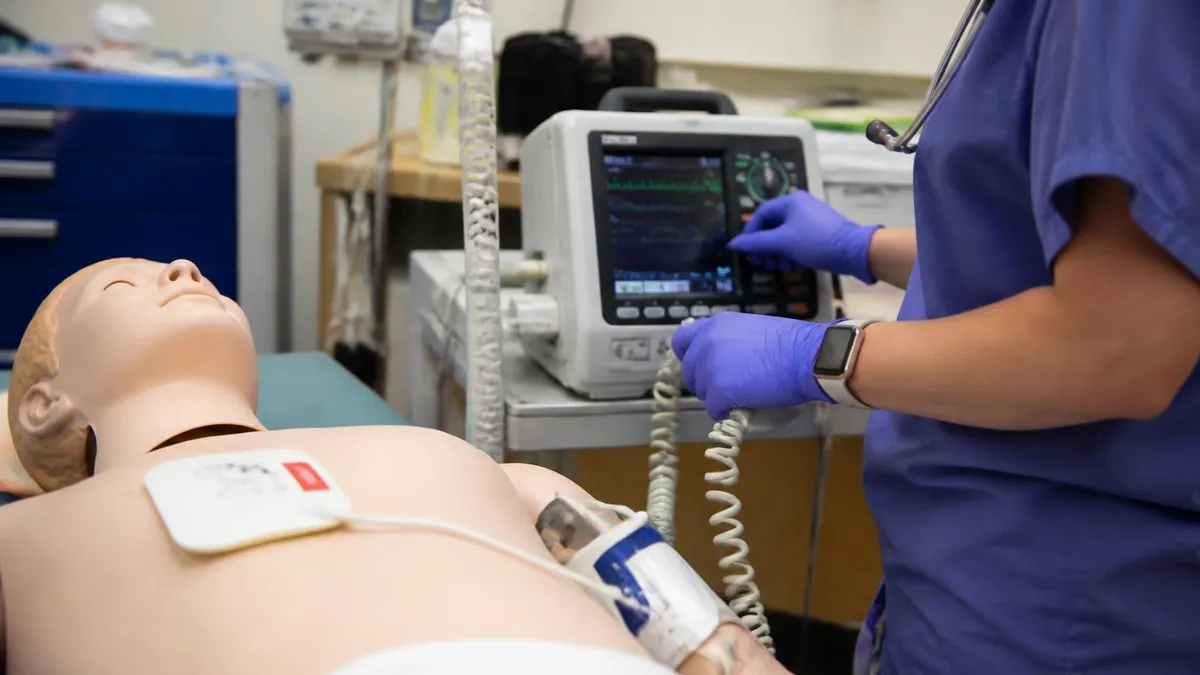
Online vs. In-Person ACLS Certification for Learning 2025 Updates
- +Online blended learning allows self-paced study of updated 2025 algorithms before hands-on skills testing
- +Flexible scheduling means you can complete cognitive portions around clinical shift demands
- +Digital course materials are updated more rapidly than printed manuals when guidelines change mid-cycle
- +Cost is typically lower for blended online formats compared to traditional full-day classroom courses
- +Repeated access to online modules lets providers review updated drug dosing protocols as many times as needed
- +Video demonstrations of updated megacode scenarios provide visual learning that text alone cannot replicate
- −In-person skills practice with a trained instructor provides real-time feedback on compression quality that online video cannot replicate
- −Some providers struggle with self-directed pacing and may rush through updated algorithm content
- −Technical issues with learning management systems can interrupt study momentum at critical points
- −Online formats may not fully simulate the team dynamics and communication skills tested in megacode scenarios
- −Not all employers accept online-only ACLS certification — some institutions require AHA-authorized classroom component
- −Hands-on practice with rhythm generators and defibrillators is harder to replicate in remote or hybrid formats
Pros and Cons at a Glance
| Pros | Cons |
|---|---|
| Flexible scheduling means you can complete cognitive portions around clinical shift demands | In-person skills practice with a trained instructor provides real-time feedback on compression quality that online video cannot replicate |
| Digital course materials are updated more rapidly than printed manuals when guidelines change mid-cycle | Some providers struggle with self-directed pacing and may rush through updated algorithm content |
| Cost is typically lower for blended online formats compared to traditional full-day classroom courses | Technical issues with learning management systems can interrupt study momentum at critical points |
| Repeated access to online modules lets providers review updated drug dosing protocols as many times as needed | Online formats may not fully simulate the team dynamics and communication skills tested in megacode scenarios |
| Video demonstrations of updated megacode scenarios provide visual learning that text alone cannot replicate | Not all employers accept online-only ACLS certification — some institutions require AHA-authorized classroom component |
2025 ACLS Certification Preparation Checklist
- ✓Download and review the AHA 2025 Focused Update documents directly from the American Heart Association website.
- ✓Compare the 2025 algorithm changes side-by-side with the 2020 guidelines to identify exactly what has been modified.
- ✓Memorize the revised epinephrine timing windows for shockable versus non-shockable rhythms before your exam date.
- ✓Practice the post-cardiac arrest temperature management protocol including the revised fever-prevention targets.
- ✓Review the updated opioid-associated cardiac arrest pathway, including naloxone dosing and rescue breathing priority.
- ✓Study the maternal cardiac arrest algorithm with specific attention to the four-minute perimortem cesarean delivery threshold.
- ✓Complete at least three full megacode simulations covering VF, PEA, and asystole with 2025 drug timing protocols.
- ✓Quiz yourself on antiarrhythmic drug choices and doses for shock-refractory VF/VT using updated practice tests.
- ✓Review calcium, sodium bicarbonate, and thrombolytic indications to avoid common pharmacology exam mistakes.
- ✓Confirm your training center is AHA-authorized and that course materials reflect 2025 guideline updates.
Fever Prevention Replaces Mandatory Cooling to 33°C
The TTM-2 trial and subsequent meta-analyses fundamentally shifted post-cardiac arrest temperature management in 2025. The AHA no longer recommends routine cooling to 33°C for all comatose survivors. Instead, the updated guidance emphasizes actively preventing fever — maintaining temperature below 37.5°C — for at least 72 hours after ROSC, with individualized cooling decisions based on patient hemodynamics, neurological status, and institutional capability. This is a high-yield exam topic that appears frequently in post-resuscitation care scenarios.
Post-cardiac arrest care represents the phase of resuscitation medicine that has evolved most dramatically based on evidence accumulated since the last major ACLS guideline revision, and the 2025 updates reflect this progress with a substantially more detailed and nuanced post-resuscitation care protocol than providers trained under earlier guidelines will recognize. The initial hours following return of spontaneous circulation are now understood to be a distinct clinical phase — sometimes called the post-cardiac arrest syndrome — with its own pathophysiology, treatment priorities, and monitoring requirements that differ meaningfully from both the resuscitation phase and routine critical care.
Hemodynamic optimization in the post-arrest period centers on maintaining adequate cerebral and coronary perfusion while avoiding the secondary organ injury that can result from hemodynamic instability. The 2025 guidelines recommend targeting a mean arterial pressure of at least 65 mmHg, with consideration of higher targets in patients with suspected neurological injury based on emerging evidence that higher perfusion pressure may limit secondary brain injury. Systolic blood pressure targets of 90 mmHg or greater are explicitly recommended, with vasopressor support using norepinephrine as the preferred agent for most patients who cannot maintain these targets without pharmacological support.
Oxygenation management after ROSC received clarification in the 2025 updates, with renewed emphasis on avoiding both hyperoxia and hypoxia in the post-arrest period. Hyperoxia — excessive arterial oxygen tension — has been associated with worse neurological outcomes in post-arrest patients, likely due to oxygen free radical-mediated reperfusion injury. The 2025 guidelines recommend titrating supplemental oxygen to maintain SpO2 between 92 and 98 percent once reliable pulse oximetry is established, rather than maintaining patients on 100% FiO2 as a default. This nuance is clinically important and is beginning to appear in ACLS certification examination questions focused on post-resuscitation management.
Ventilation targets in the post-arrest period are equally important. Hyperventilation — a common inadvertent consequence of provider anxiety during and after resuscitation — causes cerebral vasoconstriction through CO2-mediated mechanisms that can worsen neurological outcomes. The 2025 guidelines recommend targeting eucapnia with arterial PCO2 in the range of 35 to 45 mmHg, or slightly higher in patients with suspected improved intracranial pressure. Capnography monitoring to guide ventilation rate and volume is recommended for all intubated post-arrest patients, and providers should resist the reflex to hyperventilate patients who are difficult to oxygenate without first addressing the underlying cause of hypoxemia.
Neurological prognostication after cardiac arrest has become increasingly sophisticated, and the 2025 ACLS update devotes more attention to the appropriate timing and methods for assessing neurological prognosis in comatose survivors. The most important principle is that prognostication should be delayed — typically until at least 72 hours after ROSC, and longer if sedation or temperature management protocols may confound examination findings.
Premature neurological prognostication has historically led to withdrawal of life-sustaining treatment in patients who might have recovered meaningful neurological function with more time, and the 2025 guidelines include stronger language about the importance of avoiding self-fulfilling prophecies in post-arrest neurological assessment.
Coronary angiography after ROSC continues to be recommended for patients with ST-elevation on their post-ROSC electrocardiogram, as this group has a high prevalence of acute coronary occlusion that benefits from immediate percutaneous coronary intervention. The more controversial question — addressed explicitly in the 2025 update — is whether comatose post-arrest patients without ST elevation should undergo immediate versus delayed coronary angiography. Based on the COACT and TOMAHAWK trials, the guidelines no longer recommend routine immediate angiography for post-arrest patients without ST elevation, instead supporting a more selective approach based on clinical probability of acute coronary occlusion and overall hemodynamic stability.
Seizure recognition and management in post-arrest patients is an area of growing importance in the 2025 update. Seizures occur in approximately 20 to 30 percent of comatose post-cardiac arrest survivors and are associated with secondary neurological injury if untreated. The 2025 guidelines recommend continuous EEG monitoring for all comatose post-arrest patients for at least the first 24 to 48 hours, with aggressive treatment of clinical or electrographic seizures using standard antiepileptic therapy.
The distinction between epileptiform activity that requires treatment and benign post-anoxic EEG patterns that do not is increasingly important knowledge for providers working in post-arrest care settings, though this level of detail is more relevant to intensivists than to general ACLS certification candidates.

ACLS certification expires exactly two years from the date of completion, and most hospitals will not allow providers to practice in code response roles with an expired credential. Many institutions begin requiring renewal paperwork 30 to 60 days before expiration. Plan your recertification course at least 60 days ahead of your expiration date to account for scheduling delays, course cancellations, and the time needed to complete any remediation if required. Expired ACLS certification cannot be renewed — it must be repeated as an initial course.
Successfully navigating the ACLS certification examination requires understanding not just the clinical content of the updated 2025 guidelines but also the format, question style, and assessment approach used by AHA-authorized training centers. The written examination typically consists of 50 multiple-choice questions covering algorithm application, pharmacology, rhythm interpretation, and post-resuscitation care management.
A passing score of 84 percent or higher is required — meaning candidates can miss no more than eight questions — which leaves very little margin for errors in high-yield content areas like drug dosing and algorithm sequencing. Preparation strategies that focus on active recall rather than passive review consistently produce better exam outcomes.
Rhythm interpretation remains one of the highest-yield skills tested on the ACLS examination, and the 2025 guideline changes have not fundamentally altered the electrocardiographic patterns that providers must recognize. Ventricular fibrillation and pulseless VT remain the shockable rhythms requiring immediate defibrillation, while pulseless electrical activity and asystole are managed with high-quality CPR and epinephrine without defibrillation.
Tachyarrhythmia management decisions hinge on whether the patient is stable or unstable — specifically whether there are signs of hemodynamic compromise — which determines whether the provider pursues pharmacological or electrical cardioversion. Regular practice with rhythm strips under timed conditions is essential for building the automaticity needed to make these decisions quickly in both examination and clinical scenarios.
The megacode component of ACLS certification is often the element that causes the most anxiety for candidates, particularly those who are not regularly involved in resuscitation events in their clinical practice. In the megacode, the candidate either leads or participates in a simulated cardiac arrest scenario, demonstrating the ability to recognize rhythms, direct team members, order appropriate interventions in correct sequence, and manage rhythm transitions across multiple algorithm branches.
Preparation for the megacode should include at least three to five practice runs in a simulated environment, ideally with a colleague playing the role of team leader or team member to develop the communication skills — closed-loop communication, clear role assignments, and concise orders — that are explicitly evaluated.
Common examination failure points identified through analysis of ACLS testing data include incorrect drug dosing — particularly confusing amiodarone doses for VF arrest versus stable VT — missing the epinephrine timing window for PEA and asystole, failing to recognize the transition from a shockable to a non-shockable rhythm during a megacode, and incorrectly managing bradycardia by selecting atropine for a type II second-degree or third-degree AV block rather than preparing for transcutaneous pacing.
Each of these errors reflects not a lack of general knowledge but rather an incomplete integration of algorithm logic — the ability to select the right intervention for the right rhythm in the right sequence based on the current clinical picture rather than a memorized checklist.
Study strategies that consistently produce strong ACLS examination performance share several characteristics: they use active recall through practice questions rather than re-reading notes, they include timed rhythm recognition drills to build processing speed, they incorporate algorithm decision trees that the candidate can reproduce from memory, and they use spaced repetition to reinforce pharmacology details in the days leading up to the examination.
Candidates who attempt to cram the night before the examination consistently underperform compared to those who spread preparation over two to three weeks with daily practice sessions of 30 to 45 minutes. The neurological science of memory consolidation supports this distributed practice approach for complex procedural and declarative knowledge like ACLS protocols.
For experienced providers renewing their ACLS certification after two years of active practice, the preparation strategy should focus specifically on the 2025 ACLS changes rather than comprehensive review of all content. Providers who have been running codes regularly will have strong procedural competence but may have developed habits that reflect their institutional practices rather than current guidelines — for example, using older temperature management protocols or applying pre-2025 epinephrine timing conventions.
Identifying and correcting these specific knowledge gaps is more efficient and effective than treating renewal preparation as equivalent to initial certification learning. A focused gap analysis using practice questions aligned to the 2025 updates is the most time-efficient preparation approach for experienced providers.
Resources for ACLS preparation have expanded significantly, ranging from the official AHA provider manual and algorithm cards to third-party practice test platforms, video courses, and simulation center offerings. The most effective preparation programs combine multiple modalities: reading the updated guidelines for conceptual understanding, using practice questions for active retrieval and feedback on weak areas, watching algorithm walkthrough videos for visual algorithm reinforcement, and completing at least one full simulation for skills integration.
Providers who use only one preparation modality — typically either reading alone or practice questions alone — tend to have more variable outcomes than those who systematically combine content review with active testing and skill rehearsal.
Translating the 2025 ACLS changes from certification knowledge into daily clinical practice is where the real value of guideline updates is realized — and where many providers struggle after completing their credentialing course. The hospital environment, institutional protocols, team composition, and available equipment all influence how ACLS guidelines are applied in practice, and providers must be prepared to navigate the gap between idealized algorithm conditions and the reality of a hospital code response. Building practical competence means integrating the updated guidelines into your mental model of resuscitation events, not simply memorizing the correct answers for a written examination.
One practical strategy for reinforcing the 2025 ACLS changes is to participate in your institution's code response debriefing process if one exists. Post-resuscitation debriefings — structured discussions of what went well and what could be improved after a cardiac arrest event — are now formally recommended in the ACLS guidelines and represent an excellent opportunity to identify specific points where your team's practice aligns with or deviates from current evidence.
If your institution does not have a formal debriefing process, advocating for one is itself a meaningful quality improvement contribution that aligns with the spirit of the 2025 updates' emphasis on continuous team performance improvement.
Algorithm cards and reference tools are legitimate and appropriate aids in clinical practice — unlike certification examinations where you are expected to demonstrate knowledge from memory, real resuscitation events allow and encourage the use of cognitive aids. Laminated algorithm cards, app-based reference tools, and wall-mounted code algorithm posters all have demonstrated value in reducing errors during cardiac arrest responses. The 2025 ACLS changes should prompt your unit or department to review and update any existing cognitive aids that may still reflect older guidelines, particularly those related to temperature management targets, epinephrine timing, and special situation pathways.
For healthcare providers who teach ACLS or serve as code team leaders, staying current on the 2025 updates carries an additional responsibility: ensuring that the people you train and lead are operating on accurate, evidence-based protocols. Code team leaders who continue to apply pre-2025 temperature management targets or outdated vasopressor protocols may inadvertently undermine patient outcomes even while technically following institutional policies that have not yet been updated. Proactively engaging your medical director, pharmacy colleagues, and critical care leadership in a guideline review process is part of the professional responsibility that comes with ACLS expertise and leadership roles.
Simulation training beyond the certification requirement is one of the most effective strategies for maintaining and improving ACLS competency between certification cycles. Many hospitals and healthcare systems offer quarterly or monthly simulation opportunities for providers who want to practice resuscitation scenarios in a low-stakes environment. These sessions are particularly valuable for practicing the special situations covered in the 2025 updates — maternal arrest, opioid overdose, hypothermia — that providers may encounter infrequently in clinical practice but need to manage confidently when they do occur. Deliberate practice on low-frequency high-stakes scenarios is the hallmark of expert clinical performance across specialties.
Peer learning networks and ACLS study groups can significantly amplify individual preparation efforts by creating accountability, surfacing knowledge gaps through peer questioning, and exposing participants to different approaches to algorithm decision points. Organizing a study group that meets two to three times in the weeks before a certification course can accelerate learning, particularly for complex pharmacology content and algorithm integration. Digital tools including flashcard apps, online practice test platforms, and video-based learning resources make it easier than ever to maintain an active peer learning community even when geographic distances or shift schedules make in-person meetings difficult.
Ultimately, the goal of staying current on the 2025 ACLS changes is not certification compliance — it is optimizing care for the patients you will encounter in cardiac arrest and cardiovascular emergency situations throughout your career. The evidence base behind every change in the 2025 guidelines represents the collective effort of researchers, clinicians, and patients who contributed data about what works and what does not.
Approaching each guideline update with genuine curiosity about the evidence, rather than as a regulatory hurdle to clear, positions you as the kind of provider who continues to improve throughout your career and delivers the best possible outcomes for patients at their most vulnerable moments.
ACLS Questions and Answers

ACLS Acute Coronary Syndrome Algorithm: Complete Study Guide for Certification Prep

ACLS Renewal Class: Complete 2026 Guide to Recertification Requirements, Costs, Formats & Pass Strategies
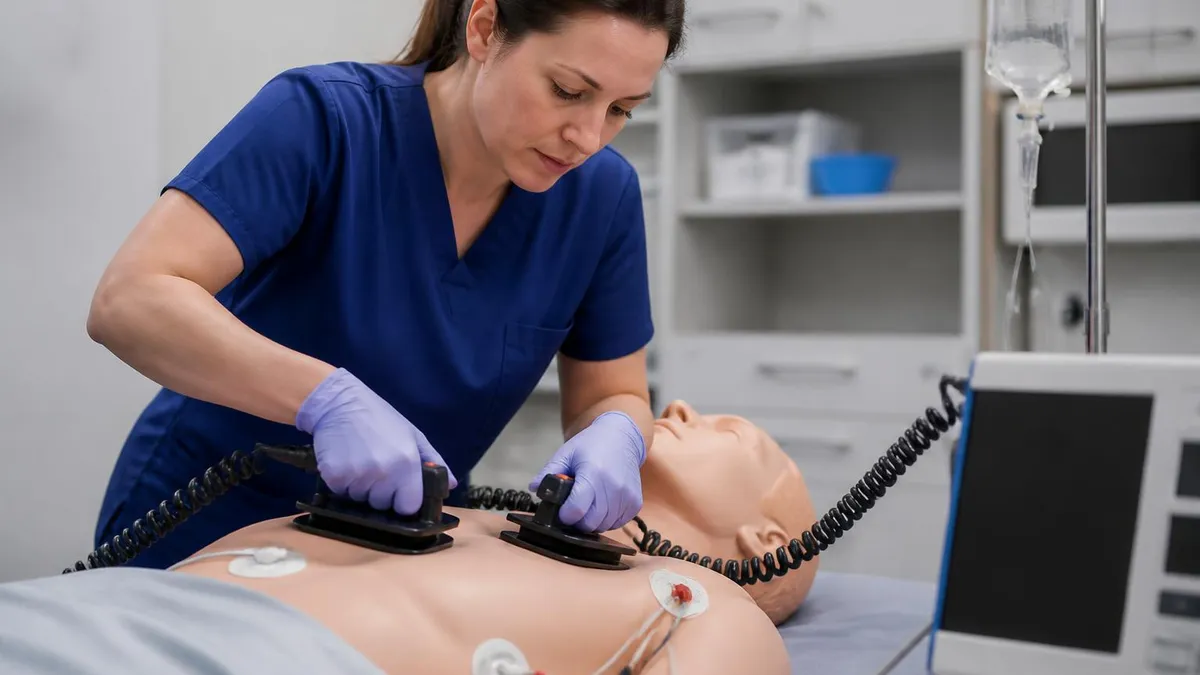
ACLS Bradycardia Algorithm: Complete 2026 Guide to Recognition, Treatment Steps & Drug Doses

ACLS Study Guide: Complete 2026 Certification Prep with Algorithms, Drugs & Practice Tests

ACLS BLS Course: Complete Training Guide for Healthcare Providers
About the Author

Registered Nurse & Healthcare Educator
Johns Hopkins University School of NursingDr. Sarah Mitchell is a board-certified registered nurse with over 15 years of clinical and academic experience. She completed her PhD in Nursing Science at Johns Hopkins University and has taught NCLEX preparation and clinical skills courses for nursing students across the United States. Her research focuses on evidence-based exam preparation strategies for healthcare certification candidates.