
ACLS Renewal Class: Complete 2026 October Guide to Recertification Requirements, Costs, Formats & Pass Strategies
ACLS renewal class guide: 📚 2026 October recertification options, costs, online vs in-person formats, skills test, and proven pass strategies for healthcare pros.
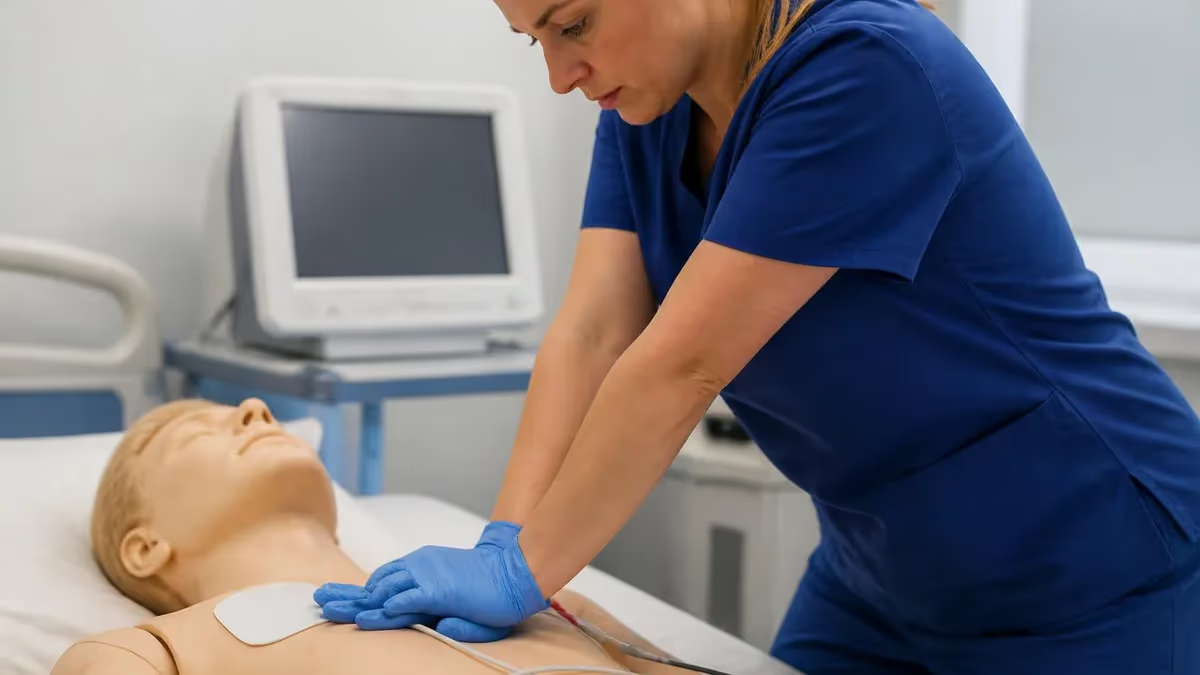
An ACLS renewal class is the streamlined recertification course that licensed providers complete every two years to maintain their Advanced Cardiovascular Life Support credential. Unlike the initial provider course, the renewal pathway assumes you already understand BLS fundamentals, basic rhythm recognition, and team dynamics, so it compresses material into a shorter, focused refresher that emphasizes algorithm updates, high-quality CPR metrics, and post-cardiac-arrest care. For most clinicians, this means roughly four to six hours of structured review followed by a megacode skills station and a written exam.
The renewal pathway exists because the American Heart Association recognizes that experienced providers need targeted reinforcement, not a full reintroduction. If your card is still valid—or within the 30-day grace period some institutions honor—you qualify for the renewal track instead of the longer initial course. This distinction matters because the renewal class costs less, takes less time, and skips repetitive foundational content while still verifying your competency in cardiac arrest, bradycardia, tachycardia, acute coronary syndromes, and stroke algorithms.
Healthcare employers across the United States—including hospitals, surgical centers, urgent care clinics, dialysis units, and EMS agencies—require current ACLS certification as a condition of employment for nurses, paramedics, respiratory therapists, physicians, physician assistants, advanced practice providers, and pharmacists in critical care roles. Letting your card lapse can mean removal from the schedule, loss of clinical privileges, or, in some cases, mandatory completion of the full provider course at significantly higher cost and time commitment.
In 2026, three primary renewal formats dominate the market: traditional in-person classroom courses, blended HeartCode ACLS programs that combine online cognitive learning with an in-person skills check, and fully virtual instructor-led RQI sessions for participating health systems. Each format has trade-offs in price, scheduling flexibility, hands-on practice, and employer acceptance, and choosing the right one depends on your learning style, location, and how comfortable you feel performing megacode scenarios under observation.
This guide walks through every aspect of the renewal process: what to expect on test day, how the skills station is graded, current 2026 pricing across providers, the specific 2025-2026 AHA algorithm changes you must know cold, and the study strategies that consistently produce first-attempt passes. We also cover what happens when cards expire, how to handle reciprocity between AHA and Red Cross credentials, and how to document continuing education hours your nursing or medical board may award.
Whether you renew through your hospital's in-house program, an independent training center, or a self-paced online platform, the underlying performance standard is identical: you must demonstrate the ability to lead a resuscitation team, interpret lethal rhythms, and select correct interventions within seconds. Approach this not as a formality but as a professional competency check—because the next time you walk into a code, the muscle memory you build during renewal is exactly what your patient will need.
The good news is that with focused preparation, most providers complete renewal in a single day and walk out with a new two-year card. The rest of this article gives you everything you need to make that happen efficiently, affordably, and confidently.
ACLS Renewal by the Numbers
Key Facts at a Glance
| Item | Value | Details |
|---|---|---|
| Typical 2026 Cost | $170-$295 | AHA training center range |
| Certification Validity | 2 years | from issue date |
| Contact Hours Awarded | 8 CE | most state boards |
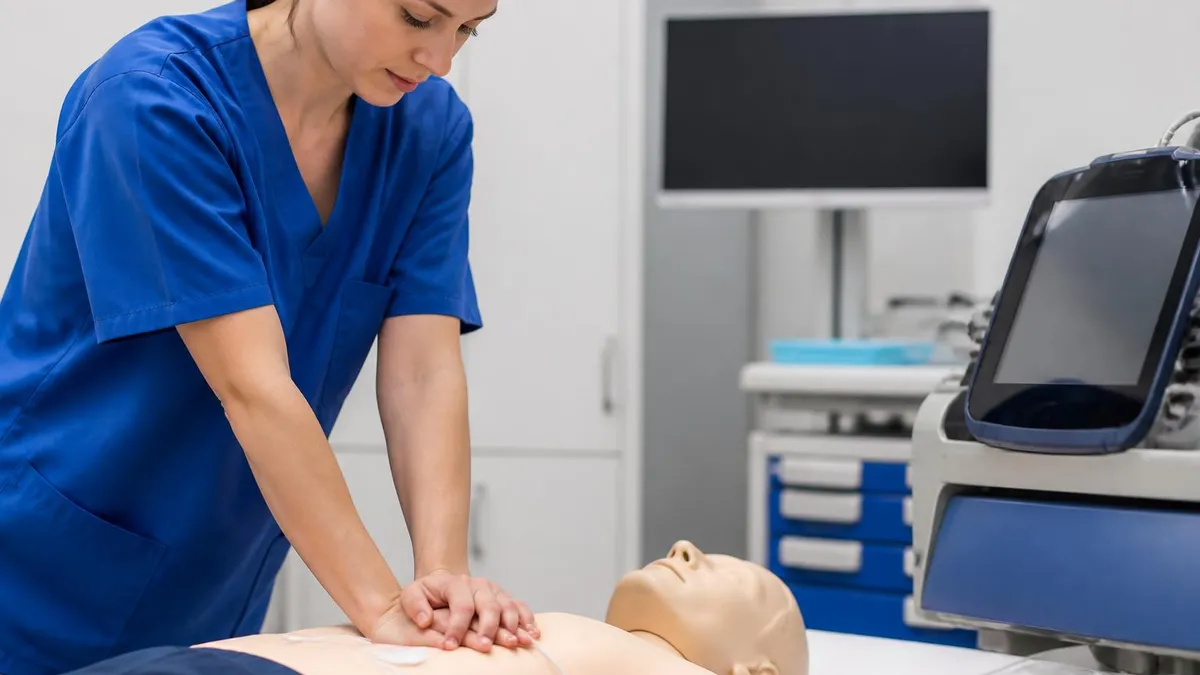
ACLS Renewal Class Format Options
A single 4-6 hour session at an AHA training center with live instruction, group megacode practice, and same-day skills testing. Best for hands-on learners and providers who want immediate written-card issuance.
Self-paced online cognitive modules (3-4 hours) completed before an in-person skills session (1-2 hours). Reduces classroom time, lets you review at home, and is widely accepted by hospital employers nationwide.
Resuscitation Quality Improvement replaces the two-year cycle with low-dose, high-frequency quarterly skills checks on a simulation cart. Used by major health systems like Kaiser, HCA, and Cleveland Clinic.
Live remote class via Zoom or Microsoft Teams with a certified instructor observing your skills demonstration through a webcam. Accepted by some employers but verify before enrolling.
For highly experienced providers with current cards—skip cognitive review and proceed directly to the megacode and exam. Offered at select centers for $130-$180 in 2-3 hours.
Eligibility for the renewal pathway hinges on one simple rule: you must hold a current, unexpired AHA ACLS provider card on the day you take the renewal class. Some training centers extend a 30-day grace period after expiration, but this is a courtesy, not a guarantee—if your card expired more than a month ago, expect to be enrolled in the full initial provider course, which doubles both time and cost. Check the expiration date printed on your eCard or the physical card before scheduling anything.
Beyond a current card, you need a working knowledge of basic ECG interpretation, current BLS certification (also AHA, ideally), and familiarity with the medications and joules used during resuscitation. Most renewal classes do not formally test BLS, but instructors expect you to perform 30:2 compressions, ventilate with a bag-valve mask, and use an AED without coaching. If your BLS has lapsed or you've been out of clinical practice for several months, build in extra self-study time before class day.
The renewal track is open to the same scope of practice that qualifies for the initial course: physicians, registered nurses, advanced practice nurses, physician assistants, paramedics, respiratory therapists, pharmacists, dentists with sedation privileges, and other licensed clinicians who manage or could manage cardiopulmonary emergencies. Medical students, nursing students, and EMTs typically take the provider course instead, since they may not have prior ACLS exposure. If you're shopping providers, look at the acls certification cost comparison to understand what's included at each price point.
Documentation matters more than people expect. Bring your current card to class, along with a government-issued photo ID and any pre-course paperwork the training center sent. If you completed HeartCode online modules, print or screenshot the completion certificate—instructors must verify it before the skills session begins. Some centers also require you to bring the current AHA ACLS Provider Manual, either physical or digital; not having it can delay or disqualify your registration.
Prerequisite study is technically self-directed, but realistically most candidates need four to eight hours of preparation before walking in. The AHA Pre-Course Self-Assessment is mandatory and proves you can identify the 10 core rhythms—sinus, sinus brady, sinus tach, atrial fibrillation, atrial flutter, SVT, VT (monomorphic and polymorphic), VF, asystole, and PEA—plus AV blocks and paced rhythms. You'll need a score of 70% or higher in each section (rhythm, pharmacology, and practical application) to begin the skills portion.
If your clinical role doesn't involve regular code response—say, you work in clinic-based primary care or outpatient surgery—you may benefit from a longer refresher than the renewal class provides. In that situation, some providers voluntarily take the full initial course to rebuild confidence even though they're eligible for renewal. There's no penalty for choosing the longer pathway, and many hospital educators recommend it for clinicians who've gone two years without leading or participating in a real code.
Finally, verify your employer's specific renewal requirements before booking. Some hospitals only accept AHA ACLS, while others honor American Red Cross Advanced Life Support or Military Training Network equivalents. Travel nurses, locum physicians, and clinicians moving between health systems should confirm reciprocity in writing to avoid showing up for orientation with a credential that won't be accepted.
ACLS Practice Test Questions
Prepare for the ACLS Advanced Cardiovascular Life Support Practice exam with our free practice test modules. Each quiz covers key topics to help you pass on your first try.
ACLS Cardiac Rhythms & ECG Interpretation
ACLS Exam Questions covering ACLS Cardiac Rhythms & ECG Interpretation. Master ACLS Test concepts for certification prep.
ACLS Pharmacology & Medications
Free ACLS Practice Test featuring ACLS Pharmacology & Medications. Improve your ACLS Exam score with mock test prep.
ACLS Best Practices & Methodologies
ACLS Mock Exam on Best Practices & Methodologies. ACLS Study Guide questions to pass on your first try.
ACLS Communication & Stakeholder Relations
ACLS Test Prep for Communication & Stakeholder Relations. Practice ACLS Quiz questions and boost your score.
ACLS Core Concepts & Fundamentals
ACLS Questions and Answers on Core Concepts & Fundamentals. Free ACLS practice for exam readiness.
ACLS Data Analysis & Reporting
ACLS Mock Test covering Data Analysis & Reporting. Online ACLS Test practice with instant feedback.
ACLS Documentation & Record Keeping
Free ACLS Quiz on Documentation & Record Keeping. ACLS Exam prep questions with detailed explanations.
ACLS Industry Regulations & Compliance
ACLS Practice Questions for Industry Regulations & Compliance. Build confidence for your ACLS certification exam.
ACLS Leadership & Team Management
ACLS Test Online for Leadership & Team Management. Free practice with instant results and feedback.
ACLS Professional Standards & Ethics
ACLS Study Material on Professional Standards & Ethics. Prepare effectively with real exam-style questions.
ACLS Quality Assurance & Improvement
Free ACLS Test covering Quality Assurance & Improvement. Practice and track your ACLS exam readiness.
ACLS Risk Management & Assessment
ACLS Exam Questions covering Risk Management & Assessment. Master ACLS Test concepts for certification prep.
Online vs In-Person vs Blended Renewal
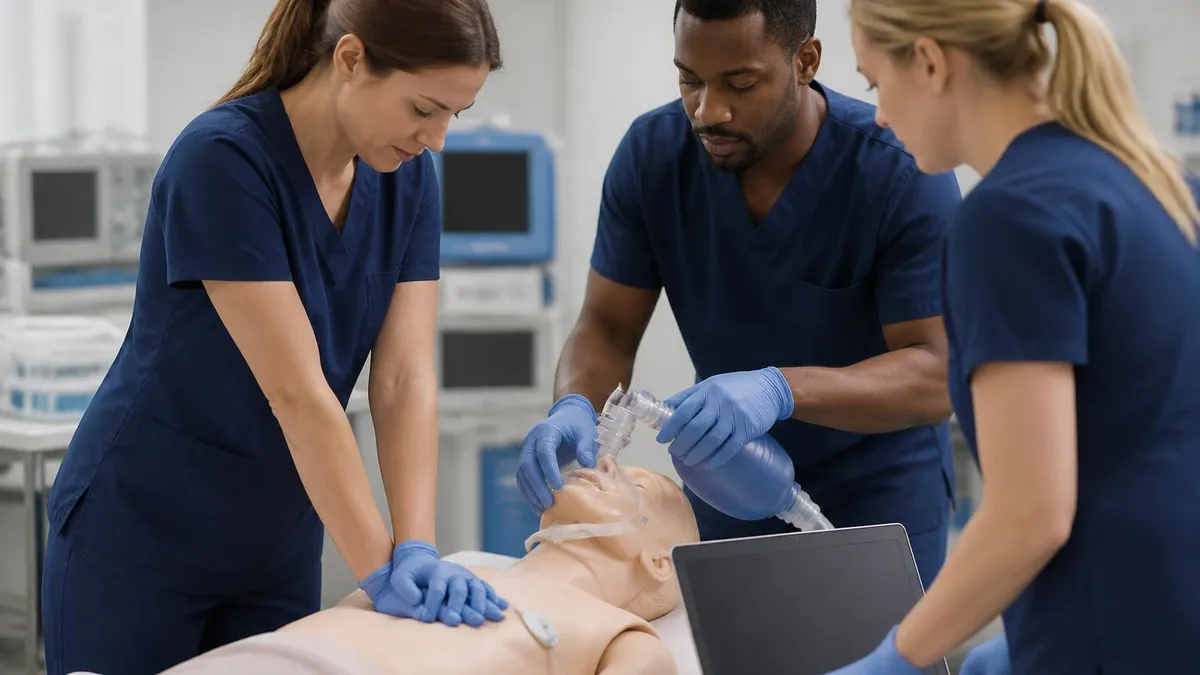
A traditional classroom renewal runs four to six hours and includes instructor-led algorithm review, hands-on practice at skills stations, group megacode rehearsals, and a same-day written exam. The biggest advantage is real-time feedback—an experienced instructor can correct your compression depth, bag-valve mask seal, or team communication immediately rather than letting bad habits compound.
This format works best for tactile learners, providers who don't trust their self-discipline with online modules, and anyone returning from a clinical gap. Expect to share manikins with two to four classmates, rotate through team-leader roles, and leave with a printed card or eCard within 24 hours. Costs typically range from $185 to $295 depending on your region and the training center's overhead.
Should You Choose Online Renewal Over In-Person?
- +Complete cognitive work on your own schedule, including nights and weekends
- +Lower travel costs and zero commute time to a training center
- +Self-paced modules let you rewatch difficult algorithm sections as many times as needed
- +Adaptive simulations provide individualized feedback on clinical decisions
- +Reduced classroom time means less PTO burned for renewal
- +Easier to fit around shift work, parenting, and unpredictable schedules
- +Same two-year AHA card issued upon successful completion
- −Some hospitals and credentialing offices do not accept fully virtual formats
- −Limited real-time instructor feedback on hands-on technique and team dynamics
- −Requires self-discipline to actually complete modules instead of skimming
- −Manikin and AED trainer rental may add $40-$80 to total cost
- −Internet outages or webcam issues can derail the skills check appointment
- −Less group practice for team-leader communication and closed-loop orders
- −Megacode under virtual observation feels less realistic than in-person scenarios
ACLS Renewal Class Preparation Checklist
- ✓Verify your current ACLS card expiration date and confirm renewal eligibility
- ✓Complete the AHA Pre-Course Self-Assessment with 70% or higher in each section
- ✓Review the 2025-2026 AHA algorithm updates including epinephrine timing and ETCO2 targets
- ✓Memorize cardiac arrest, bradycardia, tachycardia, ACS, and stroke algorithms
- ✓Practice rhythm strip interpretation for VF, pulseless VT, asystole, PEA, and AV blocks
- ✓Confirm BLS certification is current and refresh 30:2 compression-ventilation ratios
- ✓Download or order the current AHA ACLS Provider Manual before class day
- ✓Bring photo ID, current ACLS card, and any pre-course completion certificates
- ✓Wear comfortable clothing suitable for floor-level compressions and kneeling
- ✓Eat a real meal beforehand—megacode scenarios run back-to-back with short breaks
The 30-Day Grace Period Is Not Guaranteed
While many training centers extend renewal eligibility for 30 days past your card's expiration date, this is institutional courtesy—not AHA policy. Some employers treat any expired card as lapsed certification, removing you from the clinical schedule the day after expiration. Schedule your renewal class at least 60 days before your card expires to avoid scheduling conflicts, sold-out sessions, and the risk of being bumped to the longer initial provider course.
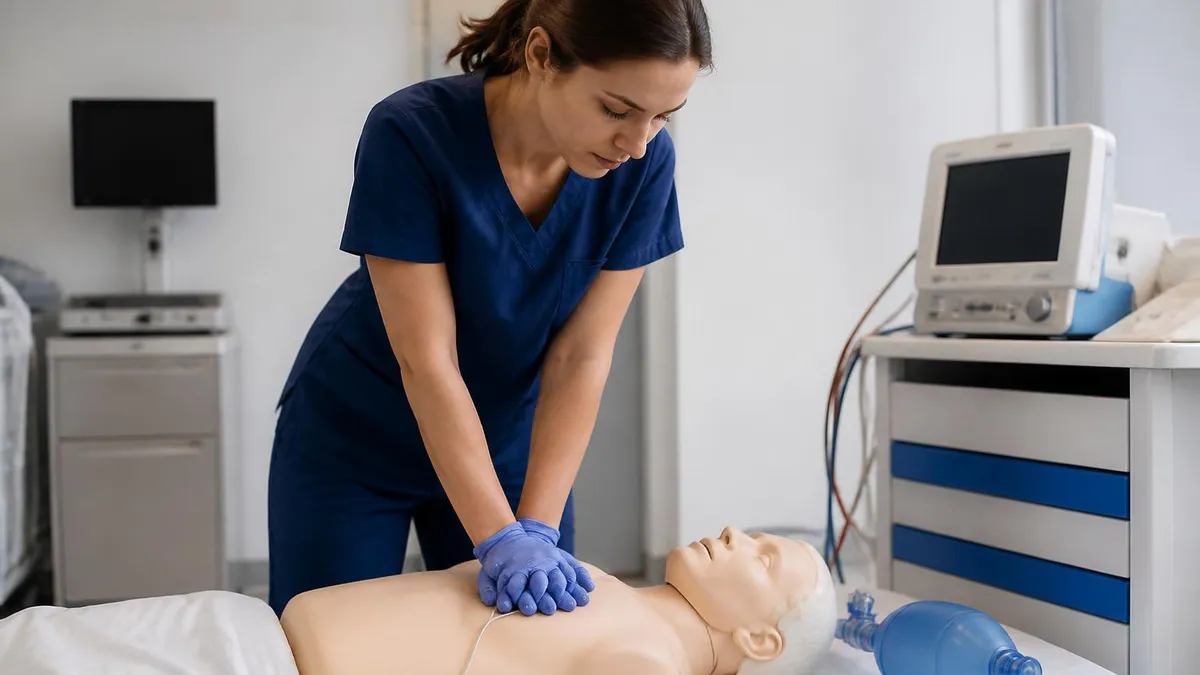
The skills test is where most renewal candidates feel the pressure, even seasoned ICU and ED clinicians. The megacode scenario typically lasts eight to twelve minutes and follows a single patient through at least two rhythm changes—say, from VF to ROSC to post-arrest bradycardia—while you direct a small team through compressions, airway management, IV access, and medication administration. Your instructor scores you on algorithm adherence, communication clarity, and the timing of critical interventions like defibrillation and epinephrine.
Three skills make or break the megacode: high-quality CPR, prompt defibrillation, and clear team leadership. High-quality CPR means a compression depth of at least 2 inches but no more than 2.4 inches, a rate of 100 to 120 per minute, full chest recoil, and minimal interruptions—pauses should stay under 10 seconds even for rhythm checks. Prompt defibrillation means delivering the first shock within 10 seconds of confirming a shockable rhythm. Clear leadership means assigning roles, calling out interventions, and closing the loop on every order.
Medications are tested both in concept and in practice. You must know that epinephrine 1 mg IV/IO is given every three to five minutes during cardiac arrest, amiodarone 300 mg is the first dose for refractory VF/pulseless VT (followed by 150 mg if needed), atropine 1 mg is the first-line drug for symptomatic bradycardia, and adenosine 6 mg followed by 12 mg manages stable narrow-complex SVT. Mixing up doses or drug names during megacode is one of the fastest ways to fail a station.
The written exam is a 50-question multiple-choice test with a passing threshold of 84%. Questions cover all five core algorithms, post-cardiac-arrest care including targeted temperature management, ACS recognition and STEMI triage, suspected stroke pathways and tPA time windows, and team dynamics. You have about an hour, which is generous—most candidates finish in 30 to 40 minutes. If you fail, most training centers allow one immediate retake; a second failure means re-enrollment in another full course.
Team dynamics are explicitly scored, not just inferred. Instructors look for the team leader to assign roles by name ("Sarah, you're on compressions; Mike, airway; Priya, IV access"), use closed-loop communication ("Give 1 mg of epinephrine IV" answered with "Giving 1 mg of epinephrine now" and then "Epinephrine in"), and summarize the situation aloud every few minutes. Quiet, hesitant, or unclear leaders lose points even if the clinical decisions are technically correct.
Common deductions during megacode include forgetting to check pulse and rhythm after each two-minute cycle, delaying defibrillation by hunting for the energy setting, skipping the differential diagnosis for PEA and asystole (the Hs and Ts), giving epinephrine before establishing IV access, and ignoring team-member input. Instructors will sometimes plant a small distraction—a family member voice, a monitor artifact, an unrelated phone ring—to see how you handle real-world chaos. Stay focused on the algorithm and the patient.
If you're unsure about the latest evidence-based steps, review the acls guidelines before walking in. The 2025-2026 AHA update reinforced earlier epinephrine for non-shockable rhythms, raised the bar on CPR feedback device use, and clarified post-arrest oxygen titration targets. Knowing these points cold will save you both written-exam and megacode points.
If your ACLS card expires before you complete renewal, you may be removed from the clinical schedule the same day, lose hospital privileges, or be required to complete the full 12-16 hour initial provider course instead of the shorter renewal pathway. Some health systems also issue formal corrective action that follows you to future credentialing applications. Always schedule renewal at least 60 days before expiration.
The strongest predictor of a smooth renewal class is the quality of your preparation in the two weeks before class day. Begin by completing the AHA Pre-Course Self-Assessment cold—no notes, no review—just to see where your weakest area sits. Most renewing providers score well on rhythm recognition but stumble on pharmacology timing or post-arrest care. Once you know your gap, spend 60 to 70 percent of your study time on it and the rest reinforcing strengths so they don't slip.
Algorithm mastery is non-negotiable, but rote memorization isn't enough. You need to be able to recite the cardiac arrest algorithm out loud while pretending to manage a patient: confirm unresponsiveness, call for help and AED, start compressions, attach monitor, assess rhythm, shock if shockable, resume CPR for two minutes, give epinephrine after the second rhythm check, consider advanced airway, treat reversible causes. Walking through this verbally three or four times before class day builds the cadence instructors expect during megacode.
A high-yield study tool is the practice quiz. Rather than rereading the manual cover to cover, spend the last week of prep on 200 to 300 multiple-choice questions covering rhythm, pharmacology, and scenario-based decisions. Pay attention to the explanations more than the scores—understanding why an answer is correct cements the underlying concept far better than passively absorbing right-answer patterns. For a deeper structured plan, the acls study guide walks through a two-week preparation timeline.
Day-of logistics matter more than people admit. Sleep at least seven hours, eat a real breakfast with protein and complex carbohydrates, hydrate but don't overload on caffeine, and arrive 15 to 20 minutes early. Bring a printed copy of your pre-course assessment results, your current ACLS card, photo ID, the provider manual, a pen, and a water bottle. Wear closed-toe shoes and comfortable clothes—you'll be kneeling on the floor doing compressions.
During megacode, slow down. The single most common error is rushing—skipping the pulse check, calling for a drug before IV access is in, or shocking before confirming the rhythm. Take a breath, state your assessment out loud, then make your call. Instructors would rather see a deliberate, well-communicated decision at 30 seconds than a frantic, scrambled action at 10. Use the natural pauses—two-minute CPR cycles, rhythm checks—to think ahead about what comes next.
If you blank during the scenario, default to the algorithm. Say out loud: "I'm at the rhythm check point—what do I see?" or "We've completed two minutes of CPR—pulse and rhythm check please." This buys you three to five seconds to recover, signals to the instructor that you understand the structure even if you're stressed, and almost always gets you back on track. Frozen silence loses points; verbal navigation, even imperfect, earns them.
Finally, treat the renewal as continuing professional development, not a hurdle. The clinicians who consistently lead codes well aren't the ones with the best test scores—they're the ones who treat every renewal as a chance to sharpen the skill. Your patient on the next real code doesn't care that you renewed; they care that you knew exactly what to do, in what order, without hesitation. That's the standard worth aiming for.
Picking the right training center can be as important as how you study. Look for AHA-authorized centers with a long track record, instructors who are practicing clinicians (not professional educators with stale clinical experience), and reviews that mention real-world relevance rather than just convenience. Hospital-based programs often have the edge because their instructors run actual codes, see current cases, and can connect algorithm steps to the messy reality of resuscitation. Independent centers can be excellent too, especially those affiliated with EMS agencies.
Cost transparency varies wildly. The advertised price sometimes excludes the provider manual ($45-$55), the eCard fee ($25-$35), and any retake fees. Always ask for a total out-the-door price before paying. Some employers reimburse renewal costs in full, others cap reimbursement at a set amount, and some require you to pay upfront and submit receipts. Check your hospital's tuition assistance or continuing education benefit before scheduling—you may also qualify for CME or contact-hour credit on top of certification.
If you can't take time off for a single-day class, blended HeartCode is usually the best fit because the cognitive portion is asynchronous. You can knock out 30 minutes of modules per evening over a week, then book a 90-minute skills appointment on a day off. The downside is that the online modules require focused attention—half-watching while making dinner doesn't build retention. Block out distraction-free time the same way you would for a clinical shift, and the format pays off.
Group rates are worth asking about. Many training centers discount $20 to $50 per person when five or more colleagues register together. If your unit has a renewal cohort coming due in the same quarter, coordinate with your unit educator and request a group session—you may save money and get a class tailored to your specialty (cardiac surgery codes look different from medical ICU codes, and a unit-specific instructor can speak to your scenarios). Hospital education departments often arrange this proactively for nursing staff.
For travel nurses and locum providers, timing renewal between contracts is the easiest path. Trying to renew during the first week of a new assignment usually means missing orientation, navigating an unfamiliar campus, and possibly paying out of pocket because reimbursement systems haven't been set up yet. If your card is within 90 days of expiration when a contract ends, renew during the gap. To find local options quickly, see acls renewal near me for guidance on choosing a center.
Documentation after the class is just as important as the class itself. Your training center will issue an AHA eCard within 24 to 72 hours; download the PDF, save it to your professional credentials folder, and forward it to your hospital's credentialing office before your old card expires. Some hospitals automatically pull renewals from the AHA database, but plenty still require manual submission. A 48-hour gap in their records can lock you out of the schedule even if you renewed on time.
Looking ahead, the next two-year cycle will be easier if you do small things now: keep a personal log of any real codes you participate in, sign up for monthly mock code drills if your unit offers them, and consider becoming an ACLS instructor yourself. Instructor candidates renew their own cards essentially for free, get paid to teach, and benefit from constant reinforcement. The path to instructor takes about 12 to 16 hours of additional training and is open to anyone with current provider certification and clinical experience.
ACLS Questions and Answers
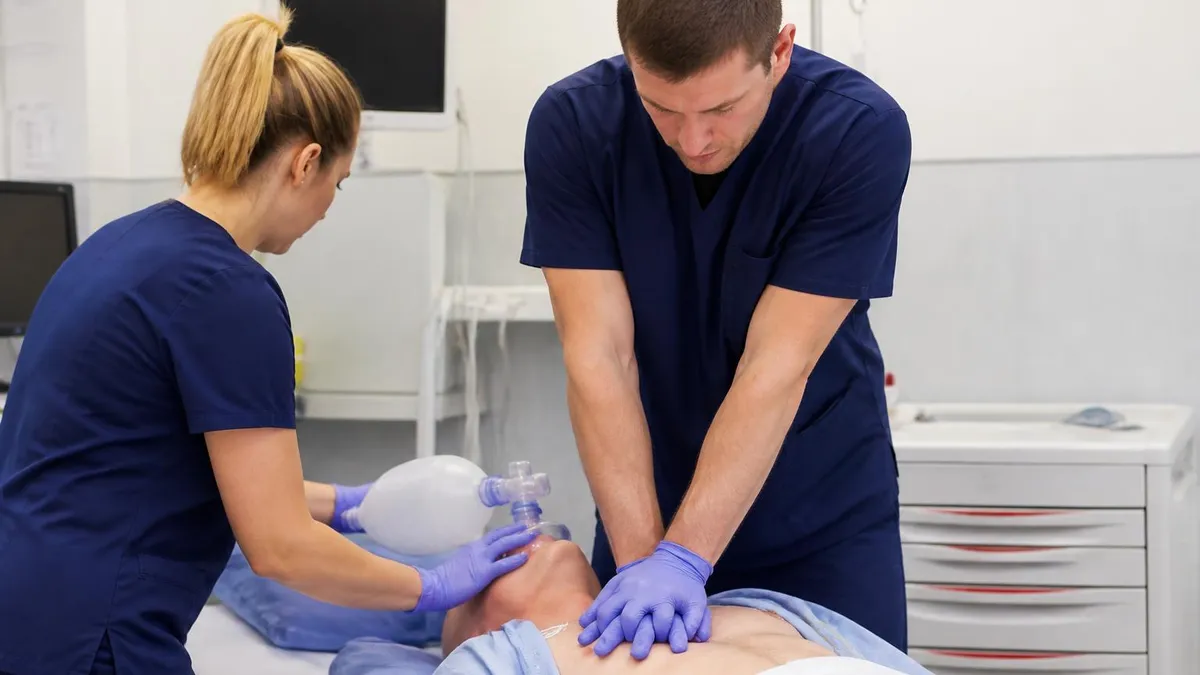
ACLS Study Guide: Complete 2026 Certification Prep with Algorithms, Drugs & Practice Tests

ACLS Guidelines 2026: Complete AHA Update on Algorithms, Drugs, CPR Quality & Post-Arrest Care
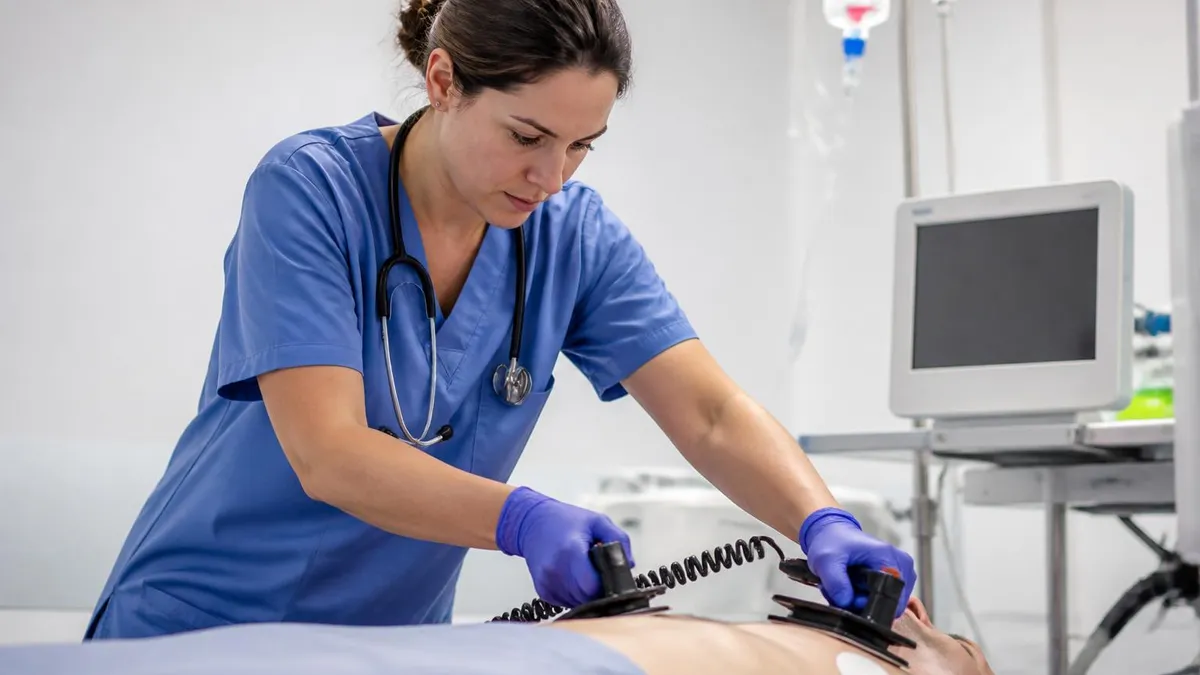
ACLS Drugs: Complete 2026 Guide to Medications, Doses, Indications & Algorithm Use
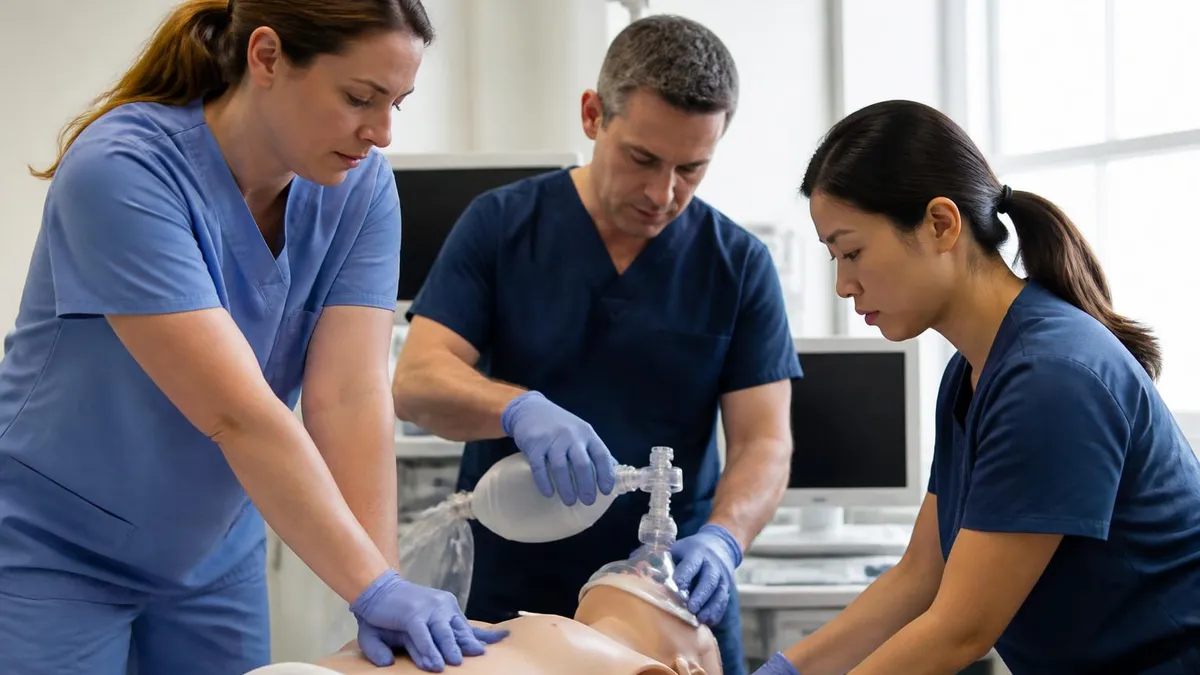
ACLS Renewal Near Me: Find Local Recertification Classes, Costs & Online Options in 2026
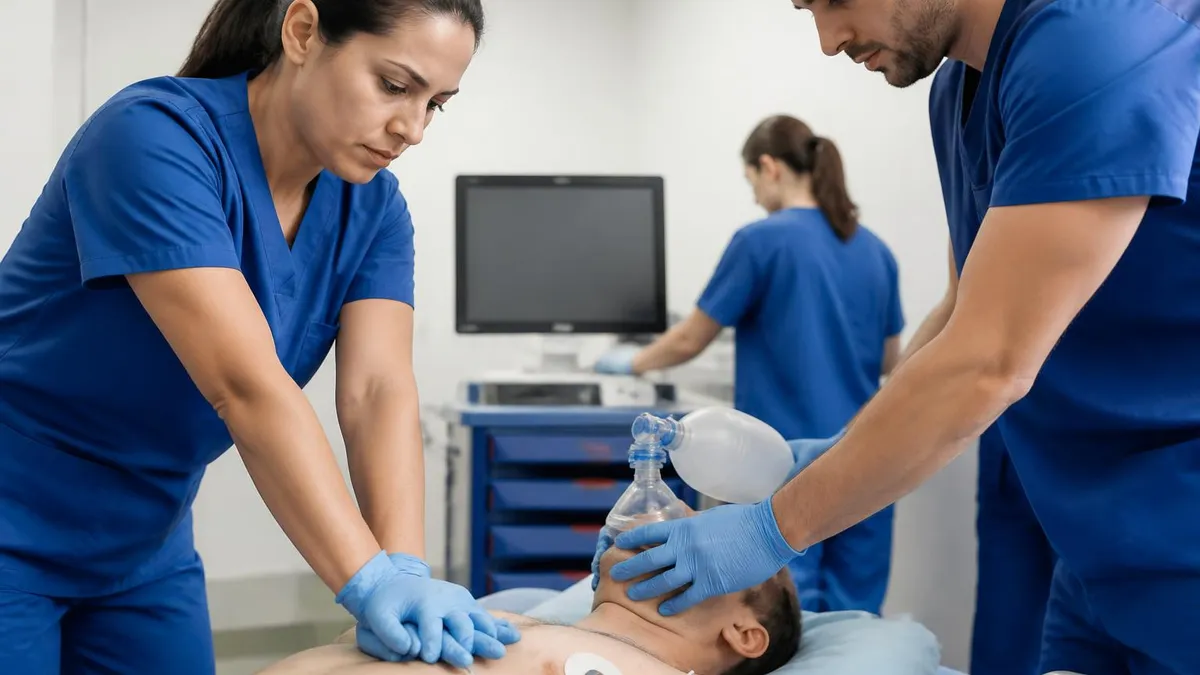
ACLS Certification Cost: Complete 2026 Price Guide for Initial Courses, Renewals, Online Options & Hidden Fees
About the Author

Registered Nurse & Healthcare Educator
Johns Hopkins University School of NursingDr. Sarah Mitchell is a board-certified registered nurse with over 15 years of clinical and academic experience. She completed her PhD in Nursing Science at Johns Hopkins University and has taught NCLEX preparation and clinical skills courses for nursing students across the United States. Her research focuses on evidence-based exam preparation strategies for healthcare certification candidates.