
ACLS Acute Coronary Syndrome Algorithm: Complete Study Guide for Certification Prep
Master the ACLS acute coronary syndrome algorithm with step-by-step breakdowns, drug doses, ECG tips & practice tests. 🎯 Cert prep made simple.
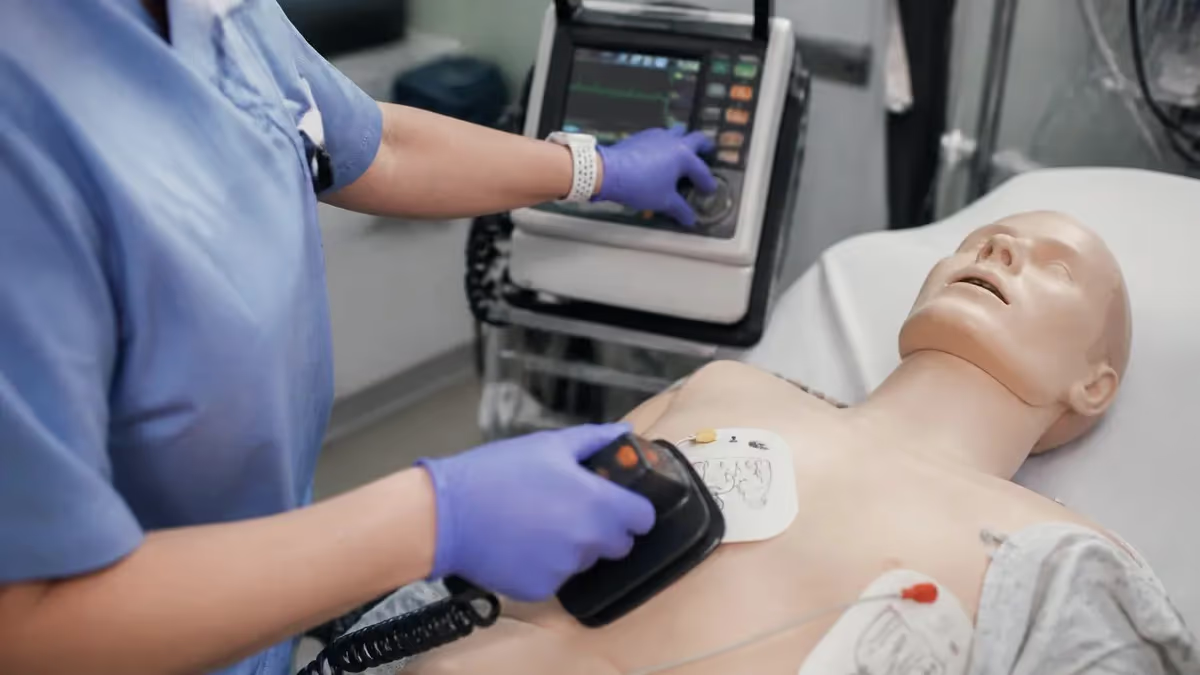
The ACLS acute coronary syndrome algorithm is one of the most clinically critical protocols every advanced cardiovascular life support provider must master before certification. Acute coronary syndrome — encompassing unstable angina, NSTEMI, and STEMI — accounts for hundreds of thousands of emergency department visits each year in the United States, making rapid, protocol-driven care a life-or-death matter. The AHA algorithm provides a systematic roadmap from first patient contact through definitive reperfusion, ensuring no step is missed under pressure.
Understanding the ACS algorithm goes far beyond memorizing a flowchart. Certification candidates must be able to identify which branch of the algorithm applies based on ECG findings, interpret ST-segment changes correctly, calculate door-to-balloon times, and sequence pharmacological interventions appropriately. A provider who truly understands the algorithm can adapt it to real patient presentations — recognizing, for example, when a patient with atypical symptoms still warrants the full STEMI pathway based on a high-risk ECG pattern.
The algorithm begins the moment a patient reports chest discomfort or symptoms suggestive of myocardial ischemia. The first ten minutes are often called the "golden window" because the speed of assessment, ECG acquisition, and initial medication delivery directly correlates with myocardial salvage. ACLS protocols specify that a 12-lead ECG should be acquired and interpreted within ten minutes of first medical contact — a benchmark that requires practiced, coordinated team performance.
Initial management steps in the algorithm — often remembered by the mnemonic MONA (Morphine, Oxygen, Nitroglycerin, Aspirin) — have been refined by contemporary evidence. Oxygen is now reserved for patients with oxygen saturation below 90%, since hyperoxia in normoxic ACS patients has been associated with worse outcomes. Aspirin 162–325 mg chewed remains the cornerstone of early antiplatelet therapy, while nitroglycerin must be withheld when certain contraindications exist, such as recent phosphodiesterase inhibitor use or right ventricular infarction identified on a right-sided ECG.
The algorithm then diverges into three pathways based on the 12-lead ECG interpretation: ST-elevation MI (STEMI), which requires emergent reperfusion; high-risk NSTEMI or unstable angina, which may require urgent catheterization; and low-to-intermediate risk presentations, which can often be managed with observation and risk stratification. ACLS certification tests require candidates to identify the correct pathway rapidly and articulate the rationale for each branch decision, including specific time targets and adjunctive pharmacology.
Pharmacological management within the ACS algorithm includes antiplatelet agents, anticoagulants, beta-blockers, and — in select STEMI cases — fibrinolytic therapy when PCI is unavailable within the recommended timeframe. Each drug class carries specific indications, contraindications, and dosing parameters that appear frequently on ACLS written exams and simulations. Reviewing the acls acute coronary syndrome algorithm drug protocols in detail is essential for any candidate preparing for certification or recertification.
This comprehensive study guide breaks down every phase of the ACS algorithm with the depth needed to pass your ACLS certification exam and provide confident, evidence-based care at the bedside. Whether you are preparing for your first certification or refreshing knowledge before recertification, the following sections will walk you through ECG interpretation, algorithm branching logic, drug sequences, reperfusion timing, and high-yield exam strategies that have helped thousands of clinicians succeed.
ACLS Acute Coronary Syndrome by the Numbers

ACS Algorithm: Step-by-Step Overview
First Medical Contact & Symptom Recognition
12-Lead ECG Acquisition Within 10 Minutes
Initial Pharmacotherapy (MONA Framework)
Risk Stratification & Algorithm Branching
Reperfusion Decision & Adjunctive Anticoagulation
Post-Reperfusion Monitoring & Disposition
The ACS algorithm's most critical branch point is distinguishing STEMI from NSTEMI, because this single determination drives dramatically different time-sensitive interventions. STEMI — defined by ST-segment elevation of at least 1 mm in two or more contiguous limb leads, or at least 2 mm in precordial leads V1–V3 — requires immediate activation of the cardiac catheterization laboratory with a goal of primary PCI within 90 minutes of first medical contact at a PCI-capable facility, or within 120 minutes if transfer is required.
New left bundle branch block (LBBB) in the setting of ischemic symptoms is treated as a STEMI equivalent under AHA guidelines, though clinicians must use the Sgarbossa criteria to differentiate truly ischemic LBBB from chronic conduction disease. The modified Sgarbossa criteria — particularly concordant ST elevation or excessively discordant ST elevation relative to the QRS amplitude — carry high specificity for acute MI and should trigger the same emergent reperfusion pathway as classic STEMI. ACLS candidates frequently encounter LBBB interpretation scenarios on written exams and megacode simulations.
Posterior MI is another high-yield STEMI equivalent that appears on certification exams because it lacks the obvious ST elevation seen in anterior or inferior STEMI. Instead, providers must recognize reciprocal changes in leads V1–V3: ST depression, tall broad R waves, and upright T waves. Placing posterior leads V7–V9 confirms the diagnosis with ST elevation in those leads. Inferior STEMI — ST elevation in II, III, and aVF — always warrants right-sided lead acquisition to exclude right ventricular infarction, which occurs in up to 40% of inferior STEMIs and profoundly changes management by contraindating nitroglycerin and diuretics.
NSTEMI is characterized by troponin elevation without ST elevation — instead showing ST depression, T-wave inversions, or nonspecific changes, or even a normal ECG at presentation. The algorithm for NSTEMI and high-risk unstable angina centers on risk stratification using validated scoring tools.
The TIMI Risk Score for UA/NSTEMI assigns points for age ≥65, three or more CAD risk factors, prior coronary stenosis ≥50%, ST deviation on ECG, two or more anginal events in the prior 24 hours, aspirin use in the past seven days, and elevated serum cardiac markers. A TIMI score of 5–7 identifies high-risk patients who benefit from early invasive strategy within 24 hours.
The GRACE score provides even finer risk stratification by incorporating Killip class, heart rate, systolic blood pressure, creatinine, ST-segment deviation, cardiac arrest at presentation, elevated cardiac enzymes, and age. Many institutions use GRACE score output to triage NSTEMI patients into immediate invasive (<2 hours), early invasive (<24 hours), delayed invasive (<72 hours), or conservative strategies. Understanding these scoring systems is increasingly important for ACLS providers, especially nurses and advanced practice clinicians who participate in triage decisions.
Adjunctive antiplatelet and anticoagulant therapy differs significantly between STEMI and NSTEMI pathways. In STEMI managed with primary PCI, dual antiplatelet therapy with aspirin plus a potent P2Y12 inhibitor — typically ticagrelor 180 mg loading dose or prasugrel 60 mg if coronary anatomy is known — is preferred over clopidogrel based on superior outcomes in major clinical trials. Anticoagulation with UFH (weight-based bolus of 60–70 units/kg, max 5,000 units) or bivalirudin is initiated procedurally. In NSTEMI, fondaparinux has the best safety profile for conservative management, while UFH or enoxaparin are used for patients proceeding to early catheterization.
Fibrinolytic therapy in the STEMI pathway is reserved for situations where primary PCI cannot be performed within 120 minutes of first medical contact. Eligible patients — those without absolute contraindications such as prior intracranial hemorrhage, ischemic stroke within three months, active bleeding, severe uncontrolled hypertension, or suspected aortic dissection — may receive alteplase, reteplase, or tenecteplase.
The door-to-needle time target is 30 minutes. After successful fibrinolysis, patients should be transferred to a PCI-capable center within 3–24 hours for angiography, a strategy known as a pharmacoinvasive approach that has shown outcomes comparable to primary PCI in rural settings with long transfer times.
ACS Algorithm Drug Classes: Indications, Doses & Contraindications
Aspirin 162–325 mg chewed is the first-line antiplatelet agent given immediately upon ACS recognition, provided no allergy or active GI bleeding exists. A P2Y12 inhibitor is added as the second antiplatelet: ticagrelor 180 mg load (then 90 mg twice daily) is preferred for NSTEMI and STEMI; prasugrel 60 mg load is used post-PCI when anatomy is known and the patient has no prior stroke or TIA; clopidogrel 300–600 mg is the alternative when the others are contraindicated or unavailable. Dual antiplatelet therapy is maintained for a minimum of 12 months after ACS.
Glycoprotein IIb/IIIa inhibitors — eptifibatide, tirofiban, and abciximab — block the final common pathway of platelet aggregation and are occasionally used as adjunctive therapy during high-risk PCI, particularly in large thrombus burden cases or bail-out situations. Their use has declined with potent oral P2Y12 inhibitors but remains relevant in select ACLS scenarios. Candidates must recognize the increased bleeding risk with these agents, especially when combined with anticoagulation, and understand when to withhold them based on renal function or thrombocytopenia.
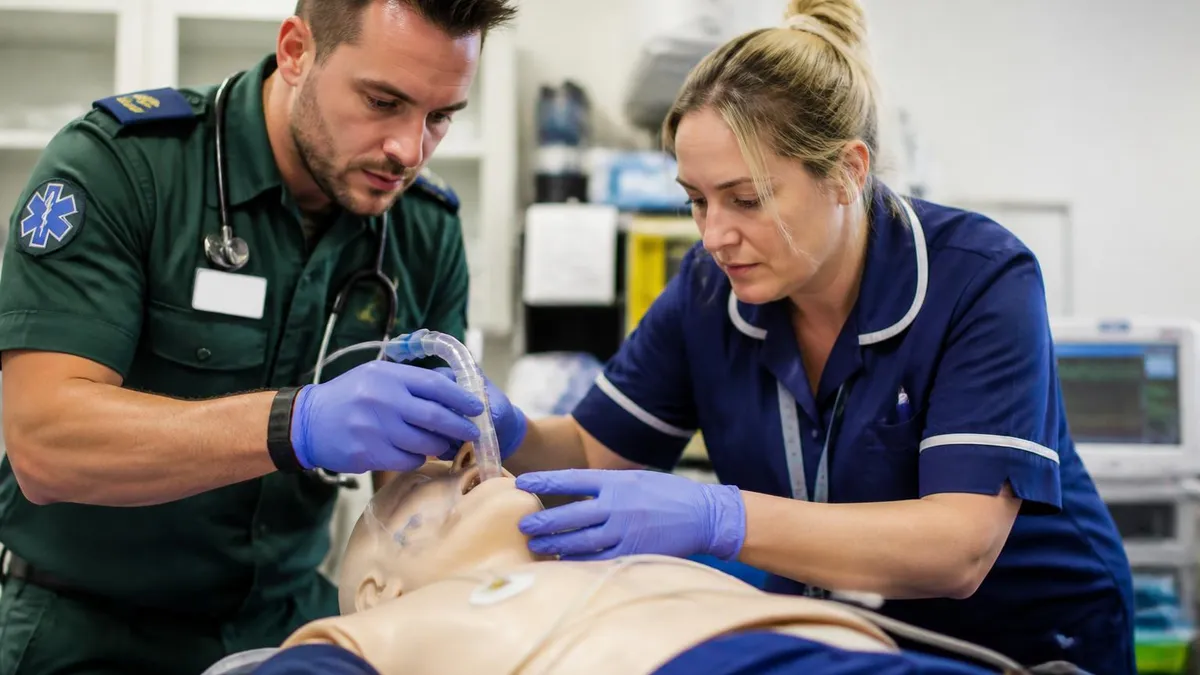
Primary PCI vs. Fibrinolytic Therapy for STEMI: Key Comparison
- +Primary PCI achieves higher TIMI 3 flow rates (>90%) vs. fibrinolytics (~55%), meaning more complete and sustained reperfusion
- +Lower risk of intracranial hemorrhage — the most feared complication of fibrinolytic therapy, occurring in ~0.5–1% of cases
- +PCI allows direct visualization of coronary anatomy, enabling treatment of concurrent disease and accurate stent sizing
- +Mechanical reperfusion avoids the 5–10% rate of failed fibrinolysis, which requires rescue PCI and incurs additional delay
- +PCI is the only option for cardiogenic shock, where fibrinolytics have not demonstrated survival benefit in randomized trials
- +Shorter duration of anticoagulation and antiplatelet therapy burden in some cases compared to fibrinolytic-based regimens
- −PCI requires a catheterization lab, interventional cardiologist, and specialized team — unavailable at many community hospitals and rural facilities
- −Transfer time for PCI can exceed the 120-minute window, making fibrinolytics superior in time-sensitive rural presentations
- −Higher upfront cost of PCI and hospital admission to a cath-capable facility compared to fibrinolytic infusion
- −Risk of contrast-induced nephropathy, especially in diabetic patients or those with existing chronic kidney disease
- −Vascular access complications (hematoma, arteriovenous fistula, pseudoaneurysm) occur in 1–3% of femoral access cases
- −Stent thrombosis — though rare (<1% with modern DES) — can be catastrophic if dual antiplatelet therapy is prematurely discontinued
ACLS ACS Algorithm Certification Prep Checklist
- ✓Memorize the 10-minute ECG acquisition target and explain why delay increases infarct size
- ✓Identify STEMI criteria: ≥1 mm ST elevation in two contiguous limb leads, ≥2 mm in V1–V3
- ✓Recognize STEMI equivalents: new LBBB (with Sgarbossa criteria), posterior MI (V7–V9), hyperacute T-waves
- ✓State aspirin dosing (162–325 mg chewed) and know when to withhold it (active GI bleed, true allergy)
- ✓List absolute contraindications to fibrinolytic therapy including prior ICH, ischemic stroke within 3 months, and aortic dissection
- ✓Calculate door-to-balloon time targets: 90 minutes at PCI-capable center, 120 minutes if transfer required
- ✓Explain right-sided ECG indication for inferior STEMI and name the drug contraindicated in RV infarction (nitroglycerin)
- ✓Differentiate TIMI and GRACE scoring systems and identify which NSTEMI patients receive early vs. delayed invasive strategy
- ✓State the loading doses for ticagrelor (180 mg), prasugrel (60 mg), and clopidogrel (300–600 mg) and key contraindications
- ✓Name three secondary prevention medications initiated in the acute ACS phase: high-intensity statin, beta-blocker, ACE inhibitor
The 10-Minute ECG Rule Changes Outcomes
Every minute of delay from symptom onset to reperfusion costs approximately 1.7 additional lives per 1,000 patients treated. AHA guidelines set a 10-minute target from first medical contact to ECG interpretation specifically because studies show that teams achieving this benchmark consistently hit 90-minute door-to-balloon times. During ACLS simulations, verbalize your time-check habit — examiners are evaluating whether you treat ECG acquisition as an emergency, not a routine task.
Reperfusion timing is the axis around which the entire ACS algorithm rotates, and ACLS certification candidates must be able to articulate specific time benchmarks for every branch of the decision tree. For STEMI patients presenting to a PCI-capable hospital, the door-to-balloon (DTB) time target is 90 minutes.
This means from the moment the patient registers in the emergency department to the time the interventional cardiologist inflates a balloon in the culprit coronary artery, no more than 90 minutes should elapse. National data from ACTION Registry shows that hospitals consistently achieving DTB <90 minutes have significantly lower in-hospital mortality rates compared to those that do not.
When STEMI patients present to non-PCI-capable hospitals, the calculus changes. The AHA recommends that if PCI can be performed within 120 minutes of first medical contact — accounting for transfer time — then transfer for primary PCI remains the preferred strategy. If achieving PCI within 120 minutes is not feasible, fibrinolytic therapy should be administered immediately, with a door-to-needle target of 30 minutes.
This 30-minute benchmark is as clinically significant as the DTB target; delayed fibrinolysis in eligible patients negates much of the mortality benefit the drug provides. After successful fibrinolysis, the pharmacoinvasive strategy recommends transfer to a PCI center within 3–24 hours for coronary angiography.
Signs of successful reperfusion after fibrinolysis include resolution of chest pain, ≥50% reduction in ST-segment elevation at 60–90 minutes post-infusion, and the appearance of reperfusion arrhythmias — particularly accelerated idioventricular rhythm (AIVR), which paradoxically indicates restored flow to the ischemic myocardium. AIVR typically does not require treatment unless it degenerates into hemodynamically significant ventricular tachycardia. Failed reperfusion, defined as <50% ST-segment resolution at 90 minutes, mandates emergent rescue PCI regardless of prior fibrinolytic administration — this scenario appears frequently in ACLS case simulations.
Cardiogenic shock complicating STEMI represents a subset where the algorithm branches sharply toward immediate invasive strategy regardless of standard time criteria. The SHOCK trial demonstrated that early revascularization — PCI or CABG — provided significant 6-month mortality benefit over initial medical stabilization in patients with cardiogenic shock. ACLS providers must recognize the hemodynamic criteria for cardiogenic shock: systolic BP <90 mmHg despite adequate volume resuscitation, evidence of end-organ hypoperfusion (oliguria, altered mentation, cool extremities), and cardiac index <2.2 L/min/m². Intra-aortic balloon pump (IABP) and mechanical support devices may bridge patients to revascularization.
Right ventricular infarction, occurring in 30–40% of inferior STEMI cases, creates a unique management scenario that tests the depth of an ACLS candidate's algorithm knowledge. These patients are preload-dependent — the damaged right ventricle needs adequate venous return to maintain cardiac output. Therefore, nitrates and diuretics, which reduce preload, are strictly contraindicated. Treatment centers on aggressive IV fluid administration (1–2 liters of normal saline), maintenance of sinus rhythm (AV block is common and may require temporary pacing), and avoidance of agents that impair RV filling. If RV failure persists despite fluids, dobutamine may be added for inotropic support.
Mechanical complications of STEMI — free wall rupture, ventricular septal defect, and papillary muscle rupture causing acute mitral regurgitation — while uncommon in the modern reperfusion era, represent catastrophic events that ACLS providers must recognize. These typically occur 3–5 days post-MI in patients with delayed reperfusion or large infarcts. New harsh systolic murmur, sudden hemodynamic deterioration, or signs of acute pulmonary edema in a patient recovering from STEMI should prompt immediate echocardiography. These complications require emergent surgical intervention and cannot be managed with medications alone, though temporary mechanical circulatory support may stabilize the patient for transfer.
Understanding the temporal dynamics of biomarker release is also relevant to algorithm decision-making in the ACS context. Troponin I and T — the gold-standard cardiac biomarkers — begin rising 3–6 hours after myocardial injury, peak at 12–24 hours, and remain elevated for 7–14 days. High-sensitivity troponin assays can detect elevation as early as 1–2 hours, enabling rapid rule-in or rule-out protocols for NSTEMI.
Creatine kinase-MB (CK-MB) rises earlier (3–6 hours) and clears faster (48–72 hours), making it useful for diagnosing reinfarction in patients with already elevated troponin from a prior event. ACLS candidates should understand what these biomarkers measure and how serial results guide algorithm branching in NSTEMI.
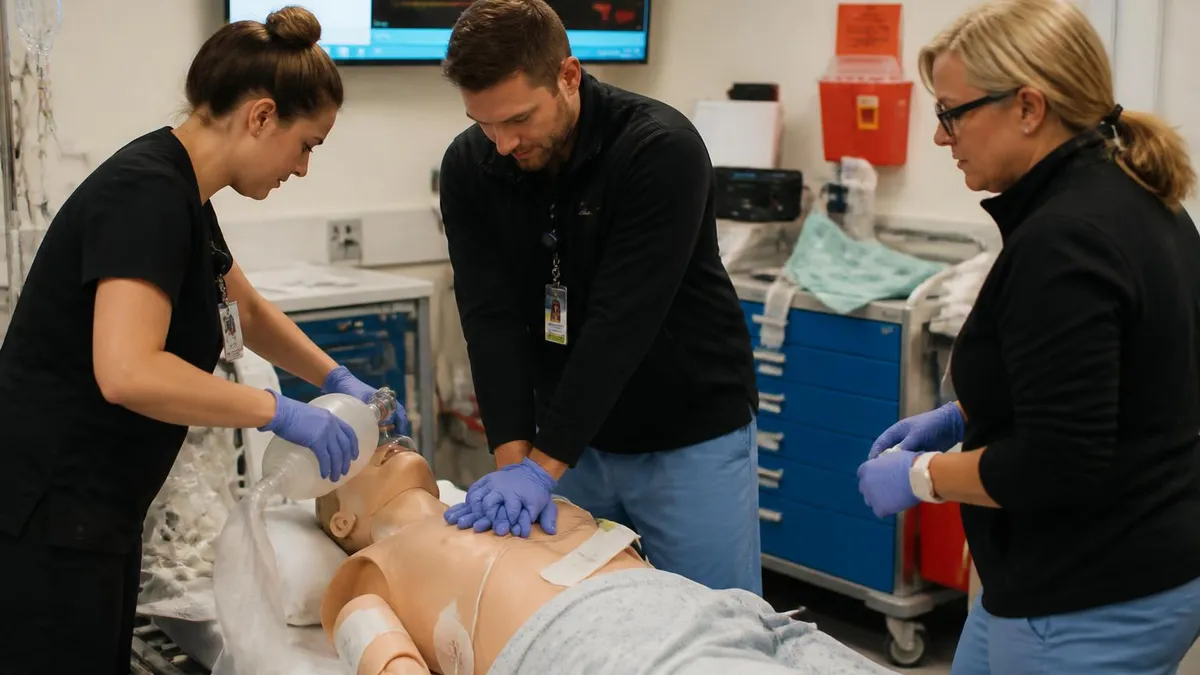
Never administer nitroglycerin to an ACS patient with suspected right ventricular infarction (ST elevation in V4R), systolic BP below 90 mmHg, heart rate below 50 or above 100 bpm, or who has taken a phosphodiesterase-5 inhibitor (sildenafil, tadalafil, vardenafil) within the past 24–48 hours. Giving nitrates under these conditions can cause catastrophic hypotension. Always check right-sided leads in inferior STEMI before administering any vasodilator.
Effective ACLS exam preparation for the ACS algorithm requires a strategy that goes beyond passive reading. The written certification exam consistently tests specific pharmacology details — exact doses, contraindications, and mechanism of action — alongside algorithm sequencing and ECG interpretation. Candidates who simply memorize the algorithm flowchart without understanding the clinical reasoning behind each step frequently struggle with case-based questions that present the algorithm from unexpected angles, such as asking what to do when a preferred treatment is contraindicated.
One of the most productive exam preparation approaches is scenario-based learning, where you place yourself in the role of team leader responding to an ACS presentation. Walk through the algorithm verbally: call out the time, direct your simulated team to obtain IV access and ECG, interpret the ECG aloud, identify the pathway, announce your pharmacological plan with doses, and state your reperfusion target and how you would achieve it.
This active verbalization — mirroring what you will do in the megacode station — reinforces the algorithmic logic far more effectively than passive review. Reviewing real ACLS practice questions that mirror the written exam format accelerates this learning dramatically.
ECG interpretation deserves dedicated focused practice outside the algorithm itself. Many ACLS candidates can recite STEMI criteria but falter when presented with an actual tracing showing subtle hyperacute T-waves, posterior MI patterns, or de Winter T-waves — a STEMI equivalent characterized by upsloping ST depression at the J-point with symmetric peaked T-waves in precordial leads, representing LAD occlusion. Spending at least one hour per study session practicing 12-lead ECG interpretation using a systematic approach — rate, rhythm, axis, intervals, hypertrophy, then ST-T changes — builds the pattern recognition speed that certification exams and real emergencies both demand.
Pharmacology high-yield facts for the ACS algorithm appear predictably on ACLS exams. Ticagrelor is contraindicated in patients with prior intracranial hemorrhage or severe hepatic impairment. Prasugrel is contraindicated in patients with prior stroke or TIA due to excess net clinical harm shown in the TRITON-TIMI 38 trial.
Morphine, while historically part of the MONA mnemonic, is now used cautiously or avoided in NSTEMI because retrospective data from the CRUSADE registry suggested association with higher mortality, possibly due to pharmacokinetic interference with oral P2Y12 agents. These nuanced, evidence-based updates distinguish the ACLS certification exam from older study materials and reward candidates who study from current AHA guidelines rather than outdated resources.
The megacode station, which constitutes the practical component of ACLS certification, includes an ACS simulation in which candidates must demonstrate algorithm leadership competency. Evaluators score candidates on whether they verbalize assessment steps in correct order, direct team members effectively without performing all tasks themselves, correctly identify the ECG diagnosis and state the reperfusion goal, administer the right medications at the right doses, and recognize and manage complications such as ventricular fibrillation developing in an ACS patient.
Practicing the team leader role in study groups or with simulation equipment significantly increases confidence and reduces the cognitive load of the exam station itself.
Common mistakes on the ACS megacode include administering nitroglycerin without checking for RV infarction, forgetting to state the 12-lead ECG interpretation explicitly, skipping aspirin as the first medication, and confusing fibrinolytic eligibility criteria. A particularly common error is failing to recognize that the 120-minute window for PCI starts from first medical contact — not emergency department arrival — meaning that time in the field counts. Candidates who internalize this distinction are far less likely to mismanage transfer decisions in simulation scenarios or in real clinical practice.
Building a sustainable review schedule in the weeks before your ACLS certification exam should include daily ECG practice, weekly algorithm simulation with a study partner, and systematic pharmacology review using flashcards or quiz-based tools. Spaced repetition — revisiting material at increasing intervals — has the strongest evidence base for long-term retention of medical knowledge and is particularly effective for memorizing drug doses and contraindications. The combination of conceptual understanding, active practice, and spaced repetition is the blueprint for ACLS certification success and, more importantly, for delivering safe, confident cardiovascular emergency care to your patients.
Translating ACS algorithm knowledge from the exam room to real clinical practice requires ongoing reinforcement and deliberate skill maintenance. The algorithm is only as useful as the team's ability to execute it under stress, with incomplete information and limited resources. High-performing resuscitation teams share several characteristics: they conduct regular debriefs after cardiac events, use structured communication tools like closed-loop confirmation, assign roles before starting rather than during the event, and review cases where algorithm execution was delayed or deviated from protocol.
One of the most underappreciated aspects of ACS algorithm application is the challenge of atypical presentations, which are more common than many clinicians realize. Women, elderly patients, and diabetic patients with autonomic neuropathy disproportionately present with ACS without classic substernal chest pain. Dyspnea, fatigue, nausea, jaw or arm pain, and epigastric discomfort are all recognized ACS equivalents that should trigger the algorithm in any patient with cardiovascular risk factors. Providers who anchor exclusively on chest pain miss a substantial fraction of MI presentations and fail to initiate the algorithm in time.
Team communication during ACS resuscitation follows the same closed-loop model as other ACLS scenarios. When the team leader directs a nurse to administer aspirin, the nurse confirms the order by repeating it, administers the medication, and confirms completion aloud. This communication loop prevents errors of omission — where a medication is assumed given but never actually administered — and ensures that the team leader's cognitive model of the situation remains accurate. Communication failures are implicated in a majority of sentinel events in emergency cardiac care and are a core competency evaluated during ACLS certification scenarios.
Documentation during ACS response is both a clinical requirement and a quality improvement tool. Recording the time of symptom onset, first medical contact, ECG acquisition, ECG interpretation, medication administration, and cath lab activation enables real-time calculation of all relevant time benchmarks and retrospective analysis of where delays occurred. Many institutions have adopted standardized ACS order sets and electronic documentation tools that automatically calculate door-to-balloon time and flag cases where targets were not met, triggering root cause analysis and process improvement. ACLS providers who understand these systems contribute meaningfully to institutional quality initiatives.
Post-cardiac care considerations after ACS extend beyond the acute reperfusion phase. Temperature management is relevant when the patient suffers cardiac arrest as a complication of ACS — targeted temperature management at 36°C for 24 hours is recommended for comatose survivors of out-of-hospital cardiac arrest with shockable initial rhythms, per current AHA guidelines. Glycemic management in post-ACS patients targets avoidance of hypoglycemia while maintaining reasonable glucose control, as aggressive insulin protocols to achieve tight glycemic targets have not demonstrated survival benefit and increase hypoglycemia risk. These post-care nuances reflect the breadth of knowledge required for true ACLS competency.
Recertification in ACLS every two years provides an opportunity to update knowledge in line with evolving guidelines. The AHA updates ACLS protocols on a rolling basis through its Guidelines in Cardiopulmonary Resuscitation and Emergency Cardiovascular Care, most recently with comprehensive updates incorporating high-sensitivity troponin protocols, refined P2Y12 inhibitor selection criteria, and updated evidence on mechanical circulatory support in cardiogenic shock.
Providers who treat recertification as a genuine knowledge refresh — rather than a box to check — are better positioned to deliver care that reflects current best evidence rather than practices that may have been superseded by new data since their last certification.
Ultimately, mastery of the ACLS acute coronary syndrome algorithm is a career-long commitment that deepens with each patient encounter and each recertification cycle. The algorithm is a structured scaffold for clinical decision-making, not a rigid script — experienced providers learn to apply it flexibly when patient presentations deviate from textbook scenarios, when resources are constrained, or when algorithm branches need to be traversed simultaneously rather than sequentially.
Pairing your certification preparation with high-quality practice questions, regular ECG review, and simulation-based training gives you the deepest foundation possible for both passing the exam and saving lives in the clinical setting where the algorithm truly matters.
ACLS Questions and Answers

ACLS Drugs: Complete 2026 Guide to Medications, Doses, Indications & Algorithm Use

ACLS Recertification Course — Complete Guide (2026)

ACLS Primary Assessment: Complete 2026 Guide to the ABCDE Approach, Algorithm Integration & High-Quality Resuscitation

ACLS Study Guide: Complete 2026 Certification Prep with Algorithms, Drugs & Practice Tests

How Many CEUs for ACLS: Complete Guide to Continuing Education Requirements
About the Author

Registered Nurse & Healthcare Educator
Johns Hopkins University School of NursingDr. Sarah Mitchell is a board-certified registered nurse with over 15 years of clinical and academic experience. She completed her PhD in Nursing Science at Johns Hopkins University and has taught NCLEX preparation and clinical skills courses for nursing students across the United States. Her research focuses on evidence-based exam preparation strategies for healthcare certification candidates.