
Tennis Umpire: The Complete Overview of the Role, Rules, and Career Path
🧠 Tennis umpire overview: roles, rules, signals, career paths, pay, and how to get certified. Complete 2026 September guide for aspiring officials.
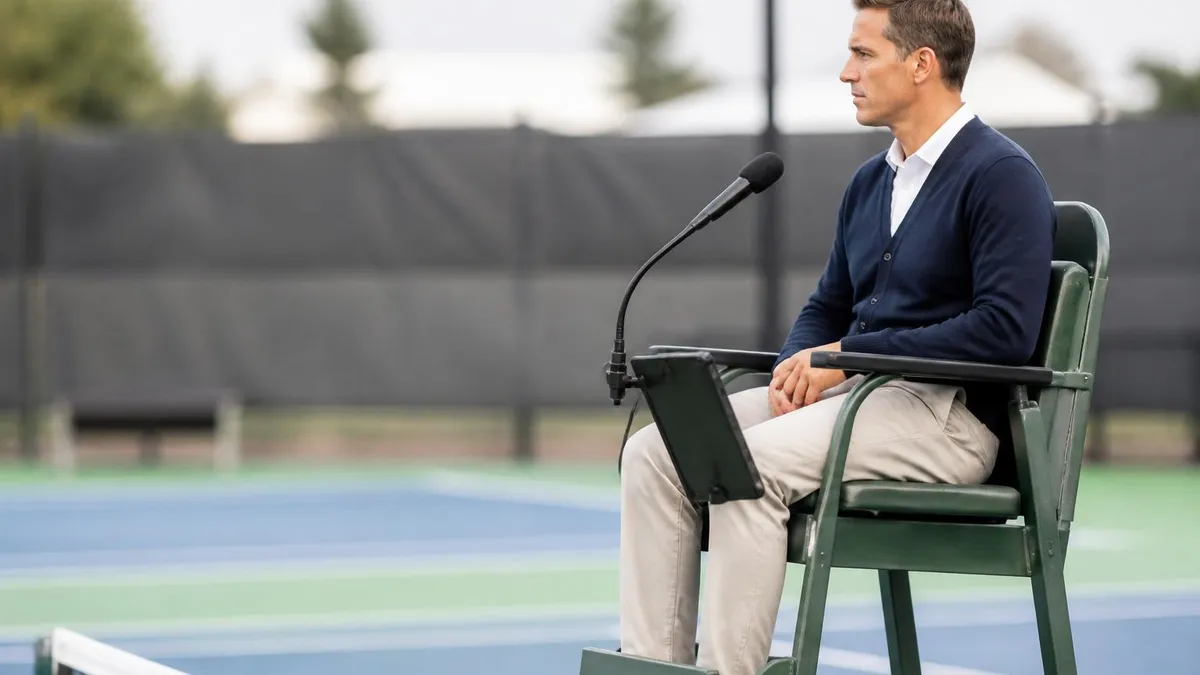
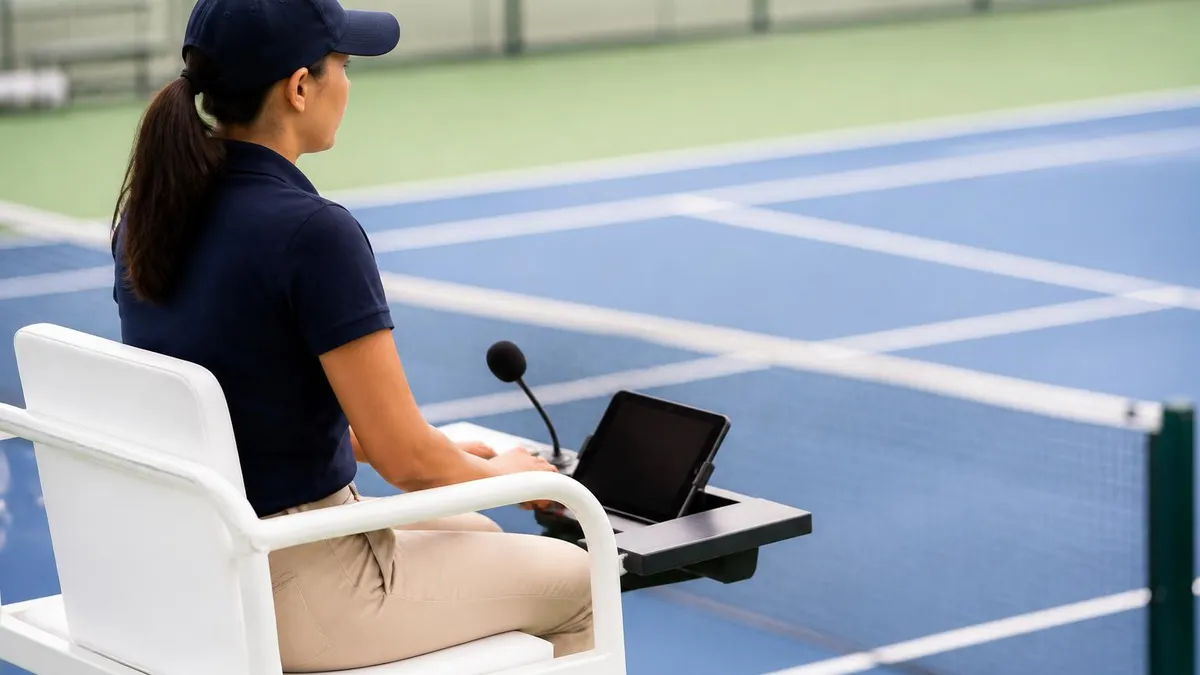
A tennis umpire is the central figure who keeps a match fair, orderly, and moving, and understanding the role is the first step for anyone curious about officiating the sport. Unlike many team-sport officials who blend into the action, the chair umpire sits elevated above the net, announces every score, and carries final authority over disputes on court. The job blends sharp observation, calm decision-making, and a deep command of the rulebook, and it rewards people who enjoy precision, pressure, and the quiet theater of competitive sport.
The phrase tennis umpire actually covers several distinct positions rather than one job. At the top sits the chair umpire, the official most fans picture calling "fifteen-love" into a microphone. Surrounding the court are line umpires who judge whether balls land in or out, and overseeing the entire event is the referee, who resolves rule questions the chair cannot. Each role carries its own training, certification level, and set of mechanics, and many officials begin at the lines before earning a seat in the chair.
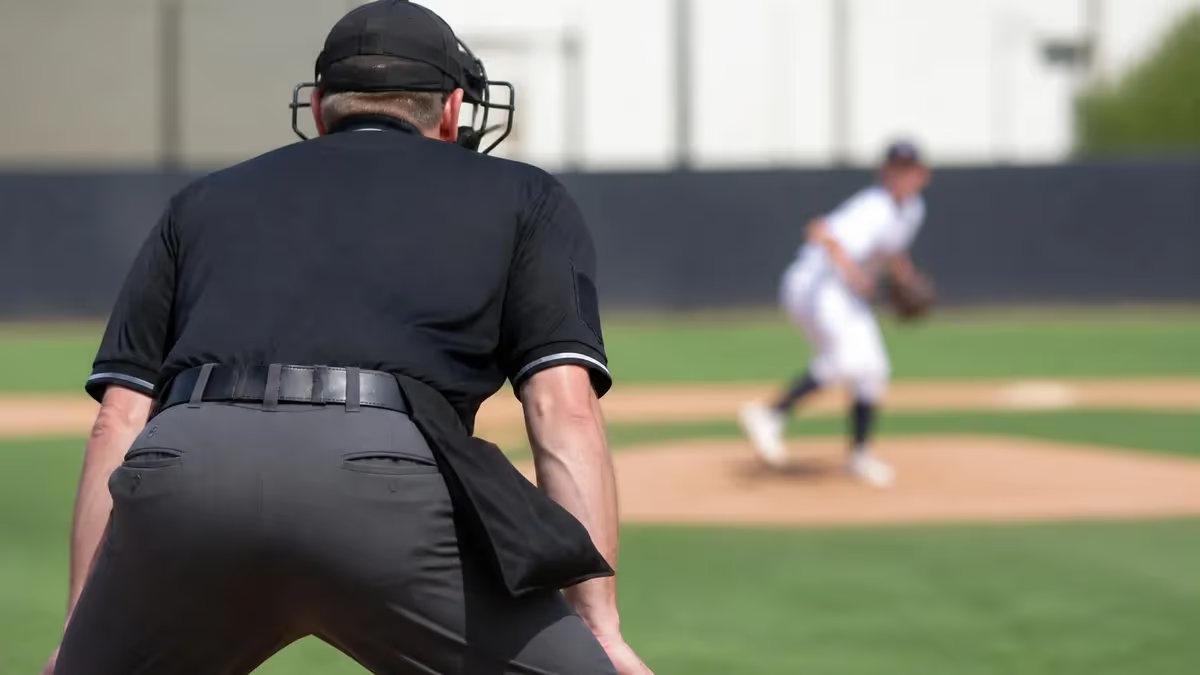
For Americans drawn to officiating, tennis offers an unusually clear ladder. You can start by working junior tournaments in your hometown, earn certification through the United States Tennis Association, and progress toward sanctioned professional events if your skills and availability allow. The path mirrors other officiating careers in structure, and if you want to compare it with another well-known route, our tennis umpire overview shows how baseball builds a similar pipeline from amateur fields to the major leagues.
Why does the role matter so much? Tennis has no clock, no instant whistle, and historically relied on human eyes to judge fast-moving balls at the millimeter level. The umpire's authority preserves the integrity of every point, and a single missed call can swing a match worth ranking points, prize money, and reputation. Even with electronic line-calling spreading across the pro tour, the chair umpire remains essential for managing players, enforcing the code of conduct, and keeping a charged stadium under control.
This overview is designed to demystify the entire field. We will walk through what each official does, the certification levels available in the United States, the rules and signals you must master, realistic earnings at every tier, and the day-to-day reality of working a match. Whether you are a former player, a passionate fan, or simply someone seeking a flexible and respected part-time role, you will leave with a clear map of what the work involves.
Throughout the guide we will also point you toward free practice questions that mirror the certification exams. Studying real scenario-based material is the single best way to internalize positioning, game management, and the finer points of the rulebook before you ever climb into the chair. Treat this overview as your starting playbook, and use the linked quizzes to turn passive reading into the kind of active recall that certification panels actually test before they sign off on a new official.
Tennis Umpiring by the Numbers
The Three Officiating Roles on a Tennis Court
Sits elevated at the net, announces every score, enforces the code of conduct, and rules on all on-court disputes. The chair has final authority during play and manages the overall flow and pace of the match.
Stationed along baselines, sidelines, and service lines to call balls in or out with a sharp signal and clear voice. Line officials feed information to the chair and are the foundation of accurate calling.
The tournament-wide authority who resolves questions of rule interpretation, handles suspensions for weather, and manages scheduling. The referee can be summoned to court when the chair cannot settle a rulebook dispute.
Oversees and assigns the entire officiating crew at an event, schedules line teams, and mentors developing officials. This administrative role ensures full coverage across multiple courts throughout a tournament.
The day-to-day work of a tennis umpire begins long before the first serve. A chair umpire arrives early to inspect the court surface, confirm the net height measures exactly three feet at the center, test the scoreboard and microphone, and meet the line crew for a pre-match briefing. These quiet preparations matter enormously, because a loose net strap or a faulty shot clock discovered mid-match undermines the official's authority and disrupts the players' rhythm at the worst possible moment.
Once play starts, the chair umpire becomes the match's narrator and judge in equal measure. Every point requires an accurate, audible announcement of the score, delivered in a steady cadence that both players and the crowd can follow. The umpire tracks the changeovers, enforces the time between points, and watches for foot faults, double bounces, and net touches that line officials might miss from their angles. Concentration cannot lapse for even a single rally across a match that may run three hours or more.
Game management is where the role grows genuinely demanding. When a player disputes a call, the umpire must respond instantly with calm authority, citing the relevant rule and, where available, reviewing electronic evidence. Frustrated competitors may argue, stall, or push the boundaries of the code of conduct, and the official must issue warnings, point penalties, or game penalties in the correct escalating order. Mastering this escalation under stadium pressure is exactly what certification panels probe, and our tennis umpire overview shows how comparable judgment is tested in other sports.
Line umpires carry a narrower but unforgiving responsibility. Each one watches a specific line and must decide, in a fraction of a second, whether a ball traveling over a hundred miles per hour landed in or out. They signal "out" with a crisp arm motion and a loud call, or signal "safe" with hands spread low to the ground when a ball is good. Their split-second accuracy forms the bedrock of the match, and any hesitation invites a player challenge or an overrule from the chair above them.
The referee operates above the individual court, functioning as the tournament's rulebook authority. When a dispute exceeds the chair umpire's power to resolve, the referee is called to court to make a binding interpretation. The referee also decides whether conditions are safe to play, suspends matches for rain or darkness, manages the order of play across the draw, and handles withdrawals and defaults. It is a role built on experience, diplomacy, and an encyclopedic grasp of the rules of the game.
Communication ties all three roles together into a functioning whole. The chair relies on confident line calls, the lines rely on the chair to overrule clear mistakes fairly, and the referee relies on the chair to escalate only genuine rulebook questions. Hand signals, eye contact, and a shared vocabulary let the crew operate almost silently, projecting the seamless competence that distinguishes a well-officiated match from a chaotic one. That coordination is a learned skill, refined over many tournaments rather than memorized overnight in a classroom.
Finally, the modern tennis umpire increasingly works alongside technology. Electronic line-calling systems now handle in-out decisions at many professional events, shifting the chair umpire's focus toward player management, timing enforcement, and code-of-conduct rulings. Rather than eliminating the role, automation has elevated it, demanding officials who understand both the rulebook and the systems that support it. The human in the chair remains the irreplaceable manager of the contest, even as the tools around the role continue to evolve year after year.
Tennis Umpire Certification Levels and Pathways
In the United States, aspiring officials begin through the United States Tennis Association, which runs the recognized certification program. The entry path typically starts with an online orientation and an open-book rules exam covering scoring, the code of conduct, and basic on-court procedures. New officials are encouraged to attend a regional officiating school where experienced instructors teach positioning, signaling, and the language of calling a match clearly and confidently.
After passing the introductory assessment, you earn a provisional certification that allows you to work local and sectional events under supervision. This early stage is about logging matches, absorbing feedback from evaluators, and building the calm presence that distinguishes a credible official. Most new umpires start by working line positions at junior tournaments before ever sitting in the chair, gaining valuable repetitions in a lower-pressure setting first. The early months are deliberately humbling, and that is by design, because reliability and composure are learned through volume rather than talent alone on court.
Is Becoming a Tennis Umpire Right for You?
- +Flexible, part-time schedule that fits around another job or studies
- +Front-row seat to competitive tennis at every level of the sport
- +Clear certification ladder with measurable, merit-based advancement
- +Travel opportunities to tournaments across the country and abroad
- +Builds prized soft skills in conflict resolution and decision-making
- +Welcoming community of officials who mentor newcomers generously
- −Entry-level and sectional pay is modest, often per-match stipends
- −Long matches demand intense, unbroken concentration in all weather
- −Players and crowds can be hostile when a call goes against them
- −Advancement to professional badges is slow and highly competitive
- −Frequent travel and weekend work can strain personal commitments
- −Electronic line-calling is reshaping responsibilities and headcount
Essential Tennis Umpire Skills and Rules to Master
- ✓Announce scores accurately and audibly in correct tennis vocabulary
- ✓Know the scoring system cold, including tiebreaks and deciding sets
- ✓Recognize lets, foot faults, double bounces, and net touches instantly
- ✓Apply the code-of-conduct penalty progression in the correct order
- ✓Signal in-and-out calls with crisp, unmistakable arm mechanics
- ✓Enforce time limits between points and during changeovers
- ✓Maintain neutral composure when players or crowds become hostile
- ✓Overrule a clearly mistaken line call promptly and confidently
- ✓Operate the shot clock and electronic line-calling systems correctly
- ✓Complete pre-match court, net, and equipment inspections thoroughly
Composure under pressure beats raw rules knowledge
Almost anyone can memorize the scoring system, but managing a furious top-seed during a tense tiebreak is an entirely different test. Certification panels consistently reward officials who stay calm, cite the rule plainly, and apply penalties without emotion. Build this skill deliberately by practicing scenario-based questions long before you ever sit in the chair.
Compensation for tennis umpires varies dramatically depending on the level, location, and frequency of work, and newcomers should set realistic expectations. At the grassroots level, officiating junior and local tournaments typically pays a modest per-match or per-day stipend rather than a salary. Many people enter the field for the love of the sport and the flexible schedule rather than the paycheck, treating early assignments as paid training that builds the experience needed to climb toward better-compensated roles over time.
As officials earn higher certifications and work collegiate, sectional, and entry-level professional events, the pay improves meaningfully. Experienced national-level officials can string together enough assignments across a season to earn a respectable part-time income, particularly if they are willing to travel. Daily rates rise with the prestige of the event, and chair umpires generally command more than line officials because the role carries greater responsibility, authority, and the public-facing pressure of managing the entire match alone.
At the elite professional tier, full-time chair umpires working the international tour can earn a genuine annual living, with estimates for top gold-badge officials reaching well into the tens of thousands of dollars per year before travel allowances and expenses. These figures still trail the salaries of officials in major American team sports, a contrast worth understanding if you are weighing officiating careers. For perspective on how another sport structures its pay, our tennis umpire overview breaks down the baseball ladder in detail.
It is important to recognize that very few officials reach the full-time professional tier, and the path there demands sustained excellence and constant travel. The vast majority of certified tennis umpires in the United States work part-time, balancing assignments against another career or studies. That structure is actually a feature for many people, offering supplemental income, weekend involvement in the sport they love, and a respected role in their local tennis community without requiring them to gamble on a precarious full-time officiating career.
The career outlook is also being reshaped by technology. Electronic line-calling has already replaced human line judges at numerous professional events, reducing the number of line positions available at the top of the sport. This shift does not eliminate officiating opportunities, but it does redirect them, increasing the relative value of chair umpires skilled in game management and the operation of automated systems. Aspiring officials who embrace this technology rather than resist it will find themselves better positioned for the future.
Geography and availability strongly influence earnings as well. Officials living near major tournament hubs or willing to travel widely can accumulate far more assignments than those in remote areas with sparse competitive calendars. Building relationships with chief umpires who assign crews, accepting tough or last-minute assignments, and maintaining current certifications all increase the volume and quality of work you receive. In officiating, as in many fields, visibility and reliability translate directly into more and better-paid opportunities over time.
For anyone evaluating the financial side honestly, the message is balanced. Tennis umpiring rarely makes anyone wealthy, but it offers a flexible, respected, and genuinely enjoyable way to stay connected to the sport while earning supplemental income. The most financially successful officials treat it as a long-term craft, steadily climbing the certification ladder, expanding their geographic reach, and adapting to the technological changes that continue to reshape how matches are officiated across every level of competition today.
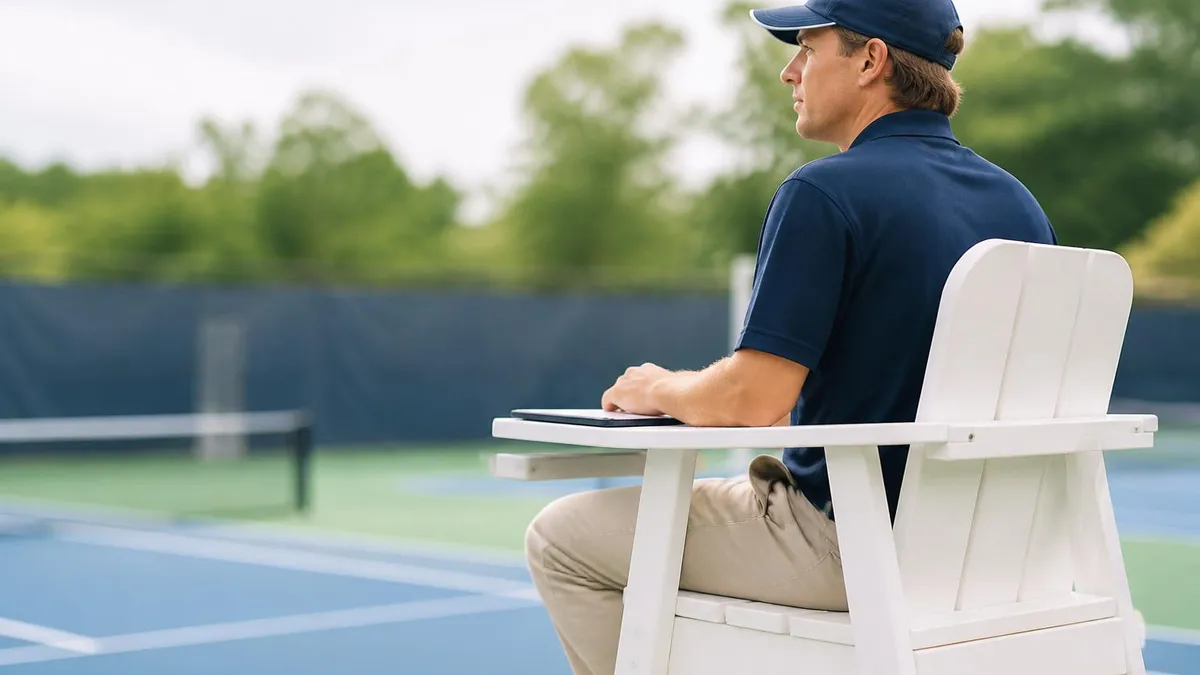
Tennis officiating certifications must be renewed on a regular cycle, and lapsed credentials can sideline you from assignments until you requalify. Governing bodies update rules and technology procedures frequently, so staying current is part of the job. Mark your renewal deadlines early and budget study time before each cycle closes.
Life at the top of tennis officiating is a world few people ever glimpse, yet understanding it helps frame the entire profession. Gold-badge chair umpires travel the globe nearly year-round, working tournaments across hard courts, clay, and grass on multiple continents. They officiate the sport's biggest stages, from the Grand Slams to the season-ending championships, sitting just feet from the world's greatest players during the most pressure-filled moments in the game. The role demands not only flawless rules knowledge but extraordinary poise under a relentless global spotlight.
The journey to that level is long and unforgiving. Elite officials spend years accumulating evaluations at sanctioned international events, refining their mechanics, and proving they can manage superstar players in stadiums of thousands. A single high-profile mistake can be replayed endlessly and scrutinized by millions, so the margin for error is razor-thin. The officials who reach the gold badge combine deep experience with a temperament that simply does not crack, no matter how heated the contest becomes around them on court.
What makes the top tier fascinating is how much the role has evolved alongside technology. With electronic line-calling now standard at many premier events, the elite chair umpire's job has shifted from in-out judgment toward orchestration: managing pace, enforcing the code, operating the shot clock, and handling the human drama that no machine can adjudicate. The best modern officials are part rules expert, part stage manager, and part diplomat, keeping a charged environment fair and watchable for a worldwide television audience.
Diplomacy is perhaps the most underrated quality at this level. Top players are intensely competitive and accustomed to advocating fiercely for themselves, and the elite umpire must enforce the rules firmly while preserving mutual respect. A great official de-escalates tension with a calm word and an evenhanded ruling rather than inflaming it with ego. This balance of authority and approachability takes years to develop and is exactly what separates a respected veteran from a merely competent one in the chair.
The professional officiating community at this level is remarkably small and tightly knit. Gold and silver badge officials know one another well, often traveling the same circuit for years and mentoring the next generation rising through the ranks. This collegiality is a hallmark of tennis officiating at every tier, but at the top it becomes a genuine global fraternity bound by shared standards, shared pressures, and a deep collective pride in protecting the integrity of the sport they serve faithfully.
For aspiring officials, the elite tier should serve as inspiration rather than a prerequisite. The overwhelming majority of fulfilling, lifelong officiating careers happen far below the gold badge, at the sectional, collegiate, and national levels where the sport is genuinely accessible. Yet knowing what excellence looks like at the summit gives every developing umpire a model to emulate, a set of standards to internalize, and a clear picture of just how far disciplined practice and steady advancement can ultimately carry a dedicated official.
Perhaps the most reassuring truth is that the same fundamentals govern every level of the game. Whether you are calling lines at a local junior event or managing a Grand Slam final, the core skills remain identical: know the rules cold, signal clearly, stay composed, and treat players with firm fairness. Mastering those fundamentals early means that wherever your officiating journey leads, you will already possess the foundation that the very best officials in the world rely on every single day.
If you are ready to begin, a few practical steps will accelerate your start far more than passive reading ever could. First, contact your regional United States Tennis Association officiating coordinator to learn the exact certification dates, fees, and schools available in your area. Officiating calendars fill quickly, so reaching out early secures your spot at the next orientation and connects you with the local network of officials who will mentor your first assignments and recommend you for early line-judging opportunities at junior events.
Second, invest seriously in learning the rulebook before your exam rather than cramming the night before. The official rules of tennis are concise but precise, and the most commonly missed exam topics involve scoring edge cases, the correct order of code-of-conduct penalties, and the handling of lets and hindrances. Reading the rules once is not enough; you need active recall, which is exactly why working through scenario-based practice questions repeatedly is the most effective preparation method available to a new official.
Third, attend matches as a student of officiating rather than a fan. Sit where you can watch the chair umpire work, note how they announce scores, manage time, and handle disputes, and study the line judges' signals and positioning. Observing skilled officials live builds an instinctive feel for the mechanics that no textbook can fully convey, and many veterans are happy to chat about the craft if you approach them respectfully after the match has concluded.
Fourth, start at the lines and embrace the grind of junior tournaments. Nearly every accomplished chair umpire began by calling lines at youth events, absorbing feedback, and proving their reliability one match at a time. These early assignments are where you develop the calm voice, sharp eye, and steady temperament that evaluators look for when recommending officials for promotion. Treat every junior match as an audition and a classroom at once, and your advancement will follow naturally over the seasons.
Fifth, seek feedback relentlessly and act on it. After assignments, ask evaluators and senior officials what you did well and where you can improve, then deliberately work on those specifics at your next event. The officials who advance fastest are not necessarily the most naturally gifted; they are the ones who treat every critique as fuel for improvement and who demonstrate measurable growth from one tournament to the next across an entire competitive season.
Finally, prepare deliberately for each certification exam using realistic practice material that mirrors the format and difficulty you will face. Free question banks covering game management, positioning, roles, and the rules of the game let you rehearse the exact judgment calls the certification panels test. Combine that focused practice with live observation and on-court experience, and you will walk into every assessment confident, prepared, and ready to take the next concrete step up the officiating ladder.
The path from curious fan to certified tennis umpire is genuinely achievable for anyone willing to study the rules, log the matches, and embrace honest feedback. Officiating offers a rare combination of flexibility, respect, and lifelong connection to a sport you love. Take the first step this week by reaching out to your local coordinator, working through a set of free practice questions, and committing to the steady, rewarding climb that has launched every great tennis official before you onto the court.
Umpire Questions and Answers

How to Become an MLB Umpire — Complete Guide (2026)
Robot Umpire MLB: How Automated Ball-Strike Tech Is Changing Umpire Equipment and the Future of Officiating

Umpire Salary: Complete 2026 Pay Guide for Every Level of Baseball Officiating
Umpire Scorecards: What They Are, How They Work, and Why They Matter
Umpire Certification Test: Your Guide to Success
About the Author

Educational Psychologist & Academic Test Preparation Expert
Columbia University Teachers CollegeDr. Lisa Patel holds a Doctorate in Education from Columbia University Teachers College and has spent 17 years researching standardized test design and academic assessment. She has developed preparation programs for SAT, ACT, GRE, LSAT, UCAT, and numerous professional licensing exams, helping students of all backgrounds achieve their target scores.