
How to Become an MLB Umpire — Complete Guide (2026 October)
How to become an MLB umpire: 💡 umpire school, evaluation course, minor-league grind, MLB call-up, salary, and the brutal odds. Step-by-step.
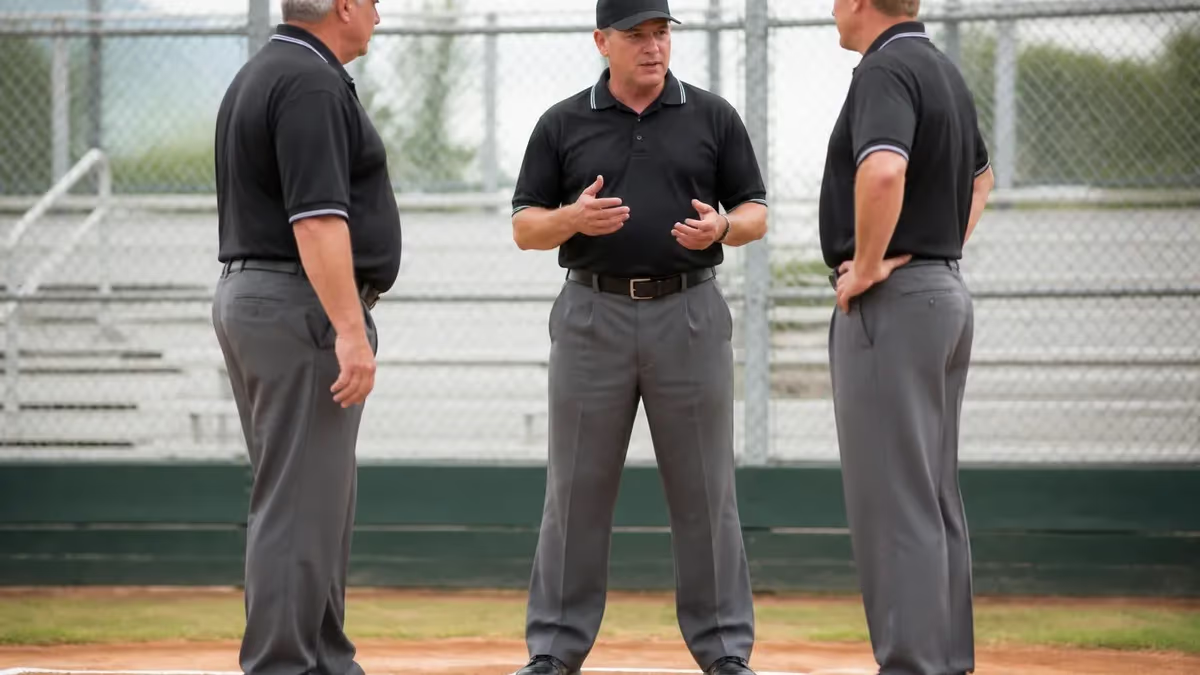
Becoming an MLB umpire — the honest path
Start umpiring amateur ball. Save $4,000–$5,000. Attend a five-week professional umpire school in Florida (Wendelstedt or MLBUTA). Finish in the top 12 or so. Get sent to the evaluation course. Earn a Rookie-ball contract at $2,600/month. Work your way up — A, AA, AAA — over seven to ten years. Then wait for an MLB retirement or termination to open a spot on the 76-person crew. Most who try never get there. The ones who do can earn $150,000 starting and $450,000+ as a senior crew chief.
How to Become an MLB Umpire — Complete Guide (2026)
There are only 76 full-time MLB umpires. Total. Across all of Major League Baseball. Compare that to roughly 750 active major league players, and the odds of working a regular-season game in blue snap into focus. The path is brutal — a five-week boot camp in central Florida, a two-week evaluation course where roughly nine of every ten attendees get cut, and then seven to ten years of bus rides through the minor leagues earning less than a substitute teacher. Most never see a major league field.
That said, the people who make it have walked the same exact road for fifty years. The blueprint isn't a secret. The hard part is the patience, the physical grind, and the financial sacrifice it takes to keep walking it.
What an MLB Umpire Actually Does
Major league umpires work a four-person crew rotating through the bases — home, first, second, third — across each game of a series. They call balls and strikes, judge fair-foul, rule on tags, swings, checked swings, fan interference, and review boundary calls on replay. They eject managers. They get yelled at. They make 250+ split-second judgment calls per game while standing for three hours in 95-degree heat.
Crews travel together for the full season. Six weeks on the road. Two weeks of vacation rotated mid-summer. The job runs February through October — sometimes into November if the World Series goes long. If you want to understand the day-to-day reality, the mlb umpire overview breakdown covers crew composition, travel schedules, and what a typical road trip looks like.
Step 1 — Start Umpiring Amateur Ball (Now)
Every MLB umpire on the current roster started by calling Little League, high school, or rec-league games. You don't apply to umpire school cold. You show up with two or three seasons of experience already on your résumé.
Contact your local Little League district or USA Softball chapter. They run weekend clinics — sometimes free, sometimes $40–$80 — that certify you to work games for $25–$60 per game. Work everything you can. Tournaments. Doubleheaders. Travel ball. The more reps you get behind the plate, the better prepared you'll be for the brutal mechanics work that umpire school throws at you. For the gear progression you'll need from amateur through the pros, the umpire gear equipment guide walks through masks, chest protectors, plate shoes, and indicator brands.
The 5-Step Path to MLB
- Where to start: Little League, high school, rec leagues
- Time needed: 2–3 seasons minimum
- Pay: $25–$60 per game
- Schools: Wendelstedt or MLBUTA
- Length: 5 weeks (January–February)
- Cost: $4,000–$5,000 + room and board
- Who attends: Top ~20% from each school
- Length: 2 weeks
- Outcome: Roughly 12 hired per year
- Levels: Rookie → A → AA → AAA
- Time to AAA: 7–10 years typical
- Starting pay: $2,600/month (Rookie ball)
- Route in: Fill-in (Triple-A call-up) first
- Permanent staff: Wait for retirement/firing
- Total time: 8–15 years from amateur start
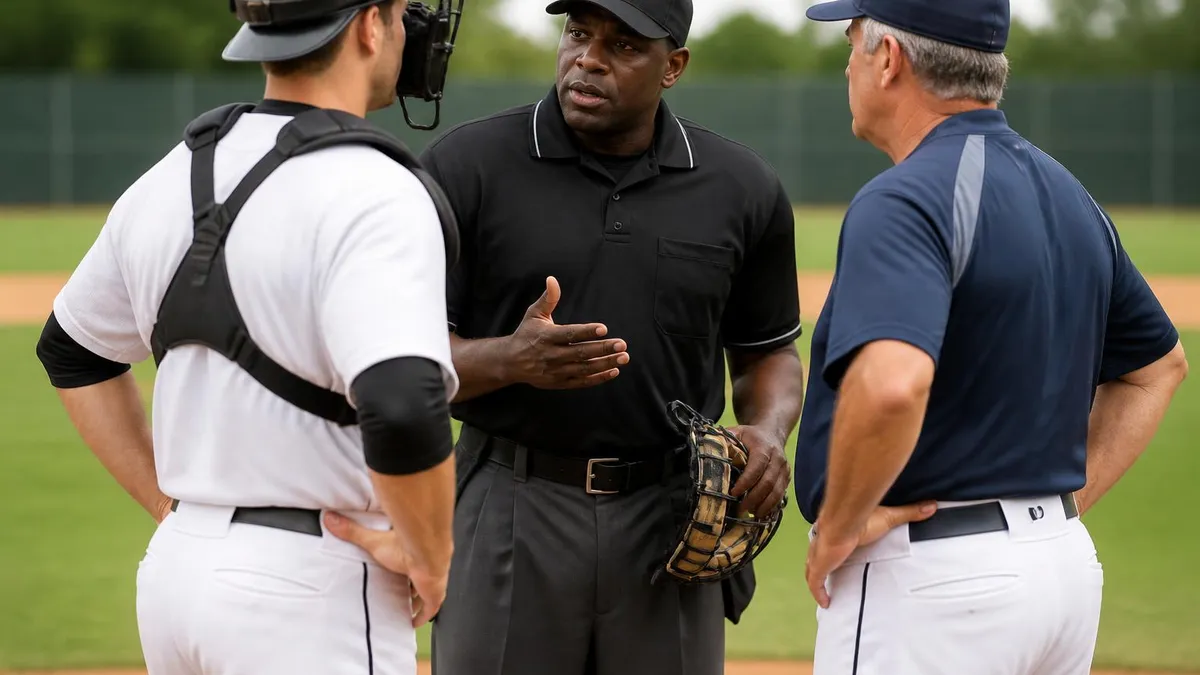
Step 2 — Attend Professional Umpire School
There are exactly two MLB-recognized professional umpire schools in the United States. Both run in January and February in central Florida. Both cost roughly the same. Both are absolutely required to get a professional contract.
Wendelstedt Umpire School — Founded by Harry Wendelstedt in 1977 and run today by his son Hunter Wendelstedt (a current MLB crew chief). Based in Daytona Beach. The five-week course costs about $4,250 plus another $1,000–$1,500 for housing. Class size runs 120–160 students per year.
Minor League Baseball Umpire Training Academy (MLBUTA) — The official MLB-run school in Vero Beach, opened in 2012 to standardize training across affiliated baseball. Five weeks, roughly $2,450 tuition with discounted dorm packages bringing total cost to about $4,500. Class size around 100. The curriculum at both schools mirrors what evaluators look for at the pro level — positioning, timing, voice, mechanics, the four-corner rotation, infield-fly judgment, fair-foul on hooking line drives.
Days run from 7 a.m. to dark. You'll work two-, three-, and four-man mechanics from cones in a parking lot in week one, scrimmage games against other students by week three, and work real high school and college games by week five. Instructors film everything. You get graded weekly. Roughly the top 20% of students get invited to the next stage.
Step 3 — The Evaluation Course (Where 80% Get Cut)
If you finish near the top of your class, you're invited to the Professional Baseball Umpire Corporation (PBUC) evaluation course — a two-week tournament-style audition held immediately after umpire school wraps. PBUC pulls roughly the top 40 students from Wendelstedt and the top 40 from MLBUTA. About 80 attendees total.
Of those 80, roughly 12 get hired into pro ball each year. Some years it's eight. Some years it's 16. It depends on how many minor league spots open due to retirements, firings, or call-ups to MLB. Math: about 15% of evaluation course attendees earn a contract. Looking back to umpire school admission, that's 5–8% of all students who attend. Brutal odds — and that's before you've worked a single inning of pro baseball.
The cuts are made by a panel of veteran MLB and Triple-A evaluators. Final picks get assigned to a Rookie-level or short-season A league: Pioneer League, Florida Complex League, Arizona Complex League. You ship out in June. For the broader picture of pay across pro levels, the mlb umpire salary salary breakdown shows monthly contracts at every minor-league rung.
Umpire School Costs (2026)
Years 1–10: The Minor League Climb
Year 1 — Rookie Ball
Years 2–3 — Single-A
Years 4–5 — High-A
Years 6–7 — Double-A
Years 8–10 — Triple-A
Step 4 — The Minor League Grind (7–10 Years)
This is where the real attrition happens. You'll spend your first summer in Rookie ball — short-season, no air conditioning on the bus, hotels off the highway, $2,600 a month for four months. Then you go home and work whatever winter job you can find. Drive Uber. Substitute teach. Sell insurance. The pro umpire offseason runs October through March — five months of no income unless you find side work.
Year two you get promoted to a Single-A full-season league. The schedule jumps to 130+ games over six months. Pay improves modestly to $2,900–$3,200/month. You'll still finish the season making under $20,000. Many umpires drop out here — the math just doesn't work for guys with families or student loans.
If you survive, the climb continues. Double-A is the cliff. PBUC tells umpires up front that if you can't break through AA after three or four seasons, you're done. Releases happen every November. Triple-A is where MLB scouts actually pay attention — once you're there, you go on the major league call-up list for fill-in assignments when full-time MLB umps take vacation or get injured.
Survive AAA for two or three seasons and you might get a permanent MLB job. Many never do — they spend a decade in Triple-A, get released in their late thirties, and pivot to college or independent ball.
Pay Reality at Each Level
Want to see what an entry-level pro umpire actually earns? Roughly $13,000 for a Rookie-ball summer. After taxes and gear costs, take-home is closer to $10,000 for the year. AA umpires gross about $30,000 in-season. AAA umpires can clear $60,000 to $90,000 depending on call-ups and per diems. That's still below the salary of a starting MLB rookie umpire — but the gap closes fast at the top. The umpire salary league-by-league pay scale breaks down per diems, hotel allowances, and bonuses too.
Step 5 — The MLB Call-Up (Years 8–15)
Here's how guys actually break in: a full-time MLB umpire gets injured, retires mid-season, takes scheduled vacation, or gets disciplined. The league pulls a Triple-A umpire from the call-up pool to fill in. That's your tryout. You work a series — maybe a four-game set in Cleveland or a three-game series in Oakland. Evaluators in New York grade every pitch you call. If you grade out, you go back on the list and get more call-ups. If you don't, you're back in Triple-A within a week.
To get on the permanent staff of 76, you have to wait for a retirement or termination — usually one or two openings per year. The selection panel reviews the call-up data, watches game film, and votes. New full-time hires typically get the news in January. They start the next season as a permanent crew member, earning the union-negotiated MLB rookie salary of $150,000 base plus per diems.
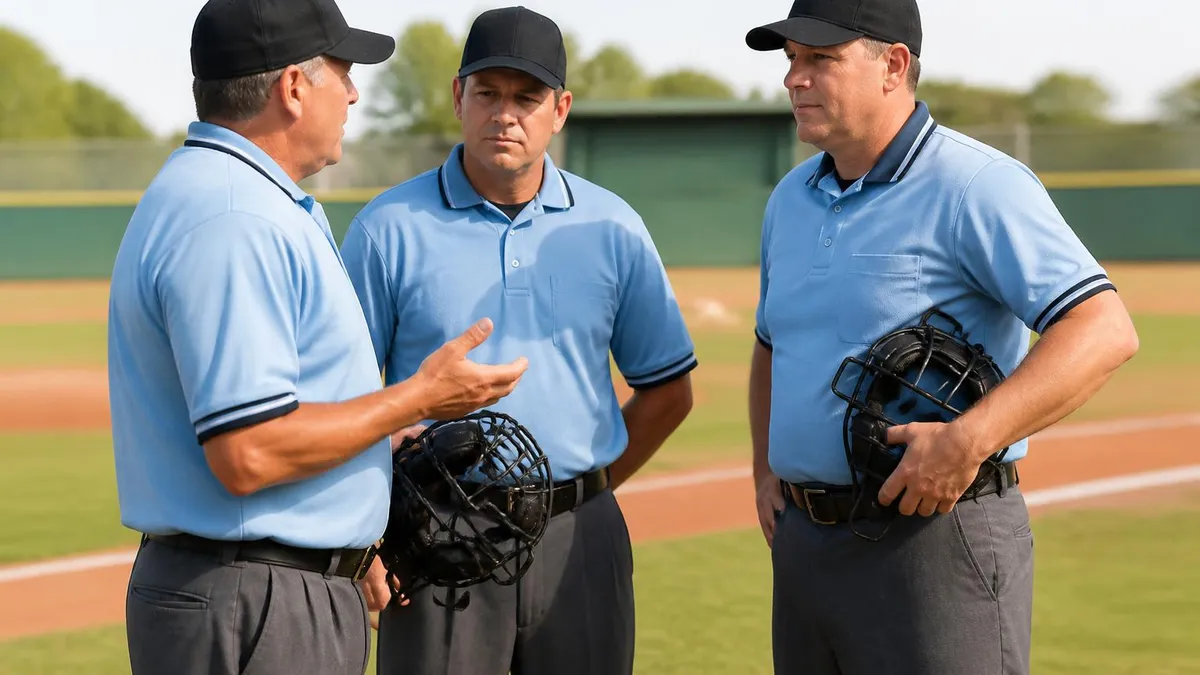
MLB Umpire Reality Check
MLB Umpire Pay — The Full Scale
Once you're on the 76-person MLB roster, the money is real. The current World Umpires Association collective bargaining agreement sets a rookie MLB base salary near $150,000. That climbs on a step schedule tied to years of major league service. Mid-career umpires — say, five to ten years on the staff — typically earn $230,000 to $250,000.
Senior umpires in the 10-to-15-year bracket clear $350,000. Crew chiefs with 15+ years of MLB service and postseason eligibility can pull $450,000 or more in a regular salary year. Pension contributions, full health coverage, and per diem add another $50,000 to $70,000 of value annually.
Postseason work adds significant cash. Umpires assigned to a Division Series earn around $20,000. League Championship Series assignments pay closer to $30,000. The World Series crew earns about $40,000 to $50,000 per umpire. Only a handful of crews are picked each fall — selection is based on regular-season grading.
Per diem during the season runs roughly $400 per day on the road, separate from base salary, and covers food and incidentals on top of league-paid first-class flights and four-star hotels.
Benefits Most People Don't Think About
Full family medical, dental, and vision coverage. A defined-benefit pension that vests after five years of MLB service. Eight weeks of paid vacation rotated through the season (one umpire from each crew is on break at any given time). Wives or partners can fly with the crew once per series at league expense.
Life insurance, disability, and a 401(k) match round out the package. Bottom line: total compensation for a mid-career MLB umpire including benefits and per diem often exceeds $300,000 — comparable to a senior corporate vice president, with the additional bonus that nobody can fire you mid-season for missing a strike three call.
How the Pay Climb Actually Feels
The years one through seven in the minors are the hardest financially. You're earning between $13,000 and $40,000 a year while colleagues from college are making three to five times that. Then somewhere in years 8–10, the call-ups start.
A Triple-A umpire pulled up for a 10-day MLB stint earns the major league daily rate — roughly $4,500 to $6,000 for the trip on top of his AAA salary. Suddenly the math improves fast. Within two or three years of regular call-ups, full-time MLB hire offers come through. The financial slope goes from flat-broke to upper-middle class in about a 36-month window for the umpires who make it.
MLB Umpire Pay at a Glance
Physical and Personal Requirements
Umpire schools don't publish minimum height or vision standards anymore — partly to avoid age and ADA discrimination issues — but the practical realities haven't changed much. You need 20/20 corrected vision. You need to stand and squat for three to four hours in heat or cold without your legs giving out. You need to take a 90 mph foul tip off the mask without flinching the next pitch.
Age Limits
There's no official minimum or maximum age. The youngest evaluation course graduates are often 18 or 19 — kids who umpired high school ball through their teens and went straight to school. The oldest are 35–40 — career-changers from teaching, military, or coaching. But the math gets harder past 30. If you start at 32, you'll be 42 before you're even on the MLB call-up list. Most ex-umpires say if you're over 35 the climb is realistically too long.
Mental Profile
You'll get screamed at by a $30 million shortstop while 30,000 people boo. You'll get death threats on Twitter after a missed strike three. You'll spend 240 nights a year in hotels. The job filters hard for people who can absorb conflict without escalating it, make a decision in 0.4 seconds and move on, and live alone on the road for seven months.
The Honest Odds
Out of every 100 people who attend professional umpire school, roughly 5 to 8 get a Rookie-ball contract. Of those, maybe 2 will ever work a regular-season MLB game in any capacity. Maybe 1 will earn a full-time MLB job. The other 99 will umpire for a few years, get released, and go back to civilian life with a great story and a beat-up mask in the garage.
Worth knowing before you spend $5,000 and quit your day job. If you'd rather work the college route — which is a separate path with its own pay scale and recruiting cycle — the baseball umpire overview baseball umpire guide compares NCAA Division I, independent pro ball, and minor-league track pay.
What to Do This Week (If You're Serious)
Start by calling your local Little League district administrator. Sign up for the next available umpire clinic — most run February and March. Work as many games as you can this spring. By summer, you should have 40+ games under your belt. Look up the next school clinics — Wendelstedt runs camps in October, MLBUTA runs camps in November.
Both are weekend tryouts designed to evaluate whether you should even bother applying. Cost is around $250. Apply for the January 2027 school session by October 2026. Save aggressively until then — you'll need $6,000 minimum to cover school, gear, and surviving the offseason after. The umpires currently working a World Series game made that same phone call ten years ago. That's the entire job. Start now.
Is Becoming an MLB Umpire Right for You?
- +MLB salaries reach $450,000+ for senior crew chiefs
- +Full health insurance, pension after 5 years, first-class travel
- +Postseason bonuses of $20,000–$50,000 per umpire
- +Once on the 76-person staff, job security is among the highest in pro sports
- +Eight weeks of vacation rotated through the season
- −8–15 years to reach MLB — and 95% who try never get there
- −First 5–7 years pay below the U.S. poverty line
- −240+ nights a year in hotels, six weeks on the road at a time
- −Constant verbal abuse from players, managers, fans, social media
- −Physical toll: foul balls to the body, knee surgeries, heat exhaustion
- −No guaranteed promotion — releases happen every November
Pre-School Checklist (Do These Before Applying)
- ✓Work at least 2 full seasons of amateur baseball (high school or summer travel)
- ✓Save $6,000+ to cover school, gear, housing, and post-school expenses
- ✓Pass a basic fitness benchmark — sustained squat-and-stand for 3 hours
- ✓Get 20/20 vision (corrected lenses are fine — no LASIK requirement)
- ✓Attend a Wendelstedt or MLBUTA weekend camp (October or November) before committing to the full course
- ✓Have a 5-month offseason income plan — substitute teaching, Uber, retail
- ✓Talk to at least one current MiLB umpire — most respond to polite emails
Wendelstedt vs MLBUTA
Location: Daytona Beach, FL
Founded: 1977 by Harry Wendelstedt
Tuition: ~$4,250 + $1,200 housing
Length: 5 weeks (January–February)
Class size: 120–160 students
Reputation: Longer history, deeper alumni network in MLB. Current MLB crew chief Hunter Wendelstedt runs the school.
Umpire Questions and Answers
Related Umpire Guides
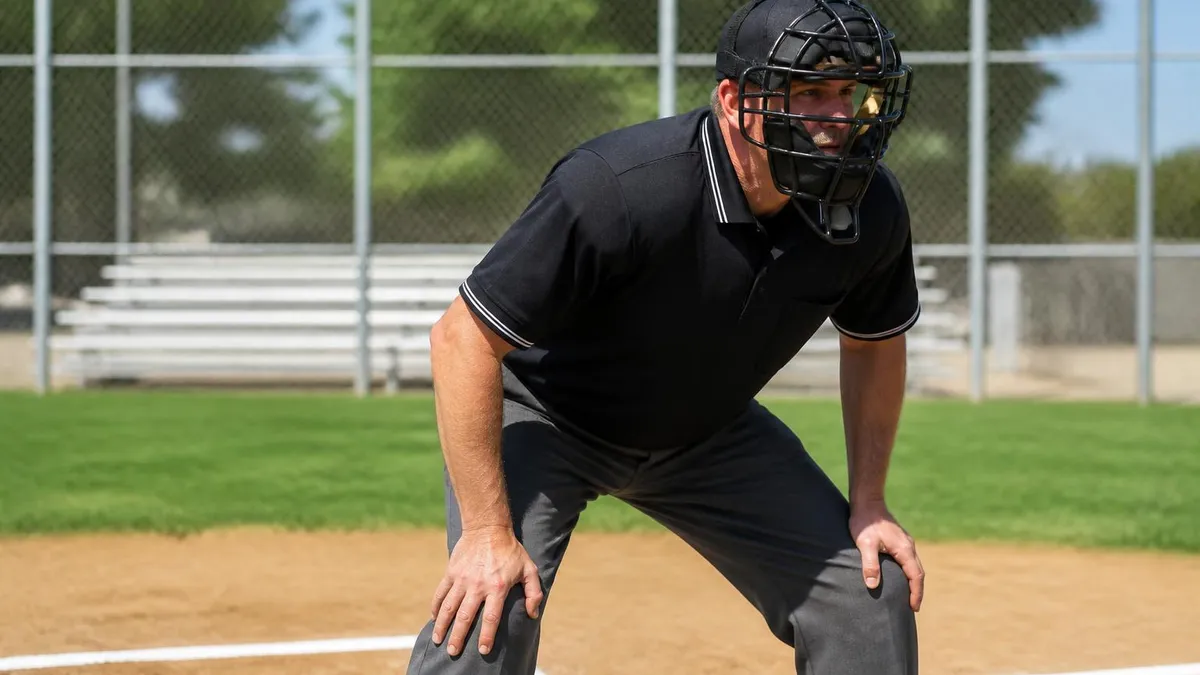
MLB Umpires: Complete Overview of the Job, Salary, and Path to the Majors
MLB Umpire Salary: Complete 2026 Pay Guide for Major League Umpires
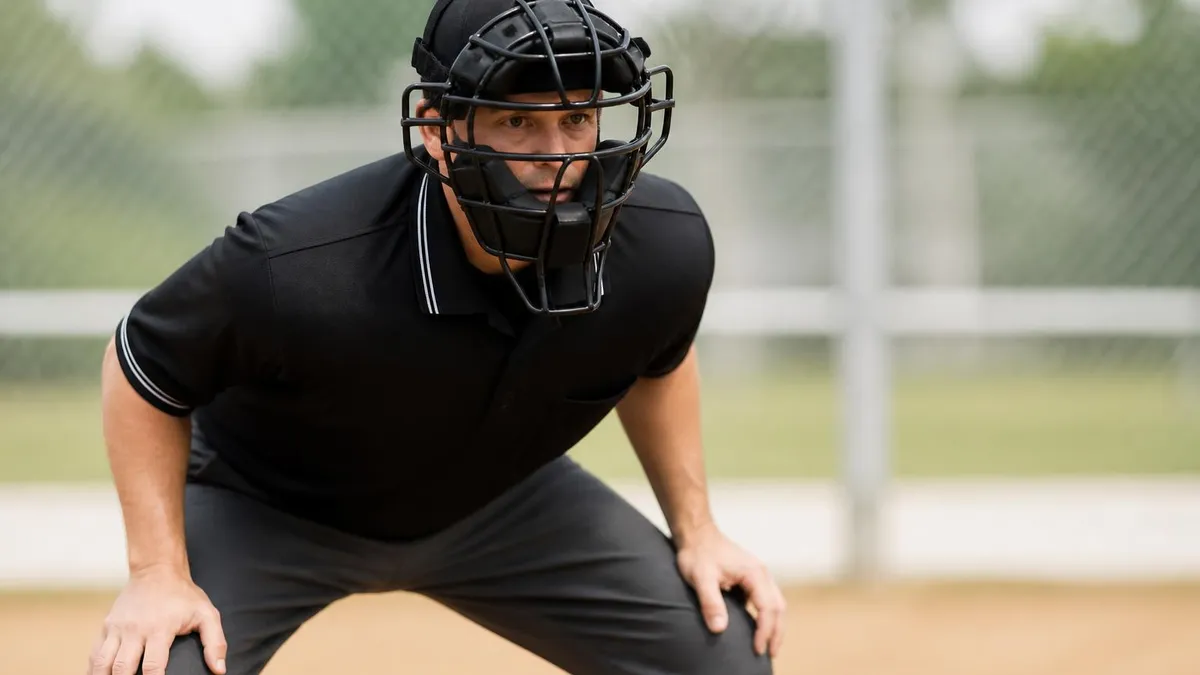
Umpire Salary: Complete 2026 Pay Guide for Every Level of Baseball Officiating
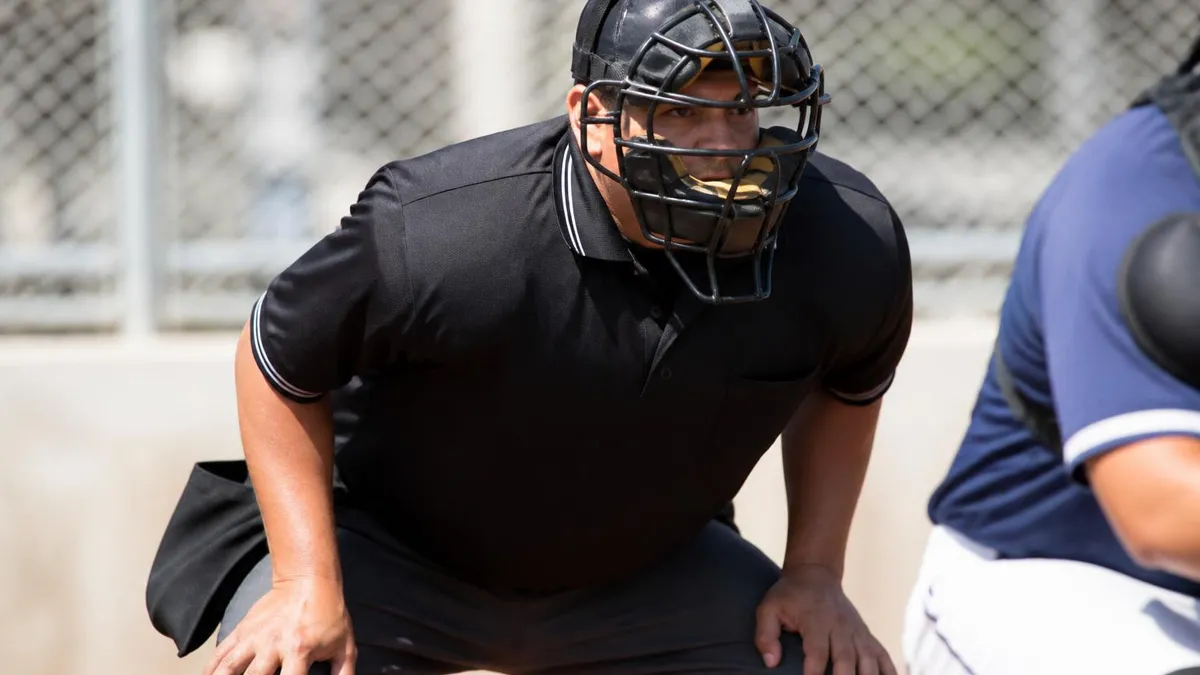
Baseball Umpire Overview: Certification, Levels & Career Path
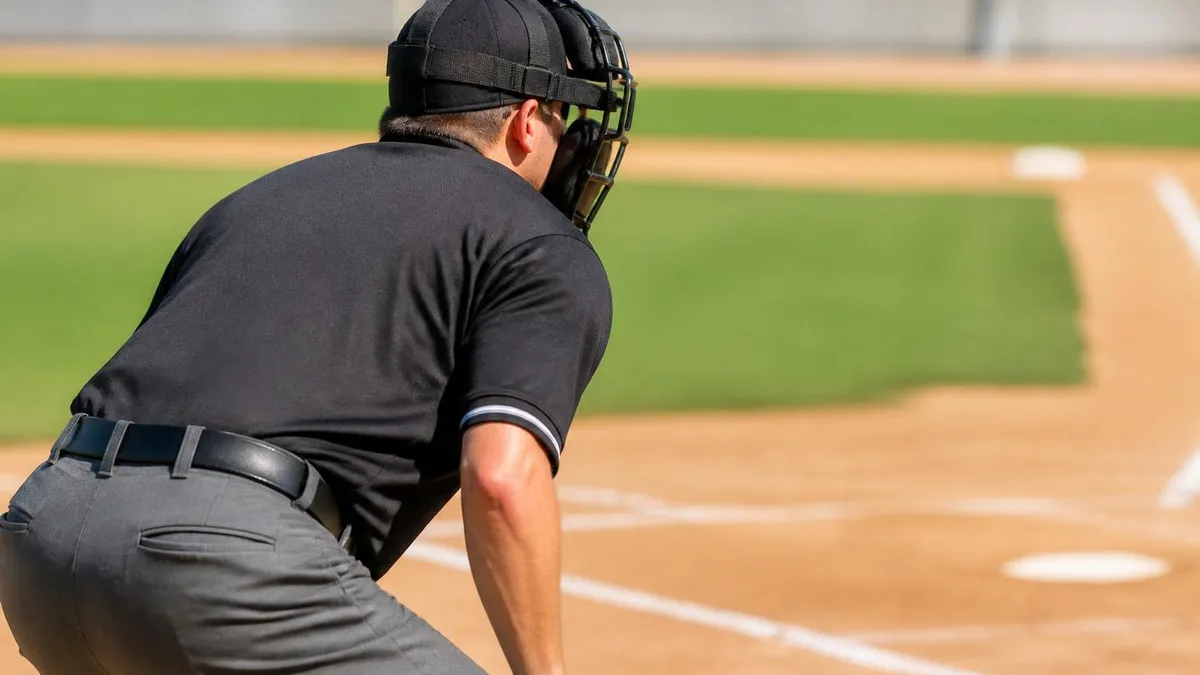
Umpire Gear: Complete Equipment Guide for Plate and Base Umpires
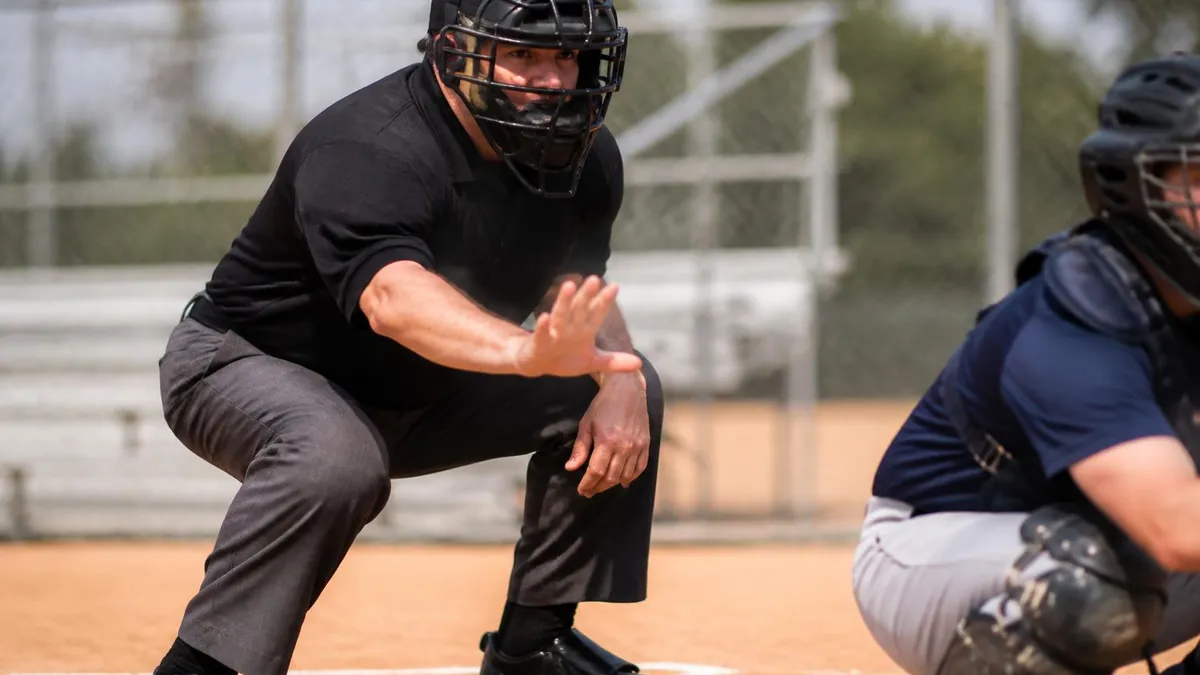
Robot Umpires in MLB: How ABS Works in 2026
About the Author

Educational Psychologist & Academic Test Preparation Expert
Columbia University Teachers CollegeDr. Lisa Patel holds a Doctorate in Education from Columbia University Teachers College and has spent 17 years researching standardized test design and academic assessment. She has developed preparation programs for SAT, ACT, GRE, LSAT, UCAT, and numerous professional licensing exams, helping students of all backgrounds achieve their target scores.