
Umpire Salary: Complete 2026 October Pay Guide for Every Level of Baseball Officiating
💯 Umpire salary guide 2026 October: real pay ranges for youth, high school, college, MiLB and MLB umpires plus benefits, bonuses, and career path data.

The umpire salary you can realistically earn in 2026 depends almost entirely on the level you work, the league that hires you, and how many games you can physically handle in a season. At the youth recreational level, umpires often clear $35 to $60 per game, while a veteran Major League umpire can pull in more than $450,000 per year before postseason bonuses. Between those two extremes sits a vast middle ground of high school, travel ball, college, and minor league pay rates that most people never see published anywhere.
This guide breaks down every realistic earnings tier so you can plan your career honestly. We cover game fees, annual salaries, postseason bonuses, per-diem rates, and the unglamorous costs that eat into take-home pay, like uniforms, plate gear, travel, and insurance. We also explain why two umpires at the same level can earn very different amounts based on assignor relationships, certification, and willingness to travel.
If you are weighing whether to pursue umpiring as a side income or as a full-time career, the numbers below will help you set expectations. We pulled rates from state high school athletic associations, NCAA conference offices, Minor League Baseball collective bargaining agreement disclosures, and the latest Major League Baseball Umpires Association reporting cycles. Where official figures are not public, we used assignor surveys and verified anecdotal ranges from working officials in 2025 and early 2026.
One thing to understand up front: umpiring is not a salaried W-2 job for most people. The vast majority of officials work as independent contractors, paid per game on a 1099 basis. That changes how you handle taxes, deductions, and benefits compared to a traditional job. We will walk through what that means for the average umpire who works 60 to 150 games per season around a regular career.
The career arc also matters. A first-year youth umpire who later pursues professional umpire school, climbs through Rookie ball, Single-A, Double-A, and Triple-A, and finally earns an MLB call-up is looking at roughly an 8 to 12 year journey. Most people who start umpiring do not chase that path. Most stay at the high school and small-college level, where the pay is steady, the travel is limited, and the games still pay well enough to fund a vacation or a car payment each year.
By the end of this article, you will know exactly what to expect at every rung of the ladder, how to maximize your game count, what certifications increase your fee, and which markets pay the most per game. If you are still on the fence, our Umpire Certification Test: Your Guide to Success walks through the credentialing side that directly affects your earnings ceiling.
Umpire Salary by the Numbers
Annual Umpire Salary by Level
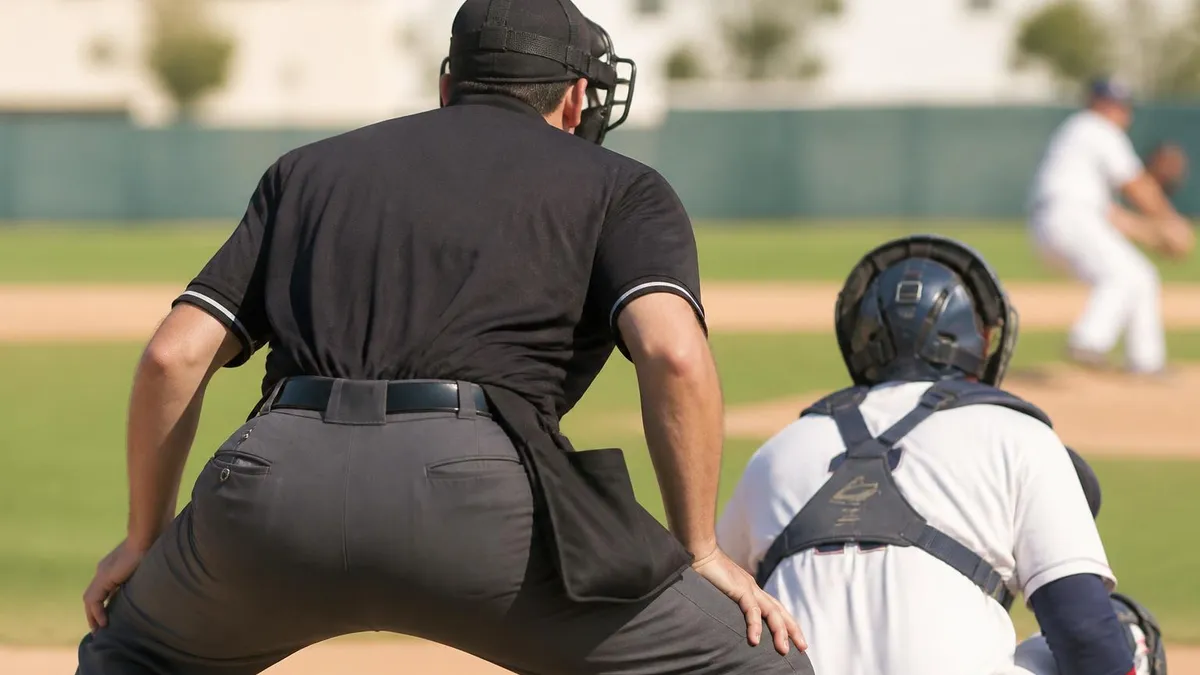
Game fees at the amateur level are set by a small group of stakeholders: state athletic associations, conference commissioners, local umpire associations, and league assignors. Understanding how these fees are negotiated is the fastest way to predict what you will actually earn in a given market.
In Texas, for example, the UIL publishes a recommended varsity baseball fee that floats around $80 to $95 per game. In California, CIF varsity fees often run $90 to $110. In rural Midwest states, the same varsity game might pay $65 to $75. The work is identical, but the local pay scale varies by 40 percent or more.
Most fees include a built-in travel component baked into the base rate, but some associations pay mileage on top. A typical structure is base fee plus IRS mileage reimbursement at the federal rate, currently 67 cents per mile in 2026. If you are working a doubleheader 90 miles from home, that mileage adds up fast. Always read the assignor contract carefully before accepting games far from your zip code, because uncompensated drive time is the single biggest hidden cost in amateur umpiring.
Sub-varsity, JV, and middle school games typically pay 60 to 75 percent of varsity rates. Tournament games during summer travel ball season often pay higher hourly rates because the games are scheduled tightly back to back. A 6-game pool play day at a travel tournament can net $250 to $400 depending on the host organization. Some of the highest pay-per-hour opportunities are USSSA, Perfect Game, and Triple Crown tournaments, where experienced umpires routinely earn $50 to $65 per game working two-man crews.
College umpires are paid by the conference, not the home institution. Power Five conferences like the SEC and ACC pay D1 baseball umpires around $300 to $400 per regular season game plus travel and per diem. Mid-major D1 conferences pay $200 to $275. Division II and Division III rates drop to $150 to $225 and $100 to $175 respectively. Conference tournament and NCAA regional assignments include additional stipends ranging from $1,500 to $5,000 depending on the round.
Postseason work is where serious side-income umpires make their best money. State high school playoff games often carry a 25 to 50 percent fee premium over regular season. NCAA postseason umpires can add $8,000 to $15,000 to their annual pay just from regional, super regional, and College World Series assignments. The catch is that postseason work is invite-only, ratings-based, and brutally competitive. You earn it by performing well over years of regular season games, attending camps, and building relationships with assignors.
Finally, professional umpire pay is collectively bargained and largely fixed by years of service. We will cover the pro ladder in depth later, but the short version is that MLB umpires earn between $235,000 and roughly $470,000 in base salary in 2026, plus per-diem, postseason bonuses, World Series pay, and a strong pension. Reaching that level requires umpire school, evaluation, and a multi-year minor league grind that pays poverty wages by comparison. Our MLB Umpire Salary: Complete 2026 Pay Guide for Major League Umpires goes deep on those top-tier numbers.
Umpire Practice Test Questions
Prepare for the Umpire Certification exam with our free practice test modules. Each quiz covers key topics to help you pass on your first try.
Umpire Game Management
Umpire Exam Questions covering Game Management. Master Umpire Test concepts for certification prep.
Umpire Positioning and Mechanics
Free Umpire Practice Test featuring Positioning and Mechanics. Improve your Umpire Exam score with mock test prep.
Umpire Roles and Responsibilities
Umpire Mock Exam on Roles and Responsibilities. Umpire Study Guide questions to pass on your first try.
Umpire Rules of the Game
Umpire Test Prep for Rules of the Game. Practice Umpire Quiz questions and boost your score.
Umpire Certification Code Compliance
Umpire Questions and Answers on Certification Code Compliance. Free Umpire practice for exam readiness.
Umpire Certification Environmental Standards
Umpire Mock Test covering Certification Environmental Standards. Online Umpire Test practice with instant feedback.
Umpire Certification Equipment Operation
Free Umpire Quiz on Certification Equipment Operation. Umpire Exam prep questions with detailed explanations.
Umpire Certification Maintenance Protocols
Umpire Practice Questions for Certification Maintenance Protocols. Build confidence for your Umpire certification exam.
Umpire Certification Material Selection
Umpire Test Online for Certification Material Selection. Free practice with instant results and feedback.
Umpire Certification Quality Inspection
Umpire Study Material on Certification Quality Inspection. Prepare effectively with real exam-style questions.
Umpire Salary at Amateur Levels
Youth umpires working 8U through 14U recreational and tournament games typically earn $30 to $55 per game in 2026. Little League International games average $40 to $50 per plate appearance, with bases earning slightly less. A motivated youth umpire working three nights a week and Saturdays during the April-through-July season can clear $4,000 to $7,500 in side income.
Travel ball pays significantly better. USSSA, Perfect Game, and Triple Crown weekend tournaments pay $45 to $65 per game with 4 to 6 games per day common. Experienced tournament umpires who travel regionally can stack $400 to $600 weekends, especially during peak summer months. Tournament directors prize reliability over flash, so showing up early and working clean games is the fastest way to get rebooked at higher fees.
Is Umpiring Worth It Financially?
- +Flexible part-time income that fits around a primary career or school schedule
- +Predictable seasonal earnings between $5K and $20K for committed high school umpires
- +Mileage, gear, training, and home-office expenses are tax-deductible on Schedule C
- +Cash flow improves quickly because most associations pay within 14 to 30 days
- +Top-tier umpires can build a real career path leading to college and pro baseball
- +Postseason and tournament work pays premium rates above regular season fees
- −Most umpires are 1099 contractors with no employer-paid health insurance or retirement
- −Up-front gear investment of $400 to $1,200 before earning a single dollar
- −Weather cancellations, no-shows, and assignor changes create unpredictable income gaps
- −Travel time is rarely compensated separately from the base game fee
- −Reaching MLB-level pay requires 8 to 12 years and a tiny percentage make it
- −Public abuse from coaches, parents, and players is a real on-the-job cost
Checklist to Increase Your Umpire Salary
- ✓Earn state high school athletic association certification for your local market
- ✓Pass an annual rules exam with a score that qualifies you for varsity assignments
- ✓Attend at least one regional or pro-style umpire camp every off-season
- ✓Build relationships with three to five reliable assignors in your geographic radius
- ✓Track every mile, gear purchase, and training expense for Schedule C deductions
- ✓Invest in a quality plate mask, chest protector, and shin guards that last multiple seasons
- ✓Volunteer for one tournament or showcase per summer to expand your visibility
- ✓Document evaluations and ratings from supervisors to support promotion requests
- ✓Pursue NCAA Division III or junior college games before chasing Division I assignments
- ✓Set up an LLC or sole proprietorship for clean tax treatment of umpire income
Doubleheaders triple your effective hourly rate
A varsity doubleheader pays two full game fees while sharing one drive and one pre-game routine. If a single varsity game pays $85 at 3.5 hours all-in including travel, the same drive plus a second game pays $170 across roughly 5.5 hours, lifting your effective hourly rate from about $24 to $31. Always tell your assignor you accept doubleheaders.
The professional umpire ladder starts at one of two accredited schools: the Wendelstedt Umpire School in Florida or the Minor League Baseball Umpire Training Academy. Tuition runs roughly $3,500 to $4,500 for a five-week residential program. Roughly 100 to 150 students attend each school per year, and only the top 20 to 30 percent earn a recommendation to the Professional Baseball Umpire Corp evaluation course, which is the only path into affiliated minor league assignments.
If you earn a PBUC assignment, you start in Rookie or Short-Season ball, where 2026 monthly pay is approximately $2,150 per month during the active season, with most umpires working roughly 3 months on a contract. That works out to less than $7,000 for the season, which is famously below a sustainable living wage. Per-diem payments of about $75 per day on the road soften the blow, and most umpires share apartments and rental cars to control costs.
Single-A pay rises to roughly $2,300 per month, Double-A to $2,500, and Triple-A to $2,600 to $2,800 monthly under the most recent collective bargaining adjustments. Triple-A umpires often work a 5-to-6 month active schedule, which produces $13,000 to $17,000 in base pay plus per-diem. Promotion timelines vary, but a typical successful umpire spends one year at Rookie, one to two at Single-A, two at Double-A, and three or more at Triple-A before any MLB call-up.
Major League call-ups happen in two stages. First, Triple-A umpires get spot fill-in days at the MLB level during the regular season, paid at a daily rate of roughly $700 to $850 plus full per-diem. Second, after several years of fill-in work and strong reviews, the umpire may be offered a full-time MLB roster spot, which is when the salary jumps to the MLB minimum of about $235,000 per year.
Full MLB umpires earn raises based on years of service. By year 5, base salary commonly reaches the low $300,000s. By year 15, base salary often exceeds $450,000. Postseason assignments pay $20,000 to $25,000 for the Division Series, $20,000 to $25,000 for the Championship Series, and roughly $30,000 for the World Series. A senior umpire who works deep into October regularly clears $500,000 in total annual compensation.
MLB umpires also receive employer-paid health insurance, a defined-benefit pension, four weeks of in-season vacation, and first-class travel. The contrast with the minor league pipeline is stark, which is part of why the World Umpires Association has fought hard in recent collective bargaining to raise minor league pay floors. If you are curious about the advanced story of automation in pro baseball, our Robot Umpires in MLB: How ABS Works in 2026 covers how the ABS challenge system is reshaping the role.
If you earn more than $400 in umpiring income in a calendar year, you owe self-employment tax of 15.3 percent on top of regular income tax. Most amateur umpires receive 1099-NEC forms with no withholding, which means a surprise tax bill in April. Set aside roughly 25 to 30 percent of every game check in a separate savings account to cover quarterly estimated taxes.
Take-home pay for umpires looks very different from the headline game fee because of taxes, gear, travel, and continuing-education costs. A high school varsity umpire who earns $12,000 in 1099 income typically nets between $8,500 and $9,500 after self-employment tax, federal and state income tax, and out-of-pocket expenses. Knowing those real numbers helps you plan for car payments, vacations, or saving toward umpire school if that is your goal.
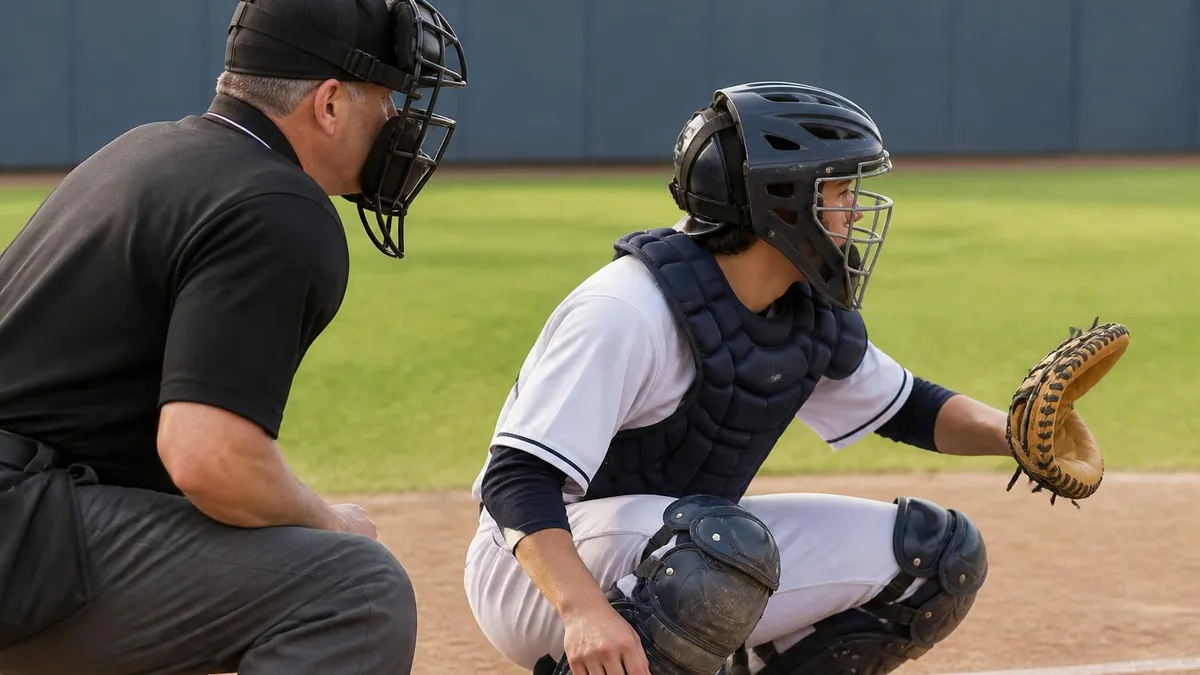
Gear is the largest recurring cost. A complete plate kit for a serious umpire includes a mask with replaceable use, chest protector, shin guards, plate shoes, base shoes, ball bag, indicator, plate brush, and at least two uniform sets. A first-year umpire should plan to spend $600 to $1,200 to look professional. Replace mask pads, throat guards, and plate shoes every two to three seasons. Every dollar of gear is fully deductible on Schedule C as a business expense.
Mileage is the second biggest expense and the biggest deduction. The 2026 IRS standard mileage rate of 67 cents per mile applies to all driving from your home to assignor-arranged games. If you drive 5,000 umpire-related miles in a year, that is $3,350 in deductible expense that lowers your taxable umpire income substantially. Use a mileage tracking app like MileIQ or a paper logbook with date, mileage, and game site.
Continuing education and training costs are also fully deductible. State association dues, rulebook updates, online clinics, regional camps, and travel to a pro-style camp like the South Atlantic Umpire Camp or Wendelstedt classroom-style events all qualify. Many umpires combine a vacation with a January or February camp for tax-advantaged professional development. Keep receipts and a brief log of what you learned, in case of audit.
Insurance is the most-overlooked cost. A general liability policy through NASO or your state association runs $50 to $125 per year and is essential because amateur sports lawsuits do happen. Health insurance is on you unless your day job provides coverage. Many full-time umpires use ACA marketplace plans subsidized by their adjusted gross income, since 1099 contractor status keeps reported wages lower than the equivalent salaried job would.
If you treat umpiring as a serious business, the bottom-line take-home rises significantly. An umpire who tracks every mile, deducts every dollar of gear, expenses one camp per year, and contributes to a SEP-IRA can often shelter 30 percent of gross umpire income from taxation while building retirement savings. Pair that with a steady schedule of 100-plus games per year and umpiring can quietly become one of the more efficient side incomes in American sports officiating. For the certification side of growing your value, see our Umpire Certification Practice Test PDF (Free Printable 2026).
Practical steps to maximize your umpire salary start with reliability. Assignors give the best schedules to umpires who answer the phone, never cancel last-minute, arrive 45 minutes early, and look sharp at the plate. Reliability ranks above pure rules knowledge in the eyes of every assignor we surveyed for this article. If you become the umpire the assignor calls first when a varsity slot opens up, you will outearn more knowledgeable umpires who fail to follow through.
Second, deliberately upgrade your level every two seasons. If you spent two springs working sub-varsity, ask your assignor for varsity tryouts the next year. If you have worked three solid varsity seasons, attend a college-style camp and chase junior college and Division III assignments. The pay jump from sub-varsity to varsity averages 35 percent. The jump from high school varsity to D3 college averages another 30 percent. These transitions are how careers grow.
Third, diversify your schedule across multiple seasons and sports if possible. Many umpires work baseball in the spring, summer travel ball in June and July, fall ball in September and October, and a winter indoor league or basketball/football officiating to keep cash flowing year-round. Multi-sport officials with reliable schedules in two or three sports routinely earn $25,000 to $40,000 in part-time officiating income while holding a regular weekday job.
Fourth, invest in your professional brand. Maintain a clean uniform, replace worn gear before it looks shabby, and keep a polished demeanor when interacting with coaches and athletic directors. Word-of-mouth still drives the best umpire opportunities in 2026. An athletic director who saw you handle a heated bench situation calmly will recommend you to the assignor for next year's playoffs. That single recommendation can be worth thousands in postseason fees.
Fifth, study the rules constantly. The umpires who get the best varsity, college, and tournament assignments are the ones who know the rulebook cold, including obscure interpretations on obstruction, interference, batter's box rules, and pitching restrictions. Subscribe to the NFHS, NCAA, and your state's published interpretation bulletins. Attend your state association's annual rules meeting. Take online quizzes regularly to keep rules knowledge sharp during the off-season.
Sixth, learn the business side. Track every dollar, file taxes correctly, and consider forming an LLC if your gross umpire income passes $15,000. Set aside money for gear replacement, continuing education, and one camp per year. Build relationships with at least two assignors so you are not dependent on one source of games. With those habits in place, umpiring transforms from a hobby into a respected, recurring stream of income that grows steadily across your officiating career.
Umpire Questions and Answers

About the Author

Educational Psychologist & Academic Test Preparation Expert
Columbia University Teachers CollegeDr. Lisa Patel holds a Doctorate in Education from Columbia University Teachers College and has spent 17 years researching standardized test design and academic assessment. She has developed preparation programs for SAT, ACT, GRE, LSAT, UCAT, and numerous professional licensing exams, helping students of all backgrounds achieve their target scores.