
State Trooper Blotter: Understanding Alaska, Texas, Florida & State Trooper Records Across the US
State trooper texas a blotter records explained. Covers Alaska, Florida, NC, Illinois & salary data. Your complete 2026 September guide. ✅

The alaska state trooper blotter is one of the most frequently searched public records tools in the country, giving citizens direct access to daily incident logs, arrest records, and patrol activity documented by state law enforcement agencies. Every state maintains some version of this public record, from the Texas Department of Public Safety's online incident portal to the Florida Highway Patrol's crash and citation database. Understanding how to read, access, and use these blotter records can be invaluable whether you're researching a neighborhood's safety profile, looking up a specific incident, or preparing for a career in law enforcement yourself.
State trooper blotters differ significantly from local police blotters in both scope and format. While a city police blotter covers municipal incidents, a state trooper blotter typically spans entire highway corridors, rural counties, and unincorporated regions that fall outside city jurisdiction. In Alaska, for example, state troopers serve as the primary law enforcement authority for over 80 percent of the state's landmass, meaning the Alaska State Trooper blotter often contains records from remote communities hundreds of miles from the nearest city. This wide geographic scope makes the blotter an especially rich and unique document compared to urban equivalents.
Across different states, the format and accessibility of trooper blotters vary widely. Some agencies publish daily or weekly summaries online in plain language, describing incidents with general location information and outcome. Others maintain formal CAD (Computer-Aided Dispatch) logs that require formal public records requests under state Freedom of Information laws. The texas state trooper blotter is managed through the Texas Department of Public Safety, which offers a searchable online crash report system and a real-time media release feed covering major incidents along Texas highways and interstate corridors.
For prospective officers and law enforcement students, studying blotter records provides remarkable insight into the day-to-day realities of state patrol work. You'll find that a single shift might document everything from a minor fender-bender on a rural state highway to a felony arrest following a high-speed pursuit. The florida state trooper blotter regularly features serious crash investigations, DUI arrests, and drug interdictions along busy corridors like I-95 and I-4, reflecting the agency's heavy traffic enforcement focus. Reading these records with a critical eye helps aspiring troopers calibrate expectations for the job.
The illinois state trooper blotter and similar Midwest records reveal a different enforcement landscape — one focused on commercial vehicle compliance, agricultural equipment incidents, and weather-related crashes that differ from Sun Belt or coastal states. Meanwhile, the carolina state trooper and nc state trooper blotters reflect the diverse terrain of the Carolinas, documenting mountain rescues, coastal storm responses, and urban freeway enforcement in equal measure. These geographic differences underscore why state trooper roles vary so much in daily function from one region to another.
Blotter records also serve as a critical research tool for journalists, attorneys, and insurance professionals. Attorneys handling accident cases routinely request certified state trooper crash reports, which are more detailed than blotter summaries and include diagrams, witness statements, and officer assessments. Insurance companies use the same documents to determine fault and calculate payouts. Academic researchers studying traffic safety patterns, DUI enforcement trends, or geographic crime distribution frequently mine blotter archives to build datasets spanning years or decades of patrol activity.
If you're preparing to become a state trooper, developing fluency with blotter records, report formats, and public records law is part of your foundational professional knowledge. The arizona state trooper records system, for instance, uses a standardized statewide format that mirrors what recruits learn to produce at the academy. Knowing how to write accurate, legally defensible incident records is just as important as physical fitness or driving skills — and it starts with understanding what good documentation looks like from the public side.
State Trooper Blotter & Career by the Numbers

Types of State Trooper Blotter and Public Records
Brief narrative logs published by the agency covering arrests, crashes, and notable calls for service. These are written for public consumption, contain general location data, and are typically posted to the agency website within 24 to 72 hours of the incident.
Standardized forms completed by the responding trooper documenting collision details, driver information, road conditions, and fault determinations. Certified copies are used in litigation and insurance claims and are available through formal public records requests.
Records of individuals taken into custody by state troopers, including charges, date, location, and arresting officer. These vary in public accessibility by state; some are posted in real time, while others require a formal FOIA or state sunshine law request.
Formal agency communications about significant incidents, wanted persons, major drug seizures, and officer-involved shootings. State police public information officers distribute these to journalists and post them to official agency newsroom pages.
Computer-Aided Dispatch records showing every call for service, unit response, and resolution code in chronological order. These are the most granular blotter records available and typically require a formal records request with identifying information about the incident.
Accessing state trooper blotter records varies considerably depending on which state you're in and what type of record you need. For most states, the first stop is the official state police or highway patrol website. Agencies like the Texas Department of Public Safety, the Florida Highway Patrol, and the North Carolina State Highway Patrol all maintain online portals where recent press releases, crash records, and incident summaries are publicly available without any formal request. These portals are updated frequently and serve as the most efficient entry point for casual research or journalistic inquiry.
When online portals don't have what you need — perhaps because the incident predates the digital archive or involves a type of record not posted publicly — a formal public records request is required. Each state has its own sunshine or freedom of information law governing these requests.
In Texas, the Public Information Act (Chapter 552 of the Government Code) requires agencies to respond within 10 business days. Florida's Sunshine Law is among the broadest in the nation, granting access to virtually all government records with few exceptions. Knowing the applicable state law before you file a request saves time and sets realistic expectations for turnaround.
For crash-specific records, many states have implemented fee-based online systems that allow anyone to purchase certified crash report copies directly. Texas charges a small per-report fee through the TxDOT crash records portal. Florida uses a similar system managed by the Florida Department of Highway Safety and Motor Vehicles. These official copies carry the agency seal and officer signature, making them admissible in court proceedings. Informal blotter summaries, while useful for general awareness, do not carry the same legal weight as certified copies.
Attorneys and insurance adjusters who work with trooper records regularly often establish direct accounts or accounts through authorized third-party vendors that integrate with state crash databases. This allows bulk searches and faster retrieval for high-volume users. If you're a law student, paralegal student, or insurance professional, understanding this commercial access ecosystem is part of professional competency in the field. Several states have also begun partnering with data aggregators that sell anonymized crash data to researchers under specific use agreements.
For those researching the nc state trooper blotter or records system specifically, the North Carolina State Highway Patrol provides a public records request portal through the NC Department of Public Safety. North Carolina's public records law is codified in Chapter 132 of the General Statutes and is considered a strong open-records framework. Crash reports in North Carolina are available to the parties involved, their attorneys, and insurers, while broader access for public research requires a more formal request demonstrating a legitimate purpose.
Digital accessibility has transformed how blotter records are used in everyday life. Local news outlets routinely mine state trooper press releases to produce community crime and traffic roundups. Neighborhood apps and community platforms aggregate these records to give residents real-time awareness of incidents near their homes. Researchers studying enforcement disparities, geographic crime patterns, or infrastructure safety rely on years of archived blotter data to build statistically significant analyses. The democratization of this information, once locked in paper files at district headquarters, represents a meaningful shift in public accountability for law enforcement agencies.
One important caveat: blotter records and press releases are preliminary documents. They reflect the situation as understood by responding officers at the time of the incident. Charges may be reduced, dismissed, or upgraded as investigations proceed. Individuals named in arrest logs are presumed innocent until convicted. Responsible use of blotter data means reading it with this uncertainty in mind, particularly when sharing or publishing information from these sources about specific individuals.
State Trooper Blotter by Region: Texas, Florida & Illinois
The texas state trooper blotter is managed primarily through the Texas Department of Public Safety's online media and public information channels. The DPS Highway Patrol division covers over 267,000 square miles of highway corridor, and its press releases document major arrests, drug interdictions, and fatal crash investigations on a near-daily basis. The agency also runs one of the largest commercial vehicle enforcement programs in the country, meaning blotter records frequently include citations and out-of-service orders for trucks and oversized loads operating in violation of state weight and safety standards.
Texas A&M University's RELLIS Campus hosts a unique relationship with state law enforcement through the texas a&m state trooper presence, where DPS troopers serve as both campus law enforcement and highway patrol officers in the surrounding Brazos Valley region. This dual-role arrangement means blotter records from that area can blend campus incident reporting with traditional highway patrol documentation. Researchers and students interested in Texas law enforcement careers should familiarize themselves with the DPS online records portal, which is one of the most comprehensive public-facing systems in the nation.

Pros and Cons of Public State Trooper Blotter Systems
- +Increases government accountability by making law enforcement activity publicly visible and verifiable
- +Helps citizens make informed decisions about road safety and travel routes based on real incident data
- +Supports journalists, researchers, and attorneys with accessible, authoritative primary source documentation
- +Enables community awareness of local crime patterns, DUI enforcement activity, and traffic hazards
- +Provides aspiring troopers with realistic insight into daily patrol duties and documentation expectations
- +Facilitates insurance claims processing and legal proceedings through certified crash report access
- −Preliminary records may contain inaccurate or incomplete information that is later revised or corrected
- −Individuals named in arrest logs are presumed innocent but may face reputational harm before trial
- −Inconsistent formats across states make cross-jurisdictional research difficult and time-consuming
- −Some agencies delay or redact records in ways that limit meaningful public oversight
- −Digital archiving gaps mean older records may be unavailable online and require in-person requests
- −Commercial data aggregators may resell blotter data in ways that raise privacy concerns for named individuals
Blotter Research Checklist: 10 Steps to Accessing State Trooper Records
- ✓Identify which state agency has jurisdiction over your incident — highway patrol, state police, or a specialty division
- ✓Check the agency's official website newsroom or press release page for recent incident summaries
- ✓Search the state's online crash report portal using date, location, or report number if available
- ✓Determine whether your state requires a formal FOIA or sunshine law request for the records you need
- ✓Gather all relevant identifying information: exact date, approximate location, involved parties' names if known
- ✓Submit a written public records request specifying the exact records needed and your intended use
- ✓Include your contact information and preferred format (digital PDF vs. paper copy) in your request
- ✓Note the statutory response deadline for your state and follow up if no response is received in time
- ✓Review received records carefully and note any redactions; redacted items can sometimes be challenged legally
- ✓Verify preliminary blotter information against official certified records before relying on it for legal or professional purposes
Blotter Entries Are Not Convictions
A name appearing in a state trooper arrest blotter does not mean the individual was convicted of a crime. Charges are frequently reduced, dismissed, or result in acquittal. Always cross-reference blotter data with court records before drawing conclusions, and treat all named individuals as presumed innocent under the law.
State trooper salary is one of the most frequently searched topics for people considering law enforcement careers, and it's directly tied to the agencies that produce the blotter records we've been discussing. Understanding compensation helps contextualize why agencies attract the talent they do and why some states face persistent staffing shortages that affect patrol coverage and blotter frequency. The national median state trooper salary sits around $64,000 per year, but this figure masks enormous variation across states and within states based on seniority, assignment, and geographic cost-of-living adjustments.
Texas state troopers with the Department of Public Safety start at approximately $45,000 annually during their probationary period, with pay increasing to $60,000 or more after completing the academy and initial field training. Senior troopers and those assigned to specialized units like the Criminal Investigations Division or Special Weapons and Tactics teams earn significantly more. Texas also offers competitive benefits including defined-benefit pension plans, health insurance, and education assistance — factors that significantly increase total compensation value beyond base salary alone.
Florida Highway Patrol troopers start at around $48,000 and can reach $75,000 or more with tenure and specialized assignments. Florida's higher cost of living in metro areas is partially addressed through geographic pay supplements for troopers stationed in South Florida, the Tampa Bay area, and Orlando. The FHP has struggled with retention in recent years, with many troopers leaving for higher-paying municipal police departments after gaining experience. This turnover dynamic affects the consistency of patrol coverage and can be seen indirectly in blotter data — districts with staffing gaps often show longer response times and gaps in documentation frequency.
Illinois State Police troopers earn a starting salary of approximately $54,000, with experienced officers reaching $90,000 or more including overtime. Illinois offers among the strongest pension benefits in the Midwest, though the state's pension funding challenges have been a source of political controversy. The ISP has recently boosted recruiting efforts in response to declining application numbers, including signing bonuses and accelerated promotion timelines for qualified lateral hires from other agencies. These recruiting dynamics are worth following for anyone planning to apply to an Illinois law enforcement academy.
The arkansas state trooper eup (Enhanced Uniform Patrol) program is a unique initiative that has drawn attention for its structured approach to trooper specialization and pay grades. Arkansas State Police troopers start at modest salaries compared to larger states — around $38,000 to $42,000 — but the EUP program provides a clear advancement pathway with corresponding pay increases tied to demonstrated competency and patrol performance metrics. Arkansas has used this system to improve retention and reduce the attrition that previously plagued its smaller rural-focused agency.
The arizona state trooper salary structure reflects the state's growing population and the increased demands placed on the Arizona Department of Public Safety. Starting pay for Arizona DPS troopers is approximately $50,000, with experienced officers averaging $70,000 to $80,000 including shift differentials and hazard pay supplements. The agency's vast patrol territory — covering everything from the Sonoran Desert to mountain passes near Flagstaff — means that geographic assignment significantly affects an officer's day-to-day experience and, indirectly, the character of the blotter records they produce.
For aspiring troopers comparing compensation packages across states, it's important to look beyond base salary to the full total-compensation picture. Pension contribution rates, health insurance premiums, uniform and equipment allowances, and education reimbursement programs all factor into real take-home value. States that score lower on base salary often compensate with stronger pension multipliers or faster retirement eligibility. Running a full comparison — not just headline salary numbers — is essential for making an informed career decision about which state to pursue your law enforcement career in.

State trooper salary figures cited in this article reflect publicly available data as of 2025-2026 and are subject to change based on legislative appropriations, collective bargaining agreements, and agency pay schedule updates. Always verify current starting salary and benefit details directly with the agency's human resources or recruiting office before making career decisions.
For candidates preparing to take a state trooper written examination, studying blotter records and report formats isn't just interesting background knowledge — it's directly relevant to the kinds of questions that appear on the test. Many state trooper exams include sections on report writing, reading comprehension of law enforcement documents, and scenario-based questions that test whether candidates can correctly identify the information that should be included in an official incident report. Familiarity with real blotter entries and crash report formats gives you a practical mental model that abstract study guides can't replicate.
The written examination component of state trooper hiring processes typically covers five to eight major subject areas: reading comprehension, written communication, mathematics, situational judgment, and knowledge of traffic and criminal law. The reading comprehension section frequently uses passages that resemble actual police reports, dispatch logs, or legal code excerpts. If you've spent time reading real blotter entries and crash reports, you'll find these passages far less intimidating than candidates who approach them cold. The language of law enforcement documentation has its own conventions and vocabulary, and prior exposure is a genuine advantage.
Written communication questions test candidates' ability to organize information logically, use precise language, and avoid ambiguity in documenting scenarios. Examiners are evaluating whether you can produce the kind of clear, factual, chronological narrative that makes a blotter entry legally useful. Reviewing examples of well-written state trooper reports and contrasting them with poorly written ones — an exercise you can do using public records — sharpens your instincts for what examiners are looking for. Look for how officers describe suspect actions, environmental conditions, and their own decision-making steps.
Traffic and criminal law questions draw heavily on the Vehicle Code and criminal statutes specific to each state. The state trooper at texas a campus and similar university-affiliated trooper programs often provide study materials that include annotated versions of key statutes, making it easier to understand not just what the law says but how it applies in field scenarios. Understanding the legal framework behind common blotter entries — DUI stops, felony traffic stops, domestic disturbance responses — helps connect abstract statutory language to real-world enforcement practice.
Situational judgment sections are increasingly common on state trooper exams, presenting candidates with complex scenarios and asking them to identify the best course of action from several plausible options. These questions are often drawn from real-world patrol situations that troopers commonly encounter — the same kinds of situations documented in blotter records every day. Candidates who have researched actual incident types, understood how troopers responded, and reflected on why certain responses are legally or tactically preferred have a measurable advantage on these sections.
Physical fitness standards, background investigation requirements, and psychological evaluations are critical gatekeepers in the hiring process, but the written exam is often the first major hurdle that eliminates the largest number of candidates. Passing rates on some state exams are below 50 percent for first-time test takers, meaning written preparation is not optional — it's essential. Building a structured study plan that combines textbook review, practice tests, and real-world document analysis gives you the broadest possible preparation base for this critical early stage.
Beyond exam preparation, understanding the documentation systems that troopers use daily prepares you for the academy training that follows a conditional offer. Academy programs spend significant time on report writing, evidence documentation, and courtroom testimony preparation — all of which build on the same foundational literacy that blotter research develops. Arriving at the academy with a head start on documentation skills means more mental bandwidth available for physical training, firearms qualification, and the high-stakes scenarios that define academy performance evaluations.
Building an effective study plan for the state trooper exam requires balancing multiple preparation methods rather than relying on any single resource. The most successful candidates typically combine official state study guides, third-party practice tests, physical conditioning programs, and the kind of real-world document analysis we've discussed throughout this article. This multi-layered approach ensures that no major exam domain is neglected and that the candidate's preparation is as broad and varied as the exam itself.
Start by downloading the official candidate information bulletin from the state agency you're applying to. This document — published by the state police or highway patrol and typically available on the agency's website — outlines the exact exam format, subject areas, and scoring methodology. It also usually includes sample questions or references to approved study materials. Reading this document carefully before purchasing any third-party study guide ensures your preparation targets the right content for your specific state's examination format rather than a generic law enforcement test.
Physical preparation deserves equal billing with academic study, particularly because many state trooper physical ability tests are administered on the same day or immediately following the written exam. Candidates who neglect fitness training and then face a timed obstacle course, push-up and sit-up standards, or a mile-and-a-half run are at significant risk of failing out of the process despite strong written performance. Integrating regular cardio, strength training, and flexibility work into your weekly study schedule from the moment you decide to apply is the safest strategy.
Practice tests are one of the highest-ROI preparation tools available because they simultaneously develop content knowledge, time management, and test-taking stamina. Taking a full-length practice test under timed conditions reveals which subject areas need more attention and helps calibrate your pacing so you don't run out of time on the actual exam. Many candidates discover that their weakest area is not what they expected — a strong reader may struggle with the mathematics section, or a technically knowledgeable candidate may underperform on situational judgment questions that require nuanced ethical reasoning.
Peer study groups and mentorship from currently serving troopers add a dimension to preparation that no textbook can provide. Troopers who have recently passed their state's exam are an invaluable resource for understanding the tone, difficulty, and specific content emphasis of the test as it's currently administered. Many agencies have informal mentorship programs or ride-along opportunities for qualified candidates, and these experiences provide both motivation and specific insight that academic preparation alone cannot replicate. If your state's agency offers a citizen academy or pre-employment orientation, attend it.
Mock oral interviews and background investigation preparation are often overlooked by candidates who focus exclusively on the written exam. The oral board interview, which typically follows a successful written and physical test, evaluates communication skills, judgment, and professional demeanor. Candidates who have practiced articulating their motivations for law enforcement, describing relevant experience, and responding to ethical dilemma questions with structured, calm reasoning significantly outperform unprepared candidates. Treat the oral board as a separate exam that requires its own dedicated preparation track.
Finally, take the time to understand the specific patrol culture and enforcement priorities of the state you're applying to. An arizona state trooper candidate should understand the agency's border enforcement responsibilities, highway interdiction programs, and mountain rescue protocols. A candidate for the North Carolina State Highway Patrol should be familiar with the state's Move Over Law enforcement emphasis and its mountain highway safety challenges. Demonstrating this kind of agency-specific knowledge in your application, essay questions, and oral board interview signals a level of genuine commitment that stands out in competitive applicant pools.
State Trooper Questions and Answers

State Police Troop Locations: A Complete Guide to Troops Across the US

State Trooper Reports: Duties, Salaries & Career Guide Across Every State

State Trooper Practice Test PDF 2026
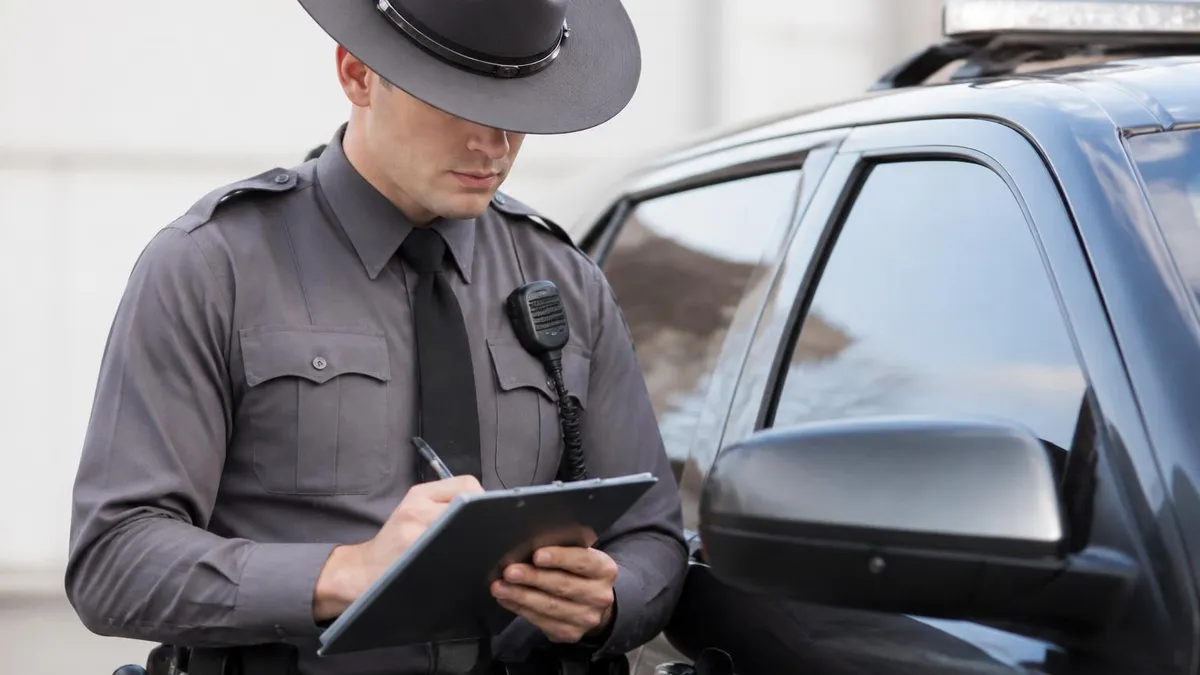
State Trooper Requirements: Age, Height & State Rules 2026
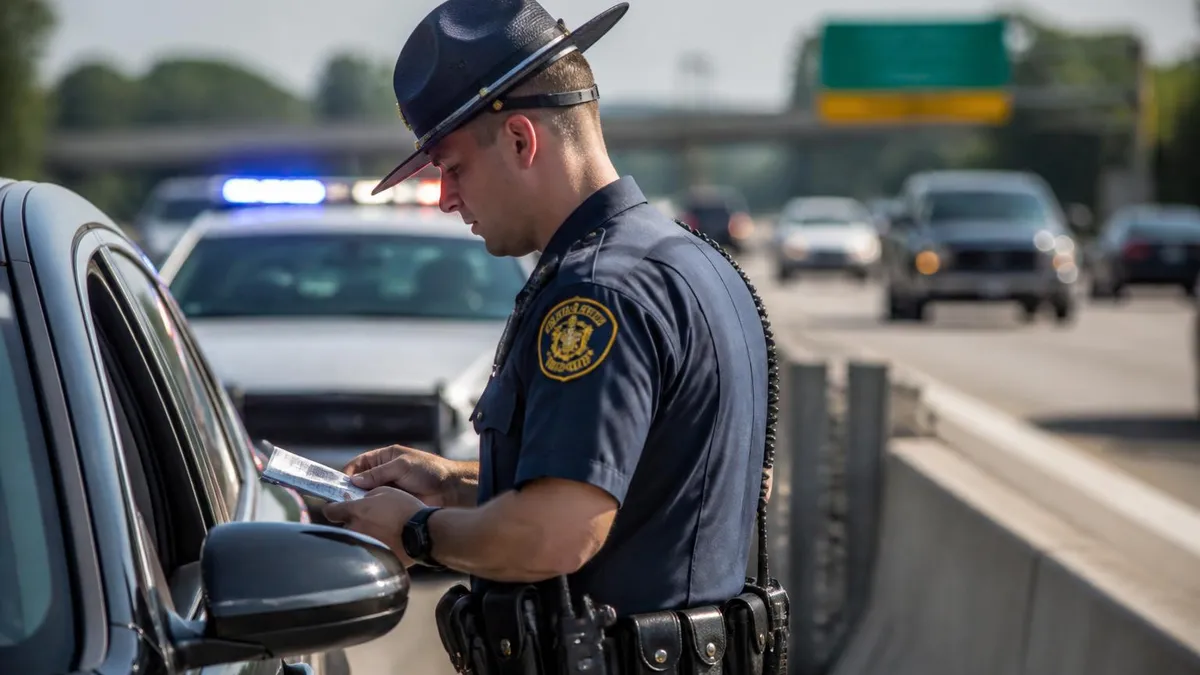
State Trooper Academy: Complete Training Guide for Recruits in 2026
About the Author

Educational Psychologist & Academic Test Preparation Expert
Columbia University Teachers CollegeDr. Lisa Patel holds a Doctorate in Education from Columbia University Teachers College and has spent 17 years researching standardized test design and academic assessment. She has developed preparation programs for SAT, ACT, GRE, LSAT, UCAT, and numerous professional licensing exams, helping students of all backgrounds achieve their target scores.
Join the Discussion
Connect with other students preparing for this exam. Share tips, ask questions, and get advice from people who have been there.
View discussion (3 replies)